REVIEW · SISTINE CHAPEL
Rome: Private 2-Day Guided City Highlights Tour
Book on GetYourGuide →Operated by Through Eternity Tours · Bookable on GetYourGuide
Two days, and Rome feels finally manageable. This private plan links the Colosseum to the Vatican Museums with skip-the-line entry and tight local storytelling, plus a guided bar-break panorama from Capitoline Hill. One thing to keep in mind: St. Peter’s Basilica can have last-minute security or ceremony changes, so the day’s flow may adjust.
What I like most is the way the guide uses the sites as a timeline, from the violence of the games at the Colosseum to Michelangelo’s ideas in the Sistine Chapel. I also like that you’re not stuck figuring logistics through crowds—your route is clear, and you get headsets when needed. The pace is full, so you’ll want good walking shoes and a realistic attitude about how much you can absorb in 48 hours.
In This Review
- Key Things That Make This Tour Worth Your Time
- The Real Value: Why a Private 2-Day Highlights Plan Fits Rome
- Day One: Arch of Constantine to Colosseum—Walking Into the Story of the Games
- Day One: Forum to Capitoline Hill Panorama Break (Yes, You’ll Be Glad You Stopped)
- Day One Lunch and the Guide-Recommended Food Reality
- Day One: Spanish Steps, Trevi Fountain, Piazza Navona, Pantheon Stops
- Day Two: Vatican Museums—Belvedere Courtyard, Raphael Rooms, and the Sistine Chapel
- Day Two: Lunch, Then St. Peter’s Basilica and Bernini’s Piazza
- Day Two Finish: Borgo Pio Stroll and Castel Sant’Angelo Views
- Logistics That Affect Your Day (in a Good Way)
- Price and Value: Does $521.71 Make Sense?
- Who This Tour Suits Best (and Who Might Not Love It)
- Should You Book This Rome 2-Day Private Highlights Tour?
- FAQ
- What’s included in the tour?
- Does the tour cover both ancient Rome and Vatican City?
- What if St. Peter’s Basilica is closed or opens late?
- Where do we meet on each day?
- What should I bring, and what’s not allowed?
- Is the Vatican Museum entry free for some visitors?
Key Things That Make This Tour Worth Your Time
- Skip-the-line access (including an express security check) saves you from Rome’s long queues
- Colosseum + Roman Forum context explains the games and gladiator lives, not just the photos
- Capitoline Hill panoramic stop with a bar break gives you a breather with city-wide views
- Vatican Museums structure includes Belvedere Courtyard, Raphael Rooms, and the Sistine Chapel
- Expert guide storytelling: reviews highlight guides with serious academic background, including a PhD-level guide named Robert
- Castel Sant’Angelo on day two ends with a top-of-the-fortress view over the Tiber and Vatican
The Real Value: Why a Private 2-Day Highlights Plan Fits Rome
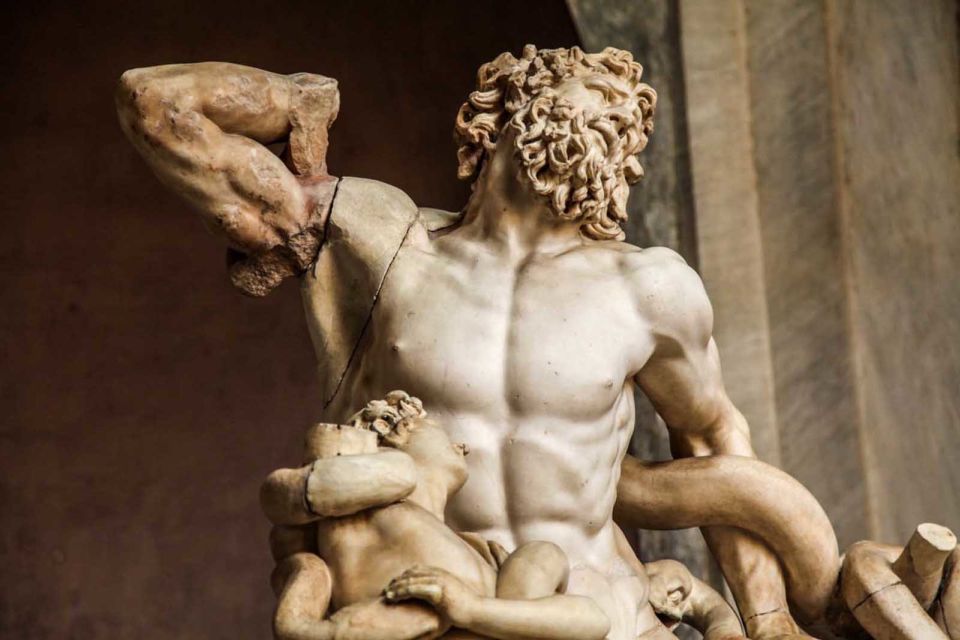
Rome is big, layered, and crowded in a way that can make “highlights” feel like a race. This tour earns its spot because it’s built around two days of momentum, not random hopping. You start with major ancient landmarks, then switch gears into Renaissance and Baroque Rome at the Vatican side—so your brain has two clear themes: empire-era Rome, then papal-era Rome.
You’ll also appreciate that “private” here isn’t just marketing. The route is guided, the timing is managed through skip-the-line access, and the guide can slow down when a detail matters. That matters most at the Colosseum, Roman Forum, and Vatican Museums, where the difference between a good visit and a great one is usually the explanation you hear while you’re standing there.
Price-wise, it’s not cheap. But when you compare this to paying for individual tickets while also trying to plan your own route through multiple high-demand sites, the value starts to make sense. You’re buying time, order, and interpretation—three things Rome makes hard to do solo unless you’re very organized.
You can also read our reviews of more tours and experiences in Sistine Chapel.
Day One: Arch of Constantine to Colosseum—Walking Into the Story of the Games
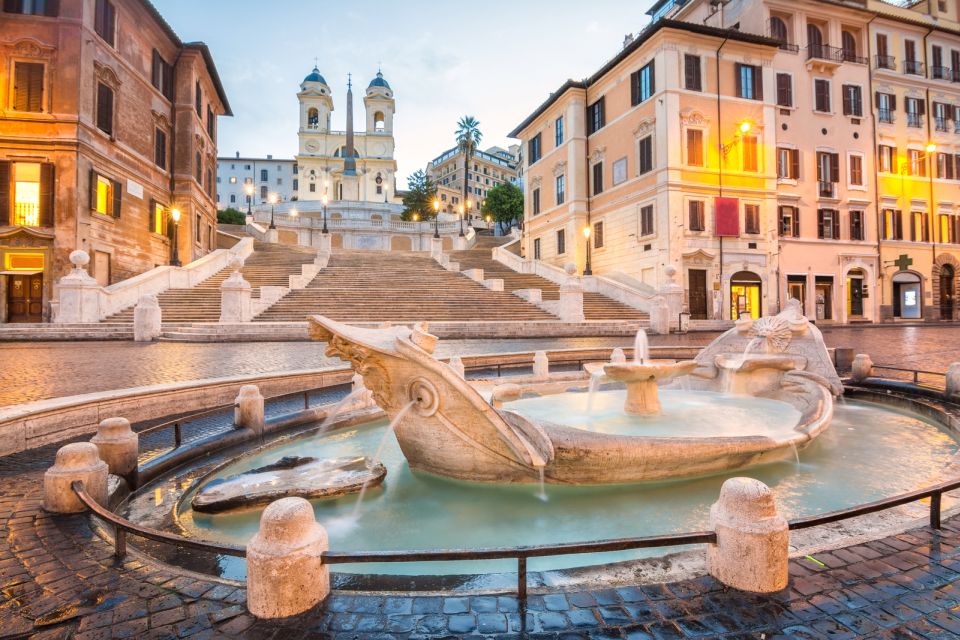
Your day opens at the Arch of Constantine, a strong first move because it frames how Rome talked about power. From there you head into a private Colosseum tour with a top local guide. The point isn’t just seeing the structure—it’s understanding what the arena meant and what happened there.
Here’s where the storytelling approach shines. You’ll hear about the violence of the games and the lives of the gladiators, which helps you look past the “cool ancient building” effect. The Colosseum becomes less of a postcard and more of a working social machine: entertainment, politics, and spectacle all tangled together.
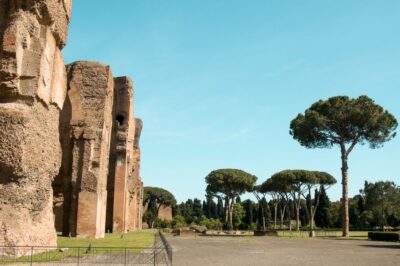
Then you’ll take a short walk to explore the Roman Forum. The Forum works best when it’s explained as a place where daily political and public life happened. Even if you’ve seen photos before, you’ll get more out of the stones because you’re linking them back to the empire story you heard at the Colosseum.
Practical note: this is active sightseeing. Bring comfortable shoes and take water breaks when you can. You’re covering major ground, and the best moments happen when you’re not rushing from one photo spot to the next.
Day One: Forum to Capitoline Hill Panorama Break (Yes, You’ll Be Glad You Stopped)
After the Forum, you move to Capitoline Hill, where the tour builds in a break with a bar stop and a panoramic view of the city. This matters more than it sounds. When you’re surrounded by ruins, it’s easy to lose the big picture. A view like this helps you reset your mental map of where Rome’s layers stack on top of each other.
The bar break is also useful because you’re midway through day one. Rome can wear you down fast if you skip breaks, even when the sights are amazing. This pause gives you a chance to catch your breath, refuel, and keep your energy for the next run of iconic stops.
Day One Lunch and the Guide-Recommended Food Reality
Lunch is planned at a restaurant recommended by your guide. You’ll have a chance to sample local dishes, and the tour describes it as a hearty meal. Since food and beverages aren’t included, you should expect to pay for your own lunch, like you would at any sit-down spot.
What’s the value of a recommended lunch? In Rome, eating can be a gamble if you don’t know what’s close, what’s authentic, and what’s tourist-priced. A guide recommendation is a shortcut to eating without stress, and it fits the tour rhythm so you’re not searching mid-day.
A tip: don’t over-order if you’re sensitive to long afternoons. You’ve got more major stops after lunch, including the Spanish Steps, Trevi Fountain area, and Piazza Navona.
Day One: Spanish Steps, Trevi Fountain, Piazza Navona, Pantheon Stops
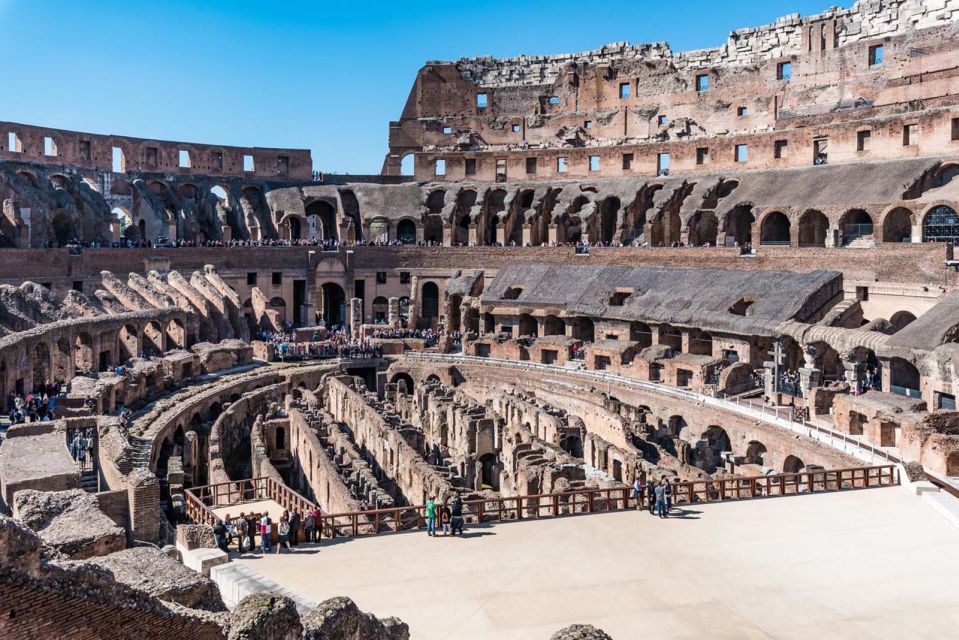
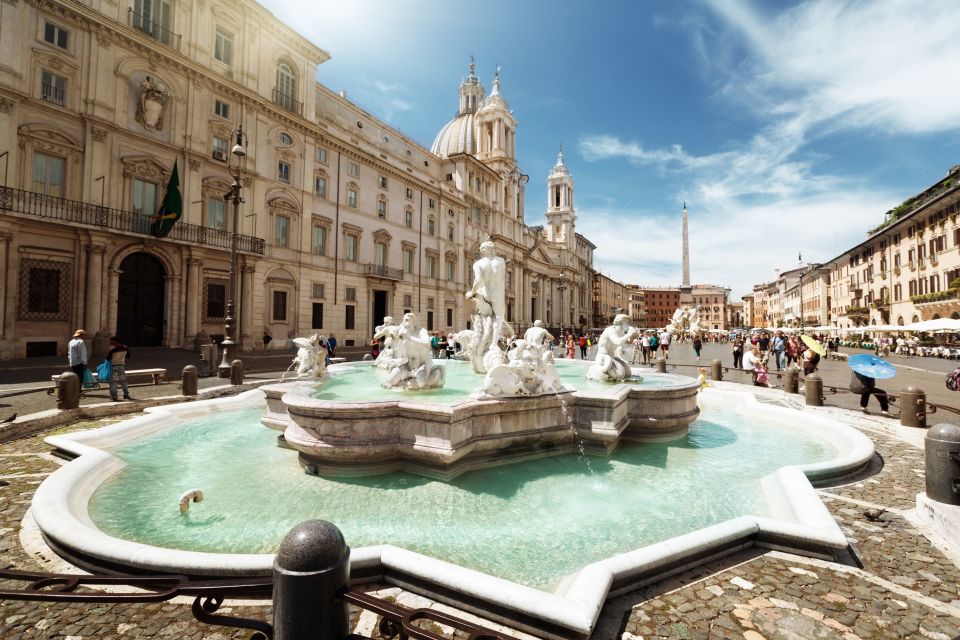
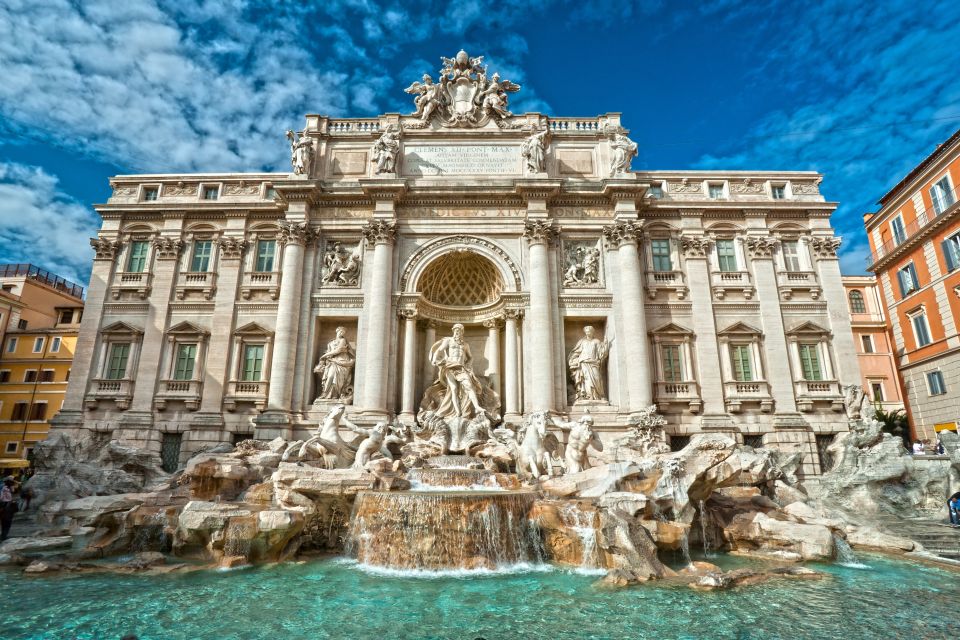
The afternoon route keeps you moving through the most famous squares and viewpoints in central Rome. You’ll visit the Spanish Steps, stop by Trevi Fountain (with time to stand there and make that classic wish), and then continue through spots like Piazza Sant’Eustachio, Piazza Navona, and Campo de’Fiori.
This is the part where Rome’s energy is at full volume. The tour keeps it efficient by bundling landmarks that naturally connect by foot. You’ll also get a sense of how different neighborhoods feel, without spending your time figuring out what order to go in.
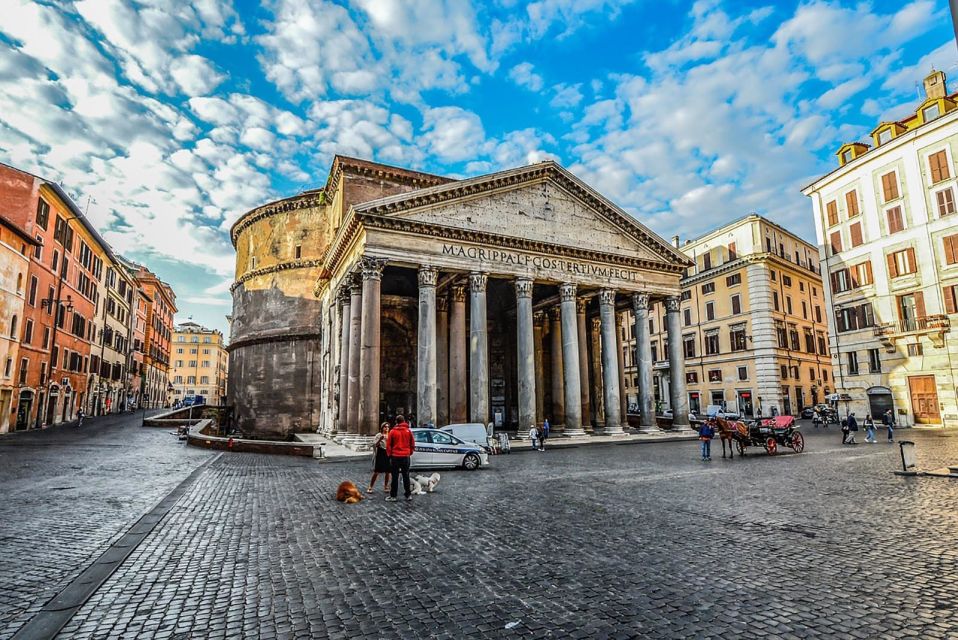
From there you reach the Pantheon and Hadrian’s Temple stops, finishing day one at Piazza Farnese. These are big-name architectural moments, and they land well after the piazza circuit because they shift you back from crowd theater to stone and scale. If you’ve ever wished you could understand what you’re seeing beyond surface impressions, this sequence helps: by the time you reach the Pantheon area, you’ve already been trained on how Romans built and reused space over centuries.
Day Two: Vatican Museums—Belvedere Courtyard, Raphael Rooms, and the Sistine Chapel
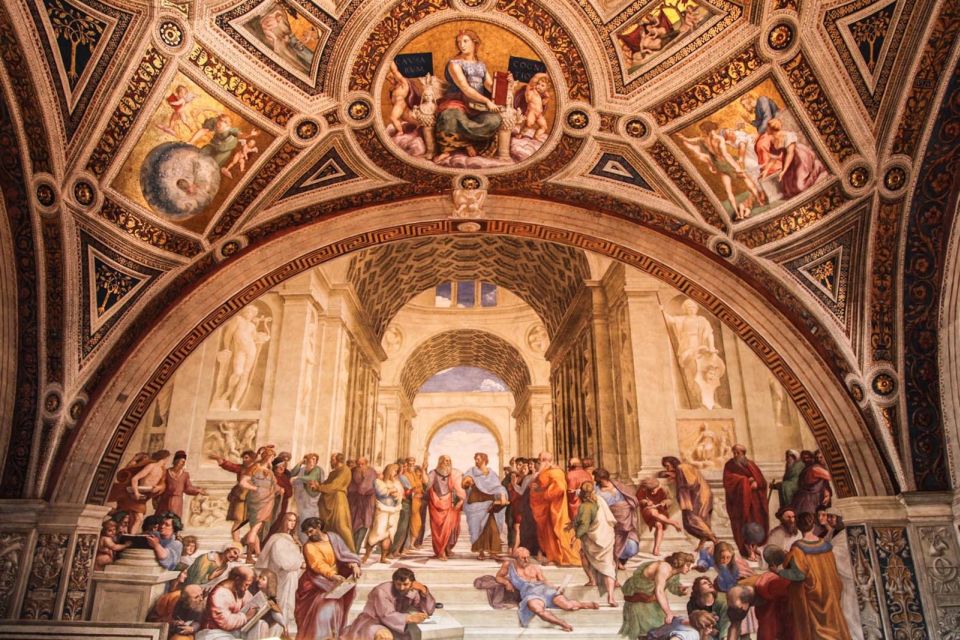
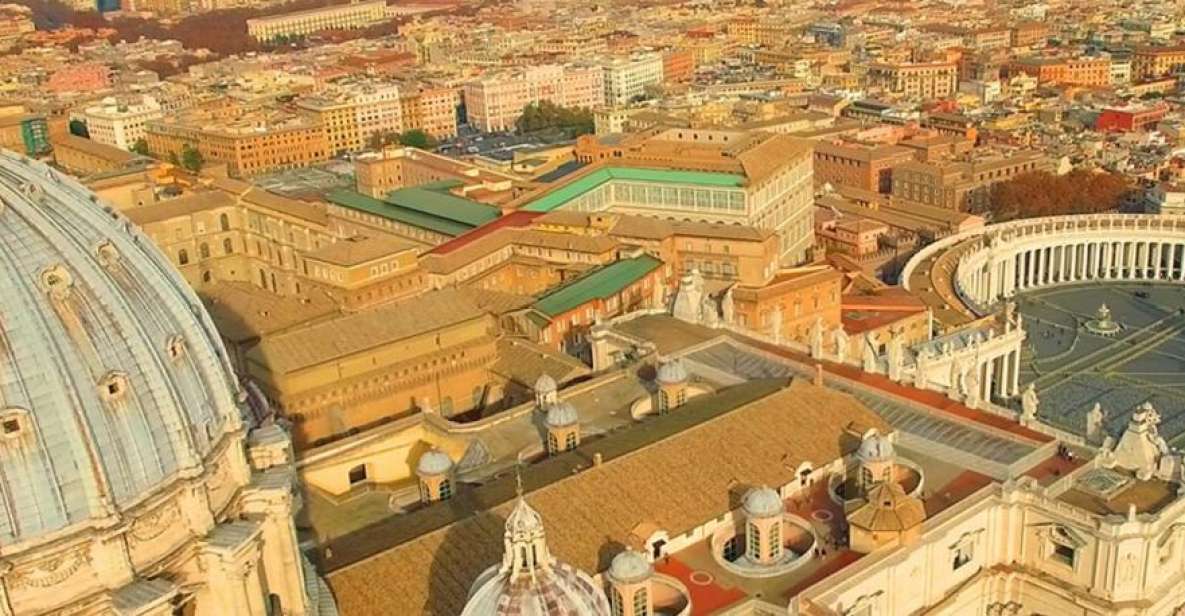
Day two starts with the Vatican Museums, one of the hardest places in Rome to do well without planning. Here you get skip-the-line entry and a guided route that’s designed for flow. Key stops include the Belvedere Courtyard and the Raphael Rooms, then the centerpiece: the Sistine Chapel.
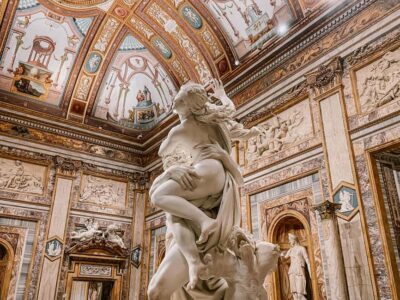
The guide’s job here is interpretation, and that’s exactly where this tour seems to shine. You’ll hear stories about the composition of the frescoes and the extraordinary life of Michelangelo, so you’re not only looking at famous art—you’re learning how those choices work.
One thing I’d watch for is attention span. The Vatican Museums can feel endless if you drift into “just looking.” A structured path, with explanations tied directly to what you’re standing in front of, keeps things from turning into blur. This is especially true at the Sistine Chapel, where the meaning is hard to catch unless someone points you to what to notice.
Day Two: Lunch, Then St. Peter’s Basilica and Bernini’s Piazza
After lunch at a traditional restaurant, you continue to St. Peter’s Basilica. The tour notes that the basilica can have unscheduled closings and late openings for ceremonies and security reasons. If that happens, the Vatican Museums are explored in more detail as a substitution. That flexibility is a real benefit in a place where schedules can change.
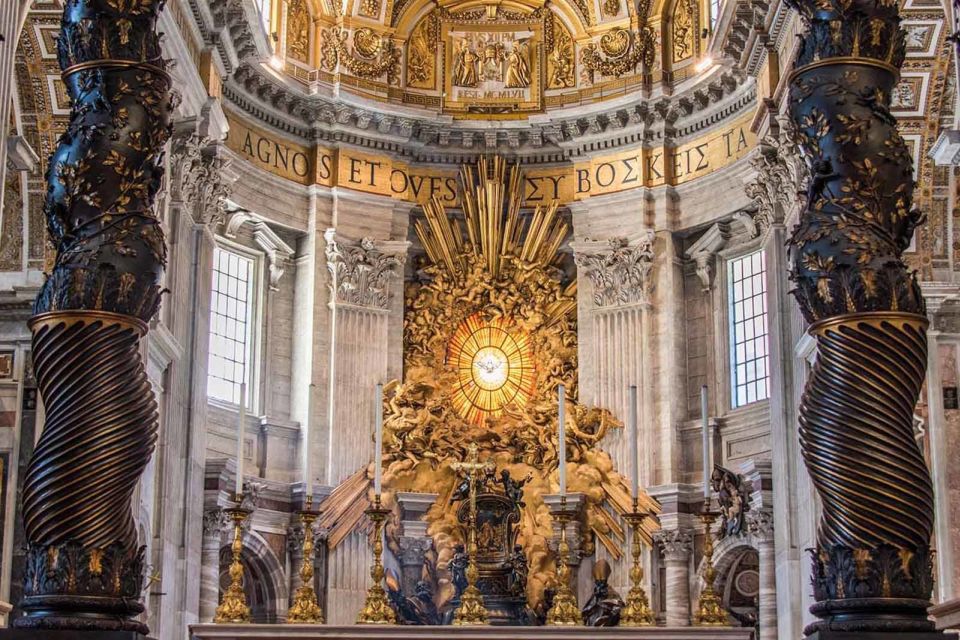
When you do reach St. Peter’s, you’ll focus on the architecture and scale, plus stories about popes and artists who shaped the Vatican’s transformation over time. You’ll also hear about Bernini, including his design of the piazza and the massive colonnade. Even if you’ve seen images before, the “how it guides your eye” element becomes obvious once someone frames what you’re looking at.
If you’re the kind of traveler who gets annoyed when a religious site turns into a checklist, you’ll likely appreciate the way this tour ties artistry to people. It’s not only about rules; it’s about how the Vatican became a visual argument over centuries.
Day Two Finish: Borgo Pio Stroll and Castel Sant’Angelo Views
The tour wraps with a walk through Borgo Pio, described as a surviving medieval area of the city. This is a smart reset after major museum and basilica time. You get a quieter slice of Rome where the mood shifts from grand interior spaces to street-level history.
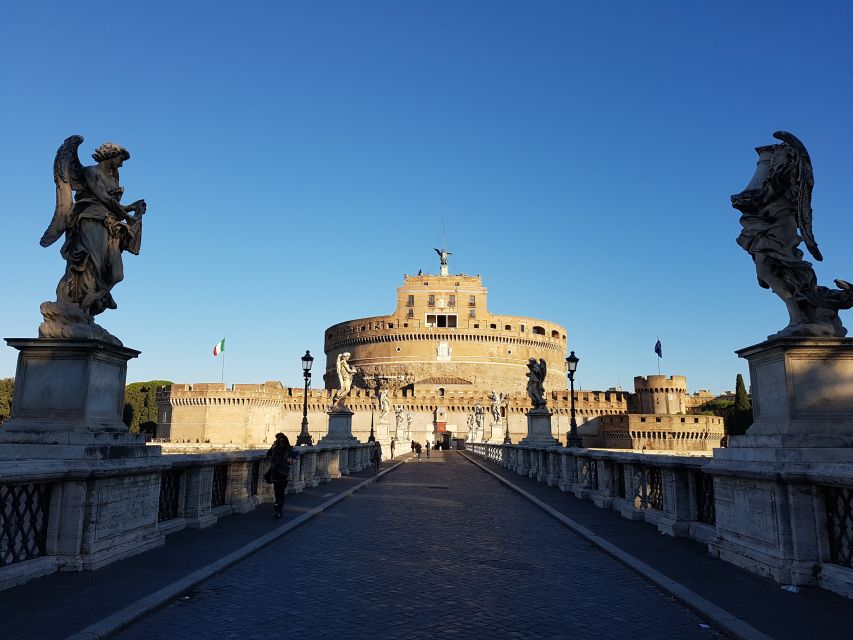
Then comes Castel Sant’Angelo, an imposing fortress overlooking the Tiber. You’ll stop there and—depending on the tour’s timing—climb up for a spectacular view over the river and toward the Vatican. The value of this ending is that it gives you a last “big picture” moment. You’ll see Rome’s geography in one glance, and it helps your whole two-day story click into place.
Also, Castel Sant’Angelo is a great choice for photos because it feels like a finish line without being the final museum stamp. It’s practical sightseeing you can enjoy even when you’re tired.
Logistics That Affect Your Day (in a Good Way)
This tour is private, and it uses English-speaking guides (Italian also available). Skip-the-line tickets and an express security check reduce the waiting that can eat an entire morning in Rome.
You also get headsets for groups of 6 or more. For private groups, it may still be used depending on group size, but the goal is the same: you should hear your guide clearly without leaning into everyone’s ears.
Wheelchair accessibility is addressed. The tour is wheelchair accessible, and wheelchair users take a separate route. If you have mobility concerns, the guidance is to let the provider know during booking so they can best accommodate you.
One more practical note: luggage or large bags aren’t allowed. If you’re traveling with a big suitcase, plan ahead so you don’t arrive stressed.
Price and Value: Does $521.71 Make Sense?
At $521.71 per person for two days, this is a premium purchase. But it doesn’t feel random premium—it’s paying for three things Rome makes expensive: time, entry access, and interpretation.
You’re included with skip-the-line tickets to all the sites, plus express security handling. That alone can protect at least part of your trip from turning into waiting in long lines. Then you’re also paying for two full days of a live guide, which becomes critical at the Colosseum and the Vatican Museums—places where the details you learn are what transform your experience.
The reviews lean heavily into the quality of the guides. People highlight that guides had formal academic backgrounds, including one named Robert who was called the best guide ever, and another noted for strong history credentials. When a guide has real depth, you end up reading less out of your own head and more of what the art and ruins are actually trying to say.
My takeaway: if you want Rome without the stress of ticket chaos and you care about understanding what you’re looking at, the price can feel fair. If you’d rather go at your own pace with no structure, you’ll probably find a cheaper option elsewhere—but you’ll also be giving up the organized flow and the explanations that make the major stops hit harder.
Who This Tour Suits Best (and Who Might Not Love It)
This fits best if you:
- Want the big-name Rome sights in a logical order across two days
- Like guided interpretation at the places where “just looking” can feel flat
- Appreciate skip-the-line access and a planned route in a crowded city
- Enjoy learning stories that connect monuments to people and events
It may not be ideal if you:
- Prefer slow, unstructured wandering with lots of downtime
- Don’t want to cover multiple major stops in one day
- Need lots of flexibility for weather or schedule changes, since the route is built as a full highlights circuit (though the St. Peter’s possibility of substitution is noted)
Should You Book This Rome 2-Day Private Highlights Tour?
I’d book it if you want Rome to feel organized and meaningful. You’re getting skip-the-line help, a strong sequence from Colosseum to Vatican, and guides with serious credentials. The Capitoline Hill panorama and the Castel Sant’Angelo finish are also the kind of “you’ll thank yourself later” choices that make the trip more than just a photo sprint.
If you’re price-sensitive, compare carefully against what you’d pay for tickets and a private guide separately. But if you value time savings and explanations you can’t easily get on your own, this tour offers a lot of payoff per day.
One smart move before you go: pack light. Since large bags aren’t allowed, you’ll move through security and museum areas without friction.
FAQ
What’s included in the tour?
You get an English-speaking guide, skip-the-line tickets to all the sites, and express security check. Headsets are provided for groups of 6 or more. Food and beverages are not included.
Does the tour cover both ancient Rome and Vatican City?
Yes. Day one focuses on sights like the Arch of Constantine, Colosseum, Roman Forum, Spanish Steps, Trevi Fountain, Piazza Navona, Campo de’Fiori, Pantheon, and Hadrian’s Temple. Day two focuses on the Vatican Museums (including Raphael Rooms and the Sistine Chapel) and St. Peter’s Basilica, then Borgo Pio and Castel Sant’Angelo.
What if St. Peter’s Basilica is closed or opens late?
The tour notes that St. Peter’s Basilica may have unscheduled closings or late openings for religious ceremonies and security. If that happens, the Vatican Museums are explored in more detail as a substitution.
Where do we meet on each day?
Day one meeting point is in front of the restaurant Angelino Ai Fori dal 1947. Day two meeting point is in front of Caffe Vaticano at Viale Vaticano, 100.
What should I bring, and what’s not allowed?
Bring comfortable shoes and water. Luggage or large bags aren’t allowed.
Is the Vatican Museum entry free for some visitors?
The tour information says Vatican Museums provide free entrance for visitors with at least 74% disability, with appropriate certification. If you meet the requirements, you should inform during booking so entry ticket pricing can be removed from the tour price.