REVIEW · VATICAN CITY
Rome: Vatican Museums Skip-the-Line Ticket
Book on GetYourGuide →Operated by Explore Rome Tours · Bookable on GetYourGuide
Two hours in, and you’re already face-to-fresco. This Vatican Museums skip-the-line ticket is interesting because it cuts the worst waiting and lets you wander on your own schedule through the Sistine Chapel, Raphael rooms, and the Gallery of Maps. I especially like the self-guided pace (so you can slow down for Michelangelo) and the option to add an audio guide in your language. One drawback to keep in mind: even with skip-the-line, you still go through mandatory security, and during peak season delays can still pop up.
I also like that this is set up for small groups of up to 6, which usually means less chaos while you’re entering. It’s a good plan if you want the freedom to choose what to focus on, not a rushed checklist. Still, the ticket timing is tight enough that if you’re prone to getting lost in details, you may want to plan for a longer stroll than the stated 2–3 hours.
In This Review
- Key things to know before you go
- The value of a Vatican Museums skip-the-line ticket (and what it really buys)
- Getting inside: security screening and the real timing bottleneck
- Your self-paced route: what a 2–3 hour visit usually means
- Sistine Chapel focus: Michelangelo’s Last Judgment and Creation of Adam
- The Gallery of Maps and why it’s more than a weird side room
- Raphael’s Rooms and Cabinet of Masks: the “textures” of Vatican storytelling
- Modern and contemporary art: a smart break from the “all old all day” problem
- Audio guide option: better context without losing your pace
- Peak season reality check: why skip-the-line can still mean waiting
- Dress code and IDs: the small rules that stop big plans
- Ticket delivery by WhatsApp/email: how to avoid last-minute panic
- Group size of six: calmer entry, more breathing room inside
- What this does not include: St. Peter’s Basilica access and guided expertise
- Who should book this Vatican Museums skip-the-line experience?
- Quick checklist before you go
- Should you book this ticket?
- FAQ
- How long is the Vatican Museums visit with this skip-the-line ticket?
- Is an audio guide included?
- Do I meet a guide at a specific location?
- What do I need to bring for entry?
- Are shorts or sleeveless shirts allowed?
- Will I be able to visit the Sistine Chapel?
- How will I receive my tickets?
Key things to know before you go
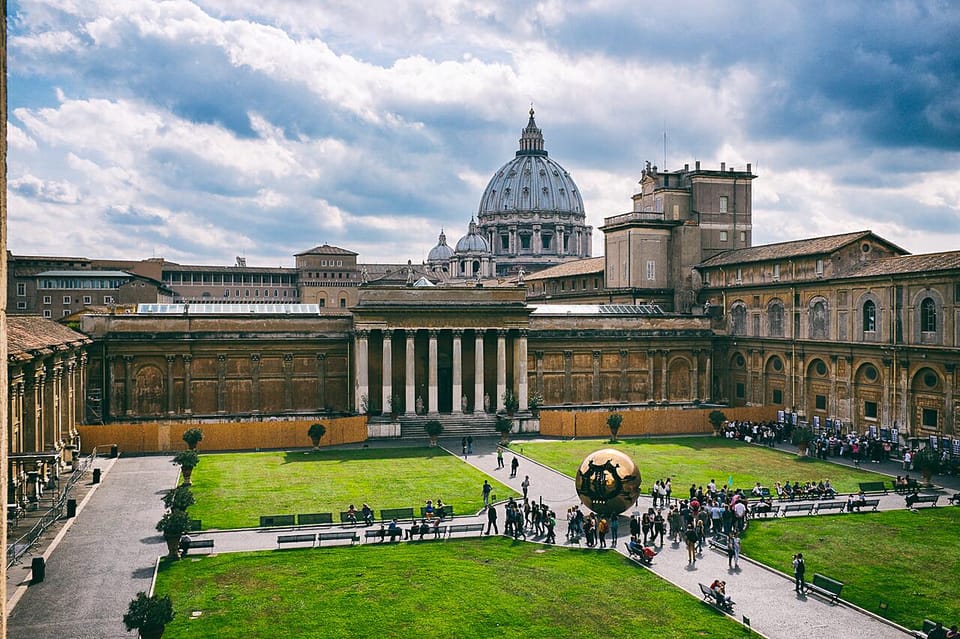
- Skip-the-line entry that avoids the longest public queue, though security is still mandatory.
- Self-guided visit with no guide and no formal meeting point, so you go straight to the entrance.
- The big hitters are built in: Sistine Chapel (Last Judgment and Creation of Adam), Gallery of Maps, Raphael’s Rooms, and Cabinet of Masks.
- Optional audio guide can keep you moving at your own speed without losing the story.
- Small group size (max 6) helps make the entry flow feel calmer.
- Your ticket arrives by WhatsApp/email one day before (sometimes same day), and your name on the ticket can’t be changed.
The value of a Vatican Museums skip-the-line ticket (and what it really buys)
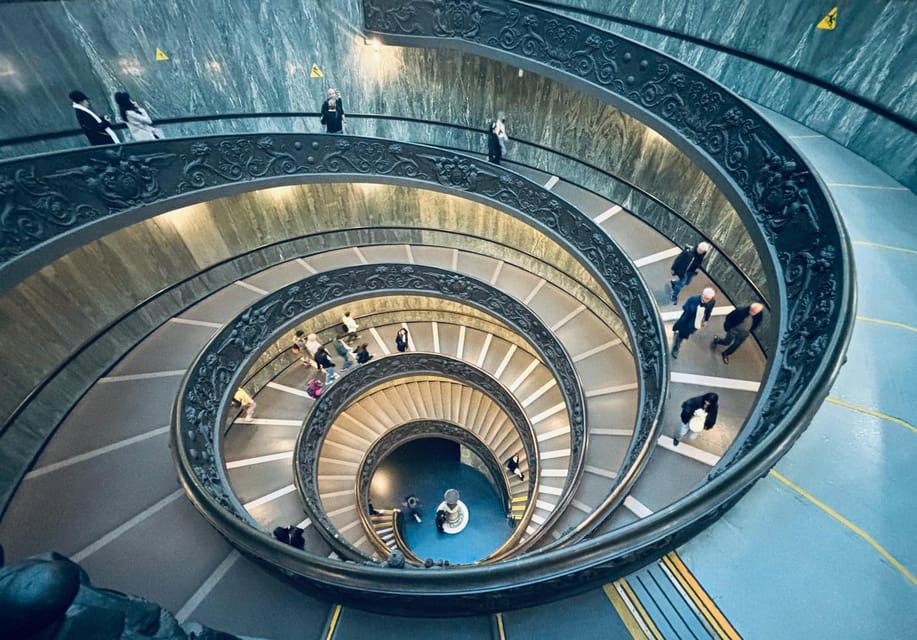
The Vatican Museums can turn into a waiting game fast. This ticket is built for the big pain point: getting inside without spending hours in the regular line. You head to the ticket holders’ line, then you’re validated and screened before you enter the museum grounds.
Price-wise, you’re paying for saved time and less hassle. At $44.41 per person, it’s not “cheap,” but it can be good value if you hate lines or you’re only in Rome for a short window. One practical note: even though the ticket is called skip-the-line, peak-season traffic can still slow you down at security or at entry corridors.
You can also read our reviews of more tours and experiences in Vatican City.


Getting inside: security screening and the real timing bottleneck
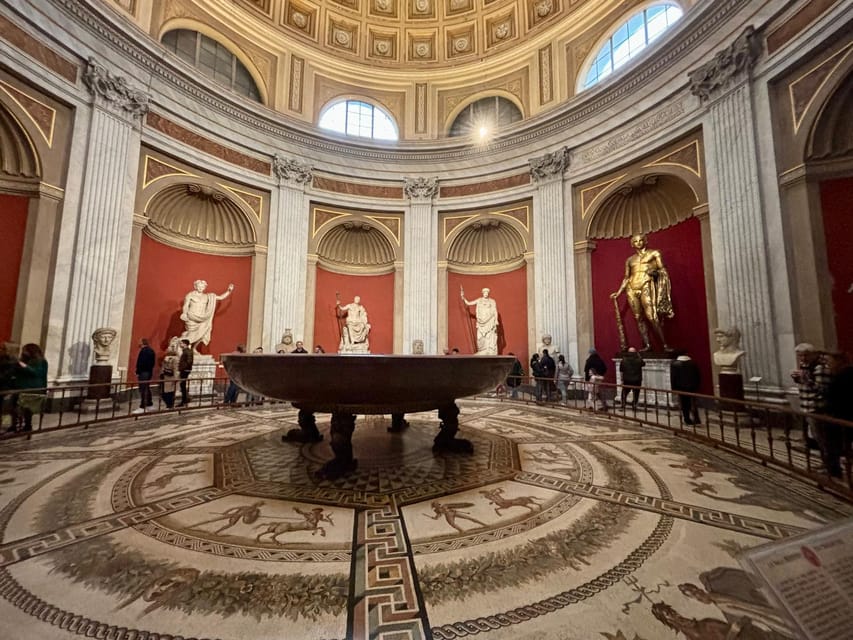
No matter what ticket you buy, the Vatican still runs mandatory security screening. That’s where time can vanish if you arrive late, wear the wrong clothes, or bring items that cause extra checks. Your ticket must also be validated by staff at the entrance corridors, so you’re not just walking in with a barcode and zero staff interaction.
The best move is simple: arrive 20–30 minutes before your entry time. This gives you slack for security and ticket validation, and it reduces the chance you end up stressed while the museum is already humming. The attraction’s listed entry gap is short, and the places you’ll want to see are not small.
Your self-paced route: what a 2–3 hour visit usually means
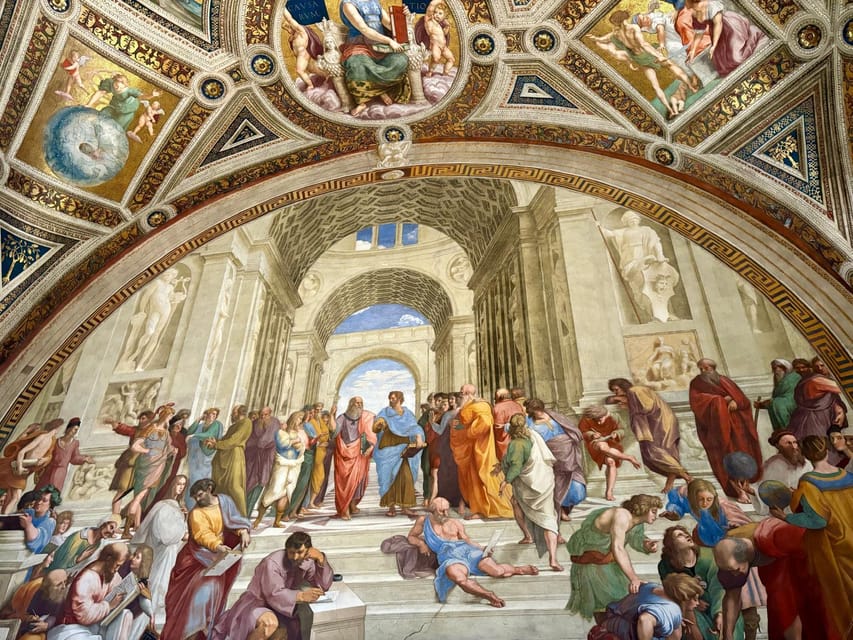
This experience is listed as 2–3 hours, and it’s designed to let you enjoy the museum at your own pace. You’ll start self-guided, then you’ll finish back at the meeting point (which, in practice here, means near where you entered).
Now the honest part: the Vatican Museums are huge, and once you start caring about the art, time stretches. One visitor found they walked longer than the posted window when they went at a medium-fast pace with time to stop, take photos, and use breaks. If you like to read labels and linger, plan closer to the long end rather than the short end.
Sistine Chapel focus: Michelangelo’s Last Judgment and Creation of Adam
The Sistine Chapel is the gravitational pull of the Vatican Museums. This ticket includes access to the Sistine Chapel area, with major Michelangelo scenes such as The Creation of Adam and The Last Judgment.
What makes this special is not just the fame. It’s scale and closeness. Even if you don’t consider yourself religious, the art reads like visual storytelling: bodies, emotion, tension, and symbolism packed into ceiling-sized space. If you want to get the most out of it, don’t treat it like a quick photo stop. Give your eyes time to adjust, then look for the narrative connections between different figures and scenes.
One timing warning matters a lot for planning: the Sistine Chapel will be closed to the public from Monday, 28 April 2025 due to Conclave requirements. If your travel dates overlap, expect that you may miss the very centerpiece you booked for, even though the rest of the museums may still be open.
The Gallery of Maps and why it’s more than a weird side room
The Gallery of Maps gets mentioned less than the Sistine Chapel, but it can hit hard once you slow down. It’s tied to Italian identity and a sense of political unity expressed through the maps and the way the Vatican curated knowledge and power together.
It’s also a good breather area. After big stops like Raphael and Michelangelo, it helps to have a room where you can look around without feeling like you must rush for the next famous ceiling. If you’re the kind of person who likes to understand what you’re seeing, this gallery gives context you might not get from art alone.
Raphael’s Rooms and Cabinet of Masks: the “textures” of Vatican storytelling
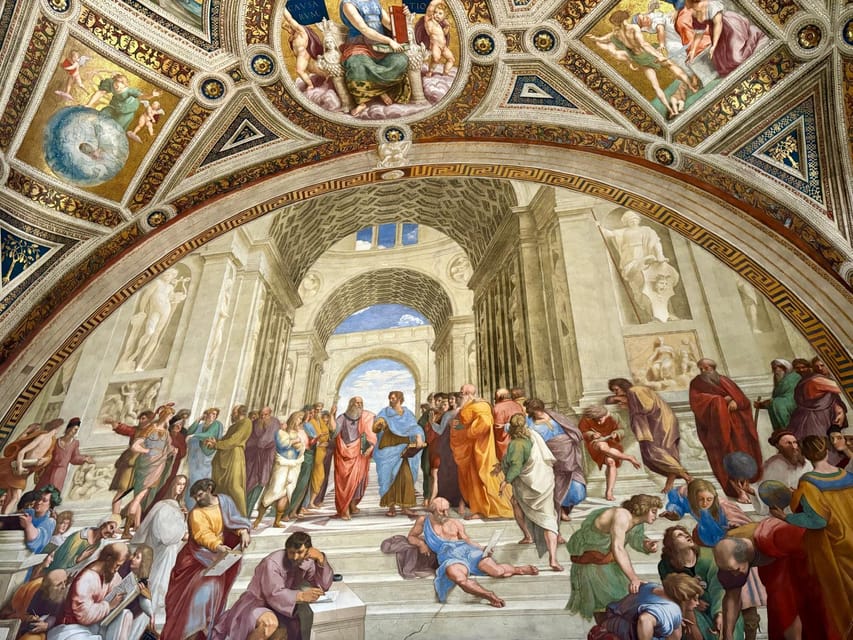
Raphael’s Rooms are where the Vatican Museums start to feel like theater sets for Renaissance ideas. You’ll see Raphael’s Rooms, plus you can wander through other themed collections that keep the experience from becoming just one masterpiece after another.
Then there’s the Cabinet of Masks. It sounds odd on paper, but it’s one of those places that makes the museum feel human and curious, not only sacred and formal. If you want variety, you’ll probably enjoy mixing these smaller, more unusual rooms between the headline art.
This is also where your self-guided freedom pays off. You can build your own rhythm: big scene, quiet room, return to a famous corridor, then detour again. A guided tour often compresses that into a tight path. Here, you choose what gets your attention.
Modern and contemporary art: a smart break from the “all old all day” problem
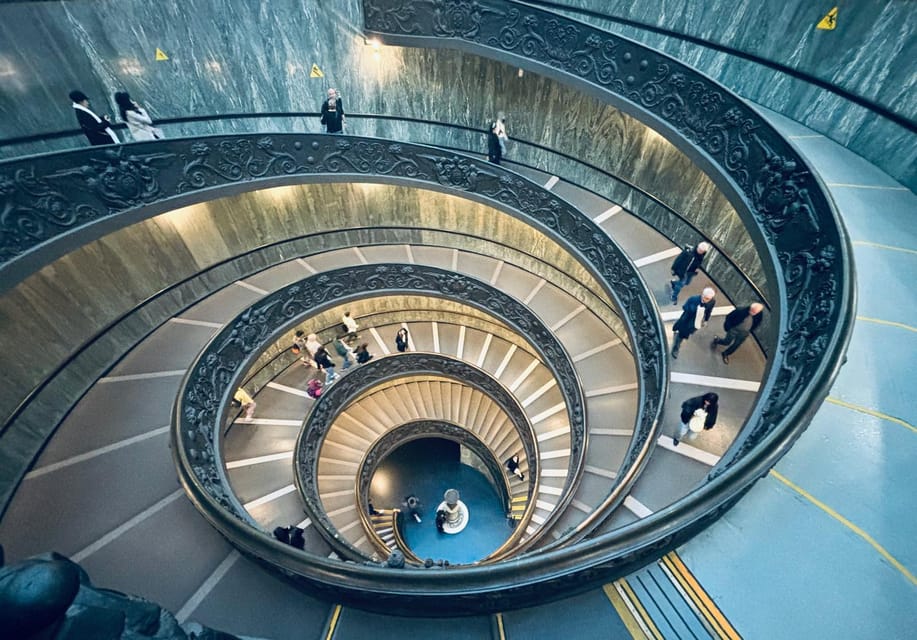
You’ll also pass through the Collection of Modern and Contemporary Art. That matters because the Vatican Museums can feel like you’re standing inside a history book with no breaks.
Even if modern art isn’t your thing, it can reset your brain. You’re not stuck only in Renaissance reverence. You get a chance to compare how religious themes and power ideas show up across time. This works especially well if you’re traveling with someone who loves variety more than strict chronology.
Audio guide option: better context without losing your pace
You can choose an option with an audio guide, and it’s designed to support the self-guided visit. The advantage is that you don’t need to wait for a human guide to explain what you’re seeing. You can stop when a voice helps you understand, then walk again when you want the freedom back.
This is also the kind of tool that can save you from the common museum trap: wandering, then leaving with only a fuzzy “I saw the famous stuff” feeling. The audio guide keeps the story moving, so your time feels more connected instead of random.
Practical use tip: if you’re short on time, don’t listen to everything start-to-finish. Pick the stops that matter most to you (hello, Michelangelo), then fill in the smaller rooms when you’re waiting in slower-moving areas.
Peak season reality check: why skip-the-line can still mean waiting
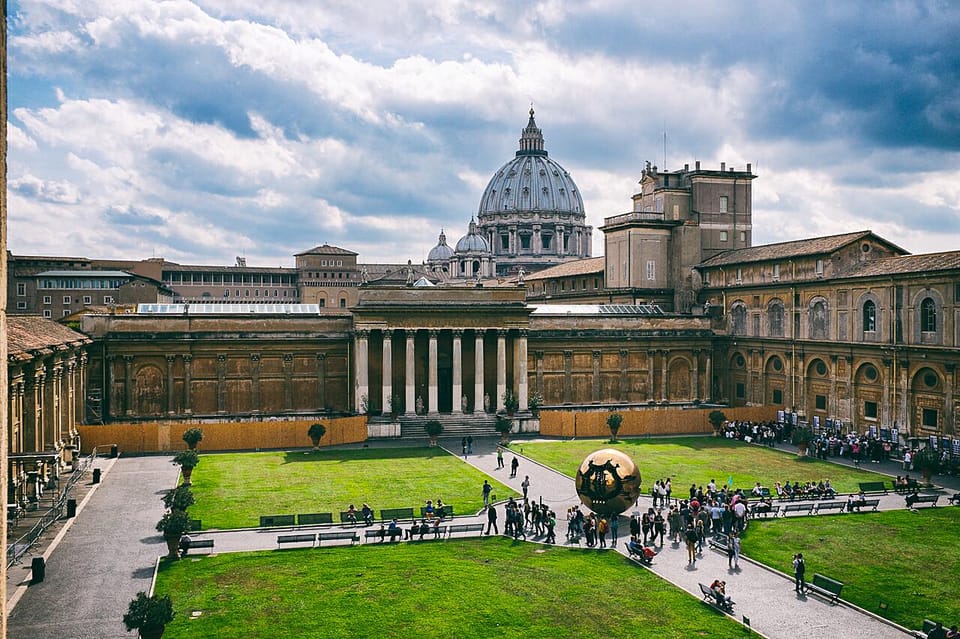
Here’s the truth from how these museums operate: even the ticket holders line can get backed up in busy periods. The experience is still set to beat the regular queue that can take around 2 hours to get inside, but delays for ticket holders can still be significant in peak season.
So I’d plan like this:
- Arrive early to protect your entry time.
- Keep your expectations realistic about security and entry corridors.
- Don’t stack another timed plan immediately after your ticket window.
If you’re visiting during high tourist months, build buffer time into your Rome day. The Vatican can be punctual on paper and unpredictable in person.
Dress code and IDs: the small rules that stop big plans
The Vatican has rules, and they’re strict enough to ruin your day if you ignore them.
You should bring:
- Passport or ID card
- Student card (if you’re using the student option in the age range listed)
- Passport/ID for children
You should also follow the clothing rules:
- No shorts
- No short skirts
- No sleeveless shirts
It’s easy to think of this as a “don’t wear beach clothes” guideline, but it’s more than that. If your outfit breaks the rule, you may be turned away or delayed. Plan your Rome wardrobe for museums first, pictures second.
Ticket delivery by WhatsApp/email: how to avoid last-minute panic
Your official tickets are delivered one day prior to your scheduled visit (or sometimes on the same day). Delivery happens via WhatsApp and/or email. Your ticket will include the participant’s full name exactly as provided at booking, and it can’t be changed.
This is where you should be proactive. Check your email and WhatsApp notifications the day before. If you’re traveling and your phone number or inbox gets noisy, make sure you can actually receive messages. In at least one situation, ticket delivery delayed and the ticket arrived close to the start time, which turned a simple plan into a scramble.
If anything looks off, contact support in time. Don’t wait until you’re already at the entrance.
Group size of six: calmer entry, more breathing room inside
This is a small-group format (limited to 6 participants). Since this is self-guided with no guide and no meeting point, the “small group” piece mainly helps with entry processing and reduces the feeling of being swallowed by a huge mass of people.
It’s not magic. The Vatican is crowded. But small numbers mean you’re less likely to get blocked in tight bottlenecks while everyone tries to get moving at once.
Also, because it’s self-guided, you can choose breaks. You can pause for photos, for quiet corners, or for a drink without feeling like you’re being watched for being slow. That flexibility is a big part of why this option works.
What this does not include: St. Peter’s Basilica access and guided expertise
This ticket is about the Vatican Museums, not a combined Vatican mega-tour. It does not include priority access to St. Peter’s Basilica. If you want to add the Basilica, you’ll need a separate plan.
It also doesn’t include a tour guide. You’re the guide here, with optional audio support. That’s perfect if you like independence. If you want someone to explain art deeply in real time, you might prefer a guided Vatican tour or consider extra services that help connect key sites faster.
There is also mention of private guides available for fast-track access from the Sistine Chapel to the Basilica for an extra charge. That’s useful if you’re trying to compress the rest of your Vatican day without fighting lines.
Who should book this Vatican Museums skip-the-line experience?
I’d recommend this ticket if:
- You want freedom and choice inside the museum.
- You’re comfortable moving through major sights without a live guide.
- You want to focus on major highlights like the Sistine Chapel and Raphael rooms.
- You’re short on time and you hate the idea of losing hours in a queue.
I’d think twice if:
- You need a wheelchair-friendly program. The activity is marked as not suitable for wheelchair users, even though some people report smooth access once inside with elevators and helpful staff. That mixed reality means you should plan carefully and avoid assuming it will work perfectly.
- You’re traveling with very young kids or anyone who struggles with security rules and controlled entry.
Quick checklist before you go
- Bring passport/ID (and student ID if applicable).
- Wear something compliant: no shorts, short skirts, or sleeveless shirts.
- Arrive 20–30 minutes early for security and ticket validation.
- If you chose audio guide, have your headphones ready and your phone charged.
- Check WhatsApp/email for your ticket the day before (or same day).
Should you book this ticket?
Yes, if your top priority is getting into the Vatican Museums fast and having enough flexibility to enjoy the art instead of chasing a rigid route. For the money, the real payoff is time saved on the entrance line plus the option for audio context without adding a guide cost.
But book smart. Confirm whether your dates fall around the Sistine Chapel closure starting Monday, 28 April 2025. And don’t treat “skip-the-line” as “no waiting at all.” Security is real, and peak season can still slow you down.
If you want a simple plan with major highlights built in and the ability to move at your own pace, this is a solid choice.
FAQ
How long is the Vatican Museums visit with this skip-the-line ticket?
The duration is listed as 2 to 3 hours. You’ll see specific starting times when you check availability.
Is an audio guide included?
An audio guide is included only if you select the option with audio. If you choose the standard option, audio is not included.
Do I meet a guide at a specific location?
No. This is self-guided with no guide and no meeting point. You should proceed directly to the entrance.
What do I need to bring for entry?
Bring a passport or ID card. If you’re using a student option, bring a valid student card. Children also need a passport or ID card.
Are shorts or sleeveless shirts allowed?
No. Shorts, short skirts, and sleeveless shirts are not allowed.
Will I be able to visit the Sistine Chapel?
The Sistine Chapel is included, but it can be closed. It will be closed to the public from Monday, 28 April 2025, for Conclave requirements.
How will I receive my tickets?
The official tickets are delivered one day prior to your scheduled visit (or occasionally on the same day) via WhatsApp and/or email. The ticket shows the participant’s full name as provided during booking and can’t be changed.