REVIEW · ST PETER S BASILICA
Rome: Private Early Morning Vatican & Sistine Chapel Tour
Book on GetYourGuide →Operated by Through Eternity Tours · Bookable on GetYourGuide
Dawn inside the Vatican changes everything. This private early-morning tour gets you inside before the crowds and gives you a shot at a quieter Sistine Chapel experience than you’d get later in the day.
I especially like how the guide helps you make sense of what you’re seeing, not just point at it. You’re there to connect the art to the ideas and people who made it.
The Raphael Rooms are a highlight I’d genuinely plan around. You’ll get time in the Vatican Museums to see major sculpture galleries and key areas like the tapestry and map displays, then move on to Michelangelo in the Sistine Chapel with less noise around you.
One consideration: St. Peter’s Basilica can change at the last minute for religious ceremonies, and the tour may adjust if access is affected. That’s not a deal-breaker, but it is something to expect when you’re scheduling a fixed morning.
In This Review
- Key things to know before you go
- How an early start makes the Vatican feel manageable
- Meeting at Café Vaticano and the practical start to your morning
- The backbone of the tour: Vatican Museums before general entry
- Chiaramonti Museum: classical sculpture, framed by time
- Gallery of the Candelabra and the tapestry-style storytelling
- Gallery of Maps: a detail stop that helps your whole day
- Raphael Rooms: the Italian Renaissance court rooms you’ll remember
- What to expect in the rooms
- Sistine Chapel at its quietest: 20 minutes that can feel longer
- Practical tip: how to get the most from those 20 minutes
- St. Peter’s Basilica: a great finale with a religious caveat
- What makes the guides here so useful
- Price and value: is $250.36 per person fair?
- Small rules that matter: dress code and what to bring
- Who this private early-morning tour fits best
- Should you book this Rome early-morning Vatican tour?
- FAQ
- How long is the tour?
- What time does it start?
- Where do we meet the guide?
- Does the tour include Vatican Museums entry and early access?
- Which parts of the Vatican are included?
- Is the Sistine Chapel visit private?
- What’s the dress code?
- What should I bring?
- What documents are required for entry?
- What happens if St. Peter’s Basilica closes?
Key things to know before you go
- Pre-opening entry means you reach the Vatican Museums before general visitors arrive.
- Private guide with headsets (if 6+ in your group) keeps the explanations clear without shouting in big rooms.
- Classic masterpieces with context like the Laocoon, Apollo Belvedere, and Belvedere Torso, seen in the same kind of setting Michelangelo and Raphael studied.
- Raphael Rooms + Sistine Chapel timing helps you see the big spiritual and artistic moments without being wedged into a moving crowd.
- Dress code and bag limits matter here (no shorts, no sleeveless shirts, and no large bags/luggage).
How an early start makes the Vatican feel manageable
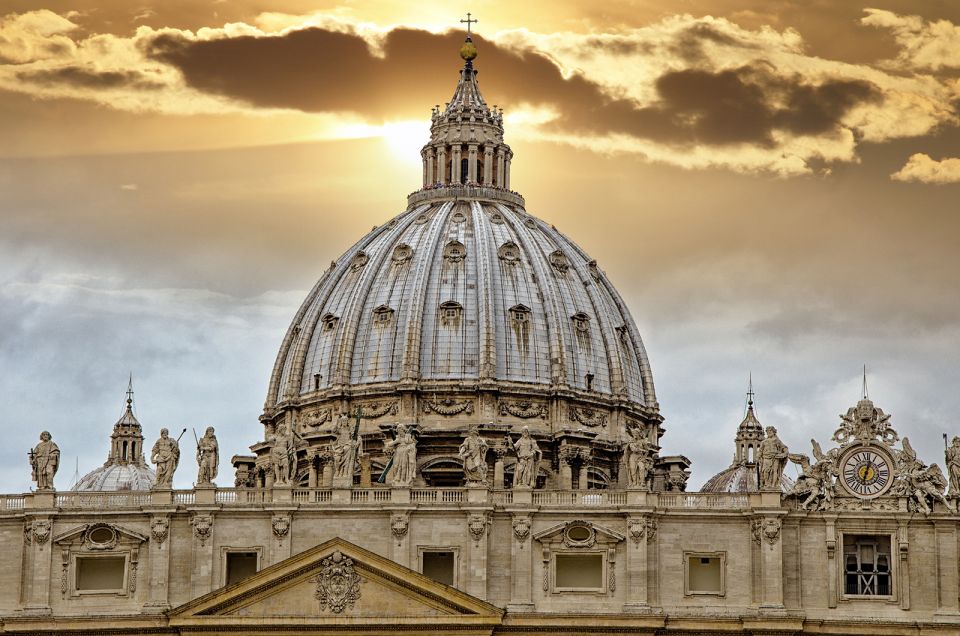
The Vatican can feel like a test of stamina. Even when you want to admire every wall and ceiling, you’re often fighting noise, motion, and shoulder-to-shoulder crowd math.
Starting before the public shows up is the whole point. When you walk in early, your brain has a better chance to slow down and actually read what you’re looking at. You don’t just “see” the Vatican; you get a chance to process it.
This tour is timed for that calmer rhythm. You’ll spend a solid chunk of the morning inside the museums, then move through Raphael’s world, and finally reach the Sistine Chapel when it’s at its quietest. You’ll still see plenty of people—Rome is Rome—but the stress level is noticeably lower than a midday visit.
Meeting at Café Vaticano and the practical start to your morning
You’ll meet your guide outside Café Vaticano, Viale Vaticano, 100. The guide will hold a sign or flag so you can spot them quickly. From there, you’ll head on foot toward the Vatican Museums and get sorted for entry.
Expect the morning flow to be efficient. This experience includes skip-the-line tickets and an express security check, so you’re not stuck in the longest queues before sunrise glow fades. You’ll also want to travel light because large bags or luggage aren’t allowed.
A quick reality check: this is a tour you’ll enjoy more if you dress for walking and standing. Wear comfortable shoes and bring water. The Vatican museums are not the place for “cute but painful” footwear.
Also note the entry basics: each traveler must show a valid passport or government-issued photo ID matching the booking name. Plan on having it ready.
The backbone of the tour: Vatican Museums before general entry
The heart of the experience is the Vatican Museums, where you’ll get about 2 hours and 10 minutes with a guide. This is not a quick loop. It’s designed to put you in the right order so the highlights land when your attention is still fresh.
One reason this tour works so well is the guide’s approach. The descriptions emphasize cultural context—how Renaissance art didn’t appear out of thin air, and how artists studied the past while new ideas about science and the world were spreading. That matters because it changes how you look at the objects. You start noticing why they were valued, not only what they look like.
Chiaramonti Museum: classical sculpture, framed by time
You’ll visit the Chiaramonti Museum next. This is where you’ll encounter a long run of major sculptures and the kinds of classical forms Renaissance artists admired. If you like art that rewards patience—faces, poses, and the way marble carries emotion—this stop tends to click.
The tour also leans into a smart point: some works you’ll see were excavated in the period when Michelangelo and Raphael were active. That means you’re not just seeing “old art.” You’re seeing objects that influenced the people who made the next wave of masterpieces.
Gallery of the Candelabra and the tapestry-style storytelling
After Chiaramonti, you move into the Gallery of the Candelabra and then the Gallery of Tapestries. The guide’s job here is to translate scale and symbolism. These rooms can be visually overwhelming if you’re wandering alone, but with a guide you’ll be more likely to notice patterns: where artists borrowed forms, how workshops worked, and how decorative art connects to bigger ideas.
The “tapestry” and textile-adjacent areas are especially helpful if you want a Renaissance lens. You’ll learn to look beyond figures and start thinking about setting, meaning, and the message an image tries to carry.
Gallery of Maps: a detail stop that helps your whole day
The Gallery of Maps is one of those rooms that feels like a breath of air after pure sculptural density. Even if your main goal is the Sistine Chapel, this is worth your attention because it changes your sense of what the Renaissance was doing. It’s not only about painting saints and heroes. It’s also about measuring the world, thinking scientifically, and collecting knowledge.
And yes, your legs will be glad you got a varied visual break before the guide steers you toward the Raphael Rooms.
Raphael Rooms: the Italian Renaissance court rooms you’ll remember
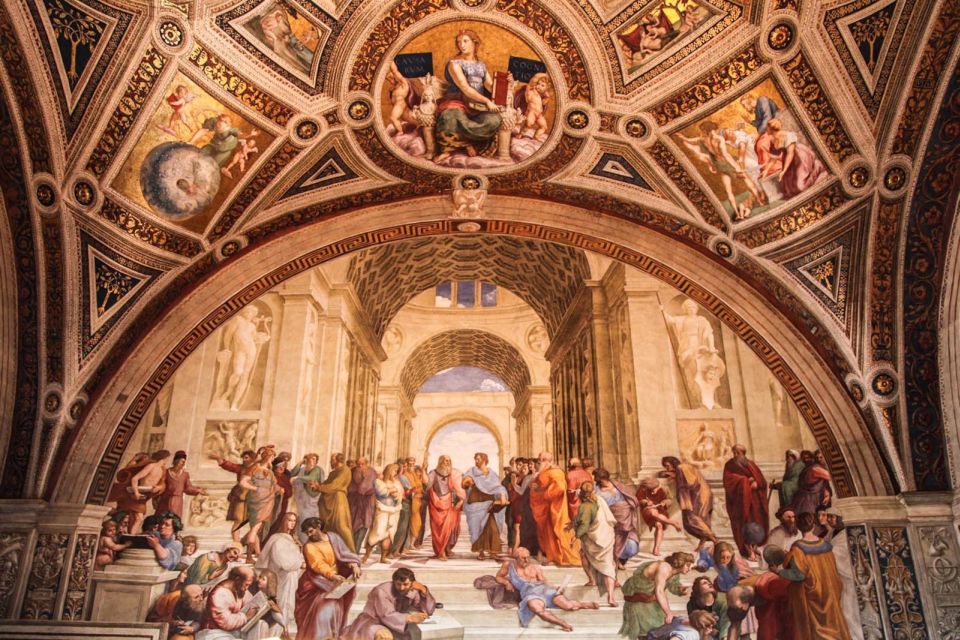
You’ll then head to the Raphael Rooms, a suite of rooms tied to Raphael and the world around him. These rooms are often the “wow, how is this still here?” section of the morning—because the art feels like it belongs to a living conversation, not a museum display.
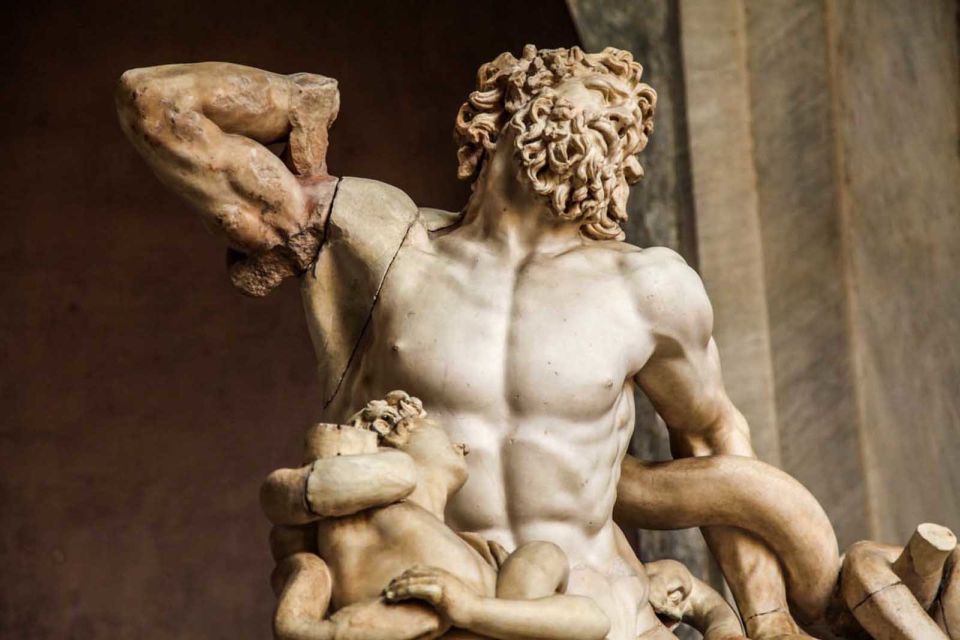
This tour aims to put the Raphael Rooms into context: who commissioned works, how ideas circulated, and why ancient art mattered. The description also points out that Greek masterpieces—things like the Laocoon, the Belvedere Torso, and the Apollo Belvedere—were excavated during Michelangelo and Raphael’s era, and artists studied them in the architectural environment where they’re preserved today.
That’s a strong reason to go with a guide. Without context, you can still admire what’s in front of you. With context, you start seeing why those choices mattered.
What to expect in the rooms
You’ll move at a human pace with guidance that helps you visualize the cultural climate around the artworks. You’re not just being shown names—you’re being coached on what kinds of ideas to look for.
And if you’re traveling with anyone who gets restless in big museums, this part can work well because it turns the Vatican into a storyline: art, scholarship, and power meeting in painted form.
Sistine Chapel at its quietest: 20 minutes that can feel longer
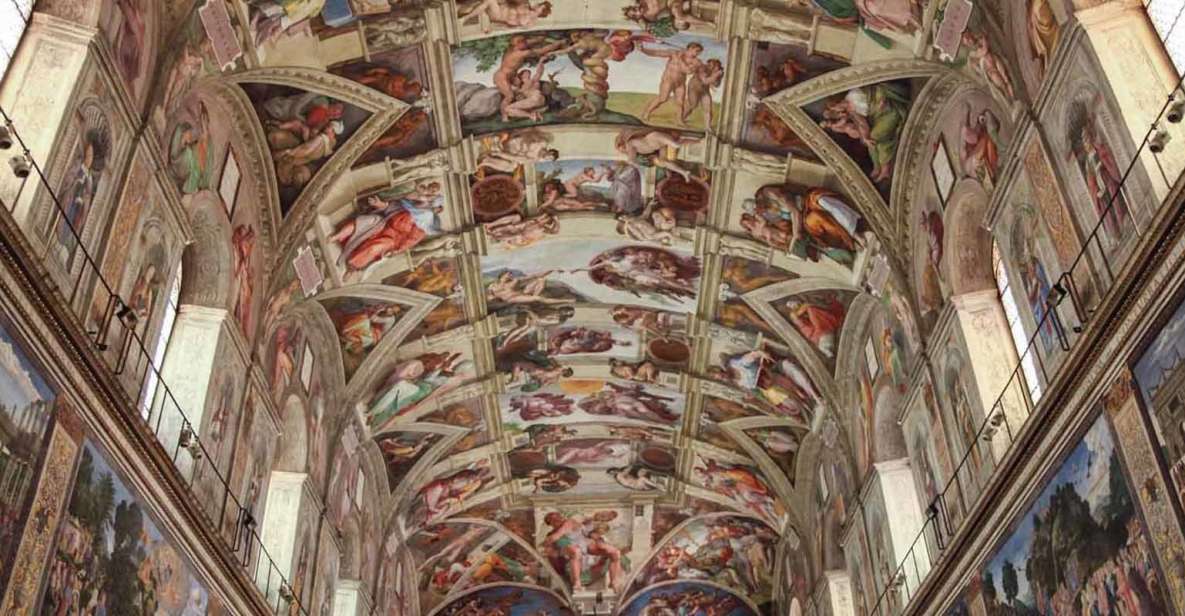
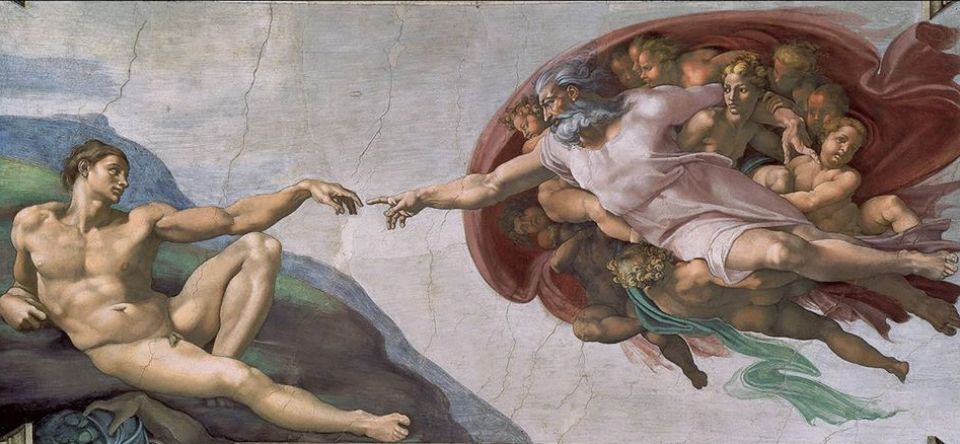
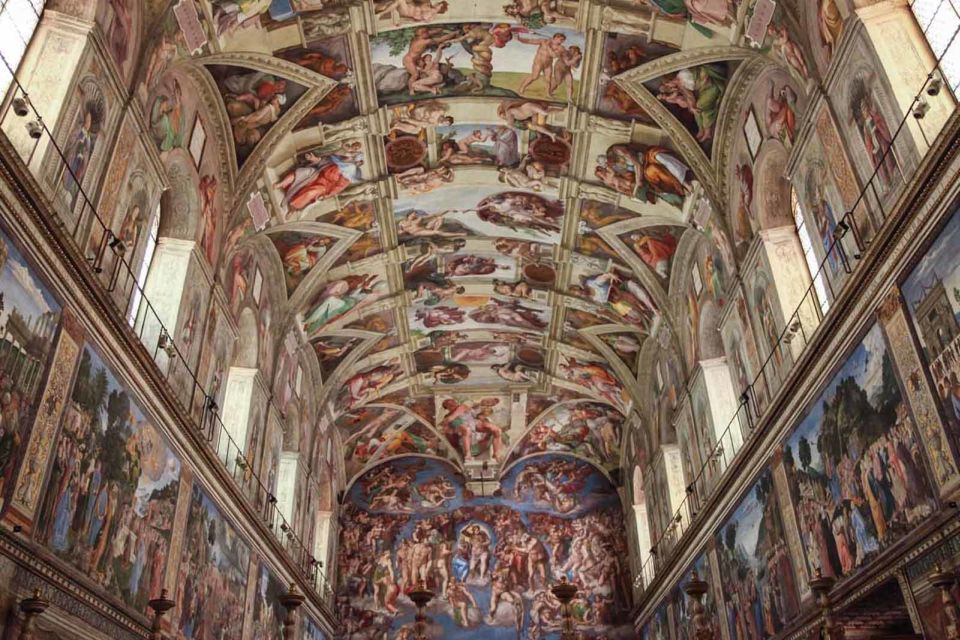
Next is the Sistine Chapel, guided for about 20 minutes. That limited time can sound short. But the early timing matters. The goal is to see Michelangelo’s work before the chapel becomes a crush of bodies and camera angles.
This is the part people plan around. The point isn’t only the ceiling. It’s the act of looking in a space where the art is meant to be read slowly—and where your guide’s prompts help you spot details you’d otherwise miss.
A helpful reality from past experiences: seeing it during public peak hours can make it hard to absorb. When the crowds swell, everyone’s attention turns into survival mode—where to stand, when to move, how to keep your neck from cramping. This tour’s early schedule is built to avoid that.
Practical tip: how to get the most from those 20 minutes
Bring your attention, not your checklist. Your guide will steer you toward what’s worth noticing, and you’ll get more out of that than trying to “cover everything” yourself.
Also, expect people to still be present. Even early mornings aren’t a private chapel in a movie. But the difference is that you can still actually see.
St. Peter’s Basilica: a great finale with a religious caveat
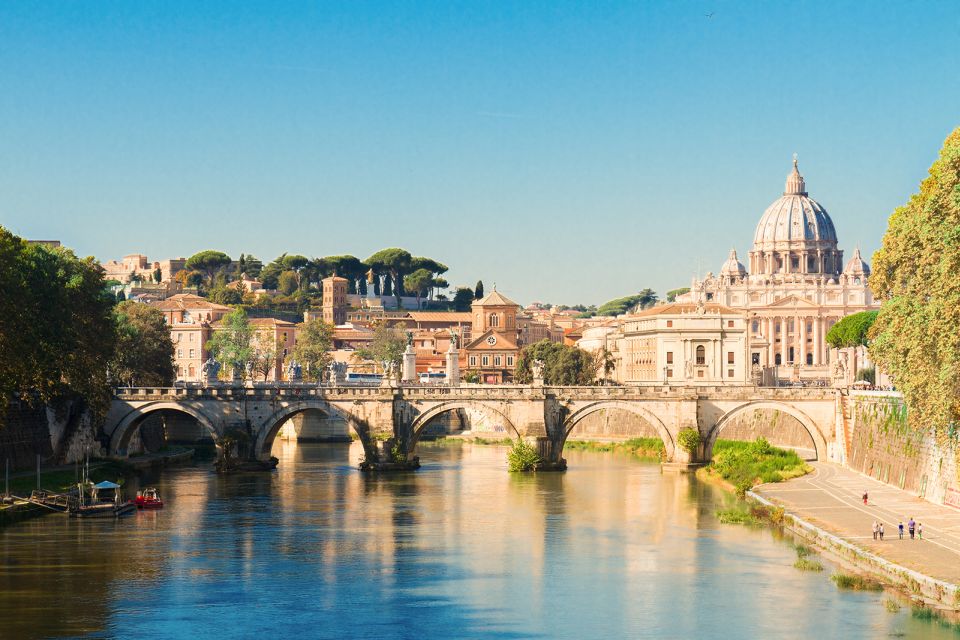
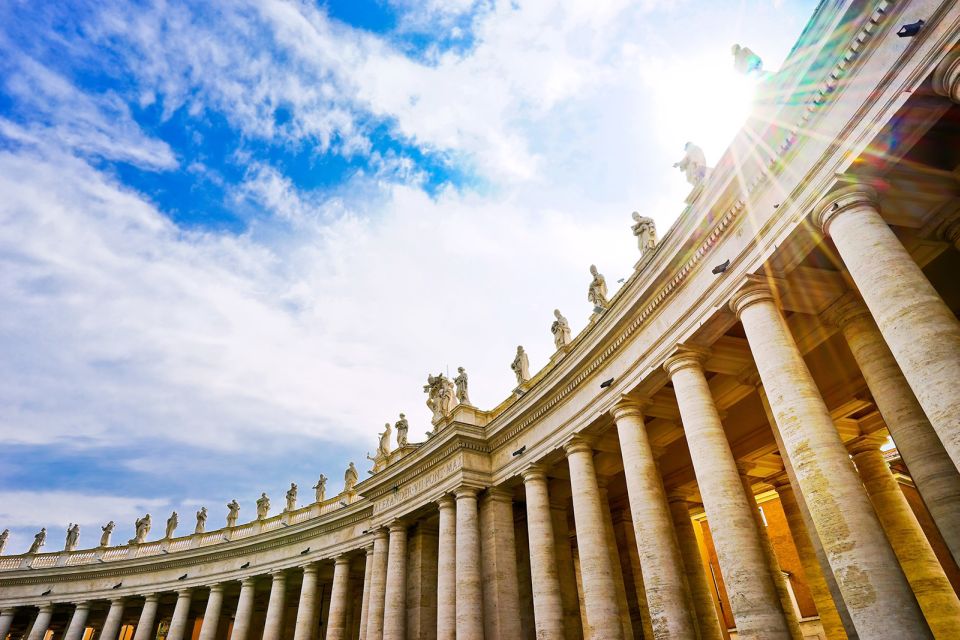
After the Sistine Chapel, you’ll move to St. Peter’s Basilica for about 1 hour of guided time, finishing at Basilica di San Pietro.
The tour includes a heads-up that St. Peter’s can face unscheduled closings and late openings for religious ceremonies. These can be last-minute due to security needs, and you won’t necessarily be notified in advance. If that happens, the tour may pivot and spend more time exploring the Vatican Museums.
So what’s the takeaway? This is a great finish if your schedule is flexible enough to handle a change in focus. And if you really want St. Peter’s on your itinerary, it helps to accept that the Vatican has its own calendar.
What makes the guides here so useful
This is a tour where the guide quality really shows.
Some mornings are led by Enrica, and one of the standout themes from that experience is how she teaches. The notes point to a guide with a PhD in history and years of guiding experience, plus an approach that uses questions to calibrate the level of detail. That’s the difference between “art tour talk” and a lesson that sticks.
Other departures may be led by Marco, described as engaging and able to handle questions clearly. If you’re traveling with kids, that matters because the day can otherwise feel like a long, quiet march through rooms that all look similar. A guide who keeps kids involved makes the whole morning work.
Even if you don’t know the art history before you arrive, a strong guide helps you leave with more than photos. You end up remembering ideas.
Price and value: is $250.36 per person fair?
At $250.36 per person for roughly 3.5 hours, this isn’t a bargain-bin museum ticket. It’s a pay-for-what-you-use situation.
You’re paying for:
- Early access into the Vatican Museums
- Skip-the-line tickets and an express security check
- A private guide (and headsets if your group is 6+)
- A structured visit that hits Vatican Museums, Raphael Rooms, the Sistine Chapel, and St. Peter’s Basilica
If your priority is the Sistine Chapel, the value logic is pretty simple: the biggest problem with Rome’s top sights is time and crowding. Early entry is expensive because it’s rare. And private guidance is expensive because it compresses your learning and reduces wasted wandering.
Where you’ll feel less value is if your group doesn’t care about context and just wants quick photo stops. If you want to “see the highlights” with no interpretive effort, a cheaper general entry option might make more sense.
But if you like art that comes with meaning—Renaissance thinking, classical influence, and religious art as a cultural system—this price can feel fair for what you get.
Small rules that matter: dress code and what to bring
Before you go, check the simple constraints:
- No shorts
- No sleeveless shirts
- No luggage or large bags
You’ll also want:
- Comfortable shoes
- Water
These aren’t just “annoying rules.” They help the flow of entry. If you arrive in noncompliant clothing, you risk lost time at the exact moment you’re trying to protect the schedule.
Who this private early-morning tour fits best
This experience is best for you if:
- You want the Sistine Chapel without late-day crowd pressure
- You enjoy guides who explain why things were made
- You want a tighter plan than a self-guided museum scramble
- You’re traveling with teens or kids who can handle a structured morning with occasional question prompts
It’s also a good choice if you don’t speak fluent Italian and want the day in English or Italian with a live guide.
And if you need mobility support, the tour is wheelchair accessible. That’s a huge plus for a site that can be a pain to navigate.
Should you book this Rome early-morning Vatican tour?
If your top goal is to see the Sistine Chapel and you want enough quiet time to actually take it in, I’d lean toward booking. The early entry, the private guide format, and the flow from Museums to Raphael Rooms to the chapel are built to solve the biggest frustration of Vatican visits: crowd crush.
Book with extra flexibility in mind for St. Peter’s Basilica because it can be affected by religious ceremonies and security timing. But even in that scenario, the tour plan is designed to keep your morning productive.
If you’re the type who likes a little structure, a guide’s storytelling, and the chance to look longer than the average visitor, this private morning is a strong use of your time in Rome.
FAQ
How long is the tour?
The duration is listed as about 3.5 hours.
What time does it start?
Starting times vary, so you’ll need to check availability to see the specific early-morning start for your date.
Where do we meet the guide?
Meet your guide in front of Café Vaticano at Viale Vaticano, 100. The guide will hold a sign or flag.
Does the tour include Vatican Museums entry and early access?
Yes. You get early access to the Vatican Museums and skip-the-line tickets.
Which parts of the Vatican are included?
You’ll have guided time in the Vatican Museums, Chiaramonti Museum, Gallery of the Candelabra, Gallery of Tapestries, Gallery of Maps, Raphael Rooms, the Sistine Chapel, and St. Peter’s Basilica.
Is the Sistine Chapel visit private?
It’s a guided visit to the Sistine Chapel, timed to be at its quietest due to early access before the public.
What’s the dress code?
You can’t wear shorts, and you can’t wear sleeveless shirts. Large bags or luggage aren’t allowed.
What should I bring?
Bring comfortable shoes and water.
What documents are required for entry?
Each traveler must present a valid passport or government issued photo ID that matches the name used at booking.
What happens if St. Peter’s Basilica closes?
The Basilica of St. Peter’s may have unscheduled closings or late openings for religious ceremonies. If that happens, the provider may not notify you in advance, and they will provide a complete experience by exploring the Vatican Museums in more detail.