REVIEW · ROME
Rome: Castel Sant’Angelo Skip-the-Line Guided Tour
Book on GetYourGuide →Operated by Loving Rome · Bookable on GetYourGuide
Castel Sant’Angelo has secrets worth your time. This guided tour pairs skip-the-line entry with access to areas most visitors never see, from the Olearie to the historic prisons and Clemente VII’s theater. I also like that the guide work is built for understanding, not just sightseeing.
One real consideration: you’ll climb a series of stairs to reach the panoramic terrace, so wear shoes that handle crowds and steps.
In This Review
- Key things to love about this Castel Sant’Angelo tour
- Castel Sant’Angelo: why this fortress matters in Rome
- Meeting on Lungotevere Castello: start fast, stay organized
- Skip-the-line entry and headsets that keep the tour moving
- Olearie, prisons, and Clemente VII’s theater: the usually-closed walk-through
- The Olearie: industry inside a fortress
- The historical prisons: power in the hard way
- Clemente VII’s theater: the surprising pop of culture
- Hadrian’s tomb, the pope’s apartment, and the treasury rooms
- Hadrian’s burial place: the origin story
- The pope’s apartment: living in authority
- The treasury room: power needs storage
- What to look for in sculptures and paintings (so it doesn’t blur together)
- Terrace views of Rome: the payoff for stairs and timing
- How to handle the stairs
- Photo tips that actually work
- How long the tour really takes, and how the pacing feels
- Price and value: what $66.05 buys you (and why it may be worth it)
- Who this guided tour is best for
- Optional aperitivo after: make it an easy Rome evening plan
- Should you book this Castel Sant’Angelo skip-the-line guided tour?
- FAQ
- Where is the meeting point for the tour?
- How long is the Castel Sant’Angelo tour?
- What’s included in the ticket price?
- What should I bring, and what should I avoid?
- What language is the tour offered in?
- Is this tour suitable for wheelchair users?
- Do I need to provide names exactly as on my ID?
Key things to love about this Castel Sant’Angelo tour
- Skip-the-line entry through a separate entrance, so you waste less time waiting
- Closed-to-most-visitors areas like the Olearie, prisons, and Clemente VII’s theater
- Hadrian to popes to prisoners: the building’s many lives explained clearly as you walk
- Artwork + strong sightlines, including sculptures and paintings you’ll know how to read
- Terrace views of Rome that are a satisfying payoff for the climb
Castel Sant’Angelo: why this fortress matters in Rome
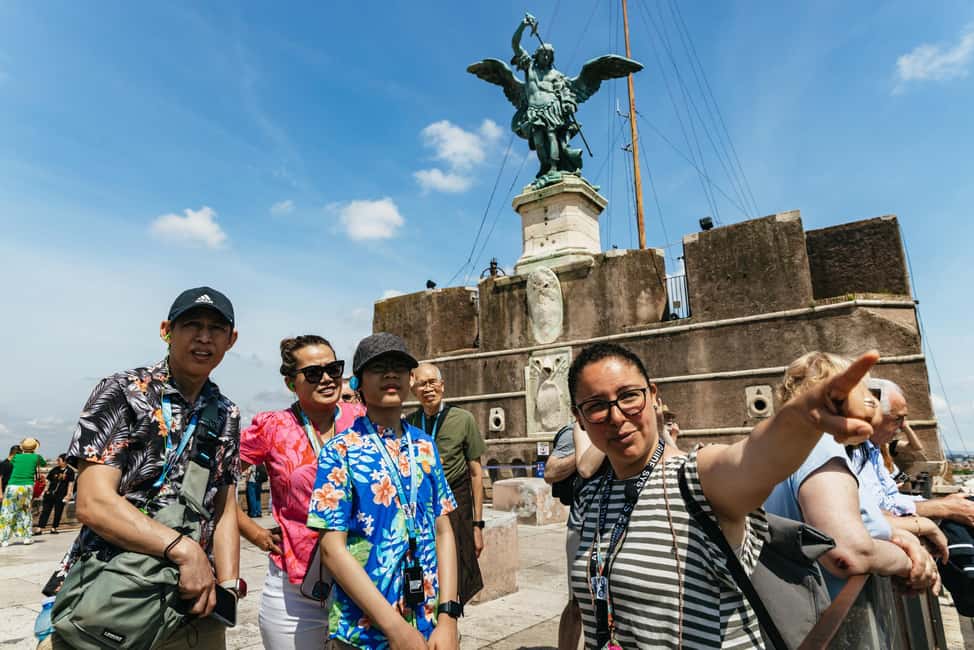
Castel Sant’Angelo is one of those places that looks straightforward from outside, but turns out to be a whole machine for power. It began as Hadrian’s tomb for a Roman emperor, then shifted roles as emperors faded and popes rose. Over time it became a private residence for popes, a state treasury, a prison, and even a public execution site.
That change in jobs is the point. Walking through the rooms with a guide, you start noticing how the same walls kept being repurposed for control, storage, worship, punishment, and spectacle. It’s not just a scenic stop; it’s a timeline you can feel under your feet.
You can also read our reviews of more guided tours in Rome



Meeting on Lungotevere Castello: start fast, stay organized

You’ll meet at the main entrance on the Lungotevere Castello side. Look for a representative holding a Loving Rome flag, and aim to be there a few minutes early so you’re not stressed when the group gathers.
Also, plan your timing around the fact that late arrivals or no-shows won’t be accommodated or refunded. This is a short tour window (1–2 hours), and the schedule is built around getting you into the key areas with minimal friction.
Skip-the-line entry and headsets that keep the tour moving
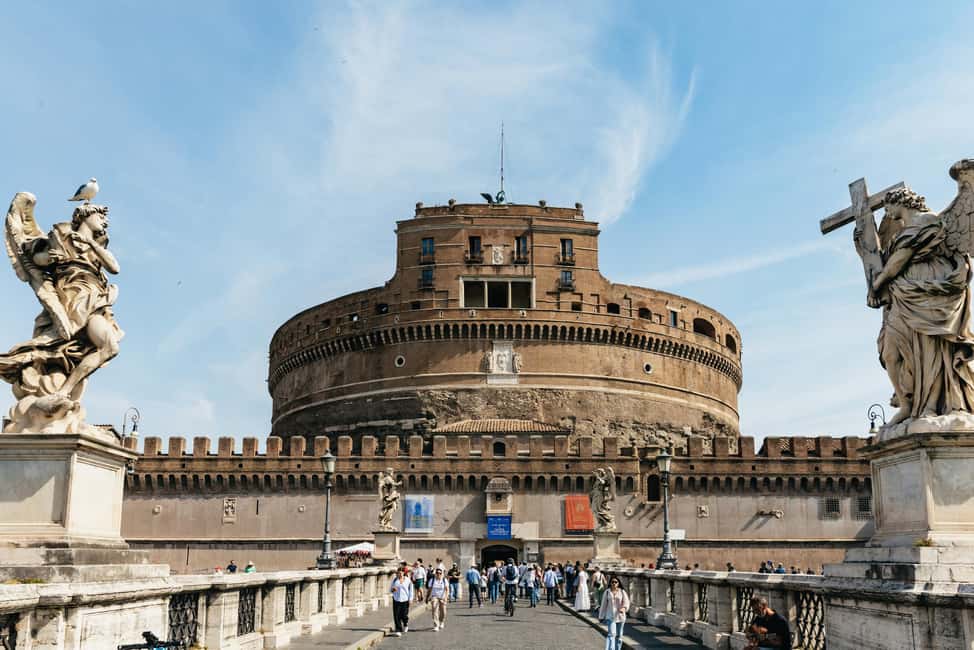
The biggest practical win here is the skip-the-line entrance using a separate entrance. In a busy city like Rome, that can mean the difference between starting your visit calm versus starting it already annoyed.
Once you’re inside, you may use headsets if needed. What I like about that setup is simple: the guide can keep speaking without everyone craning their necks. Clear audio also helps when you’re moving between rooms and want the story without falling behind.
The tour is English, and you can count on a live guide plus headset support if your group needs it.
Olearie, prisons, and Clemente VII’s theater: the usually-closed walk-through
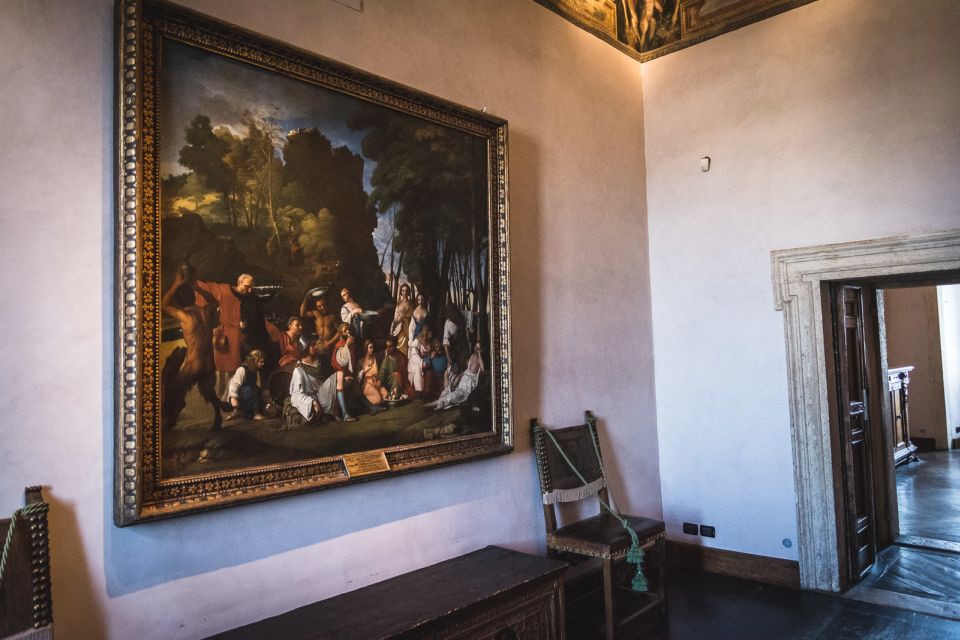
This tour’s access is where it turns from “nice visit” into “worth paying for.” You’re led into spaces that are generally closed to the public, including the Olearie and the historical prisons, plus the theater of Clemente VII.
The Olearie: industry inside a fortress
The Olearie connects the building’s serious, practical side to daily life. It’s a reminder that fortresses aren’t only about war. They also operate like storage and supply systems. With a guide, you’re not just passing through; you’re learning what those spaces were for and why they mattered.
You can also read our reviews of more tours and experiences in Rome






The historical prisons: power in the hard way
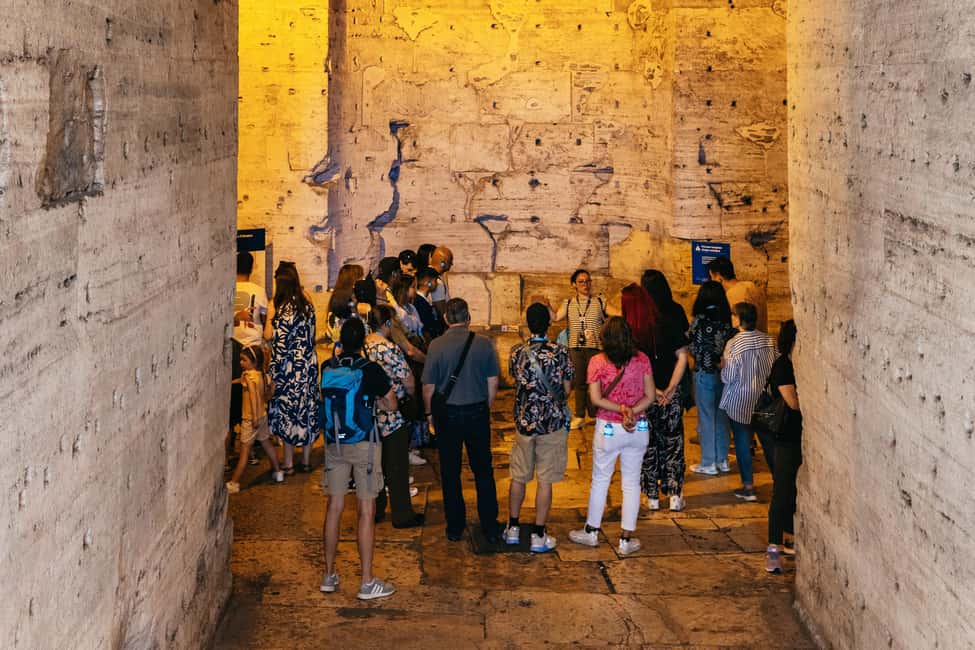
The prison areas hit harder because the setting is real. You can feel the logic of confinement in stone corridors and enclosed spaces. A good guide helps you connect that to the broader Roman and papal world—who had authority, how it was used, and how the castle supported it.
Clemente VII’s theater: the surprising pop of culture
The theater of Clemente VII is the curveball. It reminds you that even in a place tied to detention and punishment, leadership also staged performances and public-facing drama. Seeing it as part of the whole building makes it click: the castle wasn’t only grim; it was strategic and theatrical too.
Hadrian’s tomb, the pope’s apartment, and the treasury rooms
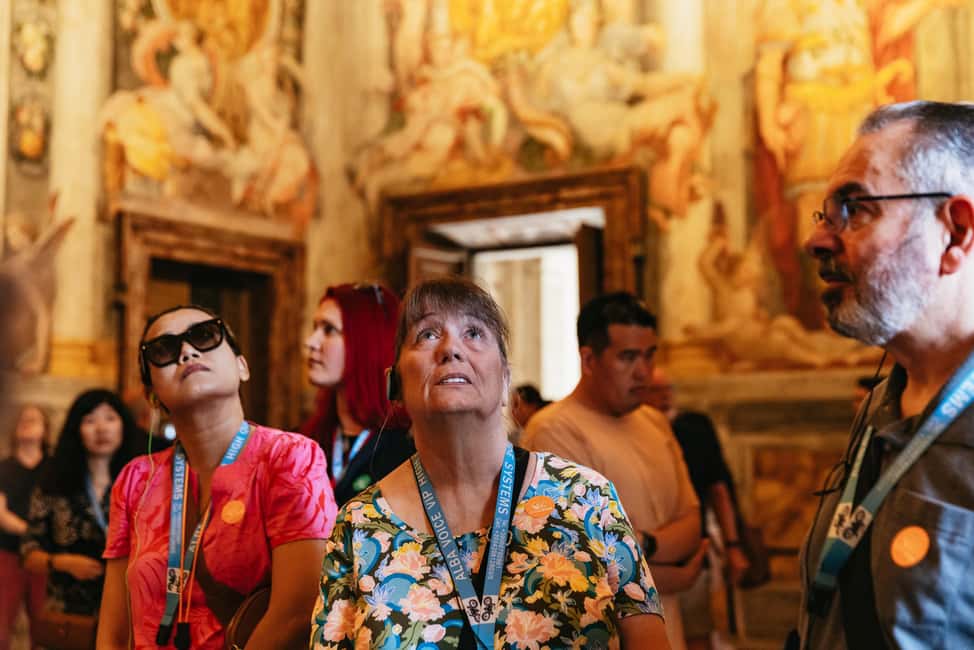
One reason people get obsessed with Castel Sant’Angelo is that it’s literally a stack of eras. The tour guides you through the core identity moments, starting with the burial place of Hadrian, then moving through areas tied to papal life and state money.
Hadrian’s burial place: the origin story
You start with the emperor’s intention. The castle began as a monumental tomb and a statement of authority. Understanding that origin makes the later changes feel less random. Everything that follows becomes a new chapter written over the old one.
The pope’s apartment: living in authority
When the tour gets to the pope’s apartment, it’s a different kind of attention. You stop thinking only about walls and start thinking about routines: who lived here, how the space supported governance, and why privacy mattered inside a fortress.
The treasury room: power needs storage
Treasury rooms are where the castle’s “state brain” shows. Even if you’re not a money-history person, it’s useful to understand why a fortress would also be a safe place for assets. With a guide explaining the evolution, it stops being abstract.
What to look for in sculptures and paintings (so it doesn’t blur together)
Castel Sant’Angelo has sculptures and paintings around it, and the trap for self-guided visitors is obvious: you look, you admire, then you forget what you just saw.
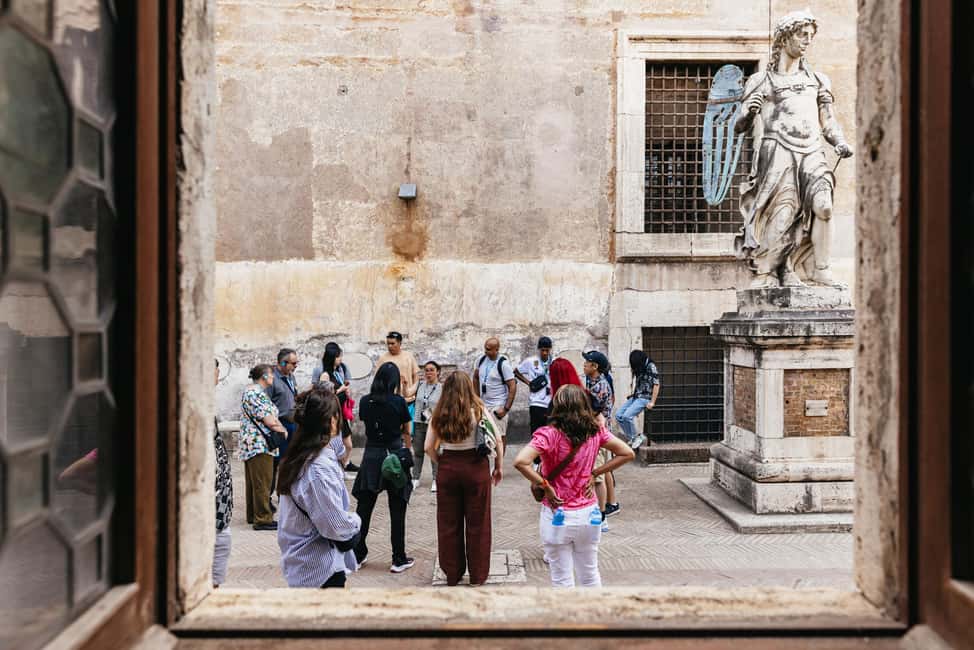
On this tour, the guide adds anchors—what the artwork relates to, why it’s here, and how it connects to the building’s changing roles. Guides such as Alec and Donatella (names that show up repeatedly in the experience feedback) are known for bringing the site into sharper focus with stories and careful explanations.
The result is practical: you’ll leave with specific images in your head, not just a fog of “pretty stuff.”
Terrace views of Rome: the payoff for stairs and timing
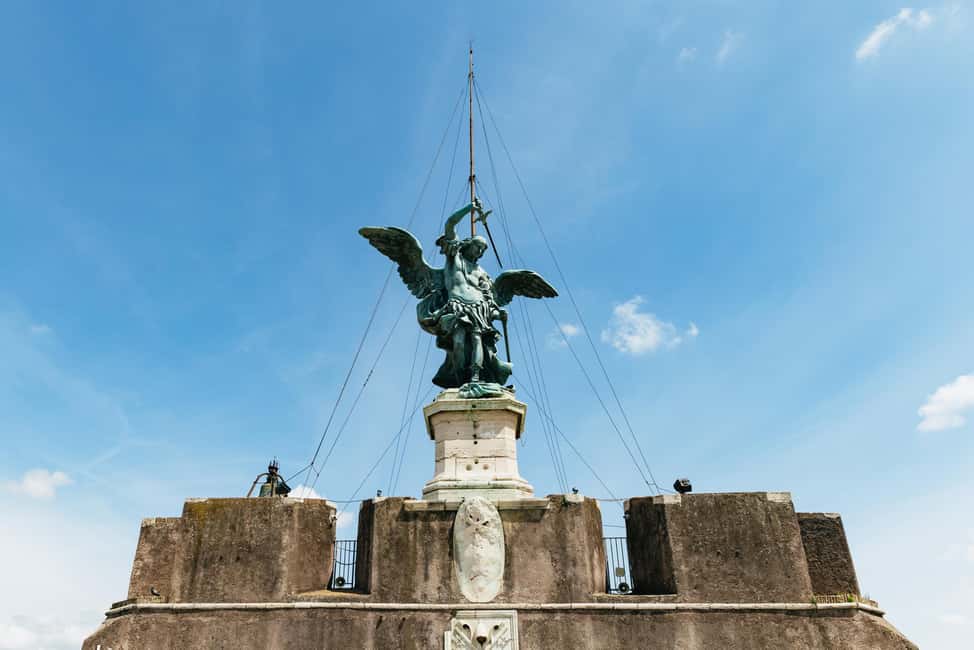
Yes, you’ll climb. You also get rewarded. The tour ends by taking in panoramic views from the castle’s terrace, and that view is the kind that helps your brain map Rome quickly.
How to handle the stairs
Bring comfortable shoes and move at your own pace. The tour notes that reaching the terrace requires climbing a series of stairs, so it’s smart to keep the pace steady rather than sprinting for photos.
Photo tips that actually work
If you care about pictures, plan for short pauses at the terrace stops. The tour includes “fantastic panoramic views,” so you’ll want a moment to orient yourself: you’ll recognize major parts of the city and understand how they relate to the river area.
In colder months, the light can be softer and more forgiving for photos. One of the joys of this kind of terrace stop is that it can be stunning across seasons, not only in summer.
How long the tour really takes, and how the pacing feels
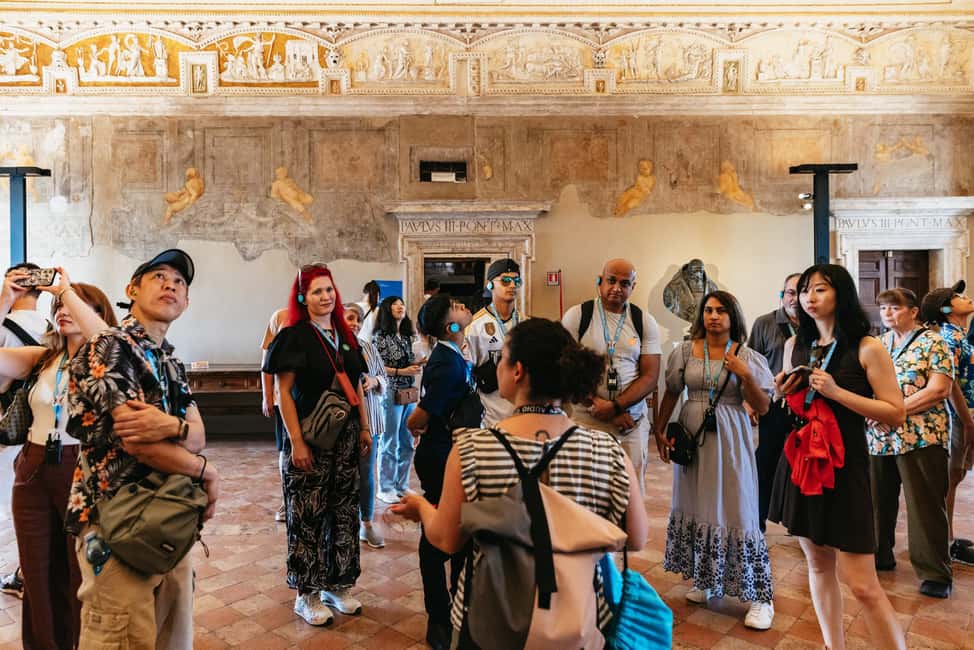
The scheduled duration is 1–2 hours, depending on the starting time. That’s a good length for Castel Sant’Angelo because it gives you multiple key areas without turning the visit into an all-day marathon.
From the way guides run the tour, the pace tends to balance walking with explanation. Feedback also points out that some tours run a bit longer than listed, which often happens when the guide finds time for extra questions or when the group clicks. Either way, if you like learning as you go, this is a friendly structure.
The tour ends back at the meeting point, so you’re not forced into a complicated “now get across town” scramble.
Price and value: what $66.05 buys you (and why it may be worth it)
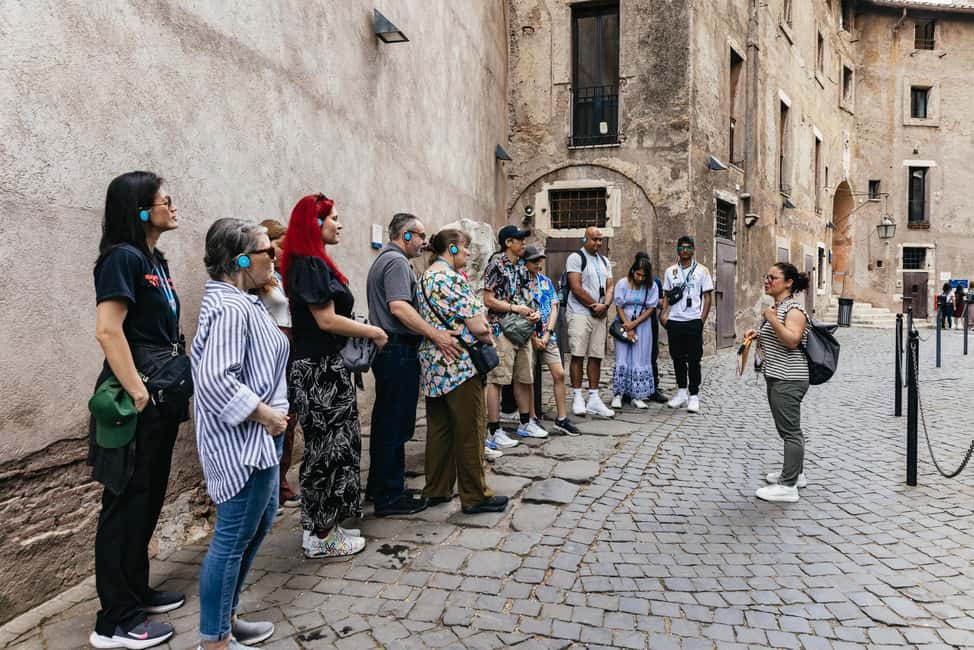
At $66.05 per person, this isn’t a budget add-on. But value in Rome often comes from two things you can’t easily replicate on your own: access and time.
Here’s what you’re paying for:
- Skip-the-line entrance through a separate entrance (less waiting)
- A live guide in English who interprets the building’s changing roles
- Entry to parts of Castel Sant’Angelo that are generally closed to most visitors
- Headsets if needed, so you can hear the explanations while moving
If you only want a quick exterior look and a casual wander, you could do that cheaper on your own. But if you want the castle to make sense—Hadrian’s tomb to papal apartments to prisons to the terrace—the guided format is what turns the price into something you feel.
Who this guided tour is best for
This works best if you:
- Want a strong storyline for a major site, not just a walk-through
- Appreciate context—how one building served many different kinds of power
- Care about seeing sections that are usually off-limits
- Plan to spend time taking in views from the terrace at the end
It’s not suitable for wheelchair users, largely because of the stairs to the panoramic terrace. If stairs are a challenge for you, this is a key point to weigh before booking.
Optional aperitivo after: make it an easy Rome evening plan
After the tour, you have the option to add a traditional aperitivo at a nearby bar. It’s a nice way to wrap a history-heavy hour with something social, especially if you’re staying near the Lungotevere area.
Should you book this Castel Sant’Angelo skip-the-line guided tour?
If your goal is to walk into Castel Sant’Angelo and come out understanding why the place kept changing hands and roles, I think this is a smart booking. The skip-the-line entry saves stress, and the access to usually-closed areas is the real differentiator.
Book it if you enjoy guided history, want help reading artwork and rooms as part of a bigger story, and you’re okay with stairs to the terrace. Skip it if you want a low-effort visit or you need step-free access.
FAQ
Where is the meeting point for the tour?
Meet in front of the main entrance to the Lungotevere Castello. Look for a representative holding a Loving Rome flag.
How long is the Castel Sant’Angelo tour?
The duration is listed as 1–2 hours. Starting times vary, so check availability for the exact slot.
What’s included in the ticket price?
Included are skip-the-line entrance to Castel Sant’Angelo, a guide, and headsets if needed.
What should I bring, and what should I avoid?
Bring comfortable shoes and bring your passport or valid ID for verification. Food and drinks are not allowed, and you can’t bring luggage or large bags.
What language is the tour offered in?
The live tour guide is in English. An optional audio guide is also in English.
Is this tour suitable for wheelchair users?
No. The tour is not suitable for wheelchair users.
Do I need to provide names exactly as on my ID?
Yes. You need to provide the full name(s) of each participant exactly as they appear on the passport or valid ID, and you should bring that ID with you.