REVIEW · ROME
Rome: Audio guide of the Roman Forum
Book on GetYourGuide →Operated by Echo Audioguides · Bookable on GetYourGuide
History, in your own pace. This 40-minute Roman Forum audio guide turns the ruins into a story you can follow at walking speed, with compelling narration that connects power, politics, and daily life to what you see.
I also like that it works without internet once you’ve grabbed the file, so you can pause, rewind, and keep your bearings with the included map. The one catch: the audio doesn’t always make the transition to the next section feel crystal clear, so you’ll want to watch the map closely and not rush.
In This Review
- Quick take: what makes this Roman Forum audio guide work
- What you’re really buying in 40 minutes
- Price and value: is $4.52 worth it?
- Where to start: the Arch of Titus meeting point
- How the audio walk works (and why the map matters)
- Stop-by-stop: what you’ll hear as you move through the Forum
- 1) Arch of Titus: your entry into Roman power
- 2) The main Forum spaces: where citizens and officials intersected
- 3) Temples and basilicas: religion, law, and public business
- 4) Triumph arches and commemorations: propaganda you can walk through
- What I like about the narration style (and what to watch for)
- Language choice: English or Italian
- Offline audio and phone reality in central Rome
- Who this audio guide is for (and who might want something else)
- Practical tips to make your Roman Forum visit smoother
- Should you book this Roman Forum audio guide?
- FAQ
- How long is the Roman Forum audio guide?
- Where should I start listening to the audio file?
- Is the entrance ticket to the Roman Forum included?
- Can I use the audio guide offline?
- What languages are available?
- What’s included with the experience?
- How long is the booking valid?
- Can I reserve and pay later?
- Can I get a refund if I cancel?
Quick take: what makes this Roman Forum audio guide work
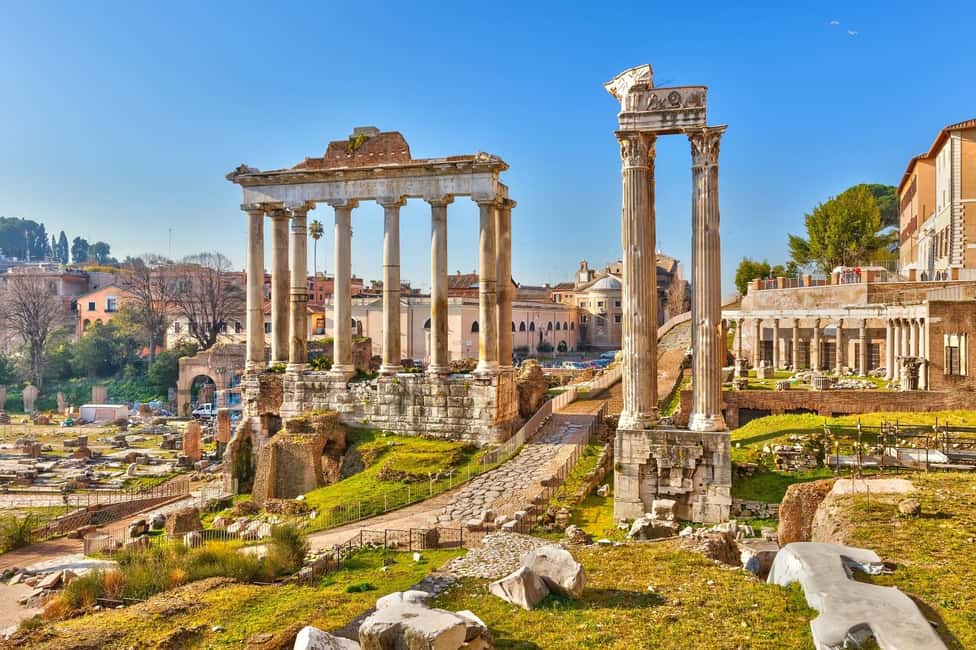
- Start at the Arch of Titus and let the narration guide your route through the main forum area
- Offline audio means you can use it even with spotty phone service in the historic core
- Historical stories focus on politics, power, and everyday life, not just dates
- Clear directions plus map use help you stay oriented while walking among ruins
- English or Italian options let you match your comfort level
- No ticket included, so you’ll plan entry separately before you begin
What you’re really buying in 40 minutes
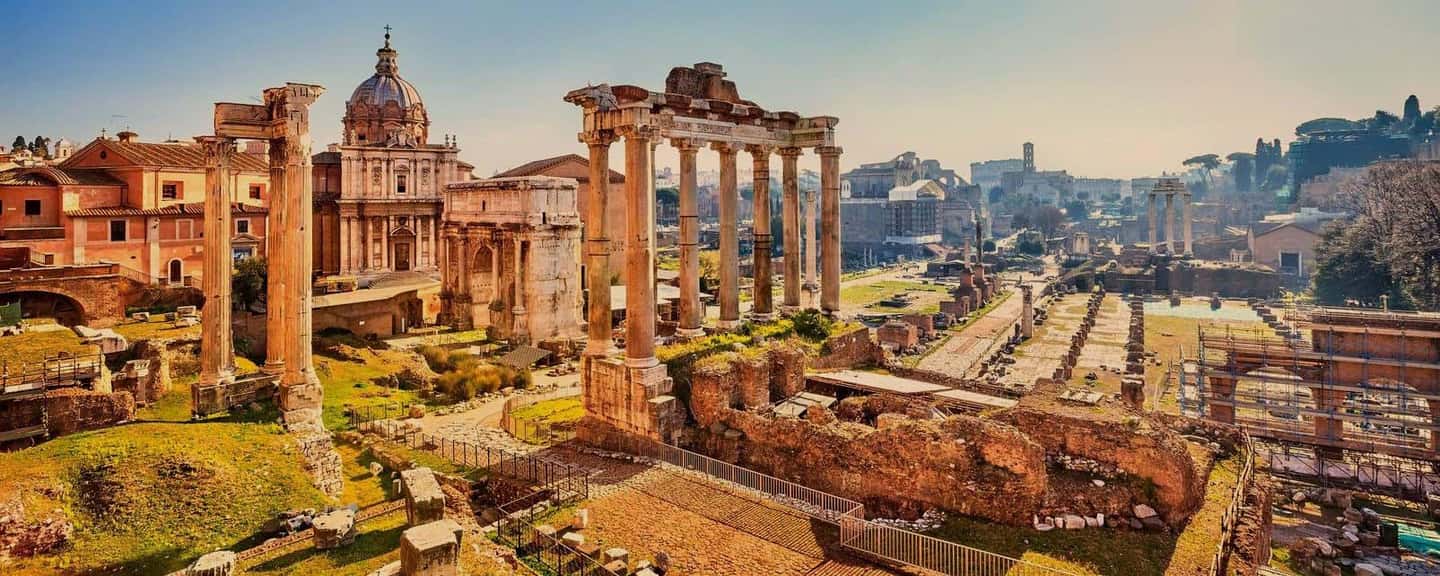
This isn’t a bus-tour with a microphone and a herd of people. You’re paying for a self-guided audio experience that stays in the sweet spot: long enough to make the Roman Forum feel legible, short enough that you can still enjoy the site without feeling trapped.
The core promise is simple. You’ll walk and listen, and the narration will explain what you’re looking at—temples, basilicas, triumphal arches, and the spaces where Roman public life happened. The length matters because the Forum is big, uneven, and visually confusing if you’re just staring at stone fragments. A tight route with an audio track gives you structure.
You can also read our reviews of more guided tours in Rome


Price and value: is $4.52 worth it?

At $4.52 per person, you’re buying something closer to “a talking companion” than a full guided tour. That matters in the Forum because the main value is not someone waving at ruins—it’s helping you understand the relationships between buildings and the role they played in Roman public life.
Here’s why I think the price is fair:
- You get a digital file you can replay later, even without internet.
- You receive a map and photo/documentation to support the audio.
- You’re flexible: you can pause when you want a closer look or step back when crowds or tour groups get busy.
The only obvious way this wouldn’t feel like a bargain is if you absolutely need a live guide to correct your path. Since this is audio-first, you do have to take part by staying oriented with the map.
Where to start: the Arch of Titus meeting point
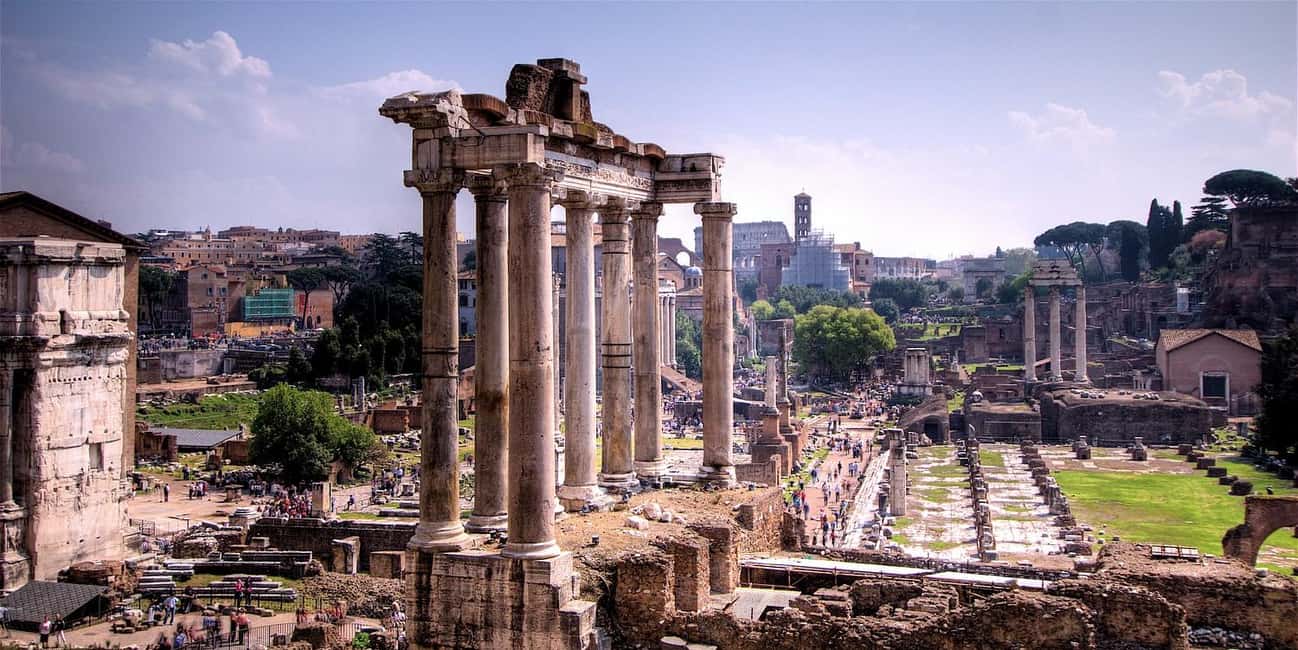
You begin at Perfavore, using the entrance to the Forum near the Arch of Titus. That’s important. A lot of Roman Forum visits start at one side and hope you’ll intuit the rest. Here, your audio launch point is clear: you should start listening when you’re at the Arch of Titus.
That gives you an anchor. When you know exactly where the story begins, you spend less time doing the mental math of which direction you’re walking and more time following the meaning of the ruins.
Your visit also ends back at the meeting point, so you’re not expected to “finish somewhere else.” It’s a loop-style, self-guided format.
How the audio walk works (and why the map matters)
The format is straightforward: you get a link to an audio file, and you can use it “whenever you want,” including offline. In practice, that means you can plan ahead in a calm moment, then pull out your phone when you reach the Arch of Titus.
You’ll also notice the guide is meant to be followed in sequence. The best way to do that is to keep your eyes on the map and move at a steady pace. The Forum is slow by nature—uneven ground, scattered stones, and the temptation to stop and stare.
One practical consideration: the narration is described as clear and easy to follow, but it may not always flag every station transition in a way that feels obvious. So build in your own check-ins. Every few minutes, glance at the map so you’re not guessing where the next part starts.
A simple rhythm helps:
- listen
- look where the audio is directing you
- glance at the map
- then continue
If you do that, you’ll get the smooth experience the guide is designed for.
Stop-by-stop: what you’ll hear as you move through the Forum

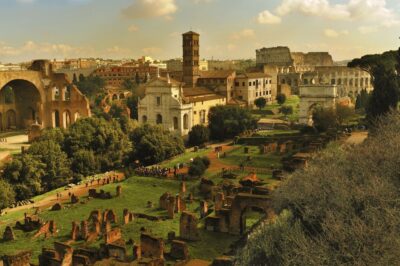
Even without a long list of named monuments in the details you get, the narration is organized around the Forum’s major themes and building types. Expect the audio to connect structures you can actually see with the stories of people and power that shaped Rome.
You can also read our reviews of more tours and experiences in Rome






1) Arch of Titus: your entry into Roman power
Starting at the Arch of Titus sets the tone. This is a monument tied to public display—exactly the kind of place where Roman authority wanted to look permanent.
As you stand here, the audio begins telling you how to read the Forum: not as random ruins, but as a stage where politics and influence played out in stone. This matters because once you understand that the Forum was a power-and-debate engine, the rest starts making more sense.
2) The main Forum spaces: where citizens and officials intersected
As you continue, you’ll hear about the “heart” of ancient Rome—how emperors, senators, and citizens moved through these spaces. The narration doesn’t just say who lived here; it explains why public spaces mattered.
That’s the useful part: the guide helps you connect movement and layout with Roman life. Where did people gather? Where did messages travel? How did authority look when it was meant to be seen?
3) Temples and basilicas: religion, law, and public business
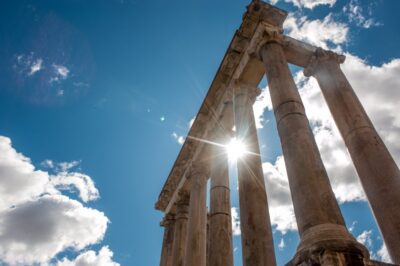
The description specifically points to temples and basilicas as part of what you’ll explore. That’s a big deal, because in Rome these weren’t separate worlds. Religious power supported civic authority, and basilicas were tied to public activity and the legal/business side of daily life.
When you hear these explanations while you’re standing in front of the ruins, you’re more likely to notice:
- which areas feel civic versus ceremonial
- how buildings were positioned for visibility and gathering
4) Triumph arches and commemorations: propaganda you can walk through
The guide also mentions triumphal arches and the stories behind them. Those arches weren’t only about winning wars. They were about shaping memory and showing dominance.
As you move through the narrative here, the Forum starts to feel like a public relations machine—written in stone, meant to last longer than the moment it celebrated.
What I like about the narration style (and what to watch for)
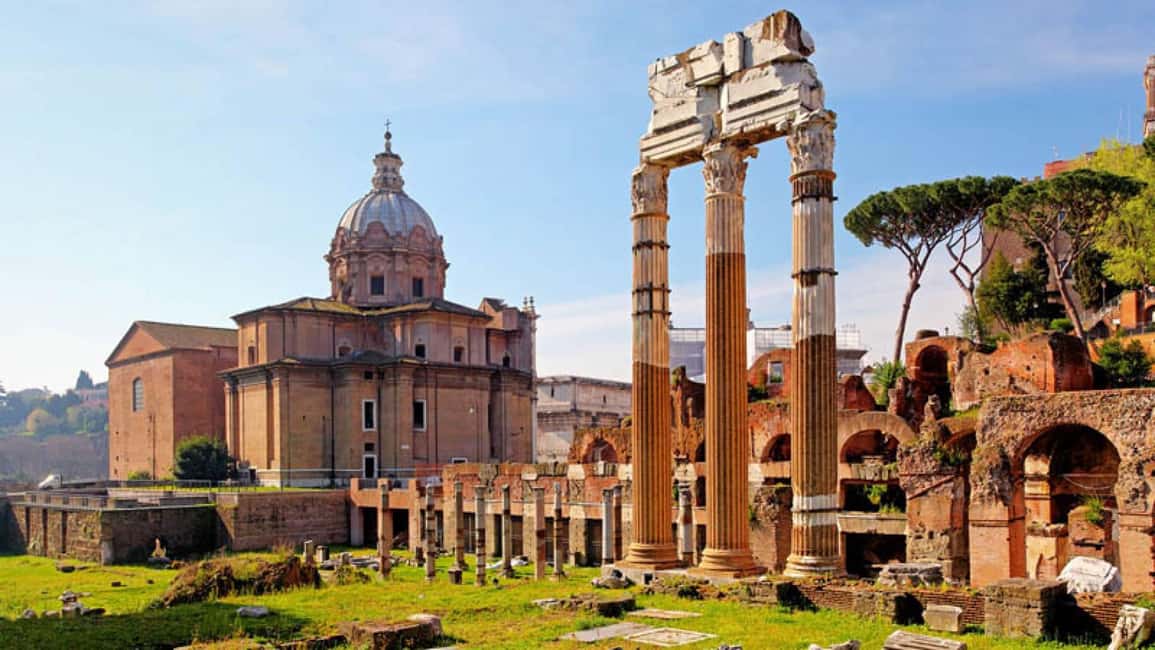
The big strength is compelling narration that brings the ruins to life with stories of power, politics, and daily life. The goal isn’t to overwhelm you with dates. It’s to help you see the site as a working city square and government space.
You’ll also appreciate the convenience of flexibility. This is audio you can replay. If you pause to take photos or stop to catch your breath, the experience doesn’t collapse the way a rigid group tour can.
Now, the practical “watch this” from the format itself: because transitions between stations can be less explicit than you’d expect, you’ll want to avoid rushing. If you’re the type who likes to power-walk and listen on the move, slow down slightly. The Forum rewards attention.
Language choice: English or Italian
You can choose English or Italian. If your Italian is solid, switching to Italian can add texture to the experience, especially in a place where Roman public life was deeply connected to language and rhetoric.
If English is your comfort zone, the audio is built for clarity so you can focus on what’s in front of you instead of playing catch-up with translation.
My practical advice: pick the language you can listen to without effort. In the Forum, your eyes and feet already have enough to manage.
Offline audio and phone reality in central Rome
The guide sends you a link to an audio file that you can use even without an internet connection. That’s a lifesaver in Rome, where coverage can be patchy and phone batteries can disappear faster than you think.
Still, be smart:
- download/load the audio before you start
- bring a charging option if you’re also using maps and photos
- keep brightness reasonable so you don’t burn battery while checking the map
This kind of offline access is one of the most “practical travel” perks in the whole concept. It turns the experience into something you control.
Who this audio guide is for (and who might want something else)

This format fits best if you:
- want to visit at your own pace
- enjoy story-driven interpretation more than a strict chronology
- like having an audio track plus a map so you can self-correct
- want something that costs far less than a live guided tour
It may not be ideal if you:
- need highly structured, step-by-step transitions because you dislike any ambiguity
- want a guide to answer questions in real time
- plan to walk extremely fast (then you’ll miss cues and context)
If you’re a comfortable independent traveler who likes to slow down just enough to see meaning, this should feel like a good match.
Practical tips to make your Roman Forum visit smoother
A few small choices can make this experience much more satisfying:
- Start on time: once you begin listening at the Arch of Titus, keep the story going instead of leaving it to later.
- Use the map often: don’t just glance once. Short check-ins keep you on route.
- Pause for photos, not for confusion: if you’re stopping to take pictures, that’s great. If you’re stopping because you’re lost, slow down earlier.
- Plan your entrance ticket separately: this audio guide doesn’t include site entry, so build your timing around ticket access.
- Expect uneven ground: the Forum is ancient and irregular. Move carefully, and keep your attention on your feet when you’re repositioning.
Should you book this Roman Forum audio guide?
I’d book it if you want a low-cost, flexible way to understand what you’re seeing, starting right where the story makes sense at the Arch of Titus. The strong points—compelling narration, historical authenticity, and offline replay—are exactly what a site like the Roman Forum needs.
I’d think twice if you hate self-navigation or you rely on super-clear cues for each station. In that case, you might be happier with a guided tour where someone can correct your route on the spot.
If you’re on the fence, here’s an easy decision rule: if you’re the type who uses a map without resenting it, this audio guide is likely to deliver good value for the money.
FAQ
How long is the Roman Forum audio guide?
The audio guide is designed for about 40 minutes.
Where should I start listening to the audio file?
You should start listening when you are at the Arch of Titus.
Is the entrance ticket to the Roman Forum included?
No. The entrance ticket is not included, so you’ll need to arrange entry separately.
Can I use the audio guide offline?
Yes. You’ll receive a link to an audio file that you can use even without an internet connection.
What languages are available?
The guide is available in English and Italian.
What’s included with the experience?
It includes a map, a digital file, a photo, and documentation.
How long is the booking valid?
It’s valid for 2 days. You’ll need to check availability for starting times.
Can I reserve and pay later?
Yes, you can reserve now and pay later.
Can I get a refund if I cancel?
There is free cancellation up to 24 hours in advance for a full refund.
If you want, tell me your travel dates and whether you prefer English or Italian, and I’ll suggest the most practical way to time this with your Forum ticket and other nearby sights.