REVIEW · CATACOMBS OF ROME
Rome: Catacomb of St. Callixtus and Appian Way Guided Tour
Book on GetYourGuide →Operated by Enjoy Rome · Bookable on GetYourGuide
Rome has a secret below your feet. This 3-hour guided tour pushes past the walls for the Catacombs of St. Callixtus and a calmer walk along the Appian Way with aqueduct scenery, with guides like Catia and drivers like Mario making the ride smooth. I especially like the mix of quiet, real underground burial spaces with outdoor stretches that feel like a breather from the city crush. One drawback to plan around: the catacombs are tight and dim, so this is not for severe claustrophobia, and photos are not allowed once you’re underground.
You’ll start at the bus stop on Via Cavour 224 (near metro Cavour, Line B). Then it’s bus travel plus walking, with headsets included so you don’t have to play guess-the-words when the guide moves between stops.
Expect a day that feels thoughtful, not rushed: early Christian burial chambers, the exterior of the Mausoleum of Cecilia Metella, a portion of the old Appian Way, and the Roman aqueduct park area. The dress rules are clear too: no shorts or sleeveless tops, and women need shoulders covered with skirts/trousers below knee level.
In This Review
- Key Things That Make This Tour Worth It
- Getting Outside Rome: Your Via Cavour Start and the Pace
- Catacombs of St. Callixtus: What You’re Really Walking Into
- The Crypt of the Popes and the Earliest Christian Art
- Mausoleum of Cecilia Metella: Reading Rome Through Exterior Views
- Appian Way Stretch: The Feeling of Roman Road Under Your Feet
- Parco degli Acquedotti: Aqueduct Views and Roman Engineering
- How the Transport and Guide Style Affect Your Day
- Price and Value: Is $80 Fair for 3 Hours?
- Dress Code and Rules: The Stuff You Should Not Ignore
- Who This Tour Fits Best (And Who Should Skip It)
- Should You Book This Catacomb + Appian Way Tour?
- FAQ
- Where do I meet for the tour?
- How long is the guided tour?
- What’s included in the price?
- Do I need to bring lunch?
- Are photos allowed inside the catacombs?
- What should I wear?
- Is the tour wheelchair accessible?
- Is it suitable for claustrophobia?
- Is there a minimum number of participants?
Key Things That Make This Tour Worth It
- St. Callixtus catacombs: burial niches, sarcophagi, and early Christian drawings and art
- Crypt of the Popes: a powerful stop tied to the growth of Christianity in Rome
- Appian Way walking: you get a real taste of Roman countryside road rather than just seeing photos
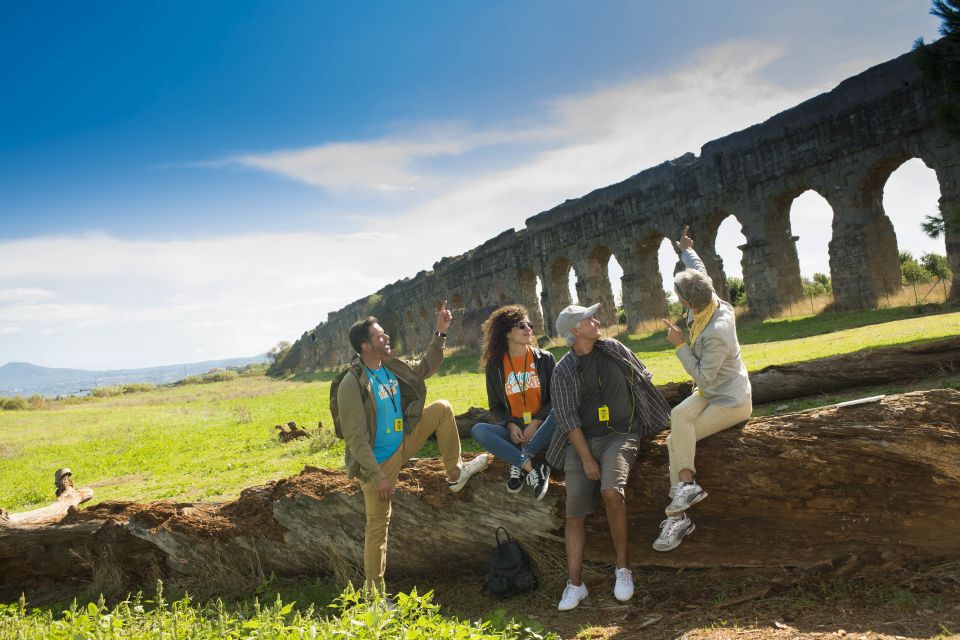
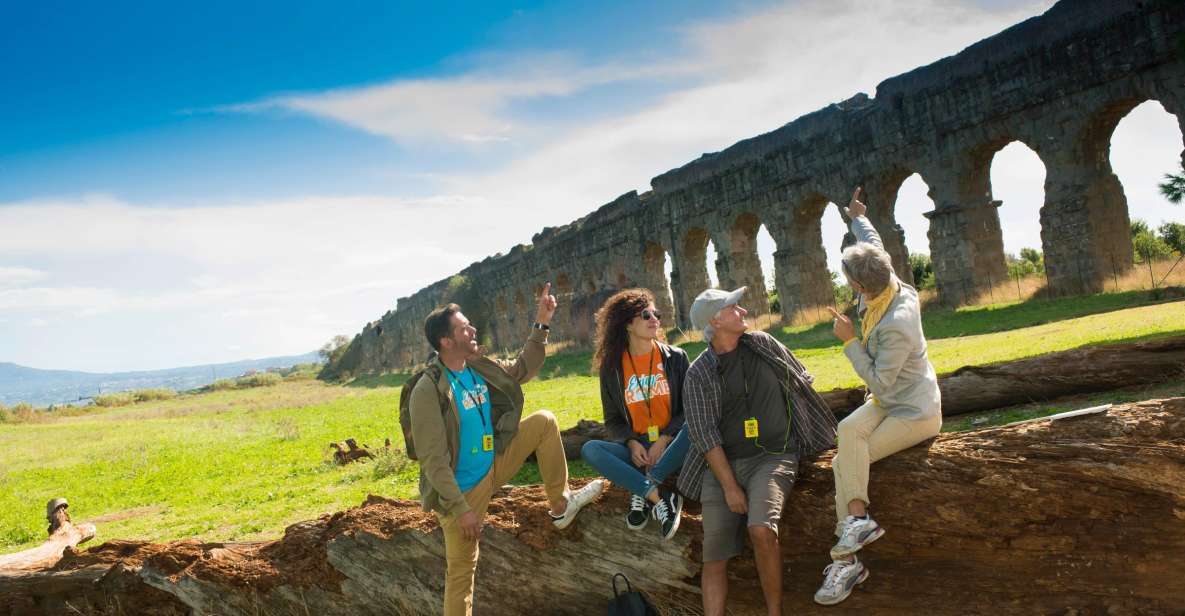
- Aqueducts up close: dramatic engineering views from the aqueduct park area
- Headsets for the underground: easier listening in spaces where sound doesn’t carry well
Getting Outside Rome: Your Via Cavour Start and the Pace
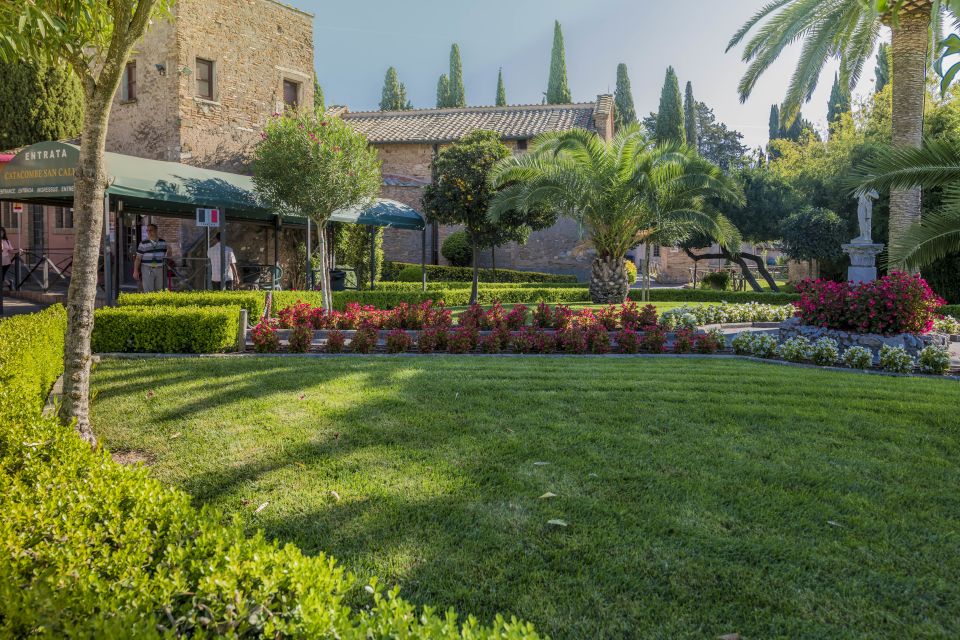
This tour is built for people who want something more than the usual center-of-Rome checklist. You’ll meet at Via Cavour 224 by bus, using the Cavour metro station (Line B) as your easiest anchor point. Aim to arrive about 25 minutes early so you’re not stressed about check-in and getting your headset.
Right away, you’ll feel the structure: time on the road, then site time, then walking outdoors. The whole experience runs about 3 hours, so it’s short enough to fit between bigger sights, but long enough to matter.
A small heads-up: there are steps at parts of the day, so wear shoes you can trust. Also, the tour is not designed for wheelchair access.
Catacombs of St. Callixtus: What You’re Really Walking Into
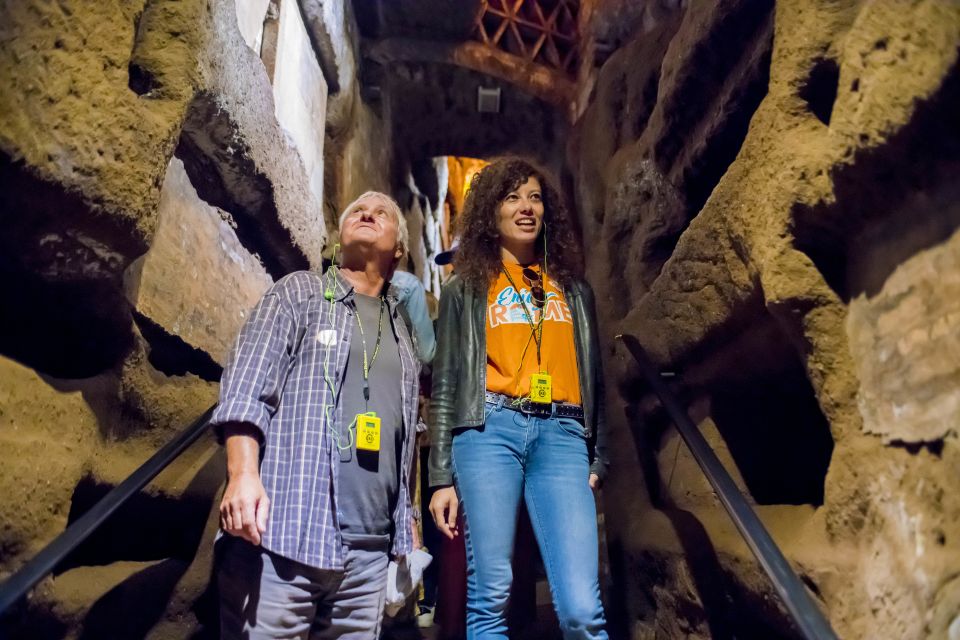
The star here is the Catacombs of St. Callixtus—an underground world carved into the soft tufa rock around Rome. This wasn’t a single burial place; it was part of a larger system that grew over time as Christianity spread and the city needed practical ways to bury large numbers of people who couldn’t afford elaborate tombs.
Inside, you’ll move through burial spaces with niches where the dead were placed and areas where sarcophagi and religious imagery help you read what people believed. One of the biggest emotional shifts is scale: these tunnels aren’t a quick hallway. You get enough walking to feel that the catacombs were a whole lived space, not just a set piece.
A practical detail that matters: photos are not permitted in the catacombs. I actually like that rule here—it keeps your eyes on the art and the burial architecture instead of turning the underground into a screen-fest.
The Crypt of the Popes and the Earliest Christian Art
After the main catacomb walk, you’ll also explore the Crypt of the Popes. This is where the story tightens: as Christianity became more common, the burial network expanded and the most significant underground spaces gained special meaning.
You’ll see some of the earliest examples of Christian art, including religious drawings that feel direct and human. It’s not about fancy stained-glass drama; it’s about symbols people used to communicate faith in a harsh, underground setting.
If you’re sensitive to enclosed spaces, this is the point where you should self-check. The tour is specifically not recommended for severe claustrophobia, and it’s easy to see why once you’re down in the tunnels.
Mausoleum of Cecilia Metella: Reading Rome Through Exterior Views
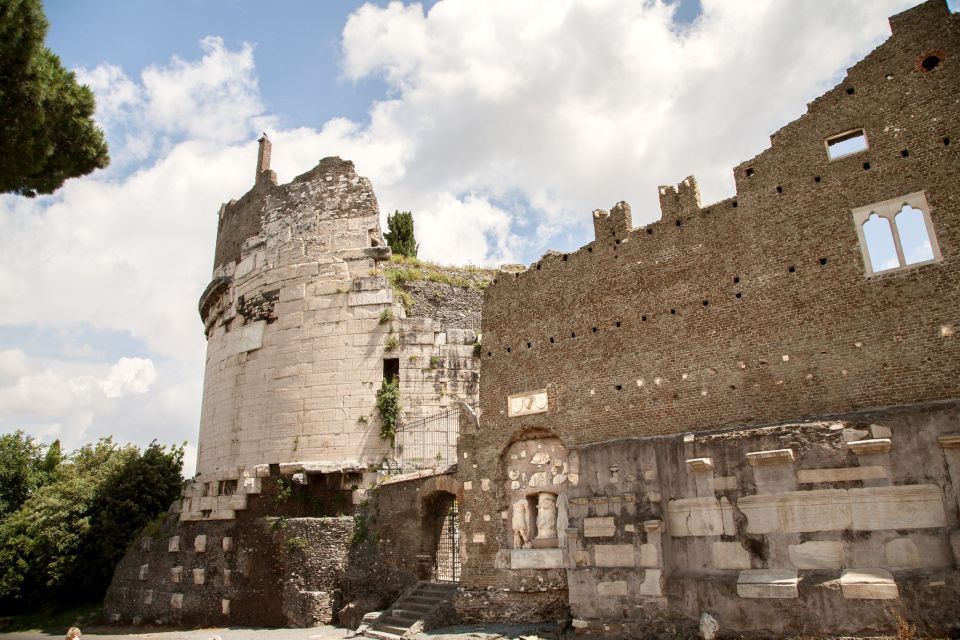
You’ll break from the underground world with a look at the Mausoleum of Cecilia Metella from the outside. This isn’t the kind of stop where you’re inside for long—you’re there to spot the monument and connect it to the older Roman landscape of tombs and status.
Why it’s worth including: it gives your brain a “Roman before” reference. After the catacombs, it helps to see how burial culture looked at ground level for people with resources, and how that contrasts with the practical system needed for early Christians across the city.
This stop is also a nice pacing change. You’ll go from tight tunnels to open air and then back into walking.
Appian Way Stretch: The Feeling of Roman Road Under Your Feet
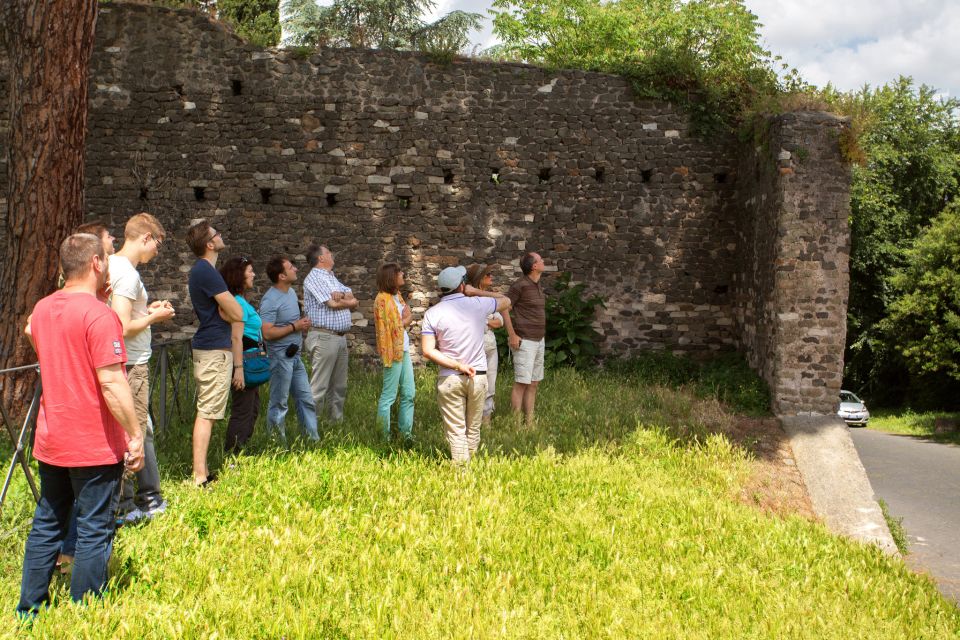
Then you’ll step onto a portion of the old Appian Way. It’s one of those roads that makes history physical. Even if you only walk a bit, it’s enough to change how you picture the Romans moving people and goods—this was a real working corridor, not just a decorative ruin.
I like this part because it slows the day down. Outdoors on ancient stones, you’re not just being told what Rome was; you’re seeing how the route threads through countryside near the city.
Weather matters here. If it’s rainy or cold, you may walk less than planned, with some people staying on the bus. If it’s hot, the catacombs feel refreshingly cool, and then you’ll be out in the sun again—so bring water and plan for shade breaks if you can.
Parco degli Acquedotti: Aqueduct Views and Roman Engineering
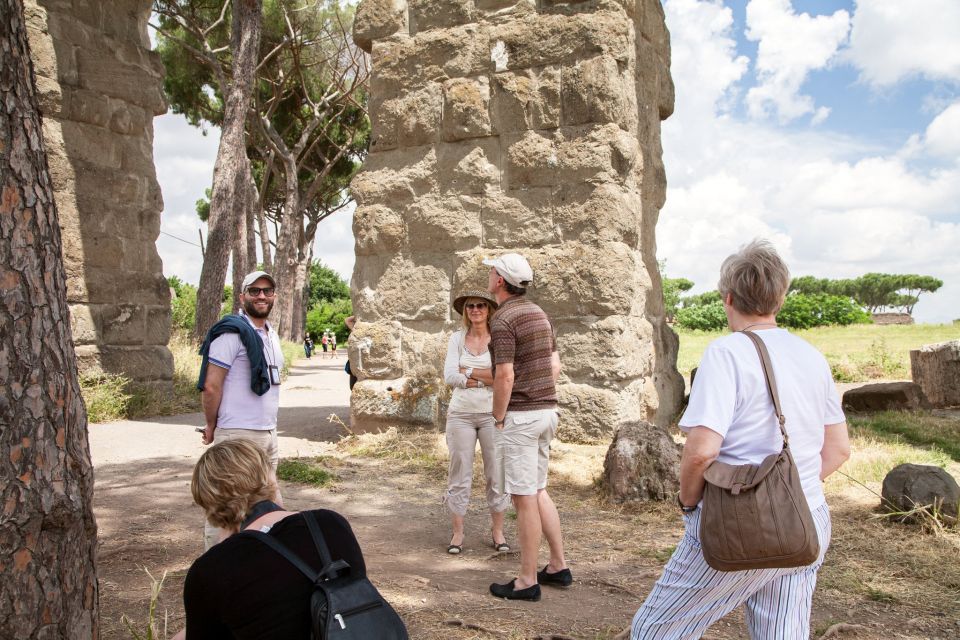
After the Appian Way walk, you’ll park near the Roman aqueduct park area and take a short path for views. The day’s pacing makes this a perfect final act: after walking, you get to stand, look, and absorb.
The aqueducts are more than old stone. They’re an engineering story—how Rome moved water over distance with a system that still looks impressive when you’re standing close enough to see the structure. You’ll also get a sense of why these aqueducts became part of the lived landscape, running above and around daily life.
And yes, the route involves passing under arches and moving between viewpoints, so the scenery isn’t static. It’s a visual “zoom out” that helps you see Rome as a whole system, not only monuments in isolation.
How the Transport and Guide Style Affect Your Day
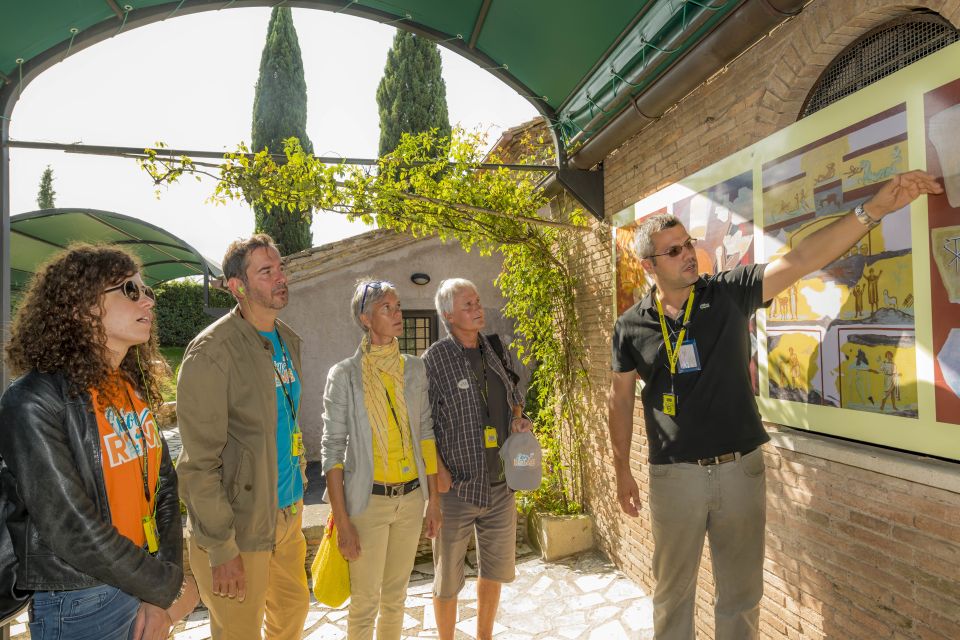
This is a bus-and-foot format, with transport from and back to the meeting point included. Headsets are provided, and that’s a big deal on this kind of tour because your listening conditions change constantly—open air, then tunnels, then another stop.
In the past, many groups have reported comfortable rides and helpful drivers, including Mario in the role of driver. Some people have also noted that smaller vehicles can mean limited sightlines out the windows, so don’t count on a lot of dramatic roadside viewing from your seat.
Guide style is a major factor with this day. Names like Catia, Marije, Francesca, Katya/Katia, and Lara show up frequently in guide reports, and the common theme is storytelling tied to what you’re seeing in the moment—catacombs, tomb exteriors, and the aqueduct park all get explained in a way that makes the spaces feel less like labels.
Also, the tour supports breaks. Some groups with children have mentioned the guide being understanding with needs for pauses, which is useful when the catacombs plus walking can add up.
Price and Value: Is $80 Fair for 3 Hours?
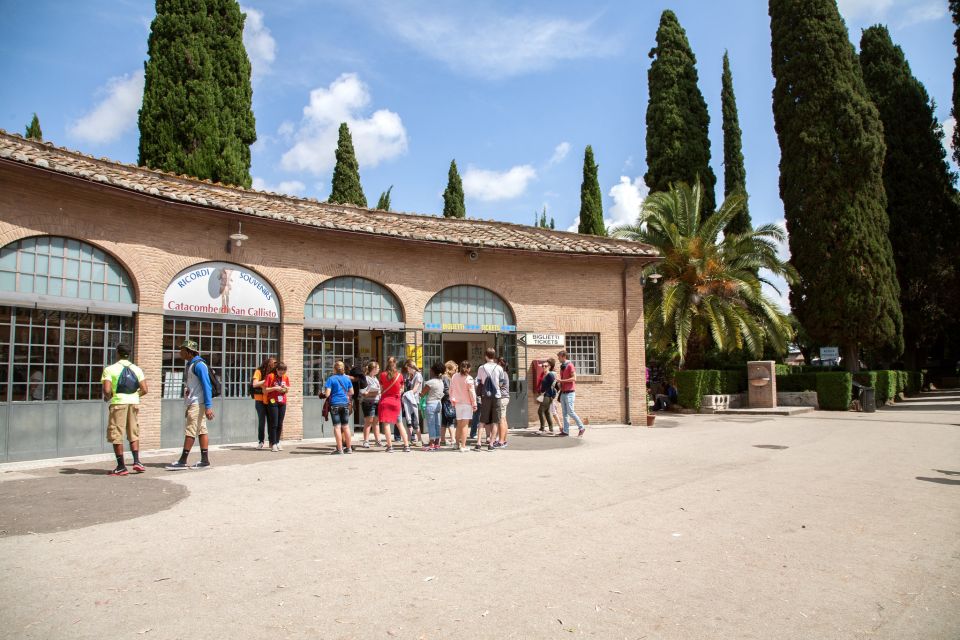
$80 per person for about 3 hours is not bargain-basement Rome, but it also isn’t overpriced if you compare what’s bundled in. You’re getting round-trip transport to the meeting point, a guided catacomb experience with entrance and booking fees handled, and headsets to make the explanations actually work.
The value is in the interpretation. Seeing catacombs on your own is possible in some form, but understanding the layout, the Christian symbolism, and why the network expanded takes a human guide. The same goes for the Appian Way and aqueduct park: someone translating the engineering and burial context turns scattered sights into one coherent story.
For me, the biggest “value” point is that you’re trading one crowded city morning for a quieter off-center Rome. That kind of mental reset is hard to price.
Dress Code and Rules: The Stuff You Should Not Ignore
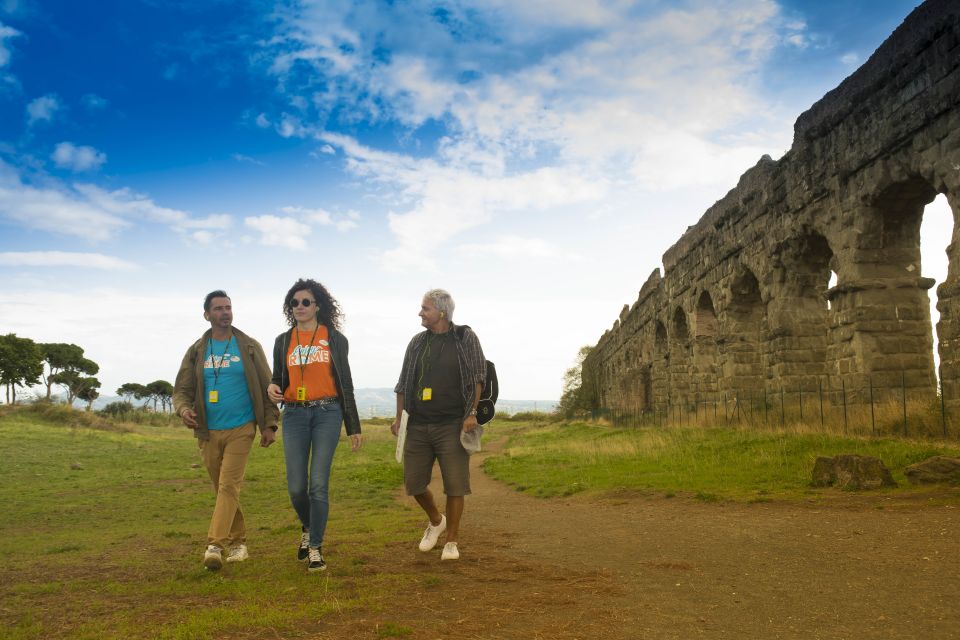
This tour has real entry rules. No shorts, no short skirts, and no sleeveless shirts. For women, shoulders must be covered and skirts or trousers must be below knee level.
One more rule that affects your experience: photos are not allowed in the catacombs. If you’re coming expecting a camera-heavy visit, you’ll need a different mindset underground—look with your eyes, not your lens.
And if you’re traveling with a pet, pets aren’t allowed. Also note that the tour is not wheelchair accessible, and severe claustrophobia is a deal-breaker.
Who This Tour Fits Best (And Who Should Skip It)
This works especially well if you:
- Want early Christianity and the story behind it, not just big monuments
- Feel worn out by central-Rome crowds and want a countryside-feeling break
- Like guided context that turns architecture into meaning
It’s not a great fit if you:
- Have severe claustrophobia
- Need wheelchair access
- Are hoping for lots of photos in the catacombs
If you’re short on time, this tour can be a smart add-on. It gives you multiple settings—underground burial spaces, an outdoor Roman monument exterior, ancient road walking, and aqueduct park views—without eating an entire day.
Should You Book This Catacomb + Appian Way Tour?
I’d book it if you want an off-the-beaten-path Rome moment that’s still guided and structured. The catacombs provide the rare kind of contrast that makes other Roman sights click, and the Appian Way plus aqueduct park adds outdoor calm so your day doesn’t feel trapped underground.
Skip it if claustrophobia is a serious issue or if you need photo-friendly flexibility. Also, plan clothing carefully; you don’t want the morning logistics to get in the way of enjoying the sites.
If you’re traveling with limited time in Rome and want something meaningful beyond the obvious, this is a solid use of a half-day slot.
FAQ
Where do I meet for the tour?
You meet at the bus stop at Via Cavour 224. The nearest metro station is Cavour (Line B).
How long is the guided tour?
The tour lasts about 3 hours.
What’s included in the price?
Included are transport from and to the meeting point, a 3-hour guided tour, the guided tour inside the Catacombs of St. Callixtus, entrance and booking fees, and headsets.
Do I need to bring lunch?
Lunch is not included.
Are photos allowed inside the catacombs?
No. Photos are not permitted in the catacombs.
What should I wear?
No shorts, short skirts, or sleeveless shirts. For women, shoulders must be covered and skirts or trousers must be below knee level. Proper dress is required for places of worship.
Is the tour wheelchair accessible?
No. The tour is not wheelchair accessible.
Is it suitable for claustrophobia?
It’s not recommended if you suffer from severe claustrophobia.
Is there a minimum number of participants?
Yes. The tour requires a minimum of 5 participants and may be rescheduled or cancelled with a full refund if that minimum isn’t met.