REVIEW · ROME
Ghosts, Legends & Mysteries of Rome Tip-Based Walking Tour
Book on GetYourGuide →Operated by What About Tours · Bookable on GetYourGuide
Rome gets a little scary after dark.
This Ghosts, Legends & Mysteries of Rome tip-based walk brings true-crime storytelling to the streets, not just museum facts. I also like the human pace: short stops, lively questions, and a guide who keeps the group moving. The tradeoff is the tone: expect dark humor and politically incorrect jokes, so it may not fit everyone’s comfort level.
You’ll start near Castel Sant’Angelo and end in Campo de’ Fiori in about 1.5 hours. The route is built for atmosphere, with spooky places, execution-era history, and urban legends tied to real Roman locations. One thing to keep in mind: the “base price” is tiny because the guide is paid mostly by tips, so you’ll want to budget for that.
If you want Rome the way night stories sound—whispered, grim, and funny—this is a strong fit. If you prefer your history sanitized and strictly academic, you might find the style a bit too blunt for your taste.
In This Review
- Key things to know before you walk
- Entering Rome’s haunted districts at street level
- Castel Sant’Angelo to Campo de’ Fiori: the 1.5-hour route
- The stories you’ll actually remember: ghosts, poison, heretics, and fear
- Dark humor and politically incorrect jokes: fun, with a caveat
- Pay-what-you-want pricing: what the 3.77 really means
- What the “best” guides do differently: pacing, Q&A, and laughs
- Ending in Campo de’ Fiori with food plans you can use
- Who should book this haunted-walk style tour
- Should you book? My practical verdict
- FAQ
- How long is the Ghosts, Legends & Mysteries of Rome walking tour?
- Where does the tour start and where does it finish?
- Is this tour really tip-based?
- What languages is the tour offered in?
- Do I need to pay upfront when booking?
- What kind of stories will I hear on this tour?
Key things to know before you walk
- Tip-based (pay-what-you-want) model: plan on tipping in the range of 10€ to 50$ since the “price” is not the full cost of the experience.
- Castel Sant’Angelo to Campo de’ Fiori: the route is short and purposeful, designed for night views and quick story stops.
- True crime meets folklore: you’ll hear about ghosts, witches, heretics, assassins, and poison scandals.
- Guides with stand-out storytelling: names like Ivan, Leonardo, Simone, and Max come up repeatedly for keeping the group laughing and listening.
- Food and drink recommendations included: the walk ends with local recommendations for where to eat and what to try next.
Entering Rome’s haunted districts at street level
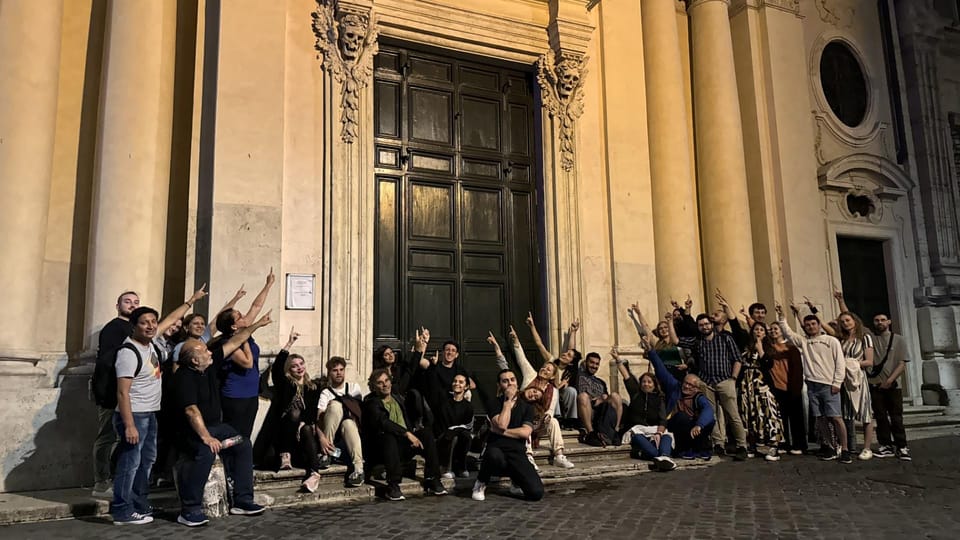
Rome is packed with “see-this, snap-that” sightseeing. This tour is different. It trades grand monuments for the smaller, stranger details: grim pasts attached to bridges, palaces, fountains, and alleyways—places you’d otherwise rush through in daylight.
What makes the experience click is how it blends genres. You get ghost lore, but you also get violence, brutality, and criminal stories rooted in the city’s history. It’s not just spooky atmosphere; it’s the idea that Rome’s layers of power, faith, and fear left marks you can still point to on a map.
And yes, the tone is intentionally dark. Expect jokes that ride the line. I think that’s part of why the tour feels lively rather than lecture-y. Just know the humor can be sharp, politically incorrect, and not meant to soothe anyone.
You can also read our reviews of more walking tours in Rome


Castel Sant’Angelo to Campo de’ Fiori: the 1.5-hour route
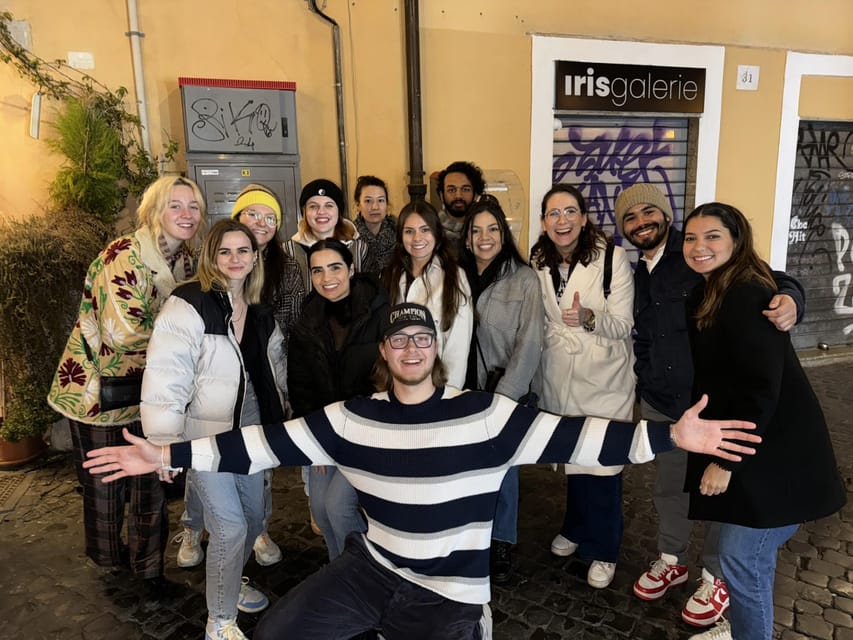
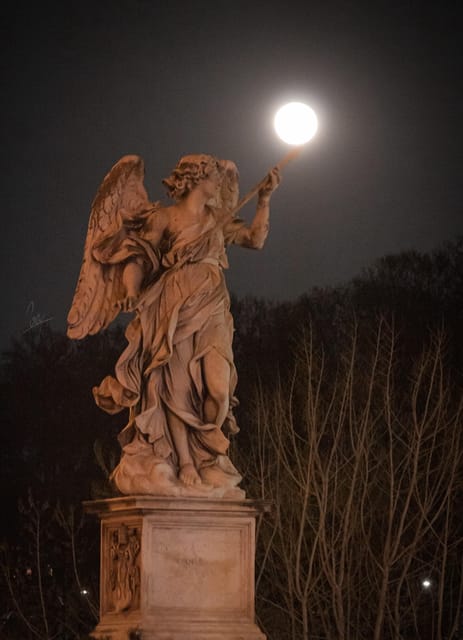
The walk starts right in front of the Castel Sant’Angelo entrance, by the bridge Sant’Angelo. That’s a smart opening. You’re already in a spot that feels dramatic at night, and it sets the tone fast: the tour doesn’t ease in, it begins with the kind of location that invites a legend.
From there, you’ll move through a sequence of short guided stops:
- Castel Sant’Angelo (about 15 minutes): a photo stop plus guided sightseeing. You’ll get the “eerie secrets” angle tied to the site, not just a generic landmark explanation.
- Two quick story visits (about 5 minutes each): you’ll hit locations where the narration stays tight. Think “listen, look, move on,” with the guide pointing out what to notice at that moment.
- Secret stops (about 10 minutes, then 5, then 10): these are brief but important. The point is to change how you see the street—suddenly you’re noticing the corners, thresholds, and facades that match the stories. Because the “secret” locations aren’t spelled out here, treat them as part of the fun: you’re meant to discover them while walking.
- Fountain of the Mask (about 5 minutes): a short guided look that adds local texture. Night walking around fountains tends to feel more cinematic than daytime, and the guide uses that mood for storytelling.
- Farnese Palace (about 5 minutes): you’ll get history with a darker edge than a typical Rome palace stop. Even at brief time windows, this kind of stop works well because you’re comparing “what it looks like now” with “what it may have meant then.”
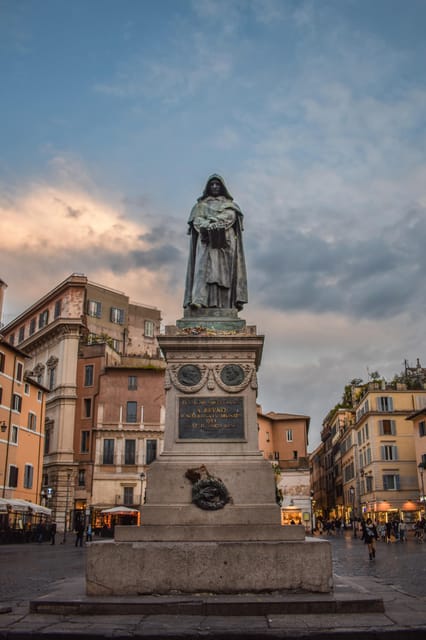
- Campo de’ Fiori (about 10 minutes): the finish point. This square is a good landing zone: you can stand, take in the night energy, and then pivot to food plans.
Two practical notes. First, the timing is tight, so wear shoes you can trust for uneven pavement. Second, the tour is built for walking conversations—so don’t expect long museum-style stops.
The stories you’ll actually remember: ghosts, poison, heretics, and fear
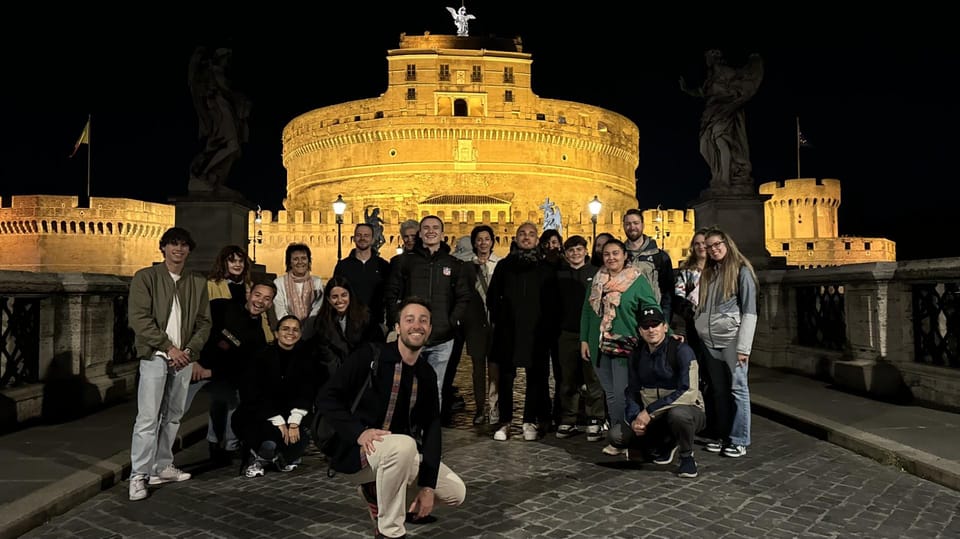
This tour’s core is narrative history with teeth. You’ll hear about:
- ghosts and urban legends
- witches and heretics
- the Inquisition era
- corrupt popes and assassins
- executions and places tied to brutality
- notorious true-crime themes, including Giulia Tofana, Rome’s infamous poisoner
The payoff is seeing how a city’s reputation gets formed. Rome isn’t only marble and myths; it’s also power struggles, punishments, and rumor—sometimes all mixed together. The guide’s job is to connect those dots to specific locations you pass at night.
One of the most praised parts of the experience is the delivery. Guides like Ivan and Leonardo show up in many bookings for storytelling that stays funny without losing the grim core. Other names that pop up include Simone and Max, often for strong pacing and keeping the group engaged.
You should also know what kind of history you’re signing up for. This is not a sanitized “Rome 101.” It’s history with no filters, told as a sequence of scenes. If you like your facts sprinkled with spine-chills, you’ll probably have a great time.
Dark humor and politically incorrect jokes: fun, with a caveat
Let’s address the obvious: this is a spooky night tour with dark humor and politically incorrect jokes. That can be a deal-breaker for some people, and a selling point for others.
If you handle edgy comedy well, you’ll likely find the tone makes the stories easier to digest and remember. Several bookings highlight laughs alongside the creepy parts—like the guides turning the grim material into something you can follow without falling into gloom.
If that tone doesn’t work for you, consider choosing a different style of Rome tour. This one is clearly designed to be a little unsettling.
Pay-what-you-want pricing: what the 3.77 really means
The listed price is $3.77 per person, but this tour runs on a tip-based model. The guide is paid for their work through what you choose to tip at the end. The usual tip range given for this format is 10€ to 50$.
So how do you judge value? I’d treat the base price as a booking token, not the actual cost of the experience. For real budgeting, plan your tip first, then decide if the total still feels fair.
Also, bring cash if you can. One booking note explicitly calls out having at least 10€ in cash as a practical baseline, even if the tip is ultimately your decision. And because the tour is short—about 1.5 hours—you’re paying for guided storytelling, pacing, and nighttime access to a specific kind of Rome atmosphere.
A tip-based tour can feel risky if you hate uncertainty. Here, the reviews and guide reputations suggest the experience is structured and engaging, so tipping typically feels like part of the relationship rather than a surprise expense.



What the “best” guides do differently: pacing, Q&A, and laughs
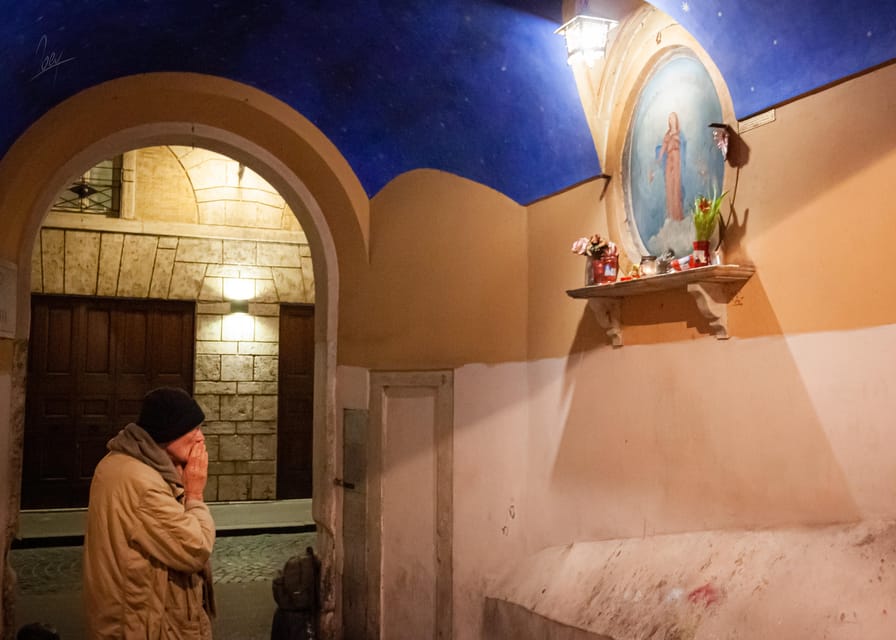
A lot of walking tours fail for one reason: the guide talks for 90 minutes and nobody absorbs anything. This tour seems built to avoid that.
Many bookings praise guides for keeping a lively pace and holding attention the whole way through. Guides also tend to invite questions—one note highlighted that there were no headphones, which helped people chat face-to-face and ask things as they walked.
You’ll also benefit from the group dynamic. One booking said the group wasn’t too big and made it easier to keep conversations comfortable. Another booking mentioned that a larger group can limit space for voices. Translation: if you’re sensitive to crowding, arrive a few minutes early and expect nighttime sidewalks can get tight.
In terms of personalities, names you’ll see recommended often include Ivan (storytelling and humor), Leonardo (keeping it interesting and fun), Simone (passionate storytelling), and Max (a standout guide experience). Even if you don’t get the same guide, the style is clearly consistent: talk less like a textbook, more like a storyteller who knows the streets.
Ending in Campo de’ Fiori with food plans you can use
One of the nicest practical features is that the guide includes food and drink recommendations. A booking specifically notes you get a full list of suggestions for local eateries and gelaterias.
This matters because Rome food can be a trap if you only rely on Google and the nearest “tourist menu.” A guide’s list helps you choose with context: what’s near where you end, what to try after a walking tour, and how to keep your night flowing.
At minimum, this gives you a next step. You finish in Campo de’ Fiori, and instead of wandering in hunger, you can follow the guide’s advice for what to eat and where to go right away.
Who should book this haunted-walk style tour
This is for you if:
- you like alternative Rome tours that feel like a story
- you enjoy true-crime and dark legends more than standard monuments
- you want history tied to the street, not just read from signs
- you appreciate a guide who uses humor to keep the pace moving
This is probably not for you if:
- politically incorrect humor is a hard no
- you want a purely academic approach
- you prefer long stops and deep museum time over quick scenes while walking
It’s also a good match for night owls. The whole idea is that Rome at night changes the way you perceive history.
Should you book? My practical verdict
Book it if you’re aiming for a memorable, different kind of Rome evening—one that mixes Castel Sant’Angelo atmosphere with street-level stories and ends with useful food suggestions. The guide talent (think Ivan, Leonardo, Simone, and Max) seems to be the main strength: strong pacing, strong storytelling, and humor that keeps the experience from becoming heavy.
Skip it if you know you’re sensitive to edgy comedy or you want your historical tour to be strictly neutral and formal. In that case, you’ll enjoy Rome more with a calmer, lighter night option.
If you do book it, plan for real tipping (10€ to 50$ is the usual guidance), wear good shoes, and come ready to laugh at the dark side of Rome.
FAQ
How long is the Ghosts, Legends & Mysteries of Rome walking tour?
The duration is about 1.5 hours.
Where does the tour start and where does it finish?
It starts in front of the Castel Sant’Angelo entrance, by bridge Sant’Angelo. It finishes at Campo de’ Fiori.
Is this tour really tip-based?
Yes. It follows a pay-what-you-want approach, where the guide works based on your tips. A typical tip range mentioned is between 10€ and 50$.
What languages is the tour offered in?
The tour is offered in English and Spanish.
Do I need to pay upfront when booking?
You can reserve now and pay later, so you pay nothing today.
What kind of stories will I hear on this tour?
You’ll hear stories connected to ghosts, executions, witches, heretics, Inquisition-era themes, assassins, and crimes such as the legacy of Giulia Tofana.