REVIEW · ROME
Combined Ticket: Castel Sant’Angelo & Ara Pacis
Book on GetYourGuide →Operated by The Voyager · Bookable on GetYourGuide
Rome’s riverfront turns into a time machine. A combined ticket to Castel Sant’Angelo and the Ara Pacis Museum is a smart way to pack big contrasts into one day: Hadrian-era stone and Augustus-era symbolism, then modern museum design in the same Tiber-side setting. I especially like getting panoramic city views from Castel Sant’Angelo’s upper terraces, and I also love the way the Ara Pacis pairs an ancient altar with a clean, modern museum space by Richard Meier.
What you’re really buying here is focus. You’ll pay for entrance to both sites, and you can move at your own pace (no guided tour included). One drawback to think about: if you enjoy guided storytelling, you’ll want to plan for that separately since this ticket doesn’t include a guide or an audio guide rental.
In This Review
- Key points to know before you go
- Two iconic stops on one smart ticket
- The value angle: why this ticket can make sense
- Castel Sant’Angelo: from Hadrian’s mausoleum to a museum you can walk through
- A practical way to enjoy it without rushing
- Terraces over the Tiber: the Rome view moment that’s worth planning for
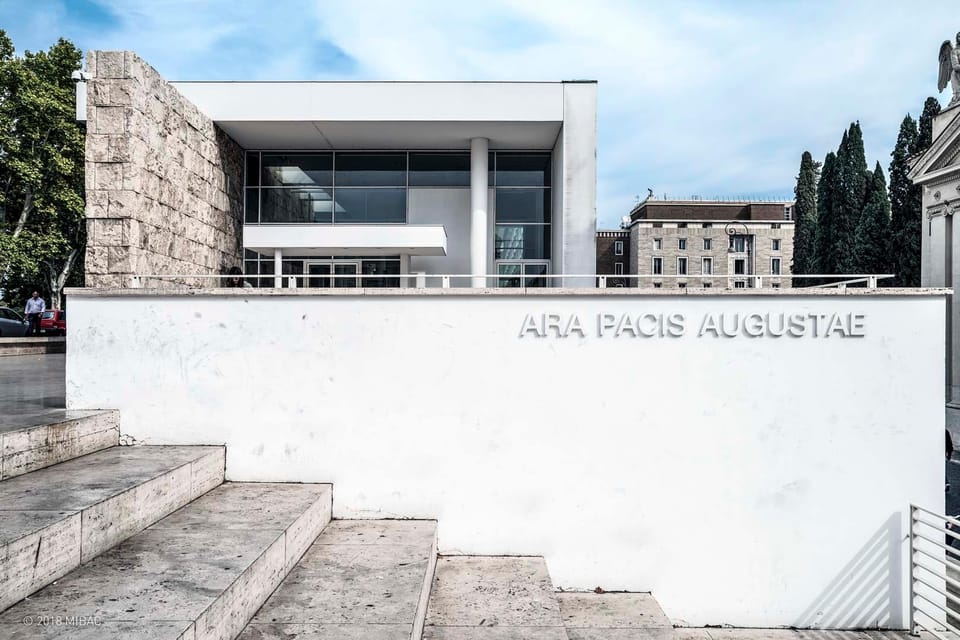
- Ara Pacis Museum: the Altar of Peace in a modern Richard Meier building
- Why this stop is more than a quick add-on
- Timing your one-day visit for less stress
- The simplest flow that usually works
- Price and what’s actually included (and not)
- Is it good value for $53?
- A note on food
- What you miss without a guided tour—and how to handle it
- Who this combined ticket fits best
- Should you book Castel Sant’Angelo & Ara Pacis with this combined ticket?
- FAQ
- What is included with the combined ticket?
- Is there a guided tour included?
- Is an audio guide included?
- How much does the ticket cost?
- How long is the experience?
- What are the opening hours for Castel Sant’Angelo?
- What are the opening hours for the Ara Pacis Museum?
- Do I need to check a starting time?
- Is free cancellation available?
- Can I reserve and pay later?
Key points to know before you go
- Skip-the-ticket-line entry for both stops helps you use your day wisely.
- Castel Sant’Angelo terraces give you a high-value photo and city-view moment.
- Ara Pacis Museum’s modern design by Richard Meier frames an ancient masterpiece—the Altar of Peace.
- One-day, two-location plan is ideal if you want imperial Rome plus Roman art in a single outing.
- Entrance only means you’ll rely on signage and your own curiosity more than a narration-led visit.
- Wheelchair accessible (useful if you need step-free planning).
Two iconic stops on one smart ticket
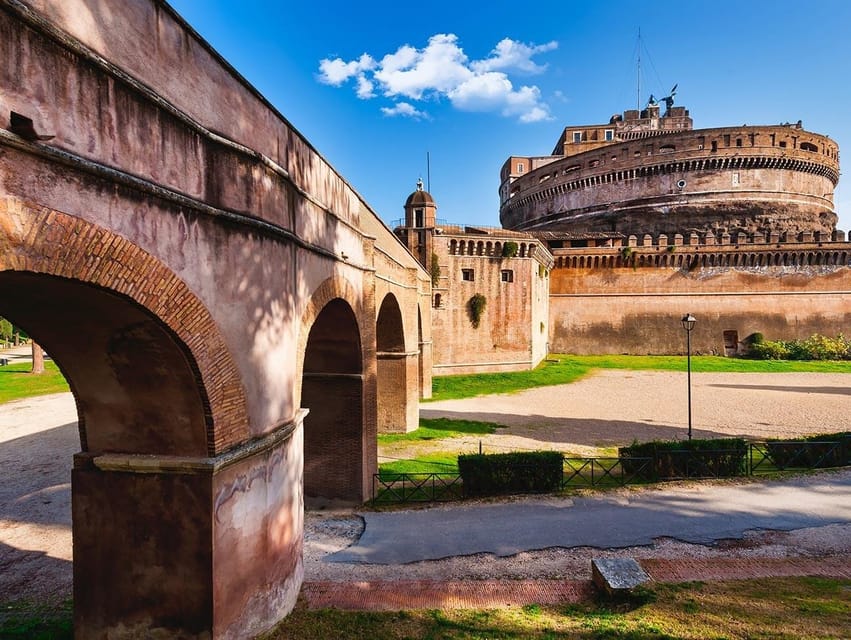
If you want a one-day Rome experience that doesn’t feel like you’re sprinting between random spots, this combined ticket is built for you. It links two sites that are both historically meaningful, but in totally different ways. Castel Sant’Angelo leans heavy on layered power: built as an imperial mausoleum, then reshaped through centuries of papal and military use, and now presented as a museum you can walk through.
Then you pivot to the Ara Pacis Museum, where the focus is on Augustus’s message of peace and prosperity. It’s the same city, the same river, but a different kind of storytelling: Roman art and architecture presented in a modern setting that helps you see the ancient objects with fresh eyes. It’s especially nice that both are along the Tiber River, which makes it feel like one coherent outing instead of two unrelated tickets.
You can also read our reviews of more tours and experiences in Rome



The value angle: why this ticket can make sense
At about $53 per person, you’re paying for admission to both locations in a single bundle. That value jumps when you consider two things:
- You get entrance to both sites (not “just the museum” or “just the fortress”).
- You get skip-the-ticket-line benefits, which is often the difference between enjoying a visit and feeling annoyed before you even start.
The big trade-off is what’s missing: no guided tour and no audio guide rental included. If you’re the type who wants context as you walk, this may still be worth it—you’ll just supply some of that yourself by reading signs and spending a little extra time.
Castel Sant’Angelo: from Hadrian’s mausoleum to a museum you can walk through
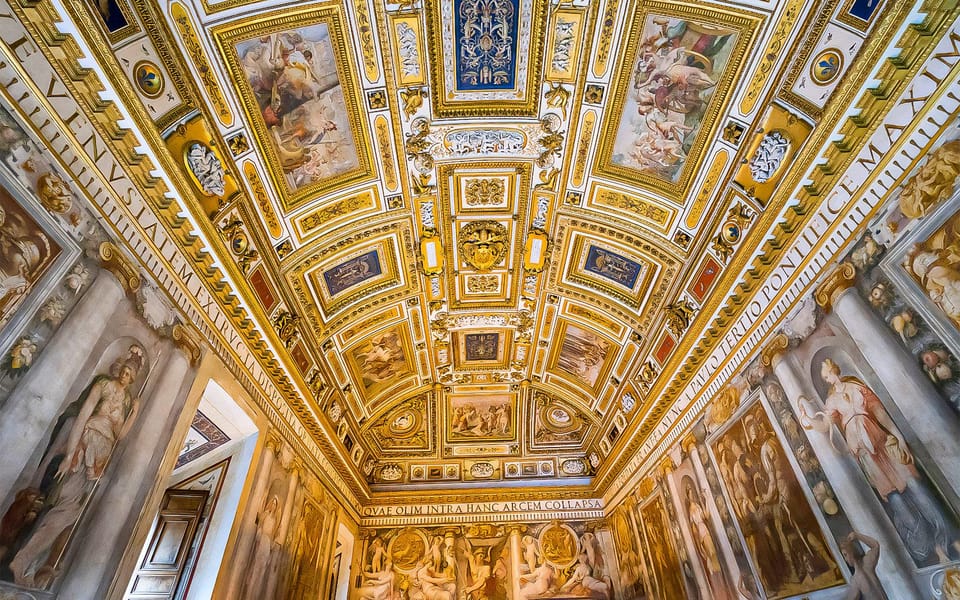
Castel Sant’Angelo starts in the 2nd century AD, originally built as Emperor Hadrian’s mausoleum. That single fact helps you understand why the building feels so dramatic. You’re not just touring a random fortress—you’re moving through a structure that was designed for the idea of enduring legacy, then repurposed again and again as Rome changed.
Here’s what you can expect once you’re inside:
- You’ll explore spaces that reflect medieval halls and papal apartments, showing how the same bones of a monument kept getting new jobs over time.
- You’ll also see it presented today as a museum of Rome’s layered past—imperial beginnings, then centuries of transformation.
- And yes, you’ll have access to the upper levels, including the terraces that are famous for their panoramic city views.
I like that Castel Sant’Angelo doesn’t just ask you to look at a building from outside. It gives you interior variety, so the visit doesn’t become a long hallway of sameness. You get a sense of how power buildings work: stone stays, purpose changes.
A practical way to enjoy it without rushing
Because this is a self-guided ticket, your pacing matters. I’d treat Castel Sant’Angelo as the main “anchor” of the day. Start with the core museum areas, then plan your climb for when you’ll get the best payoff—upper terrace views are often the moment you’ll remember most, so don’t leave them for when you’re already tired.
Also, the opening window matters. Castel Sant’Angelo is open Tuesday through Sunday, 9:00 AM to 7:30 PM. If you’re visiting on a Monday, this will affect your plan.
Terraces over the Tiber: the Rome view moment that’s worth planning for
The terraces are the big payoff here. The ticket description promises stunning views, and that’s usually what makes this place feel worth the effort even if you’re not a hardcore history person. From the upper viewpoints, you can “connect the dots” across Rome: the river, the dense city blocks, and the feeling that Rome is layered on top of itself.
It’s also a good moment for photos that don’t look like every other postcard. From higher ground, Rome’s geometry changes. That alone can make your visit feel fresher—even if you’ve seen photos before.
Here’s the key practical tip: plan time for the climb and then give yourself a few minutes to just look. If you rush through, you miss what the terraces are for.




Ara Pacis Museum: the Altar of Peace in a modern Richard Meier building
After the heavy stone of Castel Sant’Angelo, the Ara Pacis Museum feels like a clean contrast. This is where the ticket really earns its “combined” label: you move from a fortress-museum to an art-and-architecture museum focused on a single symbolic object.
The heart of it is the Altar of Peace (Ara Pacis), tied to Emperor Augustus. The altar is presented as a symbol of prosperous Rome—so you’re not just looking at Roman art, you’re looking at Roman messaging. It’s a snapshot of what the empire wanted to project.
What makes this museum especially interesting is the setting. The museum’s modern design was created by Richard Meier, and that modern architecture changes how you experience the ancient altar. Instead of feeling like everything is crammed into the same kind of old stone space, the modern form gives the ancient object a clearer stage.
Inside, expect to see:
- detailed friezes and restored artifacts
- an in-depth look at Roman art and architecture
Why this stop is more than a quick add-on
This is the part I’d defend if someone asked whether the Ara Pacis is worth your time. When the museum’s modern design is done well, it helps you see the craftsmanship with less distraction. You can focus on what Augustus’s Rome wanted to show—without the experience turning into just another “big room full of history.”
And because it’s along the Tiber River, you also get a natural rhythm: fortress views, then museum calm.
Timing your one-day visit for less stress
This combined ticket is valid for 1 day, and you should check availability to see the starting times. That matters because you’re working within two different opening schedules:
- Castel Sant’Angelo: Tuesday–Sunday, 9:00 AM–7:30 PM
- Ara Pacis Museum: daily, 9:30 AM–7:30 PM
Since Castel Sant’Angelo doesn’t operate on Mondays, that’s an immediate constraint. If you’re going on a Monday, your Castel plan changes; this ticket bundle may still be usable in a way that fits available hours, but you’ll want to confirm your chosen time slot.
The simplest flow that usually works
For most people, the practical order is to do Castel Sant’Angelo first, then head to Ara Pacis while the day is still “working.” It’s not stated as the only sequence, but it matches how people tend to spend more time at the fortress/terraces stop.
Also, give yourself a mental buffer. Museums can run slower than planned when you read carefully. Terrace time can run faster than planned when the view is good. Building in breathing room keeps the day from feeling like a checklist.
Price and what’s actually included (and not)
Here’s the clean breakdown of what you get:
- Entrance to Castel Sant’Angelo
- Entrance to Ara Pacis Museum
- Skip the ticket line
- Wheelchair accessible
Not included:
- Guided tour
- Audio guide rental
- Food and beverages
Is it good value for $53?
For me, the question isn’t just the price—it’s what you’d otherwise pay and how much time the skip-the-line feature saves. A bundle like this tends to make the most sense when:
- you want two major sites instead of one
- you like to move at your own pace
- you’re the kind of person who actually uses terrace views and museum interiors, not just the quick photo stop
If you’re the type who always takes a guide for context, the lack of a guided tour might reduce perceived value. Still, it can work if you’re happy reading signs and picking up the main ideas from what you see.
A note on food
Since food isn’t included, build a small plan for it. Even if you don’t want a full meal, having water and a quick snack avoids the “hangry museum” problem. The data doesn’t list any on-site included options, so you’ll need to handle it yourself.
What you miss without a guided tour—and how to handle it
Because this experience is entrance-only (no guide), you won’t get a narrator who connects the dots for you while you walk. That’s not a dealbreaker, but it changes what kind of visitor you should be.
If you want to make the most of it without a guide:
- Spend a little extra time on what the buildings are trying to teach. Castel Sant’Angelo is basically a monument about changing power—imperial origins, papal use, military function, museum today.
- At Ara Pacis, focus on how Roman art and political symbolism show up in friezes and restored fragments.
One hint from a real booking: Stefan from Germany singled out the exceptional exhibition rooms in a modern style. That’s useful because it signals you’ll likely get more out of Ara Pacis if you slow down and actually look at how the museum space changes your perception.
Who this combined ticket fits best
This is a good fit if you:
- want imperial Rome plus Roman art in one day
- enjoy self-guided wandering (you like choosing what to spend time on)
- care about views and want that terrace moment at Castel Sant’Angelo
- want a modern-and-ancient contrast rather than only ancient ruins
It’s less ideal if you:
- strongly prefer tours with live commentary
- expect an all-in-one package with audio support included
- want long breaks built into the experience (this is an entrance-to-entrance day, not a guided itinerary)
Should you book Castel Sant’Angelo & Ara Pacis with this combined ticket?
I’d book it if you want a high-return day: two landmark interiors, one major fortress view, and one museum that treats Roman artifacts in a modern architectural frame. The skip-the-ticket-line element and the fact that you’re paying for both entrances in one go makes it practical, not just “nice in theory.”
Skip it if you know you need a guide to understand context and you dislike reading your way through museums. But if you’re comfortable exploring at your own pace—and you want Augustus and Hadrian in the same day—this is an easy yes.
FAQ
What is included with the combined ticket?
You get entrance to Castel Sant’Angelo and the Ara Pacis Museum. The ticket is also described as skip-the-ticket-line.
Is there a guided tour included?
No. A guided tour is not included.
Is an audio guide included?
No. Audio guide rental is not included.
How much does the ticket cost?
The price is listed as $53 per person.
How long is the experience?
It’s listed as a 1 day experience.
What are the opening hours for Castel Sant’Angelo?
Castel Sant’Angelo is open Tuesday through Sunday, 9:00 AM to 7:30 PM.
What are the opening hours for the Ara Pacis Museum?
The Ara Pacis Museum welcomes visitors daily, 9:30 AM to 7:30 PM.
Do I need to check a starting time?
Yes. The ticket is described as valid for 1 day, and you should check availability to see starting times.
Is free cancellation available?
Yes. You can cancel up to 24 hours in advance for a full refund.
Can I reserve and pay later?
Yes. The offer includes Reserve now & pay later, where you book your spot and pay nothing today.