REVIEW · COLOSSEUM
Rome: Colosseum Arena, Forum & Palatine Hill Private tour
Book on GetYourGuide →Operated by Enjoy Rome · Bookable on GetYourGuide
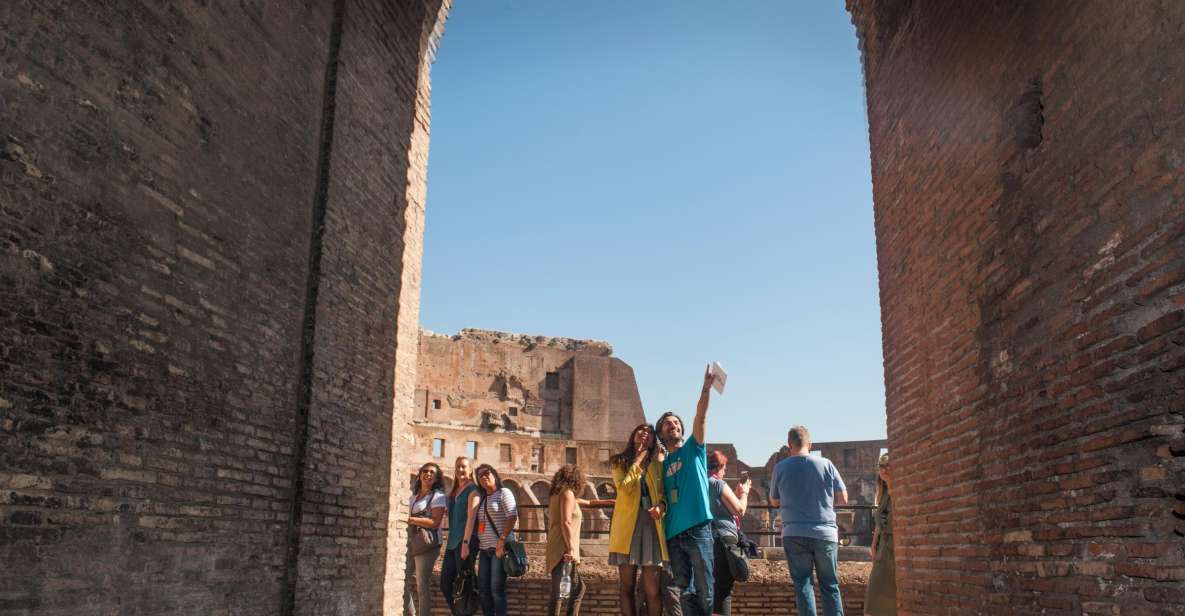
Gladiators first. Rome second. This private Colosseum experience brings you onto the arena floor through the Gladiator Door, then links it to the politics and power sites of the Roman Forum and Palatine Hill. Two things I like a lot: you get a real guide telling the story as you walk, and you’re not just looking up at ruins—you’re stepping into the spaces where events were staged.
The one thing to think about is weather. The tour runs in all weather, but the arena floor can be closed off without notice. If that happens, you may still go through the gladiators’ gate area, but access onto the arena floor can be prohibited and refunds can’t be provided.
In This Review
- Key highlights you’ll care about
- Gladiator-Door Entry: What the 3-hour Private Pace Feels Like
- Inside the Colosseum Arena: Gladiator Door, Gates, and the Other Side of the Show
- When the arena floor is closed
- Roman Forum and the Vestal Virgins: Power, Faith, and the Daily Stage of Rome
- What to watch for during the walk
- Palatine Hill: From Romulus to the Palaces of the Powerful
- Skip-the-Line Tickets and Headsets: Why the Logistics Actually Affect Your Experience
- Private group trade-off
- Price and Value: Is $1,693.85 per Person Worth It?
- Quick practical tips before you go
- Meeting point that’s easy to miss
- Who this tour is best for (and who should skip it)
- Should you book the Rome Colosseum Arena, Forum & Palatine Hill Private tour?
- FAQ
- How long is the private tour?
- Does the tour include fast-track entry?
- Will I be able to access the Colosseum arena floor?
- What’s included in the tour?
- Where do I meet the guide?
- What do I need to bring or avoid?
Key highlights you’ll care about
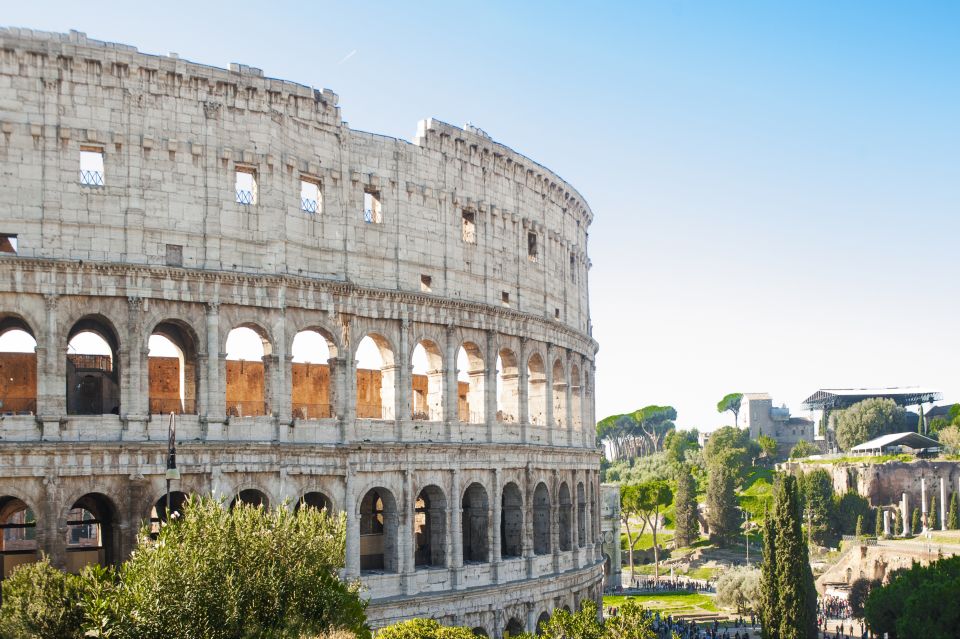
- Gladiator Door entry: You use the separate entrance designed for faster access.
- Arena floor access: Restricted-area access is included for your route.
- Dungeons + gate storytelling: You’ll look down into the preparation spaces used behind the scenes.
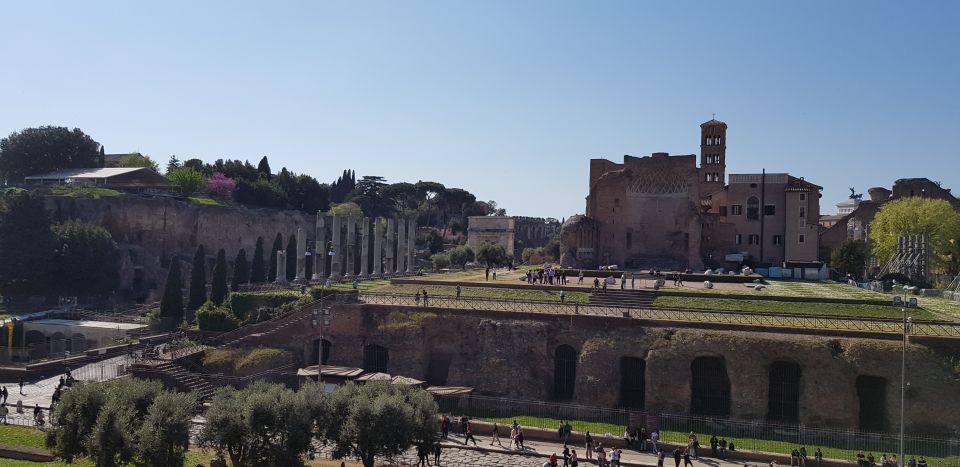
- Roman Forum focus: The tour points out temples, public buildings, and the Vestal Virgins’ sacred dwelling.
- Palatine Hill “power addresses”: You’ll connect Romulus’ founding legend to homes of emperors and the rich.
- Headsets for clarity: You won’t miss the guide’s explanations in busy areas.
Gladiator-Door Entry: What the 3-hour Private Pace Feels Like
A private tour at the Colosseum isn’t automatically better just because it’s private. The real win is pacing. In 3 hours, you can move from the Colosseum’s main story to the Forum and then up to Palatine Hill without feeling like you’re racing a crowd.
You’ll also get a guide-led flow instead of a self-guided scramble. With headsets included, it’s easier to hear the details, even when the group is close to the action and sound bounces around the stone.
And yes, it’s a bit theatrical in a good way. The tour is built around the moment you enter like the performers did—so the place makes sense fast, not later after you’ve Googled it.
You can also read our reviews of more private tours in Colosseum

Inside the Colosseum Arena: Gladiator Door, Gates, and the Other Side of the Show
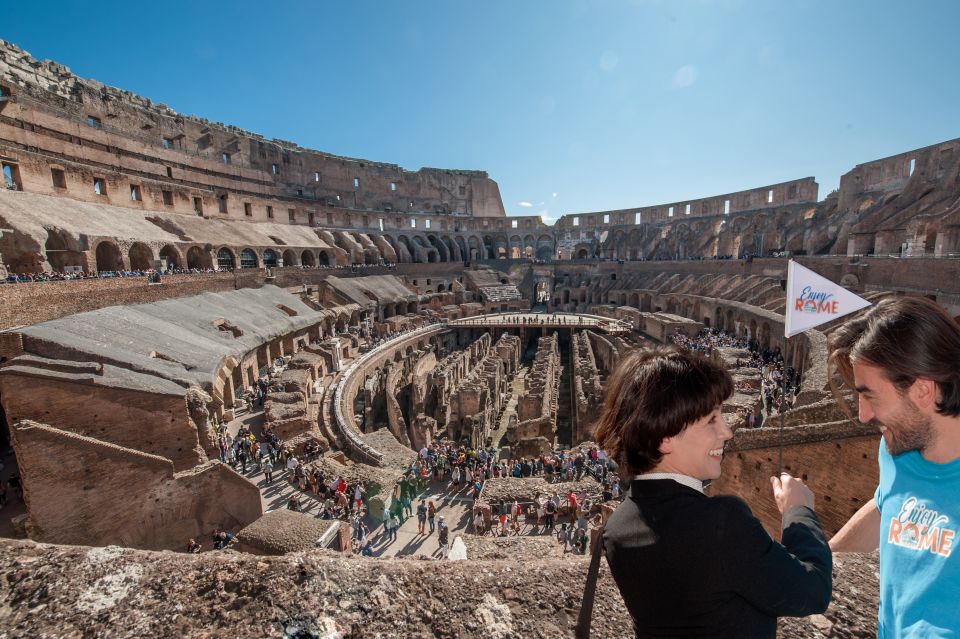
This is the core experience. You’ll enter using the fast-track route and then access the arena floor through the gladiators’ gate. The payoff is that you’re not only reading history off plaques—you’re standing where the spectacle happened.
The guide sets the scene for you to imagine the full rhythm of a show: crowds roaring, the noise level, and the way animals and equipment were managed out of sight. One key element you’re shown is the areas tied to preparation and behind-the-scenes logistics—specifically the dungeons/passage spaces where they waited before stepping out.
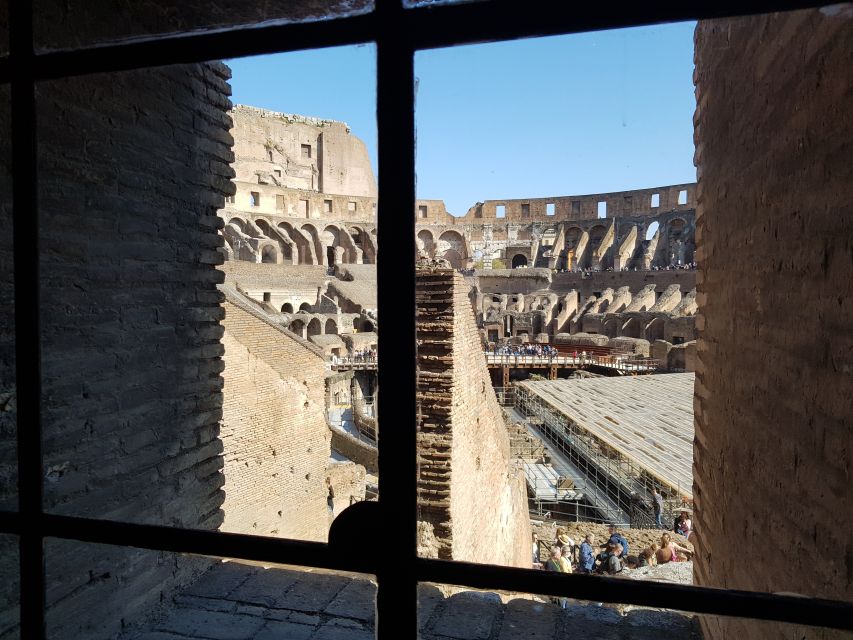
Then you get the visual switch that makes the Colosseum click. Looking outward from the arena tells you why the architecture was built the way it was. Looking inward (down into those preparation areas) shows the tension and control in how events were staged.
When the arena floor is closed
This is worth taking seriously. If weather turns bad enough, arena-floor access can be shut without notice. The tour still uses the gladiators’ gate for entry, but you might not be allowed out onto the arena floor. Since refunds aren’t provided in that scenario, I’d plan your expectations accordingly—especially in cooler months when rain or frost is more likely.
Roman Forum and the Vestal Virgins: Power, Faith, and the Daily Stage of Rome
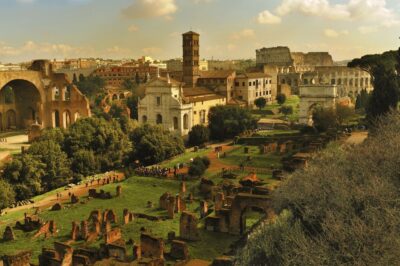
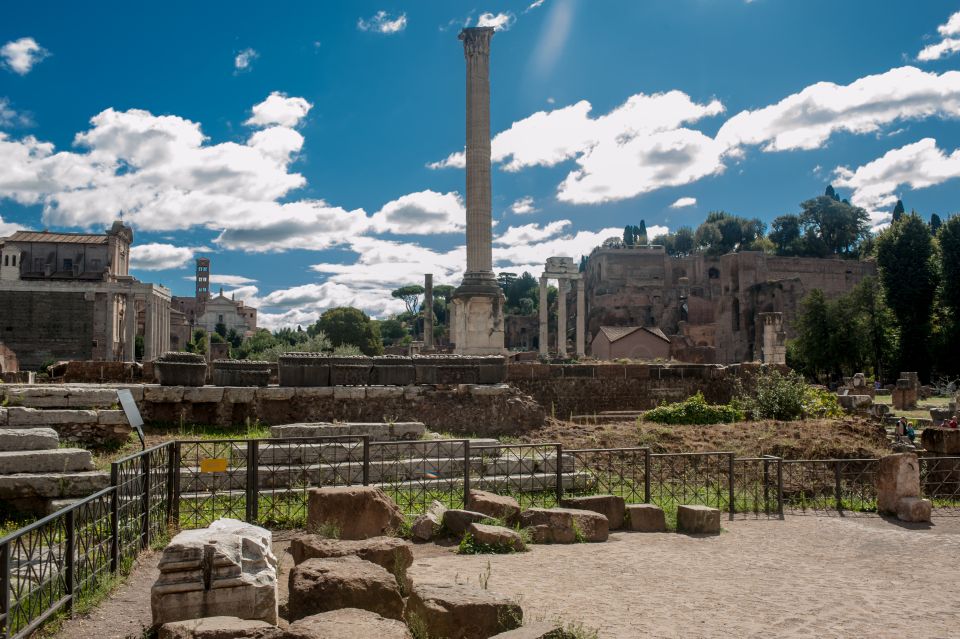
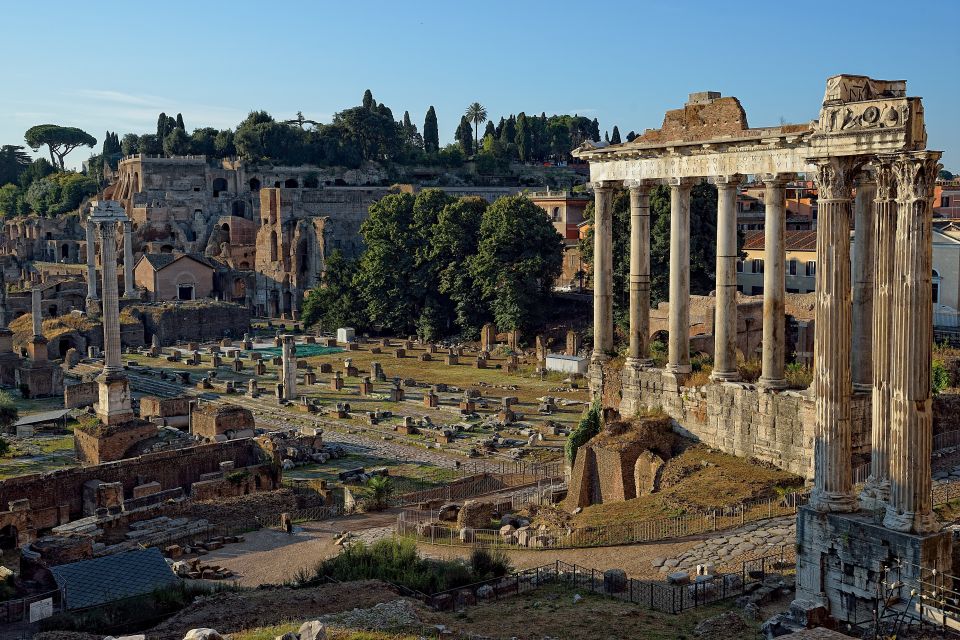
After the Colosseum, you shift from spectacle to governance. The Roman Forum is where political and religious life overlapped in the same stone blocks. It’s not just one building or one viewpoint—it’s a whole web of spaces that shaped public decisions and public identity.
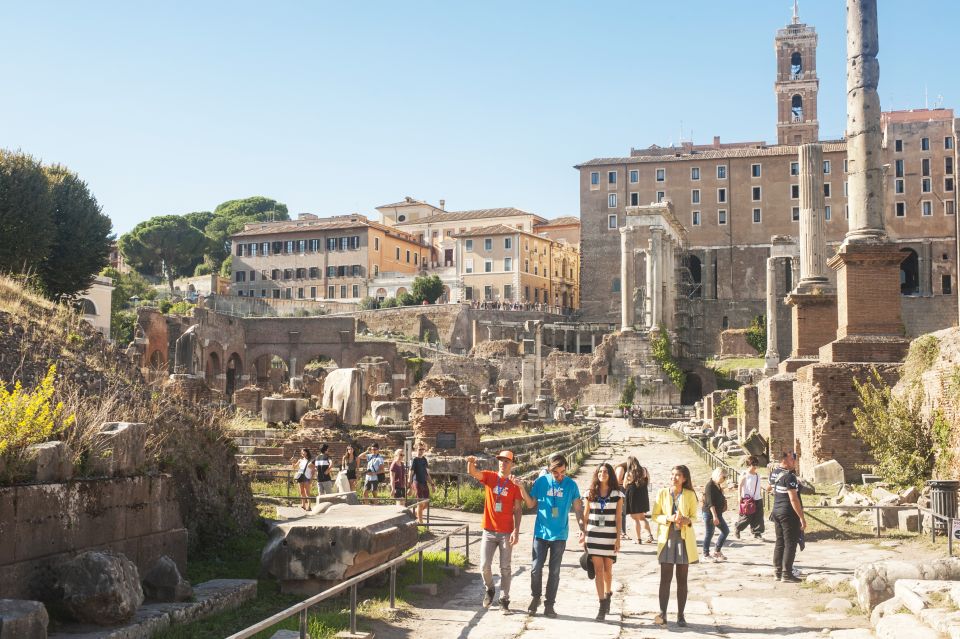
Your guide will walk you through the remains of major public structures and temples, and will highlight the sacred dwelling linked to the Vestal Virgins. That detail matters because it anchors the Forum’s religious authority alongside the political drama. You’ll also hear stories about how power played out on this ground—who acted, who influenced, and how daily life worked over 2,000 years ago.
One reason I like this part of the itinerary is that it changes your mental map. The Colosseum asks you to think about crowds and performance. The Forum asks you to think about rules, status, and belief—how a city ran when people gathered for everything.
What to watch for during the walk
Stone can look similar when you’re moving quickly. The guide’s role here is turning the remains into a sequence. Instead of random stops, you’ll get explanations that help you connect one area to the next, including what each part likely meant in civic and religious terms.

Palatine Hill: From Romulus to the Palaces of the Powerful
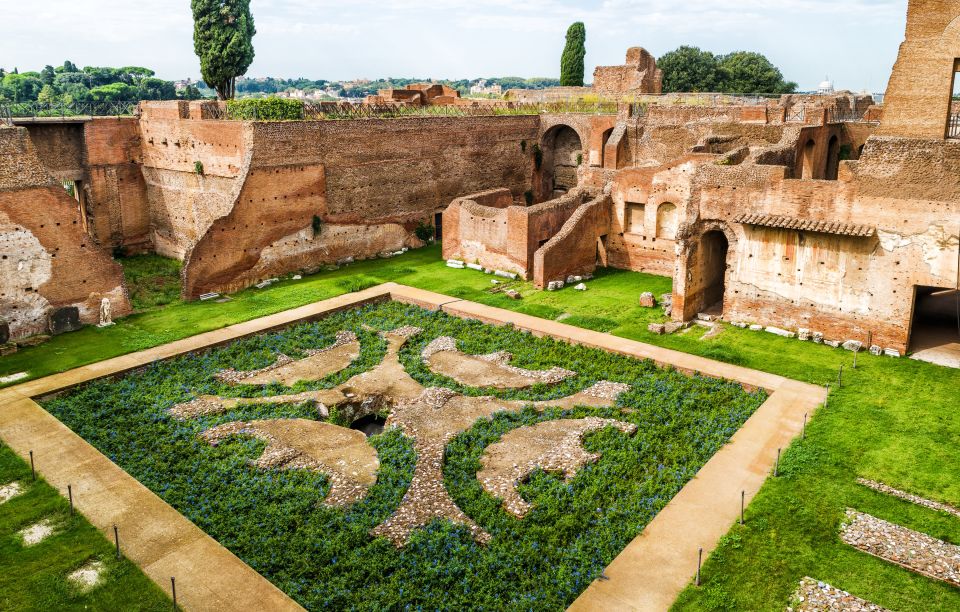
Palatine Hill is where Rome’s top tier lived—and where the story turns from public space to private power. You’ll learn about the tradition that the hill was the spot chosen by Romulus to found the city, and then you’ll follow the shift from legend to political reality.
The key idea you’ll leave with is continuity: Palatine goes from the home of Rome’s early elite to a residence area for the emperors. The visible remains today are part of that long timeline—palace structures and impressive traces that show scale, wealth, and control.
This stop works well after the Forum because it adds contrast. You go from spaces where people argued, prayed, and announced to spaces that signaled rank. Even if you’re not a big “ruins person,” Palatine helps you understand who held the steering wheel.
Skip-the-Line Tickets and Headsets: Why the Logistics Actually Affect Your Experience
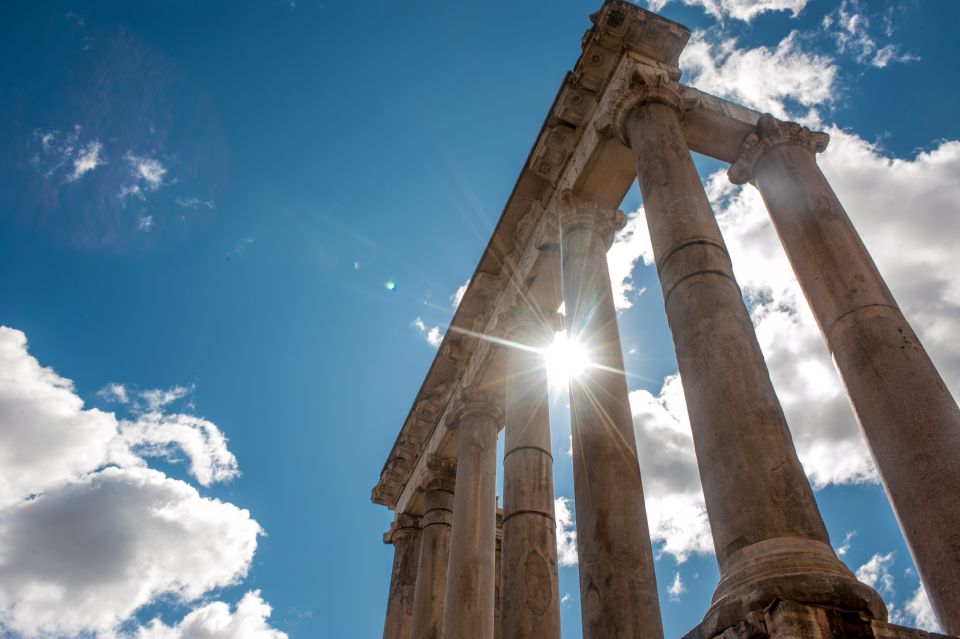
At the Colosseum, lines can eat your day. This tour includes fast-track entrance and restricted-area access, which is a big deal when you’re only investing 3 hours total.
It’s also why the entrance route matters. Using a separate entrance reduces the time you spend waiting, and that time is what you’d otherwise lose before the Forum and Palatine Hill. In other words: you’re buying back time to see more Rome, not just one famous stop.
The included headsets help too. The Colosseum and Forum can be noisy and crowded, and you’re standing in places where looking around is half the job. With the audio support, you can keep your eyes up while still catching the guide’s explanations.
Private group trade-off
Private is great for pace and questions. The trade-off is simple: if something delays your schedule, you feel it more. For example, there have been cases of tour time changes due to guide availability or delays, and in at least one situation the experience ended up shorter than expected. That doesn’t mean you should avoid the tour—but it does mean you should be flexible and keep your day open if you can.
Price and Value: Is $1,693.85 per Person Worth It?
That price is high. There’s no polite way around it. The best way to judge value is to count what’s actually included that most self-guided tickets don’t give you.
Here’s what you’re paying for in practical terms:
- A private live guide (and you don’t have to listen from the back)
- Admission fees
- Fast-track entrance using the Gladiator Door route
- Arena floor access via restricted area access
- Headsets to keep the experience coherent in noisy spaces
- A guided sequence that ties Colosseum, Forum, and Palatine together in one flow
If you want a one-and-done Roman archaeology day with clear storytelling—and you’re set on arena-floor time—this package can make sense. If your goal is mostly photos and broad familiarity, it may feel overpriced.
My advice: be honest about your priorities. This tour is best for people who want context while standing in the actual spaces, not just a checklist of stops.
Quick practical tips before you go
A few details can save you time and stress.
- Bring a passport or ID card (you’ll need it).
- Dress for weather. This tour operates in all weather conditions, so plan for rain or cold. Bring water too.
- Expect the possibility of arena-floor closure in bad weather. If you go anyway, treat it as a chance to still learn the story—even if you don’t get onto the arena floor.
- Pack light. Pets aren’t allowed. Weapons/sharp objects aren’t allowed. Baby strollers and large bags aren’t allowed either.
- Strollers: no baby strollers.
- Mobility: it’s not suitable for wheelchair users.
Meeting point that’s easy to miss
Meet at Via delle Terme di Tito 93. If you arrive by metro at Colosseo station, go to the terrace above the station. Walk on Via Nicola Salvi about 100 meters and turn left. Look for a big white flag with the name of the local partner on it.
Who this tour is best for (and who should skip it)
I’d steer you toward this tour if:
- You really want arena floor access through the Gladiator Door.
- You value a guide who explains the politics and religion of the Forum, not just dates and names.
- You want one tight 3-hour block that connects Colosseum → Forum → Palatine without decision fatigue.
I’d think twice if:
- You can’t handle weather uncertainty, especially if your visit window is short.
- You’re expecting a fully guaranteed arena-floor route regardless of conditions.
- You want a low-cost, flexible plan. This is a premium private experience.
Should you book the Rome Colosseum Arena, Forum & Palatine Hill Private tour?
If your top goal is to stand in the Colosseum in the kind of route that feels closer to what the performers and animals experienced, then yes—this is a strong choice. The fast-track setup, restricted-area access, and private guide format are what make it feel worth the money, not just the big-name sights.
But book with your eyes open: weather can limit arena-floor access, and schedule changes can happen due to guide availability or delays. If you’re flexible and you care about the story as much as the photos, you’ll likely feel like you got more than you paid for.
FAQ
How long is the private tour?
It lasts 3 hours, though you’ll need to check availability to see the starting times.
Does the tour include fast-track entry?
Yes. You get fast-track entrance using the Gladiator Door route.
Will I be able to access the Colosseum arena floor?
Access to the arena floor is part of the experience, and restricted-area access is included. In bad weather, the arena floor may be closed off without notice, and access onto it can be prohibited.
What’s included in the tour?
It includes an official live guide, admission fees, fast-track entrance (Gladiator Door), a 3-hour guided visit, headsets, and restricted-area access for the Colosseum Arena.
Where do I meet the guide?
Meet at Via delle Terme di Tito 93. If you arrive by metro at Colosseo station, go to the terrace above the station, walk about 100 meters on Via Nicola Salvi, then turn left. Look for a big white flag with the local partner’s name.
What do I need to bring or avoid?
Bring a passport or ID card. Don’t bring pets, weapons or sharp objects, baby strollers, or luggage/large bags.