REVIEW · ROME
Rome: Borghese Gallery Skip-the-Line Ticket and Guided Tour
Book on GetYourGuide →Operated by Walks of Italy · Bookable on GetYourGuide
A stop at the Borghese feels almost too calm. With timed entry and a small guided visit, you get into one of Rome’s most tightly controlled art experiences, without getting stuck in lines.
I especially love the pre-reserved access paired with an art historian’s explanations. You’re not just looking at famous names like Bernini and Caravaggio, you’re learning how and why these works were made for this specific villa setting.
One thing to consider: the rules are strict—cameras aren’t allowed, and you’ll be walking at a moderate pace in a real museum/palace setting.
In This Review
- Key things that make this tour worth it
- The Borghese Gallery experience: why skip-the-line matters in Rome
- Where you meet and how the visit starts (the double staircase detail)
- Stop inside Villa Borghese: twenty rooms and a guided route you can follow
- A practical pacing note
- The masterpieces you’ll focus on: Bernini, Caravaggio, Raphael, and Canova
- Why those artists fit this room better than you might think
- How the art historian guide changes what you notice
- Bernini in marble: what to look for when your guide points the way
- Caravaggio in the rooms: the lighting drama you can feel
- Raphael and Canova: a change of pace that matters
- Group size, headsets, and the comfort of an intimate tour
- Cameras, bags, and other rules that affect your visit
- Timing: plan for real-world flexibility
- Price and value: is $67.19 a fair deal?
- Who should book this tour (and who might prefer something else)
- Quick do’s for your day at the Borghese
- Should you book this Borghese Gallery skip-the-line guided tour?
- FAQ
- How long is the Borghese Gallery guided tour?
- Does this ticket skip the line?
- What language is the tour guide?
- Where do we meet?
- Do I need to arrive early?
- Are cameras allowed inside the Borghese Gallery?
- Is there a dress or packing requirement?
- Is this tour wheelchair accessible?
- Is hotel pickup included?
- FAQ
- How does the guide use headsets?
- Can I get a refund if plans change?
- Is reserve and pay later available?
- Does the tour allow food and drinks?
- What’s the group size limit?
- Is luggage allowed?
- Does the tour include an expert guide?
- Is the tour entirely inside the gallery area?
Key things that make this tour worth it
- Timed entry that helps you bypass the worst of the waiting game
- Small-group size capped at 15 people or fewer
- Art historian style storytelling that links the works to the artists’ choices and lives
- Headsets for groups over 6, so you can actually hear the guide
- Signature masterpieces by Bernini, Caravaggio, Raphael, and Canova/Canova’s sculpture world
- A gallery built for looking across about twenty rooms in the villa-palace
The Borghese Gallery experience: why skip-the-line matters in Rome
Rome loves queues. The Borghese Gallery is different. Entrance is limited each day, so your ticket isn’t just permission—it’s a timed window that keeps the whole visit calmer for everyone inside.
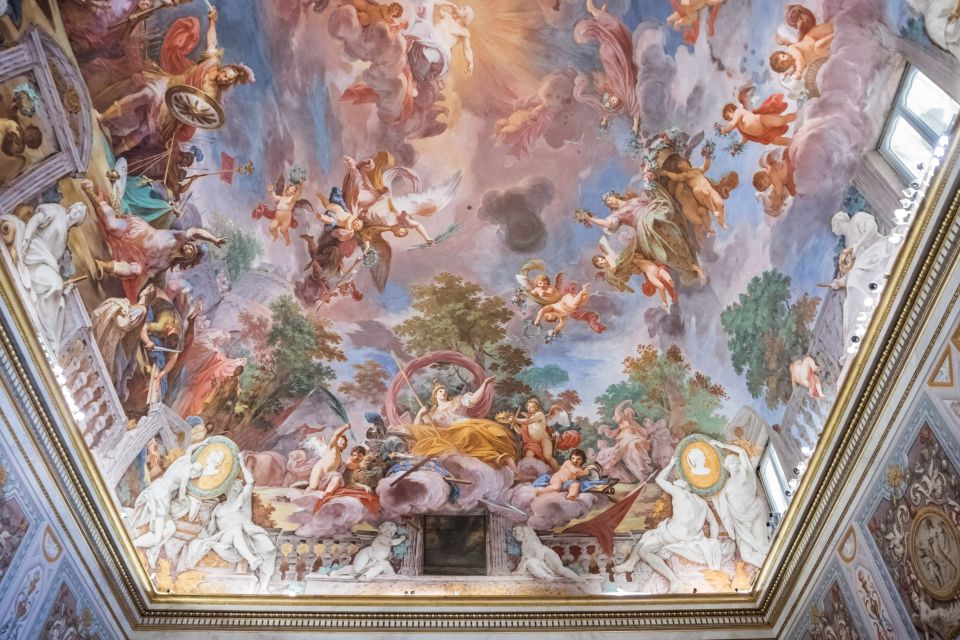
That control is a big part of why the Borghese works so well as an experience. The setting is a former residence—Villa Borghese—and the collection lives in that atmosphere: 17th-century rooms, marble architecture, and ceiling frescoes that make the artworks feel like they belong together, not just displayed.
With this tour, you’re paying for three practical things at once: a reserved ticket, an expert guide, and a smoother start that keeps your morning or afternoon from being hostage to lines.
You can also read our reviews of more tours and experiences in Rome

Where you meet and how the visit starts (the double staircase detail)
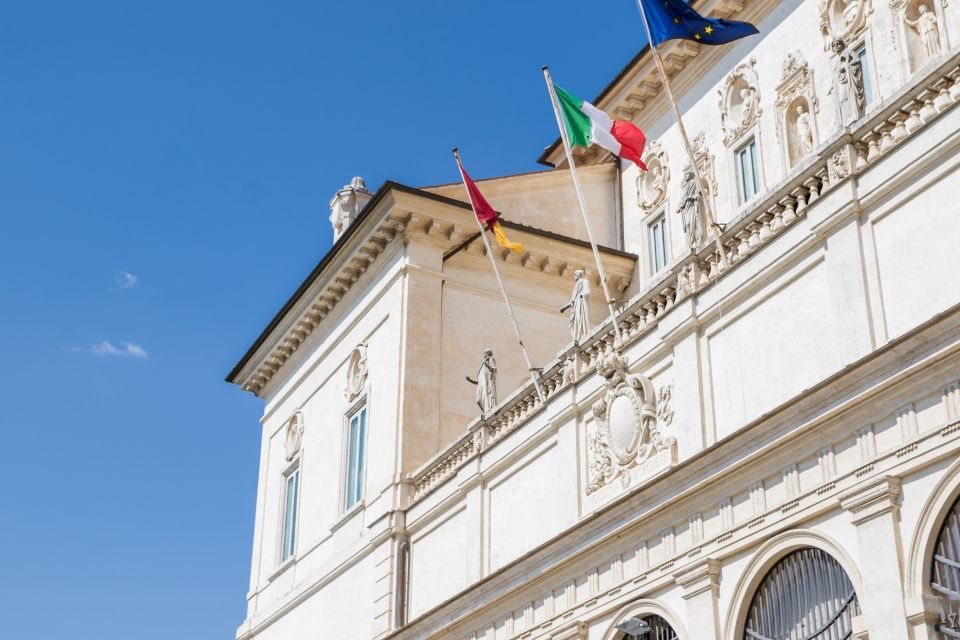
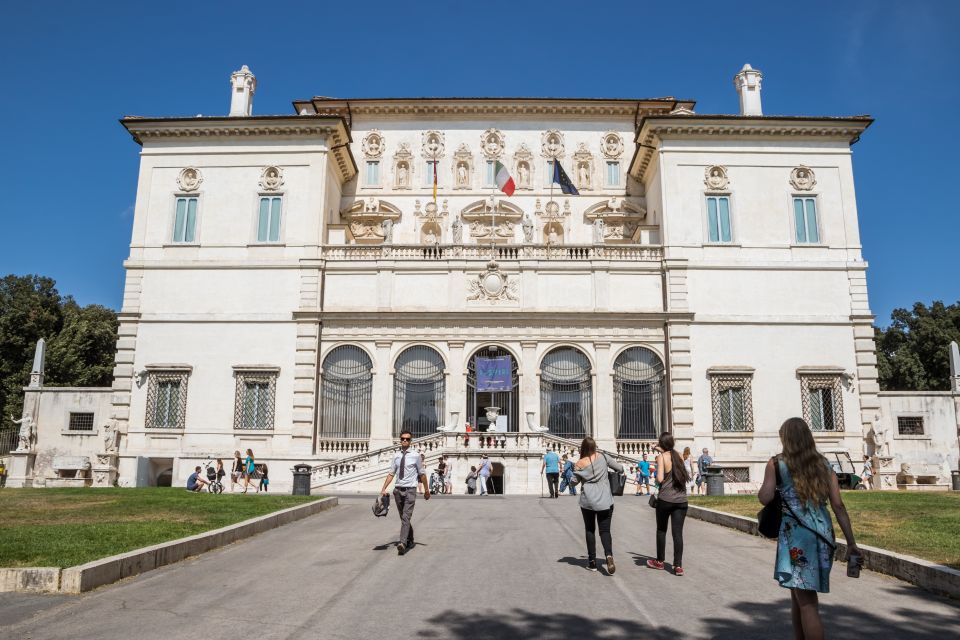
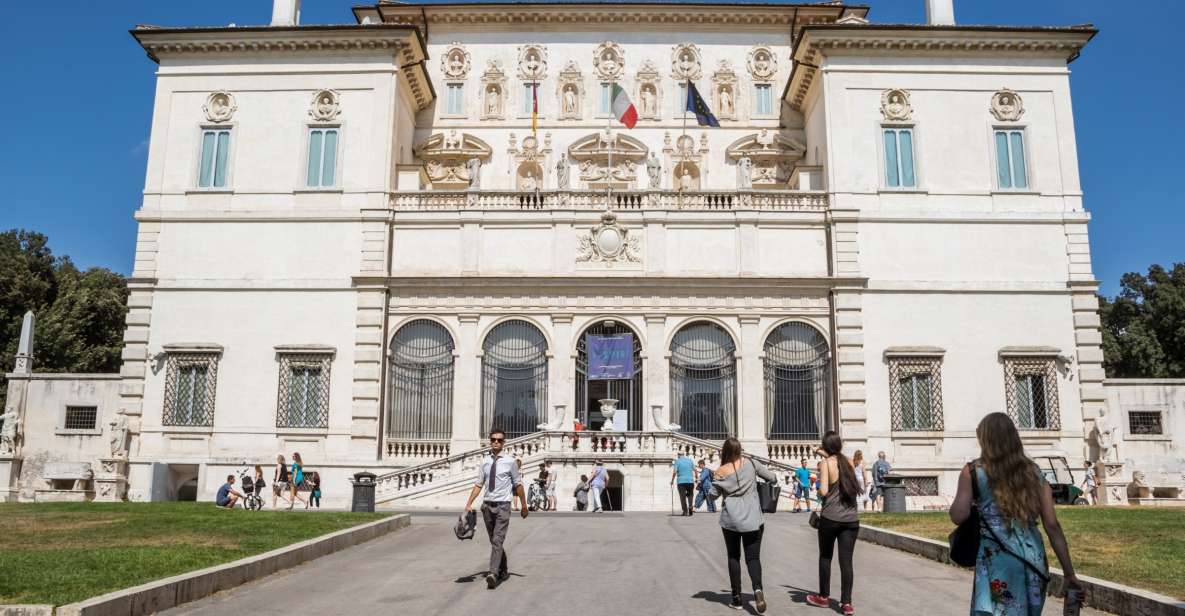
You’ll meet at the Borghese Gallery itself: Piazzale Scipione Borghese, 5, 00197 Roma, Italy. The instruction is to arrive about 15 minutes early, and the guide will be holding a green Walks sign.
The meeting point is outside at the double staircase directly in front of the gallery. That sounds minor, but it matters in Rome: it’s easy to waste time hunting for your group when you’re carrying a backpack or trying to understand where the entrance is.
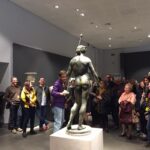
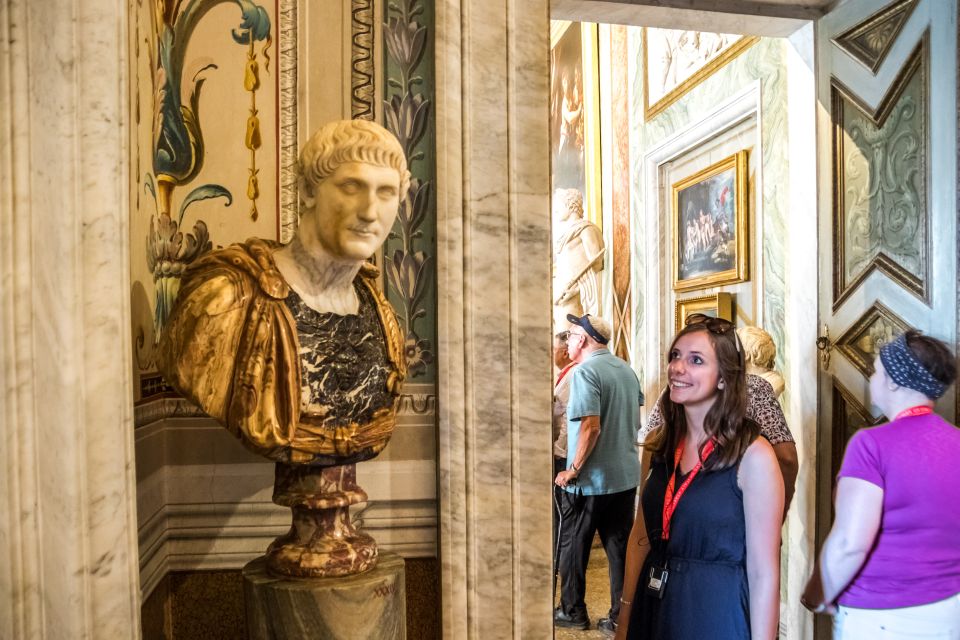
Once you’re lined up, you’ll move into the timed experience. The first moment inside is often the surprise: tranquility. With fewer people in the space than you’d expect for something this famous, you can actually see details—especially the textures in marble sculpture and the dramatic lighting in paintings.
Stop inside Villa Borghese: twenty rooms and a guided route you can follow
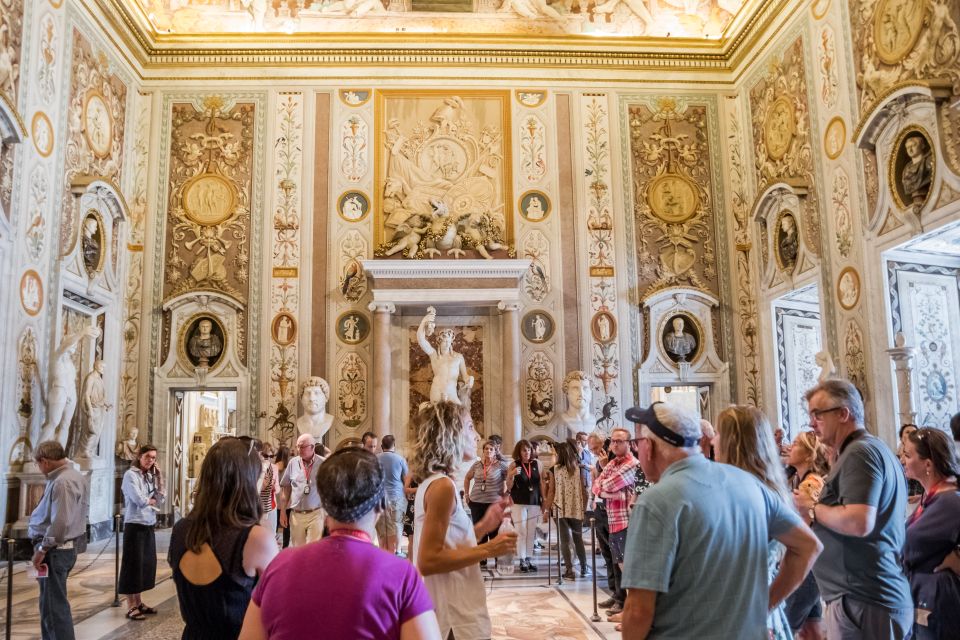
This is a small-group tour through the Borghese collection across roughly twenty rooms. You’re walking inside a 17th-century palace environment, not a modern white-box museum. That changes how the art hits you.
As you move room to room, your guide’s job is to connect the dots. Many works in the collection were made or arranged with this villa in mind, so the tour helps you notice the “fit” between the art and the room. That’s a subtle difference, but it’s one of the reasons the Borghese can feel more personal than a bigger museum.
You’ll also spend time taking in the surroundings: marble architecture and ceiling frescoes. Even if your main goal is the big-name artists, I like using those visual cues to understand how Baroque art was meant to be experienced—full-room, theatrical, and designed for the eye to travel.
A practical pacing note
Because it’s a walking tour with a moderate pace requirement, plan to wear comfortable shoes. The time on the inside can feel more concentrated than you expect—once you’re in, you’ll want to slow down in the moments your guide points out key details.
The masterpieces you’ll focus on: Bernini, Caravaggio, Raphael, and Canova
The Borghese Gallery is famous for a few heavy hitters, and this tour leans into them with purpose. You’ll see works by Caravaggio, Bernini, Raphael, and Canova, with stops shaped around what makes each artist’s approach click.
Here are some of the works highlighted in the tour description:
- Bernini’s Apollo and Persephone
- Bernini’s Apollo and Daphne
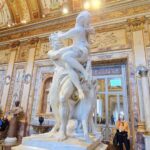
- Bernini’s The Rape of Proserpina
- Bernini’s David
- Caravaggio’s St John the Baptist
- Caravaggio’s David and Goliath
- Raphael’s The Deposition
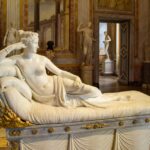
- Anthony Canova’s Pauline Bonaparte
You’ll likely also hear how the artists used emotion, movement, and dramatic contrast to pull viewers in. At the Borghese, you’re not just looking at a painting from across a room. The placement and scale often bring you closer—so your guide’s explanations help you interpret what you’re seeing right now.
You can also read our reviews of more guided tours in Rome

Why those artists fit this room better than you might think
It’s tempting to treat the Borghese like a checklist: Bernini, Caravaggio, next. The tour framing makes it more interesting. You’ll hear how commissions and setting mattered, how certain works relate to the tastes and goals of the collector who gathered them.
Once you understand that, you start noticing patterns: recurring themes like power and vulnerability, plus the way Baroque artists made the viewer feel part of the scene.
How the art historian guide changes what you notice
The value here isn’t just that someone can name artists. It’s that your guide explains the decisions behind the art. That’s what makes the Borghese feel like a real learning experience instead of a fast photo stop.
Your tour guide is described as an art historian, with commentary that brings in context beyond the image itself. Examples from the tour description include insights into the artists’ lives and ideas—for instance, a note that Caravaggio once killed a man, or that Bernini believed he peaked in his 20s. Those are the kinds of sparks your guide uses to connect biography and technique.
From the way past guides have been described, you can also expect a guide who points out details you might miss on your own. Guides like Laura are praised for spotting fine points and sharing entertaining anecdotes. Sev is mentioned for transferring passion and making the ideas stick. Francesca is noted for blending history with art history clearly. Christina is described as friendly, fascinating, and highly passionate. And Tiberio/Tiberious is repeatedly called out for being engaging and for bringing out Italian art with real energy.
Even with different guides, the core promise is consistent: you’ll get context as you walk, not a lecture after the fact.
Bernini in marble: what to look for when your guide points the way
If you’re mainly here for sculpture, this tour is set up to help you see movement and expression as more than impressive craft.
When you encounter Bernini, pay attention to the “in-between” moments your eyes usually skip. A guide can help you notice:
- how gestures and facial expression create narrative
- how posture suggests action before it happens
- how light interacts with carved surfaces
Seeing multiple Bernini works back to back also helps you understand his range. The Borghese includes myth scenes and dramatic figures, so your guide can compare how the same sculptural language shifts depending on the story.
And because you’re in a palace-like space, the contrast is fun: your brain expects white gallery walls, but you’re inside rooms meant for visual drama. That makes Bernini’s theatrical style land harder.
Caravaggio in the rooms: the lighting drama you can feel
Caravaggio is another reason people rave about the Borghese. The tour description calls out works like St John the Baptist and David and Goliath, and those paintings are built on contrast—light vs. dark, stillness vs. tension.
Here’s the practical trick: don’t rush the paintings. The guide’s job is to steer your attention to what makes Caravaggio different—how he used realism and sudden focus to create emotion.
When the tour works well, you’ll leave thinking: I didn’t just see a famous name. I understood what the artist was doing with the viewer’s eye.
Raphael and Canova: a change of pace that matters
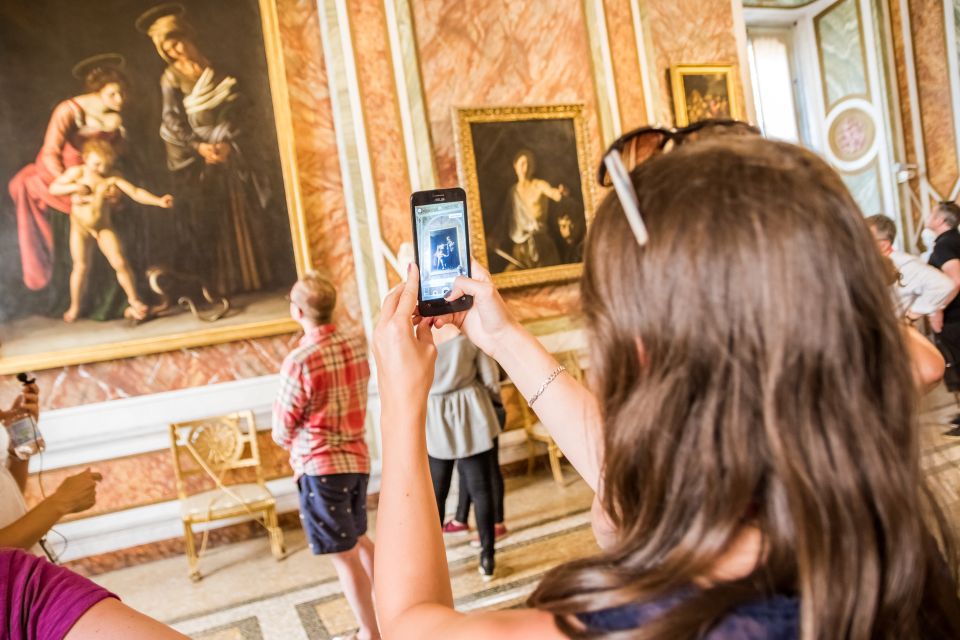
The Borghese isn’t only about the loudest Baroque drama. Including Raphael and Canova gives your eyes a breather and your brain a contrast.
Raphael’s The Deposition is a different kind of impact than Bernini’s movement or Caravaggio’s spotlighting. Your guide’s commentary helps you notice how Raphael’s composition creates order and balance, even when the scene is heavy.
Canova’s Pauline Bonaparte offers another lens—sculpture that feels both idealized and personal. A good guide will help you read texture, pose, and the way this kind of portrait art communicates status and personality.
That mix is part of the value of a guided route: you don’t just watch masterpieces—you compare how they achieve different goals.
Group size, headsets, and the comfort of an intimate tour
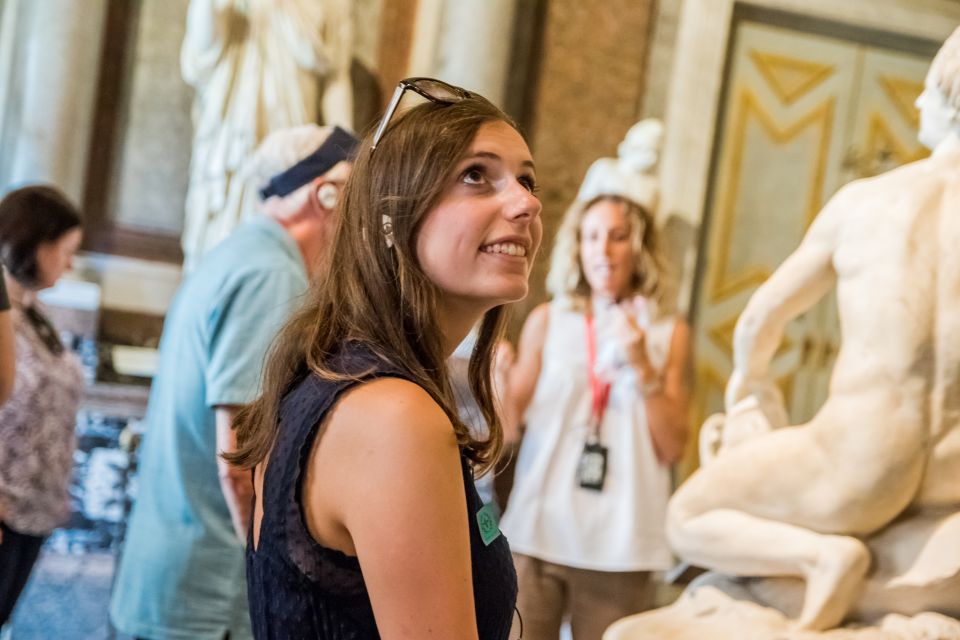
This tour is limited to 15 people or fewer, and it’s described as friendly and intimate. That matters a lot at the Borghese. When a gallery is small and controlled, group size becomes part of the art-viewing experience.
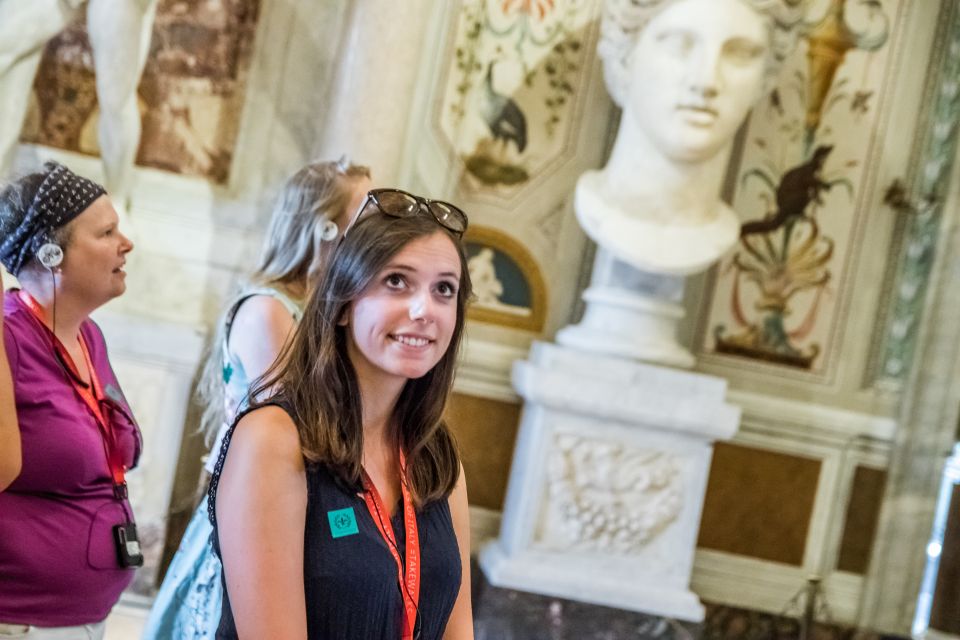
There’s also a headset rule: headsets are included for groups over 6. That’s a small detail, but it can make the difference between catching the story vs. straining to hear it while people shuffle past.
Your tour ends back at the meeting point—so you’re not sent off across the city at the mercy of your own navigation. It stays clean and self-contained.
Cameras, bags, and other rules that affect your visit
The Borghese experience here comes with clear limitations. Cameras are not allowed. Food and drinks aren’t allowed either. And luggage or large bags aren’t part of this setup.
This affects how you should pack. If you tend to carry everything you own, this tour is a reminder to travel light for museums in Italy—keep essentials small, and be ready to follow the no-camera rule without negotiating with anyone at the door.
Timing: plan for real-world flexibility
The booking info lists the activity duration as 1.5 hours, and the museum tour segment is described as 2.5 hours in the itinerary details. That mismatch is worth noticing.
My advice: treat this as a visit that will take a solid chunk of your time. If your schedule is tight, build in a cushion so you’re not stressed when you’re walking through rooms and hearing explanations.
Also, you’ll have a designated time slot because of the timed entry system. So once you pick your start time, you should aim to be ready right when the tour meets.
Price and value: is $67.19 a fair deal?
At $67.19 per person, you’re paying for more than the ticket. You’re paying for a bundle: skip-the-line access, a local English-speaking guide, and an all-inclusive Galleria Borghese entry that’s tied to a specific time.
Here’s how I think about the value:
- If you try to do the Borghese on your own, the biggest pain point is usually the control and timing. Getting the right ticket is half the battle.
- Paying for the guide turns the visit from viewing into understanding. The Borghese is the kind of place where context changes how you remember it.
- The small group and headsets (when your group is larger) reduce the “museum chaos” factor that can happen in famous sites.
If your goal is only to glance and move on, you might feel it’s more expensive than it needs to be. But if you want to learn while you see—especially with Bernini and Caravaggio—the price starts to make sense fast.
Who should book this tour (and who might prefer something else)
Book this if you:
- love art and want the stories behind Bernini, Caravaggio, Raphael, and Canova
- prefer small groups and clear guidance over wandering
- want the Borghese experience without the stress of sorting out entry timing
It’s also a good fit if you like hearing comparisons: how different artists create emotion, movement, and drama in different media.
You might choose a different format if you:
- don’t want any walking involved
- need to take photos during the visit (since cameras aren’t allowed here)
- prefer self-paced museum browsing with no timed route
Quick do’s for your day at the Borghese
- Wear shoes made for walking. You’ll cover rooms on foot.
- Pack light to match the no large bag rule.
- Arrive 15 minutes early so your start feels calm.
- Expect to look longer than you think, especially if your guide points out details.
Should you book this Borghese Gallery skip-the-line guided tour?
In my view, this is one of those Rome art experiences that rewards paying for structure. The Borghese Gallery is controlled, and the collection works best when you slow down and understand what you’re seeing.
If you want a smooth entrance, an intimate group, and an art historian guiding you through the major masterpieces, this tour is a very practical choice. The no-camera rule and moderate walking pace are the only real friction points, so plan around them and you’ll get a visit that feels focused, not rushed.
FAQ
How long is the Borghese Gallery guided tour?
The duration is listed as 1.5 hours, but the itinerary also notes a guided tour segment of 2.5 hours. Plan for a couple of hours on site to be safe.
Does this ticket skip the line?
Yes. The tour includes skip-the-line entry with a pre-reserved ticket and a designated time slot.
What language is the tour guide?
The live guide speaks English.
Where do we meet?
Meet at Borghese Gallery and Museum at Piazzale Scipione Borghese, 5, 00197 Roma. The meeting is outside on the double staircase directly in front of the gallery.
Do I need to arrive early?
Yes. You should arrive about 15 minutes prior to the tour start time.
Are cameras allowed inside the Borghese Gallery?
No. Cameras are not allowed during this activity.
Is there a dress or packing requirement?
The tour does not allow food and drinks, and it does not allow luggage or large bags. Pack light accordingly.
Is this tour wheelchair accessible?
Yes, it is wheelchair accessible, and the provider says they can accommodate guests with mobility impairments if you email their Guest Experience team for proper arrangements.
Is hotel pickup included?
No. Hotel pickup is not included.
FAQ
How does the guide use headsets?
Headsets are included for groups over 6, which helps you hear the guide clearly while you move through the rooms.
Can I get a refund if plans change?
Free cancellation is offered up to 24 hours in advance for a full refund.
Is reserve and pay later available?
Yes. You can reserve now and pay later to keep travel plans flexible.
Does the tour allow food and drinks?
No. Food and drinks are not allowed during the activity.
What’s the group size limit?
The small-group tour is limited to 15 people or less.
Is luggage allowed?
No. Luggage or large bags are not allowed.
Does the tour include an expert guide?
Yes. The tour includes a local English-speaking guide and an all-inclusive Borghese Gallery ticket.
Is the tour entirely inside the gallery area?
It starts and ends at the Borghese Gallery meeting point, and the main time is spent inside the gallery on a guided route.