REVIEW · ROME
Gelato Cooking Class in Rome – Create & Taste Italian Gelato
Book on GetYourGuide →Operated by Marlene's Gelateria · Bookable on GetYourGuide
Gelato class in Rome is pure fun. This 1.5-hour workshop at Marlene’s Gelateria turns you from dessert spectator into the person who makes natural gelato (no artificial colors, preservatives, or chemicals) while a small group stays hands-on and closely guided. The only real downside is the price—at $106 per person, you’ll want to be sure you’re the kind of person who enjoys food classes, not just tasting.
I like that the teaching focuses on practical differences—what makes gelato gelato, how ingredients get prepped before they hit the machine, and how to get the texture right. You also get built-in reward time: tasting the flavors in the shop, plus one cone or cup you choose at the end.
In This Review
- Key things to know before you go
- Marlene’s Gelateria: your starting point in Rome
- Gelato basics first: what the class teaches before you churn
- Ingredients and equipment: where flavor gets serious
- Hands-on gelato making: creating your own batch
- Tasting time at the shop: compare, contrast, decide
- What you can take home (and how to plan for it)
- Price and value in Rome: is $106 fair?
- Who this gelato class is best for
- Final call: should you book Marlene’s Gelato Cooking Class?
- FAQ
- How long is the gelato cooking class?
- How many people are in the group?
- What language options are available for the instructor?
- What’s included in the price?
- Do I need cooking experience to join?
- Is there free cancellation?
Key things to know before you go
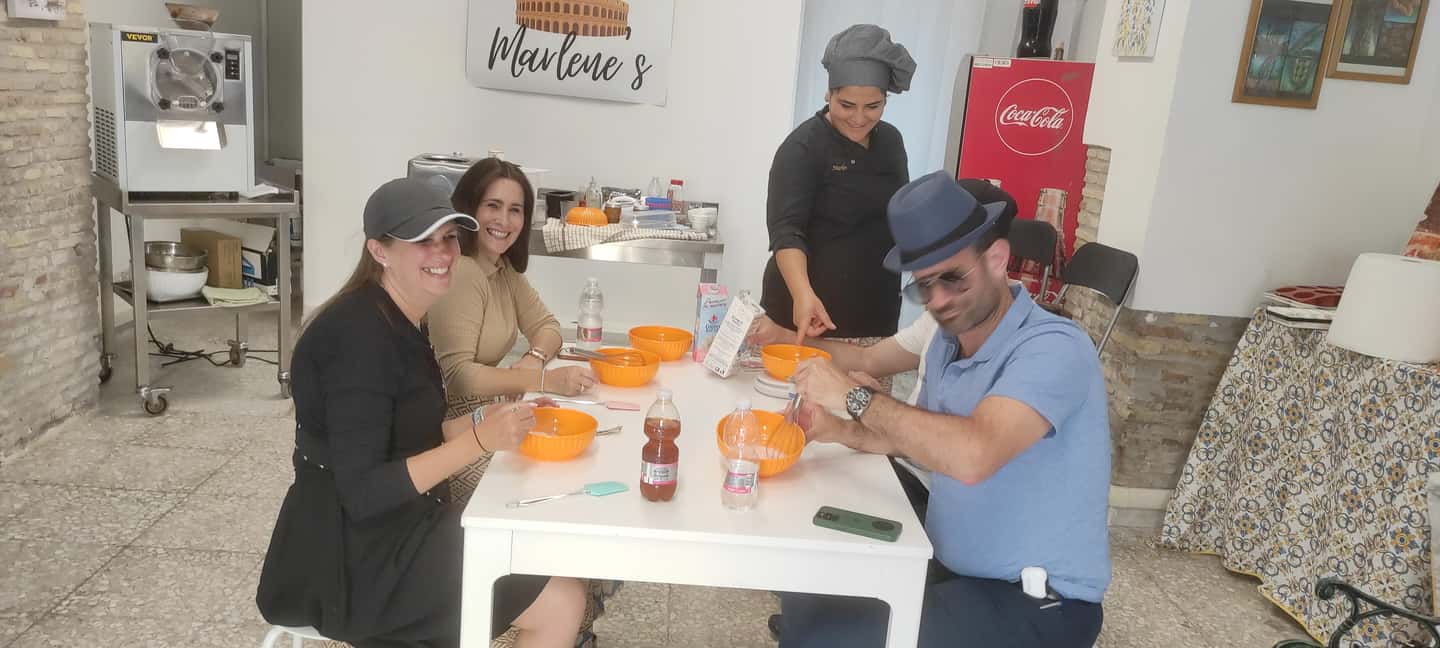
- Small-group setup (max 10) means you’re not lost in a crowd and can ask questions while you work.
- Natural ingredient promise keeps the focus on real dairy, fruit, nuts, and classic flavor bases rather than additives.
- You make gelato from scratch and learn the texture/consistency tricks, not just watch a demo.
- Taste-everything time in the shop lets you sample many flavors and compare what you made against what Marlene’s offers.
- Take-home gelato is part of the experience, so you’re not leaving Rome with just memories.
- Multilingual instruction (English, Italian, Arabic, Hebrew) helps you follow the process clearly.
Marlene’s Gelateria: your starting point in Rome
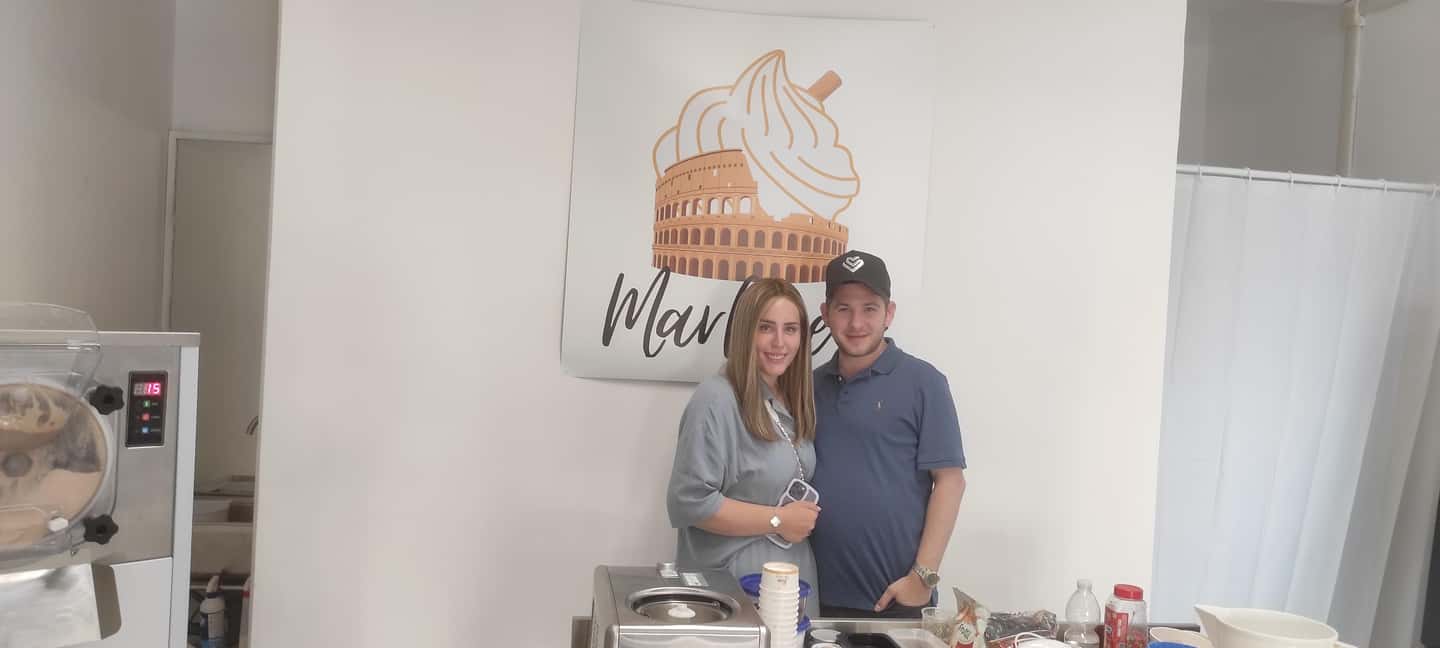
This class starts right at Marlene’s Gelateria in Rome, which matters more than it sounds. Doing the workshop on-site means you’re working in the same setting where the gelato lineup lives—so the tips you get don’t feel abstract. The atmosphere is friendly and social, the kind of place where you’ll see families in the mix and people chatting over scoops.
The format is straightforward: a small group limited to 10 keeps the pace comfortable. In a class this short (1.5 hours), that small size helps you actually get hands-on instead of waiting your turn. And if you’re traveling with someone who needs different language support, the class offers instruction in English, Italian, Arabic, and Hebrew, which is a real quality-of-life detail when you’re trying to follow steps.
If you’re wondering about logistics like timing and where to meet, keep it simple: show up at the shop meeting point, arrive ready to snack, and plan to stay for the shop tastings at the end. This is not a “blink-and-you-miss-it” show—there’s enough structure that you won’t be scrambling for understanding.
You can also read our reviews of more cooking classes in Rome



Gelato basics first: what the class teaches before you churn
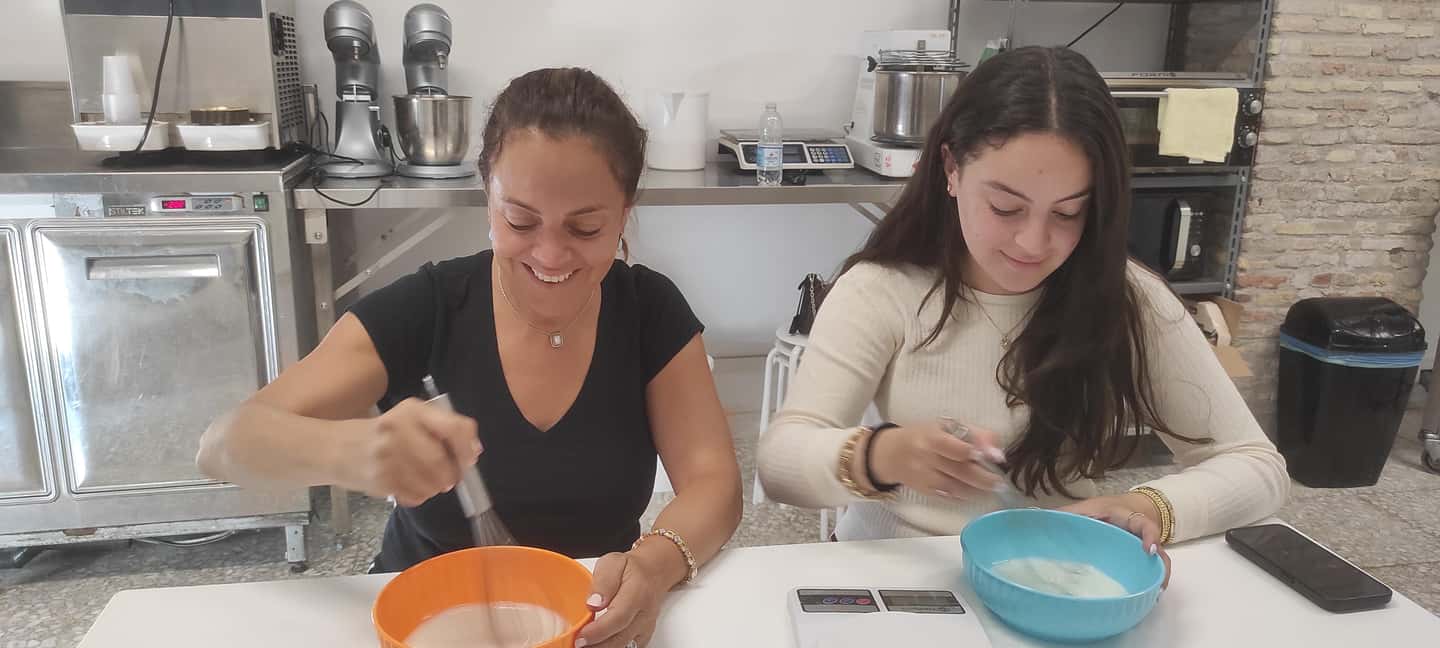
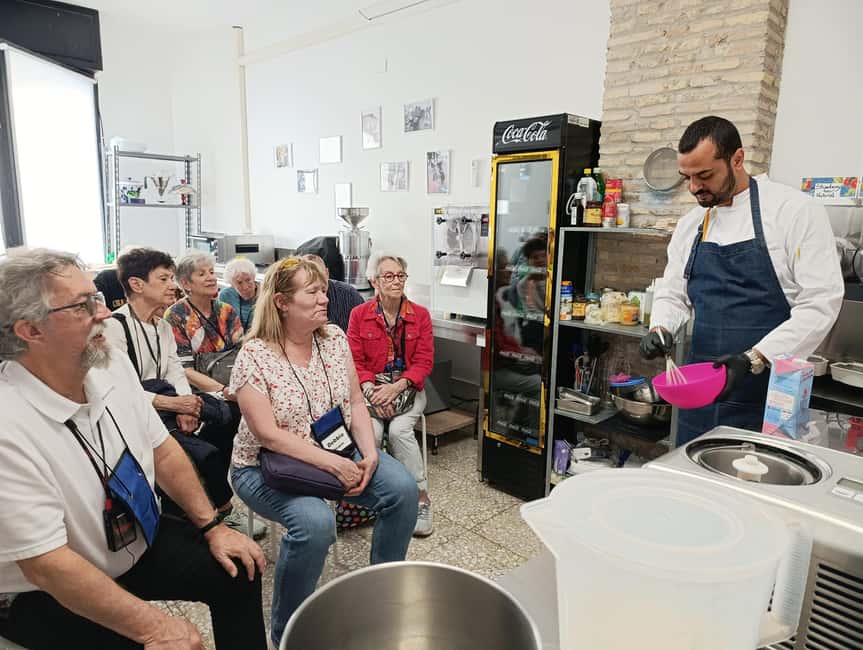
Before anyone hands you a spoon, the class sets the foundation. You learn the difference between gelato and traditional ice cream and you also get practical context for why gelato ends up smoother and denser. That’s not just trivia. Knowing the difference helps you understand why certain steps matter—like ingredient prep and texture targets—when you’re the one making it.
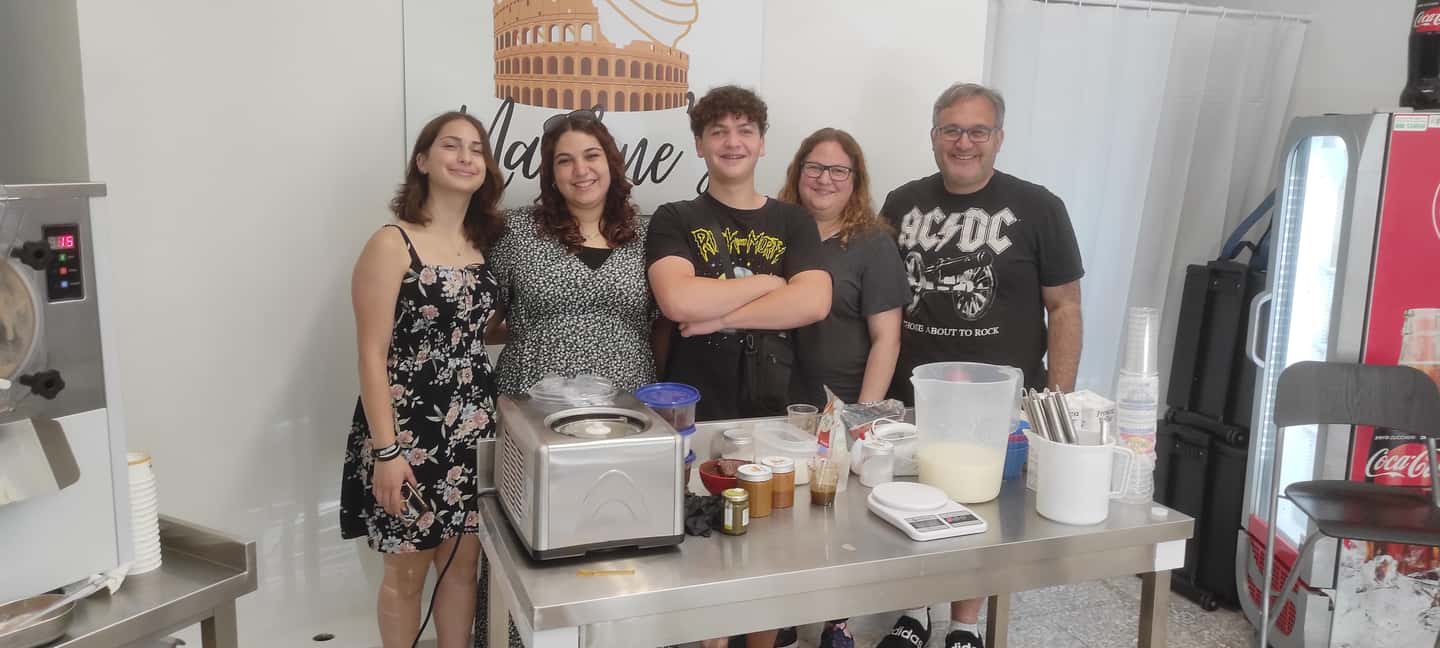
You’ll also be introduced to the essentials: what ingredients drive flavor and body, and what equipment is involved. The class covers the equipment you’ll see in gelato production settings, including gelato machines and flavor mixers. Even if you never plan to buy the same machine at home, the “why” behind the process helps you avoid common gelato mistakes—usually the texture problems people blame on bad luck.
A subtle but important detail: the experience is designed for all skill levels. If you’ve cooked for years, you’ll still enjoy seeing the gelato-specific approach. If you’re brand new in the kitchen, you’ll get guided steps instead of a sink-or-swim setup.
Ingredients and equipment: where flavor gets serious
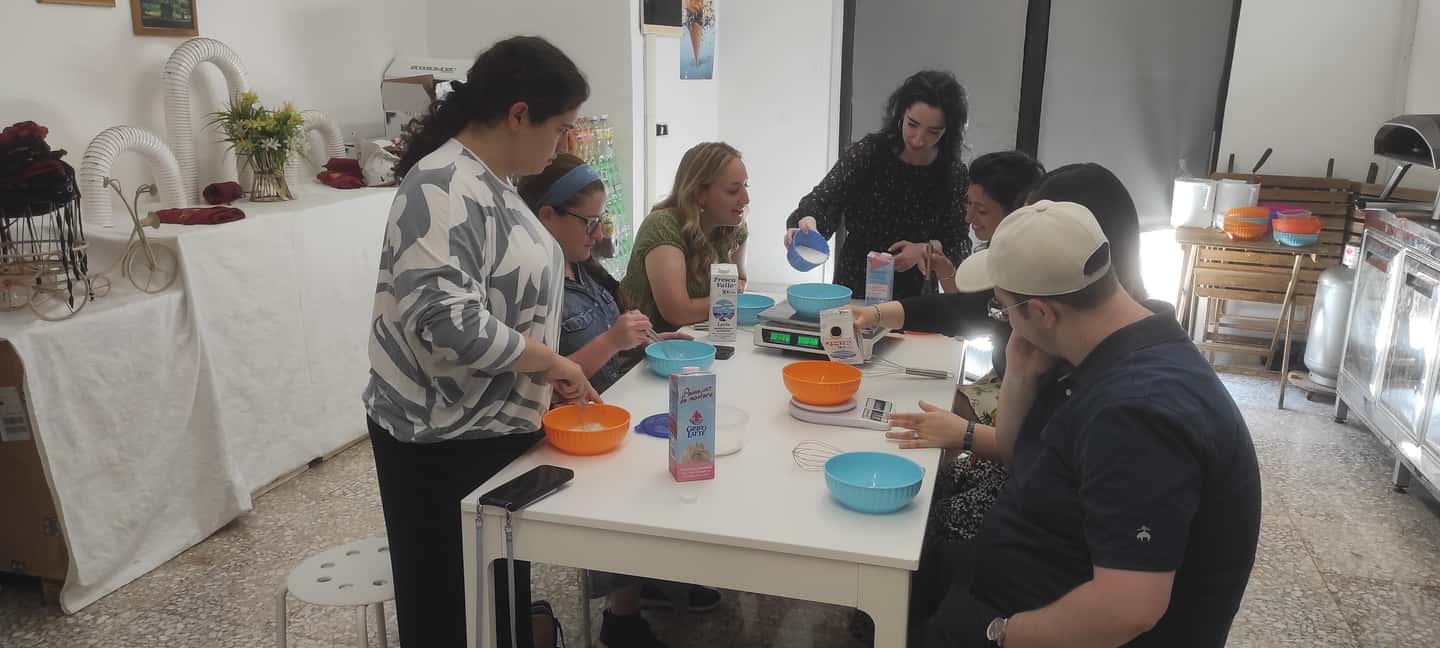
One of the most compelling parts of this class is the ingredient philosophy. The gelato uses fresh, natural ingredients, and it’s described as free from artificial colors, preservatives, and chemicals. For you, that usually means the flavors taste more like the raw materials—real vanilla, chocolate depth, fruit character—rather than a sweet, uniform “frozen dessert” profile.
The class helps you understand what’s happening before mixing. You’ll learn how to prep ingredients so they blend well and behave correctly in the machine. That step is easy to overlook when you’re just eating gelato. In a class, you start seeing it as part of quality control: texture comes from how ingredients dissolve, combine, and chill—not only from the final churn.
You’ll also hear about the role of kosher considerations, since Marlene’s takes that seriously. If you care about dietary standards, this is reassuring, and it also helps explain how their approach to ingredients and process is organized. Even if you don’t follow kosher rules, it signals a level of intention and care that usually shows up in the final product.
Hands-on gelato making: creating your own batch
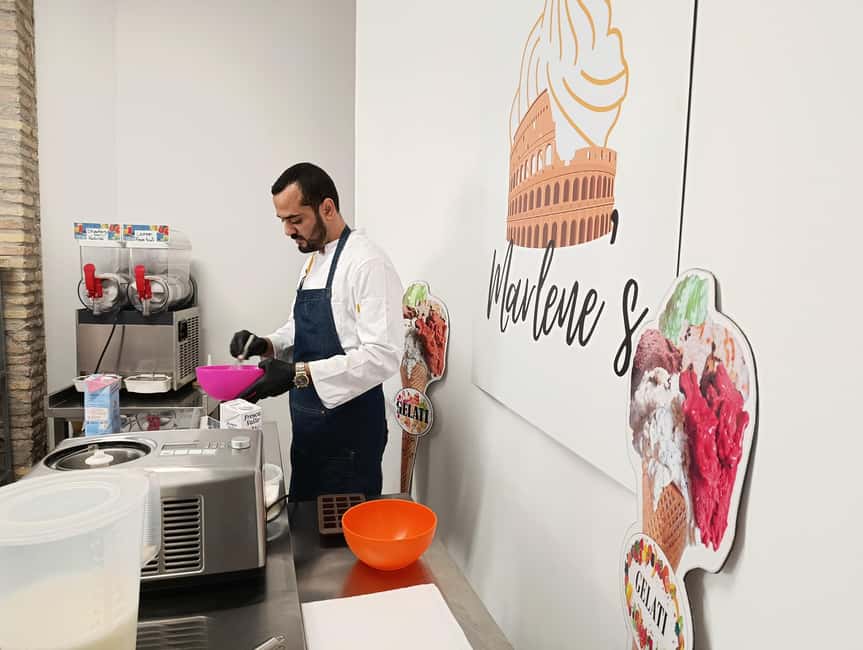
Now the fun part: you make your own handcrafted gelato. The class is structured so you’re not just tasting; you’re actually participating in the steps needed to get from ingredient prep to finished gelato.
You’ll learn core techniques for reaching a good texture and consistency. Think of it as two goals at once: keep it creamy, and keep it smooth. The class also covers how to balance flavors. That’s especially useful if you like bold gelato flavors, because balance is what keeps them from tasting one-note.
You’ll have options for flavors. Classic choices like vanilla and chocolate are on the table, and you can also experiment with options like pistachio or mango. This is a great moment for you to lean into your taste preferences. If you always order pistachio, making it gives you a new reference point: you’ll start tasting differences you used to miss, like intensity and how the base flavor holds up once chilled.
A practical detail you’ll care about at home: the class doesn’t just teach a recipe. It teaches the method behind the recipe—what to do and why—so you can replicate the approach later with whatever ingredients you can reasonably get.
Tasting time at the shop: compare, contrast, decide
One of the biggest reasons people love this experience is the built-in tasting. You get gelato tastings that include sampling the flavors in the shop, and the goal is to help you try all the flavors available at the gelateria so you can pick a favorite. That’s not just for fun—it trains your palate.
Here’s the smart way to use the tasting: don’t treat it like an all-you-can-eat spree. Instead, take notes in your head. Ask yourself which flavors taste more natural, which feel creamier, and which ones have the cleanest finish. When you then compare your own gelato with the shop’s, the differences become obvious. You stop thinking of gelato as one category and start experiencing it as a set of techniques and ingredient choices.
After the tasting portion, you also get one ice cream cone or cup of your choice from Marlene’s Gelateria, plus bottled water or a soft drink. This is a nice “reward loop”: you learn, you make, you taste more, then you get to sit back and enjoy your pick.
You can also read our reviews of more tours and experiences in Rome





What you can take home (and how to plan for it)
The class experience includes the idea that you can take home your handmade gelato. For you, that changes the value equation in a concrete way: you don’t just learn a technique; you leave with something to share.
If you’re traveling in Rome, consider how you’ll handle it. Keep it simple: plan your schedule so you’re not heading out on a long walk immediately after the class. You’ll get the best results if you can enjoy it soon after you get back to your accommodations, or share it right away.
The take-home part also makes the class feel more “real.” It gives you a reason to remember the exact flavor choices you made and lets you compare the homemade texture to what you tasted in the shop.
Price and value in Rome: is $106 fair?
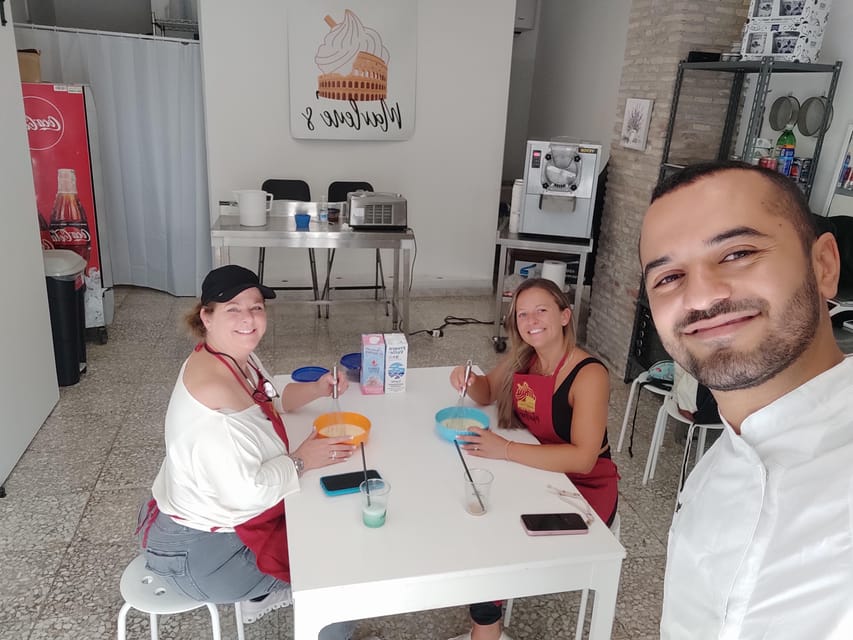
At $106 per person for a 1.5-hour class, this isn’t a budget activity. The value depends on what you want from Rome.
If you’re a foodie who likes learning how things are made—especially Italian gelato—this can make sense. You get:
- a hands-on cooking workshop using natural ingredients
- a guided process (small group, up to 10)
- learning on machines, mixing, and technique
- tastings in the shop
- a cone or cup included
- bottled water or soft drink
If you’re mostly there to eat sweets and take photos, you might feel the price more sharply, because the time is short and the main output is one gelato batch plus tastings.
But if you’ll actually use what you learn—ingredient prep, texture cues, flavor balancing—then it’s not just a snack. It’s a skill plus a fun food experience.
My practical take: treat this like a “Rome food class” rather than a “gelato stroll.” If you’re in the mood to do one hands-on activity that’s different from the usual sightseeing checklist, it’s a strong candidate.
Who this gelato class is best for
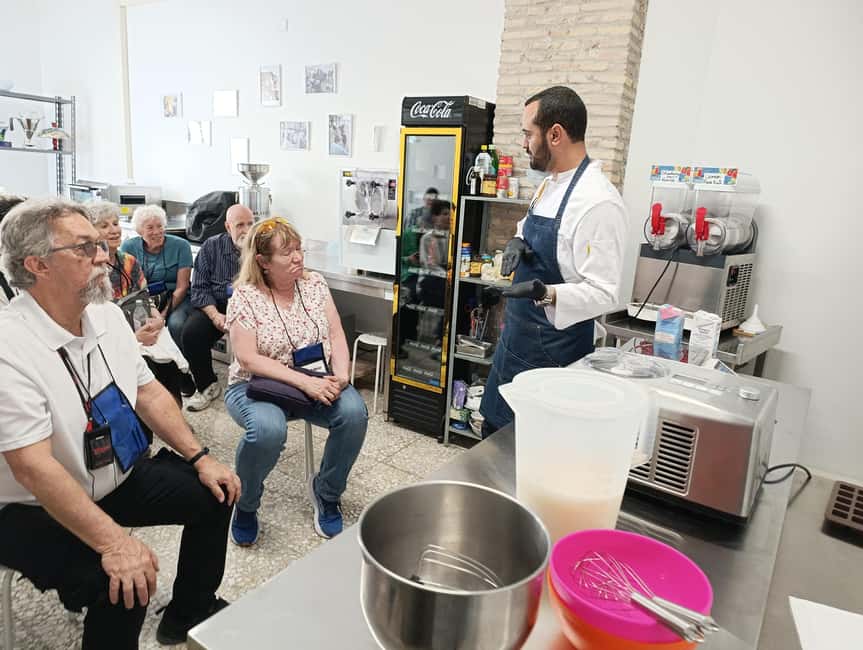
This is a friendly option if any of these sound like you:
- You want an activity that works for families and mixed skill levels.
- You enjoy structured tastings and comparing flavors.
- You like learning the difference between similar foods—like gelato vs ice cream—and applying that knowledge to what you order.
- You’d benefit from a small group where the instructor can keep an eye on your process.
It’s also a nice choice for mixed-language groups because instruction is available in English, Italian, Arabic, and Hebrew. Even if your Italian is basic, you can likely follow the steps without feeling lost.
If you’re traveling with someone who thinks food classes are boring, you might want to sell it with the tastings and the fact that you’re actively making gelato, not just watching.
Final call: should you book Marlene’s Gelato Cooking Class?
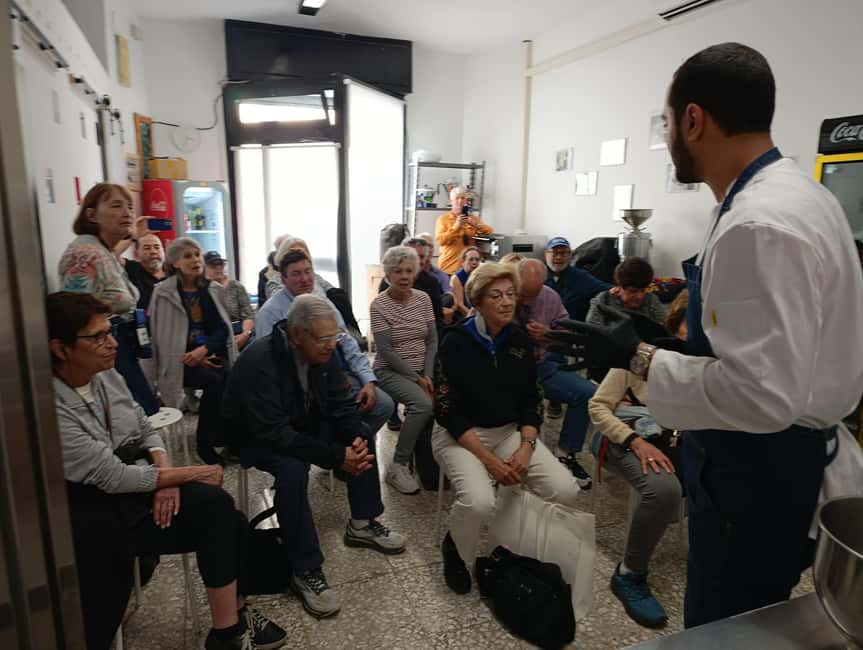
If you love gelato and you want more than just a walk to find the tastiest scoop, I’d book it. The combination of hands-on making, natural ingredient focus, and shop tastings gives you both skills and payoff.
Skip it only if you’re chasing low-cost activities, or if 1.5 hours of instruction feels like more time than you want. At $106, it’s a choice—so choose it when you’re ready to learn and taste, not just to snack.
In the end, this is the kind of Rome experience that leaves you with a better way to order gelato back home. And yes, that cone or cup at the end doesn’t hurt either.
FAQ
How long is the gelato cooking class?
The class runs for 1.5 hours.
How many people are in the group?
It’s a small group limited to 10 participants.
What language options are available for the instructor?
The class offers instruction in English, Italian, Arabic, and Hebrew.
What’s included in the price?
You’ll get an explanation of gelato making (machines and ingredients), the chance to make your own handcrafted gelato with fresh natural ingredients, a gelato tasting with flavors in the shop, one ice cream cone or cup, and bottled water or a soft drink.
Do I need cooking experience to join?
No. The class is designed for all skill levels, including beginners.
Is there free cancellation?
Yes. You can cancel up to 24 hours in advance for a full refund.