REVIEW · JEWISH GHETTO ROME
Rome: Food and Wine Tour, Trastevere and Jewish Ghetto
Book on GetYourGuide →Operated by Doooing · Bookable on GetYourGuide
Food tours in Rome can feel formulaic.
This one aims for the kind of street-to-tavern rhythm that fits Trastevere and the Jewish Ghetto, with included tastings plus wine. I especially like the focus on Roman favorites (pizza by the slice, supplì, and classic pasta choices) and the mix of food with real neighborhood details as you walk from Piazza Trilussa toward Santa Maria in Trastevere and then on to the Tiber and the Ghetto. One drawback to consider: the experience can run shorter in practice, and the wine portion may feel light compared with the word tasting.
If you love eating as a way to learn a city, this works.
The stops are designed around how Rome actually feeds you: quick bites in alleyways, a proper pasta moment in a historic tavern, then a final sweet finish with gelato. You’ll also get a look at church architecture, plus a specific kosher-food highlight in the Ghetto. The main trade-off is that the tour is not suitable for everyone, especially people with celiac disease or lactose intolerance, and it’s not a good fit if you have mobility limitations.
In This Review
- Key highlights worth planning for
- Trastevere and the Jewish Ghetto, on a 3-hour bite-to-bite loop
- Where you start at Piazza Trilussa (and why it’s a good anchor)
- First bites near Trastevere: pizza by the slice and supplì
- Santa Maria in Trastevere: architecture you can actually see
- Wine pause in a historic tavern setting
- Picking your Roman pasta: carbonara, cacio e pepe, amatriciana, gricia
- Stroll toward the Tiber Island: shifting from Trastevere to the Ghetto
- Carciofo alla Giudia in the Jewish Ghetto (the kosher-food highlight)
- Gelato finish: the sweet landing after savory walking
- Price and value at about $94 per person
- Who this tour suits best (and who should skip it)
- Should you book this food and wine walk?
- FAQ
- How long is the Rome food and wine tour?
- Where do we meet the guide?
- What food and drinks are included?
- Is Santa Maria in Trastevere included, and is there entry?
- Are wine tastings part of the experience?
- Is this tour suitable for celiac disease or lactose intolerance?
- Is the tour appropriate for limited mobility?
- Are pets allowed?
- Will the Jubilee affect what we can see or access?
Key highlights worth planning for
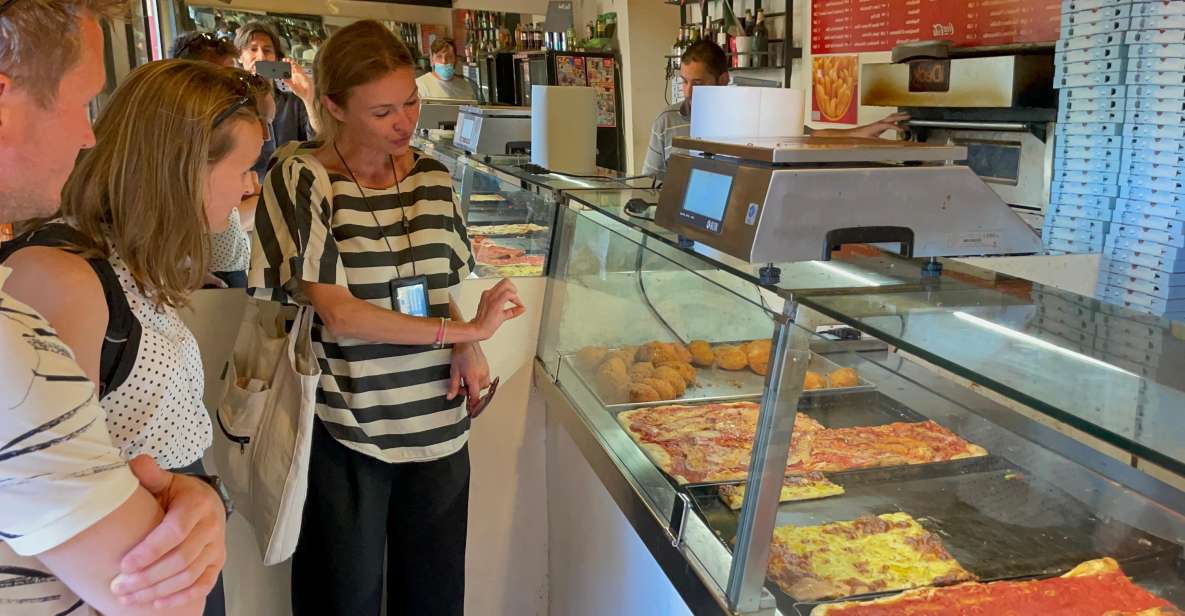
- Pizza by the slice and supplì as an early, classic introduction to Roman street food
- Santa Maria in Trastevere and its 22 granite columns recycled from the Baths of Caracalla
- Wine breaks in historic tavern settings, built into the walking rhythm
- Your pasta choices at a traditional table: carbonara, cacio e pepe, amatriciana, or gricia
- Carciofo alla Giudia in the Jewish Ghetto, with a kosher-restaurant focus
- An artisanal gelato finish that turns the walk into a sweet payoff
Trastevere and the Jewish Ghetto, on a 3-hour bite-to-bite loop
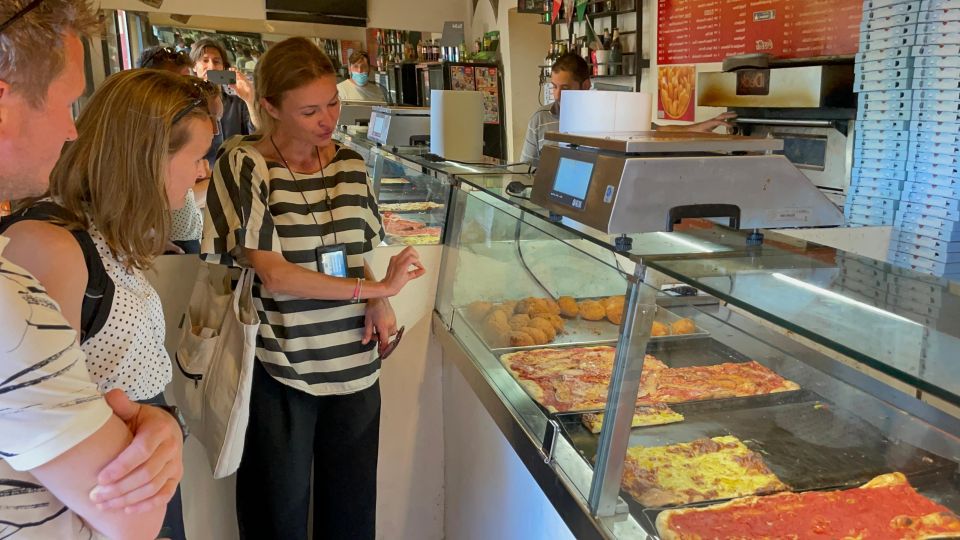
Rome has a lot of food tours. What makes this one different is the neighborhoods themselves. Trastevere is all texture: narrow lanes, street life, and tavern doors that look like they’ve been part of the city forever. The Jewish Ghetto brings a different tempo, where walking and food feel tied to place in a very direct way.
The tour is built around included tastings that start simple (street bites) and end with a full sensory capstone (pasta, fried artichoke, and gelato). At the same time, you’re not just eating your way through postcards. The walk includes history and curiosities connected to what you’re tasting as you pass major sights and landmarks.
The total time is listed as 3 hours, which is about right for a focused food loop. Still, a couple of ratings mention it finished closer to 2 hours. That matters because Rome tours that pack a lot in can sometimes feel rushed, so I’d treat the advertised duration as the goal, not a guarantee.
Where you start at Piazza Trilussa (and why it’s a good anchor)
You meet at Piazza Trilussa, right in the middle of the square, in front of the stairs, with a guide carrying a blue flag with the Doooing Experience logo. Arrive 15 minutes early so the group can start on time.
This matters because Piazza Trilussa puts you where Trastevere’s vibe begins. If you get there late, you’ll miss the clean start—then you’ll spend the first part catching up. Since you’re walking and tasting, that first half hour sets your pace.
Also: bring comfortable shoes. Even on a short tour, you’ll be on Rome pavement, turning corners, and pausing at tasting stops. If your feet are already mad before the tour starts, the whole experience feels shorter (even when the food is great).
First bites near Trastevere: pizza by the slice and supplì
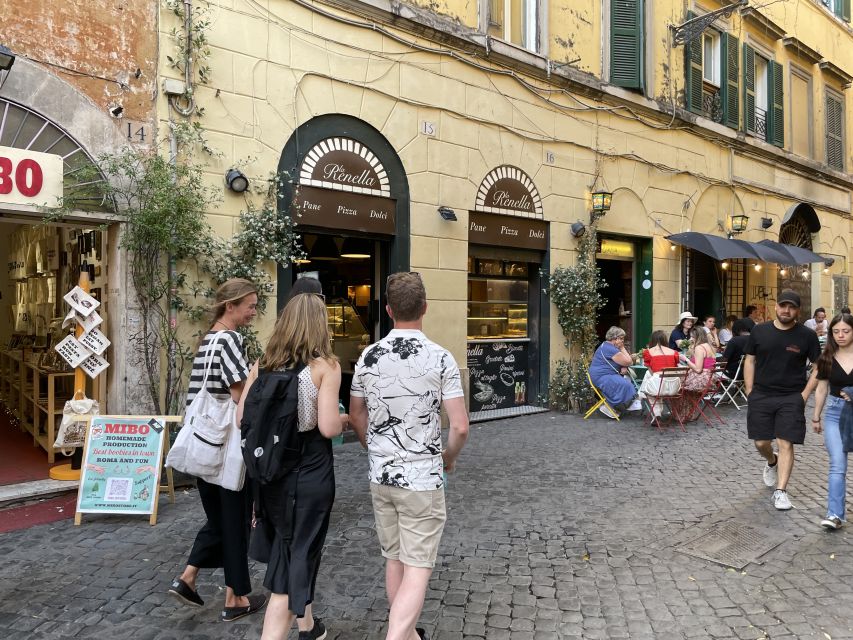
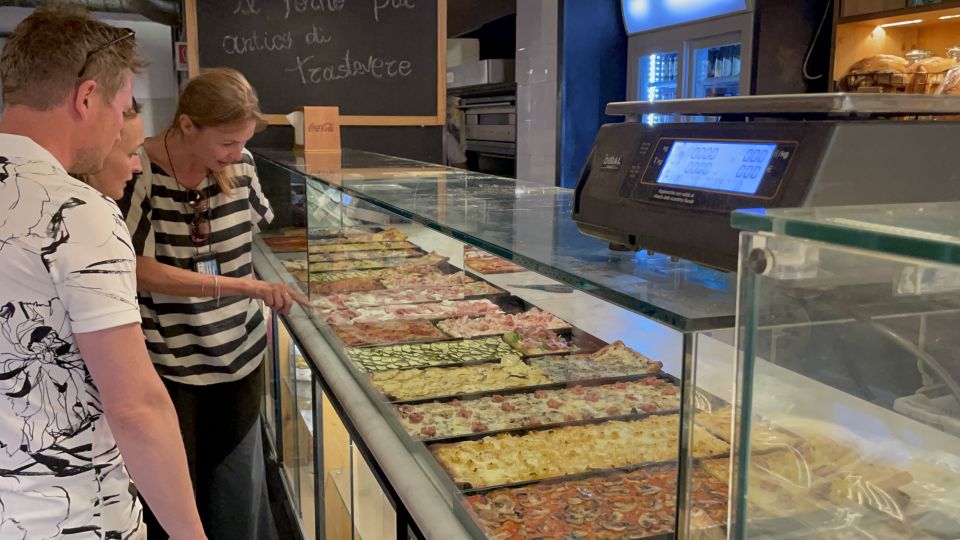
The tour begins with a guided walk through characteristic streets around Trastevere, including spots like Piazza Trilussa and lanes such as Vicolo del Cinque. Early on, you get tastings of two typically Roman foods: pizza by the slice and supplì.
I like this approach because it gets you eating quickly, before you’ve been walking long enough to get hungry in a distracted way. Street food tastings also help you understand Roman comfort flavors fast. Supplì—the rice ball—has that satisfying crunch on the outside and a rich, melty center. And the pizza by the slice gives you a baseline of how Roman pizza tastes at the moment you’re standing in the neighborhood where people actually eat it.
One small reality check from reviews: portions can lean more snack-like than sit-down style at the early stops. So come ready for a sequence of bites, not a single big plate all at once.
Santa Maria in Trastevere: architecture you can actually see
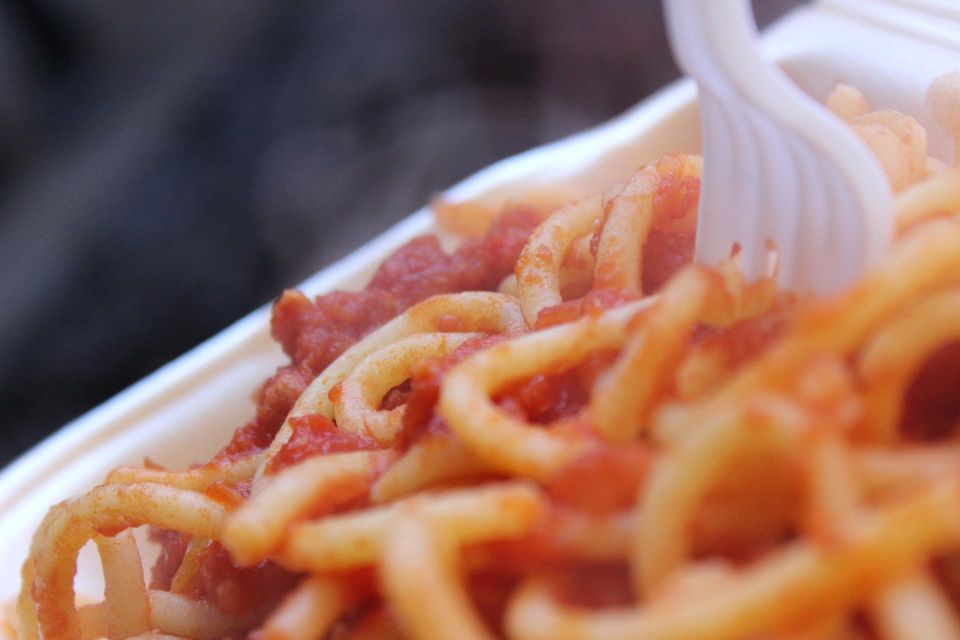
After the first tastes, you head toward via del Moro and then the famous church Santa Maria in Trastevere. This stop isn’t only “stand in front of a church.” It’s an actual, visually memorable moment: you can see 22 granite columns with Ionic and Corinthian capitals.
Even if you’re not a church-architecture person, that kind of detail sticks. The columns also carry an interesting note tied to the city’s layers: the granite came from the ruins of the Baths of Caracalla. That’s one of those Rome facts that makes the place feel connected, not random.
The tour includes entry to the Basilica, which is useful if you’re trying to see more than just the exterior. And since this is a walking tour, the church stop helps slow the pace for a moment—good for photos, good for absorbing context, and good for not overheating in Rome’s summer streets.
Wine pause in a historic tavern setting
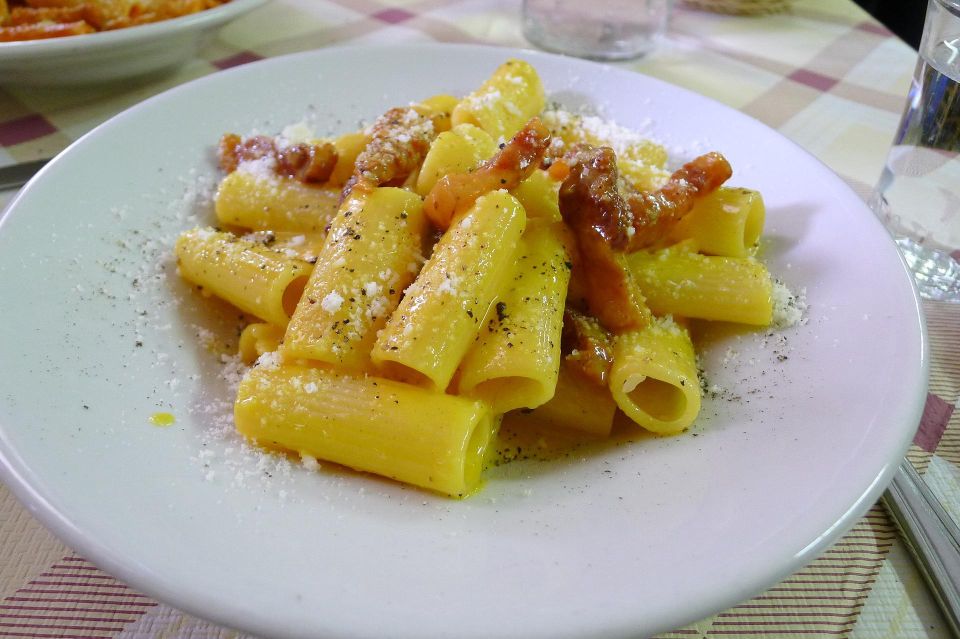
As you continue through Trastevere, you’ll get another moment to slow down: a glass of carefully selected wine while you sit at a table in a historic tavern. This is part of the tour’s “atmosphere” idea—wine as a way to match the neighborhood mood, not wine as a separate event.
Here’s the balance point. In principle, wine tastings are a big part of the promise. But at least one review complains the “tasting” was small, with shared carafes that didn’t feel like a full tasting experience. In other words: don’t plan this as a wine education masterclass. Plan it as a pairing-friendly add-on that supports the meal and the setting.
You’ll also have 1 beer and water included, which helps if wine isn’t your thing or you want to keep things comfortable during the walk.
Picking your Roman pasta: carbonara, cacio e pepe, amatriciana, gricia
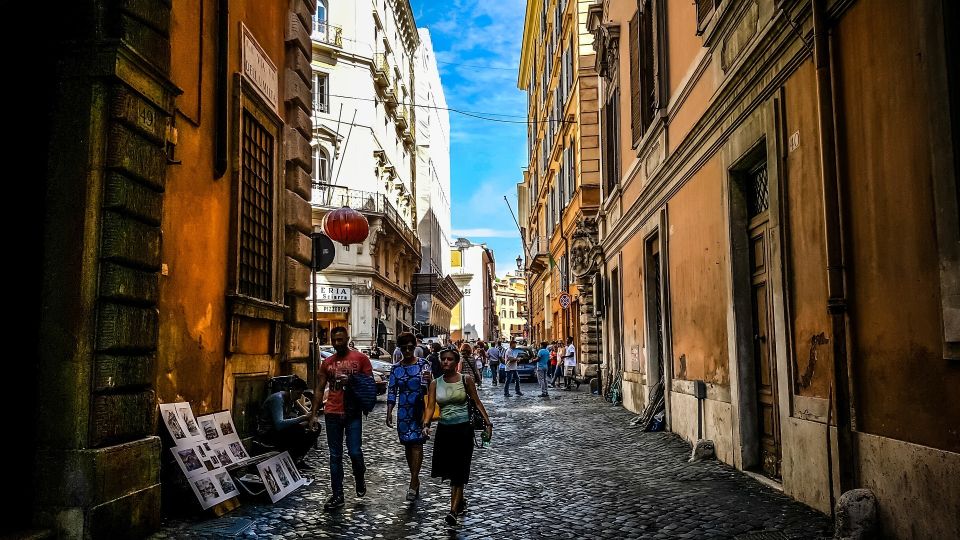
This is the centerpiece moment for many people, and it’s where you’ll feel the tour’s value most clearly. In a traditional Trastevere tavern, you can choose your first course from several Roman classics:
- carbonara
- cacio e pepe
- amatriciana
- gricia
I like that list because it covers flavors that feel distinctly Roman: pepper-forward cacio e pepe, the smoky-salty world of gricia, the tomato-and-pancetta vibe of amatriciana, and the egg-and-cheese comfort of carbonara. If you’ve only had one Roman pasta before, this choice lets you taste the differences without ordering five separate dishes.
Just keep expectations realistic. Some reviews say they sat down at fewer places than the description might suggest. If you care a lot about the “sit here for a proper meal” format, ask ahead what the seating plan typically looks like. With a 3-hour tour, the logistics sometimes shape the experience more than the menu does.
Stroll toward the Tiber Island: shifting from Trastevere to the Ghetto

After the pasta moment, you walk toward the Tiber Island. That stretch is more than a route between neighborhoods—it’s a transition point. You’re moving from Trastevere’s daily energy into a space that has its own cultural and historical weight.
This is where the tour’s walking-based storytelling can feel most useful. As you cross the area by the Tiber and head into Jewish Ghetto territory, the food theme stays connected to what you’re seeing. The tour doesn’t treat the Ghetto like a separate topic; it treats it like the next chapter of the same Rome story.
Carciofo alla Giudia in the Jewish Ghetto (the kosher-food highlight)
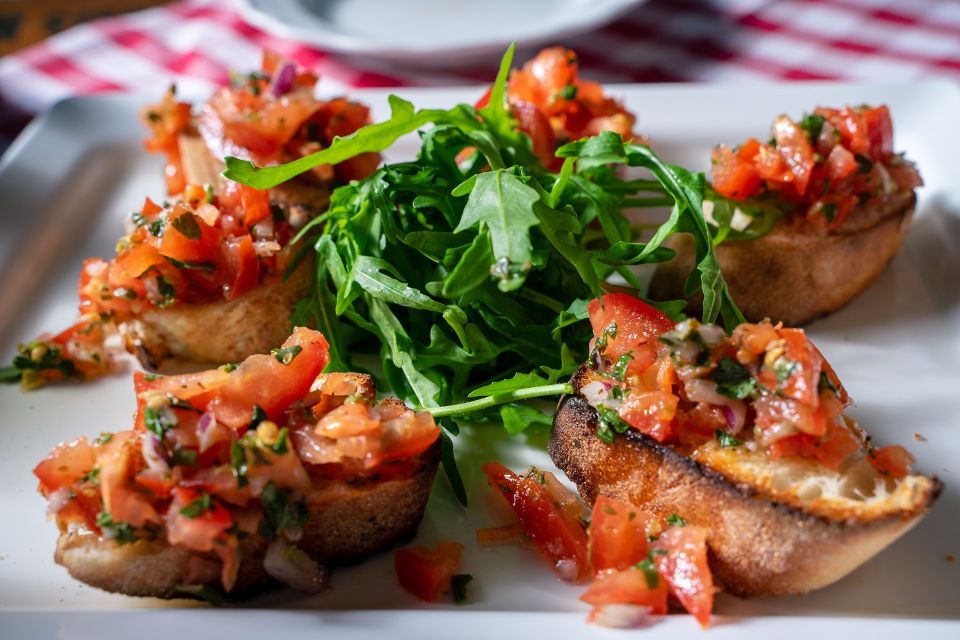
Once you enter the Jewish Ghetto, the tasting focus shifts from classic Roman pasta to a specific specialty: carciofo alla giudia, the fried artichoke. This is made from a kosher restaurant in Rome, which matters because it gives the taste context beyond “fried = good.”
This dish is iconic in the Ghetto for a reason. It’s artichoke cooked until it gets crisp, with that gentle bitterness and nutty flavor that turns surprisingly addictive once you’ve had a bite. Even if you’re not normally an artichoke person, this is the kind of dish that can change your mind, because the frying process changes the flavor texture completely.
One practical note: if you have serious allergies, the tour states you’ll need to sign an allergy waiver at the start. Also, the tour is not suitable for people with celiac disease and lactose intolerance due to cross-contamination risk. So if your needs are complex, don’t gamble on this one.
Gelato finish: the sweet landing after savory walking
The tour ends with an artisanal gelato. It’s a small ending on paper, but on your feet and after multiple tastings, it feels like a reward you’ve earned.
This finish also helps the whole tour feel cohesive. You’ve moved through salty street bites, pasta comfort, and fried artichoke intensity. Gelato gives you a palate reset and gives you time to slow down, chat, and wrap your head around what you ate and where you ate it.
Price and value at about $94 per person
At $94 per person, you’re paying for three things at once: guided walking time, multiple tastings, and tastings that include wine plus at least beer and water. If everything hits as described—street bites, church entry, a pasta sitting with choice, a Ghetto fried-specialty moment, plus gelato—then the price can feel fair for a compact, structured experience.
But balance it with reality: if your specific tour runs closer to 2 hours, or if the wine portion feels minimal, the value drops fast. Food tours are a bit like shoes: one small mismatch can feel bigger than it should. So I’d treat the $94 as a reasonable target if you want variety and guidance, not as a deal you can only measure by the clock.
I also think the guide can make a measurable difference. Reviews name guides such as Luca, Tiziana, and Alessia, with multiple mentions of warmth, patience, and real neighborhood knowledge tied to food and Roman history. When the guide is on top of the details, you don’t just eat—you understand why the flavors belong here.
Who this tour suits best (and who should skip it)
This is best for you if:
- you want Roman food staples in one efficient route
- you enjoy walking with context, not just eating in silence
- you like the Trastevere mood and want a second, contrasting neighborhood after that
- you’re okay with tastings that can feel snack-sized between bigger moments
This is not a great fit if:
- you have celiac disease or lactose intolerance
- you need mobility-friendly routes (the tour is not recommended for limited mobility)
- you want a wine experience that’s heavy on education and multiple pours
Also, there’s a practical Rome-season factor: due to the Jubilee, some monuments may be under restoration and access routes can change. The tour specifically notes you should check your messages for updates. That can affect how direct the route feels, even if the food plan stays on track.
Should you book this food and wine walk?
I’d say book it if your priority is a high-impact sampling of Trastevere and the Jewish Ghetto, with a guide who connects food to the neighborhoods you’re actually walking through. The strongest reasons to go are the specific tastings that match the area: supplì, a Roman pasta choice at a tavern, carciofo alla giudia, and gelato to finish.
Before you book, decide how you feel about pacing. If you’re the type who gets cranky when a tour feels short, look closely at the time expectation. And if wine is a major part of why you’re going, consider that the portion may be lighter than you imagine.
If you’re flexible and hungry for authentic flavors plus neighborhood context, this one can be a very good use of a half day in Rome.
FAQ
How long is the Rome food and wine tour?
The duration is listed as 3 hours.
Where do we meet the guide?
Meet in the middle of Piazza Trilussa, in front of the stairs. The guide will carry a blue flag with the Doooing Experience logo. Arrive about 15 minutes early.
What food and drinks are included?
You get multiple food tastings, wine tastings, plus 1 beer and water.
Is Santa Maria in Trastevere included, and is there entry?
Yes. The tour includes entry to the Basilica di Santa Maria in Trastevere.
Are wine tastings part of the experience?
Yes. Wine tastings are included during the tour, along with a glass of carefully selected wine.
Is this tour suitable for celiac disease or lactose intolerance?
No. It is not suitable for people with celiac disease and lactose intolerance due to the risk of cross-contamination.
Is the tour appropriate for limited mobility?
It is not recommended for people with limited mobility, and it is not suitable for people with mobility impairments.
Are pets allowed?
No. Pets are not allowed.
Will the Jubilee affect what we can see or access?
It can. Due to the Jubilee, some monuments may be under restoration and access routes may change, so you should check your messages for updates.