REVIEW · ROME
Rome: A Night At The Opera Experience
Book on GetYourGuide →Operated by TOURISTATION · Bookable on GetYourGuide
One ticket, many Rome music nights. This Rome opera experience lets you choose the kind of evening you want—then get priority access so you spend less time stuck in lines and more time listening. I like that it pairs classic pieces like La Traviata and Rigoletto with real Roman settings, from major churches to archaeology-themed spaces.
Two things I especially appreciate: you start with help from multilingual staff at Touristation in Piazza Navona, and you get an open ticket tied to the weekly calendar instead of locking into one show. The one drawback to think about is that some venues may feel more like a classical concert in a church than a full staged opera, so it pays to check the format before you commit.
In This Review
- Key things to know before you pick your night show
- How the Rome Opera Pass Works in One Packed Day
- Choosing Your Opera Night: Opera, Arias, or Classical Concert
- Start at Touristation by Piazza Navona (and why timing matters)
- Venues You Might Hear: Churches, Cathedrals, Museums, and Roman Ruins
- What the Music Feels Like in Roman Spaces (and what to expect)
- Price and Value: Is $44 Worth It for Rome Night Music?
- Who This Opera Pass Suits Best (and who should skip it)
- Quick practical tips to make your night go smoothly
- Should You Book This Rome Night at the Opera Experience?
- FAQ
- Where do I report first for the opera experience?
- Can I choose which opera event I attend?
- What does priority skip-the-line access include?
- What kind of music or works might I hear?
- Are there places with special settings like ruins or underground areas?
- Is Wi‑Fi available at the meeting point?
- Is the experience wheelchair accessible?
Key things to know before you pick your night show
- Meet at Touristation near Piazza Navona: you’ll be welcomed there first, then directed to your chosen performance
- Open ticket on a weekly calendar: you can match the night to your preferred style and venue
- Priority skip-the-line access: built in to reduce waiting at the event
- Iconic Roman locations: cathedrals, museums, and Roman ruins-style sites may appear on the options
- Famous opera and classical staples: expect arias and composers such as La Traviata, Rigoletto, Vivaldi, and Bach
How the Rome Opera Pass Works in One Packed Day
This is set up as a one-day experience with real flexibility. You don’t just show up at a random curtain time. Instead, you report first at the Touristation office at Piazza Navona, 25, where multilingual staff help you choose among the opera nights available that week. The “open ticket” part matters because Rome has a lot of cultural programming, and you get the chance to pick what fits your taste that particular night.
Once you’ve picked your event from the options on the calendar, you use the ticket to reach your performance with priority skip-the-line access. That’s a practical upgrade in Rome, where queues around popular venues can eat into your evening. It also helps if you’re timing your day with dinner, an early arrival before the show, or a quick walk back through central streets.
Duration is straightforward: the pass is valid for 1 day, so you’re choosing an evening performance within that date window. If you’re a planning person, that’s reassuring. If you like spontaneity, that’s the whole point—your evening doesn’t depend on choosing perfectly weeks ahead.
You can also read our reviews of more evening experiences in Rome
Choosing Your Opera Night: Opera, Arias, or Classical Concert
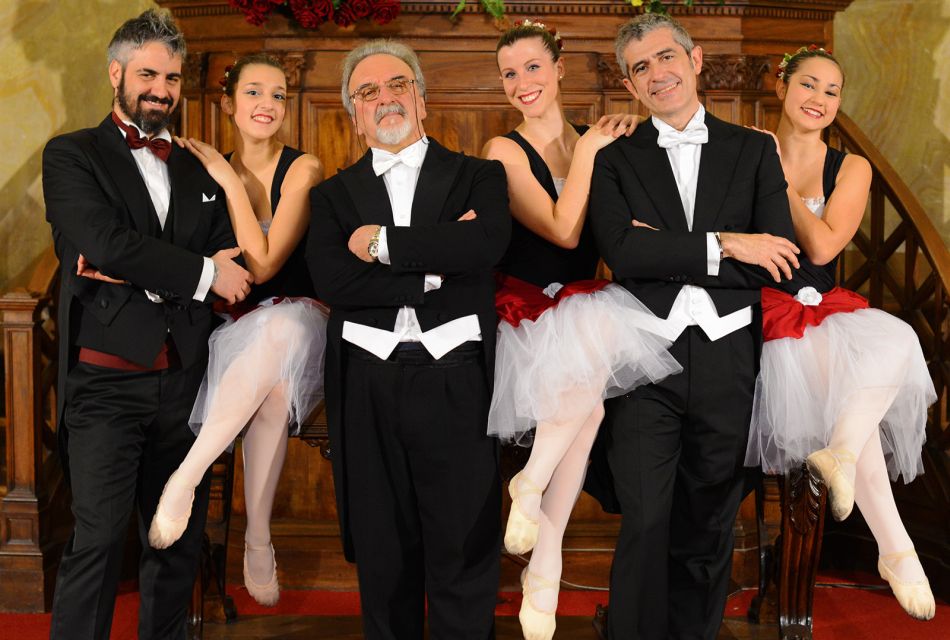
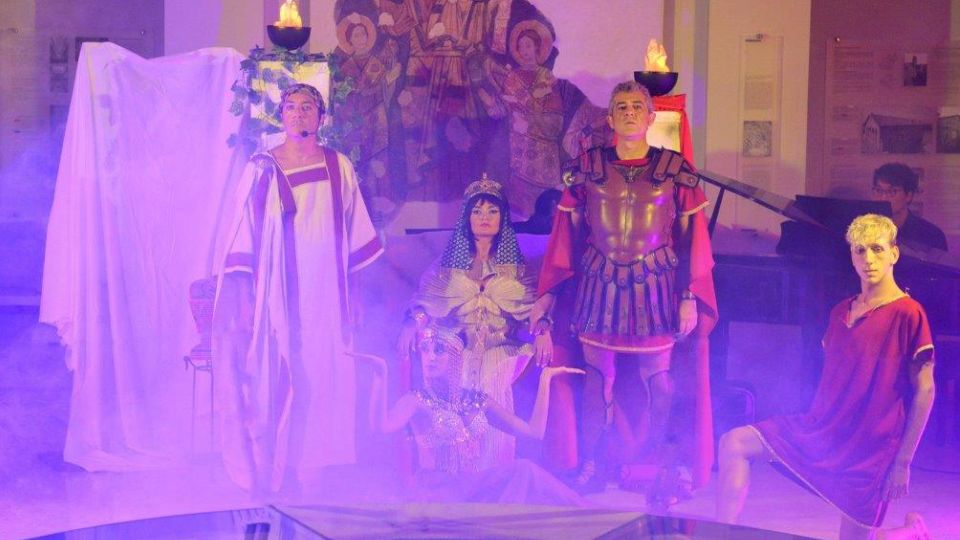
The big question you should ask yourself is what you mean by opera. The pass is advertised as an opera experience, and the program themes often include iconic opera works like La Traviata and Rigoletto. But in Rome’s church and venue scene, “opera” can sometimes translate into an evening built around arias and operatic music rather than a full theatrical production.
That’s why I’d treat your selection step as more than a box-check. When the staff offers choices, I’d ask how the event is structured: is it presented as opera excerpts/arias, is it concert-style, or does it include the full theatrical format? This is the difference between an evening that feels like opera at heart versus one that feels like you walked into a beautiful music concert inside a landmark church.
Also, pay attention to the venue type when you’re deciding. In reviews, the location choice clearly affected how people felt about the experience. For example, one person loved a beautiful church setting for listening to music, while another pointed out that acoustics can vary depending on the building. Same general idea—very different listening experience.
Start at Touristation by Piazza Navona (and why timing matters)
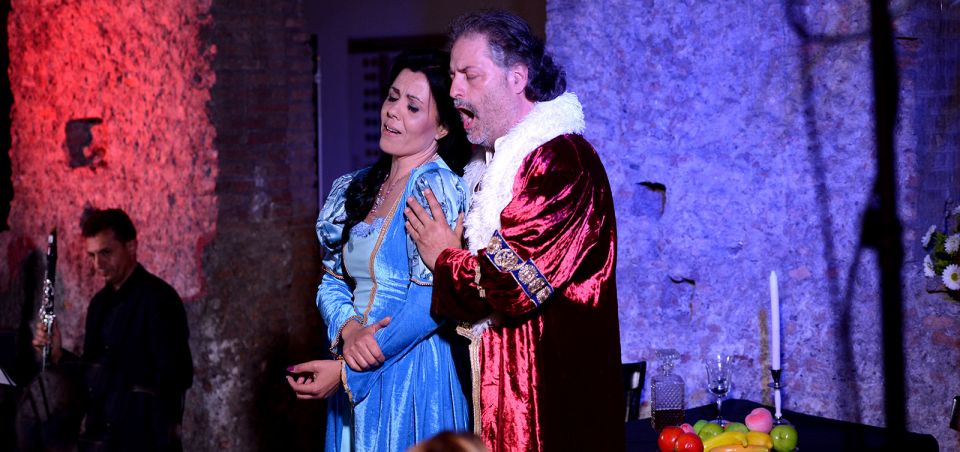
Your first step is simple but important: go to Touristation at Piazza Navona, 25 and check in. This is where multilingual staff greet you and help you choose among multiple night shows available weekly. That means you’re not alone with a vague voucher and a map—you get a real handoff, which makes a difference if you’re trying to fit the show into your evening plan.
Here’s the practical angle: Piazza Navona is one of the easiest areas to get oriented in, but Rome offices can still be a little tricky to spot if you’re arriving late. One booking frustration in the feedback was simply difficulty finding the location. So I recommend you do two things:
- arrive with enough time to confirm you’re in the right place
- use your phone for navigation and look specifically for Touristation signage at that address
You’ll also have free Wi‑Fi at the meeting point, which is handy if you need to confirm the venue details, directions, or start time right before you head out.
Once you’ve checked in and chosen your event, you can shift from “logistics mode” to “music mode.” That’s a big part of the value of this pass.
Venues You Might Hear: Churches, Cathedrals, Museums, and Roman Ruins
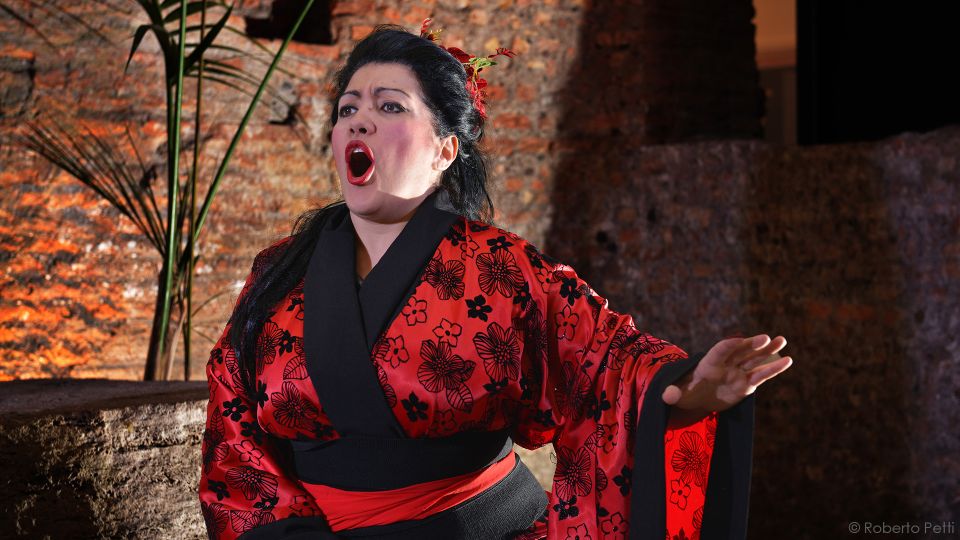
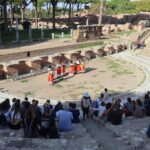
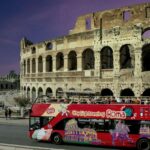
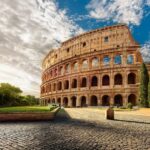
One of the most charming parts of this experience is the variety of settings. The experience is framed around unique locations across Rome—cathedrals, museums, and even Roman ruins-like spaces. In other words, you’re not just paying for music. You’re paying for the Roman “stage” the music sits inside.
A couple of specific venue examples are included in the program details:
- St. Paul’s Within the Walls is highlighted as a place where performances can include Vivaldi (and one review calls the church a work of art)
- Piazza Navona Underground is referenced as a Roman archaeological dig setting for a classic opera concert
How does that help you as a reader? Because venue type changes the whole feel of the evening:
- In a church, you often get strong atmosphere—stone, space, and that church-hall resonance that can make strings and voices feel big.
- In an archaeological dig setting, you might feel the “Rome beneath Rome” vibe more strongly, which can make the music feel like it belongs to the city’s layers.
That said, acoustics are not guaranteed to be perfect in every building. One review noted poor acoustics and called out that the venue didn’t have patrimonial value. So I’d focus your choice by venue type and your own listening priorities. If you’re picky about sound clarity, you may want to pick the venue you think will suit music best—then arrive early enough to find the best seating/position you can.
What the Music Feels Like in Roman Spaces (and what to expect)
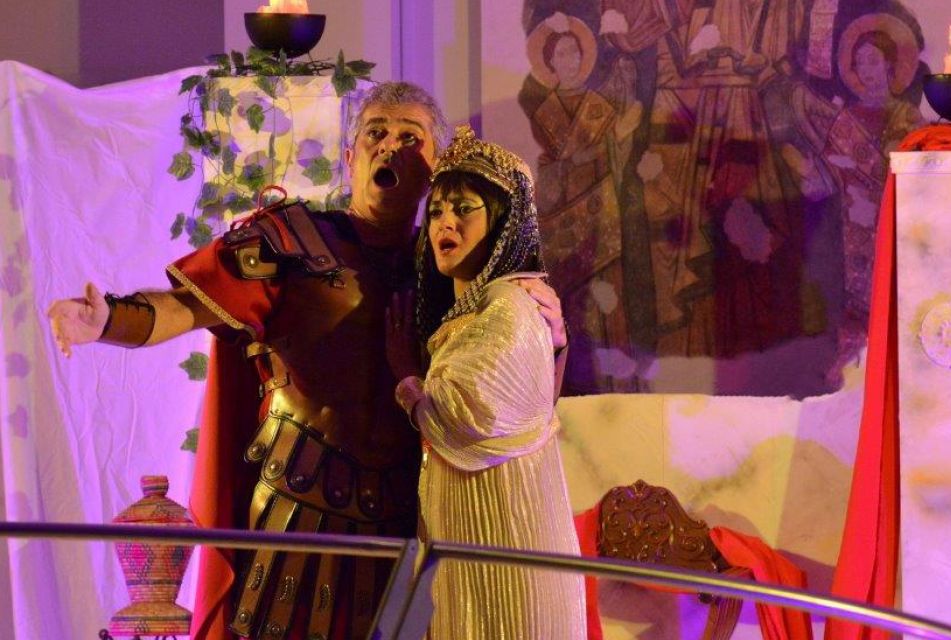
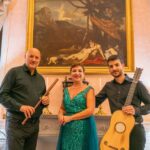
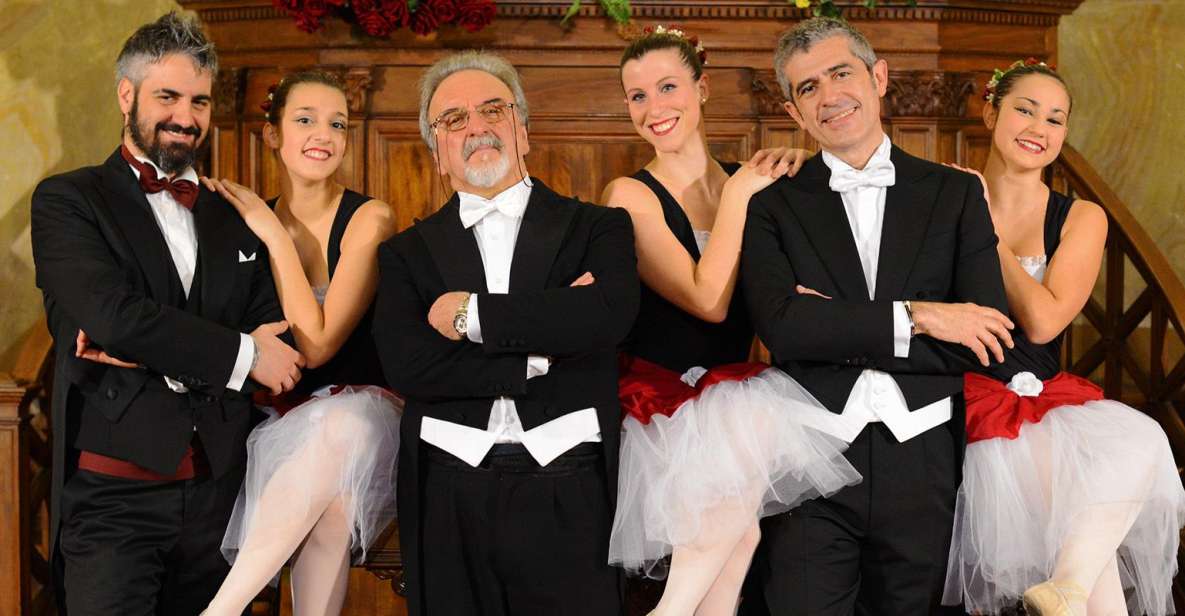
You can expect a focus on orchestral strings and operatic voice work, including arias from major opera titles like La Traviata and Rigoletto. The program also references classic composers beyond opera. Depending on the event you choose, you might hear selections associated with artists like Vivaldi and Bach.
But the “feel” of the evening changes with the venue. In church settings, people often describe the ambience as part of the magic. One review praised the ambience and music as perfect at St. Paul’s Within the Walls, and another specifically highlighted enjoying the architecture alongside the performance. If you’re the kind of person who loves sitting in beautiful spaces while listening, you’ll likely get extra value from these settings.
In contrast, another review complained about acoustics in a particular location. That’s the risk side. In Rome, the city’s landmarks are spectacular, but not every architectural surface is designed for modern concert acoustics. So I’d go in with the mindset that you’re choosing a place as much as a program.
Finally, keep your expectations aligned with the event format. If you’re hoping for a full, modern opera production with staging and costumes, look for details that signal you’re getting the full opera experience rather than an aria-focused program. If you’re happy listening to excellent singing and orchestral performance in a stunning setting, you’re likely to be in the sweet spot.


Price and Value: Is $44 Worth It for Rome Night Music?
At $44 per person, this is positioned as a value-friendly way to experience opera-style music without committing to one fixed production far in advance. The math isn’t just the ticket—it’s what you get to avoid.
Here’s where the value comes from:
- Priority skip-the-line access saves you time at the venue. In Rome, that time often matters as much as the show.
- Staff assistance at check-in helps you choose the right night show from multiple weekly options.
- The open ticket gives you flexibility so you can match the performance to your schedule and tastes.
So when does it feel like a great deal? When you pick a venue you genuinely want to experience and you’re happy with opera excerpts/arias and classical programming. When does it feel less worth it? If you end up with a format that doesn’t match your definition of opera—especially if you were expecting a staged production.
This is why I’d make your selection step intentional. If you treat check-in as a quick formality, you might pick the wrong style for your taste. If you use the staff help to confirm what the evening really is, the price starts to feel very fair for Rome.
Also note the pass includes assistance at the information point and free Wi‑Fi at the meeting point, which is small but real convenience value when you’re managing directions and timing.
Who This Opera Pass Suits Best (and who should skip it)
This is best for people who:
- want flexibility about which opera-style night to attend
- like classical music in major Roman landmarks (church atmosphere or archaeology-adjacent settings)
- care about reducing venue stress with priority access
It’s also a decent choice if you don’t want to spend your vacation evenings comparing dozens of separate tickets and venues. The open ticket approach is built for travelers who want one plan that adapts.
It might be a poor fit if:
- you specifically want a full staged opera with theatrical production elements every time
- you dislike uncertainty about acoustics and prefer only venues with very consistent sound
Practical constraint: it’s not suitable for wheelchair users based on the activity info you’re given. And there are standard on-site rules like no pets and no smoking, including no smoking indoors, plus restrictions around alcohol and drugs and no sprays/aerosols.
Quick practical tips to make your night go smoothly
Even without extra frills, you can make this experience smoother with a few smart choices:
- Arrive a bit early at Piazza Navona, 25, so you have time to confirm your event choice and get directions
- If acoustics matter to you, try to choose the venue that fits your listening preference
- Use the free Wi‑Fi at the meeting point if you need last-minute help with timing or directions
- Plan your dinner so you’re not rushing back through crowds right at the last moment
One more mindset tip: treat the venue as part of the performance. If you go in wanting to hear good music and also enjoy a Roman setting—church space, architecture, or archaeology mood—you’ll get more out of the evening.
Should You Book This Rome Night at the Opera Experience?
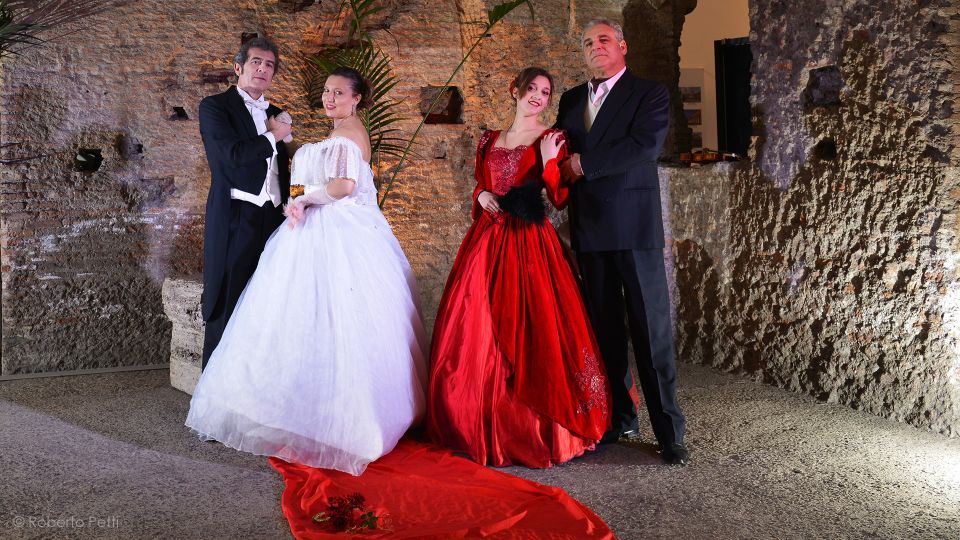
I’d book this if you want an easy, flexible way to experience opera-related music in distinctive Rome venues, with the convenience of priority entry. The $44 price feels most justified when you use the staff at Touristation on Piazza Navona to select an event that matches your expectations, and when you’re open to the idea that some “opera nights” may be aria and classical concert style inside churches or special spaces.
I’d think twice if opera, to you, means a specific kind of theatrical production every time. In that case, take extra care at the selection step and confirm the format before you commit. And if you’re the type who worries about finding meeting points, give yourself buffer time at Piazza Navona so you’re not scrambling.
If you match the experience to your expectations, this can be a very satisfying Rome evening: music you recognize, in places that feel unmistakably Roman.
FAQ
Where do I report first for the opera experience?
You should report first at the Touristation office at Piazza Navona, 25, where multilingual staff welcome you and help you choose from the available night shows.
Can I choose which opera event I attend?
Yes. You get an open ticket and you can choose the opera experience based on the calendar and the style or venue you prefer.
What does priority skip-the-line access include?
It provides priority skip-the-line access to the event, helping you avoid the ticket line at the performance.
What kind of music or works might I hear?
The information includes examples like arias from La Traviata and Rigoletto, and classic composers such as Vivaldi and Bach.
Are there places with special settings like ruins or underground areas?
Yes. The program mentions unique locations such as cathedrals, museums, and Roman ruins, including examples like St. Paul’s Within the Walls and Piazza Navona Underground.
Is Wi‑Fi available at the meeting point?
Yes. The meeting point includes free Wi‑Fi.
Is the experience wheelchair accessible?
No. It is listed as not suitable for wheelchair users.