REVIEW · ROME
Castel Sant’ Angelo: The most famous Fortress of Rome
Book on GetYourGuide →Operated by Vivicos International Travel · Bookable on GetYourGuide
Rome has a fortress with a secret escape story. You’ll walk through Castel Sant’Angelo as it shifts from Hadrian’s tomb to a papal fortress, and you get Angel’s Terrace views that make the climb feel worth it. I also like that it’s self-paced, so you can linger where you care most. One thing to keep in mind: this experience depends heavily on your smartphone and working audio/entry setup, so I’d plan a moment to get it right before you start.
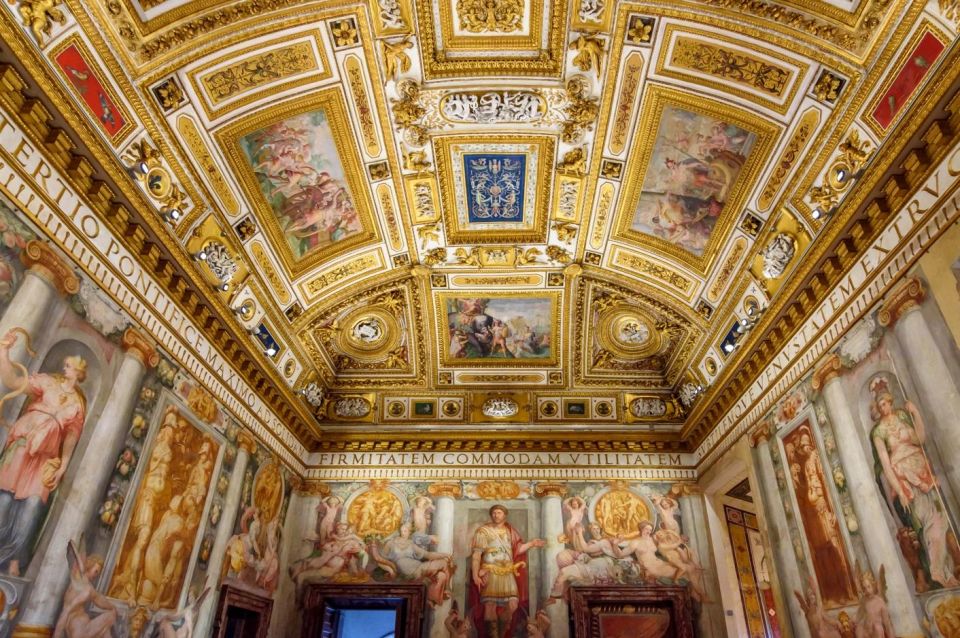
In about 2 hours, you’ll move from the Papal Rooms to the prison-era storytelling spaces, then up through the spiral staircase and into the Hall of Emperor Hadrian’s Ashes. The layout is built for wandering, not rushing, and the elevated setting gives you that Rome-in-miniature feeling as you go.
If you’re looking for a live guide who answers questions on the spot, note that this option doesn’t include one. You’ll have a smooth, independent route, plus an optional audio guide if you choose that add-on.
In This Review
- Key Things I’d Pay Attention To
- Castel Sant’Angelo in One Sentence: Tomb Turned Fortress
- Why that connection is more than trivia
- Price and What You’re Really Paying For (Not Just the Number)
- Skip-the-Line Entry: How It Changes Your Time Budget
- The one logistical detail you should not ignore
- Your 2-Hour Route: Papal Rooms, Staircase, and Hadrian’s Ashes
- Papal Rooms: where the fortress vibe clicks
- Spiral Staircase: more than movement
- Hall of Emperor Hadrian’s Ashes: the origin comes back
- Prison and execution context: the story gets darker
- Angel’s Terrace: The Rome View Stop You Don’t Want to Rush
- Why this terrace works even if you dislike “view fatigue”
- Audio Guide Setup: Make It Work Before You Start
- Two practical tips to avoid frustration
- Entrance Rules: What You Can’t Bring (and Why)
- Who This Works Best For (And Who Might Prefer Something Else)
- Common Snags to Watch For Before You Go
- Should You Book This Castel Sant’Angelo Entry With Optional Audio?
- FAQ
- How long is the visit?
- Does this include a live guide?
- Is the audio guide included?
- Do I need a smartphone and headphones for the audio guide?
- Can I download the audio guide later during the visit?
- What languages are available for the audio guide?
- Is transportation included?
- What’s required to enter?
- Are pets allowed?
- Are there restrictions on what I can bring?
Key Things I’d Pay Attention To
- Skip-the-line access via a separate entrance saves you time at the busiest hours
- Self-paced museum flow means you control how long you spend in prisons, rooms, and stairways
- Hadrian to the popes: you’ll see how a Roman tomb became an escape fortress
- Angel’s Terrace views are the payoff stop for skyline time and photos
- Audio guide requires prep: download before you start if you’re using the option
- Nominative tickets: you must enter participant full names for purchase
Castel Sant’Angelo in One Sentence: Tomb Turned Fortress
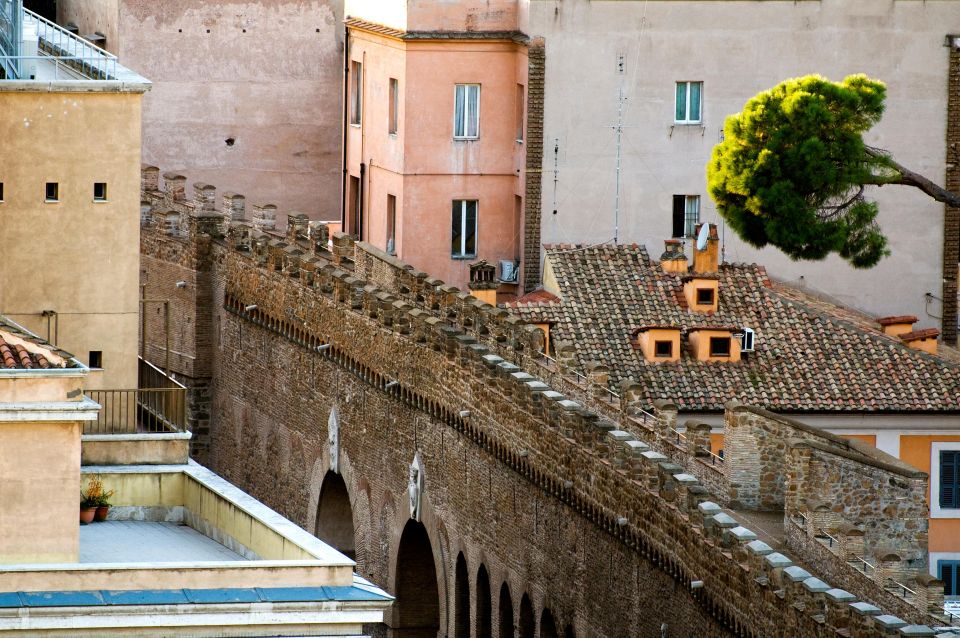
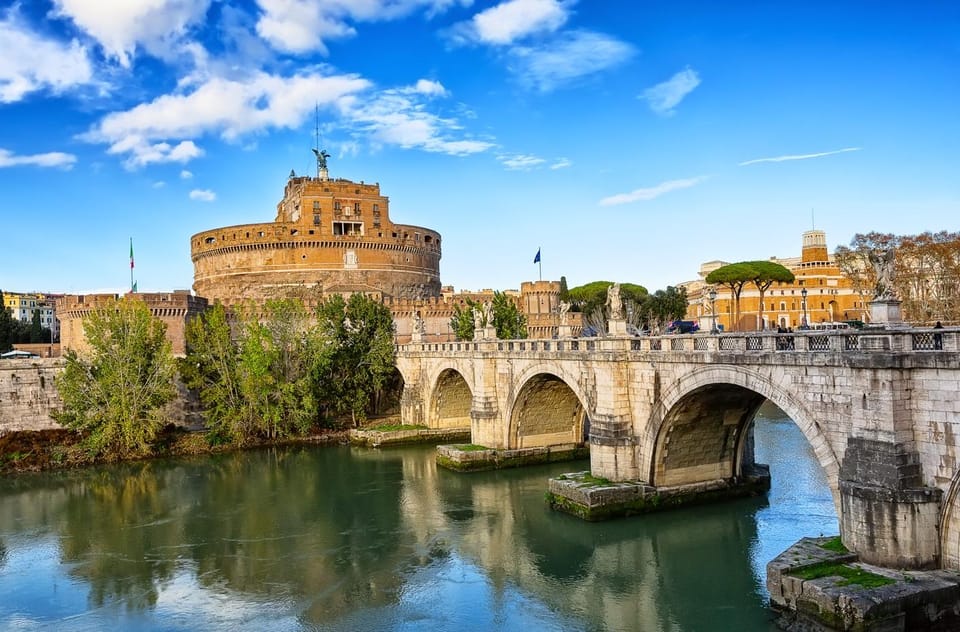
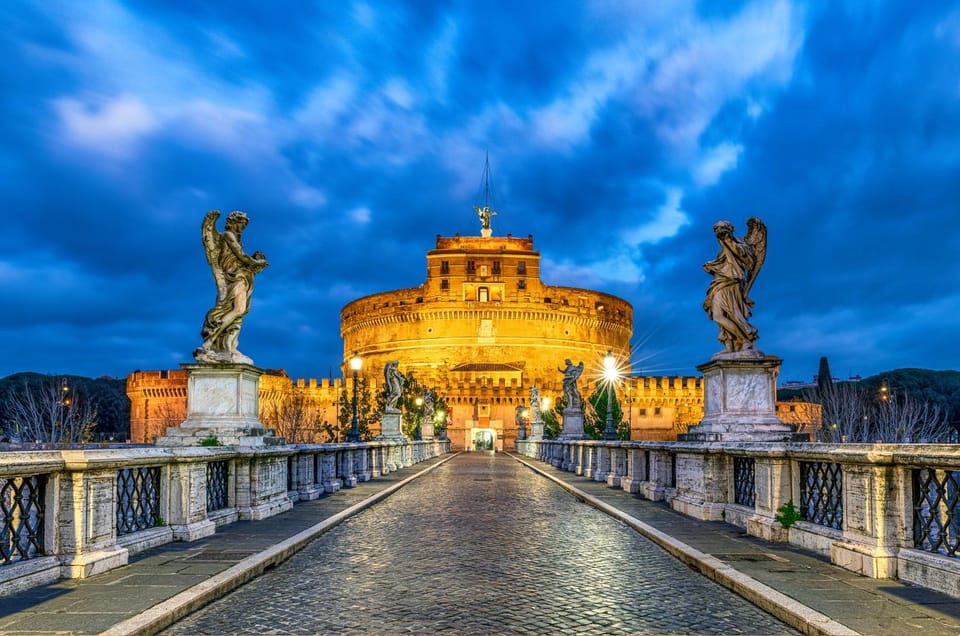
Castel Sant’Angelo is one of those Rome places where the building itself does the storytelling. It began in Roman times as the tomb of Emperor Hadrian, and long after, it became a papal fortress in the early Renaissance. That shift matters, because it explains why you’ll feel two different vibes inside: Roman grandeur below, then tightly controlled fortress life in later centuries.
What I love about the concept here is that it’s not just a monument you pass by. You’re stepping into a structure that kept changing jobs, from monument to stronghold to a place tied to punishment and escape.
You can also read our reviews of more tours and experiences in Rome.


Why that connection is more than trivia
You’ll hear the practical reason popes cared: the castle was connected to the Vatican Palace via an elevated walkway, used as an escape route if danger came. Even if you’re not thinking about political drama, it changes how you look at the spaces. Hallways, rooms, and the overall defensive layout start to make sense as you move through.
Price and What You’re Really Paying For (Not Just the Number)
The listed price is $39 per person, for a 2-hour visit window. The entrance ticket cost for Castel Sant’Angelo is €16 per person, and additional service/processing fees apply on top.
So is it “worth it”? Here’s how to think about it:
- If you want convenience (skip-the-line through a separate entrance) and a smooth entry, the add-on value can make sense.
- If you’re happy figuring everything out yourself and don’t mind queues, you may choose differently.
- If you choose the audio guide option, factor in that you’ll be using a smartphone setup, not a live guide.
Also, this isn’t just a ticket with a QR code and good luck. The offer includes a Castel Sant’Angelo ticket if that option is selected, and an audioguide only if you selected that option. Transportation is not included, and there’s no live guide included.
One more note for your planning brain: if you book “Fast Track Tickets,” they must be booked at least one day before your visit. If you’re the last-minute type, you’ll want to avoid that option.
Skip-the-Line Entry: How It Changes Your Time Budget
Castel Sant’Angelo can feel like a time trap if you lose minutes to waiting. This is why the skip-the-line part matters. You enter through a separate entrance designed for ticket holders.
You’ll still need to plan for security screening (and follow the rules inside—more on that soon), but you can protect your visit time so you actually see the key parts. With only 2 hours available, every saved minute becomes more terrace time, more room time, or less rushing.
The one logistical detail you should not ignore
The meeting point may vary depending on the option booked. Before you go, double-check the specifics tied to your ticket choice so you don’t waste your prime viewing window trying to find the right entrance.



Your 2-Hour Route: Papal Rooms, Staircase, and Hadrian’s Ashes
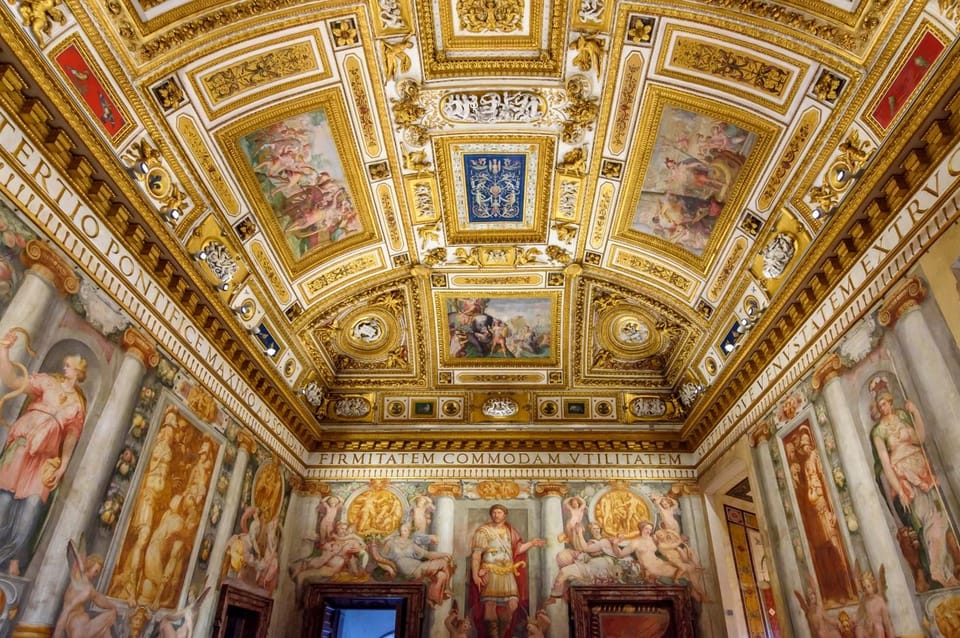
This experience is designed to feel like a guided path without the guide. You move at your own pace, following the route through major spaces rather than being marched from stop to stop.
Papal Rooms: where the fortress vibe clicks
You’ll start in the Papal Rooms. These spaces help explain the castle’s transformation after the Roman period. Even without a live guide, the audio option (when selected) is meant to connect what you’re seeing to what the building became under papal control.
The “why” behind the rooms is simple: popes needed a defensive seat, not just a fancy viewing platform. Once you’re inside, you can sense how the setting supports that purpose.
Spiral Staircase: more than movement
Next comes the spiral staircase. I like this kind of stop because it’s practical and atmospheric. It breaks up the visit with a physical transition, and it naturally sets you up for the viewpoint moment later.
It also gives your brain a checkpoint. When you reach the next area after the staircase, you feel like you’ve entered a new chapter.
Hall of Emperor Hadrian’s Ashes: the origin comes back
Then you reach the Hall of Emperor Hadrian’s Ashes. This is the “full circle” stop. If you started by thinking “fortress,” this is where the Roman identity returns and makes the entire castle make more sense.
When a place like this contains both origins and later changes, the most satisfying visits are the ones where you experience the contrast. That’s what this stop is built for.
Prison and execution context: the story gets darker
Castel Sant’Angelo isn’t shy about its role as a prison, and it includes spaces tied to punishment and execution. You also learn that famous prisoners passed through, including goldsmith Benvenuto Cellini and Cagliostro.
Even if that’s not your usual museum interest, I’d treat it as part of the “how power worked” picture. Rome didn’t just build monuments; it also built systems—and this castle shows how authority used architecture.
Angel’s Terrace: The Rome View Stop You Don’t Want to Rush
If you only care about one highlight, make it Angel’s Terrace. The terrace is where the fortress becomes a viewpoint stage.
From up there, Rome starts to look like a map. You can see how the city spreads out, and you get the kind of skyline perspective that turns photos from random to meaningful.
Why this terrace works even if you dislike “view fatigue”
Some terraces are just “look and leave.” This one feels different because it sits on top of layers of function: tomb, fortress, prison, papal escape route. You’re not just staring at buildings; you’re looking at the city from a place that was designed for control and survival.
So you get two benefits at once:
1) a great view
2) a better understanding of why this location mattered
Audio Guide Setup: Make It Work Before You Start
This is the part that can make or break your experience.
If you selected the audio guide option, you should know:
- Languages available include Spanish, French, Italian, English, German, and Chinese.
- You must have a smartphone and headphones.
- If you bought the audio guide option, download the audio guide before you start where you have wifi. Once downloaded, it works without wifi.
That matches real-world visitor reality: inside, connections can be spotty, and audio is harder when your phone is still hunting for a network.
Two practical tips to avoid frustration
- Charge your phone before you arrive. A map app and photos add up.
- Bring headphones that fit comfortably. The audio guide depends on them, and you don’t want to spend your best terrace minutes adjusting earbuds.
Also, because tickets are nominative, you’ll want to enter participant full names accurately when purchasing. A mismatch can cause problems at entry.
Entrance Rules: What You Can’t Bring (and Why)
Castel Sant’Angelo has clear rules, and they’re there for safety and crowd flow. Here’s what you should plan for:
Not allowed:
- weapons or sharp objects
- baby strollers
- luggage or large bags
- pets (assistance dogs allowed)
- alcohol and drugs
Bring:
- a passport or ID card
If you’re traveling with a lot of stuff, this is where it helps to travel light. You’ll enjoy the visit more when you’re not stuck dealing with storage constraints you didn’t plan for.
Who This Works Best For (And Who Might Prefer Something Else)
This self-guided entry is a strong match if you:
- like exploring at your own pace
- want the main highlights in about 2 hours
- enjoy audio guidance more than a live lecture
- care about connecting Roman origins to later papal power
It may be less ideal if you:
- need a live guide to explain everything and answer questions in real time
- are worried about smartphone dependence
- have trouble using audio instructions or downloading content beforehand
If you’re with kids, remember the no-baby-stroller rule, and focus on whether your group can handle the pace and layout on your feet.
Common Snags to Watch For Before You Go
I’ll be practical here. The experience depends on smooth ticket access and audio access, and a couple of patterns show up with issues when something isn’t set up correctly in advance.
Here’s what I suggest you do:
- Check that your ticket details (full names) match what you enter at purchase. This is a nominative ticket requirement.
- If you’re using a ticket option that includes audio, confirm the audio access is ready before you arrive.
- Download the audioguide before starting when you have wifi, then switch to headphones and go.
If something looks off, take action quickly rather than waiting until you’re already inside and time is running.
Should You Book This Castel Sant’Angelo Entry With Optional Audio?
I’d book it if you want a high-value Rome fortress experience without the pressure of a live guide, and you’re comfortable using a smartphone and downloading audio ahead of time. The skip-the-line access plus a focused 2-hour plan is exactly the kind of setup that works in Rome when you have limited daylight.
I’d pass or consider an alternative if you strongly prefer human guidance, or if you don’t want to deal with audio tech and ticket correctness.
If you’re the type who enjoys walking through layers of time—Hadrian first, then the popes, then the fortress and prison story—Castel Sant’Angelo is one of the best ways to get that in a compact visit.
FAQ
How long is the visit?
The experience is designed for about 2 hours, with valid starting times based on availability.
Does this include a live guide?
No. A live guide is not included.
Is the audio guide included?
It depends on the option you select. The audioguide is included only if you chose the audio guide option.
Do I need a smartphone and headphones for the audio guide?
Yes. The audio guide requires a smartphone and headphones to use properly.
Can I download the audio guide later during the visit?
If you chose the audio guide option, you should download it before you start while you have wifi. After downloading, it works without wifi.
What languages are available for the audio guide?
Spanish, French, Italian, English, German, and Chinese.
Is transportation included?
No. Transportation is not included.
What’s required to enter?
Bring a passport or ID card.
Are pets allowed?
Pets are not allowed, but assistance dogs are allowed.
Are there restrictions on what I can bring?
Yes. Weapons or sharp objects, baby strollers, luggage or large bags, alcohol and drugs are not allowed.