REVIEW · ROME
Rome: Vatican and Rome Experience Pass
Book on GetYourGuide →Operated by TICKETSTATION SRL · Bookable on GetYourGuide
Three days in Rome, and you get choices. This Vatican and Rome Experience Pass is a smart way to mix big-ticket sights with guided walks, underground stops, food, and even transport—without locking yourself into one fixed schedule. It’s built around reserved entrance and skip-the-line benefits so you can spend your time seeing, not queueing.
What I like most is the flexibility. You choose a 3-, 5-, or 7-choice package, then staff at the Touristation Office help customize what goes into your days. I also really appreciate the anchor options: Vatican Museums and Sistine Chapel come as a skip-the-line ticket, and the Colosseum area gets reserved entry options across the Forum and Palatine.
The main thing to watch is planning. This isn’t one guided loop you can forget about. You’ll want to line up your timed entries early, and there’s a specific rule for the Colosseum area: you’re asked to reserve your spot at least 3 days before your visit.
In This Review
- Key things to know before you pick your choices
- How the 3-day Vatican and Rome Experience Pass really works
- The trade-off: less hand-holding, more decision-making
- Vatican Museums and Sistine Chapel: the priority ticket that saves your morning
- St. Peter’s Dome: skip-the-line is not included
- Add-ons in the Vatican zone that can balance your day
- Stacking the Colosseum experience: reserved entrances and Forum power
- A key planning rule you should not ignore
- A smart way to pair it with underground options
- Pantheon and Trevi combos: time-savers near your “Rome center”
- Guided vs skip-the-line: what’s the difference for you?
- Trevi underground can be a good “break”
- Roman underground and catacombs: more texture, less predictability
- Food and drinks: where this pass can feel like real value
- A practical tip: protect at least one meal slot as a treat
- Museums and palazzi: choose your vibe, not just your targets
- One bonus pattern I like
- Guided walking tours that work in real time
- Getting around without stressing: hop-on, metro, bikes, boat
- Nightlife and seasonal add-ons: opera and Roman Forum light show
- Day trips beyond Rome: Castel Gandolfo, Ostia, Tivoli, Pompeii
- Price and value: is $125.75 per person a smart buy?
- Who this pass suits best
- Should you book the Rome and Vatican Experience Pass?
Key things to know before you pick your choices
- 3-day validity, 3/5/7 attractions: You’re buying a set of “entries” you assign to your trip days.
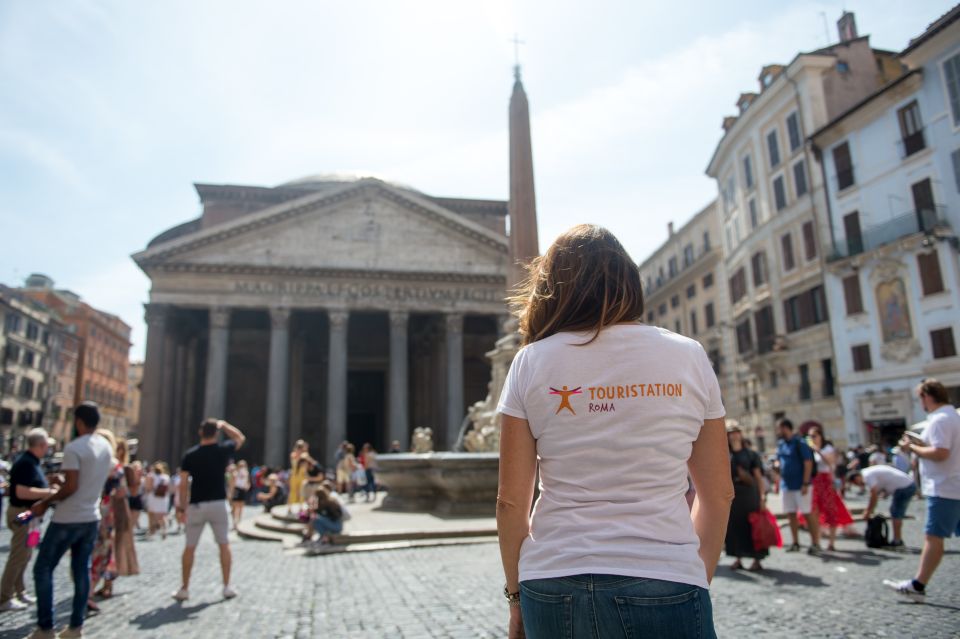
- Choose at the office (Piazza Navona 25): The Touristation Office staff helps you customize your exact mix.
- Skip-the-line highlights: Vatican Museums and Sistine Chapel, plus other skip-the-line tickets at select museums.
- Colosseum area timing matters: Plan ahead and follow the request to reserve at least 3 days prior.
- You can add Roman underground and food: Virtual-glasses experiences, catacombs, and Trastevere tastings can fit smoothly between big sights.
- Outside Rome day trips are not bundled with transport: You’ll want to factor how you’ll get there.
How the 3-day Vatican and Rome Experience Pass really works
This pass is essentially a bundle of pre-arranged entries and experiences that you assign to your trip. Instead of one single tour with one route, you build a mini “greatest hits” plan using your 3, 5, or 7 choices.
Your starting point is practical: you redeem your voucher at the Touristation Office at Piazza Navona 25, open 9:00–18:00. From there, you can select your combination with help from staff. The experience ends back at the meeting point, which matters because you’re not wandering Rome with a scattered set of separate ticket counters.
Two things make this kind of pass work well in Rome. First, the city is full of top sights that are hard to navigate efficiently without some priority entry. Second, Rome is so walkable that you can turn “a half-day” into “a full day” if your tickets reduce friction.
You can also read our reviews of more tours and experiences in Rome.

The trade-off: less hand-holding, more decision-making
Because you’re customizing, the quality of your trip depends on choosing the right mix of priorities. If you pick a lot of timed items on the same day, you’ll feel rushed. If you spread them out—one big anchor morning, one major sight later, and then walking/underground/food options in between—you’ll get the smoothest experience.
Vatican Museums and Sistine Chapel: the priority ticket that saves your morning
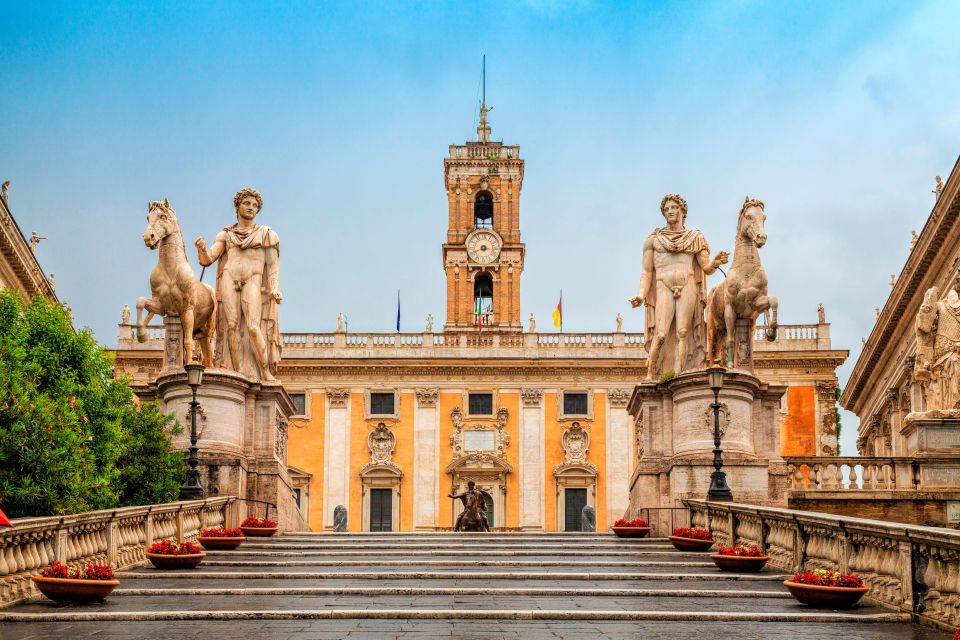
If your Rome plan includes only one “big” ticket, make it the Vatican Museums and Sistine Chapel skip-the-line entry. This is the kind of benefit that often justifies a pass on its own, because long waits can steal the best part of the day.
What you should expect here is straightforward: you’re getting the core Vatican pairing, the one most people plan their trip around. Since the ticket is explicitly described as skip the line, you should plan your day around showing up in time for your entry window and then moving into the collection flow.
St. Peter’s Dome: skip-the-line is not included
A smart distinction: St. Peter’s Dome and audioguide is listed as NO skip the line. That means you should treat the dome as a separate planning decision. If you’re trying to protect your time, you might schedule the dome for a moment when you’re least sensitive to lines, or pair it with other nearby Vatican-area stops.
Add-ons in the Vatican zone that can balance your day
The pass also offers other Vatican-area options that can make your day feel less “all museums, all day”:
- Basilica Santa Maria Maggiore with audioguide and dome ticket
- Secrets of the Passetto: Vatican’s Hidden Path of Mystery
Those are useful when you want a change of pace after the museums. Also, audioguides help if you want more control over timing—especially if you’re the type who pauses when something catches your eye.


Stacking the Colosseum experience: reserved entrances and Forum power
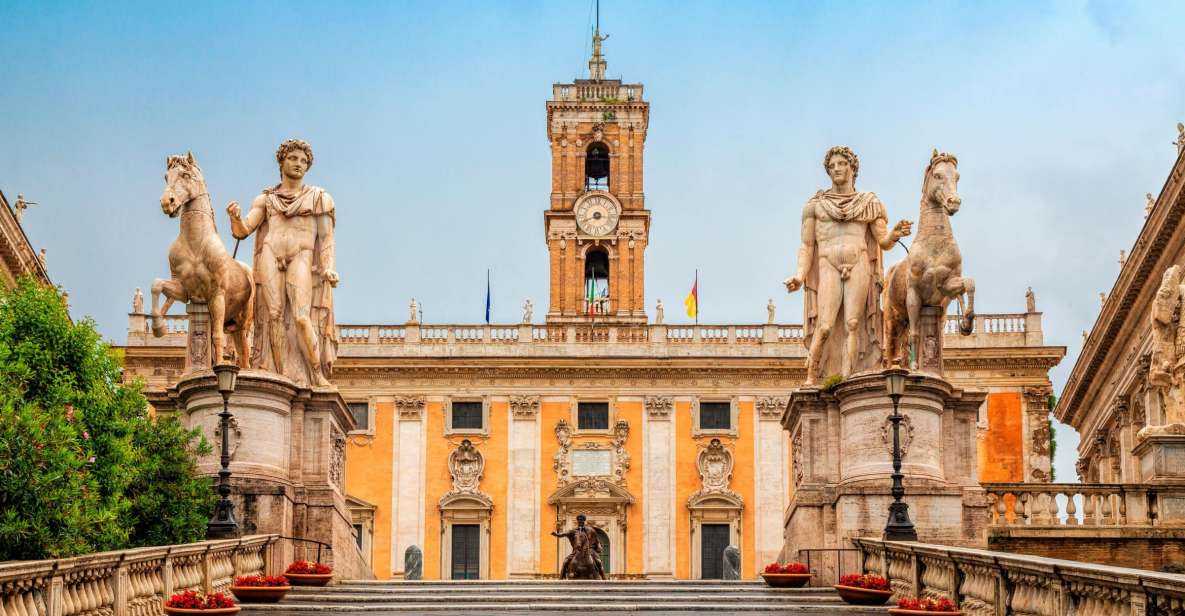
Rome’s iconic history block is the Colosseum area, and this pass gives you multiple ways to tackle it. You can choose reserved entrance options such as:
- Colosseum, Roman Forum and Palatine Hill (reserved entrance)
- Roman Forum and Palatine Hill with Super Sites reserved entrance
- Trajan’s Markets reserved entrance
- Caracalla Baths reserved entrance
- Largo Argentina reserved entrance
- Circo Maximo Virtual Reality experience reserved entrance
Here’s why this matters: the Colosseum area is where “I thought I had time” can turn into “where did the day go?” Reserved entry reduces the drag, but the sights themselves still take real attention.
A key planning rule you should not ignore
The pass info specifically asks you to reserve your spot at least 3 days before your visit due to new ticket rules in the Colosseum area. That’s not the kind of detail you want to discover late. If you’re booking this pass, plan your Colosseum day early and then match the reserved entry request as soon as you can.
A smart way to pair it with underground options
If you like variety (and who doesn’t in Rome?), the pass also includes underground add-ons tied to the city center, like Navona underground and Trevi District underground. Pairing a Colosseum-area anchor day with an underground or evening plan later can help you avoid repeating the same kind of sightseeing.
Pantheon and Trevi combos: time-savers near your “Rome center”

The Pantheon is one of those sights where efficient entry changes everything. This pass includes both guided and skip-the-line options around the Pantheon and Trevi area.
You may choose:
- Pantheon Guided Tour (English only)
- Navona, Pantheon + Trevi Fountain Walking Tour (English only)
- Pantheon Skip the Line ticket with Virtual Glasses Reality
- Trevi District Underground Guided Tour (with reserved entrance)
- Trevi District Underground reserved entrance with audioguide
- Trevi District Underground Guided Tour (also shows up as a walking option)
Guided vs skip-the-line: what’s the difference for you?
If you choose the English-only guided options, you’re buying a clearer story and a smoother first visit. That’s especially helpful if you want to understand what you’re looking at without needing to research every stop.
If you choose the Pantheon skip-the-line + virtual glasses version, you’re trading the live guide experience for tech-assisted interpretation and speed. Either approach can work; the best choice depends on how you like to see Rome—through people talking, or through guided interpretation via audio/visual tools.
Trevi underground can be a good “break”
Normal Trevi and the surrounding streets can be intense for your senses. Underground options give you a different scale and pace. Even if you skip some “best-of” extras, adding one underground experience often makes the day feel more rounded.
Roman underground and catacombs: more texture, less predictability
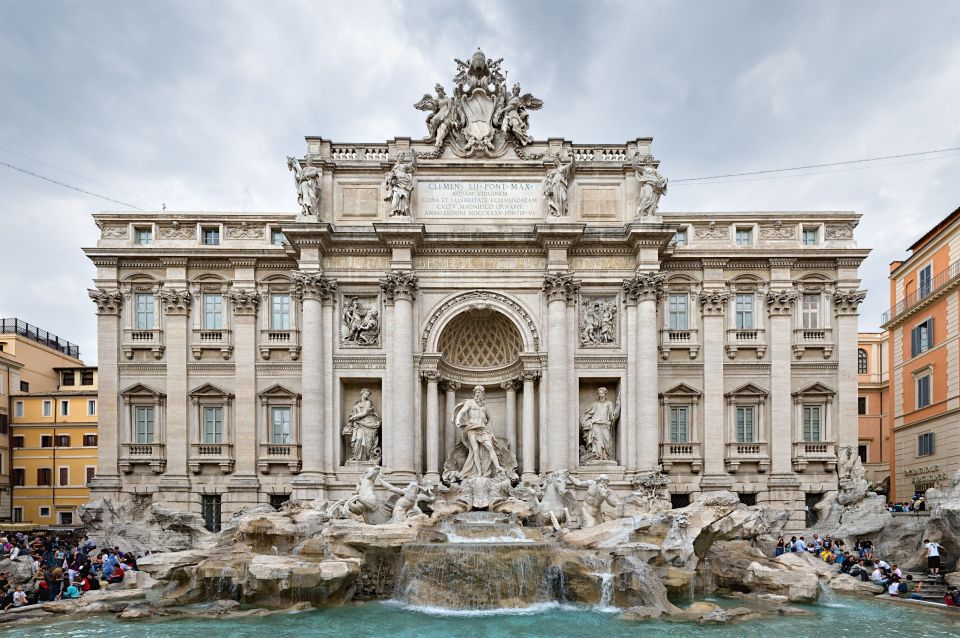
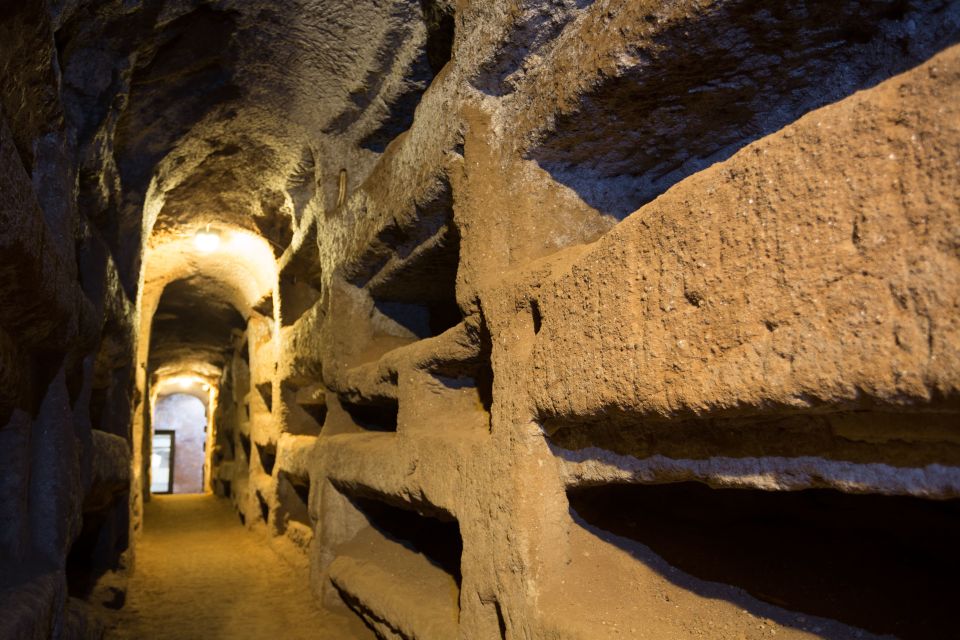
Rome Underground is where this pass can surprise you—in a good way. You can pick underground-related experiences like:
- Navona Underground reserved entrance with Virtual Glasses Reality
- Trevi District Underground reserved entrance with audioguide
- Catacombs Guided Tour with transfer
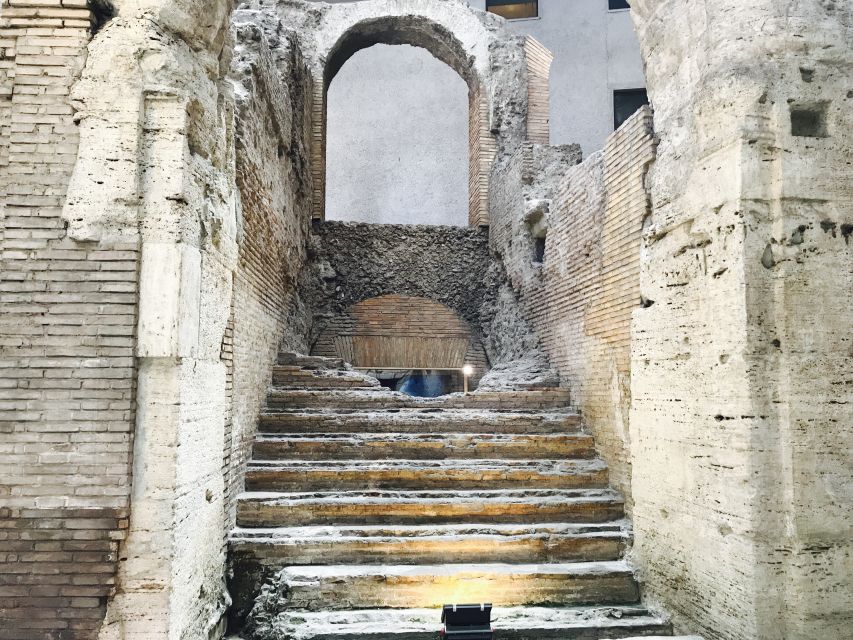
- Rome Underground: A Walking Tour of Navona and Domitian Stadium
If you’re tired of just seeing the surface, underground choices can feel like a “different city” without leaving Rome. The catacombs option also includes transfer, which is helpful because it removes one logistical headache.
Food and drinks: where this pass can feel like real value
Not all Rome passes are worth it if you never spend on meals. This one includes food experiences, which can matter a lot for overall value.
Your food-related choices include:
- Panoramic Terrace Breakfast/Aperitif next to the Vatican or Colosseum
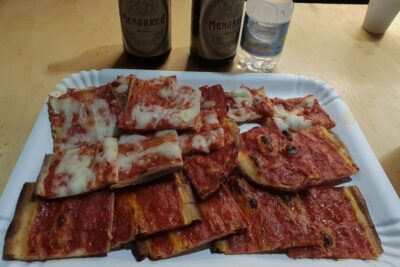
- Pizza Tasting or Wine Tasting at Cicero
- Pasta Lovers at Trattoria La Botte Antica
- Food experience tours like a food tasting tour in Trastevere or a guided culinary food tour
I like the way this gives you two styles of eating. You can do a guided tastings approach in neighborhoods like Trastevere (good if you want structure), or you can pick a “sit down and enjoy the moment” option such as the panoramic terrace breakfast/aperitif.
A practical tip: protect at least one meal slot as a treat
With so many attractions available, it’s easy to turn every day into a checklist. If your package includes one food experience, treat it as a buffer. Schedule it when you’ve already done a few sights—so you’re not rushing a meal because of another timed entry.
Museums and palazzi: choose your vibe, not just your targets
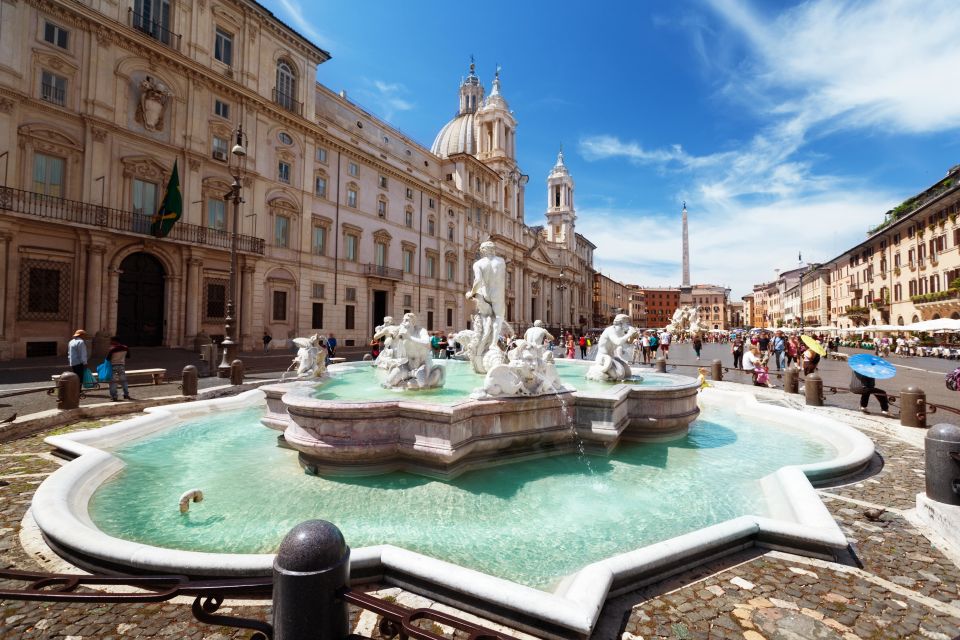
This pass doesn’t only cover the obvious giants. You can also build in museum and palace visits, including skip-the-line or reserved entry options like:
- Capitoline Museums skip the line
- Leonardo da Vinci Experience with audioguide
- Castel Sant’Angelo skip the line
- National Roman Museum (Palazzo Altemps, Baths of Diocletian, Palazzo Massimo) reserved entrance
- Palazzo Valentini, Doria Pamphilj Gallery, Palazzo Barberini, Palazzo Corsini reserved entrance
- Cappuccini Crypts reserved entrance
- Altar of the Fatherland Elevator reserved entrance
- St. Agnese in Agone Church and Crypt
This is where you should be picky in the best way. Don’t add every museum because they’re available. Pick the ones that match your interests:
- If you want art and collections, consider the galleries and Capitoline Museums.
- If you want Roman-era focus, National Roman Museum options and Trajan’s Markets can fit nicely.
- If you like variety and atmosphere, crypt and church options can add a different kind of Rome day.
One bonus pattern I like
Use your “big skip-the-line” day (Vatican or major museum) and then add one smaller reserved museum on a different day. That keeps your energy stable and helps your brain absorb more.
Guided walking tours that work in real time

If you like a plan you can follow on foot, the pass includes several 1-hour walking guided tours. Examples include:
- Navona, Pantheon + Trevi Fountain Walking Tour (English only)
- Leonardo da Vinci Museum: Creative Exploration
- Rome Underground: A Walking Tour of Navona and Domitian Stadium
- Food tasting tour in Trastevere or a guided culinary food tour
- Pantheon Guided Tour (English only)
- Trevi District Underground Guided Tour
One detail that matters: some of the tours are explicitly English only, so if language comfort is a priority, check before you lock that in.
Getting around without stressing: hop-on, metro, bikes, boat
Rome is easy to explore by foot, but it’s also easy to overdo walking. This pass includes several transport options so you can swap methods based on your energy and your day plan:
- Open ticket 1 day Hop-on Hop-off
- Public transportation ticket 72 hours
- Classical bike rental 4 hours
- Boat panoramic ticket
This is a big deal if you’re doing multiple attraction days. You can use transit to connect neighborhoods efficiently, then walk the remaining distance when it’s pleasant. The boat option is also a good way to break up long museum days with scenery.
Nightlife and seasonal add-ons: opera and Roman Forum light show
This pass also lists evening-style options:
- A night at the Opera
- Light show at the Roman Forum (Summer only)
These are the kinds of add-ons that work well if you want Rome to feel more than daytime sightseeing. If you’re visiting in summer, the Roman Forum light show can be a memorable way to revisit the site after the day crowd energy fades.
Day trips beyond Rome: Castel Gandolfo, Ostia, Tivoli, Pompeii
If you want to stretch your 3 days with something different, the pass lists several outside Rome options, but there’s an important note: transportation is not included.
You can choose among:
- Pontifical Villas Castel Gandolfo minibus
- Castel Gandolfo: Vatican Observatory experience
- Castel Gandolfo: Papal Apartments and Secret Garden Ticket
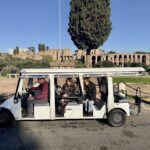
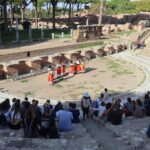
- Ancient Ostia reserved entrance + golf cart
- Tivoli Villas (Villa Adriana or Villa D’Este reserved entrance)
- Pompeii skip the line tickets and audioguide
Here’s how I’d think about this. With only a 3-day window, day trips can be great if you keep the rest of your plan tight. But don’t stack too many “get out of Rome” options on the same day, because travel time eats your buffer.
Price and value: is $125.75 per person a smart buy?
At $125.75 per person, the pass only feels “worth it” if you actually use enough high-value options. The key is that you’re not just buying entries—you’re buying time savings and planning help.
This is when the pass tends to pay off:
- You plan to include Vatican Museums and Sistine Chapel (skip-the-line)
- You want Colosseum area reserved entrance and you’re willing to follow the advance reservation request
- You also add one or more other skip/reserved picks like Capitoline Museums or Castel Sant’Angelo
Where it can feel less attractive:
- If you pick mostly low-overhead sights and skip the big timed anchors
- If you end up not customizing well and choose items that don’t fit together efficiently
The best strategy is simple: choose at least one “major skip/reserved” anchor per 24 hours you’re using the pass.
Who this pass suits best
This is a great fit if you:
- Like a flexible plan you shape at the office
- Want priority entry for the biggest Vatican and Colosseum-area bottlenecks
- Prefer choosing between guided walking, underground experiences, and food treats rather than only museums
- Can handle a bit of pre-planning (especially the Colosseum area advance reservation request)
It may not be ideal if you:
- Want one full guided itinerary with no decisions
- Hate coordinating timed entries
- Expect every included item to be skip-the-line (some are explicitly not)
Should you book the Rome and Vatican Experience Pass?
I’d book it if you’re building a classic Rome-Vatican highlights plan and you know you’ll hit the Vatican and the Colosseum area. The skip-the-line Vatican Museums option plus the reserved Colosseum-area entries can make the pass feel like a shortcut.
I’d be cautious if your visit depends on a very rigid day-by-day plan with zero flexibility. You’ll do better if you treat this pass like a menu: pick your anchors, spread them across your 3 days, and then fill in with walking tours, underground stops, and one food experience.
In short: if you want Rome without wasting your best hours in lines, and you’re willing to make a few smart choices, this is a solid way to do it.