REVIEW · ROME
Colosseum: Underground and Ancient Rome Tour
Book on GetYourGuide →Operated by The Ultimate Italy · Bookable on GetYourGuide
The Colosseum feels bigger when you go under it. This 3-hour guided tour adds the Underground chambers and arena access that most visitors never see, plus a guided walk through the Roman Forum and Palatine Hill so you understand what you’re looking at. The main downside: the tour is a lot of walking, and you don’t get unlimited time to roam the top of the Colosseum on your own.
I like how this is not just a photo stop. You get a real guided flow through the Forum/Palatine first, then down into the spaces where gladiators and animals were kept, and finally out onto the arena floor and upper areas with a guide to point out what matters. One practical consideration: it’s not suitable for wheelchair users or people with mobility impairments.
If you’ve ever done a self-guided ticket and felt like you missed half the story, this tour is built to prevent that. With headsets, a licensed guide, and a structured route, you spend your time learning instead of wandering.
In This Review
- Key highlights worth planning around
- Why Underground access is the real prize
- Roman Forum and Palatine Hill: the story before the stadium
- Entering the Colosseum: from reserved entry to real understanding
- Under the floor: gladiators, animals, and the hidden workflow
- Walking onto the arena floor and imagining the emperor’s moment
- Second-tier access and the Colosseum at multiple heights
- Price and value: what your $160 is actually paying for
- Logistics that can make or break your experience
- Is this too much walking? Who should book, and who should skip
- The guides: the difference between seeing it and getting it
- Should you book this Underground and Ancient Rome tour?
Key highlights worth planning around
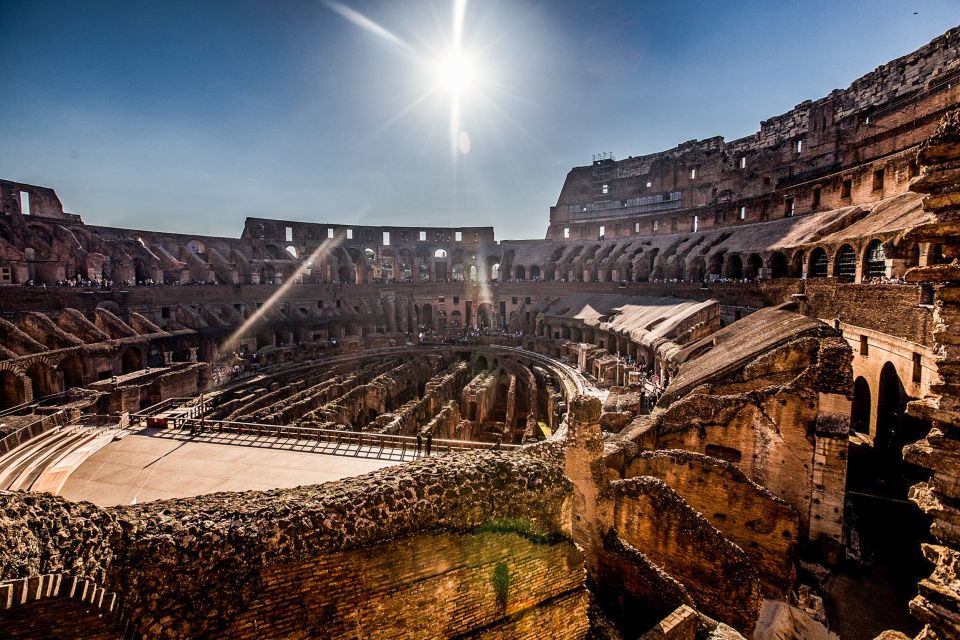
- Underground access you can’t easily DIY: guided entry to the tunnels and chambers tied to gladiator life and staging.
- Arena floor + multiple Colosseum levels: you walk the arena area, then move through the ground floor/first level and second-tier viewpoints.
- Roman Forum and Palatine Hill included: you get the political and everyday context before the stadium drama.
- Headsets for the guide’s explanation: designed so you can actually hear the story without crowd-shoulder-to-shoulder confusion.
- A “see it all, then still have time” pace: the route is long enough to be worth it, but tight enough that you should skip expecting extra roaming.
Why Underground access is the real prize
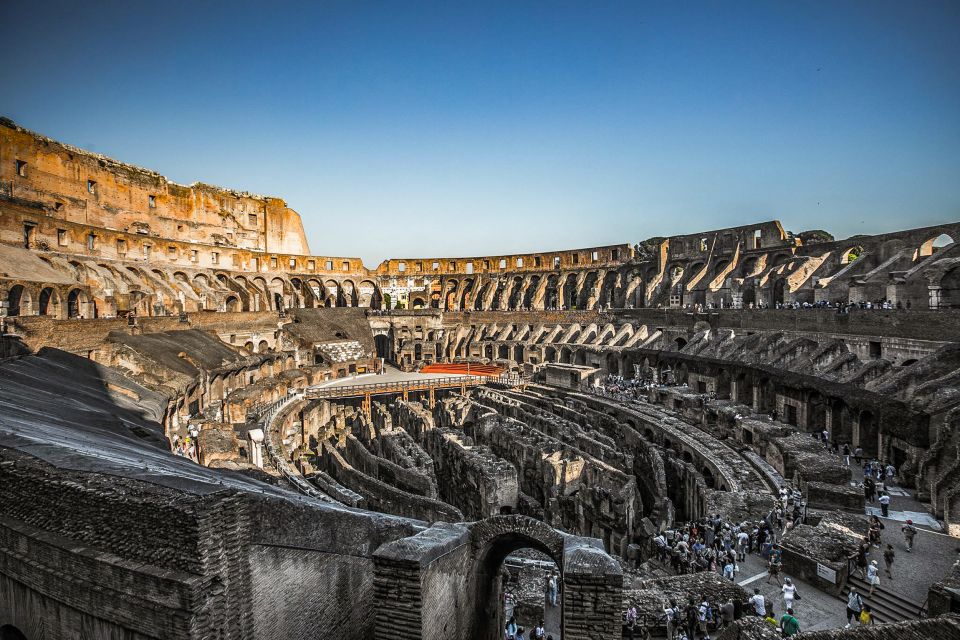
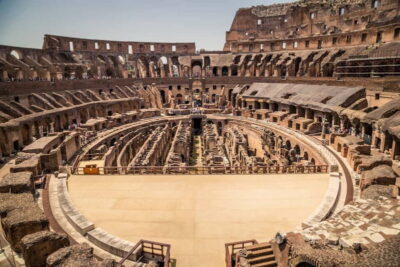
The biggest reason to book this specific style of Colosseum tour is the Underground. Instead of standing outside the building or just tracing the outer walls, you’re led into the tunnels and chambers that made the arena function. You hear what was happening behind the curtain, including stories tied to gladiators and wild animals that were kept there.
It changes how you picture the Colosseum. From above, it’s a monument. Underground, it starts to feel like infrastructure. You can almost map the logistics: where performers moved, where staging happened, and how the crowd’s spectacle was controlled from below.
The underground portion is also often the less chaotic part of the visit. When you have restricted access and guided entry, the spaces can feel more manageable than the main public paths.
One more thing I’d watch: if you’re hoping for lots of time to linger on the arena floor like it’s your personal museum, this tour moves. The Underground is a highlight, not a whole freeform break.
You can also read our reviews of more tours and experiences in Rome.
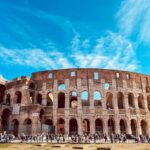
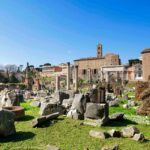

Roman Forum and Palatine Hill: the story before the stadium
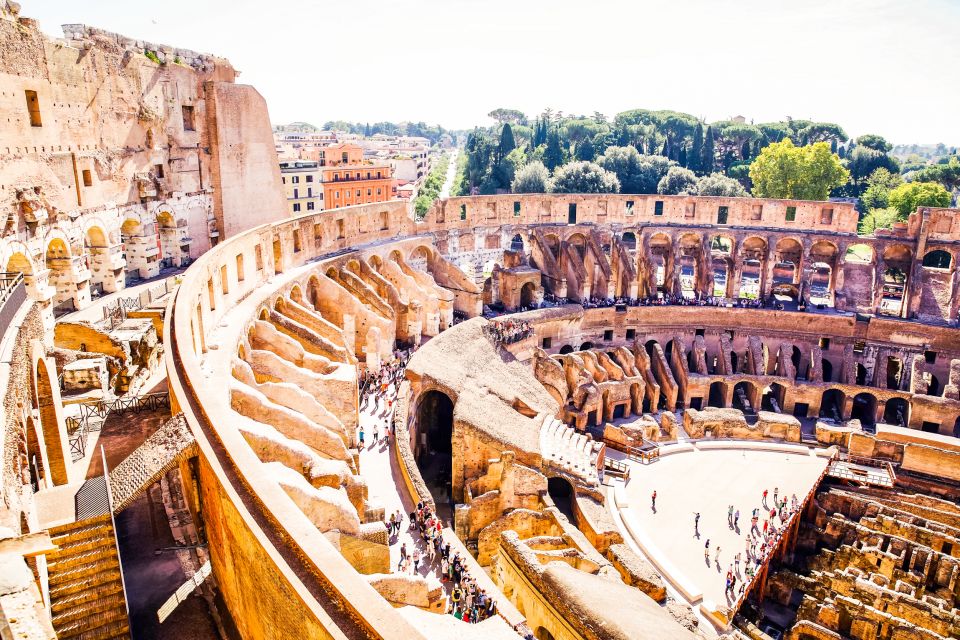
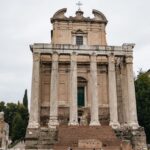
The tour starts by setting the scene with a guided walk in the Roman Forum and Palatine Hill area. You get about an hour for this part, and that time is used well: your guide points out what you’re seeing and gives context so the stones don’t feel like random ruins.
This matters because the Colosseum wasn’t floating in a vacuum. The Forum was politics, law, and public life. Palatine Hill was tied to status and power. When your guide ties those ideas together, the Colosseum stops being just an old arena and starts looking like a stage for Roman society.
Also, this part isn’t only about history facts. Your guide helps you with practical viewing too—like where the best picture angles tend to be around the Colosseum as you circle toward it. It’s a small help, but it saves you from spending time guessing where the camera will actually work.
Entering the Colosseum: from reserved entry to real understanding
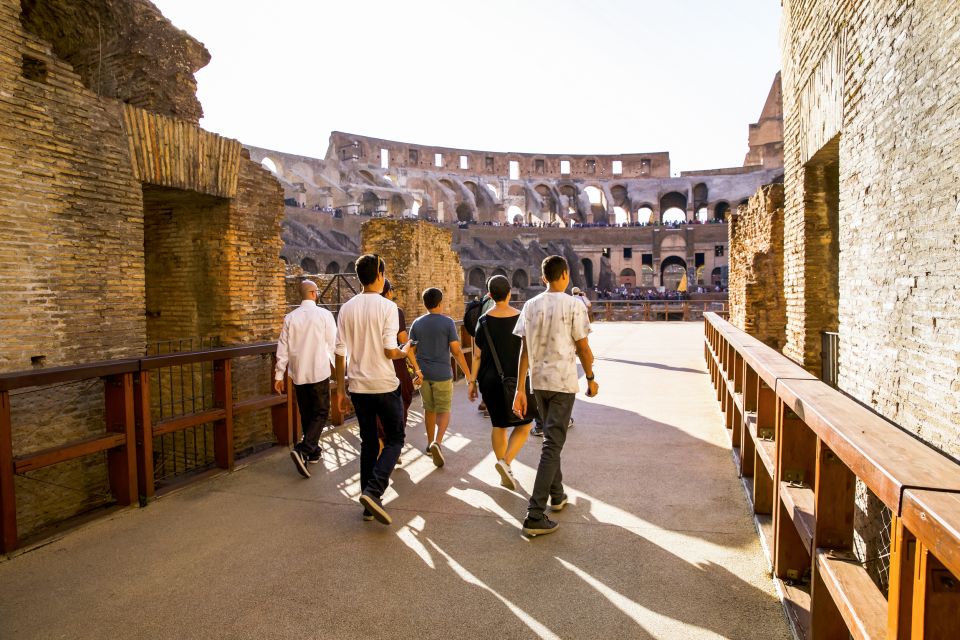
After the Forum/Palatine section, you move to the Colosseum complex. You’ll go through the entry process as part of a guided package with tickets included, and you’ll use guided access rather than just joining the general crowd.
In plain terms, this usually saves stress. Even when the area is packed, having a guide keeping you on track reduces the time you’d otherwise spend figuring out where to line up and what to do next.
Once inside, you’re not just left to roam. The tour is structured to keep your attention moving: Roman Forum context first, then the Colosseum’s behind-the-scenes level, then the arena area, and then more of the building.
One small reality check: the visit is busy by nature. Even with a guide, it’s still the Colosseum. So if you’re sensitive to crowds, keep your expectations flexible.
Under the floor: gladiators, animals, and the hidden workflow
This is where the tour earns the hype. You’ll take a guided look through the underground chambers and tunnels and hear the stories that connect them to gladiators and wild animals. The guide explains how these spaces relate to what the audience saw above.
I love this sequence because it forces a shift. You’re not only looking at architecture; you’re learning how humans used that architecture to run events. And because you walk the route under the building, it feels more physical than reading about it.
You also get the sensation of scale. The Colosseum isn’t just tall and wide; it’s layered. Seeing the underground adds a whole extra dimension—literally—to how you understand the arena.
One practical note: headsets are included, and they help a lot in the underground spaces where acoustics and crowd noise can otherwise mess with your ability to hear. Still, I’d recommend standing close to the guide when you can, just to be safe.
Walking onto the arena floor and imagining the emperor’s moment
Next comes the part most people picture: you’ll walk onto the arena floor and then into areas covering the ground floor/first level. This is the moment when you feel the Colosseum as a performance space.
Your guide highlights key details, including where the emperor would have been perched high above the arena, deciding the fate of gladiators in front of a roaring crowd. Even if you already know that story, hearing it in place makes it stick.
The tour also encourages the feeling of walking in the shoes of gladiators—again, not in a theatrical gimmick way, but because you’re literally standing where they would have moved and staged.
How long does this feel? In total, the arena-floor/Colosseum-top sections are split into shorter chunks, roughly half an hour for the arena floor area and another half hour for the broader Colosseum viewing portion. So you get the main hits without turning this into an all-day marathon.



Second-tier access and the Colosseum at multiple heights
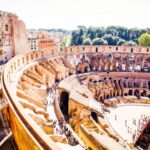
You’ll also have access to the second tier and an exhibition stop included with your ticket. That’s a smart addition because it helps you compare what the building looks like at different levels.
From higher viewpoints, you can see how the seating and structure relate to the action below. And because the guide is with you, you don’t just look—you understand what you’re seeing.
One caution if you’re hoping to wander the outer top ring for extra time: some people find they don’t have enough time to fully circle the Colosseum at their own pace. This tour is tightly timed to cover multiple sections, so plan to enjoy the included route rather than expecting free time to roam everywhere.
Price and value: what your $160 is actually paying for
This tour is listed at $160 per person for a 3-hour experience. That can feel steep until you break down what you’re buying.
You’re paying for:
- Guided access to the Colosseum’s restricted areas (including Underground)
- Entry tickets to the locations included in the package
- Headsets to keep the tour understandable
- A licensed guide and the on-site organization that makes the route work
The operator also provides transparency on one big component: for adults, the Colosseum Underground admission fee is 24€, plus a 2€ booking fee. The remaining amount covers the professional guide, plus booking fees and tour amenities.
So here’s how I think about value: if the Underground access is the priority, the guided package is often less painful than trying to solve it on your own. If you only want a basic look at the Colosseum exterior, then yes, you could spend less. But if you want the full layers—Forum/Palatine context and the Underground plus arena sections—this is priced to deliver that.
Logistics that can make or break your experience
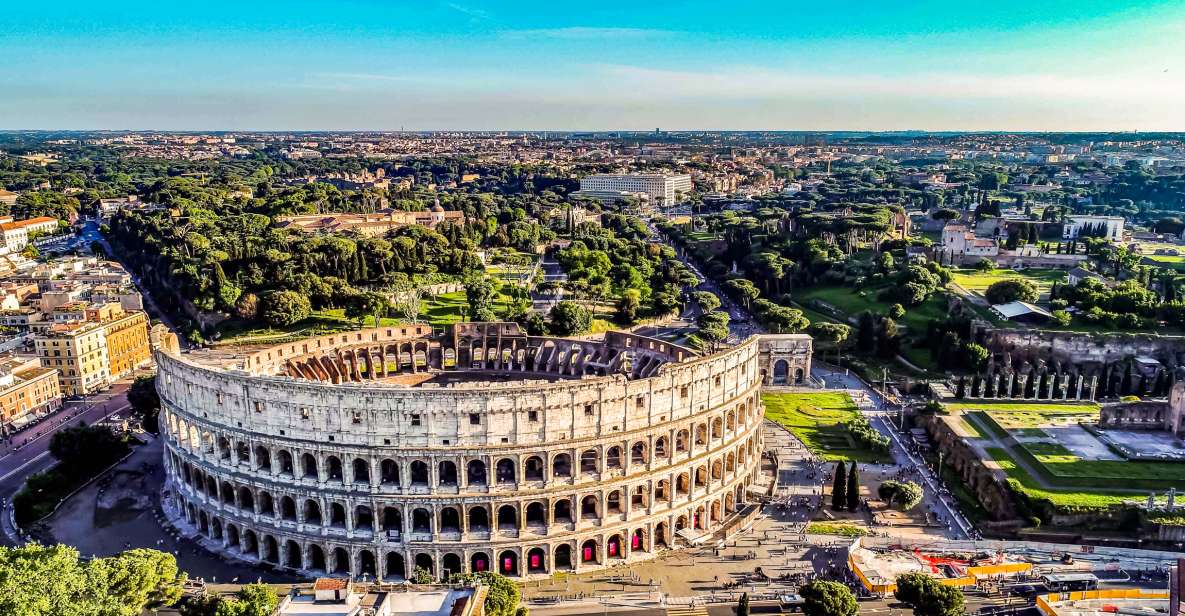
This tour’s meeting point is Via dei Fori Imperiali, 25, 00186 Rome, in front of the Tourist Information Point at Fori Imperiali. Coordinators wear The Ultimate Italy t-shirts, which makes it easier to spot who’s who.
Now for the real-world part: Rome can throw curveballs. Roadworks, closures, and poor signage are common around major sites. People sometimes arrive late because of disruptions, and the key factor is whether you give yourself enough margin and whether you follow the meeting point instructions clearly.
Also: travel light. You’re not allowed luggage or large bags, and backpacks aren’t permitted. If you’re carrying anything bulky, it can derail your day.
Finally, headsets are included, and they generally help. Still, one issue can happen: if your headset volume is low or batteries fail, you’ll rely more on proximity to the guide. Standing closer and keeping your headset secure is your best fix.
Is this too much walking? Who should book, and who should skip
This tour is intense by design. It’s a 3-hour format covering Roman Forum/Palatine Hill, Underground chambers, and multiple Colosseum sections. Expect stamina demands.
It’s not suitable for people with mobility impairments or wheelchair users. If that applies to you, I’d look for an alternative format that better matches your mobility.
Who it suits well:
- History fans who want the why, not just the what
- People who have done self-guided museum wandering and want structure
- Visitors who specifically want the Underground and arena-level access
- Anyone who likes a guide who can answer questions on the spot
Who might hesitate:
- If you need long, slow free time on the Colosseum top level, this tour’s timed route may feel tight.
- If your hearing is sensitive to sound quality issues, keep your expectations realistic about headsets in crowds.
The guides: the difference between seeing it and getting it
One pattern I noticed from the tour experience is that the guides matter. Names that show up with standout praise include Carmelo, Chris, Teddy, Maya, Mitra, Enza, Danielle, Mekayla, and Sara.
The consistent theme: guides keep it moving without turning it into a lecture. They explain features you’d likely miss on your own and answer questions with clear, practical detail.
If you care about guided storytelling, you’ll likely appreciate the way these guides connect the architecture to Roman life. And if you enjoy humor, several guides are described as playful and engaging while still staying focused on facts.
Should you book this Underground and Ancient Rome tour?
I think you should book if your priority is the full Colosseum experience, not just the outside views. Getting to the Underground chambers and walking the arena area changes the visit in a way that self-guided tickets usually can’t replicate.
I’d also book if you want Roman Forum and Palatine Hill context bundled in. That extra hour of guided framing makes the Colosseum feel less like a stand-alone relic and more like the centerpiece of a working Roman spectacle machine.
Skip this tour if:
- you can’t do the walking involved,
- you need wheelchair-accessible logistics,
- or you mainly want lots of unstructured time on top of the Colosseum.
One last tip: double-check that the names on your booking match your ID exactly. Full names as shown on your documents are required at booking, and Rome loves strict rules when it comes to entry.
If you’re ready to trade a bit of freedom for deeper access, this is a strong use of your time in Rome.