REVIEW · ROME
Exploring Rome’s Rich Heritage: Pantheon and Jewish Ghetto
Book on GetYourGuide →Operated by CheckandGo Tours · Bookable on GetYourGuide
Two Rome landmarks in one smart walk. The Pantheon does what it always does, then the streets of the Jewish Ghetto change the meaning of the day. I love how this tour pairs the big, famous Roman icon with smaller, story-rich corners you’d miss on your own.
Two things I’m especially glad you get here: skip-the-line Pantheon entry and a live guide you can actually hear (headsets included). One practical consideration: Rome dress rules are strict, and the route isn’t the easiest fit if you have mobility limits.
A great guide can make the contrast work. In the best moments, people like Maria (mentioned in the tour’s Spanish-English reviews) explain the Pantheon in clear, complete detail, then guide the walk through the ghetto streets with the same care. The only real downside I’d flag is that the Pantheon can face unexpected schedule changes, so keep your plans flexible.
In This Review
- Key things to know before you go
- Why pairing the Pantheon with the Jewish Ghetto works
- Start at Piazza della Rotonda: your fast entry advantage
- Entering the Pantheon: dome geometry and light you can feel
- Bernini’s Elephant and Obelisk at Piazza della Minerva
- Largo di Torre Argentina: where Julius Caesar was assassinated
- Piazza Mattei and Via del Portico d’Ottavia: walking the Jewish Ghetto
- Ending at the Portico of Octavia: the past stays in view
- Price and time: is $42.59 a smart value?
- Languages, group feel, and what you should expect
- Dress code and rules: the fast way to avoid entrance problems
- Who this tour suits best (and who should think twice)
- Should you book this Pantheon and Jewish Ghetto tour?
- FAQ
- FAQ
- Where does the tour start?
- How long is the tour?
- What is included with the ticket?
- What language is the guide?
- Is food included?
- Do I need ID?
- What should I wear to the Pantheon?
- Is there a separate entrance to avoid lines?
- Where does the tour end?
- Is the tour wheelchair accessible?
- What happens if the Pantheon has a schedule change?
Key things to know before you go
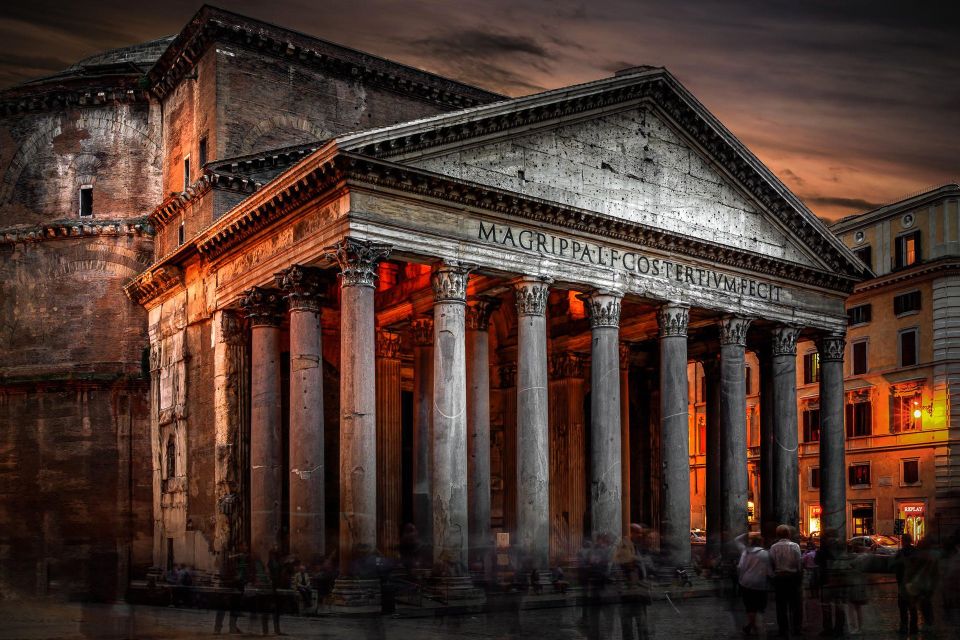
- Skip-the-line Pantheon entry through a separate entrance, plus headsets for clear listening
- 45 minutes inside the Pantheon focused on the dome, the oculus, and what you’re seeing
- Piazza della Minerva includes Bernini’s Elephant and Obelisk stop, not just a photo break
- Largo di Torre Argentina marks the Julius Caesar assassination site area with on-the-ground context
- Jewish Ghetto walk around Piazza Mattei and Via del Portico d’Ottavia, ending at the Portico of Ottavia
- Dress code matters: you’ll need covered-up legs and sleeves that meet site requirements
Why pairing the Pantheon with the Jewish Ghetto works
Rome can feel like a grab bag of monuments if you bounce around solo. This tour avoids that by linking two areas that talk to each other. The Pantheon gives you the Roman side of power—art, engineering, religion, and politics all mixed together under one roof. Then, walking into the Jewish Ghetto area, you get a different kind of history: community life, restrictions, survival, and cultural identity shaped over centuries.
And you’re not doing it in separate halves that feel disconnected. The guide keeps the story moving, so you’ll spend less time guessing what you’re looking at and more time understanding why it matters.
You can also read our reviews of more historical tours in Rome


Start at Piazza della Rotonda: your fast entry advantage
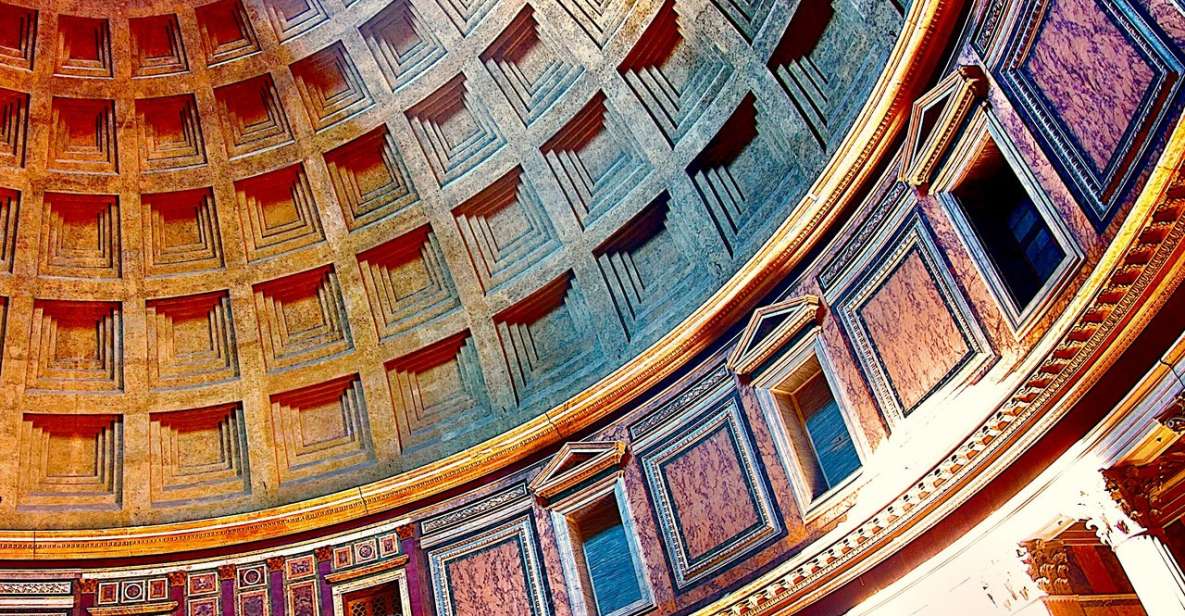
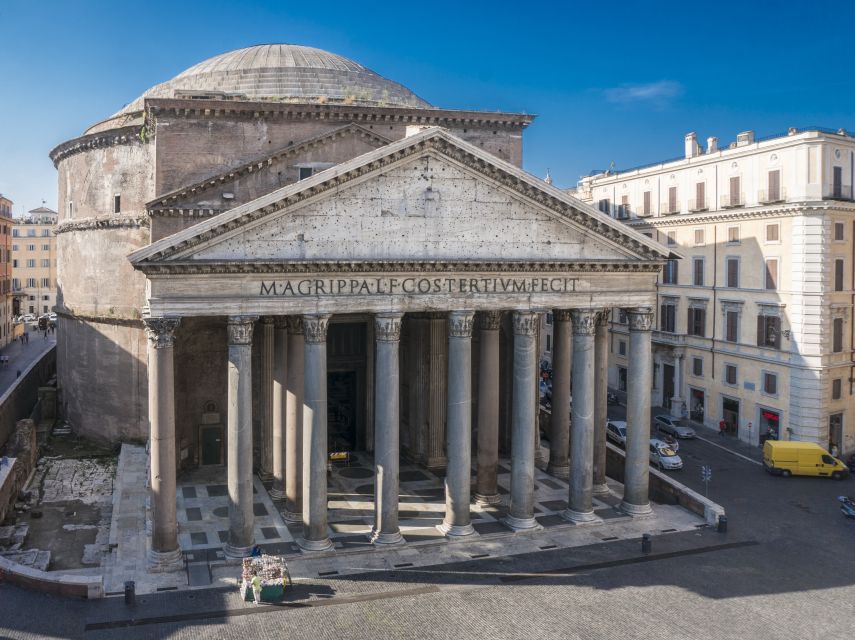
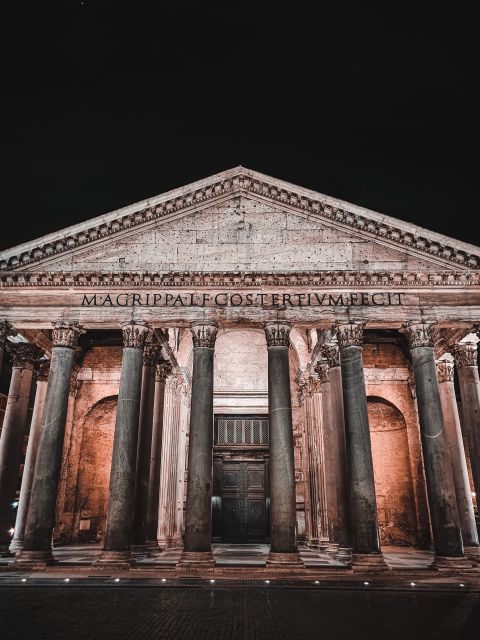
The tour begins at Piazza della Rotonda, 2, and that’s a big deal because you’re right where the Pantheon crowds form. The smart part is the skip-the-line approach: you enter through a separate entrance rather than joining the general queue. In a city where lines can decide your whole day, this saves energy.
You’ll also get headsets, which I strongly recommend even if your listening skills are good. Guides move, crowds shift, and acoustics in stone-heavy areas can be tricky. With headsets, you’re not constantly straining for words while trying to keep your eyes on the details.
Practical note: the Pantheon’s schedule can change for things like closures or special events. If your day is packed tight, consider leaving breathing room around this 2-hour experience.
Entering the Pantheon: dome geometry and light you can feel
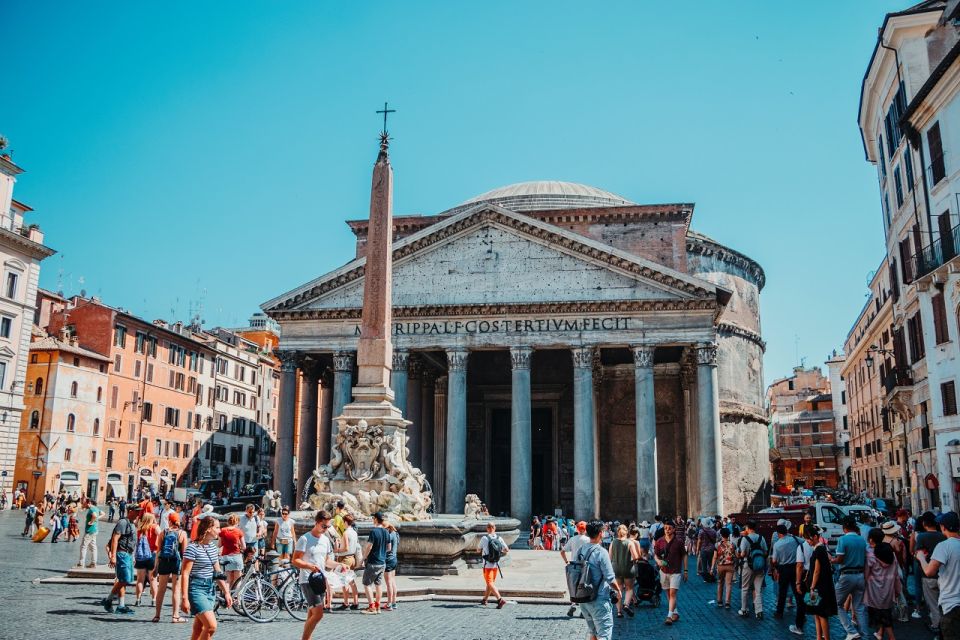
The Pantheon stop is about 45 minutes of guided time. That’s long enough to see it properly, not just long enough for a quick look-and-go.
Here’s what the guide helps you notice fast:
- The domed ceiling and how it’s proportioned so the space feels balanced.
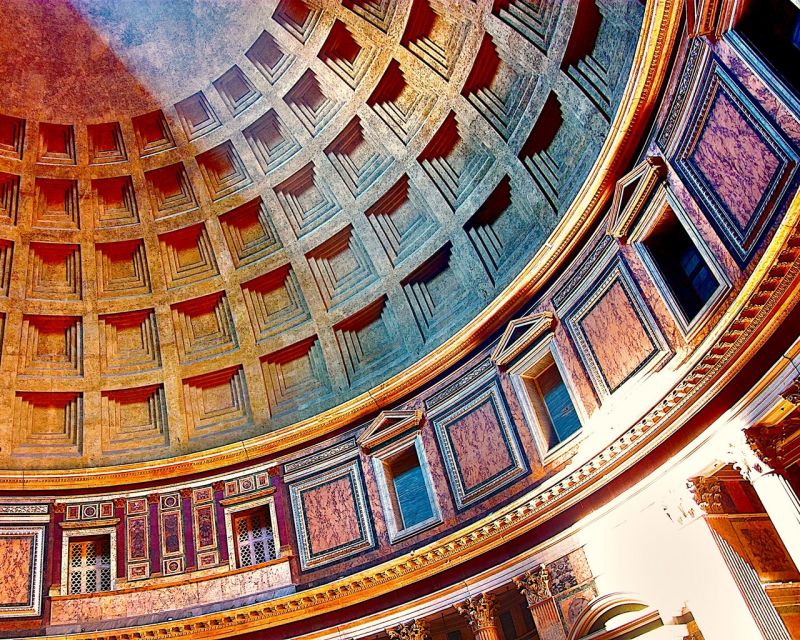
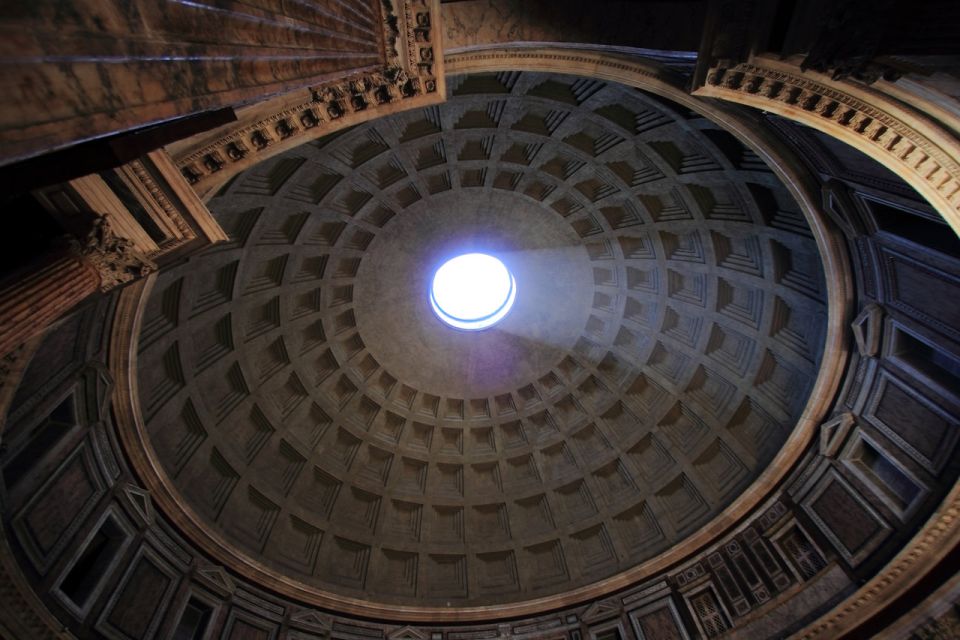
- The oculus at the top, which works like a spotlight. Daylight spills in, and suddenly the interior stops being “just a monument” and becomes a light-and-shadow room.
- What the Pantheon started as: a temple meant for all gods.
- What it is now: a resting place for notable figures, including Renaissance artist Raphael and the kings of Italy.
Even if you’ve seen photos, the dome looks different in person. The guide’s job is to help you connect the engineering to the meaning. When you understand why the space was shaped the way it was, it stops being only impressive and starts being understandable.
Potential drawback: the tour includes site rules about attire. If you show up in clothing that doesn’t fit the requirements, you can get turned away or forced to adjust at the entrance. I’d plan your outfit around this before you plan your shoes.
Bernini’s Elephant and Obelisk at Piazza della Minerva
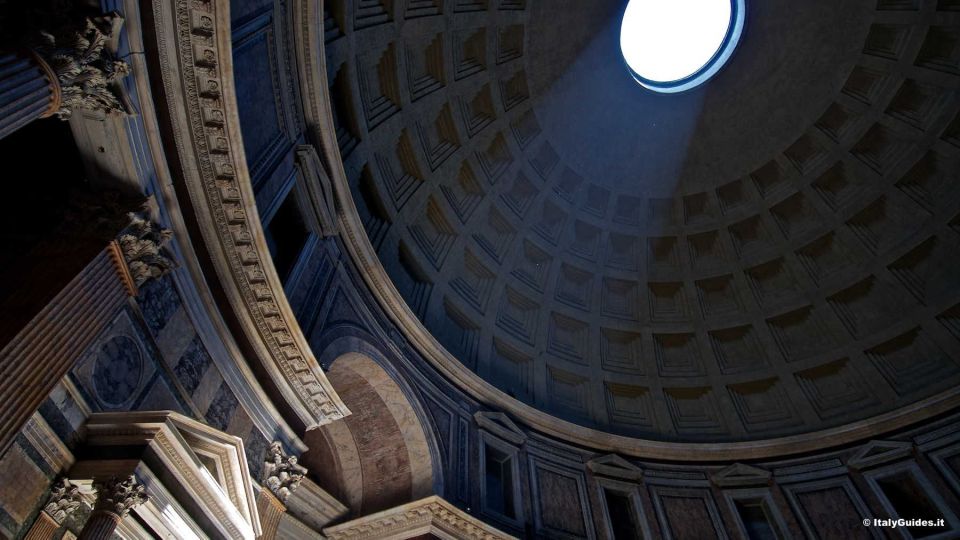
After the Pantheon, the tour moves to Piazza della Minerva, with a guided stop there. This is one of those Rome intersections where art history and street life meet. You’ll see Bernini’s Elephant and Obelisk—a strange, playful combination at first glance, then oddly satisfying once you understand the scale and symbolism.
Why this stop is worth your time: it breaks the Roman story into something more human. The Pantheon gave you monumental authority. Piazza della Minerva gives you creativity—someone turning classical forms into something lively enough to stand in a square for centuries.
Also, the walking pace here helps your brain reset. It’s a good moment to look around the square itself, not just at the single landmark.
Largo di Torre Argentina: where Julius Caesar was assassinated
Next up is Largo di Torre Argentina, another stop where the context is the whole point. You’re in an archaeological zone connected to the site where Julius Caesar was assassinated.
This is also one of those moments where a guide can keep your visit from becoming vague. Without explanation, you can look at ruins and wonder what’s what. With a guide, you can track the significance of the place—why this area became so important in the story of the end of one era and the beginning of another.
What to expect on the ground: you’ll be working around the reality of archaeological sites—uneven surfaces, changing angles of view, and the need to keep an eye on where the group is moving next. Wear shoes that feel stable. If your day includes lots of walking, this is where that choice pays off.




Piazza Mattei and Via del Portico d’Ottavia: walking the Jewish Ghetto
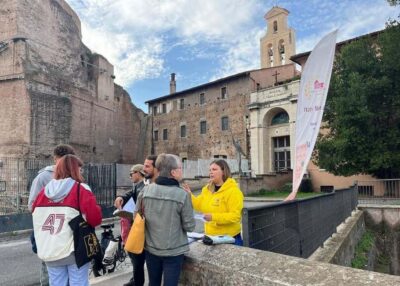
Then the tour shifts into the Jewish Ghetto area, where the vibe of Rome changes quickly. You’ll pass through Piazza Mattei and along Via del Portico d’Ottavia, which is often treated as the heart of the ghetto walk.
Why I like this part of the tour: it’s not only about what happened. It’s also about how space shapes daily life. You’ll move from larger monuments into streets where community identity is part of the atmosphere—where history is written into the geometry of blocks, entrances, and passageways.
This is also the moment where you’ll get more out of the guide’s tone and pacing. The story here needs care. A good guide keeps it factual, human, and grounded, so the walk feels respectful rather than like a checklist.
If you’re the kind of traveler who enjoys art, architecture, and how religion and politics intertwine, this portion will hit. If you’re only chasing photos, you might need the guide’s direction to slow down and read what the streets are saying.
Ending at the Portico of Octavia: the past stays in view
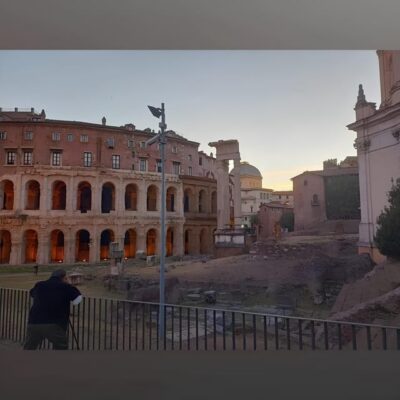
The tour concludes in front of the Portico of Octavia, a symbolic finish that ties the day back to cultural heritage. Ending here matters because it gives you a clear visual marker for the overall theme: Rome’s layers don’t disappear just because you’ve moved to the next neighborhood.
By the time you get to the end point, you’ll have covered:
- a Roman architectural masterpiece (Pantheon),
- a Renaissance-to-Baroque art marker (the Minerva stop),
- a political turning point location (Caesar-area archaeology), and
- a community story in the Jewish Ghetto streets.
It’s a lot for two hours, and the structure helps it feel like one connected route rather than a random lineup of sights.
Price and time: is $42.59 a smart value?
The listed price is $42.59 per person for a 2-hour guided experience (with starting times depending on availability). On paper, it’s not the cheapest Rome tour. In practice, it tends to be good value for three reasons:
- Pantheon skip-the-line entry is doing real work for your time.
- Headsets mean you’re paying for clarity, not just a person talking over crowds.
- You’re getting guided time at multiple major stops: a focused Pantheon segment plus guided walking stops that are easier with interpretation.
Two hours is also the sweet spot for this area. You get meaningful time inside one key monument, then enough walking to link the stories without burning your whole afternoon.
If you hate timed tours and prefer to wander, then this might feel structured. But if you want a guided route that saves time and improves understanding, it’s priced like an efficient city use.
Languages, group feel, and what you should expect
The tour is offered with a live guide in Spanish and English. That matters if you want the story delivered directly rather than read off a sign.
Group size isn’t specified here, so I can’t promise anything on crowd density. What I can say: headsets help, and the guided structure usually keeps you from wandering too far off the main narrative.
One detail worth noting: the guide’s name and contact details are provided one day before the tour, and the activity ends back at the meeting point. That makes it easier to plan your day around the session.
Dress code and rules: the fast way to avoid entrance problems
Rome will enforce the Pantheon’s clothing requirements. You need suitable attire. That means:
- No shorts
- No short skirts
- No sleeveless tops
- No vests
You’ll also want to bring a passport or ID card (including for children). Pets aren’t allowed, and restrictions include no weapons or sharp objects.
Also, check your outfit before leaving the hotel. This isn’t the kind of site where you can just wing it and hope for leniency.
Who this tour suits best (and who should think twice)
This is a strong fit if you:
- want a guided explanation at the Pantheon, not just a self-guided look,
- like history that connects architecture to politics and religion,
- enjoy walking through neighborhoods and learning what you’re seeing as you go.
It may be less ideal if you:
- have mobility challenges. The activity notes wheelchair accessibility, but it also states it’s not suitable for wheelchair users. If mobility is a concern for you, double-check before booking.
- prefer minimal walking and don’t like outdoor segments. Even at a manageable pace, the stops are outdoors and you’ll spend time moving between them.
Should you book this Pantheon and Jewish Ghetto tour?
If you’re aiming to understand Rome rather than just collect stops, I think you should strongly consider booking. The combo of Pantheon skip-the-line, guided interpretation, and then a purposeful walk into the Jewish Ghetto makes your time feel earned. The route also avoids the common Rome problem: seeing famous things without knowing why they’re famous.
Book it if:
- you want a well-paced 2-hour introduction to two major sides of Rome,
- you care about hearing clear explanations (headsets help),
- you’re okay following the dress rules.
Skip it only if:
- you can’t meet the site attire requirements, or
- you need a route that works for mobility needs without friction.
FAQ
FAQ
Where does the tour start?
It starts at Piazza della Rotonda, 2.
How long is the tour?
The duration is 2 hours.
What is included with the ticket?
Included are skip-the-line tickets to the Pantheon, headsets, a guided Pantheon tour, and a guided Jewish Ghetto tour.
What language is the guide?
The live guide is available in Spanish and English.
Is food included?
No. Food and drinks are not included.
Do I need ID?
Yes. You’ll need a passport or ID card (including for children).
What should I wear to the Pantheon?
You need suitable attire: no shorts, no short skirts, no sleeveless shirts, and no vests. Hemlines must not be above the knees.
Is there a separate entrance to avoid lines?
Yes. You get skip-the-line access through a separate entrance.
Where does the tour end?
It ends back at the meeting point.
Is the tour wheelchair accessible?
Wheelchair accessibility is listed, but it also says it is not suitable for wheelchair users and not suitable for people with mobility impairments. If mobility is a concern, confirm details before booking.
What happens if the Pantheon has a schedule change?
The Pantheon may have anticipated closures, postponed openings, or events that can vary service time.