REVIEW · ROME
Rome: 4 Hour Electric Golf Cart Tour with Hotel Pickup
Book on GetYourGuide →Operated by Rome in Golf Cart · Bookable on GetYourGuide
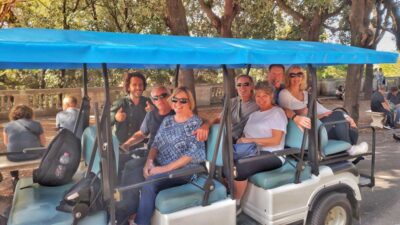
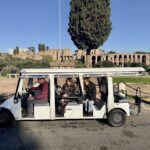
Rome by golf cart feels like a cheat code. You glide through key sights and lesser-seen streets in a way that’s way easier on your feet than doing it all on foot. I like that the tour keeps things moving with hotel pickup and an expert English-speaking driver/guide.
Two things I’d put near the top of your must-do list: you get guided stops at major monuments without the frantic scramble, and you can pause for photos at spots you care about. One thing to consider: it’s still Rome on a tight schedule, so if you’re the type who wants long, slow museum-style time, you may feel a bit rushed.
In This Review
- Key Highlights I Think You’ll Care About
- Why a 4-Hour Electric Cart Works in Rome
- Pickup, First Contact, and Where the Tour Starts
- The Cart Route: From Piazza del Popolo to Piazza Navona
- Pantheon and Piazza Venezia: Two Stops That Teach You How Rome Thinks
- Trevi Fountain: Coin Toss, Legends, and a Photo-Friendly Stop
- Colosseum Area From a Cart Viewpoint
- Circus Maximus, Sant’Ignazio, and the Big-Space Rome Moments
- Via Giulia and the View Up at Giardino degli Aranci
- Trastevere Streets: Medieval Palaces and Quieter Corners
- How the Guide Changes the Day (Daniel and Ivano Are Good Clues)
- Price and Value: Why $95.78 Can Make Sense
- Walking Comfort, Timing, and What to Bring
- Should You Book This Rome Electric Golf Cart Tour?
- FAQ
- How long is the Rome electric golf cart tour?
- What is the price per person?
- Is hotel pickup included?
- Where does the tour start and end?
- What is included in the tour price?
- Are entrance fees included?
- What languages are available for the live guide?
- Is the tour wheelchair accessible?
- What should I bring with me?
- What are the cancellation and payment options?
Key Highlights I Think You’ll Care About
- Hotel pickup in central Rome, so you start without wrestling transit or street parking.
- A 3.5 to 4 hour route designed for seeing a lot while walking less.
- Major sights with narration, including Pantheon, Trevi Fountain, Piazza Venezia, and the Colosseum area.
- A coin-toss moment at Trevi Fountain, plus legend-style storytelling from your guide.
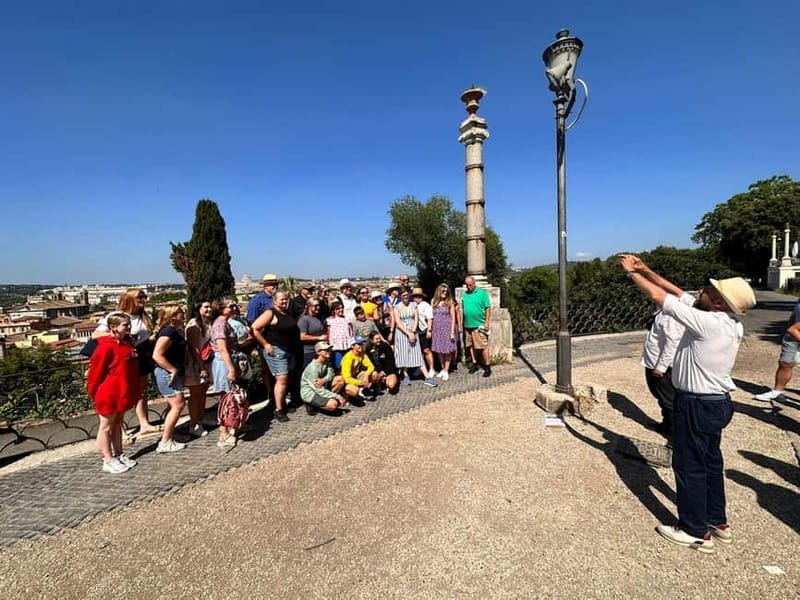
- Viewpoint-style stops like Circus Maximus and Giardino degli Aranci, where the cart angle helps.
- Drivers who know how to work the day, with examples like Daniel (big on keeping families engaged) and Ivano (friendly and helpful with details).
Why a 4-Hour Electric Cart Works in Rome
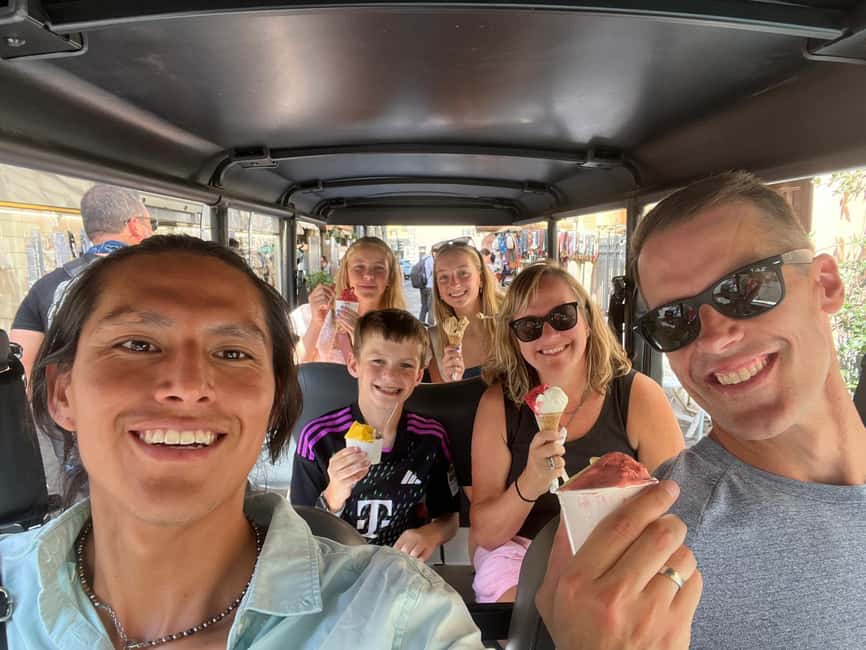
Rome is gorgeous, but it’s also a lot. The streets can be steep, the sidewalks can be crowded, and just getting from one highlight to the next can drain your energy fast. An electric golf cart tour is a smart middle path: you still see the city, but you don’t burn the day doing constant walking.
The best part is the pacing. You get a guided flow that hits the big names and also adds “in-between” Rome—squares, viewpoints, and side streets you’d probably miss if you only followed the most direct walking routes. This is especially nice for a first visit when you’re trying to learn where everything sits relative to everything else.
You can also read our reviews of more tours and experiences in Rome.


Pickup, First Contact, and Where the Tour Starts
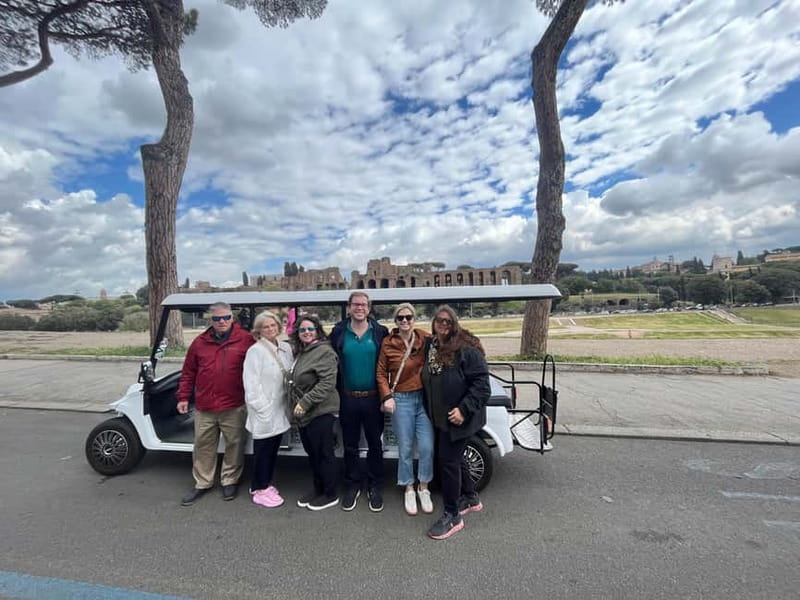
This tour is built around comfort from the moment you connect with it. If your hotel is in central Rome, hotel pickup and drop-off are included. If you’re staying a bit farther out, you’ll need to come to the meeting point before the departure.
The standard start point is at Piazza della Trinità dei Monti, 00187 Roma RM, Italy, and the tour ends back at that meeting point. You’ll get your briefing at the start (you’re welcomed with earphones and a refreshing bottle of water), then you hop into the cart and get rolling.
If you want an easy day, this is the kind of setup that helps: no hunting for a departure point, no searching for the right street corner while you’re already tired.
The Cart Route: From Piazza del Popolo to Piazza Navona
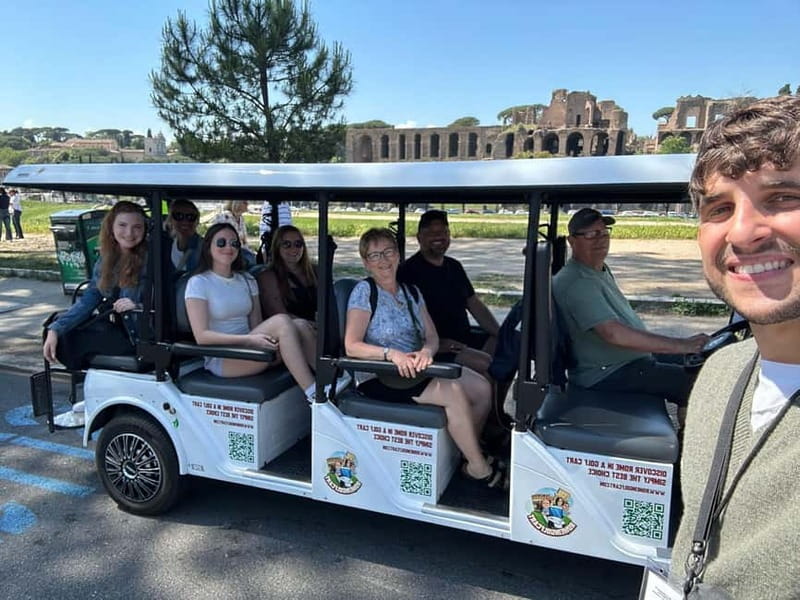
The early part of your route sets the tone: you’re out of the car often enough to enjoy the views, but you’re not spending your entire day walking. The drive brings you through scenic stretches before you start stopping for sights.
You’ll pass Piazza del Popolo and then get to Piazza Navona. Navona is one of those squares that makes you stop mid-sentence. Even if you’ve seen photos, seeing it in person feels different—the architecture and shape of the place pull you in, and your guide’s narration helps you understand what you’re looking at instead of just admiring it from a distance.
At Piazza Navona, expect a mix of guided context and sightseeing time, then back into the cart as your route continues. This rhythm is what makes the whole tour feel like a guided city walk, just with wheels.
Pantheon and Piazza Venezia: Two Stops That Teach You How Rome Thinks
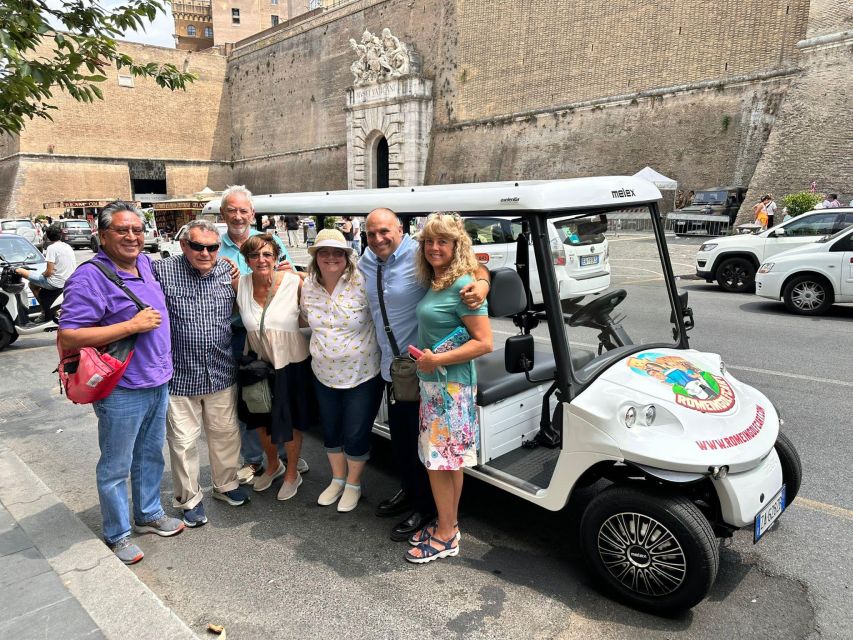
The Pantheon is a must for most visitors, but the way this tour handles it matters. You get a pause to admire its architectural brilliance while your guide shares insights that make the building feel less like a postcard and more like a real part of how Romans lived across centuries.
From there, you continue toward Piazza Venezia with its dramatic monument to Victor Emmanuel II. This is the kind of stop where the cart angle helps. You’re elevated enough to take in the space around you, and you’re not stuck in a line of people trying to see the same exact shot.
These two moments do a good job of balancing awe with understanding. Pantheon gives you the “how is that even possible?” feeling. Piazza Venezia gives you the “okay, now I see how the city is organized” feeling.
Trevi Fountain: Coin Toss, Legends, and a Photo-Friendly Stop
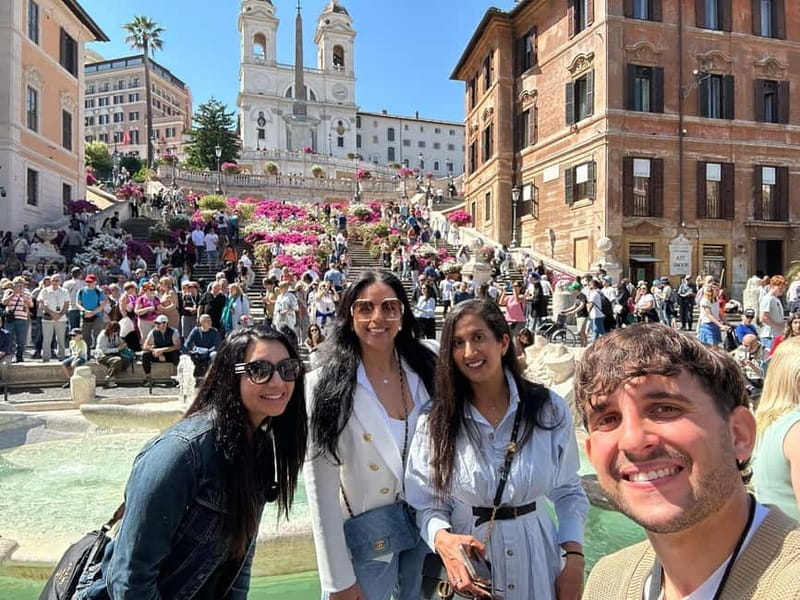
Trevi Fountain is busy. That’s not a secret. What helps here is that your guide builds in a guided stop and a chance to enjoy the moment without feeling like you have to sprint from one photo spot to another.
You’ll stop at Trevi Fountain, hear legends and stories, and toss a coin into the water if you want to do the classic ritual. The guide-style storytelling is what turns the fountain from just scenery into something with personality.
If you’re traveling as a couple or with kids, this part is usually a win because it’s visual and simple to participate in. You don’t need special knowledge to enjoy it. You just need to look up, listen a bit, and take the photo.



Colosseum Area From a Cart Viewpoint
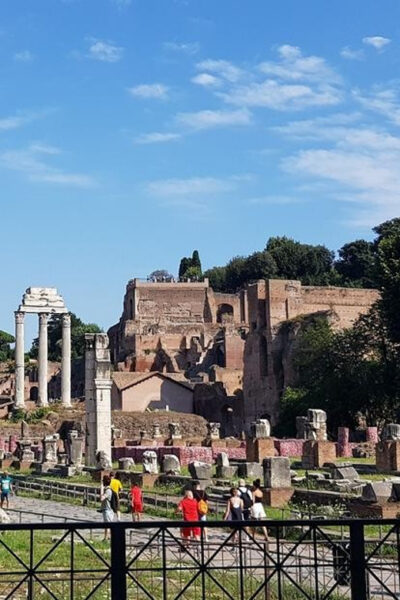
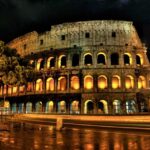
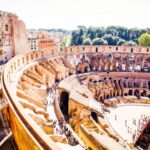
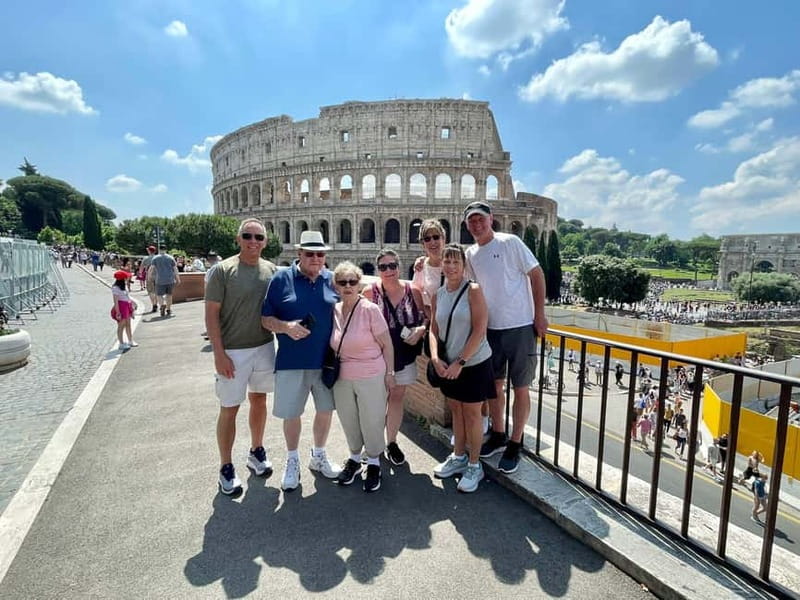
The Colosseum is the headline for a reason. Even if you’ve seen it online a dozen times, it’s still impressive in person. With this tour, you get close enough for a proper photo stop and a guided explanation that brings the area to life—stories of gladiators and emperors, plus comparisons of what the Colosseum looked like then and what you see now.
The cart gives you an elevated viewpoint at parts of the route. That matters because it helps you understand the scale. Without that context, you can end up staring at details without getting the bigger picture.
One practical note: you’ll want to keep an eye on where you’re positioning for photos. The cart moves, so your best shot usually comes when you’re aware the stop is happening and when your guide signals you to get ready.
Circus Maximus, Sant’Ignazio, and the Big-Space Rome Moments
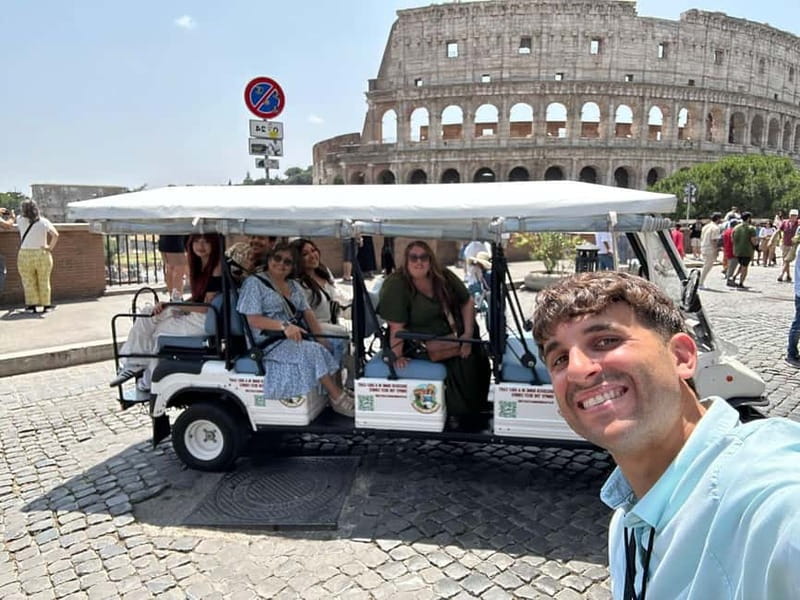
After the Colosseum area, your route continues toward Circus Maximus for another photo stop. Circus Maximus was once home to chariot races, and the guide narration helps you picture the space in its former life. When you’re standing there, it’s easy to think the site is just another open area. The storytelling changes that.
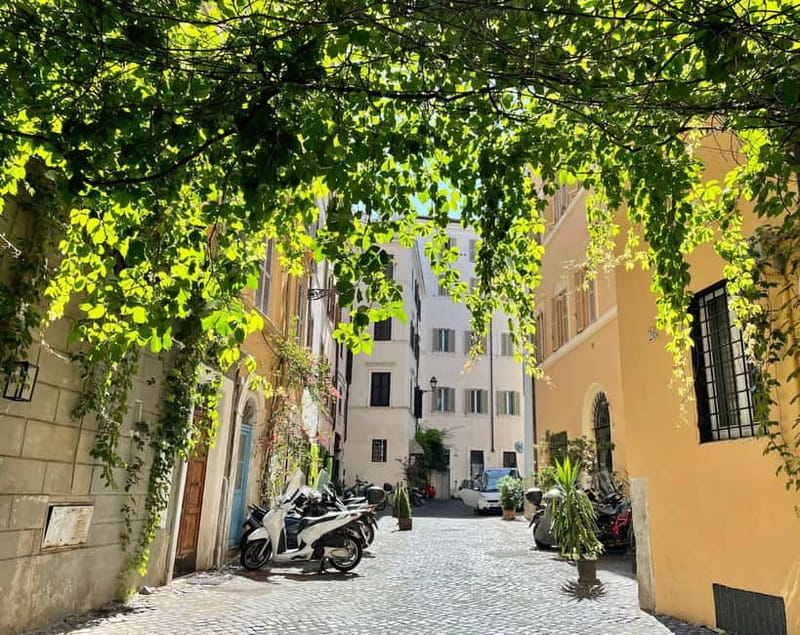
You also pass the Church of Sant’Ignazio di Loyola, which can be a quick but meaningful architectural moment. Then you move on toward Piazza Margana, where you’ll get guided sightseeing and a chance to take in the street feel that people often miss when they stick to a strict highlight-only route.
This section works because it slows down just enough to let your brain shift gears—from “I’m seeing famous landmarks” to “I’m understanding how the city used to function.”
Via Giulia and the View Up at Giardino degli Aranci
A highlight for many visitors is Via Giulia, designed by Michelangelo in the 1500s. This is one of those Roman streets that feels intentional. Even if you don’t know the design history before your tour, your guide’s commentary makes it easier to appreciate the street layout and why it stands out.
Later, you’ll visit Giardino degli Aranci for guided sightseeing and viewpoints. This is a good stop when you want a breath of air and a better sense of where you are relative to the Tiber.
The cart does something helpful on this portion too: it keeps you from burning your energy on routes that can feel repetitive if you’re walking. You get the views with less fatigue, which means you’re still in the mood to enjoy the next stop.
Trastevere Streets: Medieval Palaces and Quieter Corners

Near the end, the route weaves through the charming streets of Trastevere, with medieval palaces and hidden courtyards along the way. This is a great contrast after the more monumental parts of the day.
You don’t get hours here, because the whole tour is built around a full highlights-and-context loop. But the goal isn’t to replace a Trastevere evening. It’s to give you a taste of the neighborhood so you’ll know what to seek out later if you want more.
When the tour wraps, you return to the starting area connected with the meeting point, and you’re done with a major chunk of Rome without spending the day in transit.
How the Guide Changes the Day (Daniel and Ivano Are Good Clues)
A golf cart tour lives or dies on the people driving it. You’re listening through earphones, moving quickly between stops, and making dozens of micro-decisions about where to look and when to take photos. That’s why the guide’s pacing matters.
In the experience I’m using as reference, Daniel stood out for keeping a group engaged, including kids. One memorable detail from a hot day: being able to sit back and cool down in the cart while still seeing a long list of key sights is a real advantage on Rome’s warmer afternoons. That same guide style also included extra context beyond just pointing and naming.
Ivano is another example of the helpful, detail-minded approach. His friendliness and care for the experience came through, including recommending a favorite local restaurant and offering to help with a reservation.
The takeaway for you: if you get a guide who knows how to keep the narration clear and the timing comfortable, this tour feels easy, not rushed.
Price and Value: Why $95.78 Can Make Sense
At $95.78 per person, the price might sound high at first glance—until you compare it to what you’re actually buying. You’re paying for:
- Private or small-group style flexibility
- Hotel pickup and drop-off in central Rome
- An English-speaking driver/guide for about 3.5 to 4 hours
- Guided stops at multiple major landmarks, plus photo pauses
- Comfort-driven transportation that reduces time spent walking and navigating
Entrance fees are not included, so you’re not paying for museums or monument tickets inside the price. But a good portion of the value here is about time and guidance: getting a coherent route through the city, understanding what you see, and avoiding the energy drain of constant repositioning.
If you’re traveling with kids, or anyone who wants to keep the day comfortable, the value tends to jump. For people who like to walk nonstop and prefer fully self-guided wandering, you might not get as much from this. But for most first-timers, this format is a strong use of a half-day.
Walking Comfort, Timing, and What to Bring
This tour is built for “see a lot, walk less.” That doesn’t mean you’ll do zero walking—there are guided moments and photo stops—but it’s far more manageable than doing a full highlights list on foot.
You’ll want to bring a passport or ID card. And since entrance fees aren’t included, you should plan around the possibility that you may not be doing ticketed interiors as part of this experience. The tour focuses on viewing and guided explanations from the outside and at stops.
Because the tour length is 3.5 to 4 hours, you’ll also want to schedule it when your energy is decent. Morning can be great. Hot afternoons can work too, but you’ll appreciate the shade and ride time even more.
Should You Book This Rome Electric Golf Cart Tour?
I think it’s worth booking if you:
- want a first-day orientation to the city’s main sights and how they connect
- prefer comfort and pacing, especially for families or mixed-age groups
- want a guided experience that includes photo stops without obsessing over logistics
I’d skip or rethink it if you:
- want long stays at individual monuments and plan to spend most of your time on interiors
- don’t care much about guided context and would rather build your own walking route
If you’re aiming for the best balance of Rome highlights, narration, and low-stress movement in a short window, this is a very practical choice.
FAQ
How long is the Rome electric golf cart tour?
The tour lasts about 3.5 to 4 hours.
What is the price per person?
The price is listed at $95.78 per person.
Is hotel pickup included?
Hotel pickup and drop-off are included if your hotel is located in central Rome.
Where does the tour start and end?
The tour starts at Piazza della Trinità dei Monti, 00187 Roma RM, Italy, and it ends back at the same meeting point.
What is included in the tour price?
It includes hotel pickup and drop-off and an expert English-speaking driver/guide.
Are entrance fees included?
No. Entrance fees are not included.
What languages are available for the live guide?
The live guide speaks English and Italian.
Is the tour wheelchair accessible?
Yes, it is listed as wheelchair accessible.
What should I bring with me?
Bring a passport or ID card.
What are the cancellation and payment options?
You can cancel up to 24 hours in advance for a full refund, and you can reserve now and pay later.