REVIEW · ROME
From Rome: Florence & Tuscany Day Tour by High-Speed Train
Book on GetYourGuide →Operated by ItaliaTours · Bookable on GetYourGuide
High-speed rail turns Rome to Tuscany into one day. You’ll get a guided run through Florence’s top landmarks, plus a family winery tasting and lunch, then time in medieval San Gimignano. I especially like the 85-minute train each way, and I like that the winery tasting explains wine basics like DOCG and Super-Tuscan in plain language.
One consideration: this is a packed schedule. In Florence, you’ll have about three hours guided, so if your dream day is long church stops or museum wandering, you may feel short on time.
By the end, you’re not just seeing postcard Tuscany. You’ll see how the day flows from Renaissance streets to rolling vineyards, then back to Rome by train.
In This Review
- Key highlights worth aiming for
- Rome to Florence by high-speed train: the time saver you’ll feel
- Florence walking tour: Duomo, Baptistry, Piazza della Signoria, Ponte Vecchio
- The tradeoff: not a museum day
- The Tuscan countryside transfer: why the break between cities matters
- Winery tour with tasting and lunch: DOCG, Super-Tuscan, and real pairing
- Family stories make the flavors stick
- One thing to double-check before you go
- San Gimignano after lunch: towers, cobblestones, and time to wander
- Value and pricing: does $231.20 make sense for this day?
- Who should book this tour, and who should skip it
- Should you book the Rome to Florence & Tuscany day tour?
Key highlights worth aiming for
- Meet at Caffè Vergnano inside Roma Termini so you’re not hunting for the tour van
- Florence walking route built around major stops like the Duomo area, Piazza della Signoria, and Ponte Vecchio
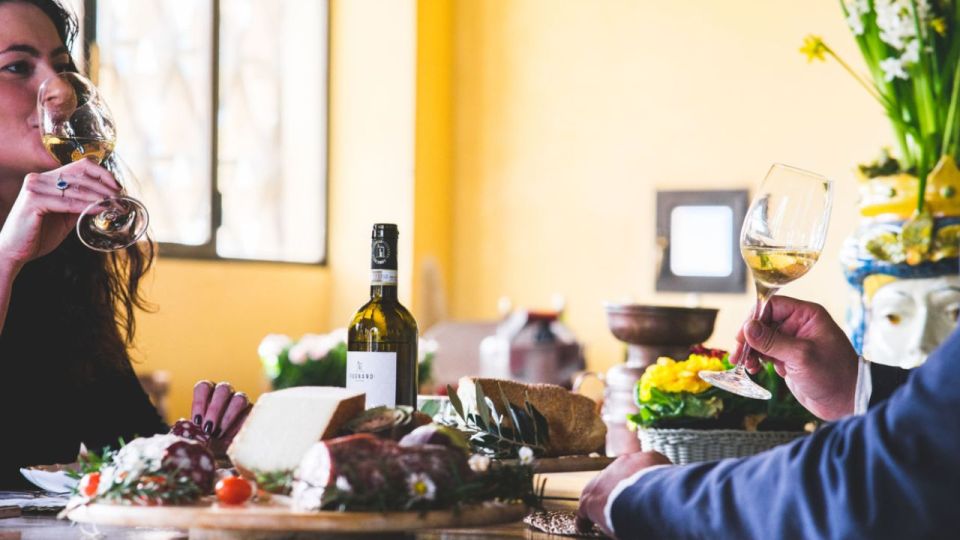
- Wine tasting lesson with real labels including DOCG and what makes Super-Tuscan wines different
- Food pairing at the winery with cured meats, cheeses, breads, and extra virgin olive oil
- San Gimignano free time to admire its 14 remaining medieval towers and shop at a slower pace
- High-speed train instead of a long bus day—a big quality-of-life upgrade
Rome to Florence by high-speed train: the time saver you’ll feel
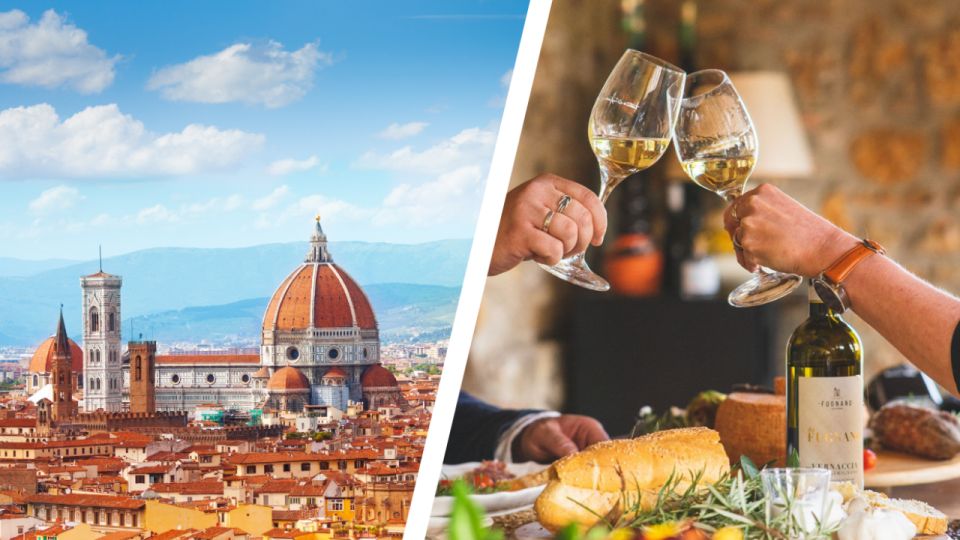
This whole day plan works because the first leg is a proper train, not a bus slog. After meeting your guide at Caffè Vergnano at Roma Termini, you take a high-speed train to Florence that’s about 85 minutes. That matters more than it sounds. You start the day with your energy intact, and it keeps Florence from turning into a rushed “show up, look, sprint, leave” kind of visit.
The return ride is just as important. After your time in San Gimignano, you head back to the Florence train station, then take the train to Roma Termini again for about 85 minutes. In practice, it helps the day feel smoother than routes that require multiple bus transfers and frequent traffic delays.
One small note: the train station is busy. Even with good planning, crowds and occasional delays can happen. One review mentioned a delayed train on the way home, which pushed timing. That’s not a dealbreaker, but it’s the kind of thing that makes you glad the schedule already includes buffer time.
You can also read our reviews of more tours and experiences in Rome.

Florence walking tour: Duomo, Baptistry, Piazza della Signoria, Ponte Vecchio
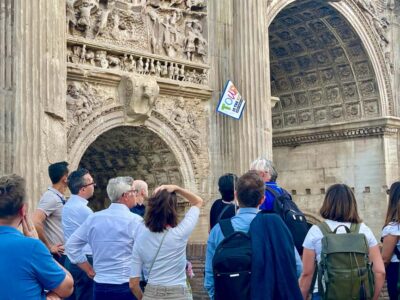
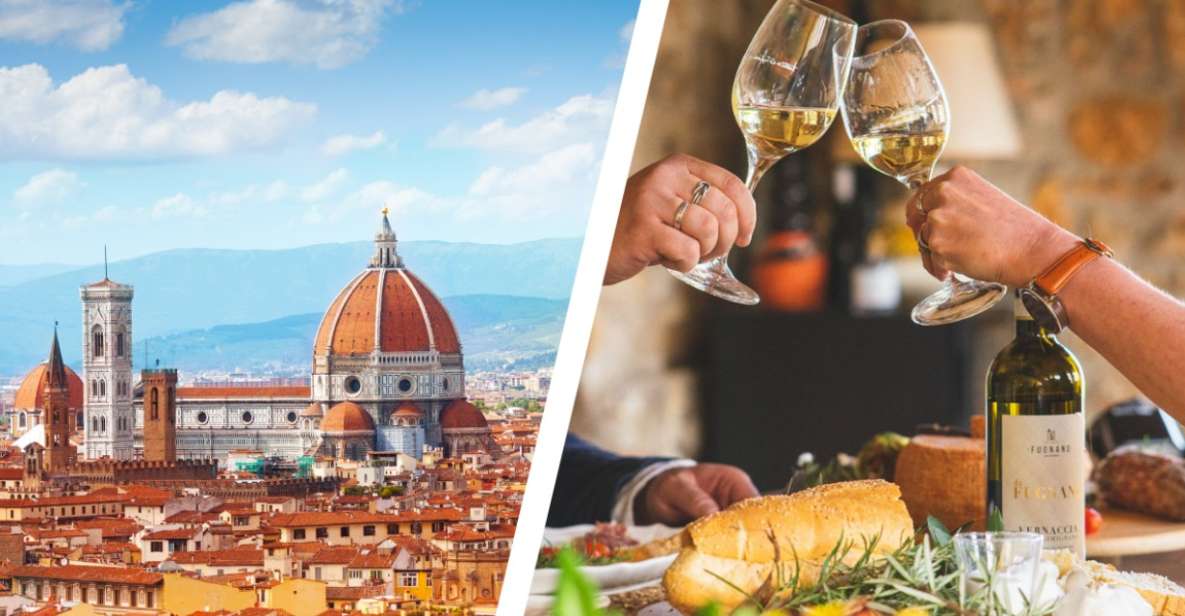
Your Florence portion is a guided walking tour of about 3 hours, paced to hit the big visual moments and connect them to the people behind them. As you step off the train, you meet the local guide and start weaving through the lanes with stories tied to Medici ambitions, greed, and power—plus the conspiracies that formed around them.
What you’ll see is classic Florence, but delivered in a route that makes sense on foot:
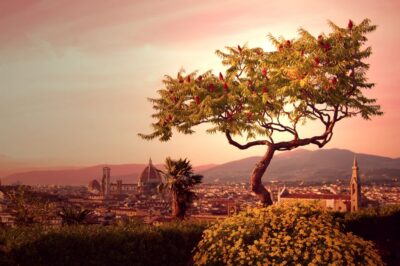
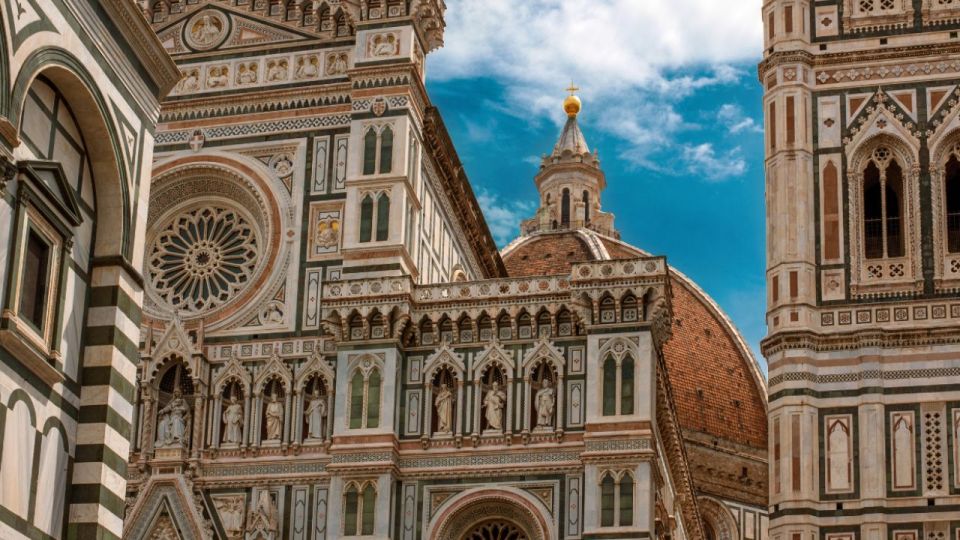
- Duomo area and Brunelleschi’s dome: You get the famous dome viewpoint energy without treating the day like a checklist.
- Baptistry of St. John and its Gates of Paradise: Even if you don’t plan to go inside, the story and context make the details feel worth noticing.
- Piazza della Signoria: You’ll stand in Florence’s old political heart, with a replica of Michelangelo’s David nearby.
- Past the Uffizi Museum and the Vasari Corridor: The corridor is described as a 1-kilometer overpass connecting the Medici residence with the Uffizi. It’s the kind of detail you’d miss without guidance, because you don’t see it as clearly from street level.
- Ponte Vecchio photo stop: The walking tour wraps around the river area so you finish with that postcard bridge moment.
Guides can make or break this kind of day. People have praised guides like Antonio, Jessica, and Sara for keeping the pace friendly and making the art and power stories feel connected, not recited. If you run into any audio hiccups with the headset system, don’t panic—one review noted occasional interference, and the issue didn’t seem to spoil the experience.
The tradeoff: not a museum day
Here’s the catch. You’re not doing long, slow museum time. If you want to spend half a day inside the Uffizi or linger in churches, this tour is more about Florence’s walking highlights and context. You’ll leave with the big picture, but you won’t leave with every masterpiece inside.
The Tuscan countryside transfer: why the break between cities matters
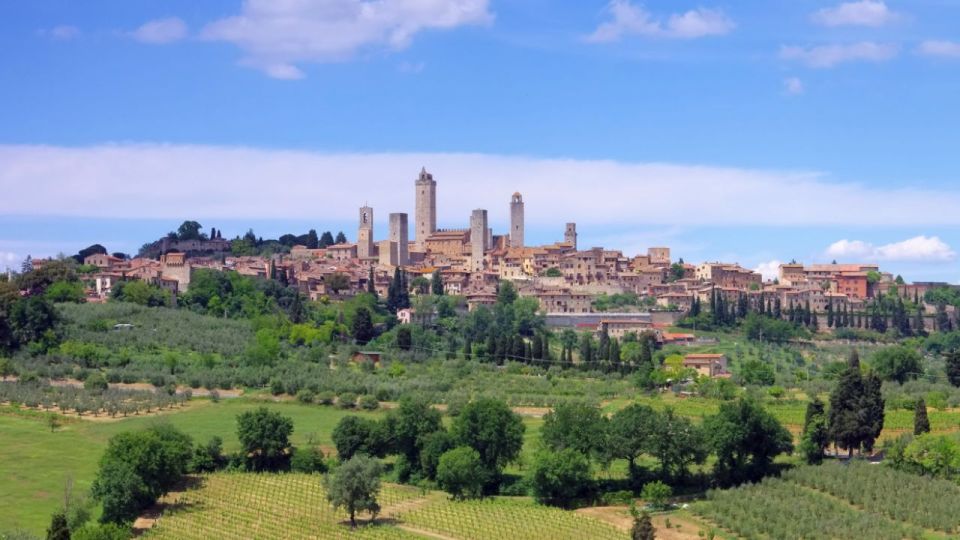
After Florence, the day changes tempo. You switch from walking lanes to the open hills with a 1-hour van transfer toward the winery area. This is a good design choice. It gives you time to reset after concentrated sightseeing, and it turns Tuscany from a name into something you can actually see.
What you’ll notice on the drive is the scenery: rolling, well-kept hills that look staged but aren’t. The route helps you understand why wine and agriculture matter here. Even if you’re not a wine person, it helps you appreciate what you’re about to taste.
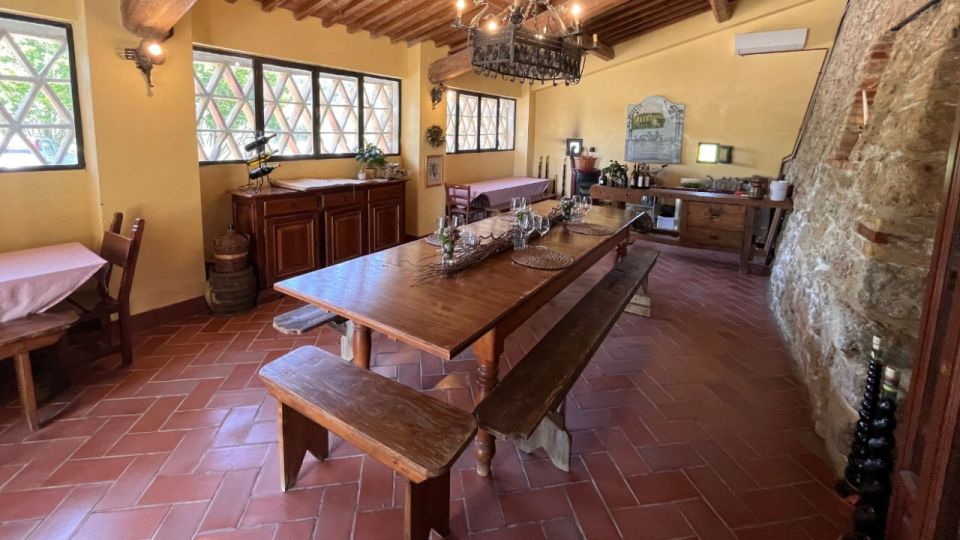
Then you arrive at a family-run Tuscan winery overlooking the medieval towers of San Gimignano. That location isn’t just pretty. It makes the wine story more grounded because you’re tasting in the place where production and tradition actually happen.
Winery tour with tasting and lunch: DOCG, Super-Tuscan, and real pairing
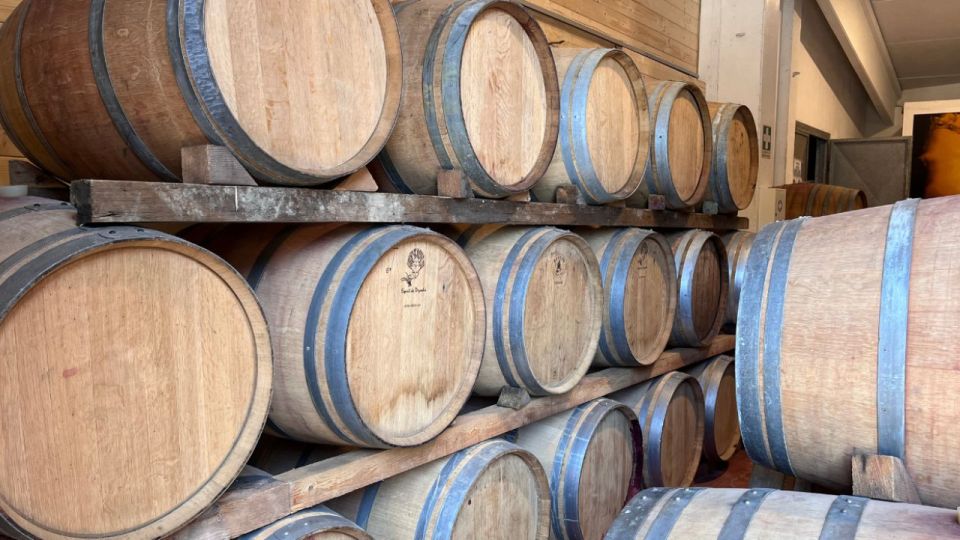
The winery stop is one of the main reasons this trip gets high marks. You’re not just offered a sip and sent on your way. The flow is a 1-hour wine tasting, then a 1-hour lunch that’s part of the experience.
The tasting itself includes practical wine education. The guide explains terms like DOCG and what classifies wine as Super-Tuscan. That’s valuable for you because it reduces the intimidation factor. You don’t need to memorize labels. You can follow the logic.
You also taste alongside food. The pairing includes local cured meats, cheeses, breads, and extra virgin olive oil produced on the grounds. That matters because the flavors help you notice differences between wines instead of just reacting to sweetness or dryness.


Family stories make the flavors stick
What seems to impress most people is how personal the tasting feels. Several reviews point out that you can talk with the people behind the winery story and hear how the operation began. One review even highlighted a family winery called Fugnano. You might not visit the same estate every time, but the format is clearly built around a family operation, not a factory-style tasting room.
Lunch is not just an afterthought. It’s timed to follow the tasting, so you get to connect what you tasted with what you eat. One review called out that the meal was more than expected, with a full course paired with the wines. Even if your appetite is practical rather than adventurous, this pairing style usually lands well because it’s built for balance.
One thing to double-check before you go
In one case, a booking confusion happened: someone thought they had reserved the winery portion but only booked the walking tour. If your ticket description includes the winery tasting and lunch, you’re set. Still, it’s smart to confirm your confirmation details so you’re not expecting a lunch-and-tasting day and only getting the Florence walk.
San Gimignano after lunch: towers, cobblestones, and time to wander
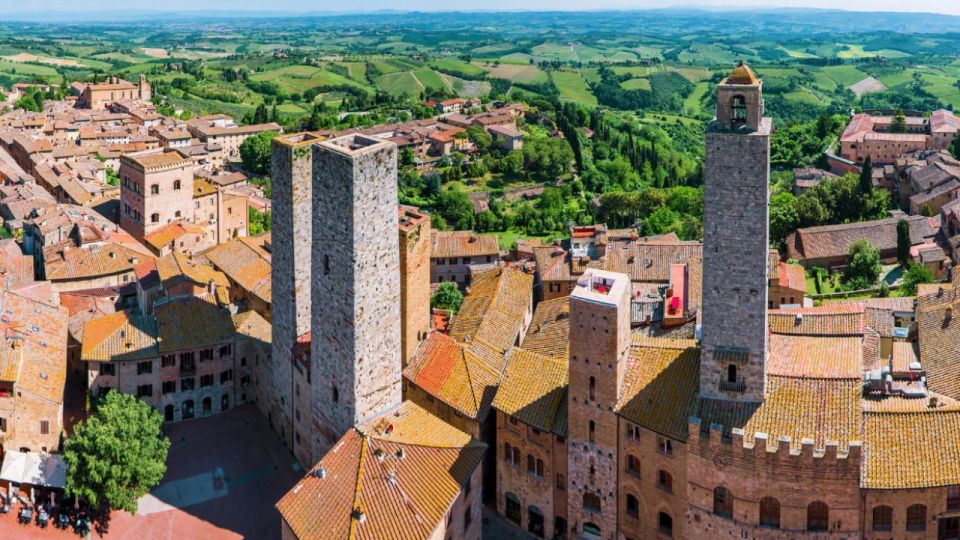
Once lunch ends, you get your freedom. The plan gives you 105 minutes of free time in San Gimignano, plus a 1-hour van back later to Florence station.
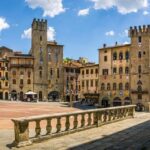
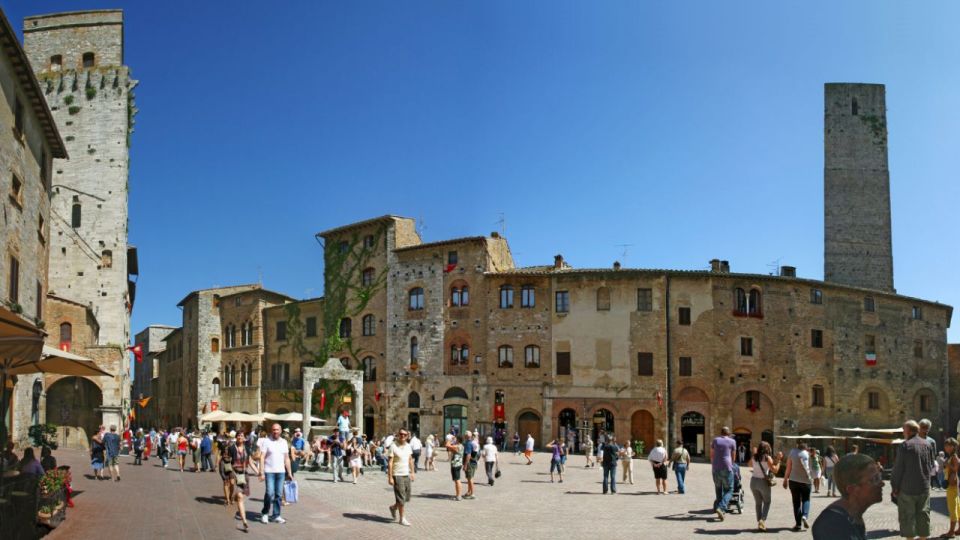
San Gimignano’s main visual hook is its skyline: the town is known for medieval towers, and you’ll admire 14 remaining towers. This is one of those places where you don’t need an agenda every minute. You can just walk and look up, then meander through cobblestone streets, poke into artisan shops, and stop for a gelato when you feel like you’ve earned it.
This free time is also your buffer. You can slow down if you want a tower viewpoint, or keep it light if you prefer shopping and people-watching. If you like getting your bearings quickly in a new town, San Gimignano is a good choice because its “what to look for” is obvious even without a guide.
Value and pricing: does $231.20 make sense for this day?
At $231.20 per person for a 12-hour experience, you’re paying for three things at once:
- Round-trip high-speed train between Rome and Florence
- Guided Florence walking tour (not self-guided wandering)
- Winery tour with tasting plus lunch, then transfers to San Gimignano
If you try to build this day yourself, the costs add up quickly: train tickets, local transport out to the hills, and a winery visit (with tastings and a meal). The value is that the heavy lifting is done for you. You show up, follow a route, and you get a structured tasting experience instead of taking a random bus to a random vineyard.
That said, it’s still a long day, and you need to be comfortable with moving. If you want Florence at your own pace, this may feel like “too much, too fast.” If you want a one-day hit of Renaissance Florence plus Tuscany countryside wine time, it’s exactly the kind of package that can save you stress.
Also note: entry fees are not included. That means if you want to go inside major sites beyond what’s covered on the walk, you’ll likely pay extra.
Who should book this tour, and who should skip it
This tour is a great fit if:
- You want Florence highlights with context but don’t want to research and plan every stop.
- You want Tuscany in one day with a structured winery tasting and lunch.
- You prefer train travel over long bus days and want a smoother return to Rome.
It may be less ideal if:
- You’re planning on heavy museum time in Florence. With 3 hours guided, your “extra” time in Florence is limited by design.
- You dislike long days with back-to-back transport and scheduled stops.
One more practical note: it’s not suitable for pregnant women and not set up for wheelchair users or people needing mobility aids. The route and transportation used make that kind of participation not possible.
Should you book the Rome to Florence & Tuscany day tour?
I’d book it if your goal is a single-day structure that blends the big-name art city with a real Tuscany food-and-wine moment. The high-speed train is a major win, the Florence walk hits the landmarks you actually want to see, and the winery stop is treated like an experience, not a sales stop.
I’d hesitate if you want Florence to be slow and museum-deep, or if you need lots of flexibility to change plans mid-day. This is designed to run on time, hit key sights, taste wine, and then enjoy San Gimignano before returning to Rome.
If you’re the kind of person who enjoys a well-paced day with built-in guidance, this is a strong way to see more of Tuscany with less hassle.