REVIEW · ROME
Rome: Colosseum, Arena and Palatine Hill Small-Group Tour
Book on GetYourGuide →Operated by Carpe Diem Tours · Bookable on GetYourGuide
That gladiator gate feeling is real. This small-group tour gets you into the Colosseum and out onto the arena floor, then carries you uphill to Palatine Hill and across to the Roman Forum. I love the direct route you take through the Gladiator’s Gate, and I also love that you’re not stuck straining to hear—headphones are included for the guide’s commentary. One thing to weigh: the visit start point can shift depending on the tickets available, so your pacing through the sites may vary.
In This Review
- Key highlights to look for
- Entering the Colosseum from the Gladiators’ Gate
- Small-group comfort with headphones (you’ll hear every word)
- Palatine Hill: Rome’s emperor neighborhood in 30 minutes
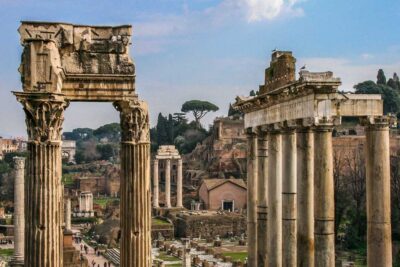
- The Roman Forum: the empire’s daily engine
- Your start point may change: what it means for your timing
- Meeting at the Arch of Constantine (and finding your guide fast)
- Price and value: what you’re really paying for
- Who this tour suits best
- Tips so the day feels easy
- Should you book this Colosseum, Arena and Palatine Hill small-group tour?
- FAQ
- How long is the tour?
- Where do you meet?
- Where does the tour end?
- Is the tour in English?
- Do you get to go onto the Colosseum arena floor?
- How much time is spent at Palatine Hill?
- What time order will we follow?
- What is included?
- Is food and drink included?
- What should I bring?
- Is there a discount on certain dates?
Key highlights to look for
- Arena-floor access through the Gladiator’s Gate, the same path gladiators used
- Palatine Hill palaces and elite villas—you get the emperor neighborhood, not just a quick stop
- Fully licensed local expert guide with English commentary
- Headphones included, so you actually hear the story while you walk
- Small-group size that keeps the tour feeling personal and manageable
Entering the Colosseum from the Gladiators’ Gate
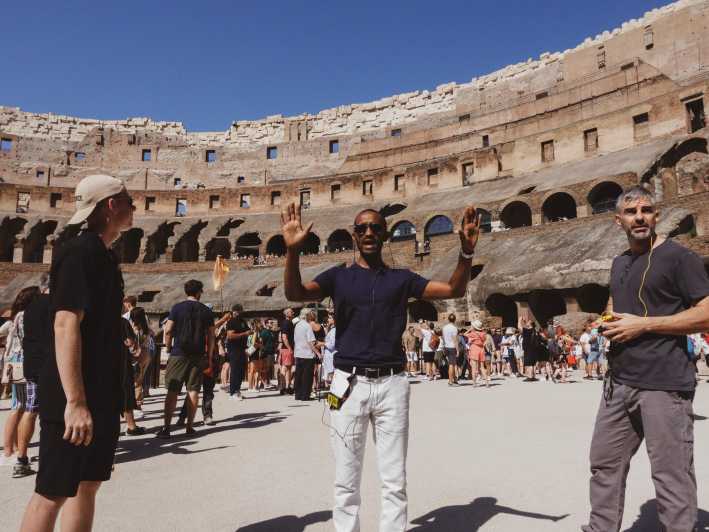
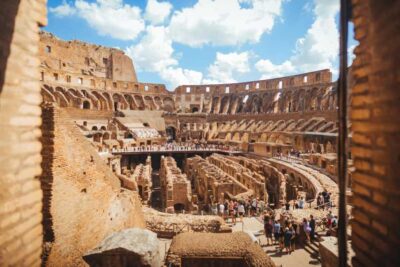
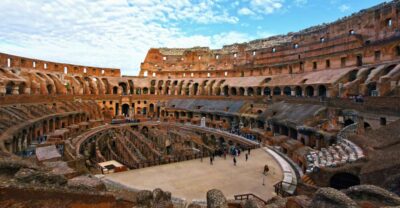
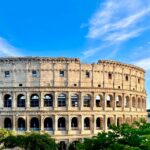
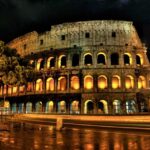
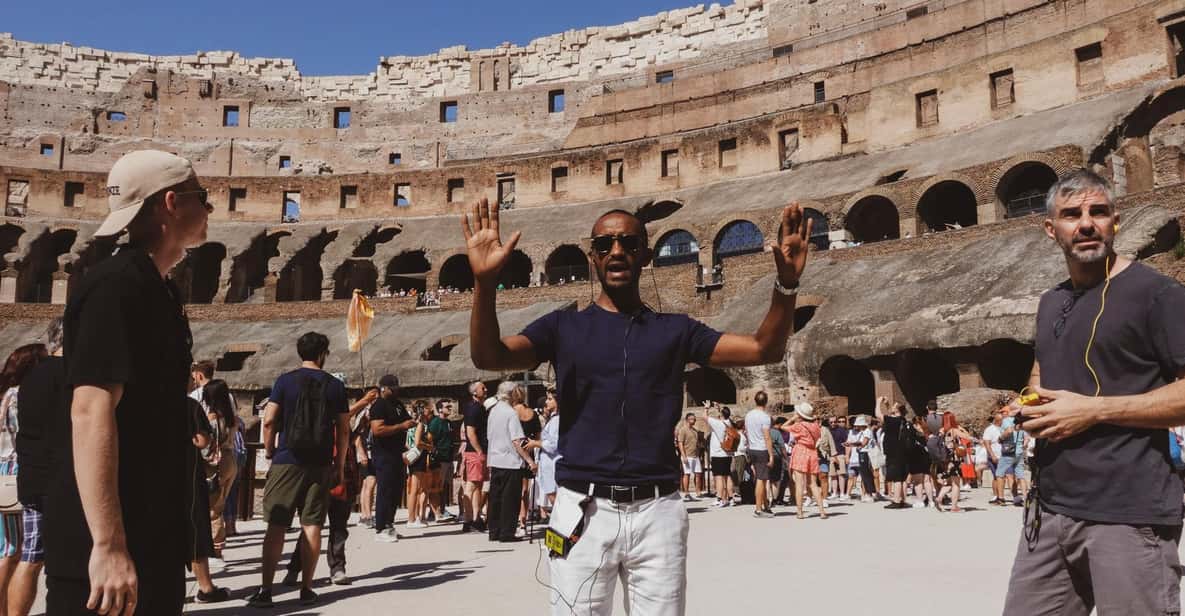
If you’ve only ever seen the Colosseum from outside, this tour changes the picture fast. You don’t just peer in from a distance. You get inside and continue on to the arena floor, which is the emotional heart of the place.
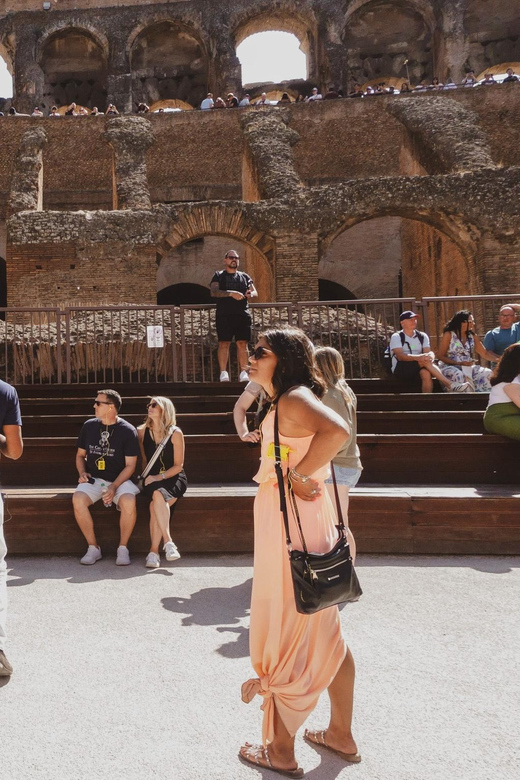
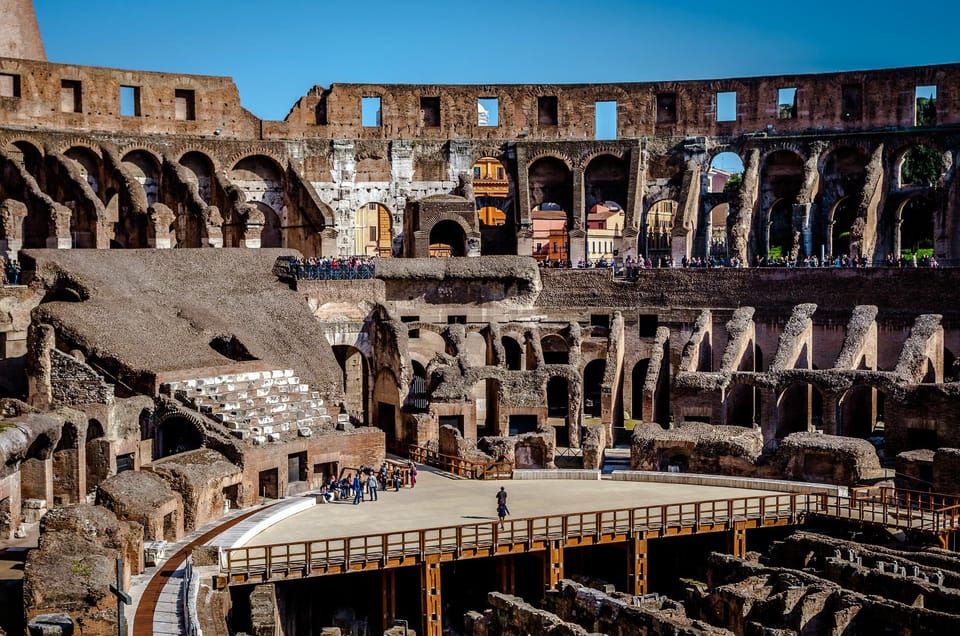
The big hook is the route: you walk through the Gladiator’s Gate. That matters because it turns the Colosseum from a set of ruins into a functioning stage. You’re standing where combatants once appeared, where the roar would have swallowed everything, and where the crowd’s mood could flip in seconds. Even without pretending you can recreate the past, the layout makes the story click.
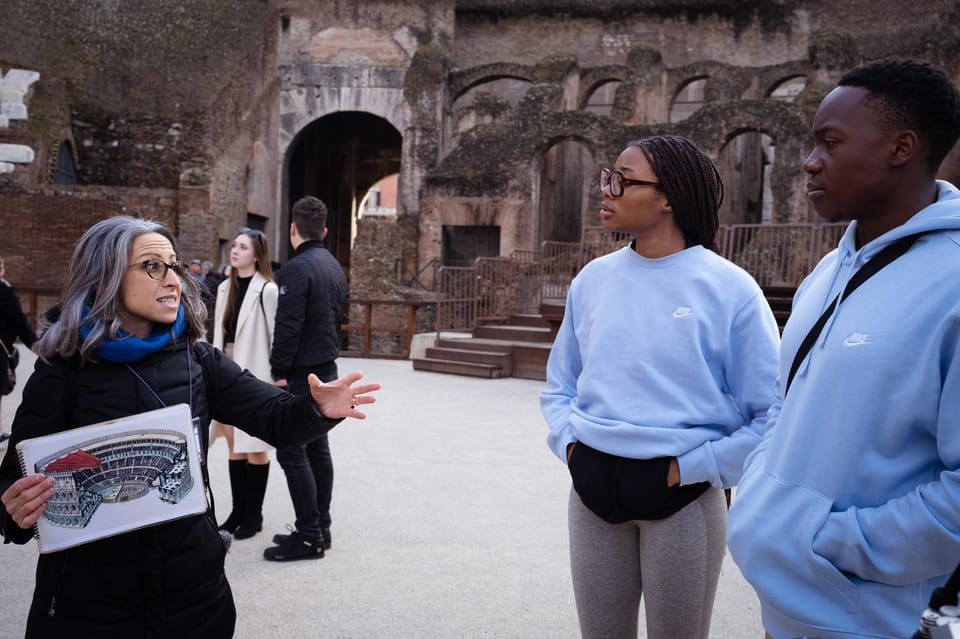
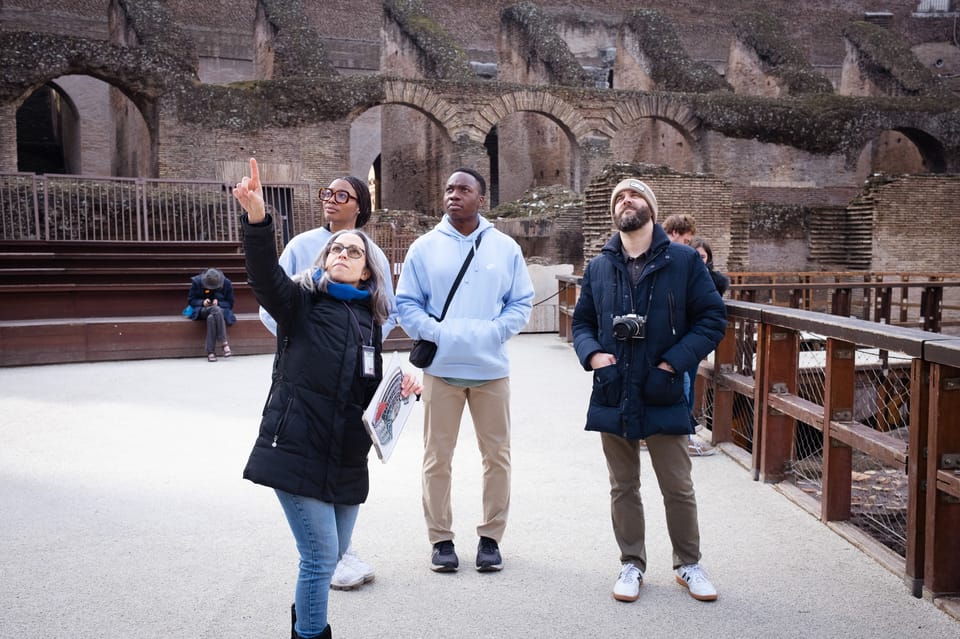
Your guide’s job is to connect what you see to what happened. Expect explanations that focus on how the Colosseum worked as entertainment for a massive Roman audience, and how emperors and elites used public spectacle to project power. This is the kind of context that helps the stone stop feeling like stone.
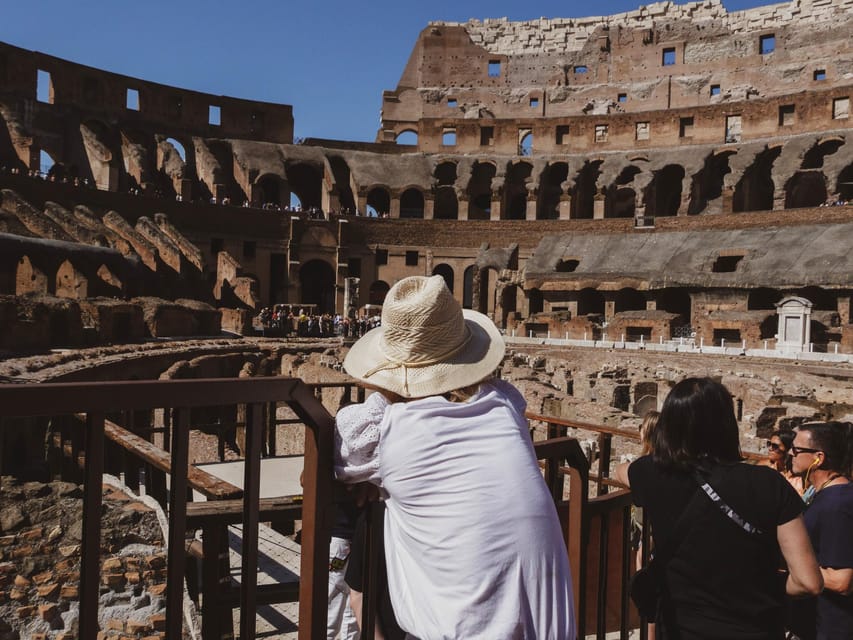
Practical note: the Colosseum can be intense—crowds, bright light, and lots of walking. Having a guide route you efficiently, rather than wandering, usually means you spend more time in the good parts and less time figuring out where to go next.
You can also read our reviews of more tours and experiences in Rome.

Small-group comfort with headphones (you’ll hear every word)
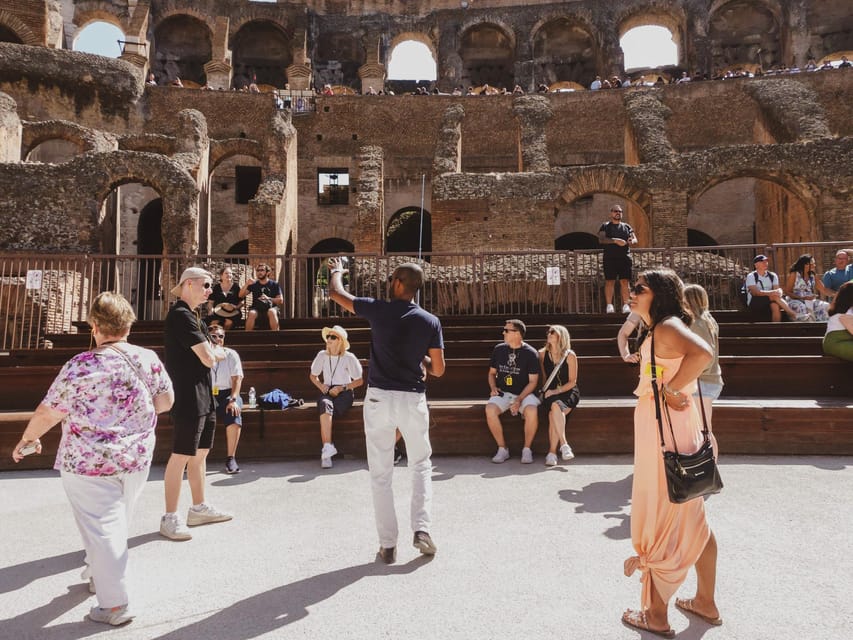
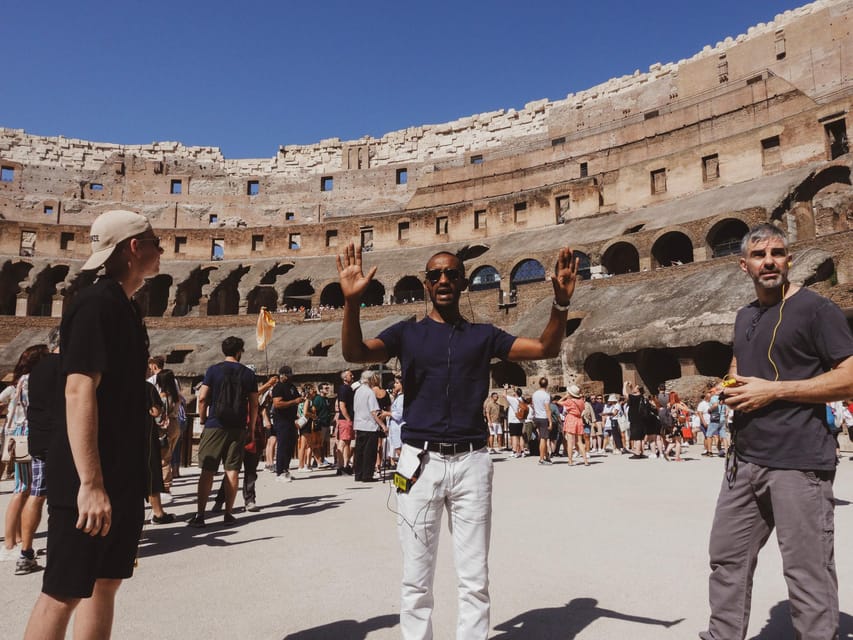
This is a guided walking tour, and the audio setup is a big deal. Headphones are included, which means the guide can speak at a normal pace while you keep moving.
That’s not a small upgrade. In Rome’s major sites, it’s common to get stuck in the back and miss half the details. Here, you’re set up to follow the narrative. You also get the benefit of a small group, so it feels less like getting processed and more like you’re learning with a real person—not a foggy voice from far away.
I’ve found that this format works especially well at the Colosseum, where the views and angles matter. The ability to listen clearly helps you notice things you’d otherwise ignore, like how different areas of the arena connect to the overall design.
Also, the tour is led by an English-speaking, fully licensed expert. You may hear a more academic tone (some guides have strong archaeological backgrounds), and you may also hear humor and side stories. Either way, the goal stays the same: make the site understandable in real time.
Palatine Hill: Rome’s emperor neighborhood in 30 minutes
Palatine Hill is where Rome stops being a battlefield of ideas and starts feeling like a neighborhood of power. While the Colosseum grabs your attention with spectacle, Palatine Hill explains the other half of the story: where the elites lived.
You’ll spend about 30 minutes here with the guide. That short window forces focus. Instead of a checklist of ruins, you get an overview of how emperors built and how elite families had luxurious villas on a high, commanding part of the city. As you look at the remains, your guide helps you connect the visible fragments to the idea of a whole palace district.
Why this matters: it keeps you from seeing Roman history as one-off events. You start to sense the system—public games in one place, private luxury in another, and the way power flows between the two.
If you’re a first-time visitor, Palatine Hill is often the stop that makes everything else make more sense. You’re not just looking at monuments; you’re learning why rulers wanted to be seen, and why they also wanted their homes to feel untouchable.
The Roman Forum: the empire’s daily engine
At the Roman Forum, the vibe shifts. The Forum is not just about big names and dramatic speeches. It’s where the day-to-day machinery of Rome would have felt like it was running nonstop.
This tour ends at the Roman Forum, which is a smart way to land. After seeing the spectacle of the Colosseum and the luxury of Palatine Hill, you’re ready for the messier, busier core of ancient life. The guide weaves together what happened here—politics, public activity, and the reality that even an empire’s center relied on ordinary movement and work.
What you’ll like here is the scale of imagination. Even with ruins, the Forum’s layout helps you understand why people built, argued, bought, and governed in the same general spaces. Your guide’s explanations are meant to make those spaces feel like they had routines, not just empty gaps in the ground.
One downside to keep in mind: the stop is a finish point, so you might feel a little time pressure at the end if you want to linger for photos or extra exploring. Still, having a guided walkthrough first usually helps you see more in less time.
Your start point may change: what it means for your timing
A useful detail: this tour can start either at the Colosseum or at the Roman Forum/Palatine Hill, depending on ticket timing. That means your exact order can shift, even though the overall experience stays focused on the same three areas.
Here’s how to handle that without stress:
- If you start at the Colosseum, you’ll get arena access sooner and then move to the quieter layers of elite living and civic life.
- If you start at the Forum/Palatine Hill side, you’ll begin with the civic context and then finish at the Colosseum before you hit the most emotional visual payoff.
Either way, the guide keeps the pacing tight, and you’ll still get inside the Colosseum area and the guided portions of Palatine Hill and the Forum. Your best move is to check your confirmed start time and show up a bit early so the group forms smoothly.


Meeting at the Arch of Constantine (and finding your guide fast)
The meeting point is the Arch of Constantine. The guide will be holding a yellow flag, and you’ll meet on the side furthest away from the Colosseum.
That detail is worth taking seriously. Big monuments attract big crowds, and you don’t want to waste your first minutes searching. Show up with enough time to locate the flag and get oriented.
The good news: once you connect with the guide, the rest of the tour is about moving efficiently from stop to stop, with clear direction and a route designed for the sites themselves—not for wandering.
Price and value: what you’re really paying for
At $107.62 per person for a 3-hour small-group tour, the price can feel steep if you’re thinking only about duration. But value here isn’t just time—it’s access, guidance, and reduced friction.
What you’re paying for:
- Arena-floor entry, which is the kind of moment that changes how you remember a place
- A licensed local expert guide who explains what you’re looking at while you’re looking at it
- Headphones, so the tour is easier to follow and less stressful for your ears and attention
- A small-group format, which tends to mean better pacing and a smoother experience at crowded ruins
You also get a useful scheduling note: on the first Sunday of the month, Colosseum admission is free and tours are discounted on those days. If your dates line up, that’s one of the simplest ways to lower the total cost while still getting the guided experience.
When you weigh it this way—access plus a guide plus headphones—the price starts to make sense for a top-tier Rome highlight.
Who this tour suits best
This is a strong fit if you want:
- The Colosseum experience to be more than photos and “cool, wow” moments
- A guided narrative that explains how the empire used entertainment and how it reflected elite power
- A small group and clear listening setup, so you don’t spend the tour lost behind other people
It’s especially nice for people who don’t want to piece together information on their own. You’ll get the connections in real time: arena spectacle, emperor life at Palatine Hill, and civic life in the Forum.
If you prefer to linger for long self-guided exploring, you might find the pace a bit brisk—there’s a lot to cover in three hours. But for most visitors, this format hits a sweet spot: enough depth to feel informed, without turning your day into a logistics project.
Tips so the day feels easy
A few practical thoughts based on what the tour experience is like:
- Bring your passport or ID card. It’s explicitly requested for the day.
- If you’re traveling with minors or in a group where names matter, provide full names of all travelers as requested.
- Expect heat and sun. Even on great days, Rome can feel intense outdoors, and some guides actively try to get the group into better shade when they can.
- Wear shoes you can walk in for a few hours. This is a walking itinerary across major sites.
- Give yourself a moment to find the yellow flag at the Arch of Constantine so you start calmly.
Should you book this Colosseum, Arena and Palatine Hill small-group tour?
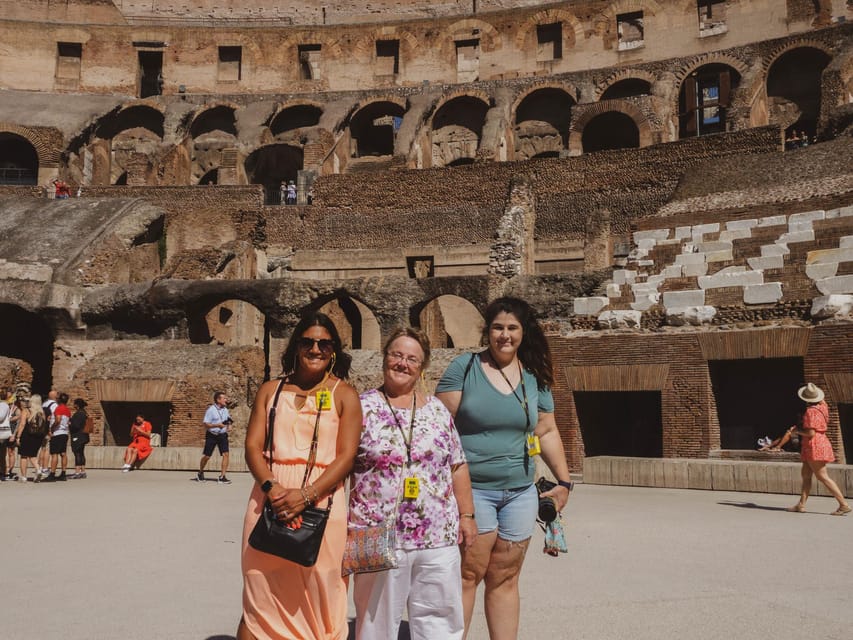
I’d book it if you want the Colosseum at full impact—inside the amphitheatre and out onto the arena floor—plus an organized route through Palatine Hill and the Roman Forum. The combination of small-group pacing, headphones, and arena access through the Gladiator’s Gate is what makes this tour feel worth your time and money.
You might skip or choose a different option if you know you want extra time to wander on your own, especially at the Forum, or if you’re only looking for a quick exterior overview. But if your goal is a guided, high-value Rome highlight done efficiently, this tour is a very solid bet.
FAQ
How long is the tour?
The tour lasts about 3 hours.
Where do you meet?
You meet at the Arch of Constantine. The guide will be holding a yellow flag on the side furthest away from the Colosseum.
Where does the tour end?
The tour ends at the Roman Forum, and the activity returns you back to the meeting point.
Is the tour in English?
Yes. The live tour guide provides commentary in English.
Do you get to go onto the Colosseum arena floor?
Yes. You enter the Colosseum and walk out onto the arena floor through the Gladiator’s Gate.
How much time is spent at Palatine Hill?
Palatine Hill has a guided portion of about 30 minutes.
What time order will we follow?
The tour starts either with the Colosseum or with the Roman Forum/Palatine Hill depending on the ticket times available.
What is included?
The tour includes the guide and headphones.
Is food and drink included?
No. Food and drink are not included.
What should I bring?
Bring your passport or ID card.
Is there a discount on certain dates?
Yes. Colosseum admission is free on the first Sunday of the month, and tours are discounted on those days.