REVIEW · ROME
Rome: Wonders of Ancient Rome at Dusk
Book on GetYourGuide →Operated by Touriks · Bookable on GetYourGuide
Dusk makes Rome feel brand-new. I love the night timing that pulls you away from the busiest daytime crush, and I love the sterilised headsets that make the guide’s stories easy to follow. One thing to note up front: this is an outside-focused tour, so you won’t go inside the Colosseum, Roman Forum, or Trajan’s Forum.
The route is compact and smart: you start at the Colosseum area, hit the big monuments in a logical line, then end with a climb up to Capitoline Hill for a wide, Rome-wide view. You can also choose the vibe you want—small group (max 10) or private—so it’s easier to ask questions without the tour turning into a slow-moving school bus.
In This Review
- Key things to know before you go
- Dusk Makes the Monuments Mean Something
- Meeting at Colosseo Metro: Quick Start, Easy Orientation
- Colosseum Area at Dusk: Gladiators Without the Ticket Hassle
- The Arch of Constantine: A Short Stop With Political Energy
- Roman Forum at Night: Reading Temples, Arches, and Power
- Trajan’s Forum and the Column Photo Moment
- Climbing Capitoline Hill for the Panoramic Finish
- Small Group or Private Tour: Choose Your Comfort Level
- What You Get Included (And Why That Matters)
- Price and Value: What $81 Buys You
- The Main Trade-offs to Consider
- Who This Tour Is Best For
- Booking Judgment: Should You Choose It?
- FAQ
- FAQ
- Does this tour go inside the Colosseum?
- How long is the tour?
- Where does the tour start?
- Where is the tour ending?
- What’s included in the price?
- Is food or drinks included?
- What languages are available for the guide?
- Are there small groups or private options?
- What should I bring?
- Does it run in bad weather?
Key things to know before you go
- Outside-only sightseeing: you’ll see major sites from the best public viewing angles, not ticket lines inside.
- Headsets for clarity: included, so you can actually catch the details.
- Dusk pacing over daytime crowds: the tour is timed to feel calmer and more atmospheric.
- Gladiators and emperors as a story thread: the guide connects monuments to people and power.
- Capitoline Hill finish: you end with a panoramic payoff, not just a photo stop.
- Small-group cap: the small tour holds up to 10 people.
Dusk Makes the Monuments Mean Something
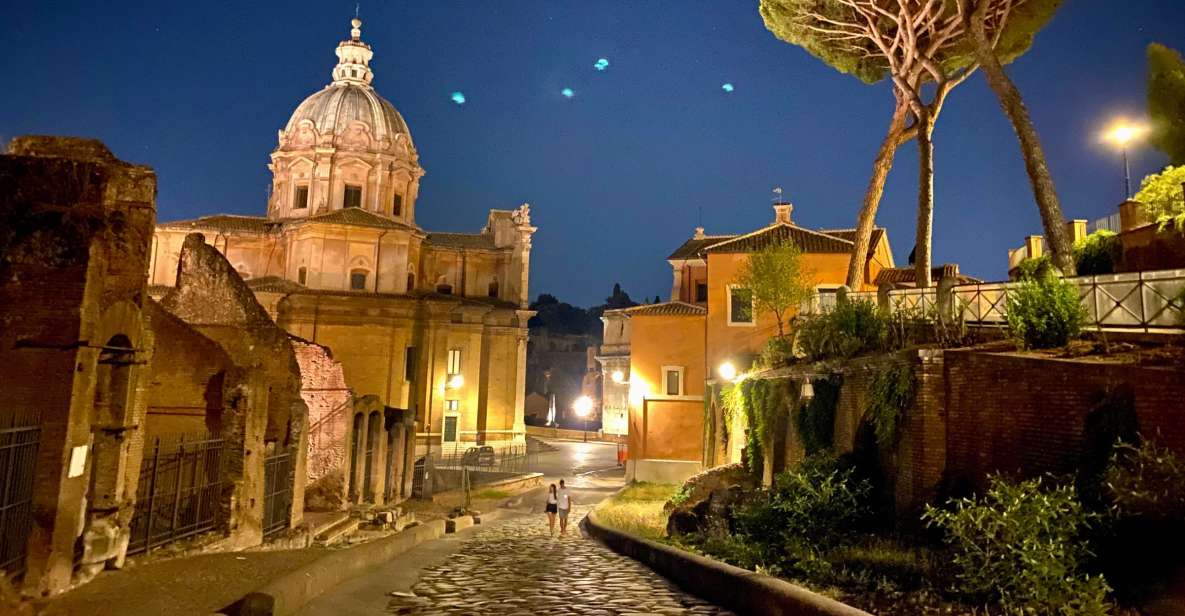
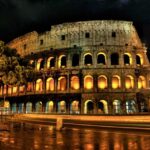
Rome’s nighttime energy is a different animal than daytime. Daytime is about visibility. Dusk is about meaning—shadows stretch across stone, and suddenly the monuments look less like postcards and more like stages where real people lived, fought, governed, and performed.
This tour leans into that. Starting in the Colosseum zone gives you immediate context, and keeping the walk to around 2 hours helps you stay focused instead of turning the experience into a long grind. If you like history that feels connected—rather than memorizing dates—this format works well.
There’s also a practical benefit: the biggest Roman sights don’t feel as suffocating at dusk. You’ll still be in the city center, but the tour’s timing helps you avoid some of the peak daytime density.
You can also read our reviews of more tours and experiences in Rome.

Meeting at Colosseo Metro: Quick Start, Easy Orientation
You meet at Piazza del Colosseo, 21, at the green kiosk at street level right outside the Colosseo metro station (Line B, blue line). Look for staff holding a yellow Touriks sign, and make sure you meet downstairs at street level—there’s also an upper metro exit.
Plan to arrive 30 minutes early. That buffer matters here because it gives you time to orient yourself, grab a bottle of water if you want one, and get settled before you’re led out on the route.
You’ll also want comfortable shoes. This is a walking tour, and even though the highlights are clustered, you’re still moving between viewpoints and uphill sections near the end.
Colosseum Area at Dusk: Gladiators Without the Ticket Hassle
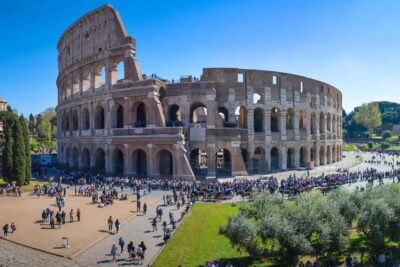
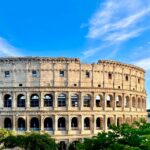
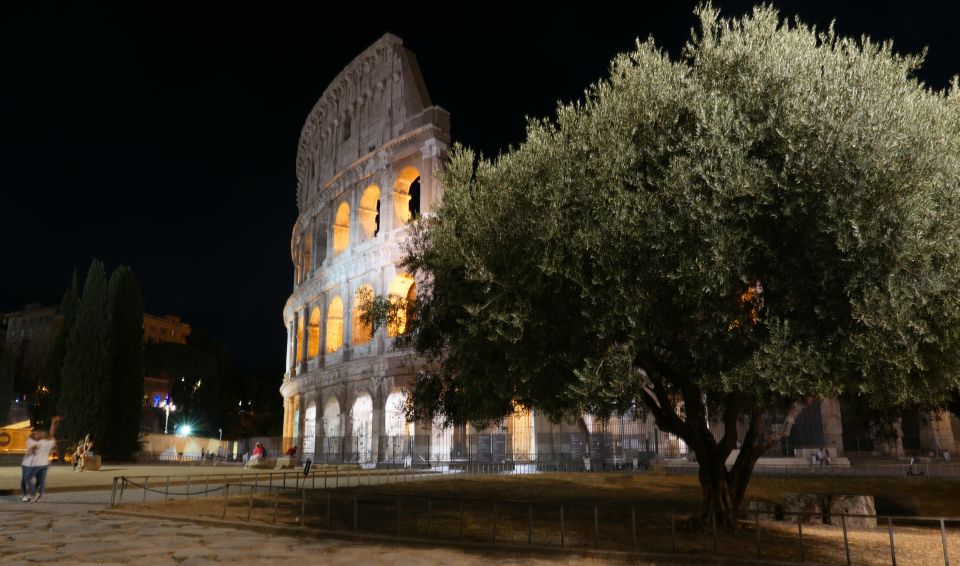
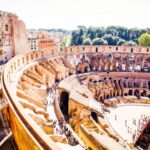
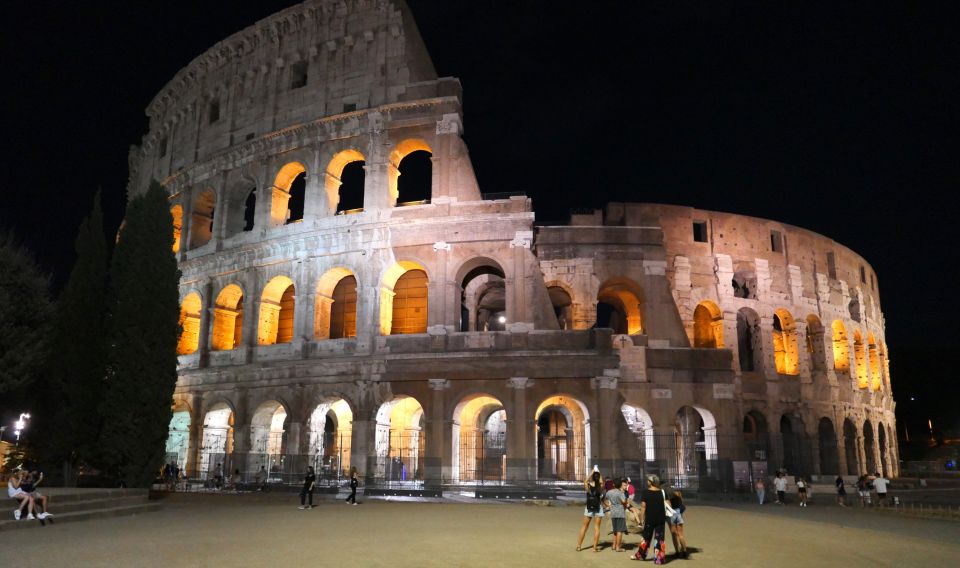
You begin outside the Colosseum, and the guide uses that starting point to set the scene: how it was built, and what happened there—especially the notorious gladiator battles and the bloody spectacle that the arena is remembered for.
The key detail is that you’re not going inside. You’ll get the structure, the symbolism, and the story from outside, which can be a win if you don’t want to deal with additional entry logistics or timing constraints during your short visit.
At the same time, this outside-only approach is the tour’s trade-off. If your top goal is the interior experience—where you can see the arena space directly—this will feel more like a guided history walk around the monument than a full Colosseum visit. For most people, though, the value is in learning how to read the building from the street and nearby viewpoints.
The Arch of Constantine: A Short Stop With Political Energy
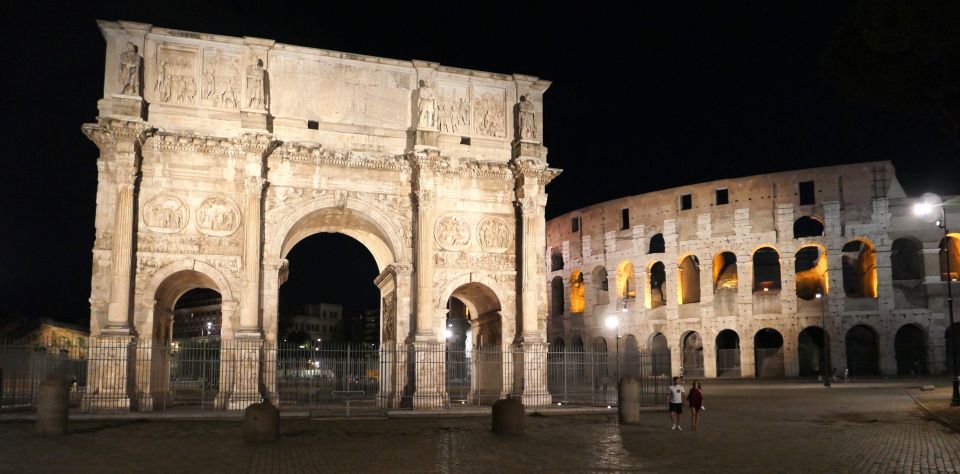
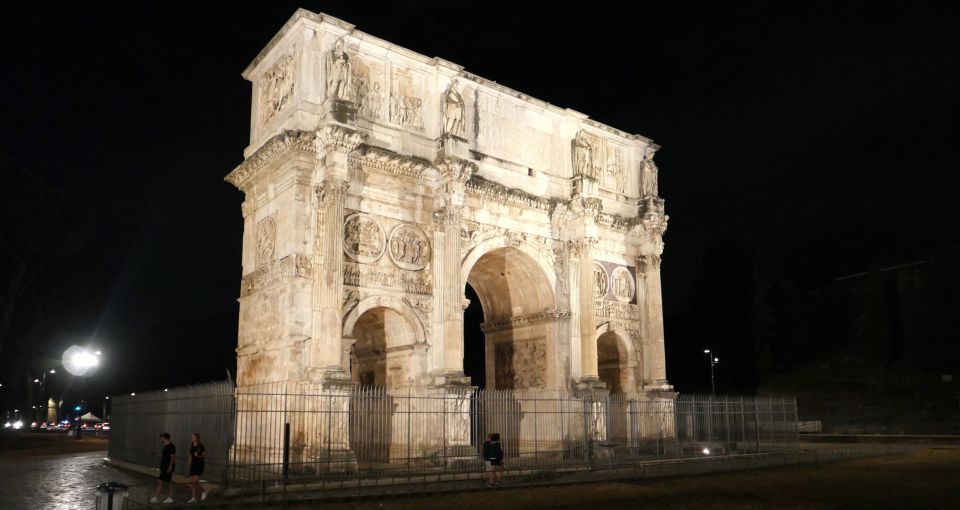
Next up is the Arch of Constantine. This is one of those Rome moments where a small stop can deliver a big payoff, because the guide can explain what the arch represents—how imperial power wanted to be seen, remembered, and legitimized through monumental architecture.
The timing here is brief (around 10 minutes), but it’s paced to keep the tour moving. You’re not rushing past it; you’re using it as a “visual chapter change” on the way from the arena world to the civic and political heart of the city.
If you enjoy monuments that act like propaganda posters made of stone, this is the kind of stop that clicks fast.
Roman Forum at Night: Reading Temples, Arches, and Power
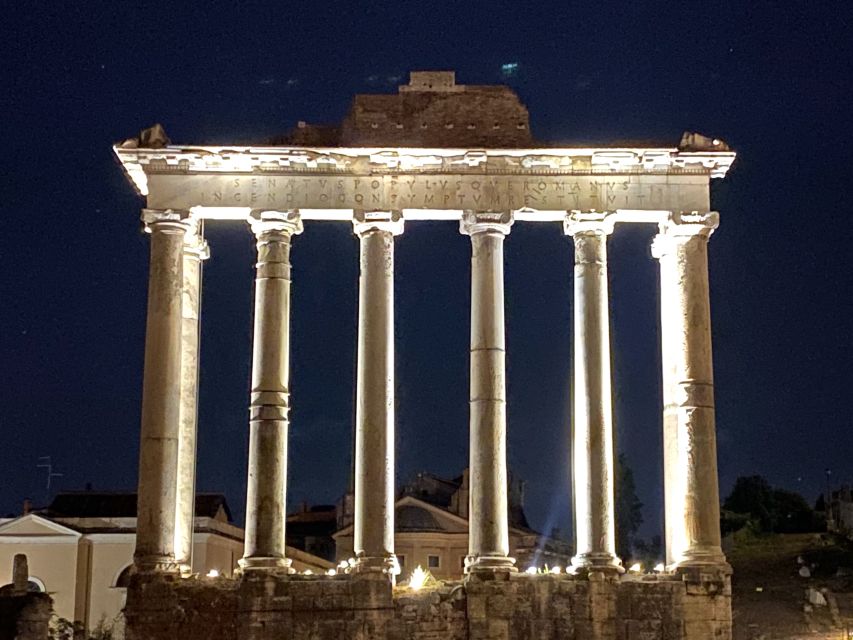
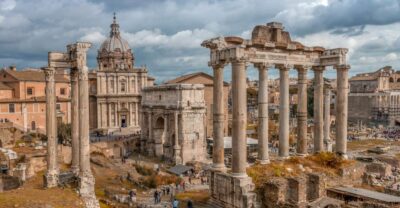
The tour then leads you into the Roman Forum area under moonlight. This is where the dusk timing really helps. The Forum can be busy in daylight, and it’s easy to feel like you’re just looking at ruins from every direction. With a guide, you get a clearer path through the story—who ruled, what institutions mattered, and why these buildings were more than just impressive stone shells.
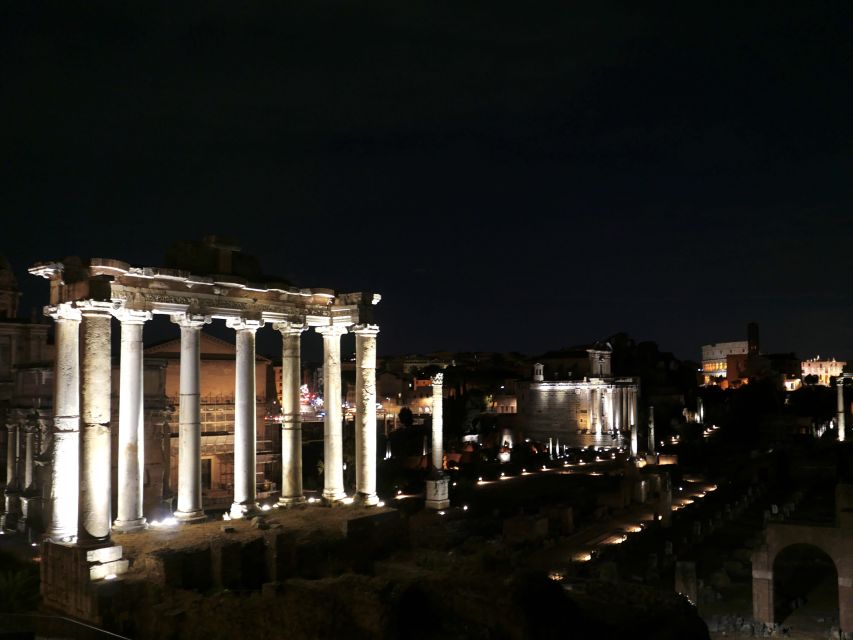
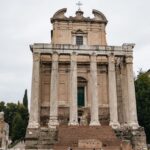
You’ll see the Temple of Castor and Pollux, the Arch of Titus, and the Senate House. The guide ties these sights to the world of rulers and the mechanics of Roman power. The tour’s focus isn’t a deep archaeological lecture; it’s the human layer—how emperors used architecture, how the city functioned, and how public life played out in these spaces.
You’ll also hear about notorious emperors and what life could feel like in their orbit. That story thread matters, because it turns “more ruins” into a place where you can picture authority, ceremony, and conflict.
One more thoughtful point: because you’re going at night and staying outdoors, you’re not stuck waiting for indoor time windows. You’re seeing the Forum as an open-air setting, which is often the most realistic way to experience it in real time.


Trajan’s Forum and the Column Photo Moment
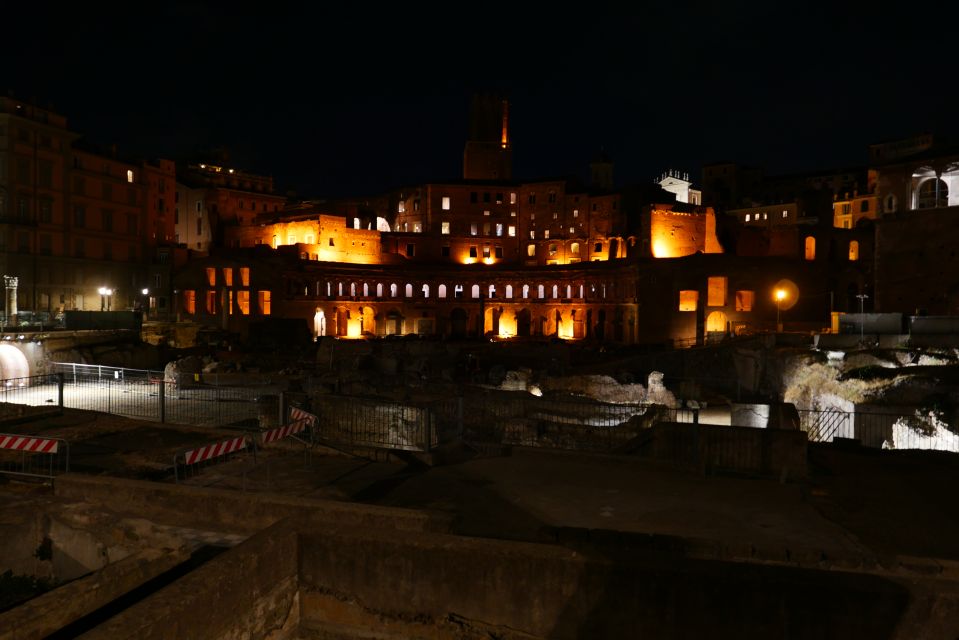
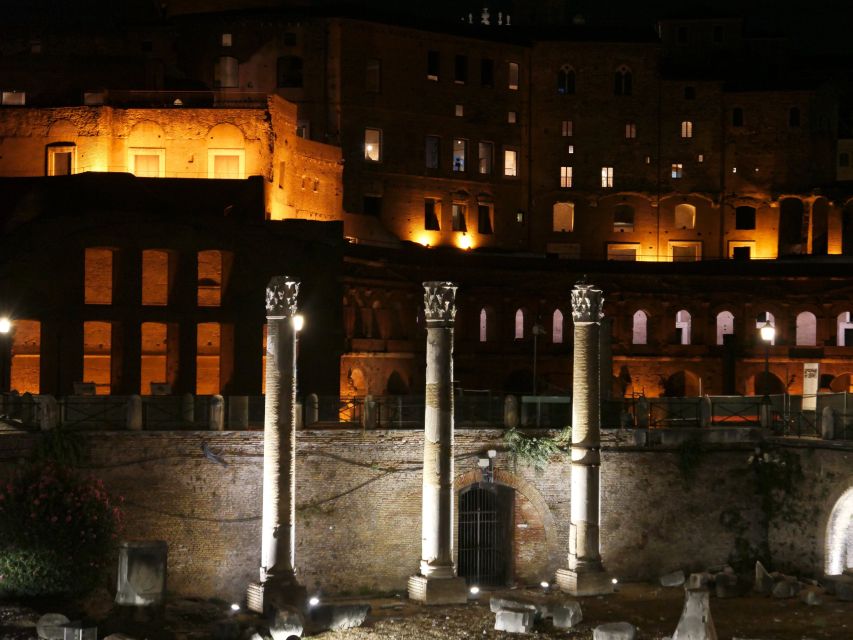
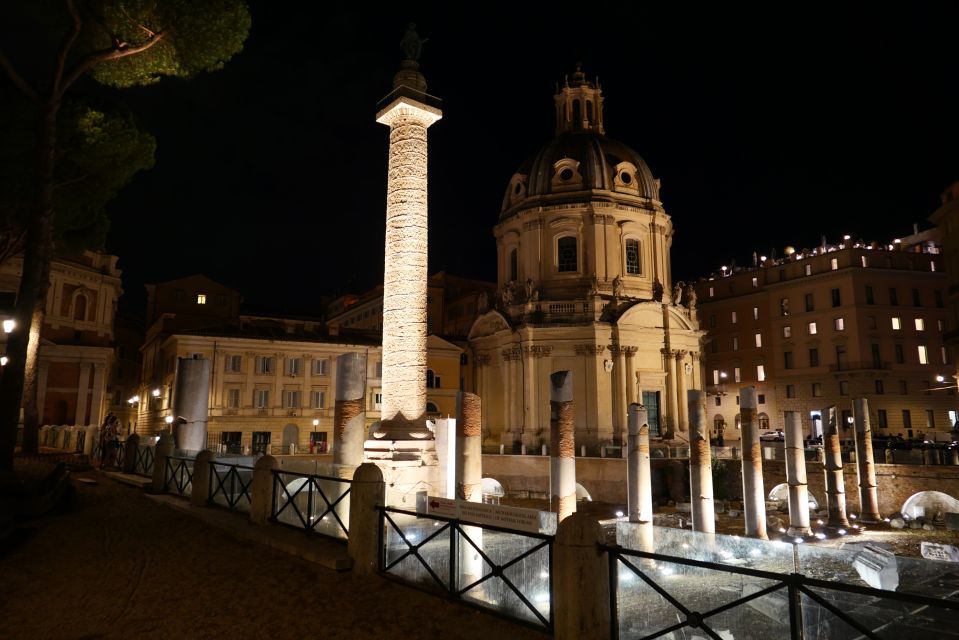
After the Roman Forum, the route continues to Trajan’s Forum. This stop is built for momentum: it’s guided for about 15 minutes, with enough time to understand what you’re looking at and then move on.
You’ll also get a photo moment in front of the Column of Trajan. Even if you’ve seen the column in pictures, it tends to land differently in person, because you’re standing in the actual civic space where it was meant to communicate dominance and story.
For me, the best part of a photo moment on a guided tour is not the photo itself—it’s the context right before it. You’re not just taking a shot; you’re placing what you see into the larger Roman narrative the guide has been building since the Colosseum.
Climbing Capitoline Hill for the Panoramic Finish
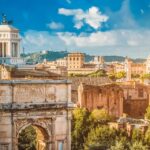
The tour ends at Piazza del Campidoglio, and the final highlight is the climb to Capitoline Hill. This is the kind of payoff that makes the entire 2-hour plan feel complete. You go from street-level monuments into an elevated vantage point, where you can connect the dots across the city.
The panoramic view is the reward. You’re seeing Rome not as a list of sites, but as one interconnected landscape of hills, buildings, and historic layers. It’s also a natural moment to pause, catch your breath, and reset for whatever comes next—dinner nearby, a stroll, or simply soaking in the change of perspective.
Small Group or Private Tour: Choose Your Comfort Level
This is offered as private or small groups, with the small group capped at 10 participants. That size matters more than it sounds. Fewer people means the guide can keep the pace tight without losing the group, and it’s easier to hear questions and answers while you’re on the move.
If you prefer a calmer experience, the small group format is often the sweet spot. If you want more control over pacing or you’re traveling with people who want the same conversational style throughout, private is the best match.
Also, the tour runs in multiple languages—Spanish, German, Italian, French, Portuguese, and English—so you can pick what you’ll be most comfortable listening to for 2 hours of story-heavy content.
What You Get Included (And Why That Matters)
The tour includes a professional guide, sterilised headsets, and full on-site assistance, plus all fees and taxes.
The headsets are a real quality-of-life upgrade. Rome streets can be noisy, and outside monuments create echoes and background noise. Being able to hear clearly lets you actually follow the history thread without squinting at the guide’s face or missing key details.
The on-site assistance also helps you stay on track. With a tight route and dusk timing, it’s better when you’re not constantly asking where you go next. You’ll know what’s coming, and you can focus on learning instead of navigating.
Price and Value: What $81 Buys You
At $81 per person for 2 hours, you’re paying for guided storytelling across multiple marquee sites, plus the built-in convenience of headsets and on-the-ground support.
Since entrances into the Colosseum, Roman Forum, and Trajan’s Forum are not included, the value proposition is really about interpretation and timing rather than ticket access. This can be a great deal if:
- you want a high-impact route without stacking up extra entrance logistics
- you’re okay seeing key sights from outside with expert context
- you value hearing stories that make the monuments feel less random
If you’re the type who wants to spend a long time inside major monuments, you may find a separate entry-focused plan better. But if your goal is “learn the place fast and see a lot without stress,” this tour’s structure is built for that.
The Main Trade-offs to Consider
This tour is outside-focused, so don’t expect interior access. If you’re dreaming of standing inside the Colosseum or exploring the Forum’s interior paths with extended wandering time, this won’t replace that experience.
You should also be ready for a short walking push and a final climb. The route is manageable for many people, but if you’re sensitive to hills or longer standing times, wear supportive shoes and plan for a bit of effort at the end.
Finally, because it’s timed and compact, it’s not built for long lingering. You’ll see and learn, then move on. If you love slow museum-style pacing, you might need to pair this with additional free time afterward.
Who This Tour Is Best For
This is a strong fit if you:
- want a 2-hour plan that hits the Colosseum, Roman Forum area, Trajan’s zone, and Capitoline Hill
- like history told through stories of emperors and gladiators, not just lists of facts
- prefer dusk atmosphere over daytime crowds
- appreciate clear audio, thanks to included headsets
- want flexibility between small group and private options
It can also suit first-time visitors who need a guided “orientation” walk through Rome’s ancient core. After this, you’ll likely understand what you’re seeing if you return later on your own.
Booking Judgment: Should You Choose It?
I’d book this tour if your ideal evening in Rome includes one focused, guided walk with lots of context—and you don’t need to go inside every major site to get value.
Skip it (or pair it thoughtfully) if your top priority is interior access to the Colosseum or extensive time wandering through ticketed areas. In that case, you may want a separate entry-based plan for those sites, then use this dusk tour for the outside views and story connection.
If you do book, I’d also bet you’ll enjoy it most when you come in ready to listen. This isn’t just sightseeing—it’s a guided narrative moving from spectacle to empire to civic power.
FAQ
FAQ
Does this tour go inside the Colosseum?
No. It does not include entrance into the Colosseum, Roman Forum, or Trajan’s Forum.
How long is the tour?
The tour lasts 2 hours.
Where does the tour start?
Meet at the green kiosk on street level outside the Colosseo metro station (Line B, blue line) at Piazza del Colosseo, 21.
Where is the tour ending?
The tour finishes at Piazza del Campidoglio, 00186 Roma RM, Italy.
What’s included in the price?
A professional guide, sterilised headsets, full on-site assistance, and all fees and taxes are included.
Is food or drinks included?
No, food and drinks are not included.
What languages are available for the guide?
English, Italian, Spanish, Portuguese, French, German.
Are there small groups or private options?
Yes. You can choose between a small group (maximum 10 participants) or a private tour.
What should I bring?
Wear comfortable shoes.
Does it run in bad weather?
It runs rain or shine unless in very unsuitable weather conditions. If canceled, you’ll be offered an alternative date or a full refund.