REVIEW · ROME
10 Wonders of Rome in 3 hours
Book on GetYourGuide →Operated by Lock Your Tour · Bookable on GetYourGuide
Ten wonders in three hours sounds intense. It is, but this guided walking tour turns Rome’s biggest hits into a sensible loop, from the Colosseum to the Pantheon, plus photo stops and a high payoff panoramic view. I also like the way the guide keeps the pace moving while still giving you story and context so the sights actually connect in your mind.
One thing to watch: this is a from-the-outside kind of tour. You’ll cover about 5.46 km and climb 136 steps, so comfortable shoes matter, and it’s not a great fit if you have heart or respiratory issues or mobility concerns.
In This Review
- Key highlights you should care about
- A 3-hour Rome loop that actually helps you plan the rest of your trip
- Meeting point at Via del Monte Oppio 3 and the easiest way to start on time
- Colosseum first: the best quick payoff you can get in Rome
- Via dei Fori Imperiali: where Rome feels grand and cinematic
- Piazza Venezia and the Altar of the Fatherland: a photo stop with real meaning
- The Pontifical Gregorian University and the Trevi Fountain connection
- Marcus Aurelius Column and Hadrian’s Temple: smaller stops that reward attention
- Pantheon: Rome’s church that keeps working
- Spanish Steps plus an espresso reset
- The secret panoramic viewpoint near Villa Borghese Park
- Guide style matters more than you think on a compressed tour
- Price and value: what $47 does well, and where you should spend extra
- Who this tour fits best (and who should skip it)
- Short practical tips before you go
- Should you book 10 Wonders of Rome in 3 hours?
- FAQ
- What is the duration of the 10 Wonders of Rome tour?
- Where does the tour meet?
- How much walking and how many steps are involved?
- Are monument and museum entry tickets included?
- Which sites are included in the tour?
- Is the tour in English?
- What food or drinks are included?
- Is the tour wheelchair accessible?
- Who should not take this tour?
Key highlights you should care about
- A tight 3-hour route through Rome’s top icons without waiting around for tickets
- Outside viewing, not museum time at places like the Colosseum and Pantheon
- Via dei Fori Imperiali for a dramatic look at Rome’s grand “main street” scale
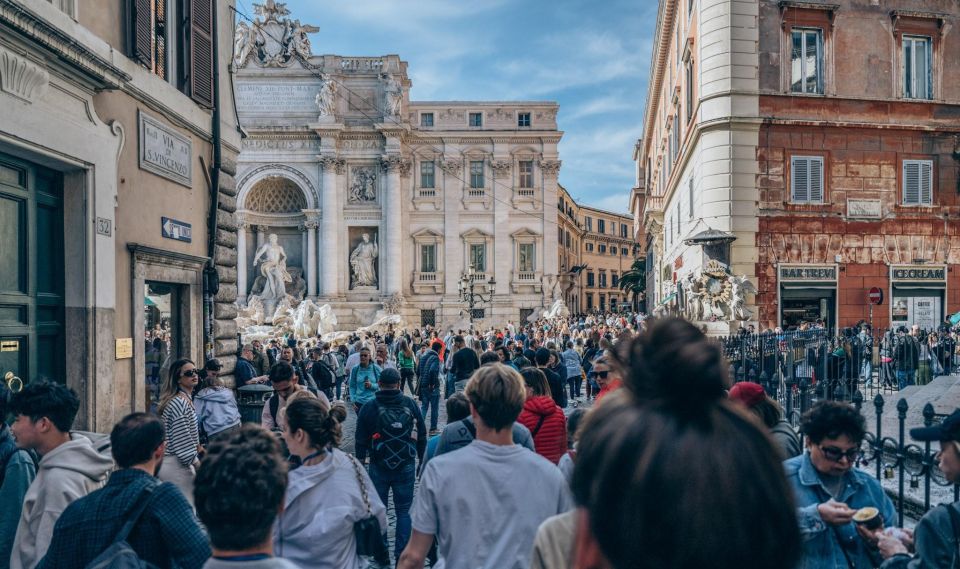
- Trevi Fountain plus espresso break so you get both sight and a taste of everyday Rome
- Spanish Steps (yes, the steps) plus a final panoramic stop near Villa Borghese Park
A 3-hour Rome loop that actually helps you plan the rest of your trip
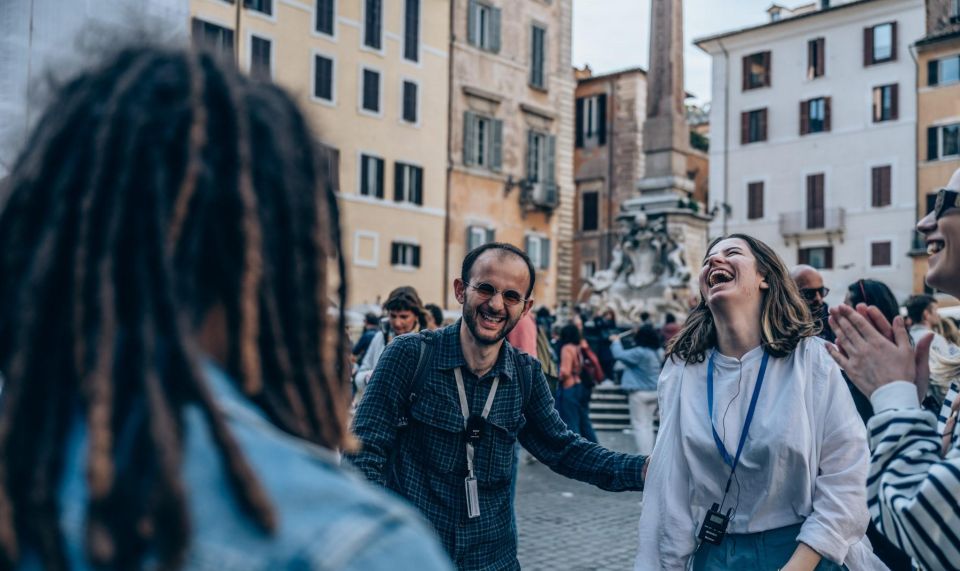
Rome is overwhelming on day one. This tour gives you a clean, guided path through the city’s biggest recognizables, and it helps you decide what deserves a second visit with tickets. If you like to explore on foot (and you’re okay with crowds near the classics), this is a smart “set your bearings fast” experience.
I like that the route is built to show scale: you start with the Colosseum’s massive footprint, then you move toward the grand civic monuments of the center, and later you hit fountains, temples, and viewpoints. By the end, you don’t just remember photos. You understand how these places relate across different eras.
The time limit is real, though. You’ll want to keep expectations simple: admire from outside, take photos during guided stops, and rely on the guide for the “why it matters.”
You can also read our reviews of more tours and experiences in Rome

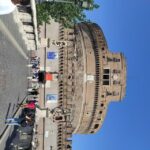
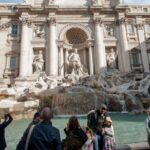
Meeting point at Via del Monte Oppio 3 and the easiest way to start on time
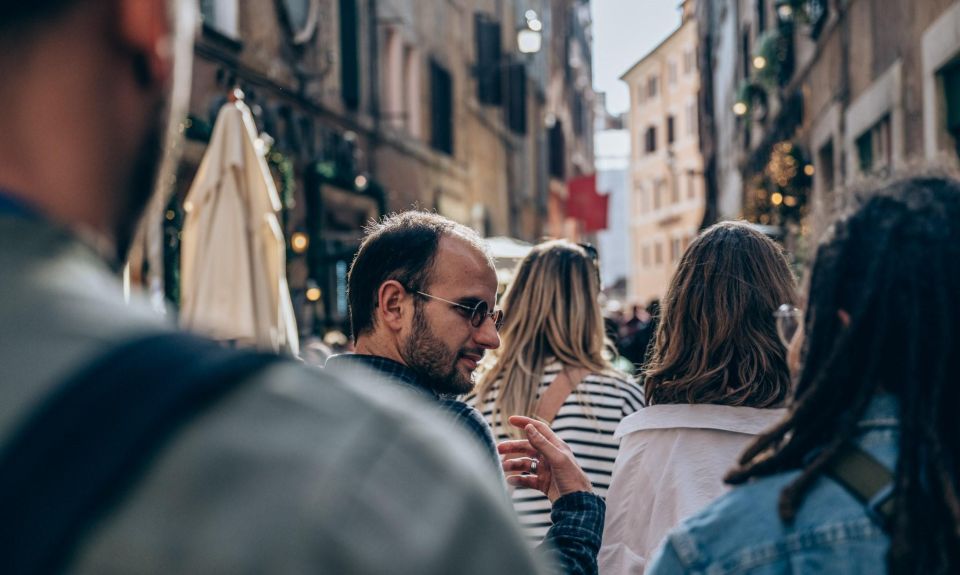
You meet at Via del Monte Oppio 3, 00184 Roma RM. The guide arrives at least 10 minutes early, and you’ll spot them in front of a red house holding a Lock Your Tour flag or umbrella.
Show up a bit early even if you’re close. Rome streets can be a maze, and you don’t want to spend your first minutes stressed while the group gathers. If you’re prone to getting turned around, this is one of those tours where arriving early pays off.
Colosseum first: the best quick payoff you can get in Rome
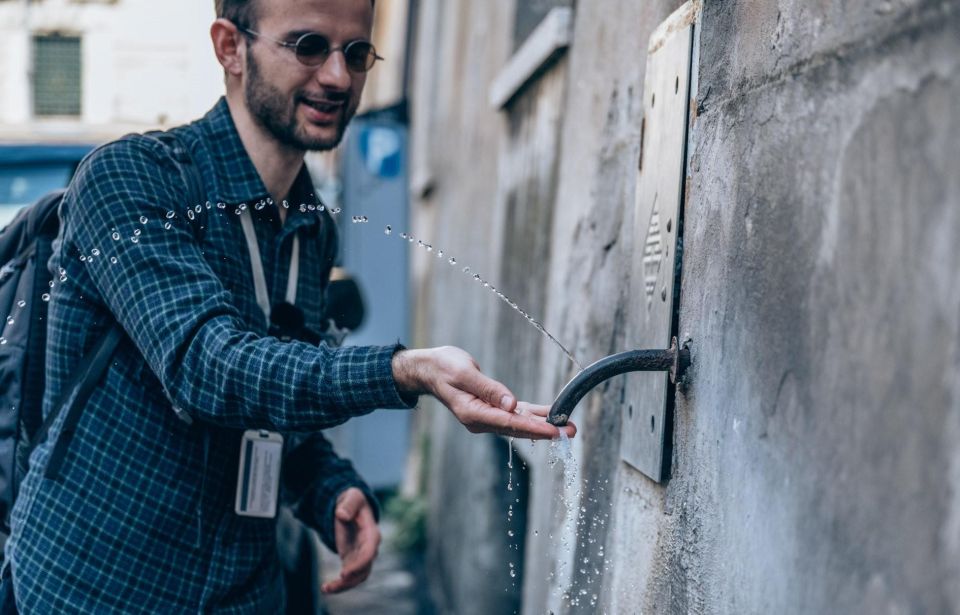
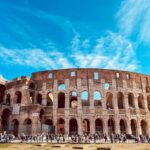
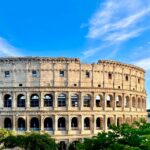
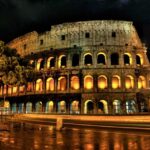
Your tour kicks off at the Colosseum area with a guided approach and a photo stop. This is one of those moments where even seeing it from the outside makes sense of Rome instantly. The guide’s job here is to help you read what you’re looking at: not just a big arena, but a symbol of power, engineering, and spectacle.
You’ll spend about 14 minutes at this first stop. That’s enough time to get photos, hear the key story, and move on without losing the group. If you’re hoping for a slow, in-depth visit inside the Colosseum, you’ll need a different ticketed experience later. Here, you get orientation and impact.
Via dei Fori Imperiali: where Rome feels grand and cinematic
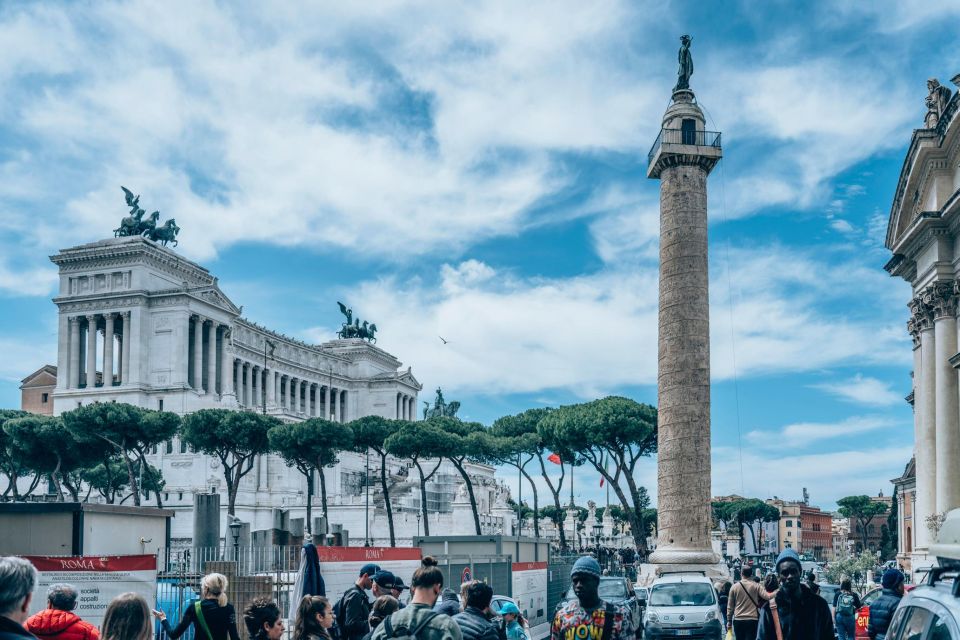
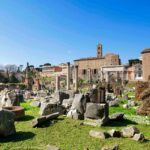
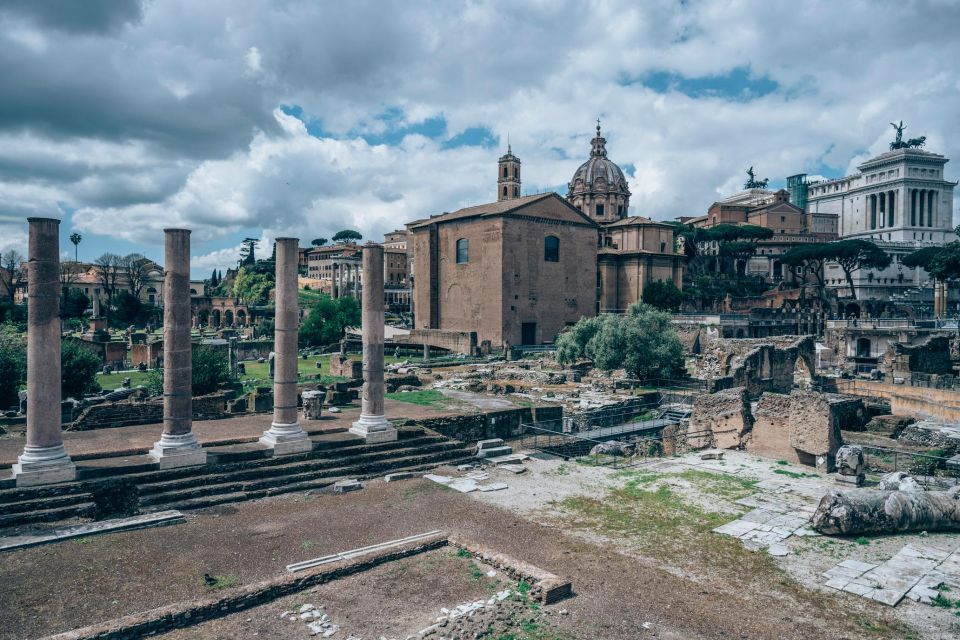
Next comes Via dei Fori Imperiali, Rome’s grand boulevard through the ancient forum area. You’ll walk it with the guide, pass by key points, and get scenic views along the way.
This part is valuable because it changes the feel of the tour. You’re not just stopping at icons; you’re learning how Rome stretches and how the old city connects to the modern one. Even if you don’t know the names yet, you start to see the city as a grid of history.
Piazza Venezia and the Altar of the Fatherland: a photo stop with real meaning
At Piazza Venezia, you’ll have a guided photo stop in front of the Altar of the Fatherland (Vittoriano). It’s one of the most instantly recognizable monuments in Rome’s center, and the guide helps explain why it’s so symbolic.
This stop is mostly about perspective and photos rather than museum details. You’ll also be able to look around the square for a better sense of where you are in the city’s layout. It’s a strong mid-tour anchor before you head into the classic “tourist postcard” zone.


The Pontifical Gregorian University and the Trevi Fountain connection
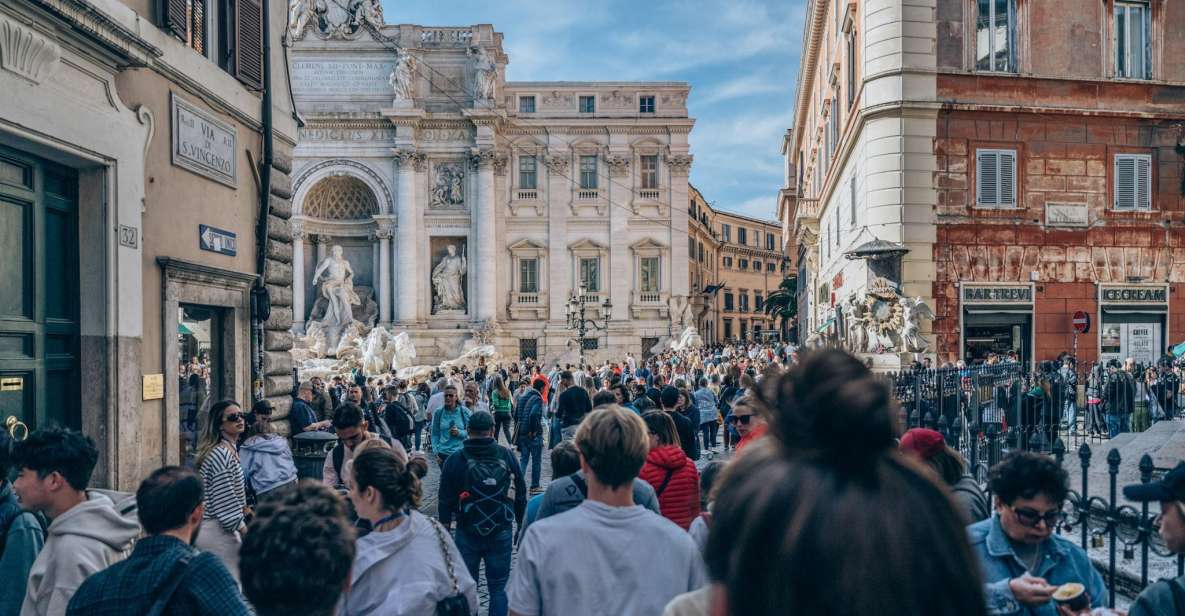
After Piazza Venezia, the route passes Pontifical Gregorian University, described on this tour as the first Jesuit-founded university. Even if you’re not a school-history person, it’s a helpful “Rome layers” moment: you’re moving through neighborhoods shaped by politics, religion, and education over centuries.
Then you reach Trevi Fountain, with a guided photo stop. Trevi is famous for a reason. The guide frames it as more than a pretty fountain, pointing out the sculptural drama and the reason it feels like an entire scene rather than a simple landmark.
You’ll spend around 15 minutes here. That’s a good balance for Trevi: long enough to enjoy it, short enough that you’re not stuck in the longest lines all day. And yes, this is where you’ll likely feel the crowd energy most.
Marcus Aurelius Column and Hadrian’s Temple: smaller stops that reward attention
Between the big names, you’ll pass Marcus Aurelius Column for guided sightseeing. This is the kind of stop many people skip, but it adds variety and helps break up the intensity of Rome’s most famous corners.
Then you move toward Hadrian’s Temple (often associated with Piazza di Pietra on this route). The tour notes that this area can surprise people, and I get why. It’s less about the headline fame and more about how Roman design still holds up when you slow down your gaze.
You’ll spend a short guided moment here, about 7 minutes. That limitation is part of the tour’s logic: it keeps you moving through the must-sees while still giving you enough time to notice details.
Pantheon: Rome’s church that keeps working
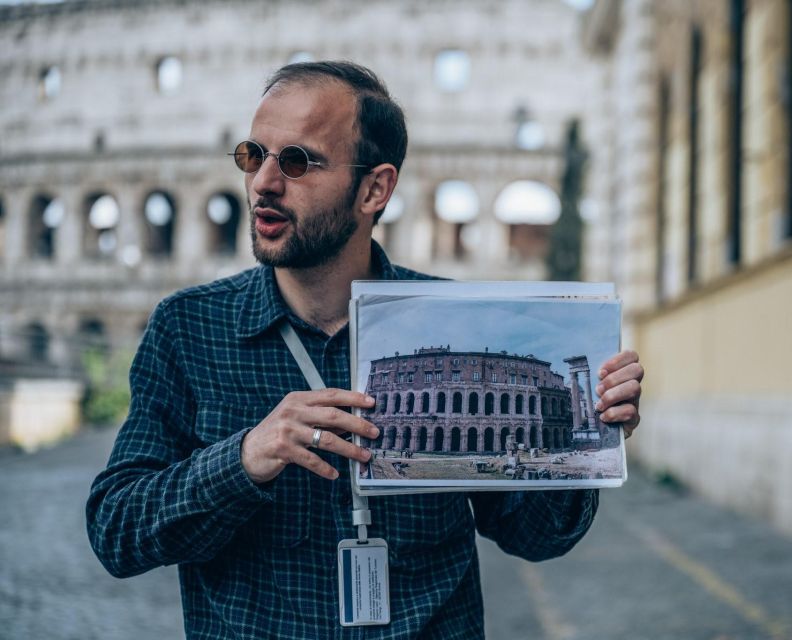
The Pantheon comes next. It’s one of the only Roman structures so perfectly alive that it still functions as a church. On this tour, you’ll get guided sightseeing and walking time around the site, with the monument admired from the outside.
This is a place where a good guide changes the experience. The structure’s proportions are obvious, but the meaning isn’t always. With the time constraints of 3 hours, you want the guide to point you to the key features fast so you don’t just stand there taking random photos.
About 15 minutes is scheduled here. If you want to go inside, you’ll need a separate ticketed or self-guided plan. Still, from outside, the Pantheon can feel like Rome condensed into one clean, dramatic form.
Spanish Steps plus an espresso reset
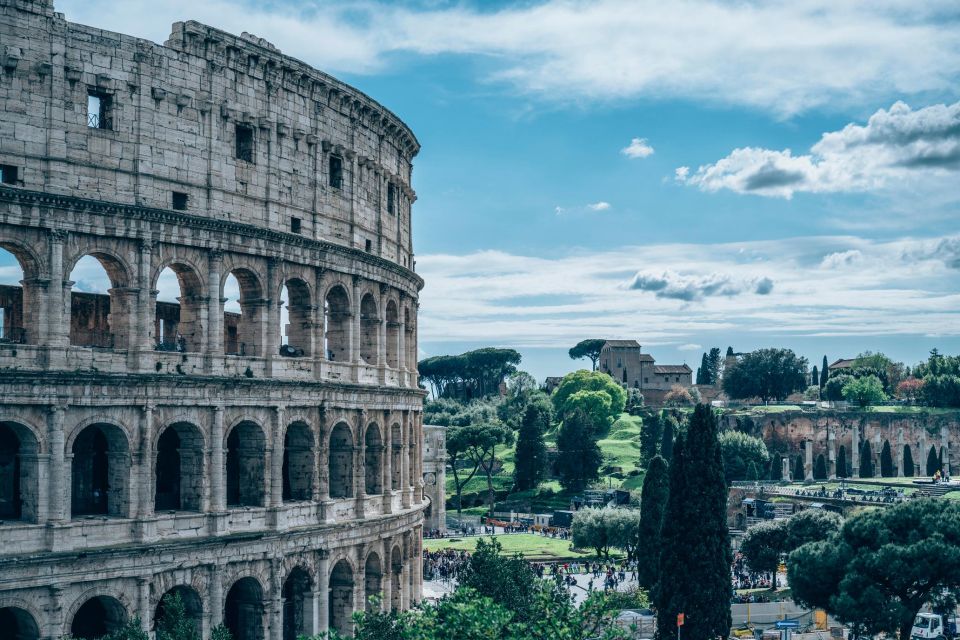
Then it’s time for the Spanish Steps. You’ll climb them as part of the walk, and it’s also one of the reasons this tour includes 136 steps total. The Spanish Steps are praised here for their elegant design and romantic atmosphere, and they truly do look different depending on where you stand.
The tour also includes a coffee stop around this segment, with the chance to try authentic Italian espresso at a popular coffee bar. This matters more than it sounds. After hours of walking, a short caffeine pause gives you energy and helps you enjoy the final viewpoint instead of dragging.
This stop is about movement and mood. You’re not just arriving at a landmark; you’re using the steps as a visual break between Rome’s classic architecture cluster and the finishing view.
The secret panoramic viewpoint near Villa Borghese Park
At the end, you’ll pass by Villa Borghese Park and arrive at a secret spot for panoramic views. The tour frames this as a final reward: you’ve spent the morning hitting icons, and now you get to take a step back and see how the city spreads out.
This last portion is where the tour feels most satisfying. If you’ve been taking photos all morning, the viewpoint gives your brain a second to process the map of Rome you just built. It’s also a great moment to slow down your pace and take in the skyline.
The tour lists sunrise and sunset possibilities for this stop, but in practical terms, the best advice is to wear the right layer. Rome viewpoints can feel cooler than you expect, especially in open air.
Guide style matters more than you think on a compressed tour
The biggest reason this tour scores so highly is the human factor. Several guides associated with this experience are praised for being interactive, funny, and able to keep you engaged through the long walk. Names that came up include Joseph, Drita, and Isuf.
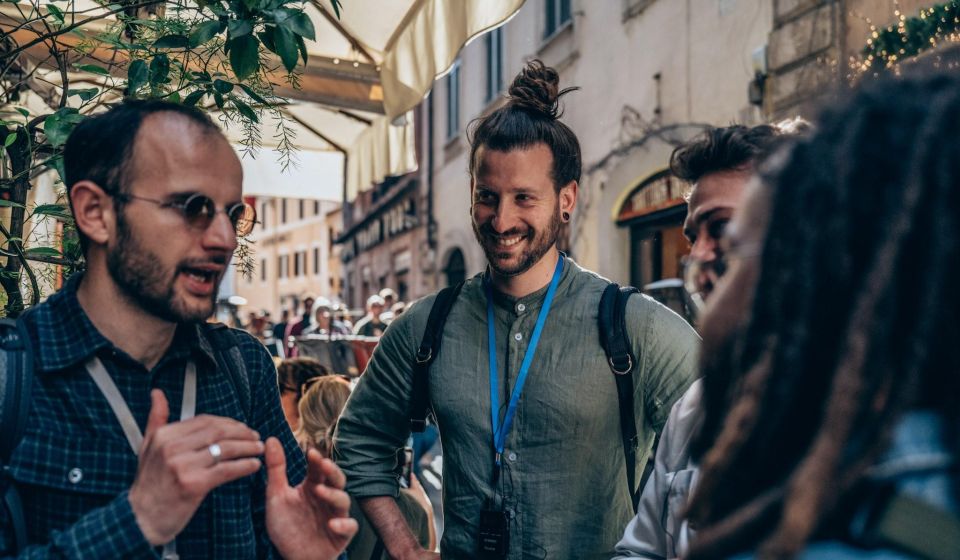
Joseph is described as strong on storytelling and as someone who keeps you involved by asking questions during the route. Isuf is described as making the tour feel like a game, which is a clever way to help the info stick without turning the whole thing into a lecture. Drita is praised for punctuality, clear info, a good pace, and a sense of humor that keeps the group moving without feeling rushed.
Even if your guide isn’t named those exact names on your day, the tour’s format is built around a guide that talks, checks in, and helps you remember. That’s huge on a tour that moves fast.
Price and value: what $47 does well, and where you should spend extra
At $47 per person for about 3 hours, you’re paying for an official guide, a structured walking route, photo opportunities at key stops, and the panoramic finish. You’re also paying for something less obvious: time saved on figuring out the easiest path through Rome’s busiest corners.
What’s not included is equally important. Entry to monuments and museums isn’t included, and the tour uses a mostly outside-admiration format. That means the Colosseum, Pantheon, and other iconic areas are for seeing and learning from the outside, not for ticketed interior time.
For many first-time visitors, that’s exactly the right trade-off. You use this tour to learn the layout and pick your next reservations. Then you spend your money where it matters most to you: inside the Pantheon, into the Colosseum, or into a museum that actually matches your interests.
Who this tour fits best (and who should skip it)
This tour is not suitable for children under 11, wheelchair users, and people with heart problems or respiratory issues. If you’re traveling with limited stamina, remember the combo of 5.46 km of walking and 136 steps.
If you’re an able-bodied adult who wants an efficient introduction to Rome’s top sights, it fits nicely. It’s also a good pick for your first or second day, when you need a map and a mental timeline more than you need deep museum hours.
If you’re the type who hates crowds, you might find the classic sites still feel busy even with a guide. But having a plan and moving in a group can make the experience feel less chaotic.
Short practical tips before you go
Bring comfortable shoes. That’s the one requirement that will make or break your enjoyment, because the tour is active and involves steps.
Also plan to travel light. You’ll be taking photos in multiple spots, and having your hands free helps when you want to follow the guide quickly.
Finally, go with a mindset of outside viewing. You’ll get the big visuals and the stories that connect them, but you won’t replace a ticketed day.
Should you book 10 Wonders of Rome in 3 hours?
I’d book it if you want a fast, guided way to see Rome’s top icons and still walk away feeling like you understand how the city fits together. The route is built for high impact: Colosseum, forums area, Vittoriano, Trevi, Pantheon, Spanish Steps, and a final panoramic finish near Villa Borghese Park.
I would skip it if you need a low-walking plan, you rely on step-free access, or you’re hoping to go inside major monuments as part of this price. In those cases, a more ticket-heavy day or a slower tour will probably feel better.
If you’re okay with some walking and stairs and you like learning through a guided route, this one is a solid value for getting your Rome “first look” done right.
FAQ
What is the duration of the 10 Wonders of Rome tour?
The tour lasts 3 hours.
Where does the tour meet?
The meeting point is Via del Monte Oppio 3, 00184 Roma RM. The guide is in front of a red house with a Lock Your Tour flag or umbrella.
How much walking and how many steps are involved?
You’ll walk about 5.46 km (3.4 miles) and climb 136 steps.
Are monument and museum entry tickets included?
No. Entry to monuments and museums is not included, and monuments will be admired from the outside.
Which sites are included in the tour?
The tour includes stops and sightseeing at the Colosseum, Via dei Fori Imperiali, Piazza Venezia and the Altar of the Fatherland (Vittoriano), Trevi Fountain, Hadrian’s Temple, the Pantheon, the Spanish Steps, and a panoramic viewpoint near Villa Borghese Park, plus other nearby sights.
Is the tour in English?
Yes. The live tour guide speaks English.
What food or drinks are included?
Meals and beverages are not included, but there is a local café stop for coffee or tea and the experience includes a chance to try espresso.
Is the tour wheelchair accessible?
No. It is not suitable for wheelchair users.
Who should not take this tour?
It is not suitable for children under 11 and for people with heart problems or respiratory issues.