REVIEW · ROME
Ancient Rome: Archeological area Largo Argentina
Book on GetYourGuide →Operated by TOURISTATION · Bookable on GetYourGuide
A quiet square in Rome, but history hits hard. I love how Largo di Torre Argentina puts you face-to-face with some of the oldest ruins in the city, and I also like that you’re guided to the specific place linked to Julius Caesar’s assassination. One thing to consider: it’s a self-guided format, so if you want a fully spoken, live guide all the way through, this may feel a bit lighter than you expect.
You’ll start at the Touristation Aracoeli office (Piazza d’Aracoeli 16) and then move into the excavated sacred area. The whole experience is set up for quick context and then hands-on looking: a short multimedia presentation, an audio guide, and reserved access to the archaeological space.
It lasts about 1 hour, and most of that time is spent learning and walking at the site itself. If you’re short on time, that’s a win. If you’re the type who already plans to look around outside the area, you might wonder whether the ticket is worth it for your priorities.
In This Review
- Key highlights I’d bet you’ll remember
- Largo Argentina: Rome’s “small” stop with big stakes
- What the 1-hour visit actually feels like
- The multimedia movie: why it’s included before the ruins
- The temples (4th–1st centuries BC): what you should pay attention to
- Curia of Pompey and Caesar’s tuff base: where the story gets specific
- The “island” in modern Rome: why this place feels eerie
- What the reserved entrance is worth (and when you’ll question it)
- Pricing and value: is $23 for an hour fair?
- Logistics you should know before you go
- Who this is best for (and who should choose something else)
- Should you book Ancient Rome: Largo Argentina?
- FAQ
- How long is the Ancient Rome: Archaeological area Largo Argentina experience?
- Where do I redeem my voucher?
- Is a guided tour included?
- What’s included in the ticket?
- What language is the audio guide in?
- Do I need to bring anything?
- What is not included in the price?
- What items are not allowed at the site?
- What is the cancellation policy?
Key highlights I’d bet you’ll remember
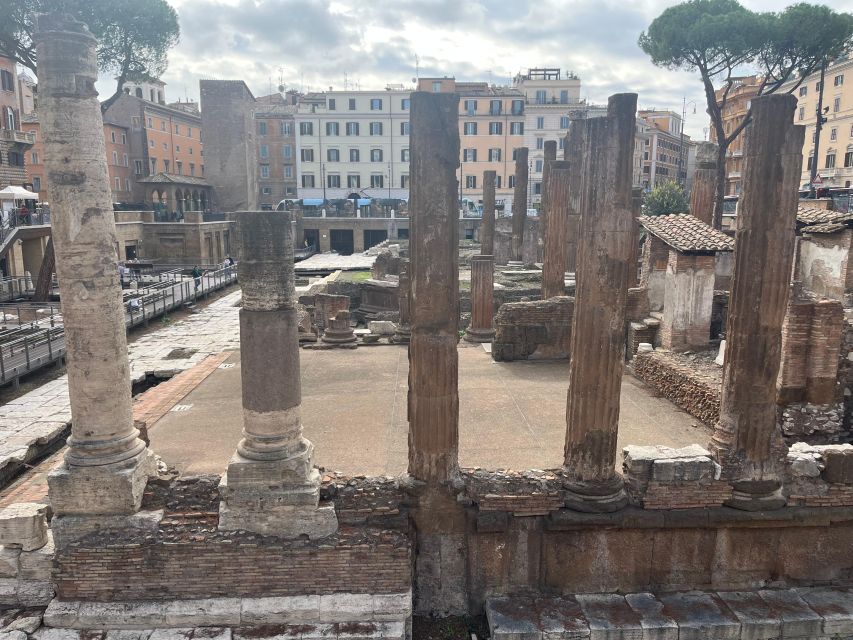
- Caesar’s assassination site: you’ll be pointed toward the tuff base associated with the killing on the Ides of March (44 BC)
- Four ancient temples: dating broadly from the 4th to the 1st centuries BC
- A sacred space that kept living: you can see traces of continuous use across different eras, not just one “snapshot”
- The 30-minute multimedia presentation: an easy primer before you hit the excavations
- Reserved entrance to the Largo Argentina area: smoother access than showing up cold
Largo Argentina: Rome’s “small” stop with big stakes
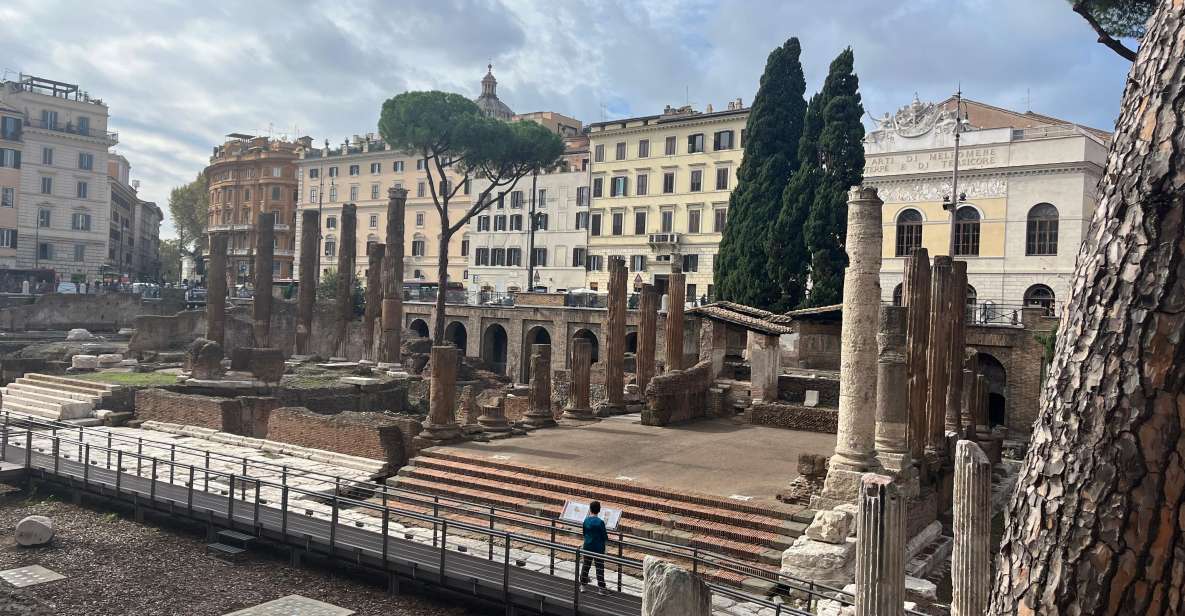
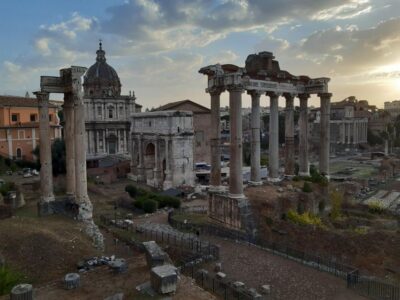
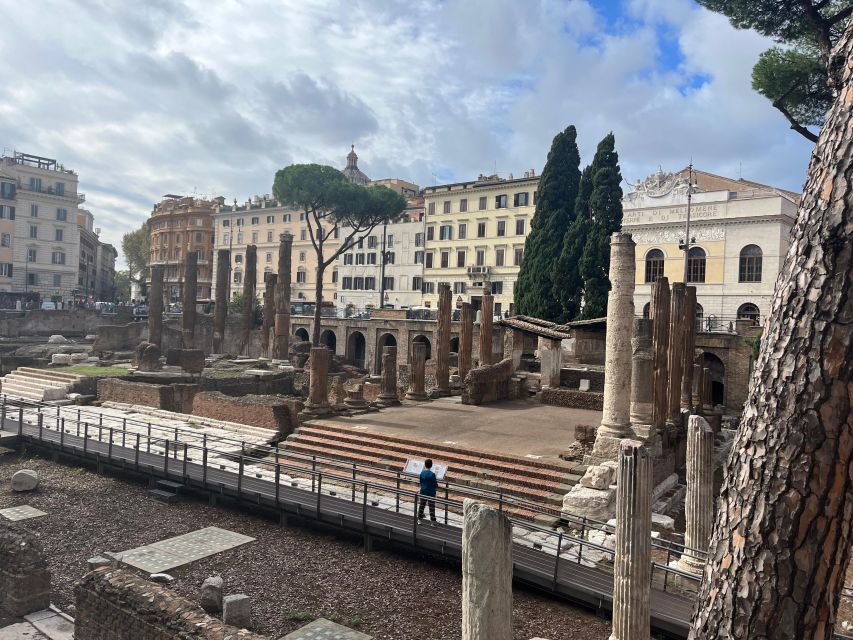
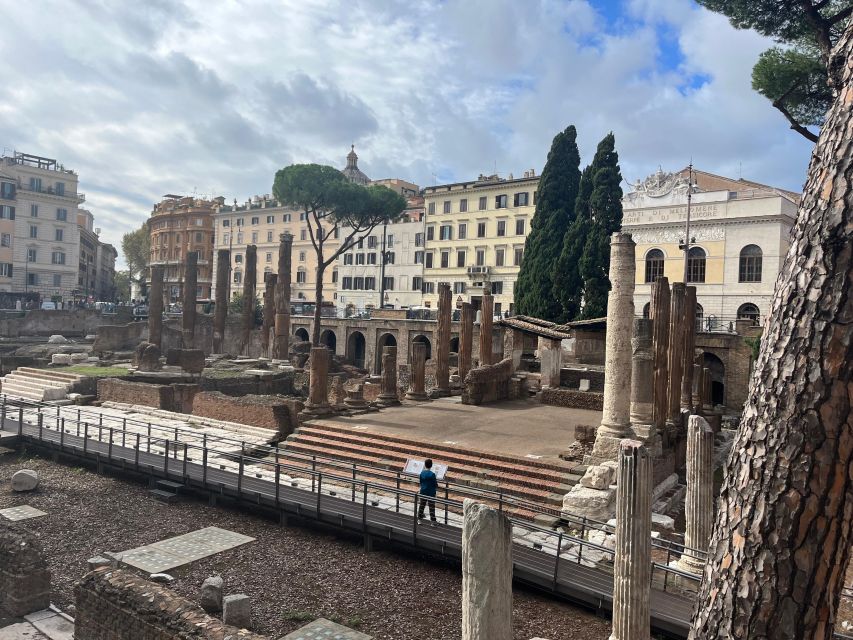
Largo di Torre Argentina is one of those places that feels almost cinematic: you’re in modern Rome, and yet there’s this ancient pocket of stone that has been part of the city for roughly two thousand years. The setting is part of the appeal. It’s not a giant monument where you spend half the day. It’s more like stepping into an archaeological classroom—except the lesson is about some very dark Roman politics.
The standout story here is the area’s connection to Julius Caesar and the events reported around the Ides of March in 44 BC. Even if you already know the broad outline, I like that the site focuses you on physical remains, not just names. You don’t have to do much mental work to connect the history to what you’re seeing.
And then there’s the architectural side. You’ll get to admire four temples, with dating spanning from the 4th through the 1st centuries BC. That matters because it gives the ruins a layered feel. This wasn’t one temple that got built and abandoned. It’s a sacred landscape that grew, changed, and continued to matter.
You can also read our reviews of more tours and experiences in Rome.


What the 1-hour visit actually feels like
This experience is built around a simple rhythm: watch, listen, look.
- You redeem your voucher at TOURISTATION ARACOELI, Piazza d’Aracoeli 16. Look for the fountain and orange flags out front.
- The selected time for your booking refers to the timing at that tourist office.
- After that, you move to the excavations with reserved entrance and use the included tools to explore.
The duration is 1 hour, which is perfect for people who want a history-focused stop without turning it into a marathon. You’re not trying to cover every Roman landmark in one sitting. You’re getting a targeted “Rome in one square” lesson.
The trade-off is also straightforward: because it’s not described as a fully guided, spoken tour, you’ll rely on the audio guide and the multimedia intro to do the heavy explaining. If you’re hoping for a human guide to fill every gap with anecdotes and pacing, you might want to consider a different format for your day.
The multimedia movie: why it’s included before the ruins
The included package features a 30-minute ancient Rome multimedia video (the on-site presentation can feel a touch shorter in practice—one visitor noted closer to 25 minutes). Either way, it’s meant to do one job: set your expectations before you walk among the remains.
Here’s why I think that’s useful. At archaeological sites like Largo Argentina, your eyes can easily miss what the place is trying to show you. The stones don’t come with labels the way museums do. A short, visual primer helps you recognize what you’re seeing and why it matters.
In particular, the presentation is designed to overlay or reconstruct what buildings might have looked like before the demolitions and excavations that shaped the modern remains. That makes the later walk much less confusing. You’re not just staring at walls; you’re learning what those walls were part of.
The temples (4th–1st centuries BC): what you should pay attention to
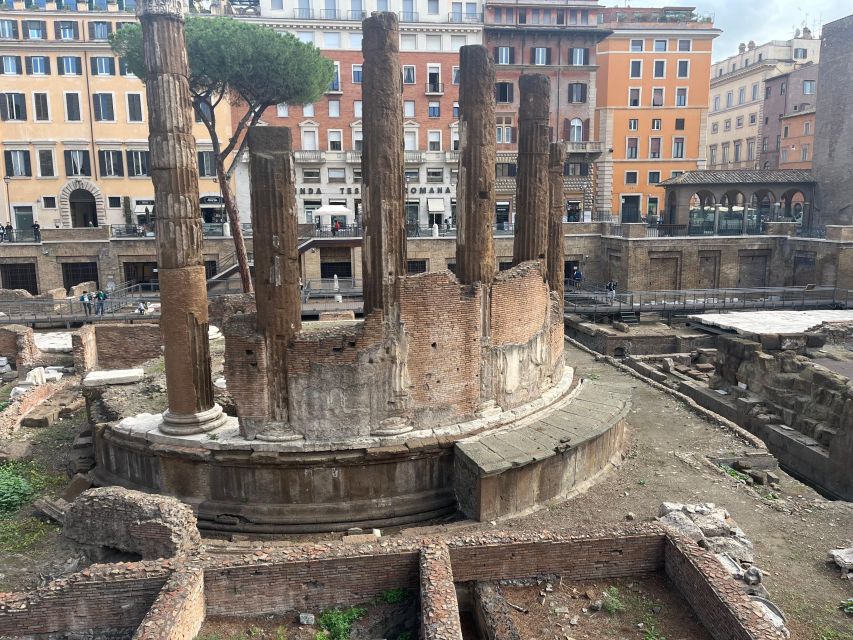
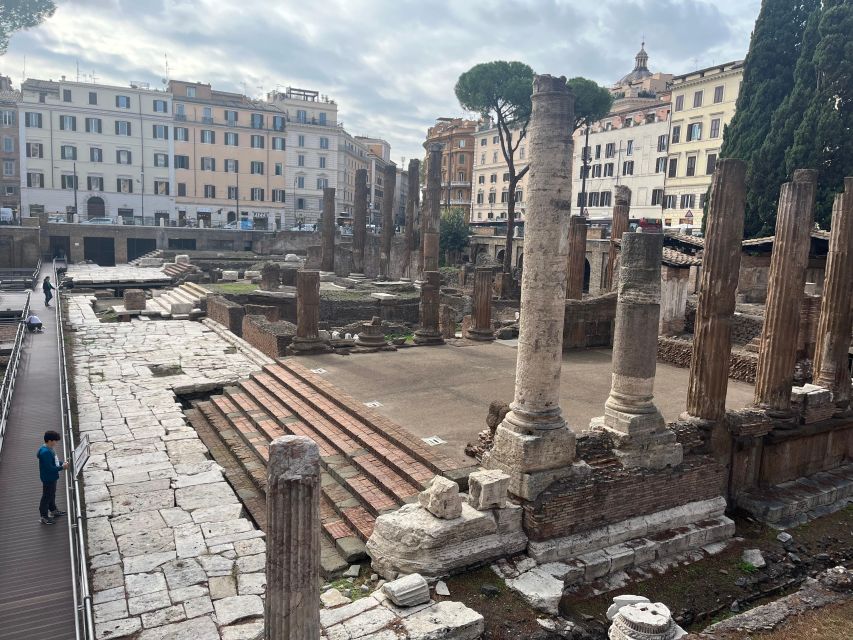
The biggest architectural feature here is the group of four temples, dated from the 4th to the 1st centuries BC. That range matters because it tells you this isn’t one neatly packaged “single-period” ruin.
When you’re standing there, don’t only look for pretty columns (though you may spot fragments worth admiring). Instead, try to notice how the temple remains sit within the excavated area and how they contribute to the sacred layout of the site.
This is where the audio guide earns its keep. You’ll be guided toward key architectural points and help with reading the ruins as parts of a larger religious space—rather than random bits of ancient construction.
Curia of Pompey and Caesar’s tuff base: where the story gets specific
This is the emotional center of the visit.
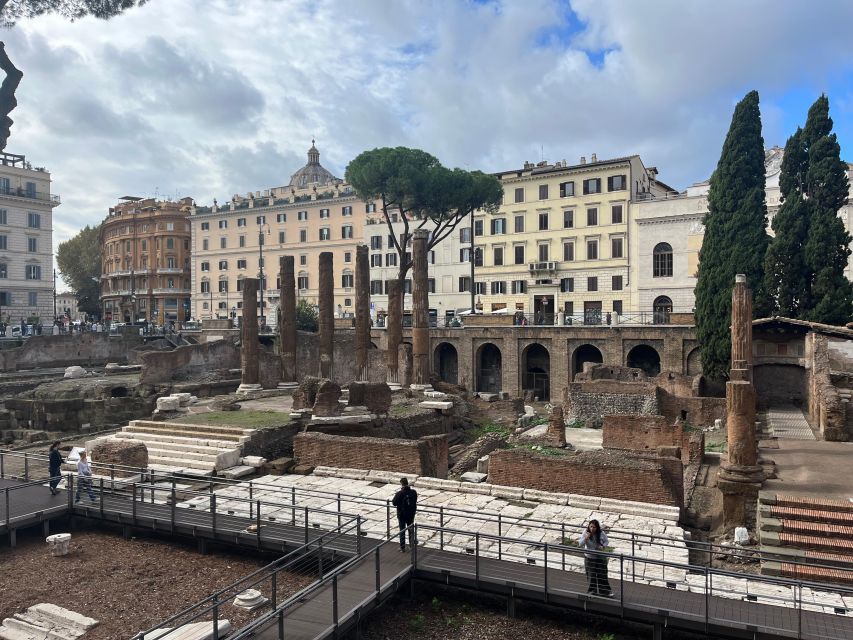
The sacred area preserves remains that guard the tuff base of the Curia of Pompey, identified as the place where Julius Caesar was assassinated on the Ides of March, 44 BC, as reported by ancient sources. The wording in the experience is important: the site isn’t just telling a legend. It’s pointing you toward a physical element associated with the event.
In Rome, it’s easy to get lost in grand monuments and forget that some of the most pivotal moments happened in complex, semi-public spaces—places where political power met daily urban life.
So when you’re at the right spot in Largo Argentina, slow down for a minute. Let the context do its work. Caesar’s death isn’t just a trivia fact here—it’s tied to stone you can stand near, within an archaeological landscape that’s been preserved through time.



The “island” in modern Rome: why this place feels eerie
One of the more memorable aspects is the way the ruins sit like an ancient island in the modern city. Even if you’ve seen archaeological sites elsewhere, this location hits differently because you’re surrounded by present-day Rome while looking into excavated layers below and around you.
That contrast is part of what makes Largo Argentina special. You get the feeling of continuity, even when you’re looking at remains that are far from complete. The sacred area preserves evidence of uninterrupted life for over 2000 years, including later phases: imperial changes connected to the temples and even medieval-age structures.
That “kept living” detail is more than a historical footnote. It means you’re not only viewing one moment of ancient Rome. You’re viewing an area that kept being reused, repurposed, and remembered by people who came long after Caesar.
What the reserved entrance is worth (and when you’ll question it)
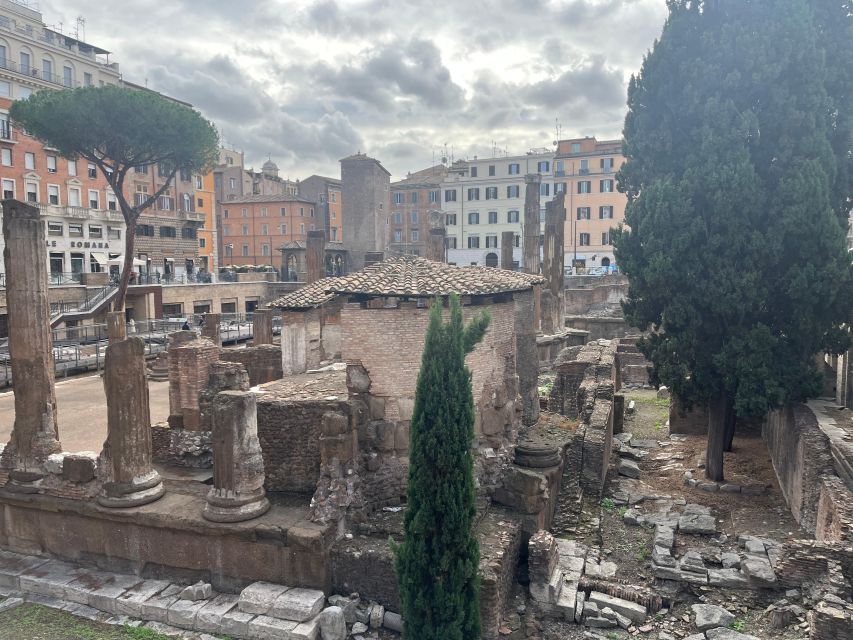
The ticket includes reserved access to the Largo Argentina excavations and also states that it helps you skip the ticket line. In theory, that’s valuable—especially in peak months.
But here’s a practical reality check. Some visitors feel the site is visible from the outside and that the paid experience may include more than you need if your goal is only a quick look. One person even pointed out that much can be seen from outside, with only a small museum space downstairs.
So I’d frame it like this:
- If you want the full learning experience—multimedia intro plus audio guidance plus reserved entry—then the ticket makes sense.
- If your top priority is just quick sightseeing from street level, you might end up thinking you could have done that with less hassle.
For the best value, decide what you want today: a guided-by-devices explanation of temple layout and Caesar’s connection, or a casual peek.
Pricing and value: is $23 for an hour fair?
At $23 per person for about 1 hour, this isn’t an expensive splurge compared to big-ticket Roman attractions, but it isn’t free either.
I think it’s fair when you use everything included:
- Multimedia video (about 30 minutes listed)
- Audio guide in English
- Reserved entrance to the excavations
- A paper city map
- WiFi (so your audio guide isn’t a gamble if your phone struggles)
Also, the site’s story is unusually concentrated. You’re getting an assassination connection and multiple temple remains in one compact stop. That makes the hour efficient.
Where value can slip is if you don’t really plan to use the audio guide. Without that, you may miss the “why this stone matters” layer and simply see ruins. In that case, the ticket becomes harder to justify compared to a low-cost outside look.
Logistics you should know before you go
This is the part that saves time and frustration.
Meeting point: redeem your voucher at TOURISTATION ARACOELI, Piazza d’Aracoeli 16, with the fountain and orange flags in front. The selected booking time is tied to when you’re at the office, not when you enter the excavations.
What to bring: a passport.
Not allowed:
Pets, glass objects, luggage or large bags, and alcohol/drugs.
Not included: transport and food/drink.
One more note from real-world experience: the office is not directly inside the excavations, so build in a little walking time between the redemption spot and the ruins. Nothing dramatic, but it matters when you’re on a tight schedule.
Who this is best for (and who should choose something else)
This visit suits you if:
- You want a focused history stop that fits into a busy Rome day
- You like learning while standing in front of real remains (not just reading plaques)
- You’re comfortable exploring at your own pace using an audio guide
It may be less ideal if:
- You’re specifically seeking a fully guided, live commentary experience
- You want a longer museum-style visit (this is an hour)
- You’re planning to see only the outside views and skip interpretation
If you’re doing the “Rome highlights” route and want one stop that feels different from the Colosseum and Vatican crowds, Largo Argentina is a smart counterweight.
Should you book Ancient Rome: Largo Argentina?
Yes, I’d book it if you care about understanding what you’re looking at. The mix of temple remains, the Curia of Pompey tuff base connection, and the short multimedia/audio setup makes the hour feel purposeful rather than rushed.
I would hesitate only if you’re mainly chasing casual photo spots or you don’t plan to use the audio guide. In that case, you may feel the paid visit duplicates what you can already see from the street.
If you can spare one hour, this is one of those Rome experiences where the scale is small but the story is heavy—and you’ll leave with a clearer mental map of where the assassination fits into the city’s sacred space.
FAQ
How long is the Ancient Rome: Archaeological area Largo Argentina experience?
The duration is 1 hour.
Where do I redeem my voucher?
You redeem your voucher at TOURISTATION ARACOELI, Piazza d’Aracoeli 16. A fountain and orange flags are in front of the office entrance.
Is a guided tour included?
No. A guided tour is not included. You’ll use the provided audio tools and reserved entrance.
What’s included in the ticket?
Included items are a 30-minute ancient Rome multimedia video, reserved entrance for the Largo Argentina excavations, an App Audioguide of Rome (English), assistance at the meeting point, a paper city map, and WiFi.
What language is the audio guide in?
The audio guide is available in English.
Do I need to bring anything?
You should bring your passport.
What is not included in the price?
Transport and food and drink are not included.
What items are not allowed at the site?
Pets, glass objects, luggage or large bags, and alcohol and drugs are not allowed.
What is the cancellation policy?
You can cancel up to 24 hours in advance for a full refund.