REVIEW · ROME
Rome: Borghese Gallery Guided Tour with Tickets
Book on GetYourGuide →Operated by Crown Tours · Bookable on GetYourGuide
Art without the crush is rare in Rome. This skip-the-line Borghese Gallery tour gets you inside fast, led by an art historian guide focused on sculpture and Baroque painting. The trade-off: it isn’t suitable for wheelchair users, and you’ll need to travel light with small bags only.
You’re looking at about two hours total, with headsets/radios so you can actually hear the explanations. I like that the experience is built for small groups or even private tours, so the pace stays human and questions aren’t treated like an optional extra.
In This Review
- Key things that make this Borghese tour worth it
- Borghese Gallery fast entry: why skipping the lines matters
- Meeting at Villa Borghese: start where the tour is ready for you
- Ground-floor sculptures: where Bernini’s drama starts
- Main gallery rooms: Caravaggio’s intensity and Raphael’s calm
- The second ground-floor pass: mosaics, frescoes, and more texture than you expect
- Price and logistics: is $57 good value in real terms?
- What the tour feels like day to day: pace, group size, and hearing the guide
- Who should book this Borghese Gallery guided tour
- Should you book this Borghese Gallery Guided Tour?
- FAQ
- How long is the Borghese Gallery guided tour?
- Do I get skip-the-line entry?
- What’s included in the tour price?
- Where do I meet the guide?
- What do I need to bring?
- Is the tour suitable for wheelchair users?
- Are large bags or luggage allowed inside?
Key things that make this Borghese tour worth it
- Priority entry + express security so you lose less time to lines and gates
- Art historian-led storytelling that connects patrons, artists, and techniques
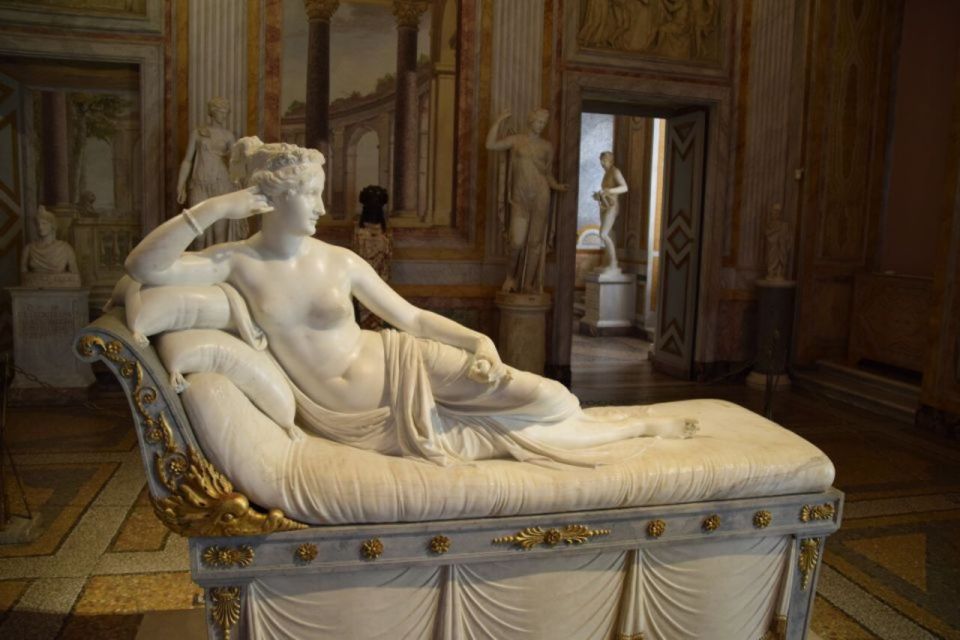
- Bernini on the ground floor where movement and emotion jump off the marble
- Caravaggio rooms with dramatic focus around light, shadow, and intensity
- A tight route across sculpture and painting (not just a quick walk-by)
- Headsets/radios so you don’t miss details even if the group shifts
Borghese Gallery fast entry: why skipping the lines matters
Rome’s best museums often come with one annoying problem: time. The Borghese Gallery has limited entry, and waiting outside can eat up the best part of your day. This tour uses reserved entry with skip-the-line access, including an express security check. Practically, that means you can spend your energy looking at art instead of staring at other peoples’ tickets.
You also get a tour structure that respects how the gallery works. The Borghese is not a “wandering until you’re tired” kind of place. It’s a tight collection housed inside a villa, with rooms that reward attention. When you arrive with the group and start with the right rhythm, you’re less likely to feel overwhelmed.
The other big win is the headsets and radios. Even in rooms where people naturally slow down to stare, you can still catch the guide’s explanations. One small note from real-world feedback: the microphone setup can sometimes be harder to hear if it sits oddly on the guide’s clothing. Your best move is simple—choose a spot close to the guide and keep your attention on them when they’re explaining a specific work.
You can also read our reviews of more tours and experiences in Rome


Meeting at Villa Borghese: start where the tour is ready for you
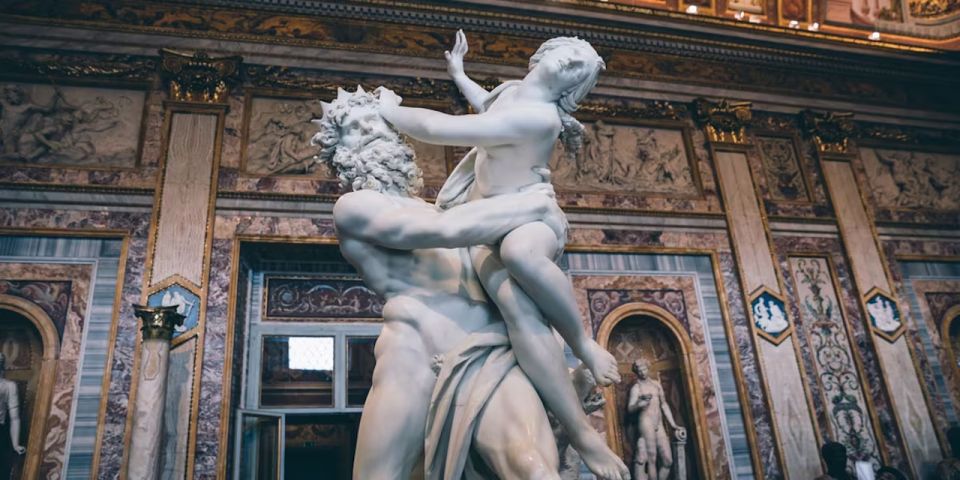
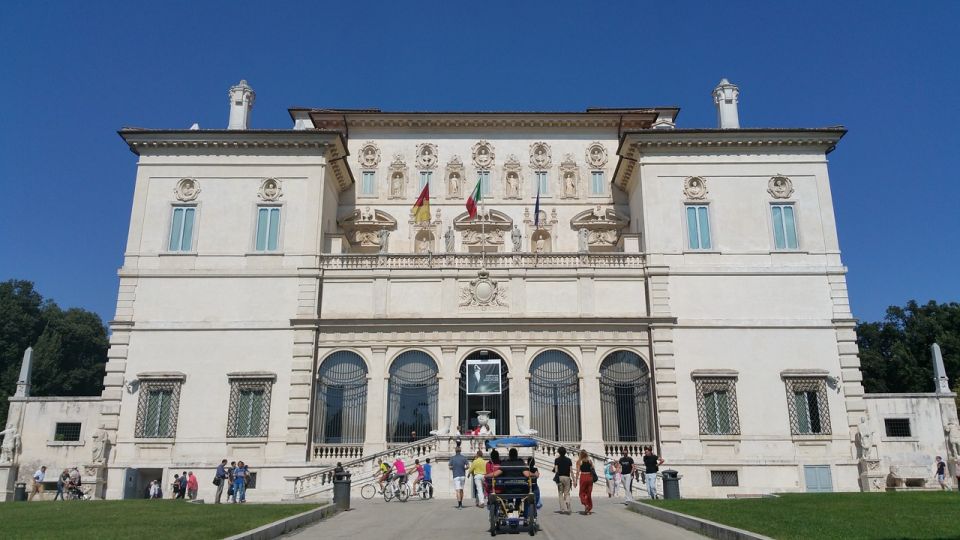
Your meeting point can be one of two options: Fontana dei mascheroni or Piazzale del Museo Borghese. Which one you get depends on what you booked, so double-check your confirmation before you head out.
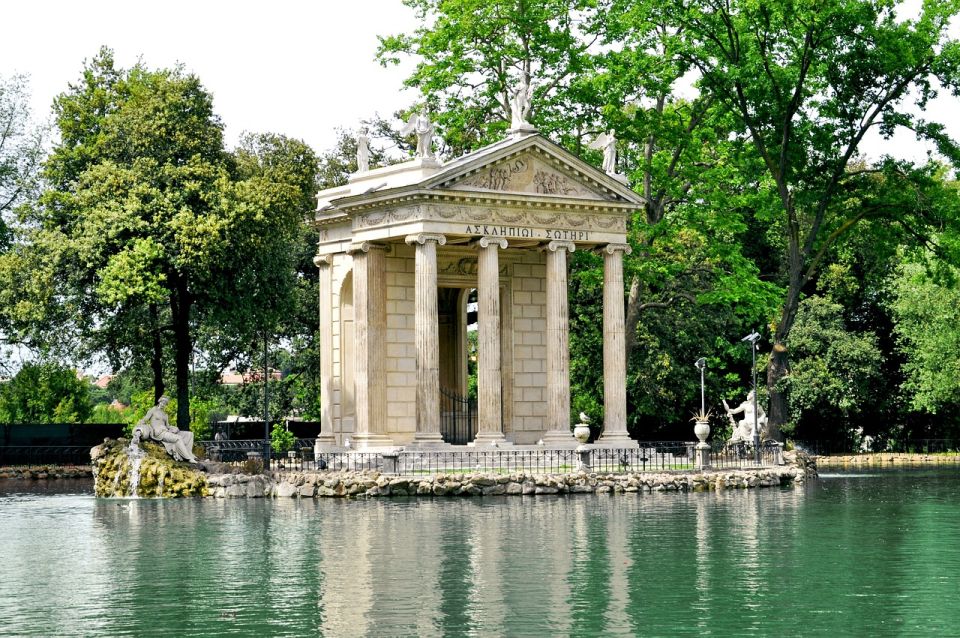
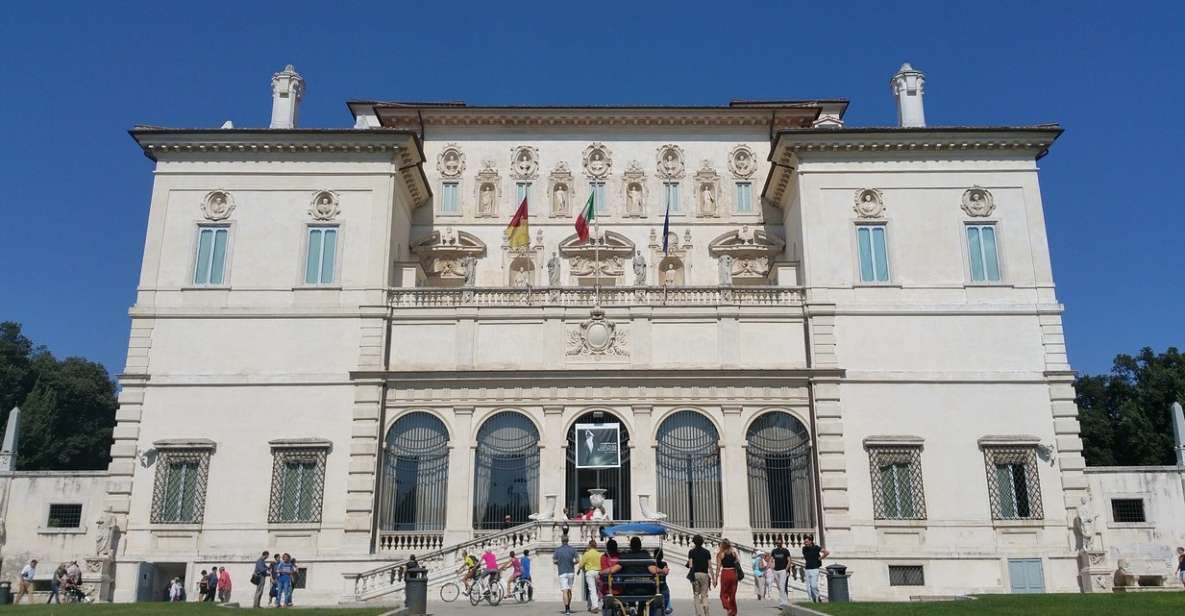
Arriving early helps. Not because you need to “camp” for an hour, but because Villa Borghese sits in a park setting, and the walk up and around the villa can take longer than you think once you factor in people stopping for photos.
Bring your passport or ID card. Inside, rules are strict: no large bags or luggage. If your bag is too big for entry, there’s a free cloakroom at the entrance, which is a relief. So if you’re coming from a busy transit day, you don’t have to stress—just don’t show up with a suitcase and hope for miracles.
Also plan around what’s not allowed: pets, weapons/sharp objects, baby strollers, alcohol or drugs. It’s mostly standard museum security stuff, but it matters for your day-plan. The more smoothly you pass the gate, the more smoothly the tour begins.
Ground-floor sculptures: where Bernini’s drama starts
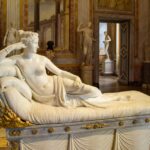
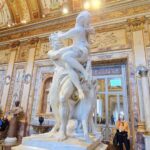
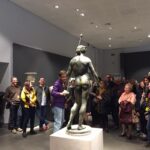
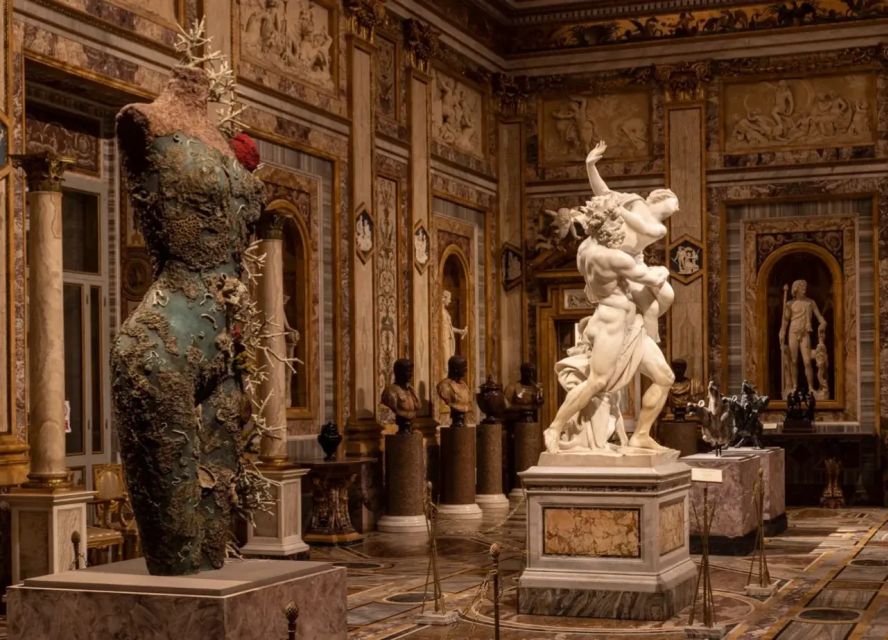
The tour begins on the ground floor, focusing on sculpture—about 50 minutes right out of the gate. This part matters because Bernini’s style is about presence. You’re not just looking at a figure; you’re watching a moment happen in real time. Marble turns into something like flesh, and you feel the push-pull of emotion rather than just reading an artist’s biography.
You’ll see major works connected to Bernini’s myth and movement—famously Apollo and Daphne gets called out on this route. The guide’s job here is not to recite facts like a textbook. It’s to point you to the “how”: facial tension, twisting bodies, and the way light hits polished surfaces. Once you know what to watch for, the statues stop looking frozen.
The ground floor has another advantage: pacing. If you’ve ever tried to see the Borghese unguided while people cluster in front of the most famous pieces, you know how quickly it gets crowded—especially if you’re indecisive. This guided start builds a foundation so your later viewing feels sharper.
One practical thought: sculpture viewing is physical. You’ll likely look up, circle a bit, then lean in for details. Wear shoes you’re comfortable in for a short but intense art-focused walk.
Main gallery rooms: Caravaggio’s intensity and Raphael’s calm
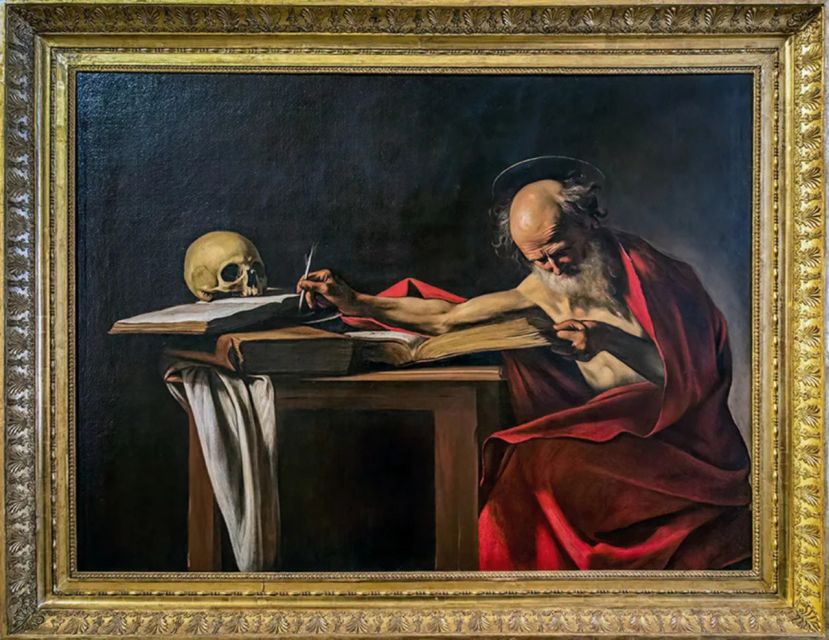
Next comes the heart of the story: the main Borghese Gallery rooms (about 40 minutes). This is where you’ll get the big “yes, I’ve seen these in books” moments, plus the context that makes them make more sense than a caption ever could.
Caravaggio is the headline mood. You’re set up to experience paintings like David with the Head of Goliath and Boy with a Basket of Fruit, where the drama comes from light, shadow, and bold expression. These works are often described as dramatic, but the guide helps you see why that drama works. You start noticing how the composition pulls your eye and how Caravaggio’s choices make emotion feel immediate rather than staged.
After the intensity, the route turns toward the softer side of Renaissance grace. You’ll encounter Raphael’s works described as serene, along with pieces by artists such as Titian and Canova. The guide’s best trick is switching gears without rushing it. You go from stark, high-contrast emotion to calmer balance—so you feel the range of taste inside one collection.
The Borghese Gallery’s layout can feel like a series of “stages,” and you get treated like an audience rather than a crowd. That’s one reason a small group experience helps. You can actually follow the guide’s thread from room to room.
The second ground-floor pass: mosaics, frescoes, and more texture than you expect
After the main gallery, the tour returns to the ground floor for about 30 minutes. This second pass is easy to underestimate, but it’s often where the collection reveals its deeper layers.
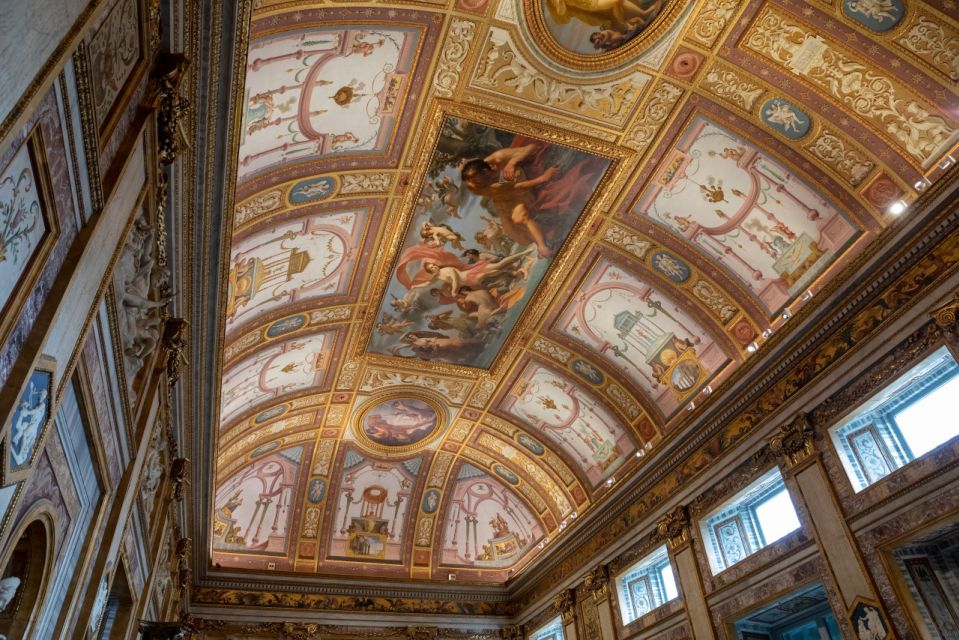
You’ll spend time with Roman floor mosaics and additional sculptural and decorative elements—plus hand-painted frescoes mentioned as part of what you’ll encounter. These details don’t always get the same attention as the famous name artworks, but they change the feel of the villa. The Borghese isn’t just a box of masterpieces; it’s a lived-in environment where art, architecture, and history overlap.
The guide is also likely to connect works to the Borghese family story—starting outside with the figure of Cardinal Scipione Borghese, described as the visionary behind this treasure-filled setting. That context helps you understand why these specific works ended up together and how tastes and collecting shaped what you see today.
A quick balance point: the full tour is only two hours. That means you’ll see the highlights, not every single corner of the villa. If you have strong personal favorites, it’s smart to mentally rank your top 5 before you go. The guided route will get you there, but your brain still needs a plan.
You can also read our reviews of more guided tours in Rome

Price and logistics: is $57 good value in real terms?
At $57 per person for about two hours, the value depends on what you’d do otherwise. If you’re planning to visit the Borghese Gallery, then buy timed entry, and then handle the museum on your own, you’re likely to spend extra time figuring things out—where to start, what to prioritize, and how to connect works without missing context.
Here, you pay for three practical upgrades:
1) Reserved entry with skip-the-line access, including express security
2) An art historian guide (not just a casual docent voice)
3) Headsets/radios, which turns the guide’s explanations into part of your viewing, not background noise
There’s also a subtle value factor: Borghese is compact but dense. The time you gain isn’t just “less waiting.” It’s attention. With a guide pointing out technique and the logic behind the collection, you get more meaning per minute.
Potential drawback on value: if you’re the type who likes silent, slow museum wandering, you might feel a little boxed in by the route. The upside is that the group is generally small or private, and the guide can often manage questions. If you want slow, you can always add self-guided time after the tour, but know that the guided portion is designed to cover the core highlights.
What the tour feels like day to day: pace, group size, and hearing the guide
This is a tour that people describe as personal, especially when the group is very small. You might even get a scenario where the group is around just a few people, which makes the explanations feel less like a lecture and more like conversation. Even without that extreme small-group setup, the headsets/radios keep communication workable.
The pace is usually described as smooth and well-managed. Still, one recurring practical complaint is that sometimes the commentary can feel a bit rushed if there’s a lot to cover. That’s not a red flag so much as a heads-up: you’ll be hearing a lot, so don’t plan to “absorb everything” like a textbook.
A good move: prepare one question per room category. For example:
- For Caravaggio: ask what to look for first in the lighting choices
- For Bernini: ask how the guide reads the emotion as you move around the sculpture
- For the collection: ask how the family collecting shaped what’s inside today
The guide formats can vary, but having prompts helps you get the most out of the time you paid for.
One last note: some areas may be closed for restoration, and the route can vary based on current exhibitions. That’s normal for major museums, and it’s exactly why a guided plan is useful. You still get a strong selection, even if one specific area shifts.
Who should book this Borghese Gallery guided tour
You should book if you want:
- High-impact viewing of Bernini, Caravaggio, and Raphael without losing hours to lines
- Art context that explains technique and patronage rather than only telling you titles
- A tour format that keeps you moving at a pace that works in a dense indoor space
You might skip it if:
- You need full wheelchair access, since it’s noted as not suitable for wheelchair users
- You want long, silent viewing time and aren’t interested in explanations
It also makes sense for first-timers and second-timers alike. Even people who’ve visited before often say the difference is the guide’s storytelling and how the works are placed in a larger timeline, including restoration and how pieces are understood after centuries of care.
If you care about Baroque art (and the drama behind it), this tour is a strong fit. The Borghese collection is built for that kind of attention.
Should you book this Borghese Gallery Guided Tour?
If you’re visiting Rome and Borghese Gallery is on your list, I think booking this guided option is a smart call. You get reserved entry that cuts the wait, plus an art historian who helps you see what matters in Bernini’s sculpture and Caravaggio’s light-and-shadow storytelling. Add headsets/radios and small-group energy, and the experience stops feeling like a timed ticket and starts feeling like a guided conversation with the collection.
The decision comes down to one thing: can you travel light and stick to a two-hour route? If yes, go for it. If you need full accessibility or you’re determined to wander slowly on your own, then it may not match your style. For most people, though, this is one of the most efficient ways to experience one of Rome’s tightest, most rewarding art stops.
FAQ
How long is the Borghese Gallery guided tour?
It runs for about 2 hours total.
Do I get skip-the-line entry?
Yes. You’ll have priority/express access with reserved entry and an express security check.
What’s included in the tour price?
You get an art historian guide, skip-the-line entry tickets, and headsets/radios to hear the guide clearly.
Where do I meet the guide?
Meeting points can vary based on what you booked, with options at Fontana dei mascheroni or Piazzale del Museo Borghese.
What do I need to bring?
Bring a passport or ID card.
Is the tour suitable for wheelchair users?
No. It’s listed as not suitable for wheelchair users.
Are large bags or luggage allowed inside?
No. Only small bags and purses are allowed. Larger bags can be stored in a free cloakroom at the entrance.