REVIEW · ROME
Ostia Antica Small Group Tour
Book on GetYourGuide →Operated by Rome - Tour · Bookable on GetYourGuide
Roman ruins with way fewer people. Ostia Antica is Rome’s port-city world, preserved under mud for centuries, so you can actually picture daily life. I love how this tour turns a big archaeological site into a guided story you can follow, from the grand public spaces down to the homes.
Two things I like a lot: the small group size keeps it calm and allows real questions, and the outdoor theater and main ruins are explained in a way that makes them feel functional, not just old. One thing to consider is that this is lots of walking, so plan for uneven paths and comfortable shoes.
In This Review
- Key Highlights to Look For
- Rome to Ostia Antica: The Easy Train Escape
- Skip-the-Line Ruins With a Guide Who Adds Context
- The Grand Outdoor Theater: More Than a Pretty Landmark
- Square of the Guilds: Where the Port Dreams Got Made
- Baths of Neptune: Roman Cleanliness, Relaxation, and Routine
- House of Diana: The Surprise of Private Comfort
- What $94 Gets You: Real Value in a Short Visit
- Pace, Packing, and Comfort Tips for a Great 4 Hours
- Who This Ostia Antica Tour Fits Best
- Should You Book This Ostia Antica Small Group Tour?
- FAQ
- Where do I meet for the Ostia Antica tour?
- How long is the tour?
- Is the train ticket included?
- Are skip-the-line tickets included?
- Is food included?
- Is this tour suitable for wheelchair users or reduced mobility?
Key Highlights to Look For
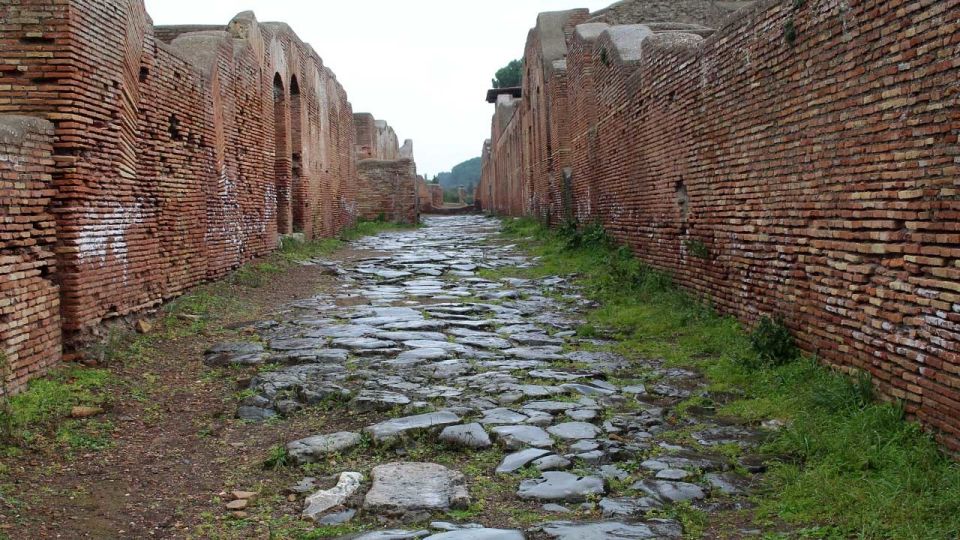
- Grand outdoor theater where performances happened, and even gladiator-style spectacle was part of the mix
- Square of the Guilds showing how merchants and ship owners chased profit in a busy port economy
- Baths of Neptune and the feel of Roman public bathing, from pools to olive-oil grooming
- House of Diana for a more “human scale” look at private rooms and night-time life
- Small group (up to 10) that often feels even smaller, with a relaxed pace that does not rush you
Rome to Ostia Antica: The Easy Train Escape
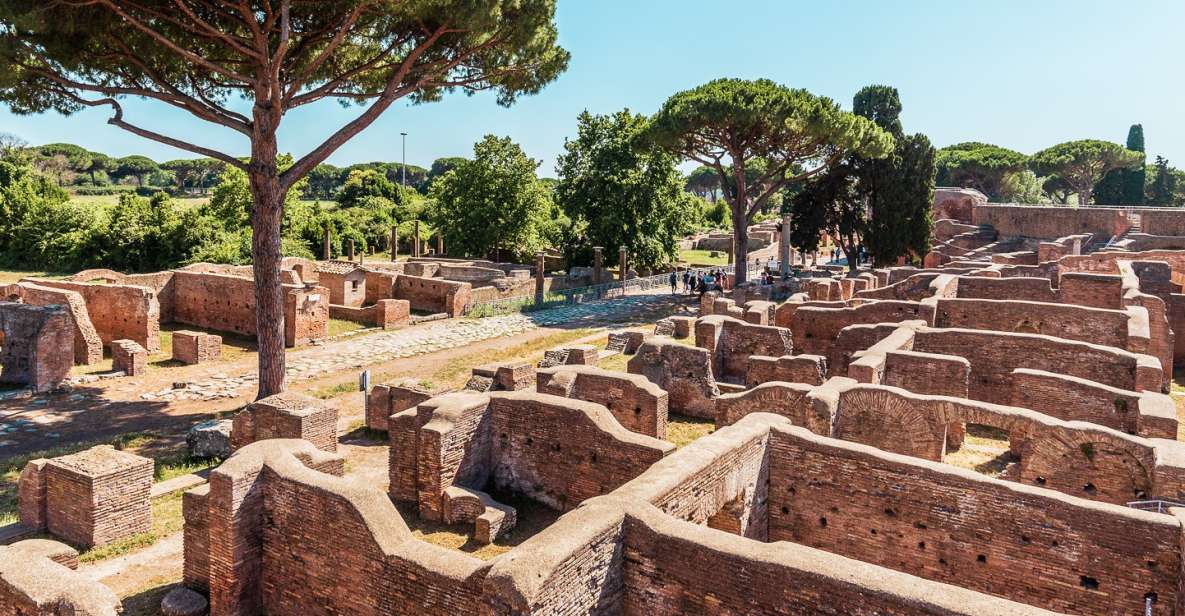
The best part of Ostia Antica is that it breaks you out of Rome’s usual traffic-and-traffic-circles rhythm. You meet at the Roma Ostia Lido Train Station area (in front of the station, Piazzale Ostiense, 9, 00154 Roma) and take the local train to the archaeological park. Since the roundtrip train ticket is included, you’re not doing guesswork on timetables or platforms before you even start sightseeing.
I like this approach because you arrive already in “local mode.” Instead of a long bus ride, you get a simple, normal trip like a Roman day outing. The guide also keeps the plan clear, so first-time public transit nerves usually don’t come into play.
You’ll be working with a 4-hour total block, so time management matters. This isn’t a full day of roaming. It’s a focused half-day that gets you to the site’s most meaningful stops without turning your visit into a sprint.
You can also read our reviews of more tours and experiences in Rome.


Skip-the-Line Ruins With a Guide Who Adds Context
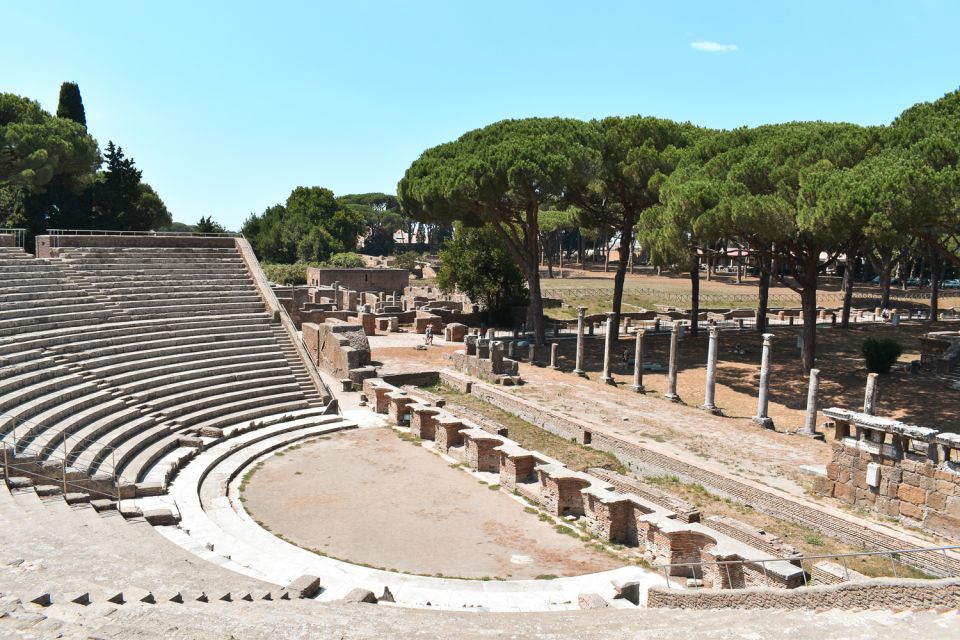
Ostia Antica is large, and without context it can feel like a maze of walls and floor patterns. The tour includes skip-the-line tickets through a separate entrance, which saves you time and stress. More importantly, you’re not just reading signs or listening to an audio track while trying to connect dots.
This is where the small group format pays off. With a licensed guide (English, and also Spanish/French), you get a live explanation that answers the questions the ruins naturally raise: Who lived here? What did they do? How did this port city function?
I also appreciate the pacing. Multiple guides for this tour are known for staying friendly and upbeat, not rushing. Names you might recognize from past groups include Sonia, Sarah, Claudia, Antonio, and Kathleen. Whether your guide is Spanish, English, or French speaking, the goal stays the same: turn “I see columns” into “I understand why these columns mattered.”
And when the site feels quiet, it becomes even better. Many visits can be surprisingly calm compared with Rome’s biggest attractions, which makes it easier to actually hear the guide and look closely.
The Grand Outdoor Theater: More Than a Pretty Landmark
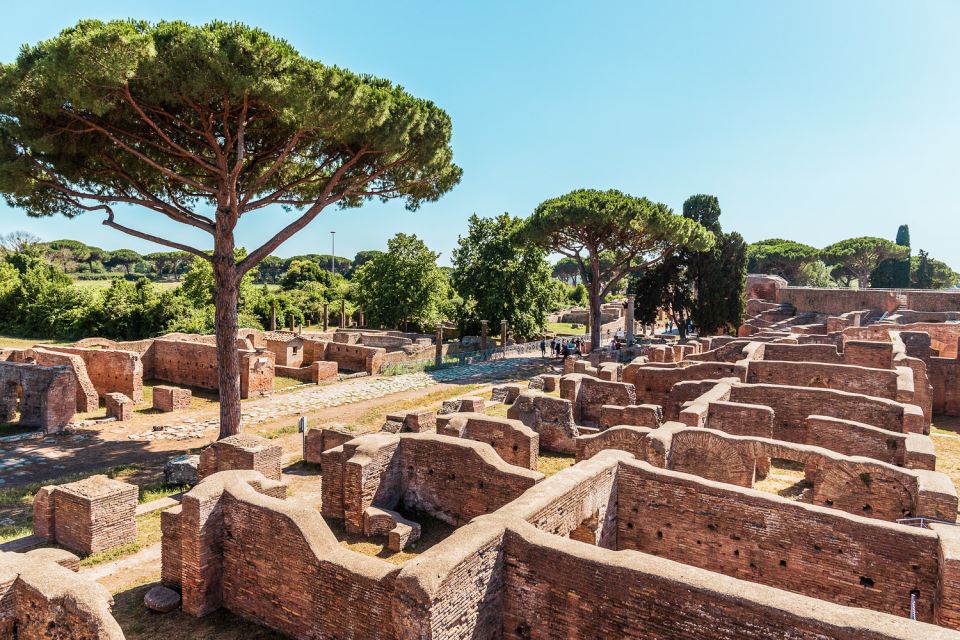
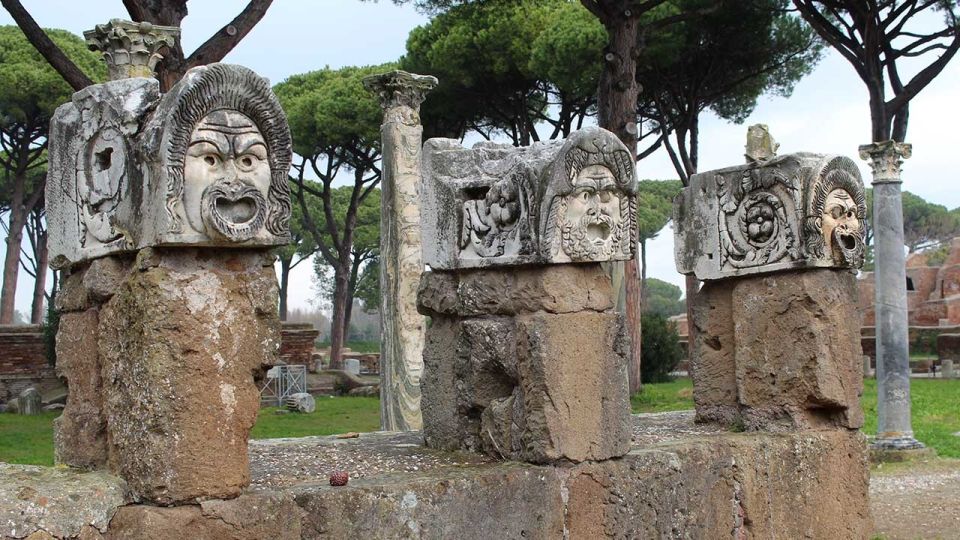
One of the first major stops you’ll want to see is the grand outdoor theater. This is the kind of place where you can feel the scale immediately. It was used for performances, and the site’s story also includes gladiator-style spectacle. That mix helps you understand why this wasn’t just entertainment for tourists; it was public culture for a working city.
What I love here is that the guide helps you read the theater like a machine. You learn where people would have sat, how crowds would have been organized, and how the setting worked with the outdoor space. Even if you’ve seen other theaters in Italy, Ostia’s version hits differently because it fits into the everyday rhythm of a port town.
A practical note: theaters and open-air ruins mean the ground can be uneven and the sun can be strong. If you’ve got any sun sensitivity, bring a hat and keep water handy.
Square of the Guilds: Where the Port Dreams Got Made
Next, you move toward the Square of the Guilds, which is one of the best places to understand Ostia Antica as a business hub. This wasn’t a sleepy retirement town. It was an energetic commercial center, full of people trying to make money through shipping, trade, and the supply chain that keeps a city alive.
The guild square is a great “aha” moment because it connects geography with economy. You can’t just look at stones and walls here. With a guide pointing things out, you start picturing merchants bargaining, ship owners watching for arrivals, and workers moving goods in and out of the port.
I like this stop because it shifts you away from the Rome-only mindset. Yes, Rome was powerful, but it didn’t run on ideas alone. It ran on logistics. Ostia was one of the places where that logic lived.
Baths of Neptune: Roman Cleanliness, Relaxation, and Routine
Ostia Antica’s Baths of Neptune are where the tour becomes a window into daily life. These public baths weren’t just for washing. They were social hubs and activity centers. People could lounge in pools, work out, and clean themselves using substances like olive oil as part of grooming routines.
If you’ve ever wondered why Romans turned hygiene into a full-on public event, this stop answers it. The guide points out the spaces and flow of the baths so you can imagine the movement: where someone would cool down, where they’d prepare themselves, and how the facilities supported both exercise and conversation.
I think this is also a smart “breather” within the tour. After the theater’s spectacle and the guild square’s commerce, baths add a calmer rhythm. You’re still in the ancient world, but the focus becomes routine—what people did between work and evening plans.



House of Diana: The Surprise of Private Comfort
Then comes one of the most satisfying contrasts in the entire visit: a look at the House of Diana. This is where you get a “surprisingly sophisticated abode” feeling. Even without being inside a modern reconstruction, you can still tell these weren’t just spare rooms and storage. There’s a sense of intention—how space was organized for daily living.
This stop matters because it balances the public story of Ostia. Port cities aren’t only markets and big venues. They’re also neighborhoods where people ate, slept, hosted guests, and built comfort into everyday life. The guide helps you see domestic features as signals of status, taste, and habit.
One practical consideration: houses and rooms in archaeological parks can include steps and uneven flooring. If you’re traveling with less-flexible shoes or a bad ankle, go slow and plan for careful footing.
What $94 Gets You: Real Value in a Short Visit
At $94 per person for a 4-hour experience, you’re paying for more than an entry ticket. You’re paying for three big conveniences:
First, the roundtrip train ticket removes friction. You don’t have to figure out the logistics before you start.
Second, skip-the-line access helps you keep momentum. In Rome-area sites, every minute counts, especially in half-day plans.
Third, you’re buying interpretation. Ostia Antica is vast, and signage helps—but it doesn’t always connect the dots into a clear story. With a licensed guide, you get that context while you’re standing in the exact spot where the story happened.
Is it cheaper if you DIY it? Sure, maybe. But this tour’s value is the time and clarity you gain. Several past groups specifically praised how their guide made the ruins feel alive, adding Roman-life details you can’t easily pull from a self-guided pass alone.
Also, small groups (limited to 10) often feel even smaller in practice, which can make the cost feel much more reasonable. When it’s calm, you see more, ask better questions, and don’t feel like you’re being pushed through like a checklist.
Pace, Packing, and Comfort Tips for a Great 4 Hours
This tour is designed to be relaxed and easygoing, not a hard marching drill. Still, it is an archaeological park with surfaces that don’t always cooperate. For comfort, I strongly suggest you plan for:
- Comfortable shoes with grip
- A hat and water on warm days
- A light bag since luggage or large bags aren’t allowed
You’ll meet in the station area and then spend your time on foot. The guide will guide you from stop to stop, but you should expect you’ll be walking between sights and navigating open spaces and uneven ground.
If you’re sensitive to crowds, you may appreciate this outing because it often feels quieter than Rome’s headline sites. That calm also helps you enjoy the details—inscriptions, layout, and the way each building fits into the whole city plan.
And if you’re booking near the trip dates, keep your travel style flexible. This experience includes options like free cancellation up to 24 hours in advance and reserve/pay-later style booking.
Who This Ostia Antica Tour Fits Best
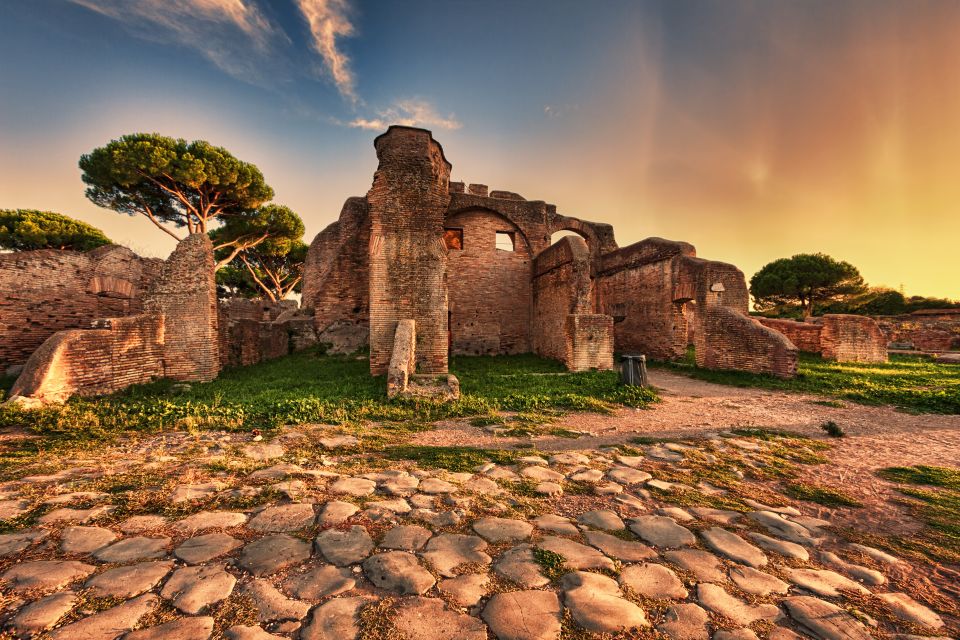
This is a smart pick if you want a real break from Rome without losing the ancient-history payoff. I’d recommend it if you:
- Want a half-day plan that still feels substantial
- Like stories that explain how Romans lived, worked, and relaxed
- Prefer small-group pacing over crowded group chaos
- Appreciate a guide who answers questions and gives extra tidbits
It’s also a good choice if you’re new to public transit in Italy and want help staying confident. One past guest even highlighted how the guide handled the train connections smoothly, which matters when you’re navigating Rome’s transit on the fly.
One caution: if you have mobility impairments or use a wheelchair, this tour isn’t recommended. The park involves walking and doesn’t align with access needs for reduced mobility.
Should You Book This Ostia Antica Small Group Tour?
Yes, if you want an efficient, story-driven way to experience one of Rome’s most atmospheric archaeology sites. The combination of skip-the-line tickets, roundtrip train access, and a small group licensed guide turns Ostia Antica from a pile of ruins into a coherent city you can visualize.
Book it especially if you’re the type who likes context: why a theater mattered, how guilds shaped wealth, how baths fit into social life, and what a home reveals about comfort and status. If you’re comfortable walking for a few hours and you like learning as you go, this is a strong use of your time in Lazio.
FAQ
Where do I meet for the Ostia Antica tour?
You meet in front of the Roma Ostia Lido Train Station at Piazzale Ostiense, 9, 00154 Roma RM, Italia.
How long is the tour?
The duration is 4 hours.
Is the train ticket included?
Yes. The tour includes a roundtrip train ticket.
Are skip-the-line tickets included?
Yes. You get skip-the-line tickets to the Ostia archaeological park via a separate entrance.
Is food included?
No. Food and drinks are not included.
Is this tour suitable for wheelchair users or reduced mobility?
No. This tour is not recommended for people with reduced mobility or wheelchair users.