REVIEW · ROME
Rome: Colosseum, Circus Maximus, Forum & Ancient Rome Tour
Book on GetYourGuide →Operated by Pink Umbrella Tours · Bookable on GetYourGuide
Ancient Rome feels close when you walk it. I love how this route pulls you through the streets that shaped everyday Roman life, especially around the Roman Forum and the Capitoline Hill views. I also love that you get the big-photo version of the Colosseum without waiting for an interior visit. One catch: the tour does not include entry to the Colosseum, so you won’t go inside.
This is a focused, 2-hour English walking tour in central Rome, run by Pink Umbrella Tours, that strings together major monuments with a few spots people often skip. Guides seem to make the difference here too, with names like Bruno, Gabriel, Francesco, and Sam showing up in strong reviews for clear explanations and a friendly, question-friendly style.
In This Review
- Key highlights worth showing up for
- Where the tour starts: Piazza Cinque Scole to Portico d’Ottavia
- Ponte Fabricius: the city’s old connection point
- Theatre of Marcellus and Temple of Apollo: less-obvious Roman drama
- Capitoline Hill and Michelangelo’s square: power, then design
- Via dei Fori Imperiali: seeing the Forums as a political corridor
- Circus Maximus and the outside Colosseum payoff
- The guides: why this tour feels like more than a walk
- Price and value: $243.56 for a guided 2-hour route
- How long is enough time, and what’s the rhythm?
- Who should book this tour
- Should you book this Rome: Colosseum, Circus Maximus, Forum & Ancient Rome Tour?
- FAQ
- Where does the tour start?
- What time does the tour begin?
- How long is the tour?
- Is the Colosseum entrance included?
- What sights will I see during the walk?
- What language is the guide?
- What should I bring?
- Does the tour run in bad weather?
- Is the tour suitable for wheelchair users or people with mobility impairments?
- What if I arrive late?
Key highlights worth showing up for
- Piazza Cinque Scole start: you’ll begin in the Jewish Ghetto area and get oriented fast
- Ponte Fabricius: the oldest bridge in Rome, plus the quick visual payoff of crossing toward Tiber Island
- Theatre of Marcellus: an ancient theater that’s frequently mistaken for the Colosseum
- Capitoline Hill: a climb up to the square designed by Michelangelo
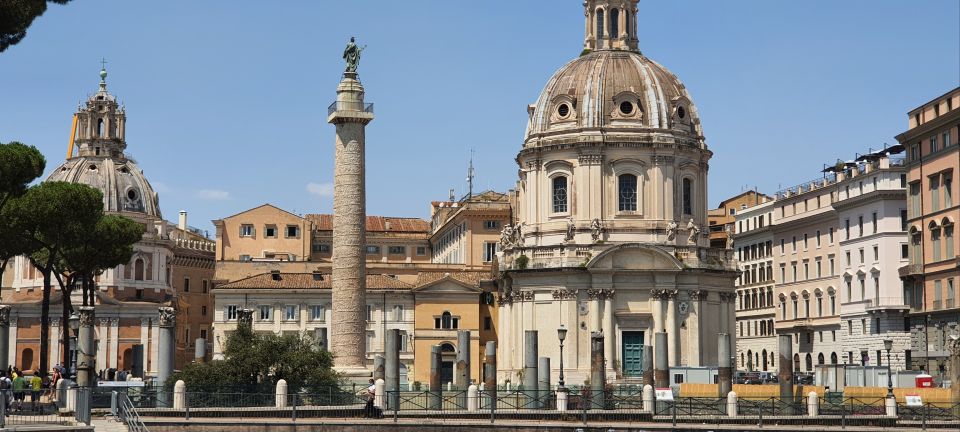
- Via dei Fori Imperiali: views and context for multiple imperial forums (Augustus, Caesar, Nerva)
- Circus Maximus and the Colosseum from outside: classic Rome energy, without the ticket for the interior
Where the tour starts: Piazza Cinque Scole to Portico d’Ottavia
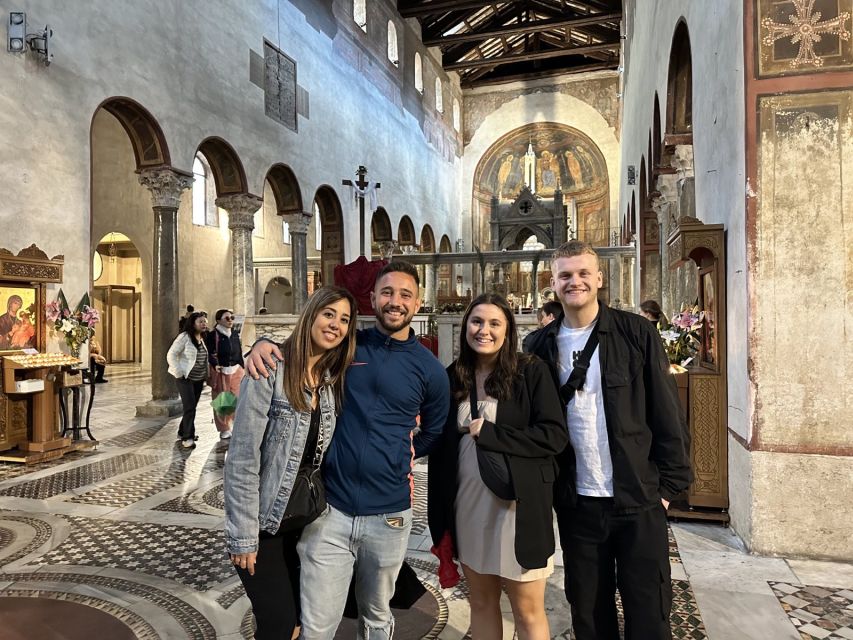
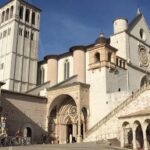
The tour begins at the Basilica of Sant’Anastasia al Palatino, then wastes no time getting you into the city’s layers. Your first real moment comes at Piazza Cinque Scole, where you’re guided through the atmosphere of the Jewish Ghetto. Even before you reach the heavy-hitters, this sets a useful tone: Rome isn’t just ruins in the sun. It’s a living city where different communities have left their marks.
From there, you move toward the Portico d’Ottavia, an ancient structure tied to the rhythm of public life. The value here is practical. The portico once marked an entrance to a busy market, so you get a clear sense of how commerce, crowds, and government-adjacent spaces worked together. It helps you stop thinking of ancient Rome as one museum hall and start seeing it as a functional city grid.
If you like your monuments with context, this early stretch is a win. It’s a gentle warm-up that makes later stops feel less like disconnected postcards.
You can also read our reviews of more tours and experiences in Rome.

Ponte Fabricius: the city’s old connection point
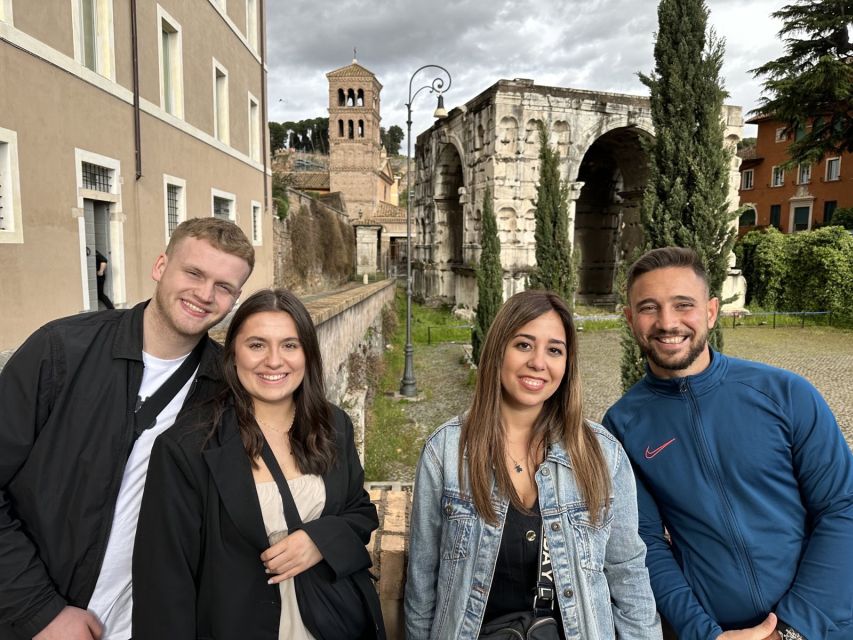
One of my favorite moments on this kind of walk is when a guide helps you “read” something small. Ponte Fabricius is that kind of stop. You cross it as you head toward the Tiber Island area, and you’re shown how this bridge is the oldest bridge in Rome. That detail matters because bridges are anchors: they shape movement, trade routes, and where people gather.
What you’ll get on the ground is a quick reset of perspective. Instead of racing from monument to monument, you pause in a spot that literally links sides of the city. You’ll also get a natural viewpoint that makes the river feel less like scenery and more like a core piece of Rome’s layout.
It’s also a nice pacing break inside a 2-hour tour. You need one or two “breather” moments, especially if you’re doing other sites the same day.
Theatre of Marcellus and Temple of Apollo: less-obvious Roman drama
The walk then brings you to the Theatre of Marcellus, a site worth the detour because it’s often mistaken for the Colosseum. That misconception is exactly why it’s on this route. A good guide will help you spot the differences and explain why the look-alike matters—because it reminds you how Rome reused design ideas and how later visitors kept comparing new structures to famous templates.
Right nearby is the Temple of Apollo. Here, the emphasis shifts to ruins that still give off a sense of Roman ambition. Even without going inside anything, you’re shown the kind of message temples were designed to send: culture, power, and public identity, all in one visual package.
This section works well if you enjoy history that’s not just the headline buildings. Instead of spending your entire time on the one most photographed amphitheater, you get a more rounded Roman streetscape—full of places people would have recognized as part of daily life.
Capitoline Hill and Michelangelo’s square: power, then design
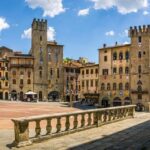
Climbing Capitoline Hill is one of the tour’s most memorable stretches. You’re not just going upward for exercise; you’re moving to one of Rome’s big political and symbolic viewpoints. From up there, you reach the beautiful square designed by Michelangelo.
This stop is valuable because it connects two eras without confusing them. Ancient Rome gave the power story. Michelangelo gave the later visual framing. A guide’s job—done well—is to help you notice that the hill isn’t only about what used to be there. It’s also about how later generations looked back and reshaped the city’s meaning.
Practical tip: since the itinerary includes a climb, wear shoes that can handle uneven sidewalks and steps. This is one of the reasons the tour isn’t suitable for wheelchair users or people with mobility impairments.
Via dei Fori Imperiali: seeing the Forums as a political corridor
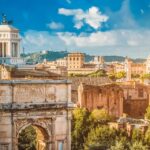
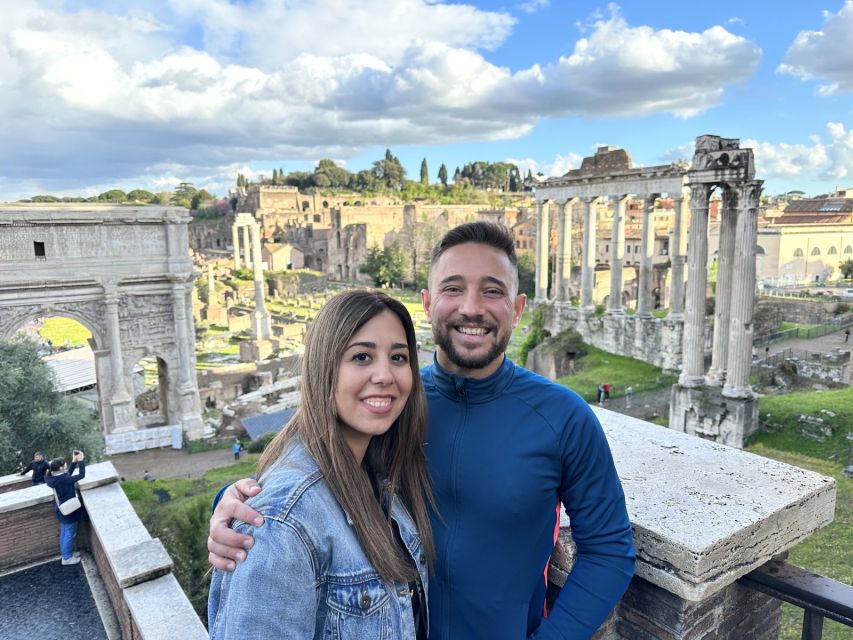
Then comes the heart of the Roman story: Via dei Fori Imperiali and the views across the Roman Forum area. This is where you’ll get a guided sense of social and political life in the past, and it’s also where the route earns its keep.
You’ll look toward:
- the Roman Forum
- the Forum of Augustus
- the Forum of Caesar
- the Forum of Nerva
What makes this more than a photo stop is the way the guide links these spaces together. You get the big idea that forums weren’t just plazas. They were stages. They reflected who held authority, what values were being promoted, and how power announced itself through architecture.
A strong guide also helps you understand why looking from a street corridor can be so effective. From ground level on a walking tour, you can trace how the city’s layout funnels you visually from one “era” to the next. The result is that the sites feel like a continuous system, not four separate stops.
If your goal is to understand Ancient Rome quickly—without getting lost—you’ll love this part.


Circus Maximus and the outside Colosseum payoff
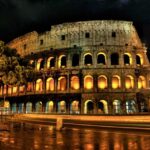
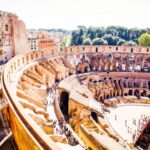
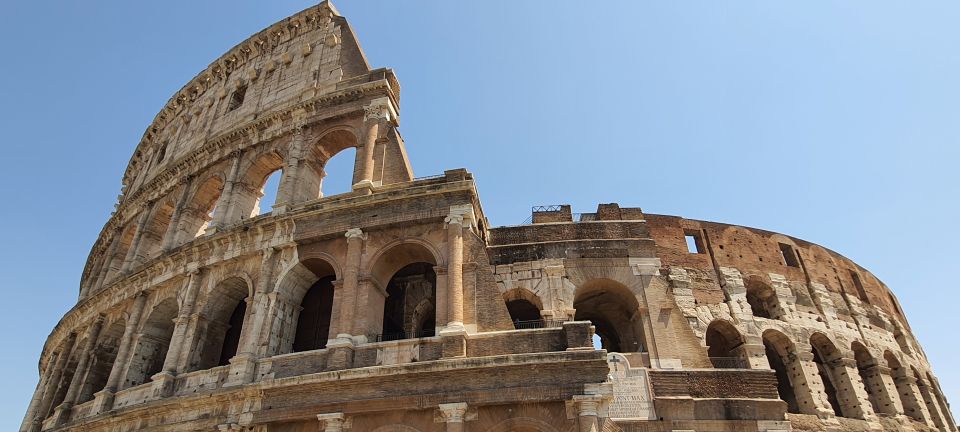
No Rome walk feels complete without Circus Maximus and the Colosseum area. Here, you get both, with important clarity: the tour includes seeing the Colosseum from the outside only. The description is direct about it, and that’s good for expectations.
Circus Maximus is your chariot-racing stadium stop, which changes the mood in a good way. It’s a different kind of Roman spectacle, more about crowds, speed, and mass entertainment than speeches and temples. Even if you’re not thinking hard about structure details, it’s a place that helps you imagine the sound and energy of huge gatherings.
Then you finish the day-feel with outside Colosseum viewing. You’ll be standing in the right neighborhood to connect the amphitheater’s fame with the rest of what you’ve already seen—forums for politics, theatres for performance, and circus for spectacle. It all fits together better when you don’t treat the Colosseum as a lone icon.
The guides: why this tour feels like more than a walk
This is a guided tour, and the reviews point to a clear theme: guides who explain simply and answer questions without making you feel rushed.
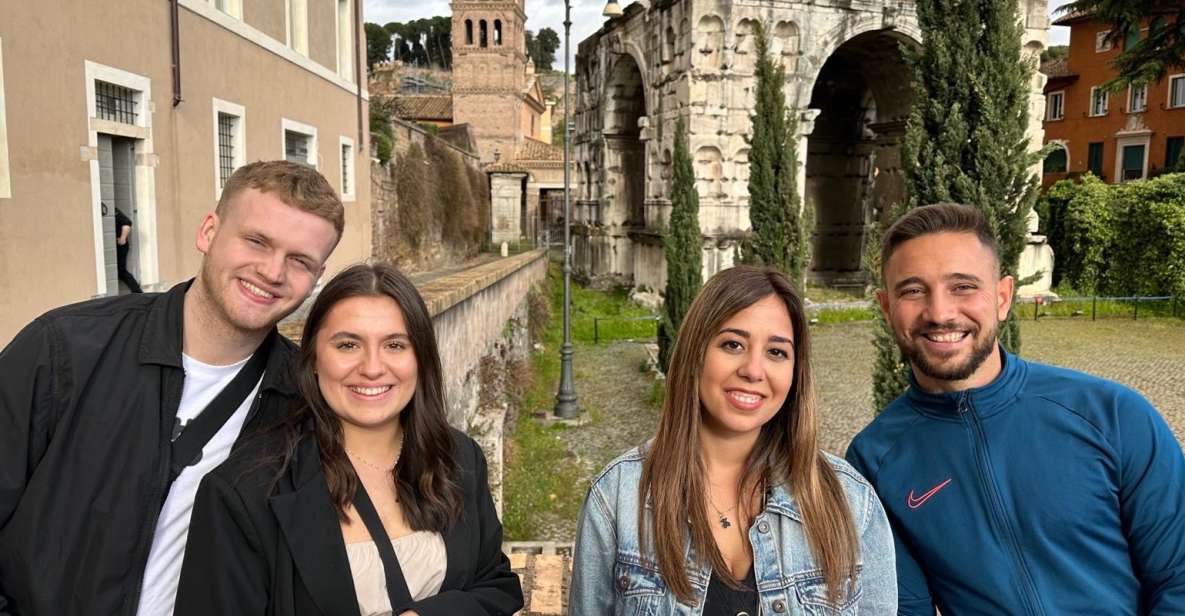
Bruno is mentioned for warm, humorous, friendly delivery, plus serious command of the subject. Gabriel is praised for being excellent and informative. Francesco stands out for handling many questions with ease. Sam earns compliments for being knowledgeable and personable.
Even if you don’t remember every detail later, you’ll still feel the difference during the walk. A good guide helps you connect what you’re looking at to why it mattered—then you’re not just walking past stones. You’re building a mental map.
In a 2-hour format, that guide skill is a major part of the value.
Price and value: $243.56 for a guided 2-hour route
At $243.56 per person for a 2-hour guided walking tour, this isn’t the cheapest thing you can book in Rome. But it can still be good value, depending on what you want.
Here’s what that price is clearly buying:
- an English live guide
- a structured walk through a set cluster of major monuments
- context for less-obvious stops like Theatre of Marcellus and Piazza Cinque Scole
And here’s what you should not expect:
- entrance tickets and fees are not included
- the Colosseum interior is not included
So the value is highest if you want orientation and stories across multiple sites without trying to navigate everything yourself. If your top priority is going inside the Colosseum, you’ll likely need a separate plan for tickets. Think of this tour as the map and the explanations that make a future Colosseum visit (or nearby self-guided time) make more sense.
How long is enough time, and what’s the rhythm?
The tour runs for 2 hours, rain or shine. That time window is ideal if you want a “greatest hits plus a few surprises” overview without burning an entire morning or afternoon.
The route rhythm usually looks like this:
- start in the Jewish Ghetto area (Piazza Cinque Scole)
- move through ancient civic and market-adjacent spaces (Portico d’Ottavia)
- cross and orient around the Tiber connection (Ponte Fabricius)
- hit theatre/temple landmarks (Theatre of Marcellus, Temple of Apollo)
- climb to Capitoline Hill and Michelangelo’s square
- look across the forum corridor (Via dei Fori Imperiali, imperial forums)
- end with Circus Maximus and outside Colosseum views
Because it’s compact, you’ll be walking continuously. Comfortable shoes aren’t optional. Also, since it involves climbing, expect some stairs and uneven ground.
Who should book this tour
Book this if you want:
- a guided overview of Ancient Rome’s most recognizable spaces and a few clever add-ons
- help understanding what you’re seeing around Capitoline Hill and the forums
- a short, manageable experience that keeps you moving through central Rome
You might consider another option if:
- you specifically need the Colosseum interior as part of your day
- you have mobility challenges, since the tour isn’t suitable for wheelchair users and includes a climb to Capitoline Hill
Should you book this Rome: Colosseum, Circus Maximus, Forum & Ancient Rome Tour?
Yes, if you’re the type of traveler who likes to get the story behind what you see, fast. This itinerary is built for that: forums, hilltop symbolism, entertainment venues, and a satisfying outside view of the Colosseum—paired with a guide strong enough to keep the details clear in a tight 2-hour window.
Before you book, do one quick decision check: do you want a Colosseum interior visit today? If the answer is yes, you’ll need to plan tickets separately because this tour explicitly stays outside. If the answer is no, or you’re okay saving that for later, this walk is a great way to orient yourself and leave with a real mental picture of how Roman public life moved from one monumental setting to the next.
FAQ
Where does the tour start?
It starts with you meeting your guide in front of the Basilica of Sant’Anastasia al Palatino.
What time does the tour begin?
Starting times vary. Check availability to see the specific start times for your date.
How long is the tour?
The tour lasts 2 hours.
Is the Colosseum entrance included?
No. Entrance tickets and fees are not included, and the visit to the Colosseum is not included. You’ll see it from the outside.
What sights will I see during the walk?
You’ll see the Roman Forum and related imperial forums (including Forum of Augustus, Forum of Caesar, and Forum of Nerva), Portico d’Ottavia, Ponte Fabricius, Theatre of Marcellus, Temple of Apollo, Capitoline Hill, Circus Maximus, and the Colosseum from outside, along with the Jewish Ghetto area at Piazza Cinque Scole.
What language is the guide?
The live tour guide is in English.
What should I bring?
Wear comfortable shoes.
Does the tour run in bad weather?
Yes. The tour takes place rain or shine.
Is the tour suitable for wheelchair users or people with mobility impairments?
No. It is not suitable for people with mobility impairments and is not suitable for wheelchair users.
What if I arrive late?
Please arrive 15 minutes before the starting time. Guides wait for no more than 10 minutes beyond the starting time, and there is no refund for late arrivals or if you leave the tour early.