REVIEW · ROME
Ancient Rome with Archaeology – Small Group Only
Book on GetYourGuide →Operated by LeonardoDC · Bookable on GetYourGuide
Roman ruins can feel like random piles. This tour makes them tell a story—slow, clear, and archaeological. I like how the guide, Leonardo, ties Roman architecture to what came before it, so the monuments start explaining themselves. I also like the small group size (up to 6), which means you can ask questions and move at a comfortable pace. One thing to plan for: you’ll see major sites from great vantage points, but the experience does not include going inside or buying tickets.
You’ll meet at Piazza Mattei and then spend about 2.5 hours walking and learning your way from the Colosseum area to the Theatre of Marcellus archaeological zone. The route is designed for an easy walking pace, and it stays light enough for all ages, without feeling rushed. Just keep in mind the best parts are the interpretations—so if you want a ticketed inside-the-monument tour, you’ll need a different option.
In This Review
- Key Points to Know Before You Go
- Turning Roman Ruins Into a Real Story
- Your 2.5-Hour Walk: From Piazza Mattei to the Theater of Marcellus
- Colosseum Views That Actually Make Sense
- Imperial Fora: How Rome Built a Power District in Waves
- Roman Forum: The City’s Center, Not Just a Tourist Stop
- Piazza del Campidoglio: Seeing Rome’s Meaning Through a Square
- Theatre of Marcellus Finale: Finishing With Archaeology in the Real Open Air
- What’s Included (and What You Shouldn’t Expect)
- Price Check: Is $36.08 a Good Value?
- Best Fit: Who This Tour Is For
- Quick Booking Wisdom: Languages and Pace
- Should You Book This Ancient Rome Archaeology Tour?
- FAQ
- FAQ
- Where does the tour start?
- How long is the experience?
- How many people are in the small group?
- What languages are offered?
- Is this tour inside the monuments?
- Which sites are included on the route?
- Does it include a lot of walking?
- Is the tour wheelchair accessible?
- Can I cancel for a refund?
Key Points to Know Before You Go
- Archaeology-first explanations that connect the timeline of Rome to what you see today
- Small group (max 6) for a more personal pace and room for questions
- A tight 2.5-hour route covering Colosseum, Imperial Fora, Roman Forum, Capitoline Hill, and Theater of Marcellus
- No inside visits or ticket hassle, just expert viewing, context, and close reading of the ruins
- End at the Theater of Marcellus archaeological area, near spots that lead into the former Jewish Ghetto area
Turning Roman Ruins Into a Real Story
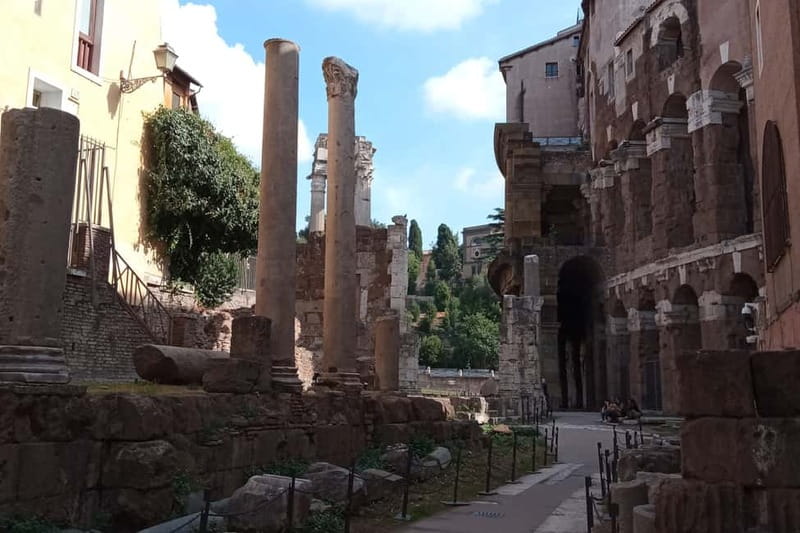
If you’ve ever stood in front of ancient stone and thought, I’m impressed… but what am I actually looking at, this is for you. The core value here is how archaeology is used as the translator. Instead of treating each monument like a separate postcard, the guide explains how Rome built, rebuilt, expanded, and repurposed—so the monuments feel like chapters, not disconnected scenes.
The other big win is the “why, when, and how” focus. You start with a quick timeline in a café or on the move, then you keep matching ideas to visible details: materials, layout, urban planning, and the art/architecture choices behind the grandeur. It’s also guided by real enthusiasm. In the reviews, people specifically call out how the introduction helped them understand and appreciate the buildings beauty, and how the time flew by while learning.
The potential drawback is simple: you’re not going inside. That’s not bad—it just changes the expectation. You’ll gain understanding without the long ticket lines and interior rules, but you won’t get the full interior experience of places like the Colosseum or forum structures.
You can also read our reviews of more tours and experiences in Rome.

Your 2.5-Hour Walk: From Piazza Mattei to the Theater of Marcellus
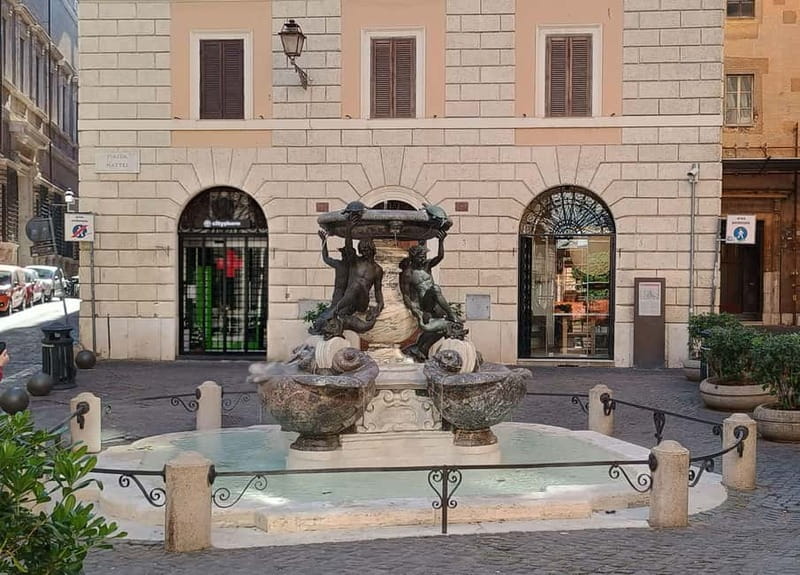
The tour runs about 2.5 hours, starting at Piazza Mattei, 1, right in front of the Fountain of the Turtles. From there, you head through a classic concentration of Rome’s ancient core, with the guide stepping in to explain what you’re seeing along the way.
Expect a sequence of stops that roughly follows the city’s center of gravity:
- Colosseum area
- Imperial Fora
- Roman Forum
- Capitoline Hill square (Piazza del Campidoglio)
- Theatre of Marcellus archaeological area, ending around Temple of Apollo and Porticus of Octavia
The pace is described as light and suitable for all ages. That matters because Rome is exhausting if you’re doing it solo—this gives you direction, structure, and stops that feel worth your energy. You’re also never stuck trying to figure out where the next “important thing” is. The guide handles that.
One more thing: the experience is listed as ending back at the meeting point, but the route also includes nearby drop-off options (Via Nicola Salvi, 65 and Piazza del Colosseo). In practice, you should plan for a finish around the Colosseum-to-Capitoline corridor, not deep across town.
Colosseum Views That Actually Make Sense
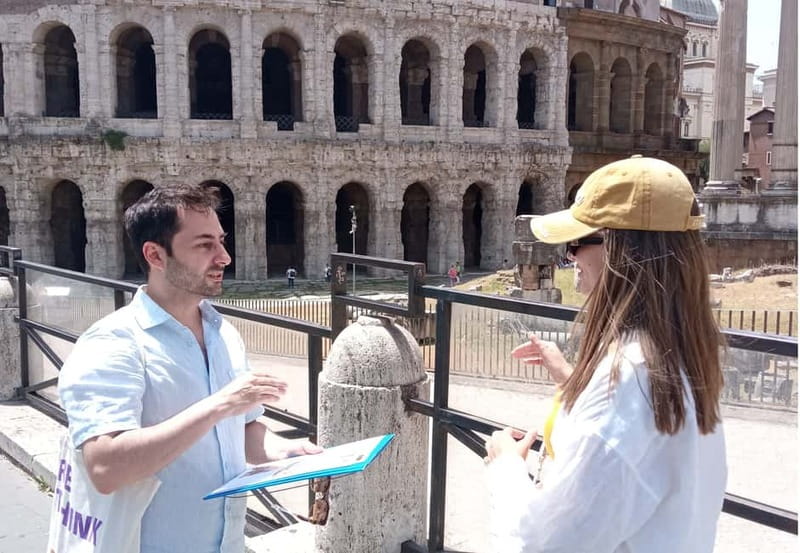
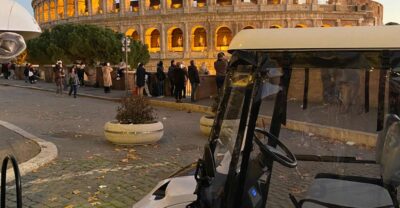
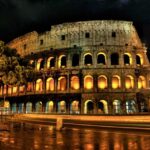
The Colosseum is the obvious headline, but what you’ll remember is how you connect it to Rome’s development. You’ll spend about 30 minutes at the Colosseum stop area for guided viewing and walking.
Since you’re not going inside, the goal isn’t ticket-based sightseeing. It’s interpretation from the outside—spotting the logic behind the arena’s monumental presence and how the surrounding complex fit into the broader city of power and spectacle. You’ll also get a framework early on, so later forum and imperial structures don’t feel like separate ruins.
Practical tip: wear comfortable shoes and keep your eyes up as well as down. When the guide points to details, it often helps to look where you can actually see the architectural logic from street level: alignments, sightlines, and how spaces relate.
Imperial Fora: How Rome Built a Power District in Waves
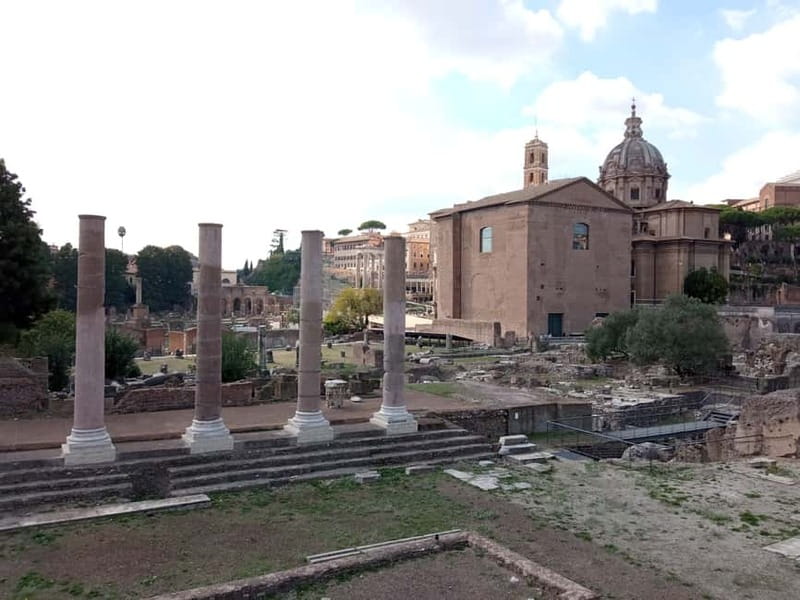
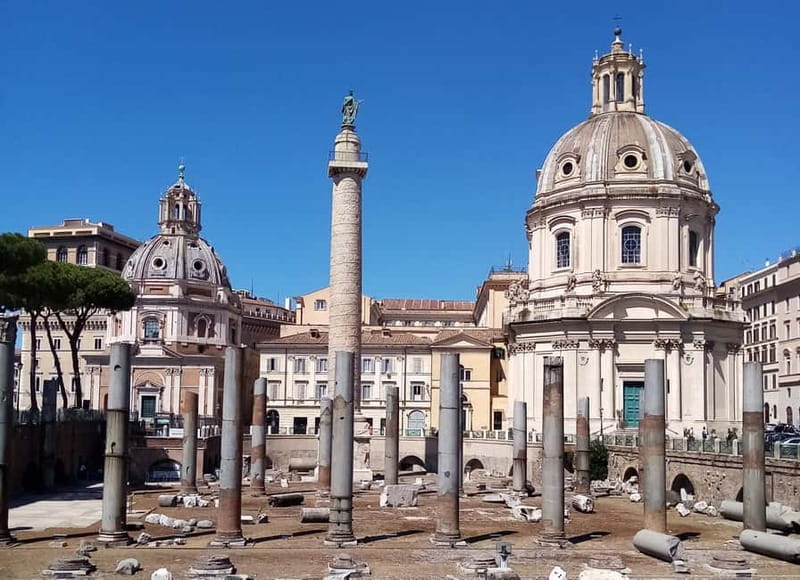
After the Colosseum area, you’ll move to the Imperial Fora for another 30 minutes of guided sightseeing and walking. This part is where archaeology is especially useful, because imperial Rome wasn’t just building once—it was building in phases, with later rulers shaping earlier spaces.
Here’s what makes this stop valuable for you: it turns “impressive ruins” into “a political city plan.” You’ll look at vantage points that help you understand how the imperial district functioned—how monuments talked to each other across viewpoints and how architecture served ideology.
Even if you’ve seen photos online, the guide’s approach helps you read the site as a designed system. That’s the difference between looking at stones and understanding why those stones are arranged the way they are.
Potential consideration: the forum corridor can get crowded, and you’ll be moving through busy public spaces. The small group size (up to 6) helps keep this manageable, but you should still expect typical Rome foot traffic.
Roman Forum: The City’s Center, Not Just a Tourist Stop
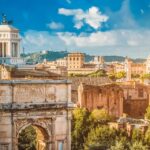
Next comes the Roman Forum, again about 30 minutes for guided sightseeing and walking. This is where many people get that “I’ve seen it, but I don’t get it” feeling. The archaeology-first angle is exactly the fix.
You’ll get help seeing the Forum as more than a photo backdrop. The guide connects the timeline of Rome’s rise with the way major civic and religious spaces developed and shifted. You’ll be shown how different eras left traces—and how those traces shaped what you can still recognize today.
Also, the tour includes discussion around the Palatine Hill context as you move through the center. That matters because Palatine isn’t just a scenic viewpoint here; it’s tied to how Rome organized elite power and how the city’s identity concentrated in that core zone.
If you’re the kind of traveler who likes “okay, so what happened next,” the Forum stop will feel like the middle chapter that makes the rest click.


Piazza del Campidoglio: Seeing Rome’s Meaning Through a Square
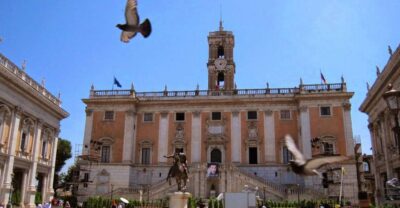
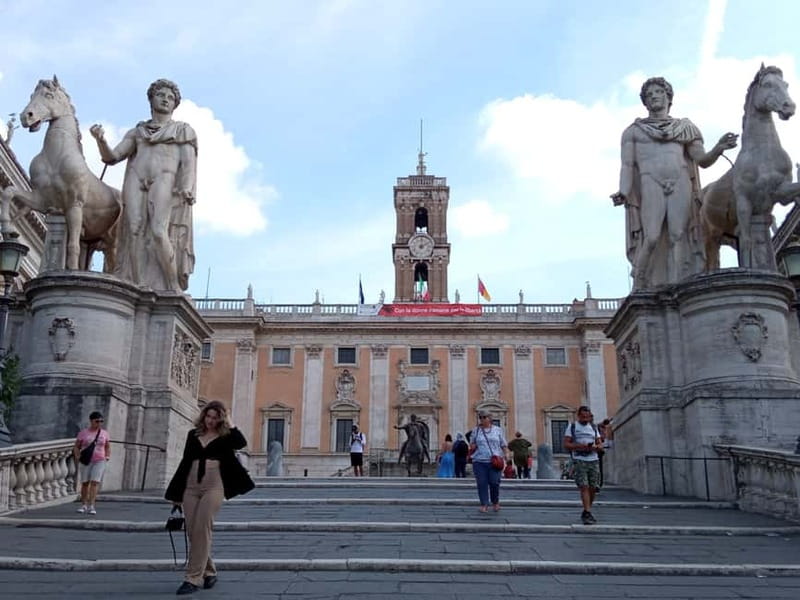
Then the route brings you to Piazza del Campidoglio (Capitoline Hill square) for another 30 minutes of guided visiting and sightseeing.
This part can surprise you in a good way. Squares like this aren’t just pretty settings—they’re strategic viewpoints. You’ll use the elevation and layout to make sense of where earlier structures sat and how the city’s geography helped shape power, movement, and symbolism.
Think of it like this: the tour isn’t only about ancient archaeology as objects. It’s also about archaeology as relationships—how different hills, monuments, and spaces line up, and how Rome’s builders used that.
If you tend to enjoy art history as much as architecture, this stop is a natural fit. The guide frames why these places exist and how their forms connect back to earlier Roman goals.
Theatre of Marcellus Finale: Finishing With Archaeology in the Real Open Air
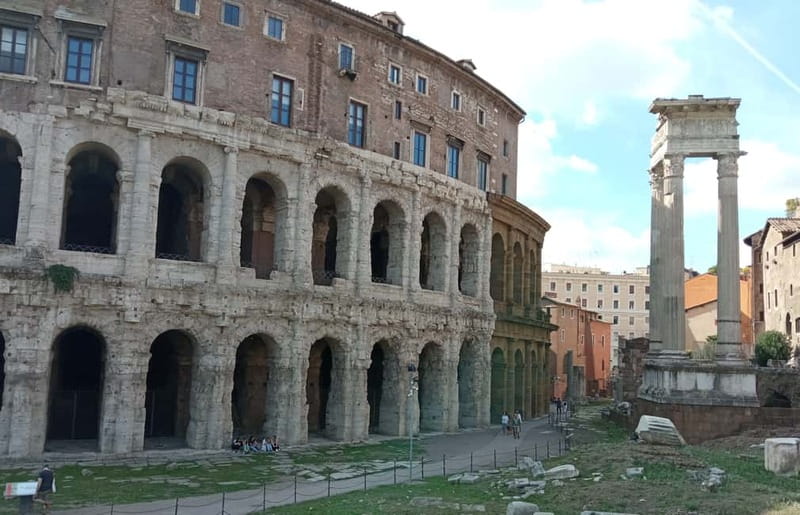
The ending is the Theatre of Marcellus archaeological area, including Temple of Apollo and Porticus of Octavia, with about 30 minutes for guided visit and sightseeing.
What I like about this finale is that it gives you a sense of Rome as a city that kept changing. You’re not finishing at a single “icon” only; you’re finishing where multiple layers of the ancient city overlap. It’s also close to the former Jewish Ghetto area, since the archaeological zone leads into the historic neighborhood context.
Because you’re outside, this stop is great for slowing down and letting the guide’s explanations land. When the tour ends, you’ll likely feel a bit more grounded in how the city evolved—rather than leaving with just a list of famous names.
One last consideration: the tour is light walking, but you still need to stay alert. This ending zone involves moving around archaeological areas, and the streets and pathways in this section can involve uneven footing.
What’s Included (and What You Shouldn’t Expect)
This experience is built around guided context, not ticketed monument access. The included parts are:
- An expert guide (LeonardoDC) leading you through the key ancient Rome areas
- Stops for walking, guided viewing, and archaeology/history/art history explanations
- Multiple vantage points to see the monuments in relation to each other
- The final finish at the Theatre of Marcellus archaeological area around Temple of Apollo and Porticus of Octavia
What is not included:
- Going inside the monuments
- Tickets for monuments
So if your dream is to go inside the Colosseum, this tour won’t fulfill that. But if your goal is to understand what you’re seeing and why those buildings exist, it’s a strong match.
Price Check: Is $36.08 a Good Value?
At $36.08 per person for a 2.5-hour small-group walking experience, the value comes from the focus. You’re not paying primarily for entry fees, because there aren’t any. You’re paying for a guided story that ties together Roman Forum + Imperial Fora + Colosseum area + Capitoline viewpoint + Theatre of Marcellus—all in one organized flow.
For me, the value question is simple: will you learn something that changes how you see Rome? The reviews emphasize that the explanations added lots of architectural and historical detail and made the time fly. That’s the outcome you should expect: more understanding per minute than you’d get wandering on your own.
If you’re traveling solo and planning to book multiple tours to cover different monuments, this can also be a cost-saver. It’s one structured package that connects the pieces.
Best Fit: Who This Tour Is For
You’ll likely love this if:
- You like archaeology explanations and want the “why” behind the stone
- You’d rather understand fewer monuments deeply than rush through many without context
- You want a small group experience (up to 6) so you’re not hidden in a crowd
- You prefer a light walk that still feels meaningful
You might skip it (or pair it with a separate ticketed tour) if:
- You specifically want indoor access or to stand inside major monuments
- You’re trying to fit Rome into a super short schedule and need maximum interior time
Quick Booking Wisdom: Languages and Pace
The guide offers live tour guiding in Portuguese and English. That’s great if you want your explanations in a language you can fully follow while walking.
Also, the tour is described as wheelchair accessible and suitable for all ages with a light walking effort. Still, Rome is Rome—so use common sense with shoes and stamina if you have mobility needs.
Should You Book This Ancient Rome Archaeology Tour?
I’d book it if you want Rome to make sense. This isn’t a “famous sites, big crowd” tour. It’s a guided reading of Ancient Rome—built around archaeology, timelines, and architectural logic—delivered by Leonardo in a small group setting. You’ll come away seeing the Roman Forum, Imperial Fora, and Colosseum area as one connected story, not separate souvenirs.
Skip or pair it if your top priority is interior access and you want tickets. But if your goal is understanding and context while staying efficient, this is a smart way to spend 2.5 hours in the heart of Lazio’s ancient core.
FAQ
FAQ
Where does the tour start?
It starts at Piazza Mattei, 1, right in front of the Fountain of the Turtles.
How long is the experience?
The tour lasts about 2.5 hours.
How many people are in the small group?
The group is limited to 6 participants.
What languages are offered?
The tour is available in Portuguese and English.
Is this tour inside the monuments?
No. The experience does not include going inside the monuments or tickets for them.
Which sites are included on the route?
You’ll cover the Colosseum area, Imperial Fora, Roman Forum, Capitoline Hill square (Piazza del Campidoglio), and finish at the Theatre of Marcellus archaeological area, including Temple of Apollo and Porticus of Octavia.
Does it include a lot of walking?
It’s described as a light walking tour suitable for all ages and does not require effort.
Is the tour wheelchair accessible?
Yes, the experience is listed as wheelchair accessible.
Can I cancel for a refund?
Yes, free cancellation is available up to 24 hours in advance for a full refund.