REVIEW · ROME
Colosseum Express Guided Tour / Forum & Palatine Audioguide
Book on GetYourGuide →Operated by Sonitus in Rome SNC · Bookable on GetYourGuide
Rome’s biggest crowd is also its best story. This express guided tour pairs a live English guide with an audioguide setup so you can see the Colosseum fast and still understand what you’re looking at. I like the time-saving approach—skip-the-line is the point—and I also like that the visit naturally flows from the Colosseum to the Forum and Palatine viewpoints.
Two things I really like: first, the guide-led storytelling keeps the focus on gladiators, emperors, and the big public moments that made this place famous, without turning it into a long lecture. Second, once the guided part ends, you’re set up to explore the wider archaeological area at your own pace using an offline-capable app and location-based directions.
One consideration: skip-the-line usually helps with ticket queues, not security. You still have to go through the mandatory security check, and that can affect how smoothly your start feels—especially at busy times.
In This Review
- Quick hits
- Why this Colosseum Express tour works for tight schedules
- Meeting points at Piazza di San Clemente and Arco di Costantino
- Entering the Colosseum: skip-the-line vs the unavoidable security check
- Inside the Colosseum: what the guided 75 minutes really delivers
- The Roman Forum: political power, then wander-time freedom
- Palatine Hill views plus an offline audioguide setup
- Price and value: is $66.05 a good deal?
- Comfort checklist: shoes, headphones, and phone power
- How the guide style changes the whole experience
- Best for families, short schedules, and first-timers
- Should you book this Colosseum Express guided tour?
- FAQ
- Do I still need to go through security even with skip-the-line entry?
- How long is the Colosseum Express guided portion?
- Where do I meet the guide?
- What happens after the guided part ends?
- Is the audioguide included, and does it work offline?
- What should I bring for the tour?
- Are there restrictions on bags or devices?
Quick hits
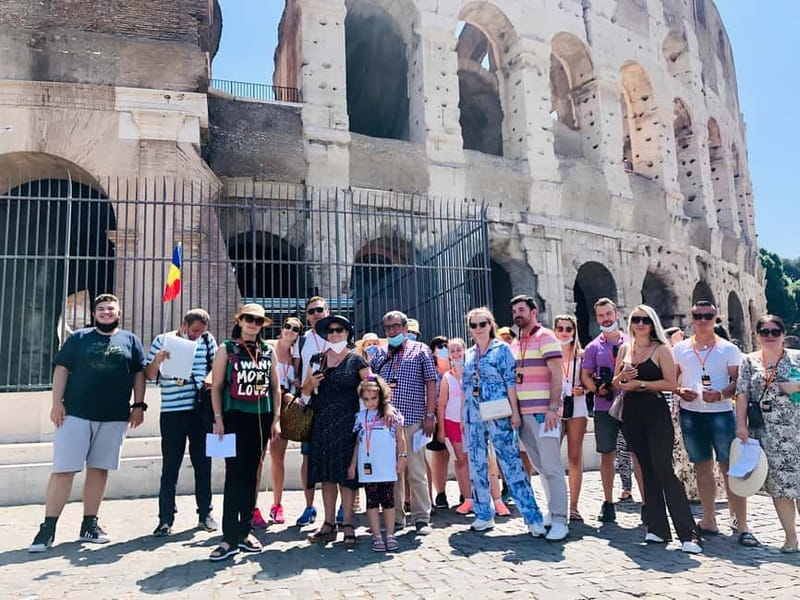
- Live English guide tells you what matters in the Colosseum in a short window
- Skip-the-line entry option can save time, but security is still required
- Forum + Palatine access continues after the guide wraps up
- Offline audioguide app helps you navigate without hunting for signal
- Views from Palatine Hill give you that wide Roman skyline perspective
- Family-friendly pacing, with guides described as engaging for kids
Why this Colosseum Express tour works for tight schedules
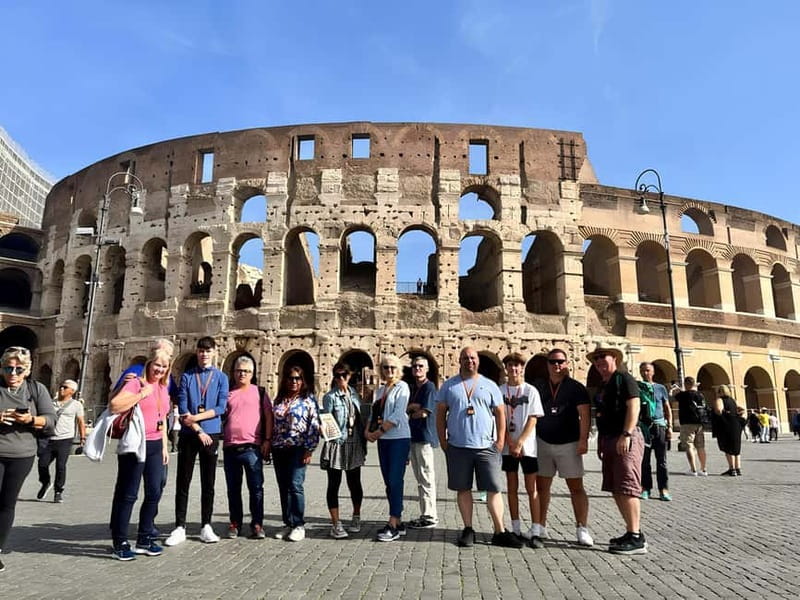
If you only have a morning or afternoon for the Colosseum area, this tour model makes sense. It’s built around a focused guided walkthrough (about 75 minutes up to 2.5 hours depending on the time slot) and then hands you off to explore on your own. That “guided hit, then self-guided freedom” plan fits people who want context but don’t want to stand in line for hours with the same group.
The key value is how it helps you start strong. You get an expert to point out what you’re seeing—how the monument worked, who the Romans put on display, and why the Colosseum was more than just a big stone oval. Then you can switch modes and take your time where you personally want it: photos, reading, or lingering in the quieter corners of the Forum and Palatine.
And yes, it’s also practical for travelers juggling timed entries, transport, or flight days. Several people highlight that the experience is short and sweet, which matters when you’re trying to fit Rome into a real schedule.
You can also read our reviews of more guided tours in Rome



Meeting points at Piazza di San Clemente and Arco di Costantino
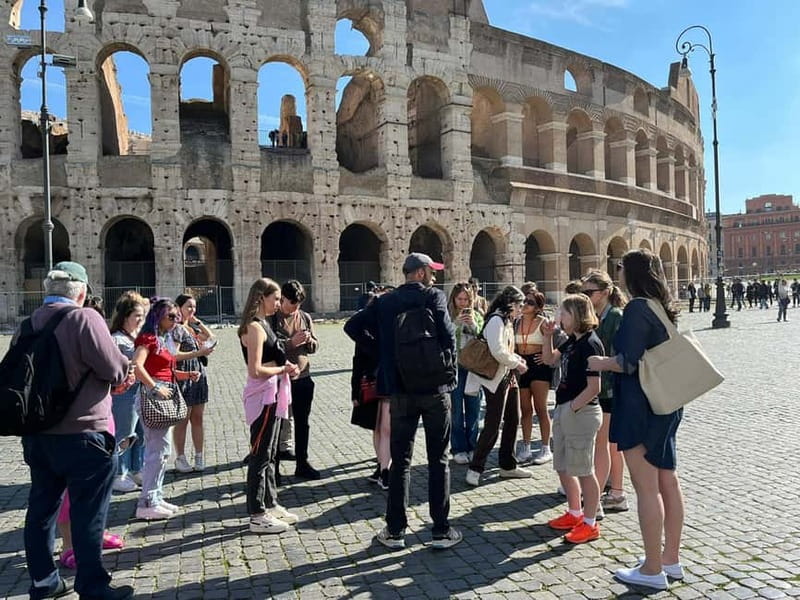
One thing you’ll want to get right is the meeting spot. This tour offers two starting options: Piazza di San Clemente or the Arco di Costantino. Your exact pickup point depends on the option you book, and meeting points can be busy and confusing near major landmarks.
A practical tip: go early enough that you’re not standing there stressed. The tour ends back at the meeting point, so you’ll want to know your way before you begin. If you’re coming from a hotel or another sight, give yourself buffer time so you can locate the right group without cutting it close.
Also, remember the tour is English and includes a live guide, so you’re looking for staff guidance at the start—not just a ticket handoff.
Entering the Colosseum: skip-the-line vs the unavoidable security check
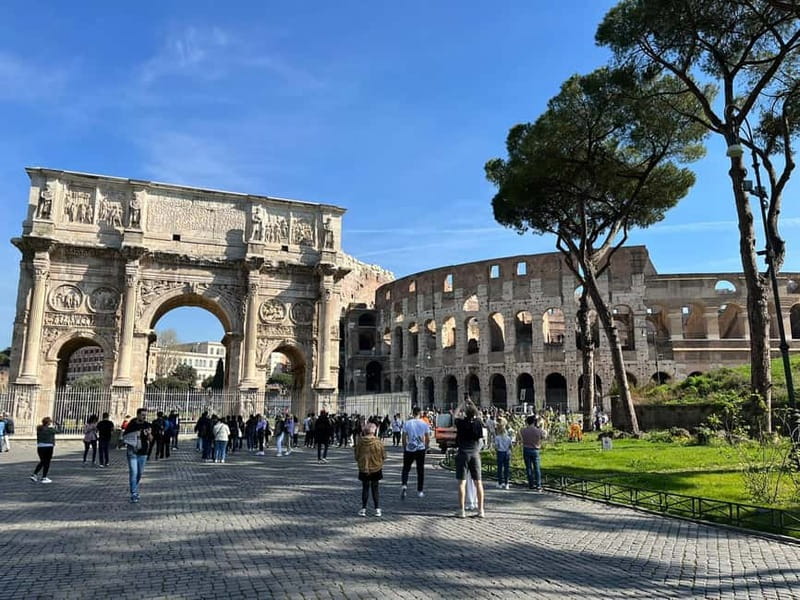
This is the part that can make or break your first impression. If you select the skip-the-line option, you should spend less time waiting for ticket entry. But you cannot avoid the mandatory security check. Even people who expected to breeze in still had to queue for security, and that’s normal at major sites.
Here’s the good news: the tour experience is designed so the guide gives context early, including while you’re waiting in security lines. That can take some of the sting out of the wait. Instead of feeling stuck in a slow queue, you’re hearing the Colosseum story as you move forward.
If you’re planning around other timed activities, treat security as the fixed part of your timeline. The skip-the-line feature can improve speed, but it won’t magically remove the process.
Inside the Colosseum: what the guided 75 minutes really delivers
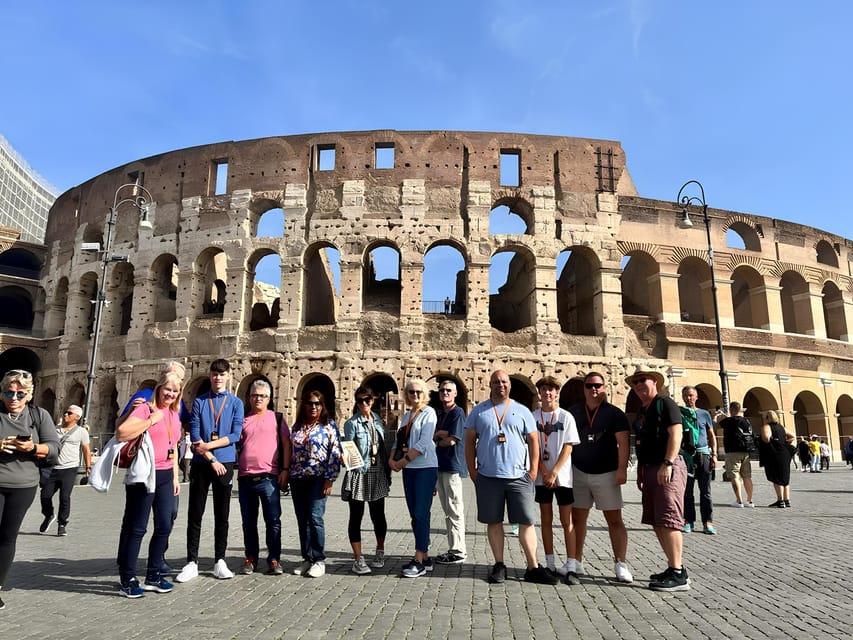
The guided portion starts with a photo stop at the Colosseum, then moves into the live tour inside. The tour content is focused: gladiators, emperors, and the political spectacle behind the games. You’ll also learn basic framing—who founded the city and who built or shaped the amphitheater—so the details you see later in the Forum and Palatine don’t feel random.
The live guide’s job here is not to cover every nook of the monument. It’s to give you the “map in your head.” Once you understand the main structure and what it represented, the Colosseum becomes easier to read even when you slow down on your own.
One optional upgrade is access to the Arena. If you choose the option that includes arena entry, you’ll have a chance to see the space that puts you closer to the performance area. If you don’t select it, you still get the guided tour and the core Colosseum experience.
The overall pacing is a big plus. Many people appreciate that the tour doesn’t drag, which is exactly what you want when you’ve already been walking all over Rome for days.
The Roman Forum: political power, then wander-time freedom
After the guided portion ends, your guide provides what you need to continue through the archaeological area. You’ll receive entrance tickets and a downloadable phone application so you can explore offline. Then the plan shifts to self-paced time in the Roman Forum.
The Forum is where Rome stopped being a name and started being a system. It was the center of political, religious, and social life, and the ruins give you a sense of how the city organized power and public identity. When you arrive, the experience works best if you keep one simple question in mind: what roles did these buildings play in everyday authority?
This is where the audioguide approach pays off. Instead of trying to interpret stone fragments with no context, you get location-based instructions and narration you can follow at your own rhythm. You can pause for photos, walk slowly between arches and basilicas, or just stand and look at the way the spaces align.
And because your time here is flexible, you can choose your speed. If you want to rush, you can. If you want to linger by a temple ruin or a major thoroughfare, you can do that too.
One practical note: even after you leave the Colosseum portion, you may face another security check for the broader area. The good mindset is to plan for it as part of the process.


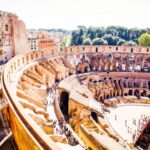

Palatine Hill views plus an offline audioguide setup
Palatine Hill is one of the best parts of this area for a reason: it connects you to the scale of the city. You’re surrounded by ruins, but you can also look out and imagine Rome as a lived-in landscape.
Your route typically continues up to Palatine Hill after the Forum segment. This hill is tied to some of the oldest parts of the city and includes remains associated with imperial palaces. In plain terms, it’s where the “private power” story of Rome feels more believable than just reading dates on a plaque.
Don’t rush the views. Snap photos, take a breather, and use the vantage point to orient yourself around the city grid. It’s much easier to understand Rome after you’ve seen it from elevation once.
The offline audio is key here. You’re told to download an application to your smartphone for use after the guided portion, so you can listen without relying on mobile data. You’ll still want to have a charged phone. If your battery is already low from hours of photos and maps, bring a portable charger if you can.
Also, note that the tour listing doesn’t provide headsets. The expectation is that you’ll use headphones. That’s why the “bring headphones” part matters.
Price and value: is $66.05 a good deal?
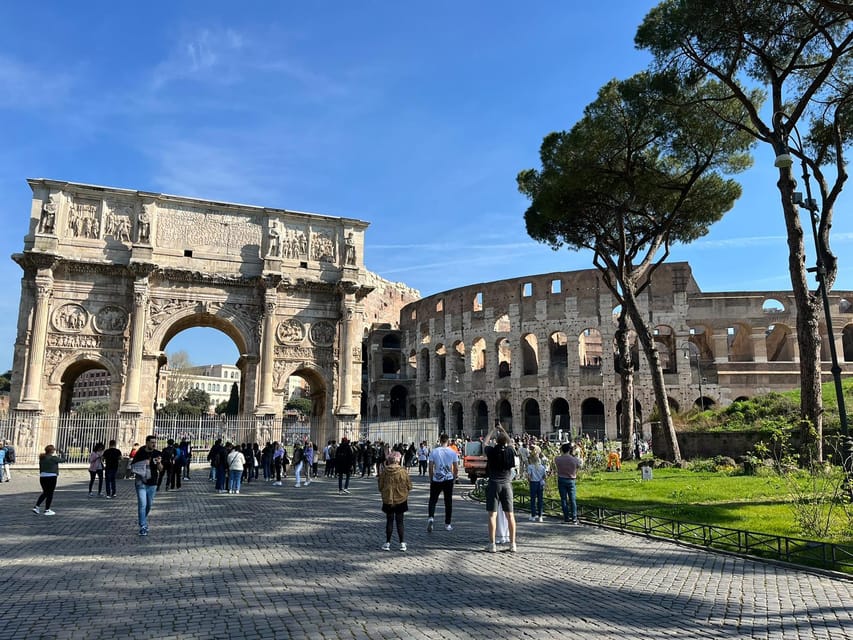
At around $66.05 per person, the value depends on what you would otherwise do. A Colosseum-area ticket alone can be expensive, and the reality is that timing matters in Rome. If you’re visiting when tickets sell out and the main queues are long, a guided express approach can save stress and make the experience more efficient.
What you’re paying for includes:
- a guided tour of the Colosseum
- entrance passes for the Colosseum/Forum/Palatine area (the listing notes a pass value)
- a downloadable audioguide system for the Palatine and Roman Forum
- skip-the-line entry only if you select that option
- arena access only if you select that option
So you’re not just buying a talk. You’re buying time management plus structured orientation. That combo is especially useful if you don’t want to spend your day hopping between the right ruins and trying to figure out what each one once did.
Still, it’s not a “walk every corridor with a historian for three hours” kind of price package. Some people feel the tour can be a little short for the cost, and they wish for more specifics about gladiators and more extensive access like ground-floor areas. If you’re the kind of visitor who wants to go deep for a long time, you might feel a shorter format isn’t enough.
If you’re the kind of visitor who wants context fast and then free time, the price looks more reasonable.
Comfort checklist: shoes, headphones, and phone power
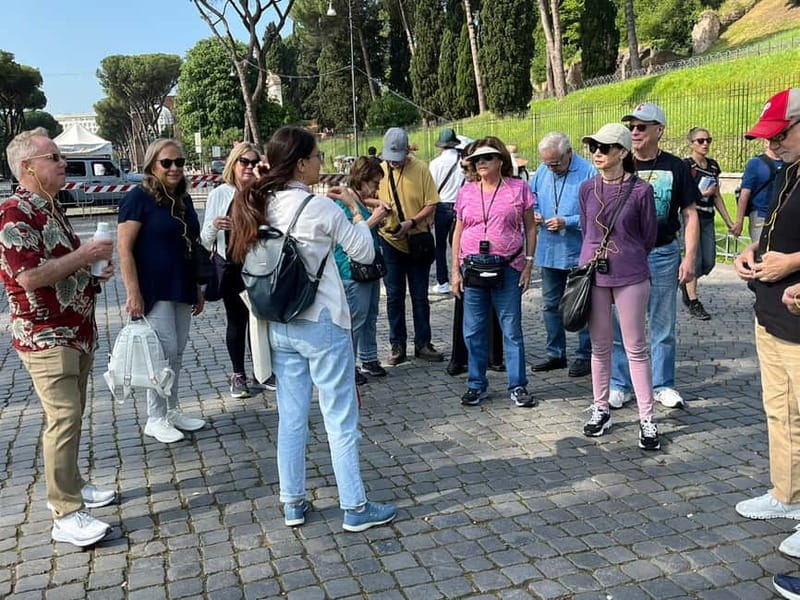
This tour lives in a walk-up world. You’ll want comfortable shoes because you’re moving between sites and standing while waiting. Bring water, especially in warm months.
Your smartphone matters more than you might expect. The plan includes a downloadable application for offline use after the guided tour. That means you should:
- have a charged phone
- be ready to use headphones (headsets aren’t included)
- keep your screen time reasonable so battery doesn’t die mid-walk
Bring your ID or passport. The listing specifies passport or ID card, and it notes that a copy is accepted for children. If you’re traveling as a family, check children’s ID rules early so you’re not scrambling on the day.
And travel light. Pets, oversize luggage, large bags, drones, and glass objects aren’t allowed. If you’ve got a big daypack, consider downsizing before you go.
How the guide style changes the whole experience
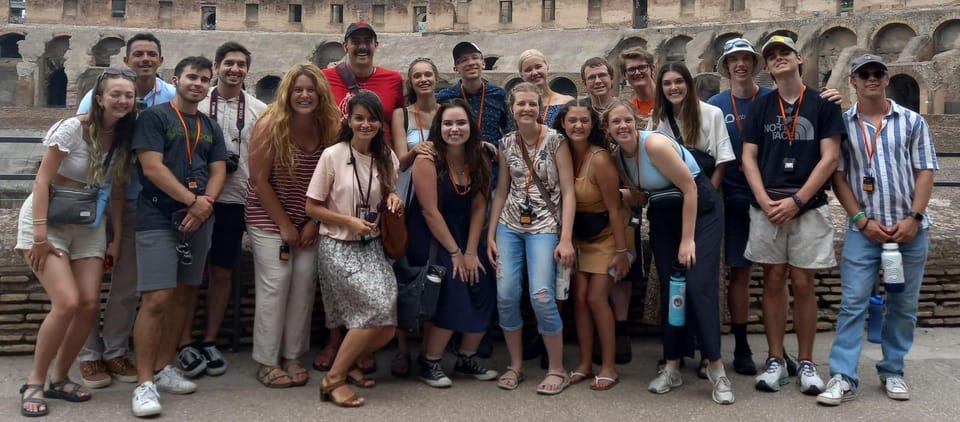
This is one of those tours where the guide really sets the tone. Many people mention specific guides by name—Manuela, Antonia, Alessia, Maurine, and Antonia again—plus they describe guides as efficient, friendly, and engaging. A couple of comments focus on how guides handled families well, even with very young kids.
That matters for pacing. An express tour only works if the guide keeps the group moving and makes the story clear. When guides are strong, you feel like you’re learning the “why” behind what you see, not just hearing facts.
You’ll also notice that the tour concept seems to aim for engagement from the beginning—even while people are queued for security. That’s a smart approach because it turns waiting into a warm-up rather than dead time.
Best for families, short schedules, and first-timers
This experience is a strong fit if you:
- want a Colosseum guide without committing to a long guided day
- like the idea of guided orientation followed by self-paced exploring
- travel with kids and need a structure that isn’t exhausting
- arrive in Rome with a tight timeline and want to maximize your sight time
It can also be a good choice for first-timers. The biggest problem on a first Colosseum visit is usually confusion. You see a giant ruin and you don’t know where to look or what to remember. A focused guide and an audio layer helps you build that mental map quickly.
If you’re the type who loves deep thematic tours and wants extensive gladiator detail, you might consider a longer tour option instead. This one aims for efficiency, and efficiency means you get the key story beats rather than every last layer.
Should you book this Colosseum Express guided tour?
Book it if your priority is getting oriented fast, seeing the Colosseum with a live guide, and then having the freedom to explore the Forum and Palatine at your own pace. The combination of a guided start, optional skip-the-line entry, and an offline-capable audioguide plan makes it a practical value choice—especially when your Rome calendar is tight.
Skip it or switch to a longer format if you want extended access, more time with a guide, or deep gladiator-focused storytelling throughout the entire visit. This tour is designed to be short and efficient, so don’t expect a marathon of every detail inside the monument.
FAQ
Do I still need to go through security even with skip-the-line entry?
Yes. The skip-the-line option helps with the ticket queue, but a mandatory security check is still required.
How long is the Colosseum Express guided portion?
It runs from about 75 minutes up to 2.5 hours, depending on the starting time slot available.
Where do I meet the guide?
You’ll meet at one of two starting locations, depending on the option booked: Piazza di San Clemente or Arco di Costantino.
What happens after the guided part ends?
Your guide provides your entrance tickets and a downloadable application for your smartphone so you can explore the Roman Forum and Palatine Hill on your own with offline audio.
Is the audioguide included, and does it work offline?
The audioguide is included as a downloadable application for your smartphone. It’s intended to be used offline after it’s downloaded.
What should I bring for the tour?
Bring a passport or ID card (including for children), comfortable shoes, water, headphones, and a charged smartphone. A copy is accepted for children as noted.
Are there restrictions on bags or devices?
Yes. Pets, oversize luggage, luggage or large bags, drones, and glass objects are not allowed.