REVIEW · ROME
Colosseum by Evening Guided Tour with Optional Arena Access
Book on GetYourGuide →Operated by City Wonders Ltd. · Bookable on GetYourGuide
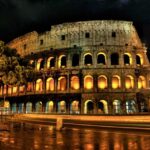
Nighttime makes the Colosseum feel personal. This guided evening walk gives you reserved entry and a calmer path through Ancient Rome, with standout views from the upper levels as daylight fades, plus plenty of time to actually look at the stone. I especially like the Roman Forum orientation before you even reach the arena and how the guide keeps the story moving with real names and on-the-spot context (some guides like Sam, Fabio, Nicolo, and Davide have impressed with their mix of facts and humor). One thing to consider: it’s still a lot of walking with hills and stairs, and it’s not suitable for mobility impairments.
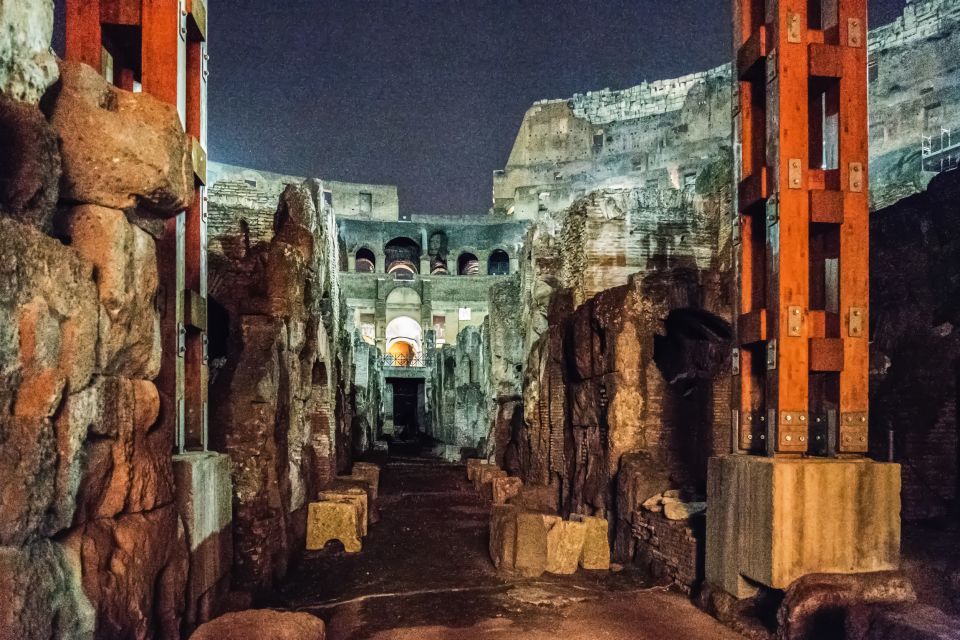
If you upgrade, the optional Arena Floor adds a whole new sense of scale. In one standout experience, the floor area was described as surreal, and if you’re in the Arena you may even spot ancient graffiti etched into the Colosseum walls. I’d also flag the practical stuff: no strollers, no large bags, and you’ll need ID that matches the names used for booking.
In This Review
- Key takeaways before you go
- Why the Colosseum at dusk hits differently
- Starting at Trajan’s Column: the easiest way to get your bearings
- Roman Forum photo stop: where the Republic becomes real
- Via dei Fori Imperiali: the walking route that sets up the big moment
- Reserved Colosseum entrance: stepping inside with a plan
- The Arena Floor upgrade: what changes when you stand where the action was
- Upper-level attic floors (3–5): spotting details most people miss
- Views and timing: how to get sunset photos without stress
- Group size, audio headsets, and guide impact (Sam, Fabio, Nicolo, Davide)
- What you’ll do after the tour: Monti is a smart next step
- Price and value: is $64 a good deal for what you get?
- Who should book this tour, and who should skip it
- Final verdict: should you book the Colosseum evening tour?
- FAQ
- Where do I meet for the Colosseum evening tour?
- How long is the tour?
- What’s included in the ticket price?
- Is Arena Floor access included, or is it optional?
- What ID do I need to bring?
- Are strollers or large bags allowed?
- Is there free cancellation?
Key takeaways before you go
- Evening entry beats the worst crowd crush, and the light makes photos look better without you trying too hard
- Roman Forum context first helps the Colosseum make sense instead of feeling like a stop-and-snap monument
- Arena Floor (optional) changes your perspective, including views and details you miss from the stands
- Upper-level time (floors 3–5) gives you room to notice architectural details and old markings
- Audio headsets help when streets get noisy and everyone talks at once
- Small groups (10, 15, or 25) tend to make it easier for guides to manage your timing and positioning
Why the Colosseum at dusk hits differently
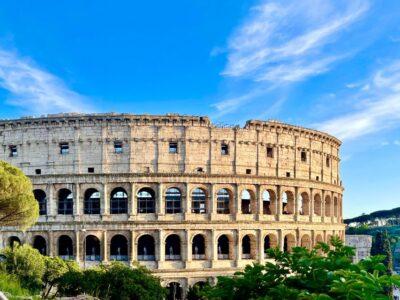
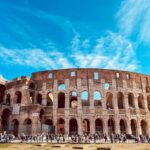
Daylight is great for sightseeing. But the Colosseum at dusk does something else. When the air cools and the light turns softer, the monument stops feeling like a textbook photo and starts feeling like a real place people lived around.
This tour is built around that atmosphere. You don’t just enter the Colosseum and sprint to the next viewpoint. You walk up to it with the Forum behind you, then step inside as the day shifts. If you’ve ever seen the Colosseum in the middle of a busy afternoon, you know how hard it is to take in details. Evening helps you slow down.
The reserved entrance matters too. You still have to queue, but your timing is planned. One reason people rate this experience highly is that the evening pacing feels more human—enough time to look at stonework, not just survive a flow of bodies.
You can also read our reviews of more guided tours in Rome
Starting at Trajan’s Column: the easiest way to get your bearings
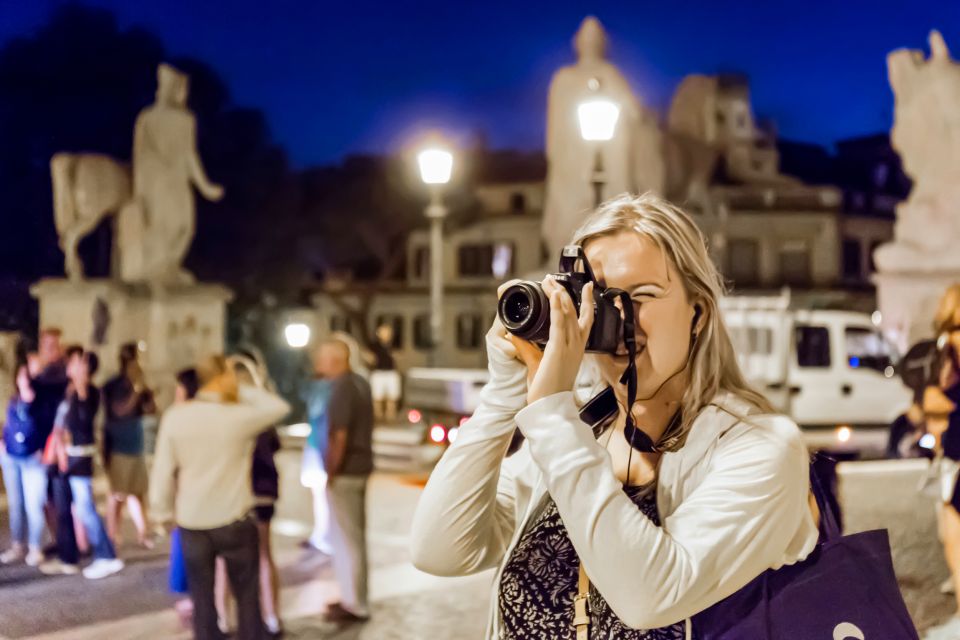
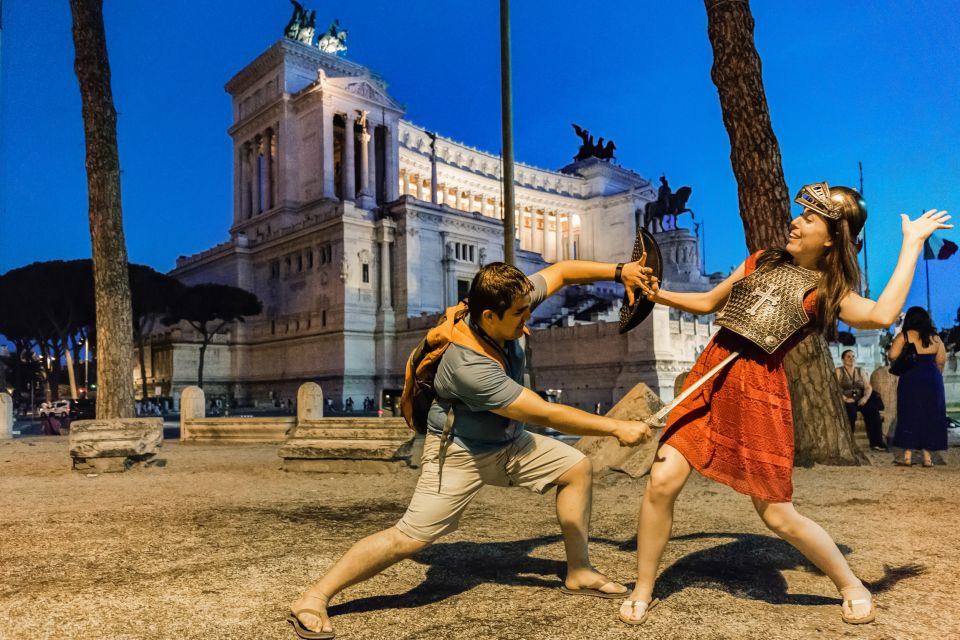
The meeting point is practical and well-defined: the platform in front of Trajan’s Column, on Via dei Fori Imperiali next to Piazza Venezia. If you’re facing the Victor Emmanuel II Monument (the so-called Wedding Cake), your meeting spot is directly to the left across the street.
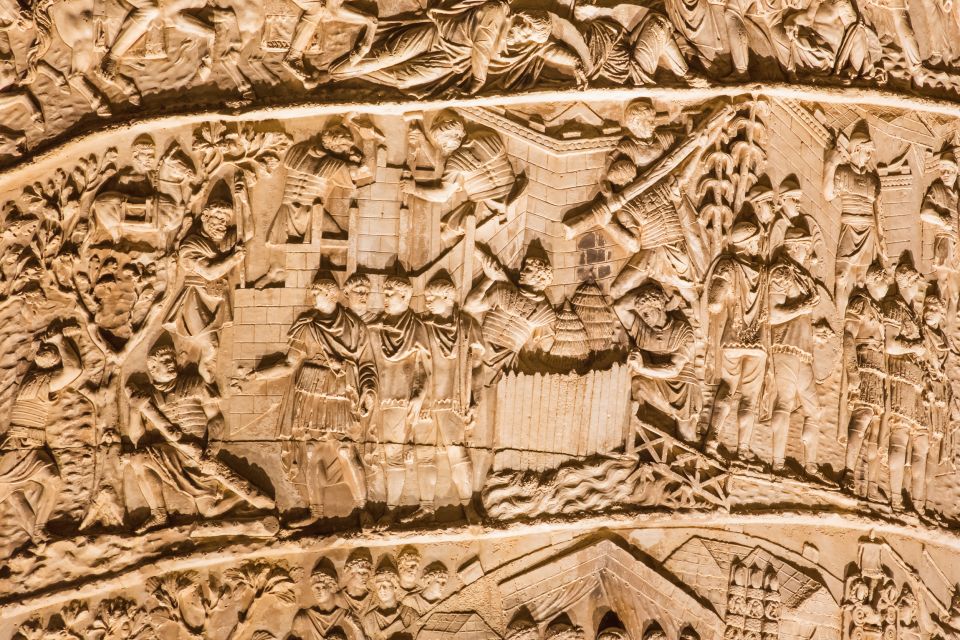
I like this start because it’s not random. Trajan’s Column is itself a landmark that anchors the whole story of imperial Rome. It also helps you understand what comes next: the Forum area sits in the same historic spine of the city.
And yes, this matters for your day. A good beginning means you spend more time seeing and less time guessing. In the reviews, guides were praised for knowing everyone’s name from the meeting point and keeping the group organized without feeling rushed.
Roman Forum photo stop: where the Republic becomes real
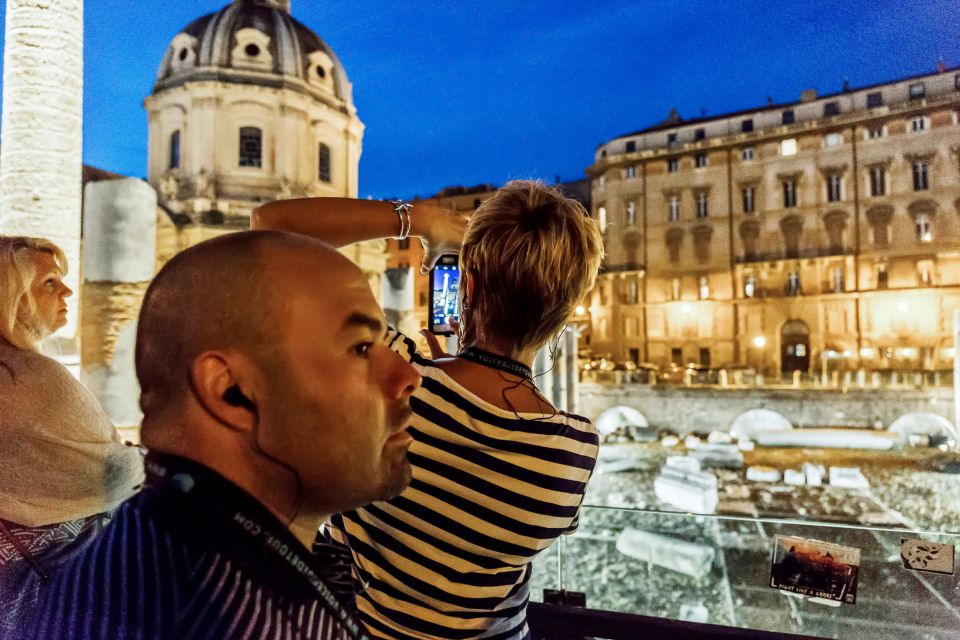
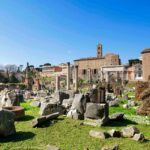
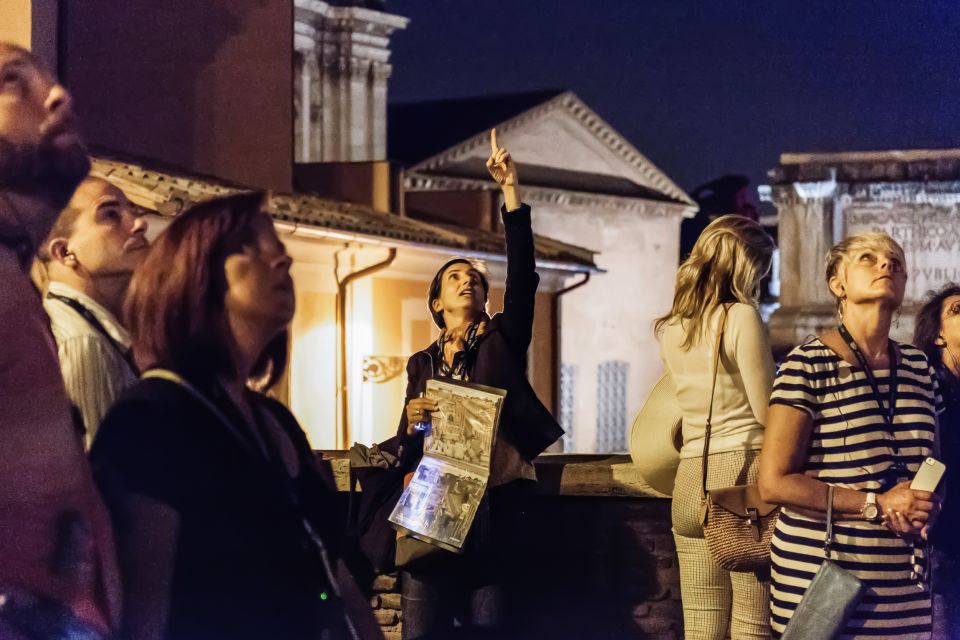
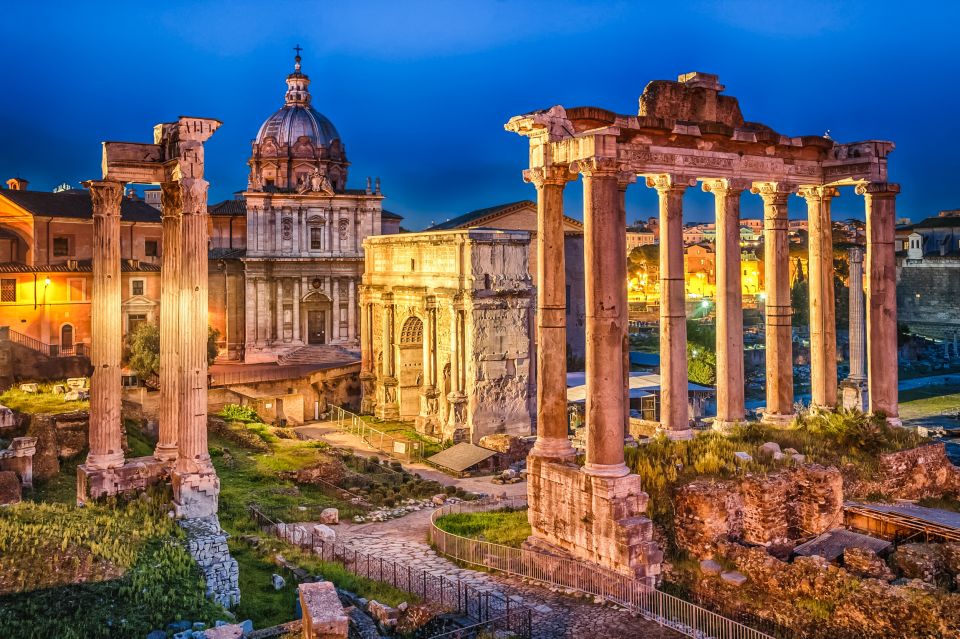
Before you reach the Colosseum, you get a photo stop at the Roman Forum for about 15 minutes. You’ll start with an outside walk past the Forum, while the guide points out key landmarks and shares stories tied to Ancient Rome.
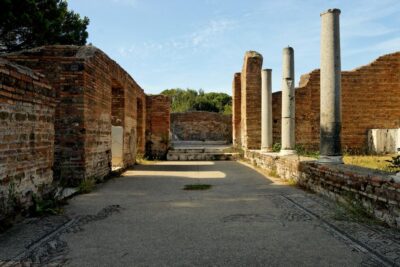
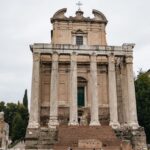
This isn’t just a scenic break. The Forum is the political heart of the Roman Republic, and hearing what you’re looking at makes a big difference once you’re inside the amphitheater later. You’ll also get the kind of details that make people lean in—temples, arches, and even stories like the Vestal Virgins.
If you’re the type who forgets what you just read on a sign, this portion can still work. The guide’s job here is to translate the site into something you can picture: who mattered, what the buildings were for, and why the area feels packed with meaning.
Wear comfortable shoes. Even on an evening tour, this portion includes hills and stairs, and you’ll be moving at a steady pace.
Via dei Fori Imperiali: the walking route that sets up the big moment
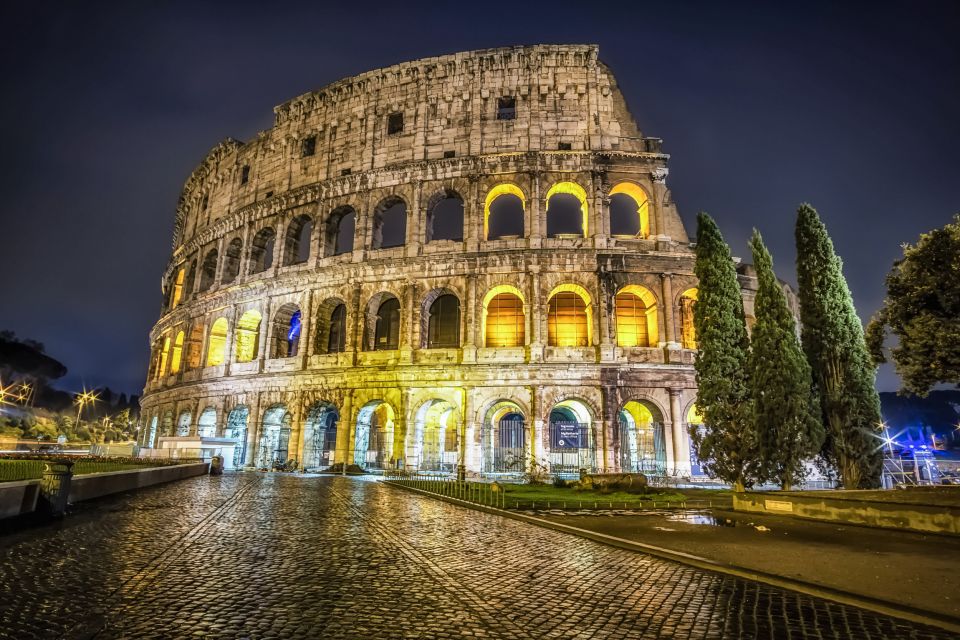
After the Forum stop, you’ll continue along Via dei Fori Imperiali. This is one of those Roman stretches where the city layout helps you see the past like layers.
The view setup is intentional. The walk gives memorable sightlines before you reach the Colosseum itself. It’s also one of the best “in between” times of the tour: you’re not stuck at the entrance, and you’re not yet inside the main attraction. You’re in Rome, walking in the right direction, while the guide explains what you’re seeing.
For photography, evening is your friend. People consistently mention how the view looks as the sun goes down. If you care about photos, this is the moment to check your settings and get ready, because once you’re in the Colosseum you’ll want to focus on the story and the stone details.
Reserved Colosseum entrance: stepping inside with a plan
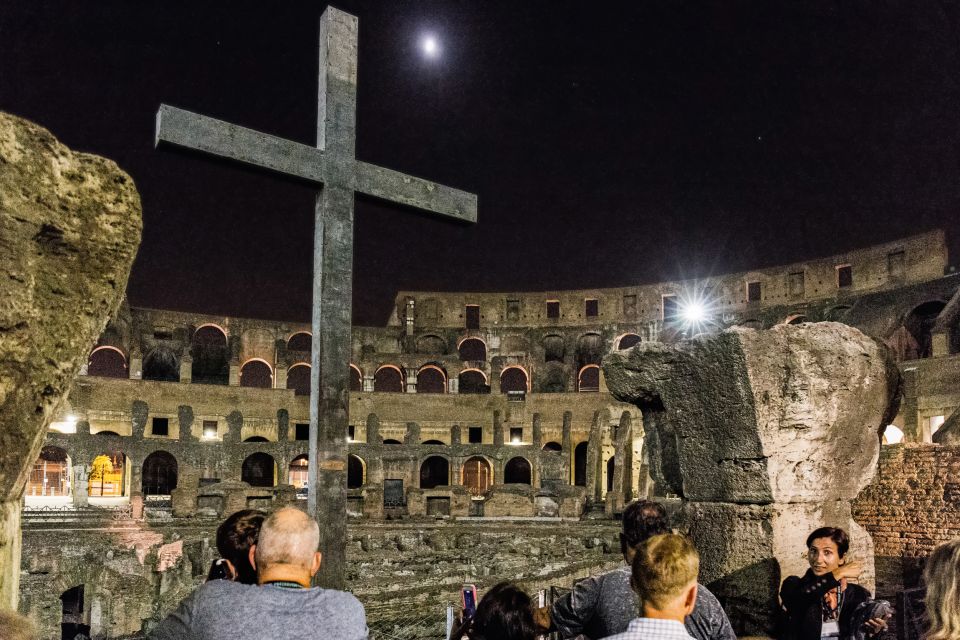
When you arrive at the Colosseum, the reserved entrance is the point. You’re not trying to time entry while fighting the crowd chaos.
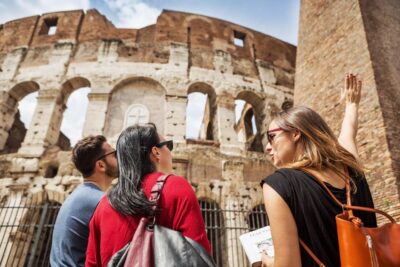
Once inside, your guide brings the Colosseum to life: gladiator battles, emperors, and spectators who filled the stands. The best part is that you’re guided through the different levels, not just pointed at the big view.
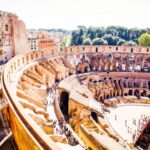
You’ll explore the upper areas too, including attic floors 3–5. That matters. Many first-timers only experience the ground level and the most obvious viewpoints. This tour helps you spread your attention across the full interior, which is where you start noticing construction details and the wear marks that make the place feel old in a physical way.
This also helps your brain. Instead of one big moment, you get several smaller ones: a viewpoint, a structural detail, a story beat, then another viewpoint.
You can also read our reviews of more evening experiences in Rome
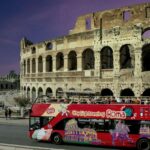
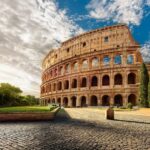

The Arena Floor upgrade: what changes when you stand where the action was
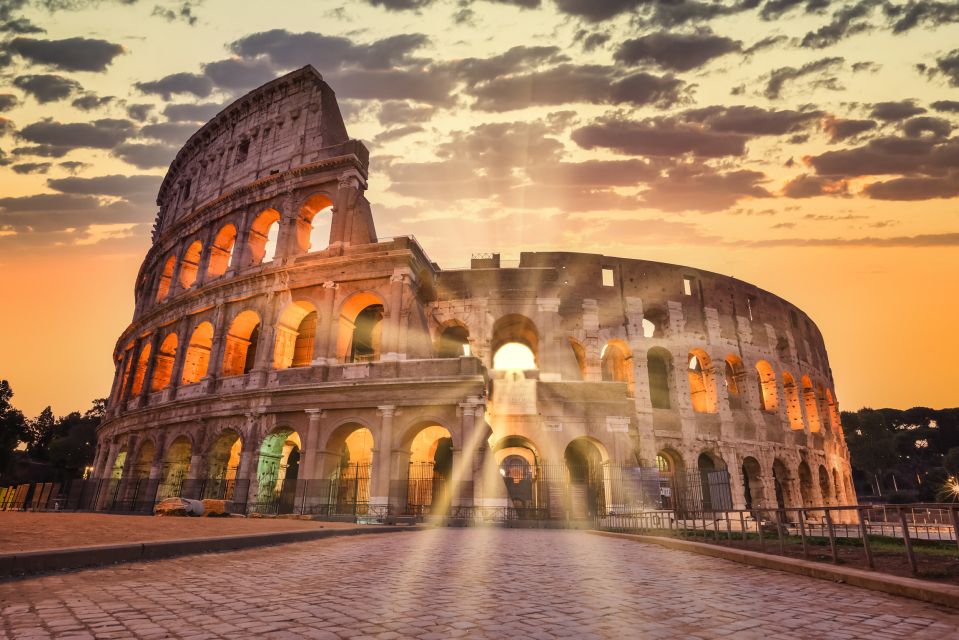
The optional Arena Floor access is the upgrade to consider if you want the Colosseum to feel less like a theater from the outside and more like a stage from the inside.
With the upgrade selected, you’ll spend about 45 minutes on the Arena Floor during the guided portion. This is where you get that stronger sense of how the space functioned. In reviews, people called the floor area surreal, because your perspective flips.
And if you’re on the Arena, you may also admire ancient graffiti on the Colosseum walls—details you might miss when you’re only looking from the seating tiers. Those marks are small, but they change your emotional response. The Colosseum isn’t just ruins and tourists; it’s a place where people once left their own trace.
If you don’t upgrade, the tour still covers the upper levels (floors 3–5) with guided time, so you’re not shortchanged. But if you have the budget for it and you like feeling present in historical spaces, Arena Floor is where you’ll get the biggest “wow” per minute.
Upper-level attic floors (3–5): spotting details most people miss
After the Arena portion (if you chose it), you move into the Colosseum attic floors 3–5 for about an hour of guided exploration.
This is where the tour earns its depth without getting overly heavy. Guides tend to focus on telling you what you’re seeing: the way the structure is layered, what parts were used for, and how the amphitheater shaped the experience for the crowd.
It’s also a practical win for anyone who hates being rushed. Reviews mention guides who never seemed to hurry while still maintaining a good flow. That balance is key in the Colosseum, where it’s easy to get herded from one photo spot to another.
In this section, the atmosphere shifts again. With evening light outside and the interior space guiding your eye upward, you can spend more time looking at surfaces and joinery. If you enjoy architecture—even a little—this is the part you’ll remember later.
Views and timing: how to get sunset photos without stress
Evening tours help for two reasons. First, the lighting gets kinder for photos. Second, you avoid peak afternoon crowds, which means you’re less likely to fight for position.
Some reviews specifically praise the views as the sun went down. That’s not random. The Colosseum looks dramatic from different angles, and when you’re inside and near the upper levels, the light changes what the stone looks like. It can go from harsh and gray to warm and textured.
Also, guides who manage the group well can help you get good spots without making it feel like a contest. One highlight from reviews: guides seemed to navigate so the group wasn’t mixed with larger crowds, giving more time at premium viewing areas.
If you want those sunset shots, pack for movement, not stillness. You’ll be walking, climbing, and pausing. Plan to take a few careful photos rather than trying to capture everything.
Group size, audio headsets, and guide impact (Sam, Fabio, Nicolo, Davide)
This tour runs with group sizes you can choose: 10, 15, or 25 participants. Smaller groups generally mean easier movement and more personal pacing, and reviews reflect that advantage. People liked not feeling rushed, and they appreciated guides who kept the tour flowing while making time to look.
Two tools matter here: the dedicated audio headsets and the guide’s ability to manage the flow in a crowded monument. The headsets are included, so you’re not constantly craning your neck to hear over other groups. That alone improves the quality of the stories.
Then there’s the guide style. Reviews highlight guides like Sam, Fabio (and even a Rufus), Nicolo, and Davide for their energy, humor, and clear explanations. One recurring theme: guides used a good mix of certainty and context, including pointing out when details are open to debate. That approach feels honest, and it helps you build a mental picture instead of collecting random facts.
In practical terms: if you’re choosing between languages, languages aren’t the issue here. It’s English. But your listening experience does depend on the guide and the headset volume working well together.
What you’ll do after the tour: Monti is a smart next step
Once you finish, you’re done in a convenient part of Rome for continuing your evening. The tour ends at the Colosseum, and many people head toward Monti for dinner.
I like that plan because Monti is lively without being a tourist maze. It’s also close enough that you don’t have to scramble for transit right after an active tour. If your schedule allows, you can also take a few more photos after the crowds thin—Rome at night is often its own reward.
Just remember: you’ll have climbed and walked for two hours. Don’t overbook. Give your feet time to recover.
Price and value: is $64 a good deal for what you get?
At $64 per person for a 2-hour guided evening, you’re paying for three things at once: reserved entrance, expert guiding, and the included Colosseum ticket.
The details on tickets matter. The standard ticket is included, and the Arena Floor version includes the higher entry ticket for the upgrade option. You’re not doing the Colosseum DIY with uncertainty about timing. You’re buying the advantage of guided access and planning.
Where the value really shows is in time. You’re spending guided time walking the Roman Forum area, hearing the stories that connect the city’s political past to the amphitheater, then getting structured time inside the Colosseum from multiple levels. That’s hard to replicate on your own unless you’re an expert planner and you’re okay with longer queues.
So is it worth it? If you want better pacing, guided explanations, and a lower-stress entry window, yes. If you’re a solo fast-tracker who just wants to wander and take pictures, you might feel like you’d rather skip the guide. But even then, the evening timing and the multi-level structure are big parts of the offer.
Who should book this tour, and who should skip it
This tour fits best if you:
- Want the Colosseum experience in the evening for a calmer vibe and better light
- Like stories tied to what you’re actually looking at, not just facts on signs
- Are interested in either a multi-level interior look or the extra Arena Floor step
It may not be a good fit if you:
- Need mobility access. This experience is not suitable for people with mobility impairments.
- Are traveling with young kids. Children under 6 years aren’t allowed.
- Plan to bring strollers or large luggage. Baby strollers aren’t allowed, and luggage or large bags won’t be permitted (and there’s no cloakroom storage).
Also, bring a practical mindset. Comfortable shoes aren’t optional on a site with stairs, hills, and uneven footing.
Final verdict: should you book the Colosseum evening tour?
I’d book this if you want the Colosseum with context, not just a quick look. The evening timing, reserved entry, multi-level route, and included headset support all point in the direction of a smoother visit.
If you can swing the upgrade, I’d lean toward it. The Arena Floor option is the best way to change your perspective, and the chance to notice ancient graffiti makes the floor area feel even more tangible.
If you’re on a strict budget, the standard tour is still worthwhile because the floors 3–5 portion and the Roman Forum lead-in help you understand the site as a whole.
FAQ
Where do I meet for the Colosseum evening tour?
Meet on the platform directly in front of Trajan’s Column, on Via dei Fori Imperiali next to Piazza Venezia. If you’re facing the Victor Emmanuel II Monument, it’s directly to the left across the street, and the coordinator will be wearing a blue polo shirt or blue jacket with the City Wonders logo.
How long is the tour?
The tour duration is 2 hours.
What’s included in the ticket price?
The tour includes reserved entrance to the Colosseum and the Colosseum entry ticket. If you select the Arena option, it includes the Colosseum entry ticket with Arena access.
Is Arena Floor access included, or is it optional?
Arena Floor access is optional. If you choose the upgraded option, you get Arena access in addition to the guided time in the Colosseum interior.
What ID do I need to bring?
Bring a passport or ID card. Your entry requires the participant names used at booking, and your ID must match the name on the ticket.
Are strollers or large bags allowed?
No. Baby strollers aren’t allowed, and luggage or large bags won’t be permitted. There are also no cloakroom facilities for storage.
Is there free cancellation?
Yes. Free cancellation is available up to 4 days in advance for a full refund.
If you want, tell me your travel month and whether you’re considering the Arena upgrade, and I’ll help you pick the best option for your priorities (photos, comfort, or deeper access).