REVIEW · ROME
Rome: Capuchin Crypt to Pantheon Tour
Book on GetYourGuide →Operated by Estaalia · Bookable on GetYourGuide
The Capuchin Crypt to Pantheon walk is one of those Rome tours where the weird side of the city meets its most famous monument, fast. I like that you get included entry to both the crypt and the Pantheon, not just a photo stop. I also like the story-driven pacing, with guides who connect what you see to the bigger Rome timeline. One possible drawback: guide presence inside the crypt can be limited by the site’s rules, so you may need to rely on other audio or on-site interpretation for part of the visit.
This is a compact, guided walking route through central sights, capped by the Pantheon finish. You’ll also hit the Trevi Fountain along the way, with time to take in the famous scene and toss a coin if you want. Because it’s on foot, you’ll want sturdy shoes and a body that’s ready for a real walk.
Plan to dress and travel light. No luggage or large bags are allowed, and short skirts and sleeveless shirts won’t work. Also, this tour isn’t suited for mobility impairments or wheelchair users, since it’s a walking format.
In This Review
- Key points to know before you go
- Capuchin Crypt: What you’re really walking into
- Trevi Fountain: The quick stop that still feels like Rome
- Pantheon: The final stop with a long timeline
- Guide quality: Why it can make or break the experience
- Walking-route rhythm: What the 2 hours really means
- Tickets and the $82 price: Is it good value?
- What to wear and bring (so you don’t lose time)
- Who this tour is best for
- Should you book the Rome Capuchin Crypt to Pantheon Tour?
- FAQ
- How long is the Rome Capuchin Crypt to Pantheon Tour?
- What does the tour cost?
- Where does the tour start and end?
- Which places are included during the tour?
- Are entrance tickets included?
- Do I need to buy tickets in advance?
- What languages are offered for the live guide?
- What should I wear or bring?
- Is luggage allowed?
- Is the tour accessible for wheelchair users or people with mobility impairments?
Key points to know before you go
- Included tickets to the Capuchin Crypt and the Pantheon mean less hassle than buying separately
- Trevi Fountain stop gives you the classic Rome moment inside a tight schedule
- Live guide in English, Spanish, or French keeps the sites understandable, not just sightseeing
- Skip-the-line helps when tickets are timed and crowds are high
- Small reality check: crypt rules may affect how much the guide can physically be with you inside
Capuchin Crypt: What you’re really walking into
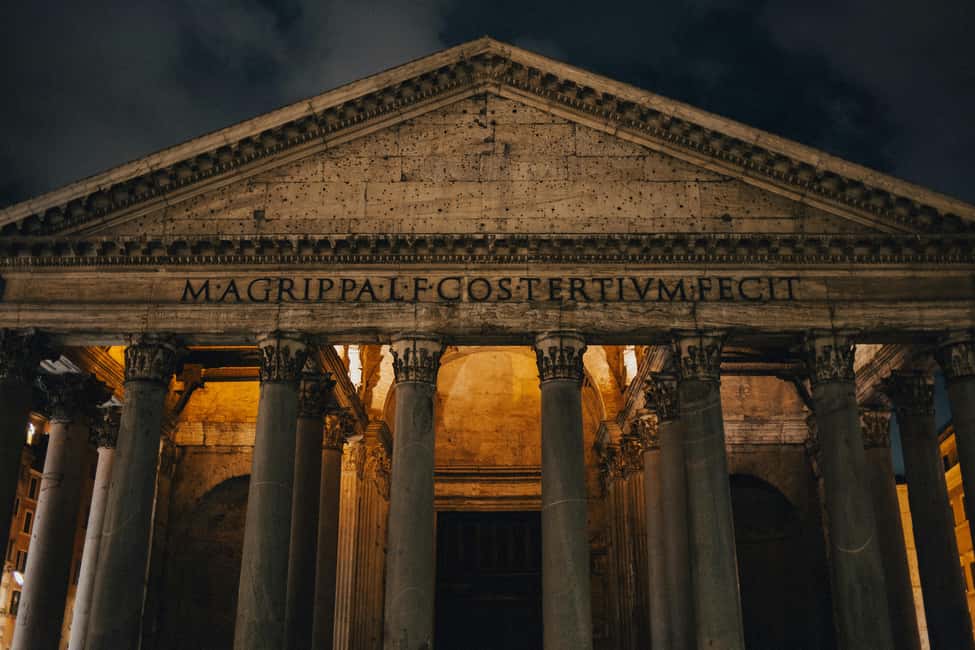
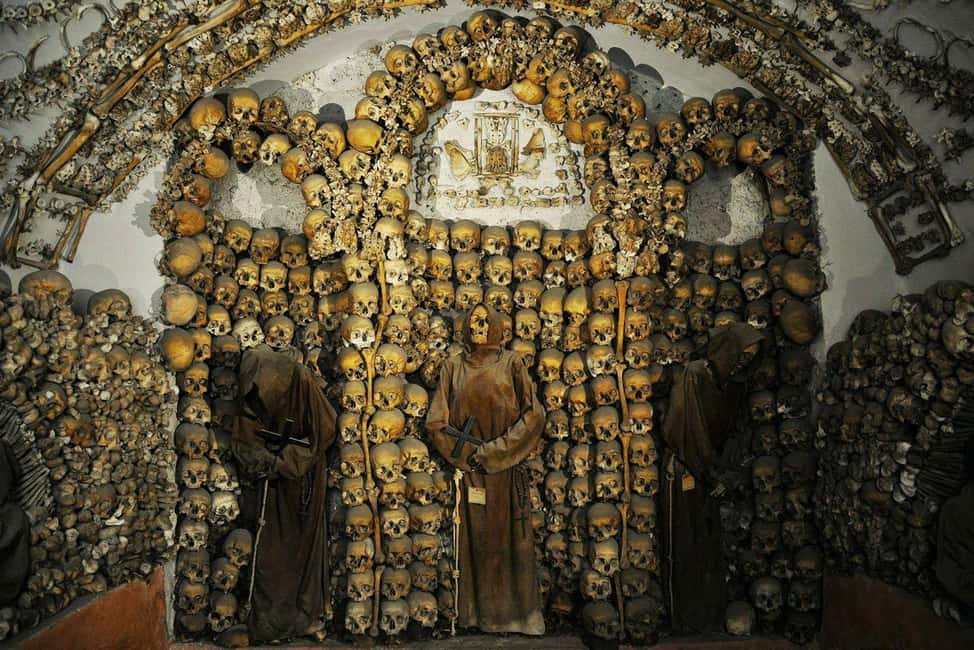
The tour starts at the Capuchin Crypt, and yes, it’s exactly as you’d imagine: bones and artistry, arranged in a way that feels both macabre and strangely thoughtful. The point isn’t shock value. It’s the way Rome (and the Catholic world around it) used symbols and craftsmanship to express mortality, devotion, and memory.
You’ll be there long enough to understand what you’re seeing, not just pass through. And this is where having a live guide matters, because the crypt is much easier to read when someone explains the thinking behind the displays.
One practical note: the experience can vary a bit depending on the site’s internal rules. In at least one case, a guide wasn’t accepted inside the crypt area and an audio approach was used instead. So if you’re the type who wants every step guided by a person standing next to you, go in with that possibility in mind.
You can also read our reviews of more tours and experiences in Rome.


Trevi Fountain: The quick stop that still feels like Rome
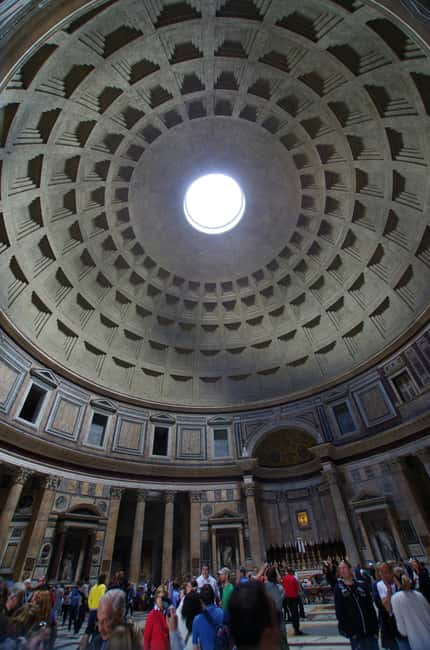
After the crypt, you’ll walk through the historic streets and reach the Trevi Fountain. The goal here is simple: give you time to appreciate it properly, while still keeping the tour tight enough to reach the Pantheon the same day.
This stop is also where Rome’s storytelling style really helps. The fountain isn’t just a pretty landmark; it’s tied to legends and repeated rituals, and your guide’s job is to connect the tradition to what you’re looking at.
You’ll have a moment to toss a coin if you want to follow the classic custom. Even if you don’t care about rituals, it’s still worth using the time to slow down for a minute and actually look—this is a place where the scene feels built for lingering, even when you’re doing a short tour.
Pantheon: The final stop with a long timeline
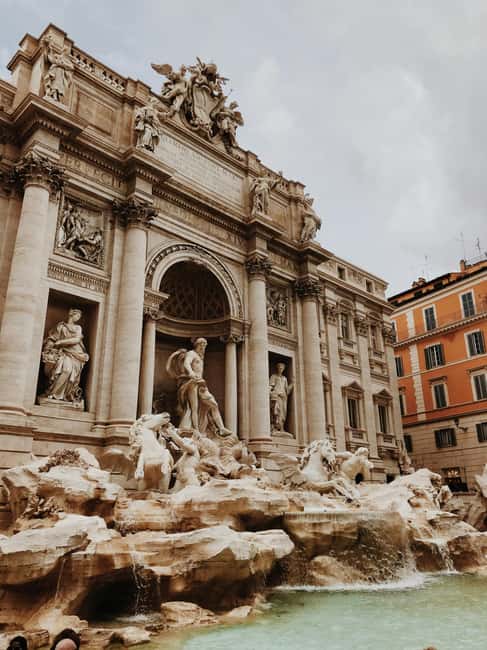
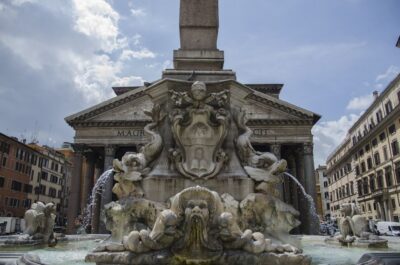
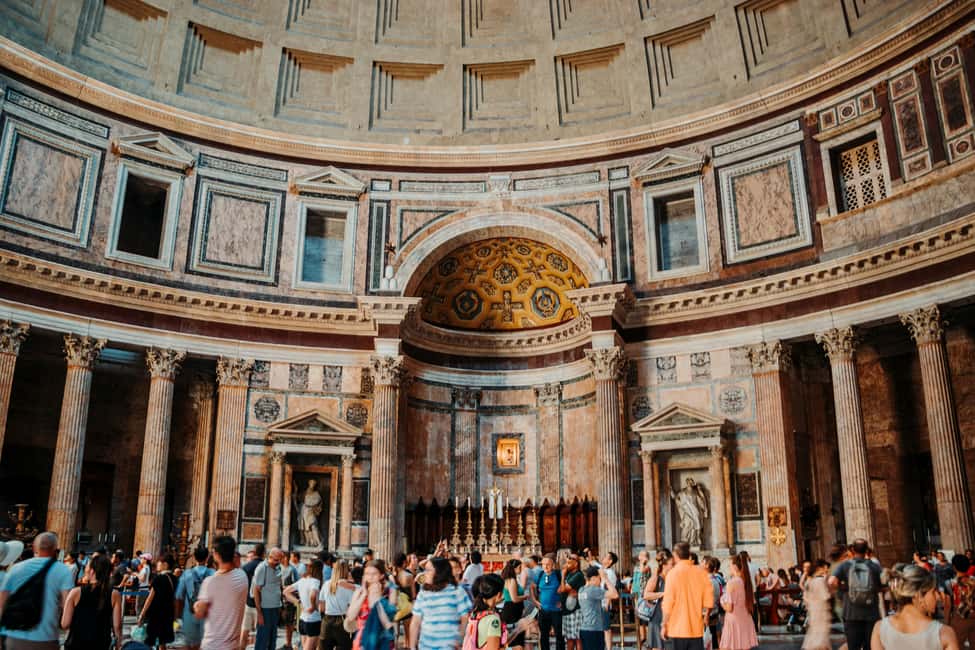
Your tour finishes at the Pantheon, described as dating back to 25–27 B.C. It started as a temple dedicated to the gods of Pagan Rome, and later became a church and mausoleum. That shift—from old religious space to Christian use—sums up Rome in a nutshell.
What makes this finale feel rewarding is the contrast. You go from a reminder of death in the crypt to a monument that has survived political and religious change for centuries. A good guide helps you see the bigger story without turning the walk into a lecture.
The Pantheon is where you’ll want to be mentally ready to pay attention. If your pacing earlier felt fast, this is the moment to regroup and listen carefully, because the details your guide shares about the site’s changing purpose are the difference between seeing the building and understanding why it matters.
Guide quality: Why it can make or break the experience
This tour lives and dies by the guide. The best guides on this route seem to do two things well: explain clearly and stay responsive. In particular, I found the feedback pattern very consistent around guides who gave lots of information and helped the group feel comfortable asking questions.
For example, Fabiana received praise for very instructive explanations. Sarah was described as friendly and fun to follow. Estefania (Spanish-language guide) was specifically noted for sharing a lot of information at each place and being attentive to questions, which is exactly what you want on a short 2-hour route.
That said, there are a couple legitimate warning flags worth taking seriously. One issue that came up: a guide’s French wasn’t strong enough for some guests to catch much of the explanation. Another issue: pacing was reported as too quick, with a sudden end to the guide’s attention at the Pantheon when a major Vatican moment was underway.
So here’s the practical takeaway: choose this tour if you’re happy adapting to a guide’s style and you like story-based walking. If you’re very sensitive to timing, language quality, or want a perfectly managed experience start-to-finish, consider booking in the language you’re most comfortable with (English, Spanish, or French) and be ready for crowds to influence flow.
Walking-route rhythm: What the 2 hours really means
A 2-hour walking tour sounds easy until you remember Rome distances add up fast—especially when you’re stopping for entry checks and listening. This route is designed to be compact: crypt first, then Trevi, then Pantheon.
Because it’s a tight schedule, the value comes from efficiency. You’re not spending half a day just getting from one place to the next. You’re using the guide time to connect the dots between what feels like three different Romes: the religious/morbid symbolism of the crypt, the legend-soaked street scene near Trevi, and the monumental history of the Pantheon.
The main “watch this” item is stamina and attention. You’ll be doing a fair amount of walking, and you’ll want to stay present when you’re at each stop. If you drift, you’ll feel the time pressure more than you would on a longer tour.




Tickets and the $82 price: Is it good value?
At $82 per person, this is not an ultra-budget option. But the price makes sense when you look at what’s included: entrance to the Capuchin Crypt, entrance to the Pantheon, a guided route, and a Trevi Fountain visit.
The biggest value lever here is time. You get skip-the-ticket-line, which can be meaningful when those sites are crowded and entry tends to be structured. The other value lever is interpretation: a good guide turns each stop into something you can actually remember, not just something you passed by.
If you were trying to DIY this on your own, you’d likely end up spending time coordinating tickets, finding the route, and then still trying to piece together the stories yourself. For many people, that lost time and mental effort is the real hidden cost. Paying for the guide and ticket handling is often the faster, calmer way to do it.
What to wear and bring (so you don’t lose time)
This tour is straightforward, but Rome has rules at religious sites and some venues. Bring comfortable shoes. And keep your clothing modest enough to pass the filters: short skirts and sleeveless shirts are not allowed.
Also leave bulky items at your hotel. You can’t bring luggage or large bags. That matters because if you arrive with the wrong load, you may waste time figuring out storage or being turned away.
If you’re the type who likes to travel light anyway, this tour will feel painless. If you normally carry a daypack plus extra layers, plan to downsize what you bring so you’re not stressing at the meeting point.
Who this tour is best for
This route works best for people who want a focused history-and-story mix without a long day. I’d especially recommend it if you like tours that explain what you’re looking at and you’re comfortable walking for 2 hours.
It’s also a good fit if you want the classic Rome hits in one go: Capuchin Crypt, Trevi Fountain, and the Pantheon. The structure keeps you from spending your day hopping randomly between landmarks and trying to stitch together meaning at the last minute.
On the other hand, it’s not for everyone. If you have mobility issues or use a wheelchair, this walking format makes it a poor match. And if you’re expecting a very slow, sit-down museum style experience, you might find the pace too brisk.
Should you book the Rome Capuchin Crypt to Pantheon Tour?
I’d book it if you want an efficient, ticketed route with live interpretation, and you’re excited by contrasts: bones at the crypt, legends at Trevi, and a monumental ancient building that later became a church and mausoleum.
I’d think twice if language is a major concern for you, because guide quality can vary by language strength. I’d also go in with a flexible mindset about pacing and the crypt rules, since the guide experience inside the Capuchin Crypt may not be identical for every group.
If you want a short, high-impact Rome walk that includes key entry points and ends with the Pantheon, this is a solid choice.
FAQ
How long is the Rome Capuchin Crypt to Pantheon Tour?
It lasts about 2 hours.
What does the tour cost?
The price is $82 per person.
Where does the tour start and end?
It starts at the Capuchin Crypt and ends at the Pantheon.
Which places are included during the tour?
You’ll visit the Capuchin Crypt, Trevi Fountain, and the Pantheon.
Are entrance tickets included?
Yes. Entrance to both the Capuchin Crypt and the Pantheon is included, along with the guided visit to Trevi Fountain.
Do I need to buy tickets in advance?
The tour includes entrance tickets and offers skip-the-ticket-line. (No separate ticket purchase is listed as required.)
What languages are offered for the live guide?
The live tour guide is available in English, Spanish, and French.
What should I wear or bring?
Wear comfortable walking shoes.
Is luggage allowed?
No. Luggage or large bags are not allowed.
Is the tour accessible for wheelchair users or people with mobility impairments?
No, it’s not suitable for people with mobility impairments or wheelchair users.