REVIEW · ROME
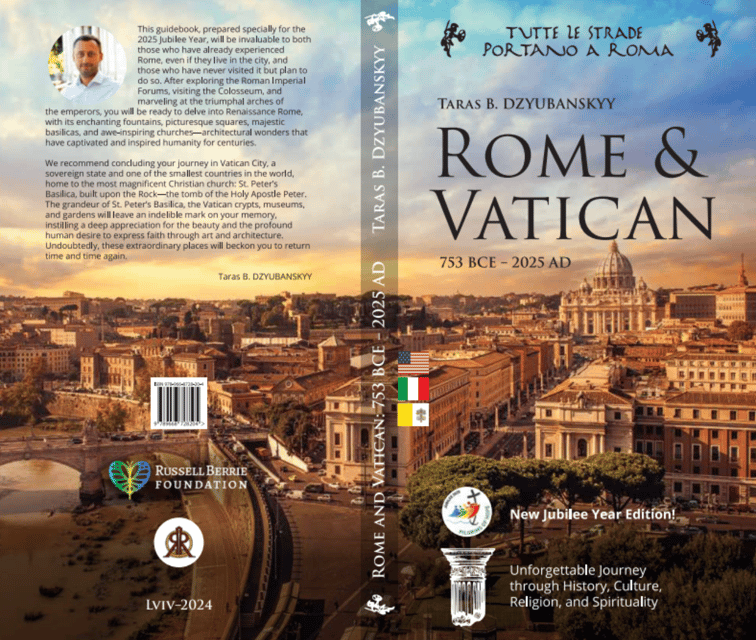
“Rome and Vatican: 753BCE – 2025AD” Jubilee Year Guidebook
Book on GetYourGuide →Operated by Taras Dzyubanskyy · Bookable on GetYourGuide
Jubilee Year 2025 turns Rome into a classroom. This self-guided book experience (priced at $29) is built around Rome and the Vatican, with the kind of context you usually only get from a good lecturer, plus maps and walking guidance. I especially like how Dr. Taras Dzyubanskyy anchors the story in the places people often skim past: St Peter’s tomb and the Vatican Necropolis. I also like that it doesn’t stop at religious sites, with Rome chapters that touch major landmarks like the Colosseum and big art stops such as the Vatican Museums.
One main consideration: you’re not getting a live escort. You’re picking up and using a guidebook, so your enjoyment depends on how comfortable you are navigating on your own and reading while you walk. If you expect a person to herd you from site to site, this may feel more like a smart planning tool than a traditional tour.
In This Review
- Key highlights to pay attention to
- What this Jubilee Year experience really is
- Jubilee Year framing: from 753BCE to 2025AD
- Rome without aimlessness: Colosseum, ancient streets, and leisure time
- Vatican Museums and the art circuit: using the guide to focus
- Sistine Chapel with meaning, not just a checklist
- St. Peter’s Basilica and the “humble Tomb of Peter”
- Vatican Necropolis: the chapter that’s getting the praise
- The Jewish origins of Christianity: a useful perspective shift
- Line-skip and the one-hour reality: manage expectations
- What to bring and wear: Vatican site rules you can’t ignore
- Price and value: is $29 worth it?
- Accessibility note: conflicting details to clarify
- Who this guidebook experience suits best
- Should you book Rome and Vatican: 753BCE – 2025AD?
- FAQ
- What is included in this experience?
- Is there a live guide included?
- How long is the experience valid?
- What should I bring with me?
- What clothing is not allowed?
- Can I cancel for a full refund?
Key highlights to pay attention to
- Dr. Taras Dzyubanskyy’s focus on St Peter’s tomb and the Vatican Necropolis
- Jubilee Year 2025 framing across Rome and Vatican sites
- Practical Rome walking help, including maps and suggested walking tours
- Clear context for the Sistine Chapel and St. Peter’s Basilica, tied to meaning, not just names
- A thoughtful angle on the historical Jewish origins of Christianity
- Rules to match Vatican-area expectations, like no backpacks and no flash photography
What this Jubilee Year experience really is
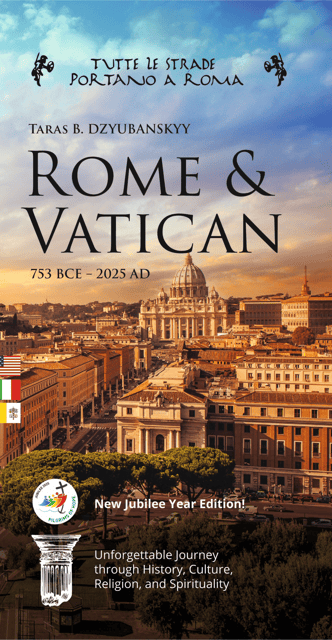
This isn’t a guided tour with a human at your elbow. It’s a Jubilee Year 2025 guidebook for Rome and the Vatican, authored by Dr. Taras Dzyubanskyy. The “duration: 1 hour” detail matters because it signals that this is meant as a focused, time-boxed access to the material—think: get your copy, get your bearings, then use the guide to structure your day.
What you get is the book itself: Discover Rome and the Vatican: The Ultimate Traveler’s Guide. That means the core value is how the writing helps you see more with less guesswork. If you like to travel at your own pace and you can handle self-guided planning, this can work well. If you want a live guide to answer questions in real time, you’ll likely be disappointed—there’s no live guide included.
You can also read our reviews of more tours and experiences in Rome.

Jubilee Year framing: from 753BCE to 2025AD
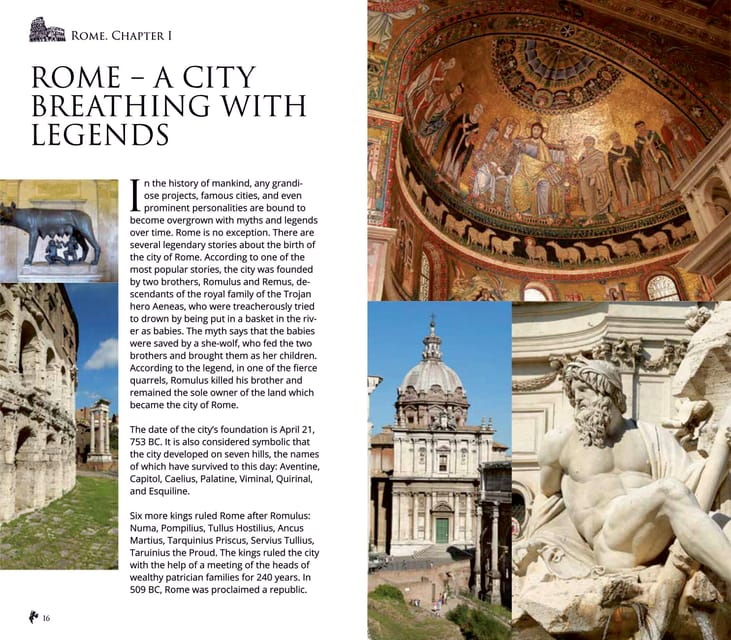
The title line—753BCE – 2025AD—isn’t just a fancy date range. It’s a hint about the book’s approach: Rome is treated as a long-running story where politics, myth, art, and faith overlap in the same neighborhoods.
Jubilee Year 2025 adds another layer: it’s a moment when pilgrims, visitors, and curious first-timers all show up at the same symbolic sites. A guidebook built for that season can help you connect dots faster, like why certain places matter to early Christianity, or how later art and architecture grew out of older traditions.
For you, that means you can do more than collect photos. You can understand what you’re looking at, especially at Vatican sites where people often arrive with just a short list of “must-sees.”
Rome without aimlessness: Colosseum, ancient streets, and leisure time
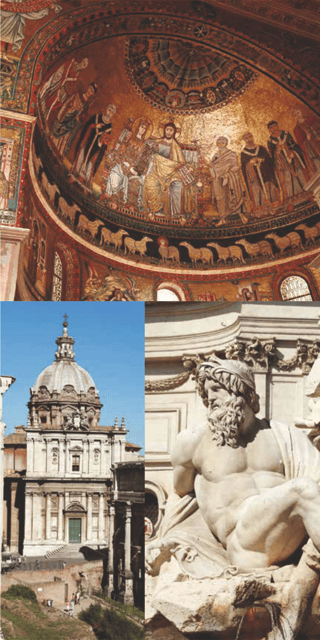
One reason I like guidebook-style experiences is that they can reduce the mental friction of a Rome day. You’re not trying to remember five things at once. The book’s Rome sections are set up around practical discovery: monuments, landmarks, and edifices of the Eternal City, plus practical recommendations for leisure activities.
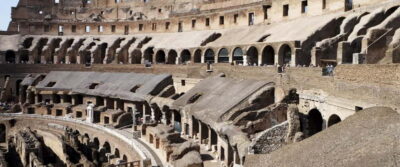
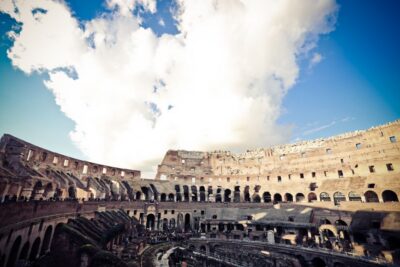
The book also points you to the kind of anchor sights that help you orient geographically and thematically. The Colosseum gets called out, but the real benefit is how it acts like a mental landmark: once you’ve got a solid anchor, side streets and smaller sights make more sense.
You’ll also see a promise of detailed maps and walking tours, which is exactly what you want in Rome. Streets can be confusing, and distances can surprise you. Even if you don’t follow a walking route perfectly, having maps and planned sequences helps you avoid the classic mistake of bouncing randomly between far-apart areas.
Possible drawback: a book can’t control crowds for you. If your schedule is fragile, you’ll still need to manage timing in the real world.
Vatican Museums and the art circuit: using the guide to focus
The Vatican Museums can feel like an endless set of rooms if you show up without a plan. This guidebook is designed to reduce that chaos by bundling the art highlights with historical commentary. It specifically mentions artistic treasures and chapters that cover major stops like the Vatican Museums and the Sistine Chapel.
Here’s what that means for your day: instead of staring at paintings and trying to guess what connects them, you can follow the book’s logic. You’re not hunting. You’re guided—through text, not through a voice in your ear.
It also helps that the guidebook includes stunning photography and insider-style tips. Even when you’re not copying every recommendation, photos and captions can help you pick what to prioritize. In a place where many visitors rush, that can be the difference between seeing the best and just walking past it.
Tip from this approach: use the guidebook as a filter. Pick one or two “must-pay-attention” themes—then let the rest be a bonus.
Sistine Chapel with meaning, not just a checklist
The Sistine Chapel is famous for a reason, but fame can trick you into thinking it’s just about one moment. This guidebook treats it as part of a bigger web—art, belief, and the message behind what you’re seeing.
The practical value is that you get commentary that makes it easier to understand why certain details are there. You can also read about what you’re about to see before you get stuck with information overload at the site.
One small reality check: the book can’t replace on-site observation. You’ll still have to look with your own eyes. But the guidebook helps you know what you’re looking for, which keeps you from wasting time on guesswork.


St. Peter’s Basilica and the “humble Tomb of Peter”
This is where the guidebook’s angle becomes most distinctive. It highlights St. Peter’s Basilica, but it also points you toward deeper context: the book explicitly covers the humble Tomb of Peter and the Vatican Necropolis.
Why that matters for you: many visits focus on the biggest visual targets—grand interiors, major artworks, dramatic architecture. When a guidebook brings you back to a tomb and a necropolis, it changes the type of attention you bring. You start looking for continuity: how early Christian story connects to later worship spaces.
And since the guidebook is credited to Dr. Taras Dzyubanskyy, the tone is likely shaped by a theologian’s way of organizing questions: What does this mean? Why is this site tied to early tradition? What role does history play in faith claims?
The result is that your visit can feel less like sightseeing and more like understanding why certain spots are treated as central.
Vatican Necropolis: the chapter that’s getting the praise
The strongest praised aspect tied to this experience is the author’s work on the Vatican Necropolis and St Peter’s tomb. In the feedback associated with this book, the clearest recommendation is for that specific pairing—people singled out how good the writing is for that topic.
I’d treat that as a useful decision cue. If your curiosity includes early Christian roots, the physical geography of tradition, or the way sacred memory is preserved through place, this guidebook will likely pay off.
If your goal is purely “see the highlights and move on,” you might not use those pages enough to justify the cost. But if you want to show up with questions in your notebook (even a phone note), the necropolis focus is exactly the kind of material that can upgrade your whole experience.
The Jewish origins of Christianity: a useful perspective shift
Another standout theme is the guidebook’s discussion of the historical Jewish origins of Christianity. This is the kind of topic that can be hard to find in casual travel planning, because most sightseeing descriptions stop at faith statements.
With this angle, you can connect the dots between early Christian development and the Jewish world it emerged from. That can change how you interpret symbols and stories you’ll encounter across the Vatican and its related sites.
For you, the practical upside is confidence. You’re not just absorbing facts. You’re building a framework that makes the entire visit cohere, especially in a building complex where everything feels interconnected.
Line-skip and the one-hour reality: manage expectations
A line-skip is mentioned in the activity details, but the overall experience is clearly book-based. So before you count on any time saved, you’ll want to confirm how the line-skip applies to what you’re doing on the ground.
Also, the experience is marked as valid for 1 hour. That doesn’t mean you’ll only be in Rome for an hour. It suggests the “use window” for the experience itself is short, so plan to use it quickly: pick up your guide, scan what you’ll need, then move.
A smart move: treat your first hour with the guidebook like a planning sprint. Mark the top sites, check what order makes sense, and identify one backup option for when crowds or timing throw you off.
What to bring and wear: Vatican site rules you can’t ignore
Even though this is a guidebook experience, the site rules listed for the activity are the kind you’ll run into once you’re at Vatican-related stops. That affects what you should pack and wear.
Bring:
- Comfortable shoes
- A camera
- Water
Not allowed:
- Shorts and short skirts
- Sleeveless shirts
- Flash photography
- Backpacks
My take: don’t treat these as suggestions. If you show up unprepared, you’ll lose time and maybe even get turned away at a sensitive site. Plan your outfit like you’re going inside a major church complex, not like you’re heading to a casual museum.
Price and value: is $29 worth it?
At $29 per person, you’re paying for a specific thing: a Jubilee Year 2025 guidebook experience. The question isn’t just whether $29 is cheap. It’s whether the book’s focus matches your travel style.
This is good value if:
- You like self-guided travel with strong context
- You want extra depth on St Peter’s tomb and the Vatican Necropolis
- You appreciate writing that frames sites theologically and historically
- You’ll actually use the maps and walking tour guidance
This is weaker value if:
- You want a live guide who handles logistics and answers questions on the spot
- You only care about the top photos and don’t read much
- You plan to fly through and skip context chapters
Also, a book can be a long-term asset. You can re-read it later when you’re piecing together what you saw—or when you want to re-visit Rome with better recall.
Accessibility note: conflicting details to clarify
The details provided include both “wheelchair accessible” language and also a statement that it’s not suitable for wheelchair users and people with mobility impairments. That’s a real contradiction.
So here’s my practical advice: don’t rely on the “wheelchair accessible” wording alone. Confirm with the provider what’s truly possible for your situation, especially since the experience is guidebook-focused and you’ll still need to get yourself to the sites or related pickup location.
Who this guidebook experience suits best
This fits you if you’re the type who likes to:
- Read a bit before you arrive, so the site doesn’t feel like random rooms
- Stand in one key place long enough to understand what makes it special
- Prefer independent exploration over group pacing
- Care about the story behind Christianity’s early development
It may not fit you if you want:
- A live, in-person guide walking you through and timing your day
- A highly hands-on experience with constant interpretation in the moment
Should you book Rome and Vatican: 753BCE – 2025AD?
Book this if you want a Jubilee Year 2025 companion that’s stronger than your typical generic sightseeing notes—especially if you’re curious about St Peter’s tomb, the Vatican Necropolis, and the Jewish origins of Christianity. The author focus on those themes is the part that gets the clearest praise, and it’s where your visit can feel more meaningful.
Skip it (or be cautious) if you expect a live guide, because this is fundamentally a guidebook experience. And make sure you’re comfortable handling your own navigation and rules at sensitive sites.
Finally, a small but important word of warning: one piece of feedback connected to this experience described trouble with where to pick up what was promised. So before you count on a smooth pickup, double-check your instructions carefully. If you do that, you’re much more likely to turn this $29 book into a day that feels organized, not stressful.
FAQ
What is included in this experience?
You get the guidebook Discover Rome and the Vatican: The Ultimate Traveler’s Guide.
Is there a live guide included?
No. A live guide is not included.
How long is the experience valid?
The experience is marked as valid for 1 hour.
What should I bring with me?
Comfortable shoes, a camera, and water.
What clothing is not allowed?
Shorts, short skirts, and sleeveless shirts are not allowed.
Can I cancel for a full refund?
Yes. You can cancel up to 24 hours in advance for a full refund.