REVIEW · ROME
Rome: Pastry Cooking Class Gelato, Tiramisu and Cannoli
Book on GetYourGuide →Operated by VICE BAKING LAB · Bookable on GetYourGuide
A real baking lab beats another stop on the food trail. I love that this Rome class is hands-on, not just watching, and you get three famous desserts—tiramisu, gelato, and cannoli. The biggest plus is the practical chef coaching plus the take-home wraps, so your effort doesn’t end when the lesson does. One thing to consider: it’s not suitable for several diets (including vegan and common allergy/intolerance needs).
If you like desserts that you can actually reproduce later, this is the kind of class that helps. I especially like that you eat your gelato in the lab right away, then leave with the rest packaged up for later. The room is set up like a working pastry shop, which makes the whole experience feel grounded and real.
In This Review
- Key Things to Know Before You Go
- Why a Baking Lab Class in Rome Feels Different
- Getting Oriented at Via Soriso 68/A (and Battistini Metro)
- Your 2-Hour Plan: A Quick, Focused Dessert Workout
- The Chef-Backed Advantage: Real Feedback, Not Just Recipes
- Gelato in a Real Lab: Technique You Can Repeat
- Tiramisu Lessons: Getting the Balance Right
- Cannoli: From Filling to Crunch-Texture Reality
- What You Take Home (and the Best Way to Plan Your Day)
- Price and Value: Is $74.31 a Fair Deal?
- Who This Class Suits Best (and Who Should Skip It)
- Tips to Make the Most of Your Pastry Time
- Should You Book This Rome Pastry Class?
- FAQ
- How long is the cooking class experience?
- Where is the meeting point in Rome?
- Is there help getting from Battistini Metro to the lab?
- What desserts will I make?
- Do I get to take my desserts home?
- Is gelato included, and do I eat it during the class?
- What’s included in the price?
- What languages are the instructors?
- Who is the experience not suitable for?
- What are the cancellation and payment options?
Key Things to Know Before You Go
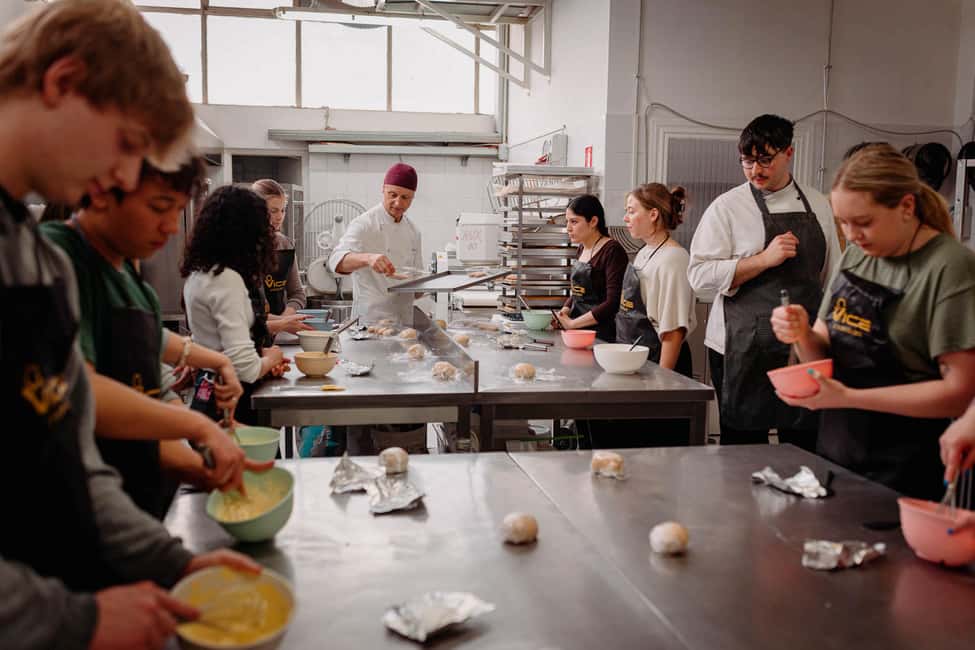
- Hands-on for three desserts: tiramisu, gelato, and cannoli, all made by you
- A real pastry lab setting: you work with the machinery and tools of a working kitchen
- Chef support that sticks: tips for how to make it at home, not just today
- Eat gelato on-site: you try your finished gelato with your new class friends
- Take-home wrapping included: your creations are packaged so you can enjoy later
Why a Baking Lab Class in Rome Feels Different
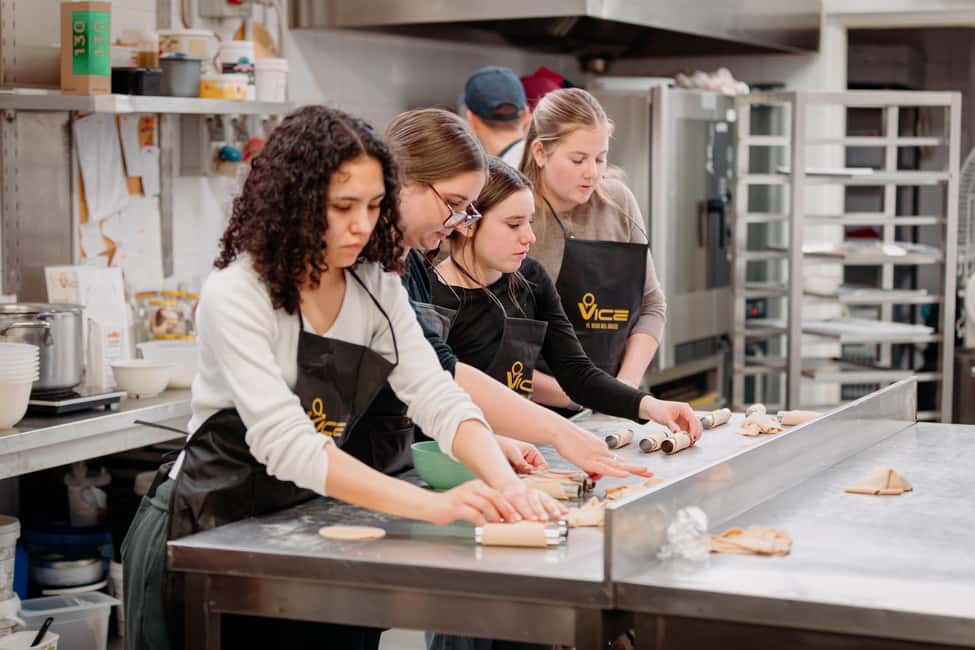
Rome has plenty of food tours. This one feels more like getting behind the scenes of Italian pastry craft. You’re inside a professional baking lab run by VICE BAKING LAB, and the teaching style is built around you doing the steps, not hovering nearby.
Two things I’d highlight as “this is why it’s worth your time.” First, you’re learning techniques for three iconic desserts that Italians take seriously: tiramisu, cannoli, and gelato. Second, the experience is designed so you can repeat it later—because you get advice on how to reproduce what you made at home.
The one practical drawback is the diet fit. The class isn’t suitable for vegans, people with diabetes, or guests with gluten intolerance, lactose intolerance, or nut allergies. So if you have food constraints, check carefully before booking.
You can also read our reviews of more cooking classes in Rome

Getting Oriented at Via Soriso 68/A (and Battistini Metro)
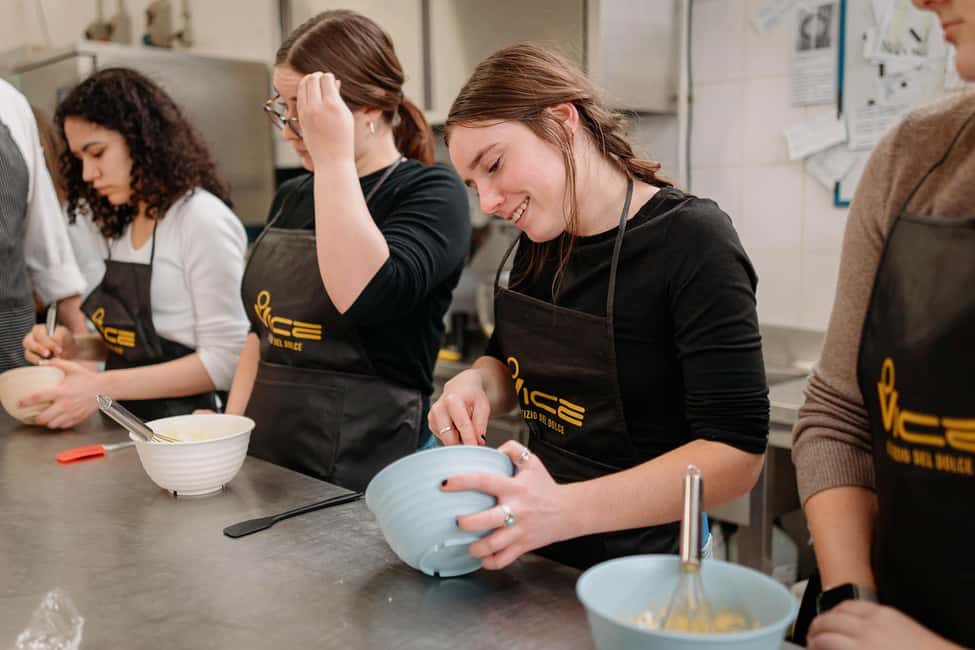
The meeting point is Via Soriso 68/A, and if you arrive on your own, you wait at the entrance with the VICE sign on the door. Staff come to let you in.
Getting there is straightforward if you’re using the Metro Line A. The lab is about an 800-meter walk from Battistini Metro Station. If you’d rather not walk, there’s an optional driver add-on—described as a surcharge of 4 euros over the basic class price—so you can get from Battistini to the lab with less effort.
For timing, the class runs about 2 hours total. That’s not “all day workshop” territory, which is great if you’re juggling Rome sightseeing and want a dessert-focused block you can plan around.
Your 2-Hour Plan: A Quick, Focused Dessert Workout
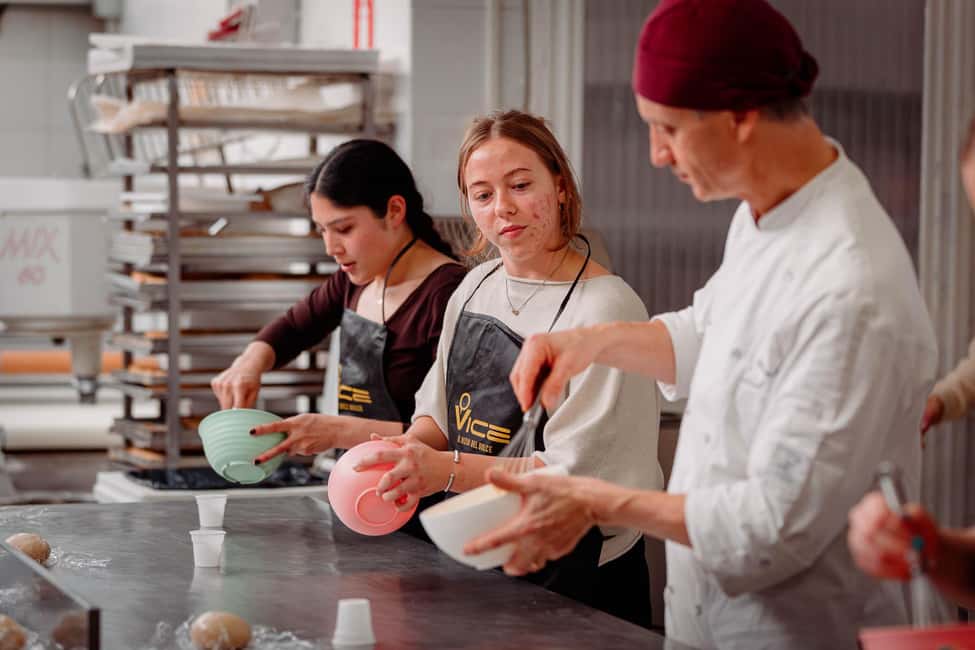
The experience is scheduled for 2 hours, with a cooking-class block of about 90 minutes. That structure matters. You get enough time to learn, assemble, and see the process through without turning it into a half-day event that competes with the rest of your itinerary.
What you’ll do in that window is the core value: you make tiramisu, cannoli, and gelato using the equipment and ingredients provided. You don’t need to bring anything but your curiosity and willingness to get your hands involved.
And yes, the pace includes food breaks built into the flow. At the end, they wrap your creations so you can take them with you, but you eat gelato in the lab first—so your first taste happens while it’s fresh and still part of the moment.
The Chef-Backed Advantage: Real Feedback, Not Just Recipes
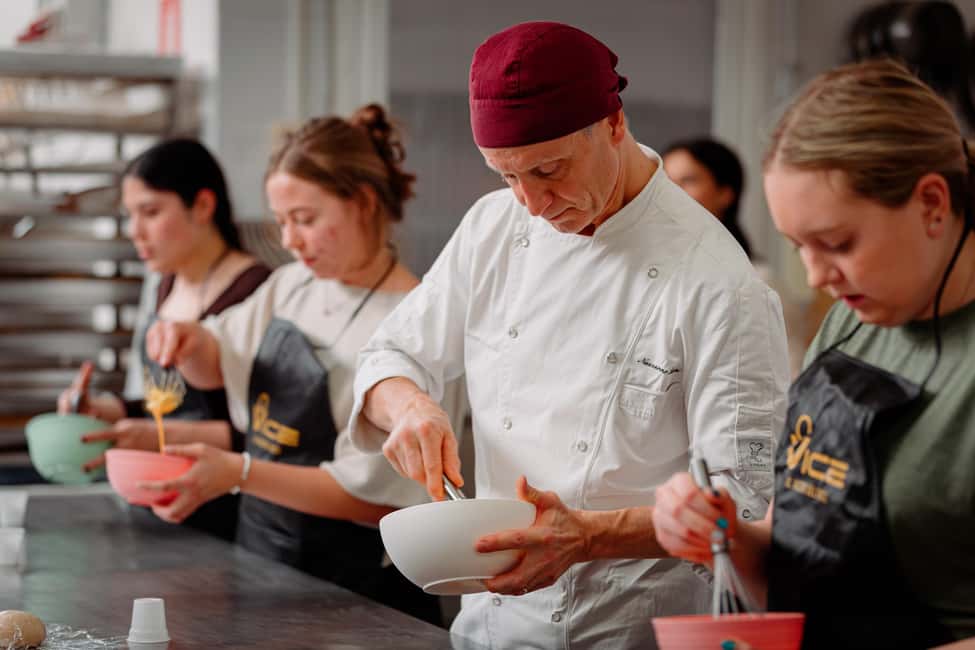
A lot of cooking classes teach the steps. Fewer classes help you improve the next time.
In the feedback I paid attention to most, the chef is described as motivated and helpful, with the “boss” present in person and offering tips on how to do better at home. That matters because dessert-making isn’t only about following a sequence. It’s about texture, timing, and consistency—things you don’t always get from a printed recipe.
So when you leave, you’re not only walking away with containers. You’re leaving with correction points—what to watch for, what changes to make, and what results to aim for.
Gelato in a Real Lab: Technique You Can Repeat
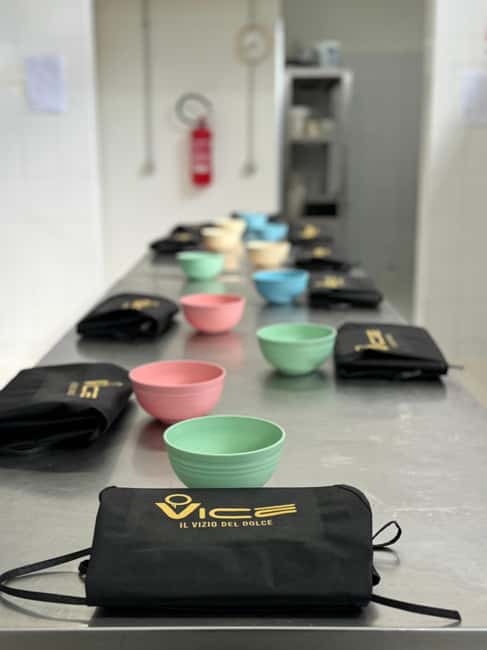
Gelato is often treated like a simple scoop-and-go treat. In this class, you learn it as a production process with real-world constraints: texture, mixing, and the kind of careful handling that makes gelato taste smooth instead of icy.
In the experience, you’ll make gelato and then taste it right there in the laboratory with your new friends. That part is more than a nice moment—it’s how you calibrate what “good” tastes like when it’s made from your own batch.
If you’ve ever tried to replicate gelato at home, you know the challenge isn’t just ingredients. It’s getting the right feel and flow. This is one of the reasons I like lab-based instruction: the equipment and the environment push you toward the correct approach rather than guessing.
You can also read our reviews of more tours and experiences in Rome

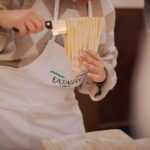
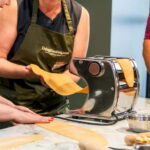

Tiramisu Lessons: Getting the Balance Right
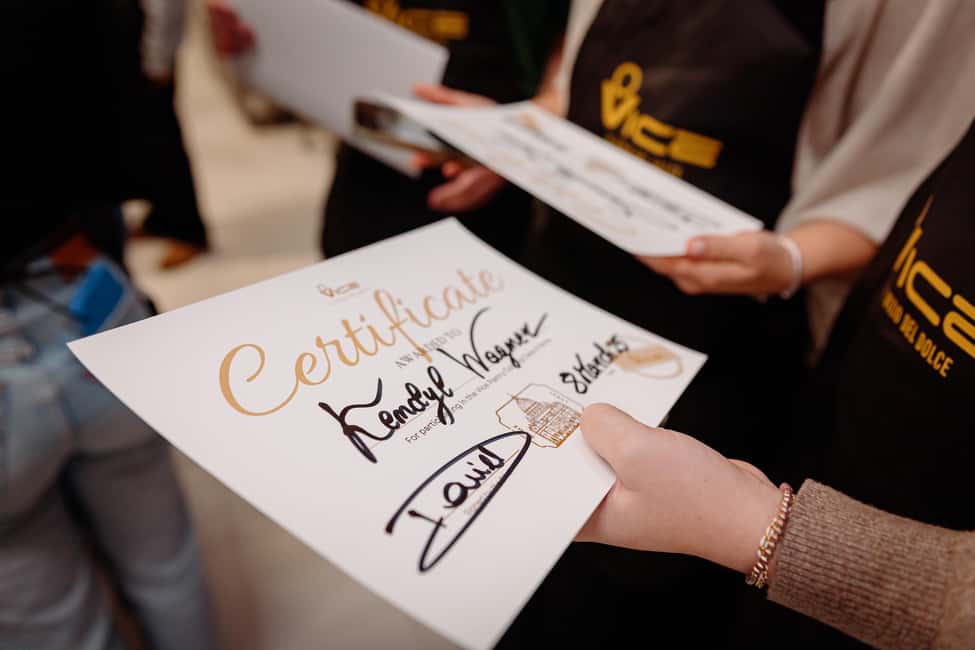
Tiramisu is one of those desserts where small details matter. You can follow the steps and still end up with something off—too wet, too dry, or not balanced enough.
This class teaches you to make authentic tiramisu, and it’s built around hands-on work with the ingredients and tools provided. You’re not just assembling at the end; you’re working through the process while the chef supports you.
One advantage of learning tiramisu in a professional pastry setting is that you can see how the components should come together. Even if you’re not an experienced baker, having guidance on consistency and timing helps you avoid the most common home mistakes.
And since you take your dessert away wrapped, you also get a chance to compare how it holds up once you leave the lab. That’s useful because tiramisu isn’t just about the first bite—it’s about how the layers settle.
Cannoli: From Filling to Crunch-Texture Reality
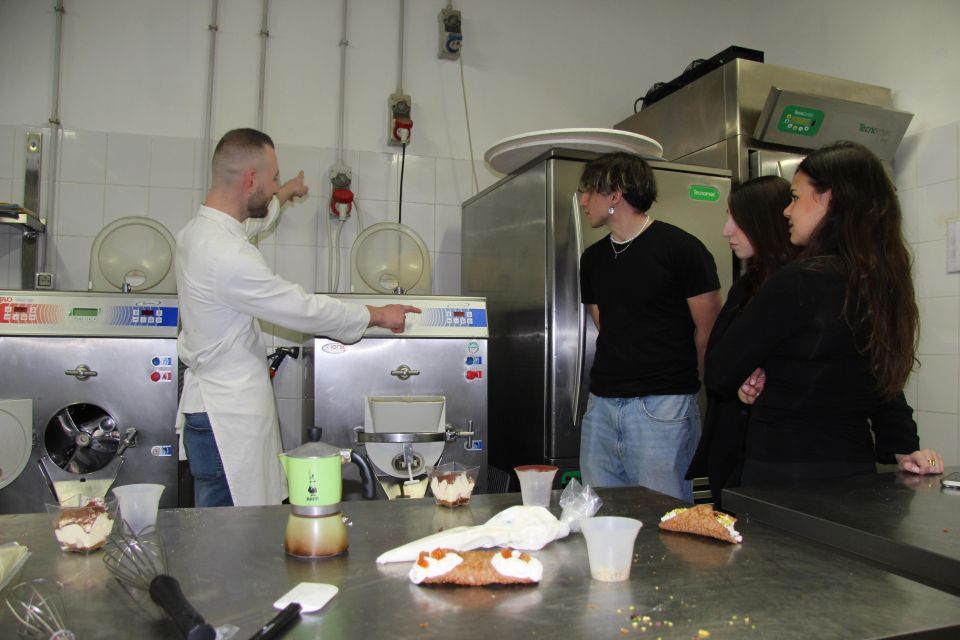
Cannoli can be deceptively simple-looking. In practice, the shell and filling are the whole story, and the texture difference is what makes cannoli memorable.
In the class, you’ll make Sicilian cannoli, using the provided ingredients and equipment. Cannoli learning here is valuable because the class is designed as a full pastry session for three separate desserts, not a “cannoli cameo” tacked onto a walking tour.
The biggest payoff for me is that cannoli is one of the desserts people assume they can only get from a shop. After learning it step-by-step in a lab, you’ll understand what’s doable at home—and what takes practice.
What You Take Home (and the Best Way to Plan Your Day)
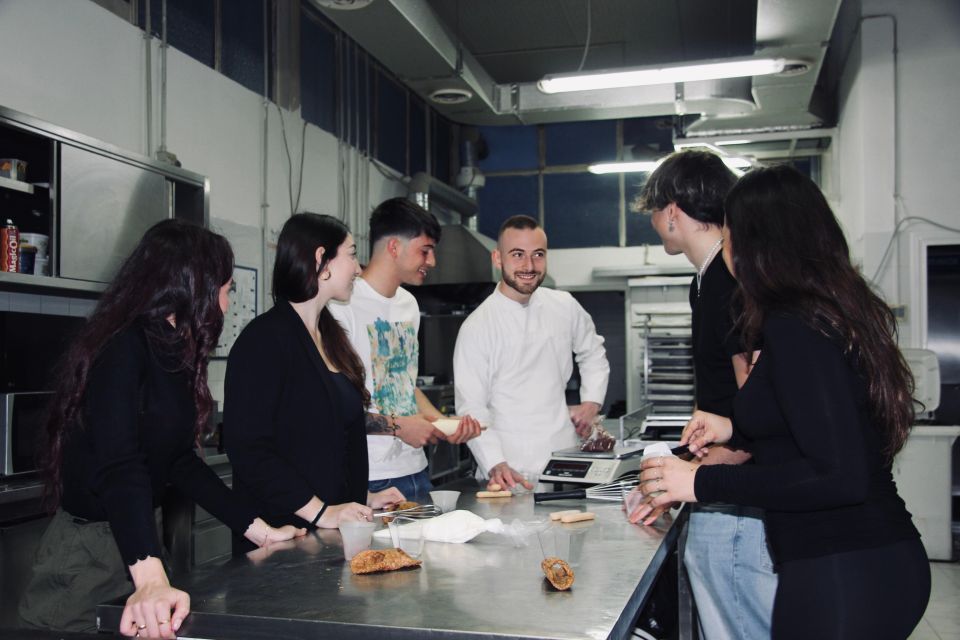
You make three desserts, and you leave with them wrapped. That’s the practical win: you’re not limited to tasting and then moving on. You can enjoy your tiramisu and cannoli later, at the pace of your own schedule.
The class also includes bottled water, plus a glass of Prosecco for adults and juice for children. If you’re traveling as a group, this helps keep the vibe easy—something to sip while you work and celebrate your results.
There’s also a smart sequencing choice: you eat your gelato in the lab before departing. That means you get to taste your finished gelato while it’s at its best, instead of waiting and hoping it stays perfect during transport.
For planning, think about where you’ll store your take-home desserts once you leave. You’re getting wrapped treats, but you’ll still want a safe spot on your route back to your accommodation.
Price and Value: Is $74.31 a Fair Deal?
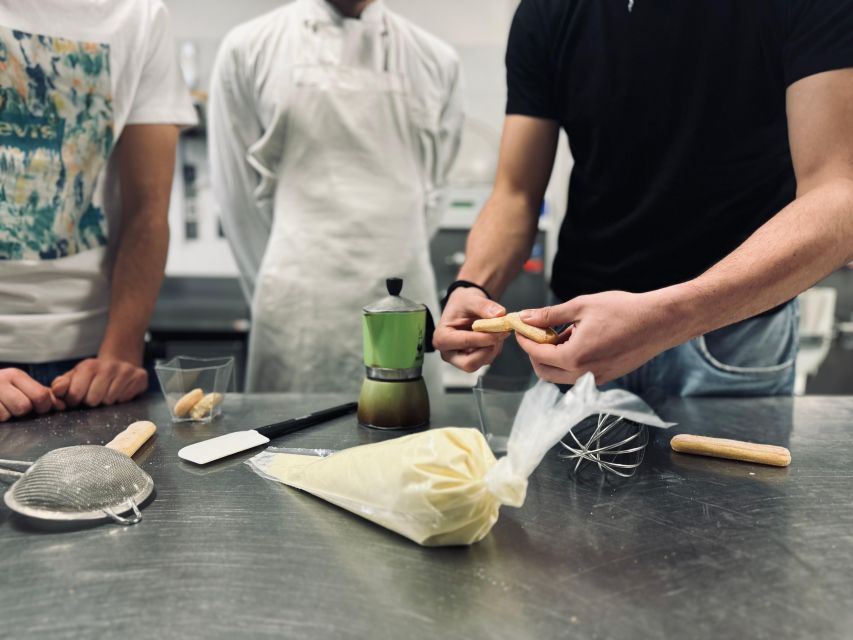
At $74.31 per person, this class sits in the “worth it if you’ll actually use the skills” category. Here’s why I think it can be good value.
You’re paying for:
- A 2-hour experience with a dedicated cooking-class block of about 90 minutes
- Instruction from a master baker
- All ingredients and equipment
- Three desserts made by you: tiramisu, cannoli, and gelato
- Bottled water
- Prosecco for adults (and juice for children)
- The tiramisu and cannoli (and gelato process) plus take-home wrapping
If you compare this to buying dessert samples separately in Rome, the math changes quickly. You’re essentially paying for instruction and full materials, plus the privilege of learning how to reproduce the results. For many people, that’s the difference between “I ate something” and “I learned something.”
The one “cost” is time and dietary limitations. If your dietary needs don’t match the listed restrictions, you won’t get the option to safely participate, so the price becomes irrelevant. But if you can eat the standard ingredients, it’s a strong use of an afternoon.
Who This Class Suits Best (and Who Should Skip It)
This is best for:
- Couples and friends who want a fun, hands-on Rome activity
- Dessert lovers who don’t want to just taste, but understand how it’s made
- Travelers who like structured guidance and want repeatable results at home
It’s not a good fit if:
- You need vegan options (not suitable for vegans)
- You have diabetes (not suitable)
- You have gluten intolerance, lactose intolerance, or nut allergies (not suitable for these needs)
- You’re traveling with children under 5 (not suitable for children under 5)
That list isn’t a minor detail. It’s central to whether the class will feel comfortable for you. If you’re on the fence, I’d treat these restrictions as a hard stop rather than a guess.
Tips to Make the Most of Your Pastry Time
You’ll enjoy this class more if you arrive ready to participate fully. Bring curiosity, not perfectionism.
A few practical ideas:
- Plan to stay present. Dessert-making rewards attention to the process, not rushing through steps.
- Listen for chef feedback. The class includes advice on how to reproduce the desserts at home, and those tips are the real souvenir.
- Plan your day around storage. You’ll have take-home desserts wrapped up, so think about your route after the class.
Also, remember the experience is taught in English and Italian. If you only speak English, you’ll still be covered. If you speak Italian, you’ll get even more out of the phrasing and explanations.
Should You Book This Rome Pastry Class?
I’d book it if you want a dessert experience with real instruction, real tools, and take-home results. The combination of three classic recipes, a professional lab setting, and supportive chef coaching is the sweet spot. Plus, the vibe comes through clearly in the way the chef is described as helpful and motivated, and in the boss offering improvement tips in person.
I would not book it if your dietary situation falls into the listed “not suitable” categories, or if you’re looking for an activity that’s more about strolling and sightseeing than hands-on cooking. This is a work session where you’ll get your hands involved, and that’s exactly what makes it fun.
If you’re traveling to Rome and want one experience that teaches you something you’ll actually use later, this class is a strong contender.
FAQ
How long is the cooking class experience?
The activity lasts about 2 hours total, including a 90-minute cooking class experience with a master baker.
Where is the meeting point in Rome?
The meeting point is Via Soriso 68/A. If you arrive on your own, wait in front of the entrance with the VICE sign for staff to let you in.
Is there help getting from Battistini Metro to the lab?
The lab is about 800 meters walking from Battistini Metro Station Line A. A driver option is available for a 4 euro surcharge over the basic class price.
What desserts will I make?
You will make three Italian desserts: tiramisu, cannoli, and gelato.
Do I get to take my desserts home?
Yes. At the end of the activity, your creations are wrapped so you can bring them away.
Is gelato included, and do I eat it during the class?
Gelato is part of what you make, and you taste your gelato in the laboratory as part of the experience.
What’s included in the price?
Included items are bottled water, the 90-minute cooking class with a master baker, the tiramisu, cannoli, and gelato you make, all ingredients and equipment, and a glass of Prosecco (juice for children).
What languages are the instructors?
The class is taught in English and Italian.
Who is the experience not suitable for?
It’s not suitable for vegans, people with diabetes, people with gluten intolerance, lactose intolerance, nut allergies, and children under 5.
What are the cancellation and payment options?
You can cancel up to 24 hours in advance for a full refund. You can also reserve now and pay later.