REVIEW · ROME
National Museum of Palazzo Massimo: 2-Hour Private Tour
Book on GetYourGuide →Operated by Rome Guides · Bookable on GetYourGuide
You can learn Roman daily life fast. A private visit to the National Museum of Palazzo Massimo turns famous objects into real stories—how Romans kept time, honored the dead, and decorated their homes. You’ll see standout works like the Boxer at Rest and the Sarcophagus of Portonaccio, with an English-speaking guide translating the meaning behind every scene.
I especially like how the tour connects art to Roman habits. The ancient calendars from Praeneste and Anzio aren’t just dates on stone; they show how civic and religious life overlapped. And the frescoes of the Villa of Livia make domestic space feel human, not dusty.
The one thing to consider: this is a 2-hour private tour, so you’ll get deep focus on key highlights, not a full slow walk through every gallery. If you want the entire museum at your own pace, you may still need time beyond this tour.
In This Review
- Key highlights you’ll care about
- Palazzo Massimo: what makes this museum tour worth paying for
- What you’ll actually see: the “Roman life” highlights in plain terms
- Ancient calendars from Praeneste and Anzio
- The Boxer at Rest: not just a statue, a story about the body
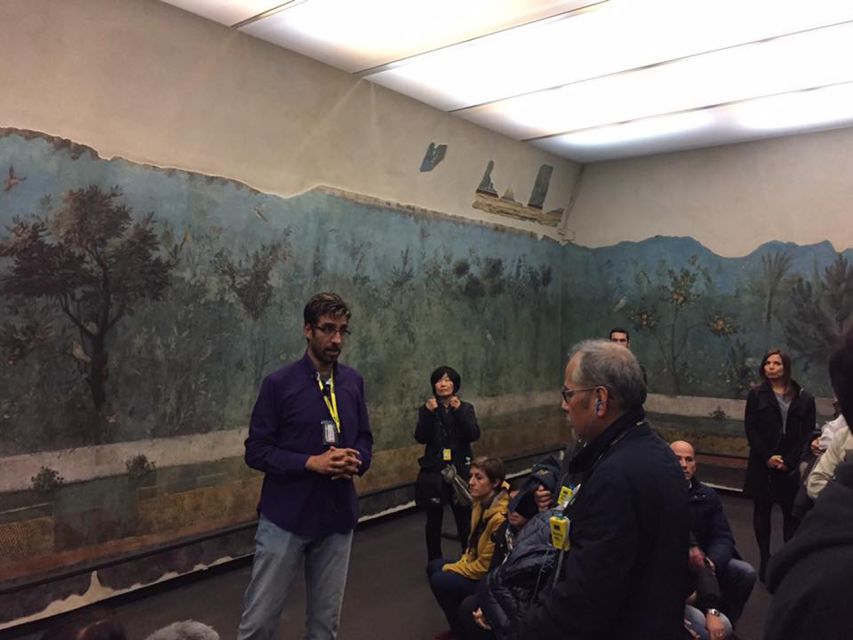
- Villa of Livia frescoes: how Romans made home feel personal
- Marble gods of Rome and Greece
- Sarcophagus of Portonaccio: the battle scene and the meaning of death
- How the 2-hour private format works on site
- Language and guide style: why this experience reads differently with the right person
- Price and value: what $130.28 per person buys you
- Logistics that affect your day (and how to plan around them)
- Who this tour suits best
- Should you book the National Museum of Palazzo Massimo private tour?
Key highlights you’ll care about
- Ancient calendars from Praeneste and Anzio, showing how Romans organized public life
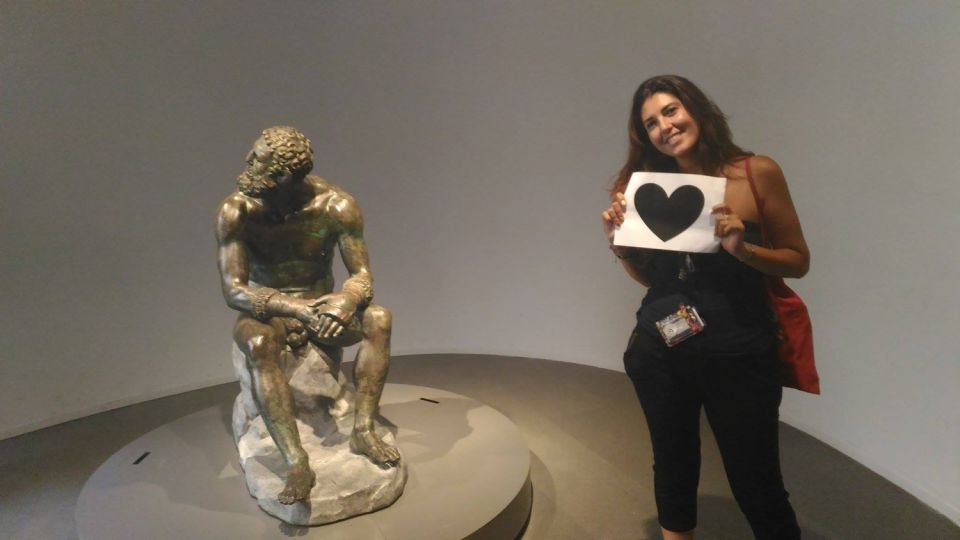
- The Boxer at Rest, one of the most striking statues in the collection
- Frescoes from the Villa of Livia, where elite home life comes through in color
- Roman and Greek gods in marble, helping you read myth and symbolism faster
- Sarcophagus of Portonaccio, with a battle scene that ties art to funerary memory
Palazzo Massimo: what makes this museum tour worth paying for
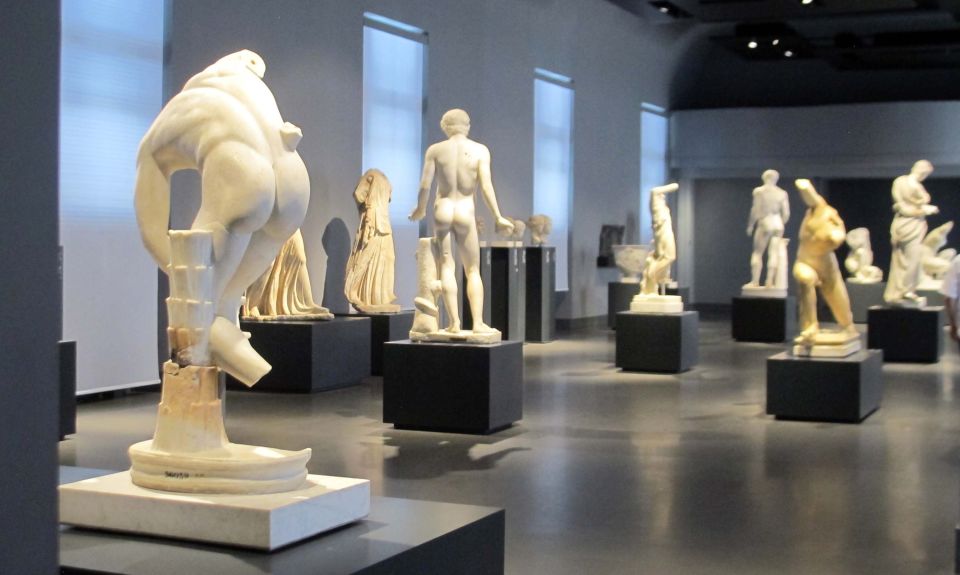
The National Museum of Palazzo Massimo is the kind of place where you can easily get lost in big rooms and impressive objects. This private tour helps you avoid that trap. Your guide keeps the focus on the museum’s most meaningful highlights and, just as important, explains what each one says about Roman life.
I like that the emphasis isn’t only on appearance. Yes, you’ll admire statues, frescoes, and carved scenes. But you’ll also get the “why” behind them—how Romans kept records, portrayed heroes, decorated private spaces, and treated death as something deeply ritualized.
You’re also booking a true private group for 2 hours. That matters here because museum reading gets easier when you can ask questions and move at your pace. If you’re the type who wants to understand details—dates, symbolism, cultural habits—this tour structure fits.
The guide support is included (entry tickets too), and the tour is designed to run rain or shine. So you’re not relying on good weather to get value from your time in central Rome.
You can also read our reviews of more private tours in Rome


What you’ll actually see: the “Roman life” highlights in plain terms
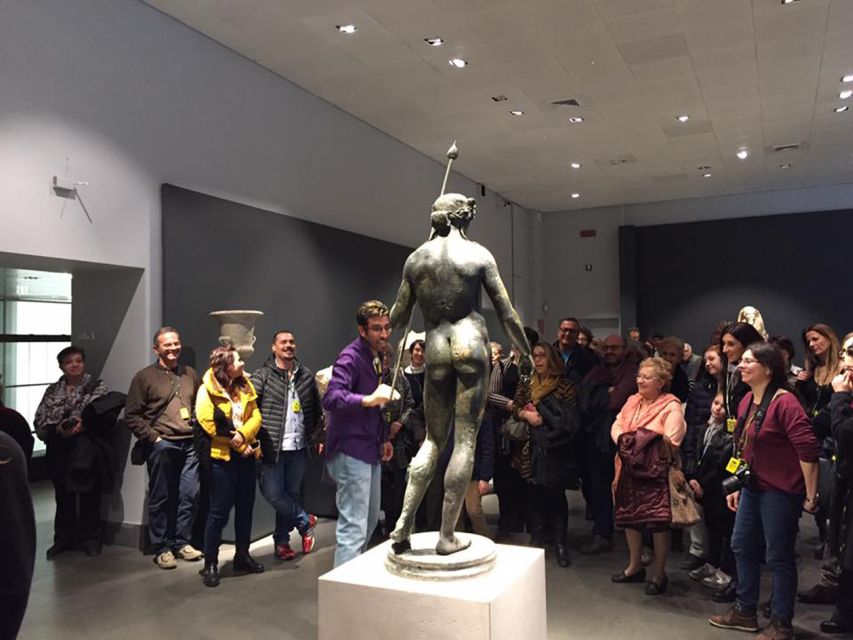
Your guide’s job is to connect objects to everyday Roman thinking. In a short time, you’ll hit multiple “systems” Romans used—timekeeping, hero-making, home decoration, religion, and honoring the deceased.
Here are the main stops you can expect to spend time on, and what each one means for how you understand Ancient Rome.
Ancient calendars from Praeneste and Anzio
One of my favorite ways to learn history is through something that controlled ordinary behavior. Roman calendars did exactly that. You’ll view ancient calendars found in the cities of Praeneste and Anzio, and your guide will explain how Romans used calendars as more than a scheduling tool.
What makes these especially compelling is the overlap between civic life and ritual life. In many ancient cultures, “time” wasn’t neutral. Certain days carried religious weight. By looking closely at calendars like these, you start to see how institutions and beliefs were built into daily routines.
If you tend to think of Rome as politics and wars only, this is a strong correction. These artifacts quietly show that religion and administration were mixed together.
The Boxer at Rest: not just a statue, a story about the body
The Boxer at Rest is one of those artworks people describe as unforgettable, and there’s a reason. You’re not only looking at a figure—you’re looking at how ancient artists and audiences understood the human form, effort, and identity.
Your guide will frame the statue in the context of Roman and Greek artistic tastes. Even if you don’t care about fine art, the meaning works because it ties to how Romans valued strength, training, and public display. And it’s also a great “pause moment” in the tour: you get to slow down, look longer, and absorb what you’re seeing without it turning into a blur of information.
If you’re a visual learner, this is the kind of object that makes the tour click.
Villa of Livia frescoes: how Romans made home feel personal
Another highlight is the frescoes of the Villa of Livia. Frescoes can sound like a niche interest, but here they function as a window into Roman interior life and taste.
Your guide will point out the themes and decoration choices, helping you understand how Romans used wall art to shape mood and status. This is where the tour shifts from public life into private life—how elite households communicated identity through design.
I like this stop because it stops Ancient Rome from becoming abstract. Instead of only learning about laws or battles, you’re seeing how people lived with beauty on a daily basis.
You can also read our reviews of more museum experiences in Rome


Marble gods of Rome and Greece
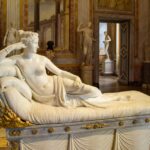
You’ll also walk among marble statues of Roman and Greek gods. This part matters because it teaches you how to read mythology as culture, not just names.
Your guide will connect these figures to Roman religious practice and beliefs. Once you understand that Romans borrowed, adapted, and layered traditions, the statues become easier to decode. You start recognizing patterns: why certain gods appear, how they relate to identity and protection, and how art made religion feel “visible.”
This stop is a good fit if you want a guide to explain symbol and context. If you only read plaques, you might miss the bigger religious framework.
Sarcophagus of Portonaccio: the battle scene and the meaning of death
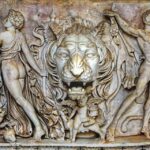
The Sarcophagus of Portonaccio is described as impressive for a reason. You’ll examine it and the scene of the battle carved into the work.
This isn’t just an action panel. In Roman culture, funerary art wasn’t random decoration. It was part of how people honored the deceased and made death part of a continuing social story. Your guide will explain the religious aspects of venerating the dead and how artwork helped express that care.
So you’re seeing two things at once: dramatic imagery and a ritual purpose. That combo is what makes the sarcophagus a real “thinking object,” not just a pretty piece.
How the 2-hour private format works on site
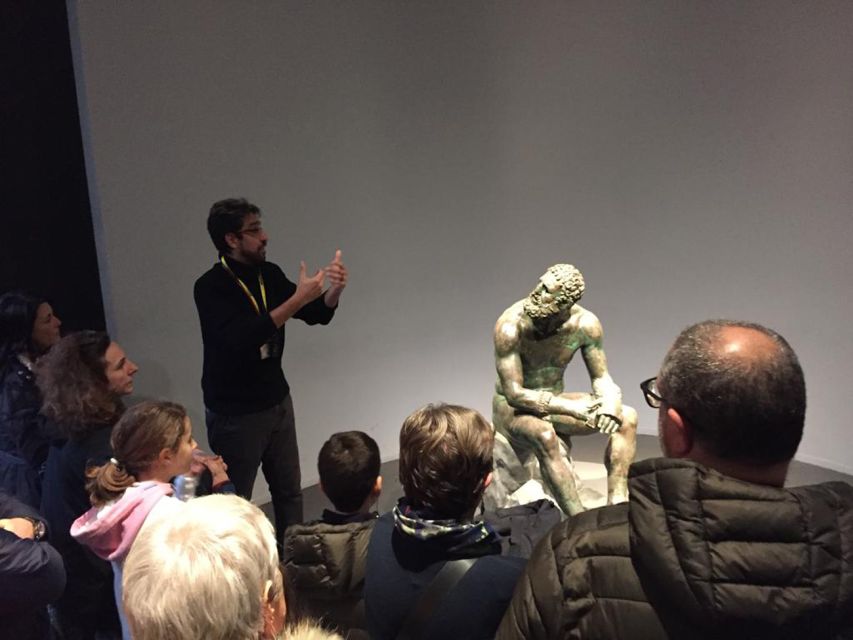
A smart private tour is less about rushing and more about choosing focus. In this case, the tour is built around major “anchor” artifacts—objects that can support multiple themes of Roman society.
You should expect a guide-led route through the museum’s key rooms, with time spent at each highlight long enough for you to actually understand what you’re seeing. The goal is not just to show you items. It’s to help you connect calendars, portraiting heroes, home decoration, religion, and funerary practice into one coherent picture.
Since it’s private, you can ask follow-up questions if something catches your attention—especially when you hit the calendars or the funerary art. And because the guide speaks English (also Italian), you’ll have a clear path through the museum without relying on your own decoding of museum language.
Language and guide style: why this experience reads differently with the right person
The tour includes a live guide in English and Italian. That’s a practical detail, because Roman history often gets summarized in broad strokes. A good guide keeps it specific: which calendar matters, what a scene might be signaling, and why a statue is famous.
One guide name you may run into is Vincenzo. When I see him described in this kind of role, the common thread is that he’s engaging and lively, and that he uses animated explanations to make key characters and museum objects easier to understand. That style matters for a museum like this, where some visitors get stuck on names and dates. A guide who helps you connect the dots makes the time feel faster and the learning stickier.
Even if your guide isn’t Vincenzo, the format still aims for the same outcome: you leave knowing what you saw and why it mattered.
Price and value: what $130.28 per person buys you
At $130.28 per person for a 2-hour private tour, you’re paying for three things at once:
- Professional guidance (not just an audio app)
- Entry tickets handled for you
- A private group format that keeps the pace and focus on what you’re there to learn
Is it the cheapest way to visit the museum? No. But it can be a strong value if you care about interpretation—especially the connections between objects and Roman institutions. The museum pieces included in the highlight set are the kinds of artifacts that reward explanation. A guide can turn your visit from a “see and move on” experience into a “I get it now” experience.
If you’re traveling as a couple or small group that wants focused learning rather than wandering, private pricing often starts to make sense fast. You also avoid the hassle of coordinating tickets and figuring out what to prioritize.
Logistics that affect your day (and how to plan around them)
This tour is straightforward, but a few details can make the difference between smooth and annoying.
- Arrive 15 minutes early. Your guide waits at the museum entrance holding a sign with the tour name. Tickets are distributed at the start.
- No hotel pickup or drop-off. You’ll get yourself to the meeting point.
- No large luggage. If you’re packing heavy for Rome, plan to travel light for museum days.
- Rain or shine. The tour runs regardless of weather, so don’t let cloudy skies change your plans.
Also note: the tour is for children and adults with ID needs listed as passport or ID card for children. If you’re bringing kids, keep their documentation handy.
Who this tour suits best
This private tour is a great fit if you:
- Want context behind major Roman artworks and artifacts
- Prefer a focused visit over trying to conquer every room in a museum
- Like a guide who ties objects to institutions—timekeeping, religion, and funerary traditions
- Travel as a couple or small group and want the experience tailored to your pace
It’s less ideal if you want an unstructured, slow museum stroll where you can follow your own thread through every gallery without stopping for interpretation. This tour is built around the best “story pieces,” not a total survey.
Should you book the National Museum of Palazzo Massimo private tour?
If you’re deciding between a self-guided museum day and a guided one, I’d lean toward booking this private tour for one reason: the museum’s highlights are exactly the kind of material that becomes more interesting when someone explains the Roman habits behind them.
You’ll see major works like the Boxer at Rest, the Villa of Livia frescoes, the ancient calendars from Praeneste and Anzio, and the Sarcophagus of Portonaccio. More importantly, you’ll understand how they relate to real Roman behavior—how time was kept, how status was shown, how homes were decorated, and how the deceased were honored.
If your goal is meaning over volume, this is a smart use of time in Rome.