REVIEW · ROME
Day trip from Rome to Assisi and Orvieto – 10 hours
Book on GetYourGuide →Operated by My Best Tour SRL · Bookable on GetYourGuide
Medieval towns, but with real-world convenience. This full-day trip connects Assisi and Orvieto with a smooth minivan ride plus guided time in both. You get the drama of St. Francis’ world, then the shockingly beautiful Duomo façade in Orvieto.
What I like most is how the day balances walking and driving—Assisi on foot, Orvieto with the right stops—without you having to figure anything out. I also really appreciate the focus on standout visuals: local-stone Assisi even after the earthquake, and Orvieto’s gold mosaic work on the Duomo façade.
One drawback to plan for: it’s a long day (about 12 hours total), so you’ll want comfortable shoes and realistic expectations about downtime.
In This Review
- Key highlights worth your time
- The Rome pickup and your 12-hour pacing plan
- Tuscia to Umbria: the drive that’s part of the experience
- Assisi: St. Francis town walks and what to notice
- Churches: bring the right clothes (or plan to borrow time)
- Lunch timing: where you eat and who chooses
- Deruta ceramics: a quick culture hit without the detour problem
- Orvieto: the Duomo façade and a town built on tufo
- The tufo underground wine cellar: old stone, practical fun
- Entrance fees: budget for them
- Transportation, guide style, and what a private group really buys
- Price and value: when this makes sense (and when it doesn’t)
- What to pack and how to avoid day-trip stress
- Who this tour fits best
- Should you book: my practical decision guide
- FAQ
- How long is the day trip?
- Where do we meet in Rome?
- Is this tour private?
- What languages are available for the guide?
- Are meals included?
- Are entrance fees included?
- What’s the church dress code?
- Is the tour wheelchair accessible, and are pets allowed?
- Is free cancellation available?
Key highlights worth your time
- Private minivan for up to 7: fewer hassles and more control over the day pace
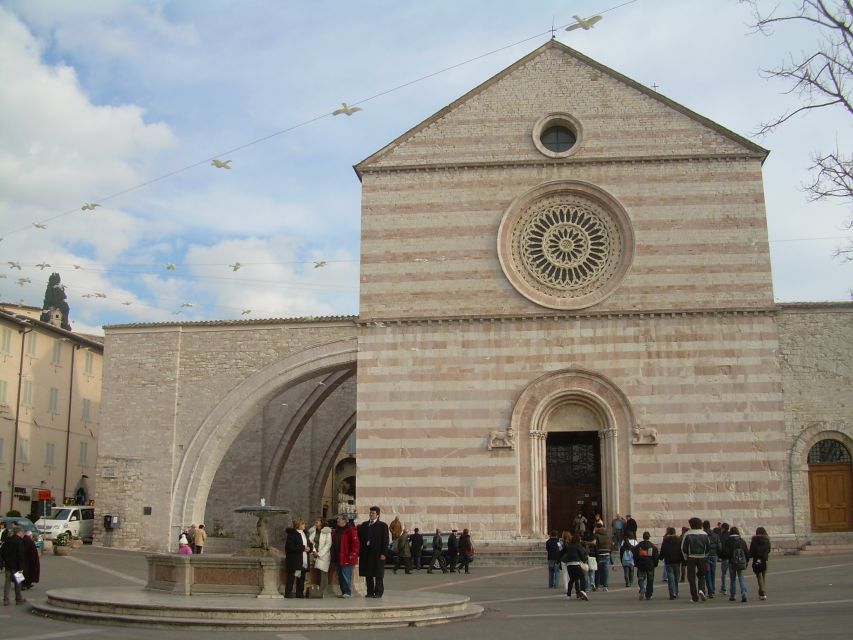
- Assisi’s local-stone medieval feel: charm that survives the earthquake damage
- Gold mosaic Duomo façade in Orvieto: the kind of detail you remember later
- Tufo underground wine cellar: a classic Orvieto experience literally carved into the rock
- Optional ceramic browsing in Deruta: a quick detour for artsy shopping without derailing the schedule
- Church-ready dress code: knees covered, shoulders covered, so you don’t get turned away
The Rome pickup and your 12-hour pacing plan
This tour is built as a proper day trip, not a quick hit-and-run. It starts with pickup from your Rome hotel, and you’ll be asked to wait in the lobby about 10 minutes before the scheduled time. From there, you’re in a minivan and headed north out of the city.
The total duration is listed as 12 hours. That matters because the itinerary includes long stretches of road between towns. You’ll still get time to walk and see key sights, but the day is structured around a realistic rhythm: drive, arrival, guided sightseeing, then drive again.
If you’re the type who likes to photograph corners and step into churches without rushing, this format works well. If you hate tight schedules, consider that the travel days between Rome and these hill towns are the trade-off for hitting both Assisi and Orvieto in one shot.
You can also read our reviews of more tours and experiences in Rome
Tuscia to Umbria: the drive that’s part of the experience
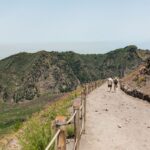
The ride itself is not filler. You’ll drive through north Lazio and Umbria, and you’ll notice the scenery changing as you go—rolling hills in Tuscia that gradually shift into the greener, more forested feeling Umbria is known for.
This is exactly why pairing these two towns makes sense. Assisi and Orvieto aren’t just “places to check off.” They’re built into a landscape that shaped local architecture and materials. Even the drive teaches you what you’re about to see, like how the region’s stone is part of the visual identity.
You’ll also pass through key areas on the way—Perugia comes up as the route threads toward Deruta, the ceramics center. There’s a practical advantage here: your guide keeps the route efficient, so you get story and context while the miles pass.
Assisi: St. Francis town walks and what to notice
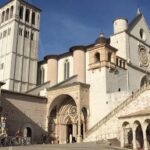
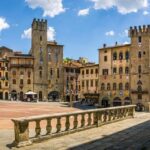
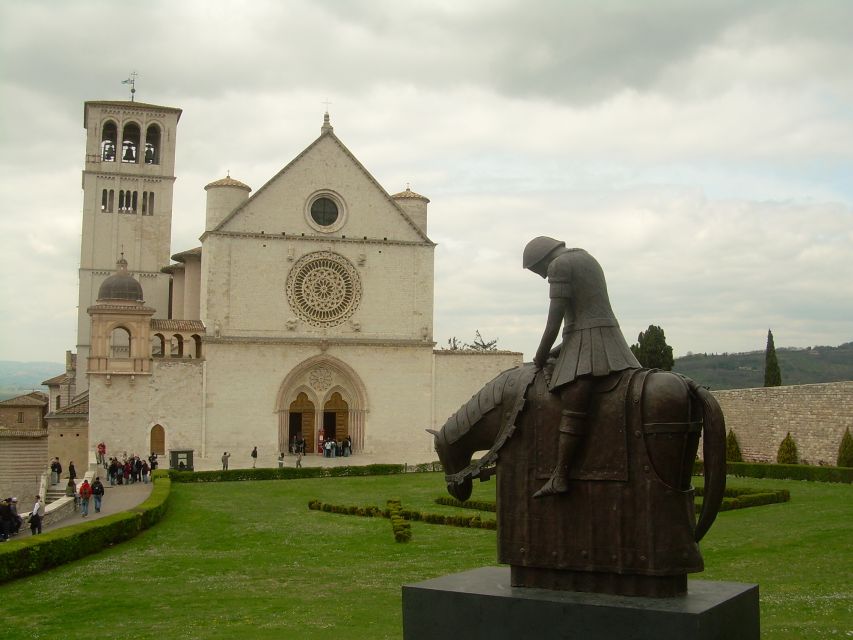
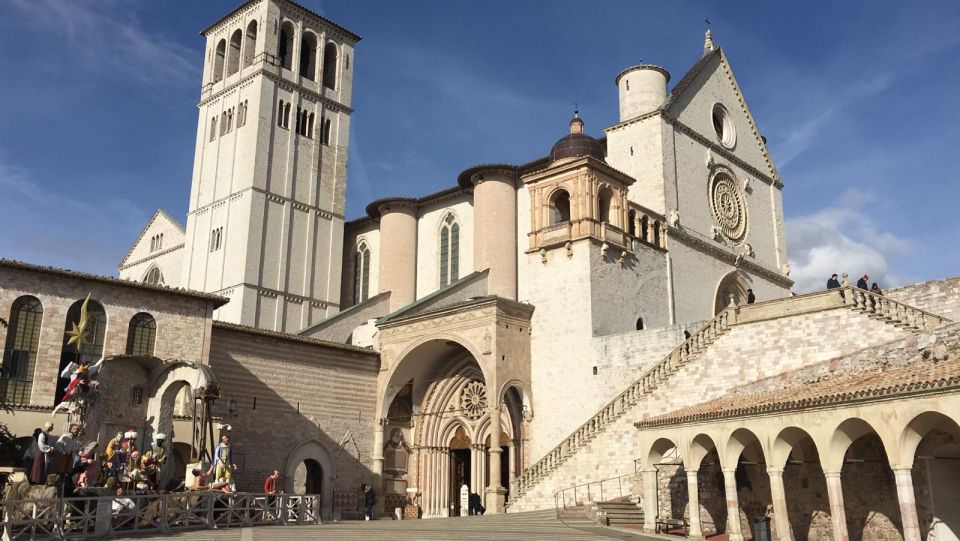
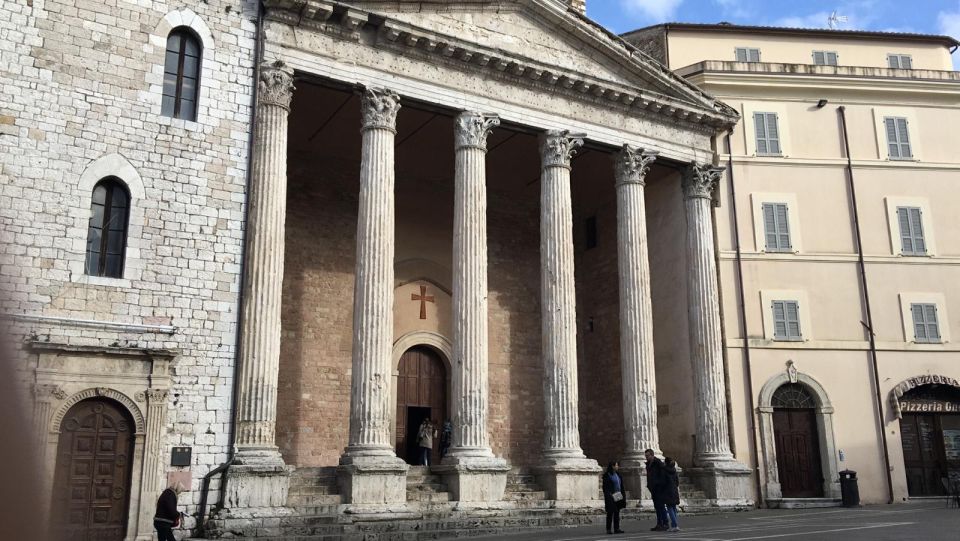
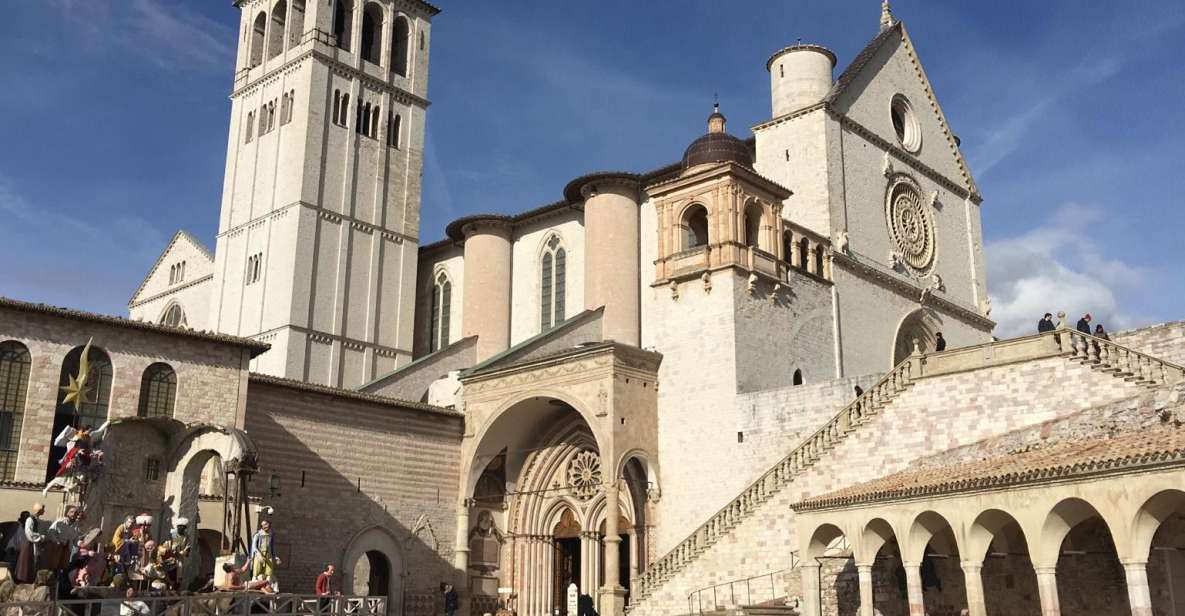
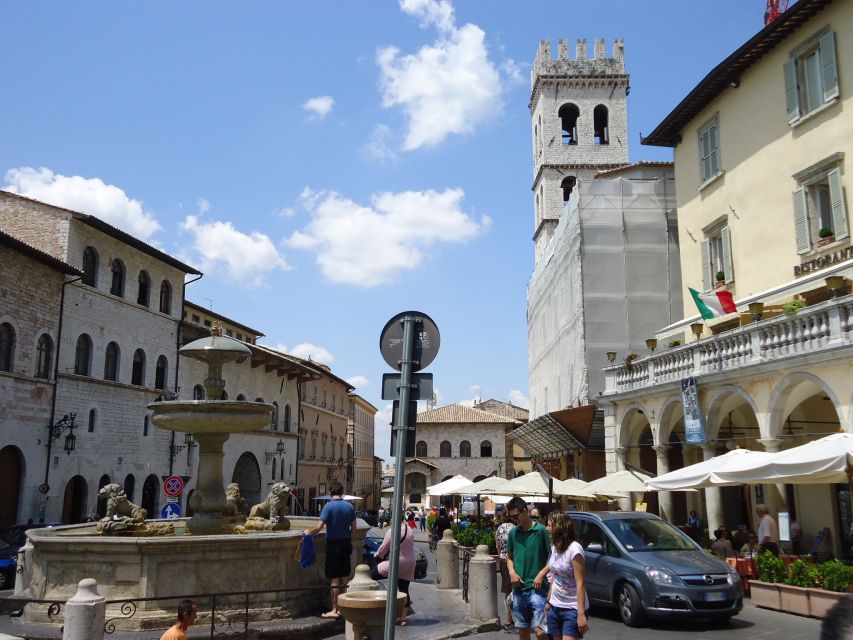
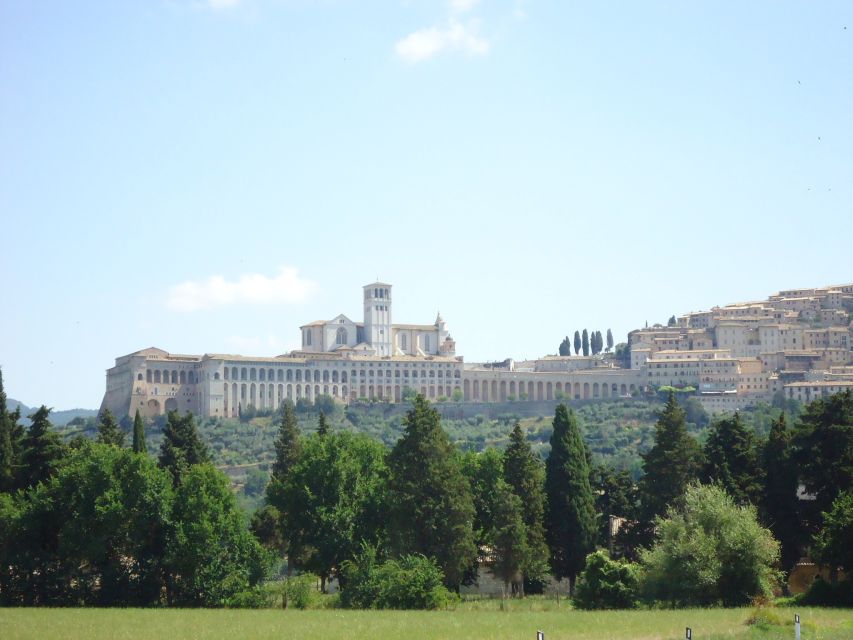
Your first major stop is Assisi, the medieval city associated with St. Francis. You’ll get a guided walk through the streets and time to visit major churches. Assisi is built from local stone, and even after the earthquake that devastated the area, the town still feels remarkably preserved—at least in the way you move through it.
The feeling here is hard to fake with a brochure. The streets have that slow, layered quality that makes you naturally look up—stone facades, church entrances, and viewpoints over the Umbrian hills. The “mystical atmosphere” is real in the sense that the town’s layout and religious focus create a different pace than modern cities do.
Churches: bring the right clothes (or plan to borrow time)
There’s a clear dress code for churches: your pants or skirt must cover your knees, and your shirt must cover your chest and shoulders. No low-cut shirts or tank tops. This is not just a suggestion. If you show up dressed like beach season in Rome, you can be denied entry.
So I’d treat this as a packing checklist item. A light layer that covers shoulders is ideal. It also helps because you may want to pop into multiple churches during the visit.
Lunch timing: where you eat and who chooses
The plan includes lunch time in a spot favored by locals. Meals aren’t included in the price, but your guide can point you to a good option and help you avoid tourist-trap decisions. This is a small detail, but it makes a big difference on a day trip when you don’t want to waste your only full meal on the wrong place.
The trade-off: you’ll pay for your own lunch, and your meal experience depends partly on your timing and what’s available when you get there.


Deruta ceramics: a quick culture hit without the detour problem
After Assisi, the route continues past Perugia toward Deruta, known for ceramics. There’s an opportunity to stop and browse shops offering local artistic products. This is one of those add-ons that works because it’s short and optional—more like a chance to buy a thoughtful souvenir than a full shopping excursion.
Here’s the practical value: Deruta pieces often look good on camera, but the real charm is in the hand-crafted look and the local style. If ceramics are your thing, you can take your time. If not, you can keep it light and rejoin the group without the whole day turning into a store marathon.
Since the stop is described as possible rather than guaranteed, I’d treat it like a bonus window. If you care about shopping, keep your expectations flexible and follow your guide’s timing cues once you arrive.
Orvieto: the Duomo façade and a town built on tufo
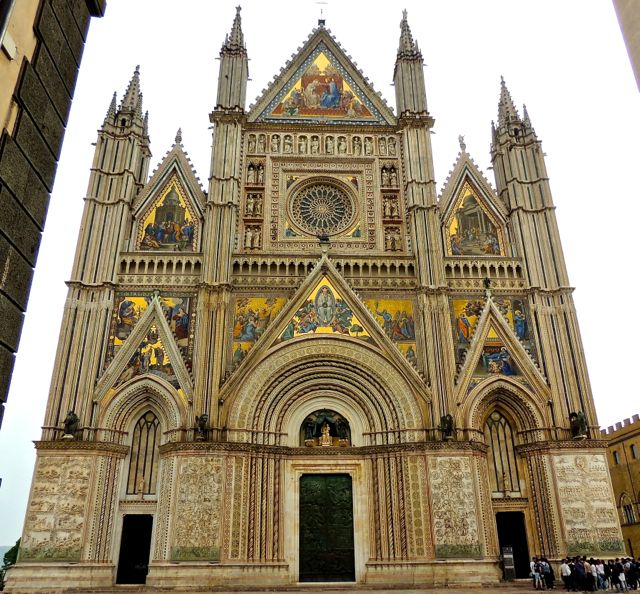
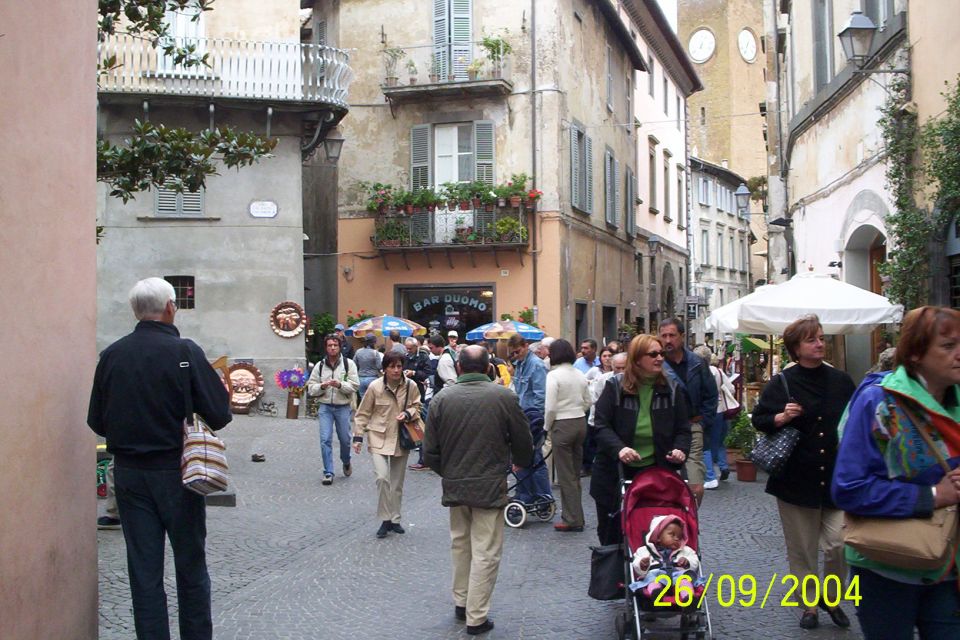
Orvieto is where the day turns visually dramatic. You’ll visit the famous Gothic cathedral—Orvieto’s Duomo—and admire the cathedral façade decorated with gold mosaic work. From the moment you look at it, it’s the kind of detail that changes your whole sense of scale. The gold doesn’t feel like decoration; it feels like architecture doing its own storytelling.
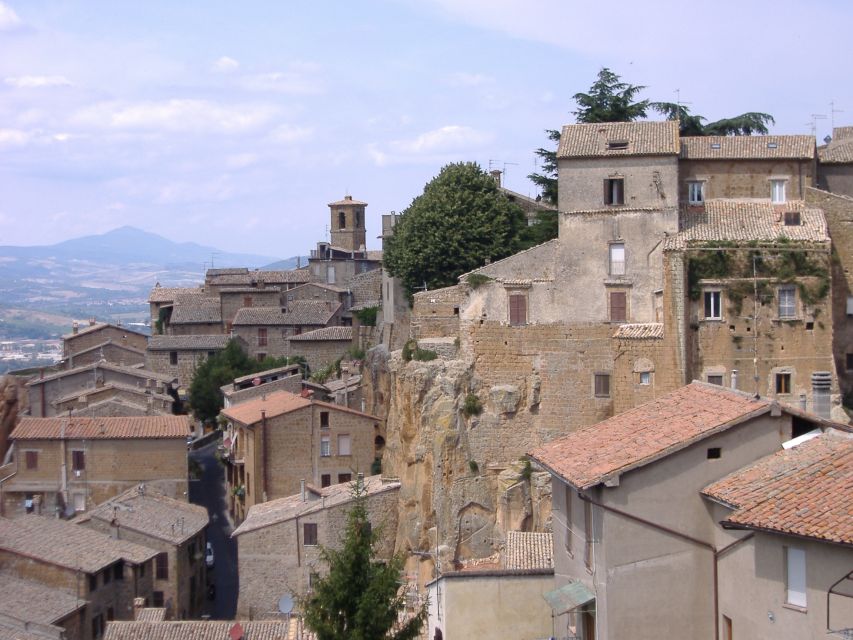
Orvieto is built on top of a plateau of tufa stone. That matters because tufa (tufo) isn’t just background geology. It provided the raw material for the town’s major buildings, including the massive Duomo. When you understand that, the stone look stops being “pretty” and starts being “why everything looks like it does.”
The tufo underground wine cellar: old stone, practical fun
You’ll also visit a typical wine cellar dug out underneath the buildings. That underground setting is part of the appeal. It ties together the region’s materials and its food culture in a way that feels authentic, not staged.
This is the kind of stop that works well even if you don’t consider yourself a wine person. You’re not only learning; you’re seeing how the town’s unique geology shapes daily life. Cool air underground, thick rock walls, and the sense that the space has been there for a long time—these details don’t require a degree in Italian archaeology to appreciate.
Entrance fees: budget for them
Entrance fees aren’t included. That means you should expect to pay for any ticketed elements during the Orvieto portion (and potentially church/cathedral-related entry, depending on what’s open and how your day is timed). Your guide will handle the flow, but the cost is on you.
Transportation, guide style, and what a private group really buys
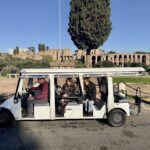
This is a private group tour, and the minivan is sized for small groups—up to 7 people. That’s a big deal on a day trip like this. You avoid the chaos of squeezing into a crowded bus and trying to hear directions while everyone jostles for the best photo angle.
The guide experience is also part of the value. The tour includes an English-speaking driver, and there’s a live tour guide in English, Italian, and German. In the feedback you’re given, the standout name that comes up is Mauro. The praise around him is consistent: knowledgeable and pleasant delivery, which matters when you’re traveling for hours and want explanations that make the sights click.
I also like that the inclusions cover the “invisible” parts of travel: gas, parking fees, and motorway tolls. On your own, those costs add up fast, and more importantly, they add friction. Here, that friction is handled for you.
Price and value: when this makes sense (and when it doesn’t)
The price is listed as $1,106.65 per group (up to 7 people). At first glance, that’s not “cheap.” But the way it’s priced changes the equation.
If you’re traveling as a couple or small group, you’re paying for convenience: private transport out of Rome, guided stops in two towns, parking and tolls handled, and a structured day that’s hard to replicate without your own car and local planning. As the group size fills up, the per-person cost drops.
It’s also good value because it’s not just a ride to one city. You’re getting Assisi plus Orvieto in a single day. Most DIY plans either become exhausting with too many transfers or skip one of the key towns because the logistics get ugly.
What’s not included is meals, drinks, and entrance fees. So plan for some extra spending on food and any ticketed sites. Still, you’re getting a lot of guided time, and that’s the part people regret not investing in during day trips.
What to pack and how to avoid day-trip stress
Because it’s church-focused and stone-town focused, I’d pack for both walking comfort and outfit compliance.
- Comfortable, grippy shoes for steep lanes and church steps
- A light layer that covers shoulders (to satisfy church rules)
- Something that covers knees if your wardrobe is shorts-heavy
- Water and a snack plan for the long drive time, since meals aren’t included
Also, remember that this is a long day. Expect a rhythm of moving from town to town, with sightseeing built around key stops rather than an open-ended wander.
If you’re traveling with anyone who needs frequent breaks, factor that in by choosing a relaxed pace at each stop and using the guide’s timing to step out as needed.
Who this tour fits best
I’d recommend this day trip if you:
- Want to see two major Umbrian/Umbria-adjacent highlights in one day
- Prefer a private minivan experience over public transit stress
- Like guided context, especially about what you’re looking at (stone, church art, and the town’s layout)
- Are okay paying for food and any entry tickets along the way
It may not fit if you:
- Want lots of free time in each town without guidance
- Dislike long road days and prefer slower travel between fewer places
Should you book: my practical decision guide
Book this if you want a well-run, guided day trip that links Assisi’s spiritual medieval atmosphere with Orvieto’s jaw-dropping Duomo façade and tufo underground stop, all without driving yourself. The private minivan and small-group setup is the difference-maker on a long day.
Skip it if your top priority is deep, unhurried wandering for many hours in just one place. This route is designed to show you the big things well, not to let you disappear into side streets all day.
If you go in prepared—dress for church entry, wear good shoes, and budget for meals and possible entrance fees—you’ll get a day that feels packed but still coherent.
FAQ
How long is the day trip?
The duration is listed as 12 hours. Starting times vary, so you’ll need to check availability for the specific departure.
Where do we meet in Rome?
Pickup is included. You’ll wait in your hotel lobby about 10 minutes before the scheduled pickup time.
Is this tour private?
Yes. It’s a private group in a minivan, up to 7 people.
What languages are available for the guide?
The live tour guide is available in English, Italian, and German.
Are meals included?
No. Meals and drinks are not included.
Are entrance fees included?
No. Entrance fees are not included.
What’s the church dress code?
Your pants or skirt must cover your knees. Your shirt must cover your chest and shoulders, with no low-cut shirts or tank tops.
Is the tour wheelchair accessible, and are pets allowed?
Wheelchair accessible is listed. Pets are not allowed.
Is free cancellation available?
Yes. You can cancel up to 24 hours in advance for a full refund.