REVIEW · ROME
Forum, Colosseum Guided Tour and Capitoline Museum Ticket
Book on GetYourGuide →Operated by TICKETSTATION SRL · Bookable on GetYourGuide
Roman history hits hard in Rome. This guided combo pairs the Forum and Colosseum walk with a ticket to the Capitoline Museums, plus top-floor views over the ruins and surrounding landmarks.
I love how the route puts the story in the right order: Sacred Road first, then the big monuments, then the art and myths that help you understand why Ancient Rome mattered. I also like the time-saver value, since you get skip-the-line access to multiple sites and a guided portion where a real human explains what you’re looking at.
One thing to consider: the overall day is built around a lot of walking and fixed timing, and the Capitoline Museums portion is ticket-based rather than a fully guided museum tour. If you prefer slow museum browsing with a guide at your side, you may want to plan extra time.
In This Review
- Key highlights at a glance
- Roman Forum and Colosseum: a smart way to see Ancient Rome in 5 hours
- The Sacred Road walk: where your brain finally makes sense of the ruins
- Julius Caesar’s cremation altar stop: the part people remember
- Inside the Colosseum area: skip-the-line access, plus the context you need
- Capitoline Museums ticket: art, myths, and the “Caput Mundi” storyline
- Caravaggio and Michelangelo connections: why the art fits the ruins
- Capitoline Hill viewpoints: the part you should slow down for
- The guide factor: Cynthia and Laura set the tone for a smoother visit
- Price and Logistics: what your $129 actually buys
- What to expect on the ground: timing, walking, and practical tips
- Who this tour suits best
- Should you book? My take
- FAQ
- How long is the Forum, Colosseum guided tour and Capitoline Museums ticket?
- What is included in the tour tickets?
- Is the Capitoline Museums portion guided?
- What languages are the live guided parts available in?
- Do I need to bring identification?
- Is food and drink included?
- Are there any accessibility or disability-related notes?
- Where does the tour start and end?
Key highlights at a glance
- Professional guide for the Roman Forum and Colosseum segment, so you’re not guessing what to look for
- Skip-the-line tickets for the Roman Forum and Palatine Hill, plus the Colosseum and the Capitoline Museums
- Via Sacra (Sacred Road) walk, including stops tied to Julius Caesar’s cremation site
- Capitoline Museums art and myth, including works associated with Michelangelo and Caravaggio, plus the she-wolf story
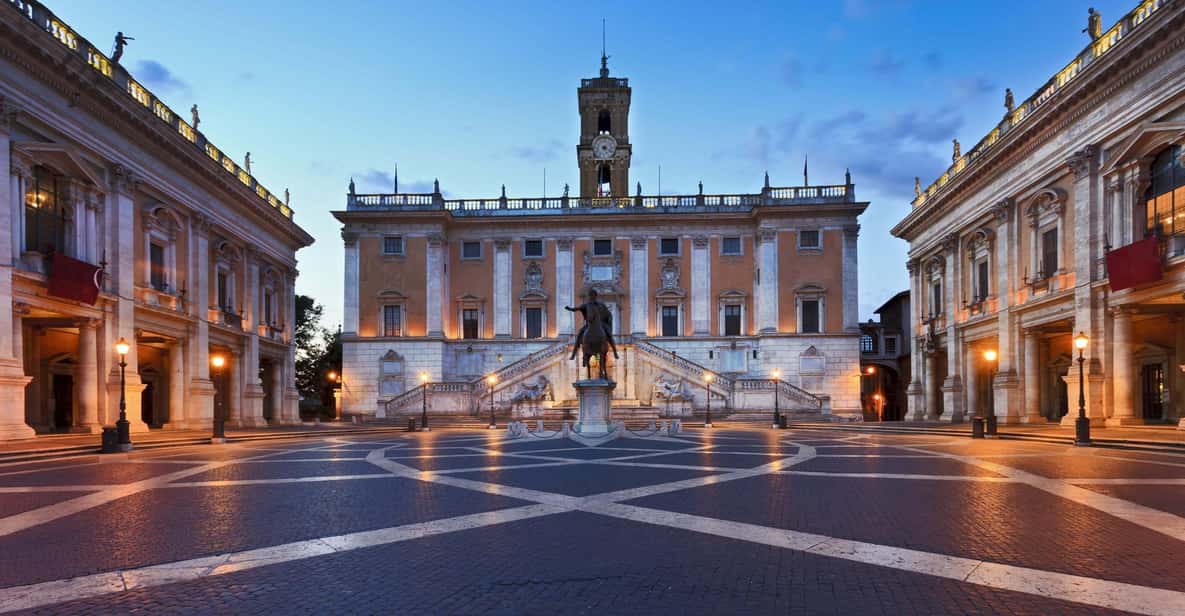
- Capitoline Hill viewpoints, with clear sightlines toward the Colosseum, Imperial Forum, Roman Forum ruins, and Palatine Hill
- Guides like Cynthia and Laura are specifically noted for being friendly, inclusive, and good at answering questions
Roman Forum and Colosseum: a smart way to see Ancient Rome in 5 hours
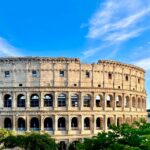
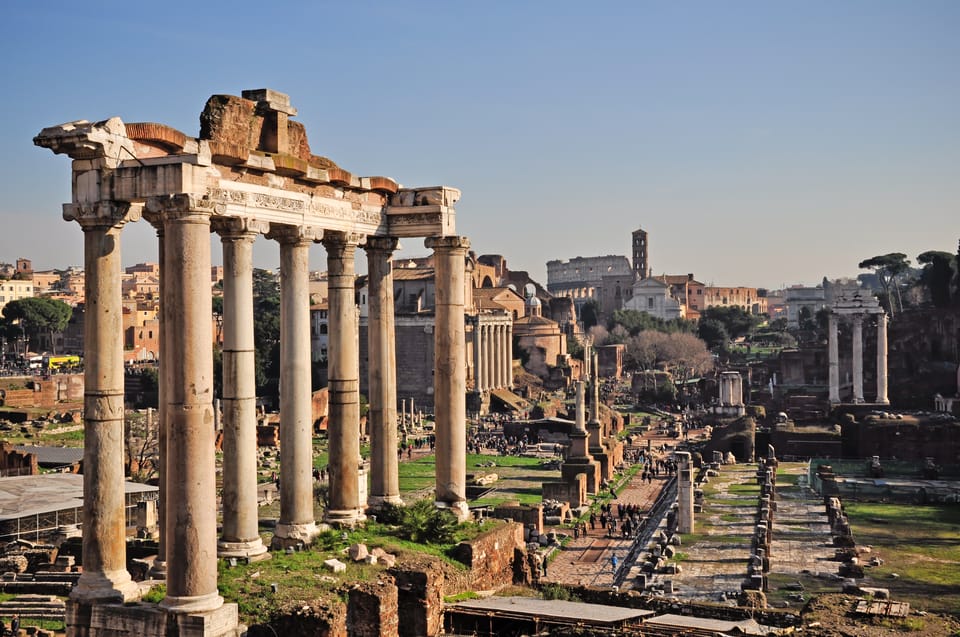
This is a focused, first-timer-friendly plan because it strings together the places that teach you the Roman story fast. You start with the archaeology that explains politics, power, religion, and public life. Then you move to the Colosseum area, where you can connect the audience, the empire, and the buildings you just heard about.
The total duration is listed as 5 hours. That matters because Rome’s “top sights” can turn into a half-day endurance test. Here, you get a guided walking portion that’s long enough to make the ruins feel readable, not random.
The format also helps you manage expectations: the guided piece is built around the Roman Forum and Colosseum walk, while the Capitoline Museums ticket gives you access to the art and artifacts on your own time inside the museum. You still get the big picture from the guide where it counts most.
You can also read our reviews of more tours and experiences in Rome

The Sacred Road walk: where your brain finally makes sense of the ruins
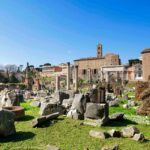
Your Roman Forum experience is structured around a 2.5-hour walking guided tour. The core idea is simple: you’ll follow the main path that people once used for processions and ceremonies, not just stroll through the ruins as isolated stone fragments.
The highlight concept is the Via Sacra, or Sacred Road. It’s the artery that links public religion, political spectacle, and triumphal moments. When your guide frames what happened there—festivals, ceremonies, and the kind of attention Rome put on official moments—you start noticing details you’d otherwise miss.
This is where a good guide earns their pay. The Forum is big, broken, and easy to wander in circles. With a guide directing your route, you get a clearer sense of how the sites relate to each other, instead of only seeing the most photographed corners.
Julius Caesar’s cremation altar stop: the part people remember
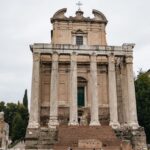
One of the most specific stops is at the Temple area tied to the altar where Julius Caesar was cremated. This is not just a name-drop. Rome loves to leave traces—literal and symbolic—and that site still draws visitors who leave flowers and candles.
For you, that means the tour touches both history and modern ritual. You’re walking through a place that once held elite political meaning, then you see how people still mark it today. It’s one of those small emotional anchors that helps the whole Forum story land.
If you’re the kind of person who likes to understand not only what happened but how people respond to the memory of what happened, this stop will feel especially relevant.
Inside the Colosseum area: skip-the-line access, plus the context you need
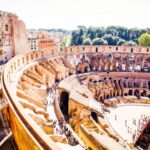
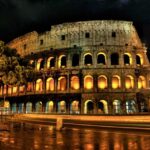
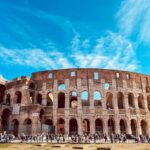
The tour includes skip-the-line tickets for the Colosseum. That’s more than convenience. When you’re arriving in Rome during peak hours, the ticket line can eat the good part of your morning. With skip-the-line access, you keep your energy for actually taking in what makes the Colosseum special.
Also, the Colosseum isn’t just a standalone monument. It’s meant to connect to everything you saw on the Forum side: empire scale, crowd life, and the political messaging behind public spectacle. Having that context while you’re there makes the visit more satisfying.
What to expect once you’re in: you’ll have time to see the Colosseum and connect the physical structure to what your guide explained during the Roman Forum segment. If you’re hoping for deep technical details on construction systems, materials, and engineering, you might find yourself wanting a bit more explanation than a short walking tour can provide. But for understanding the big picture quickly, this layout works well.
Capitoline Museums ticket: art, myths, and the “Caput Mundi” storyline
After the Roman Forum and Colosseum portion, you shift to the Capitoline Museums. The tour includes skip-the-line entry for the museums, and it notes that staff help you book your entrance ticket for the Capitoline Museums.
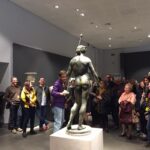
What I like about this part is the way the museum supports the Roman story you just learned. You’re not simply looking at paintings and sculptures as separate masterpieces. You’re seeing them as part of a single narrative about Rome’s identity—its origin myths, its leaders, and the power of public image.
Expect to spend time in a museum labeled as the world’s first museum in this experience setup. The museum’s opening year is given as 1734, when Pope Clementine XII granted access so every Roman could see the artworks and ancient sculptures. That context is useful. It reminds you the Capitoline collections weren’t built only for tourists; they were also built for civic pride.
Among the best-told elements are:
- The she-wolf sculpture, tied to the foundation myth of Romulus and Remus
- A focus on the Caput Mundi theme—described as a treasure chest of items telling the story of Rome
- Major artworks associated with artists like Michelangelo and Caravaggio
You can also read our reviews of more guided tours in Rome

Caravaggio and Michelangelo connections: why the art fits the ruins
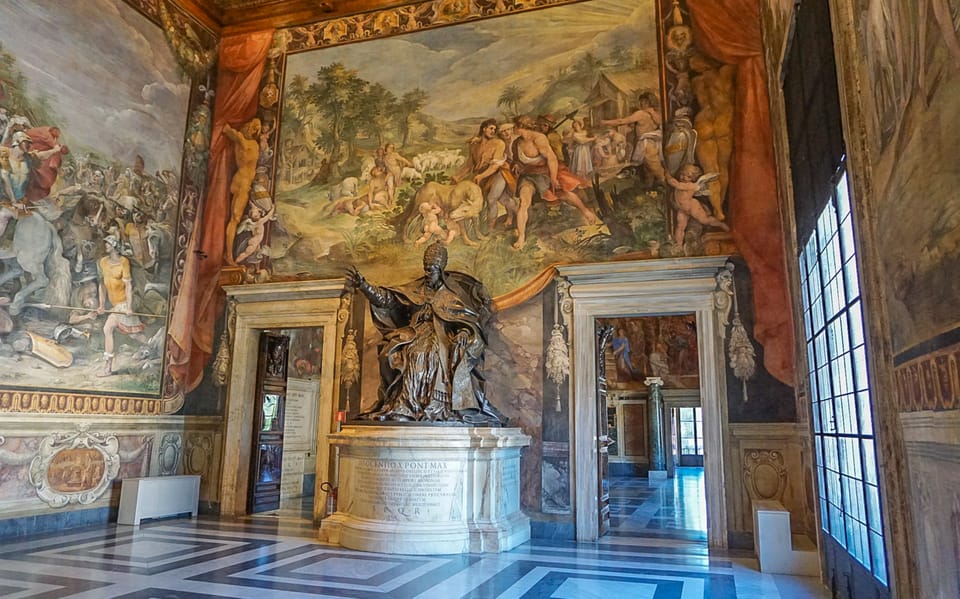
The Capitoline Museums stop isn’t random art shopping. The experience explicitly points you toward meaning. Your guide (during the Roman Forum and Colosseum segment) sets up the logic of Rome’s public life, so when you see the artworks linked to major names, you’re more likely to read them as part of the same cultural machine.
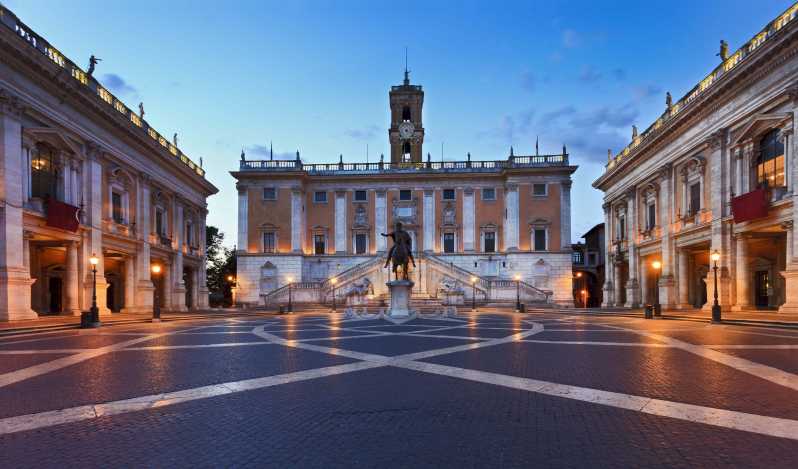
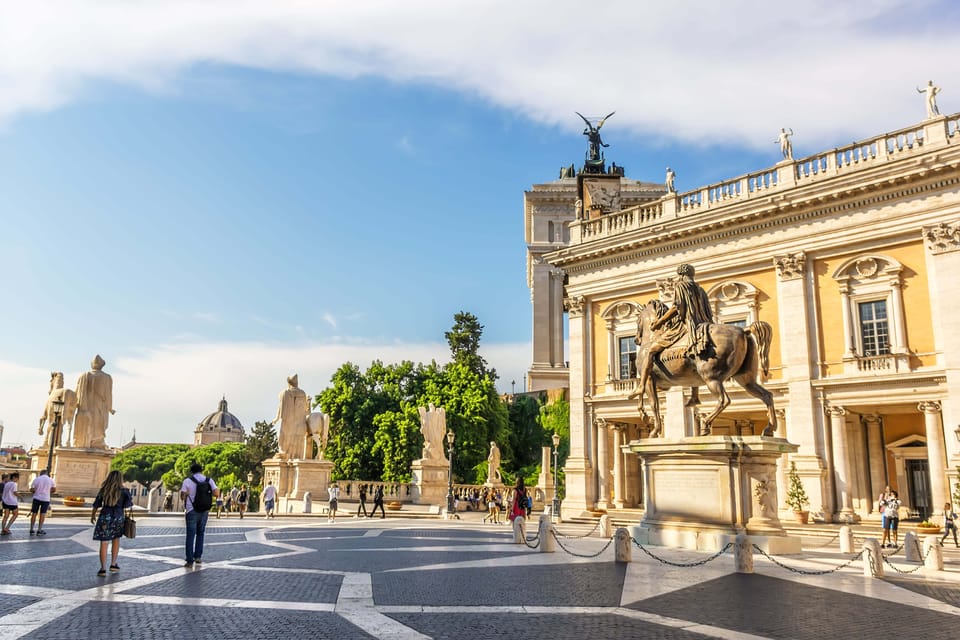
Caravaggio is mentioned as part of what you can admire. So is Michelangelo, including the way he was commissioned by Pope Paul III to design the square on Capitoline Hill.
Even if you’re not an art expert, you’ll benefit from that “why this matters” framing. It turns museum time from passive looking into active understanding. You start seeing the difference between art as decoration and art as messaging—power, authority, and identity dressed up as beauty.
Capitoline Hill viewpoints: the part you should slow down for
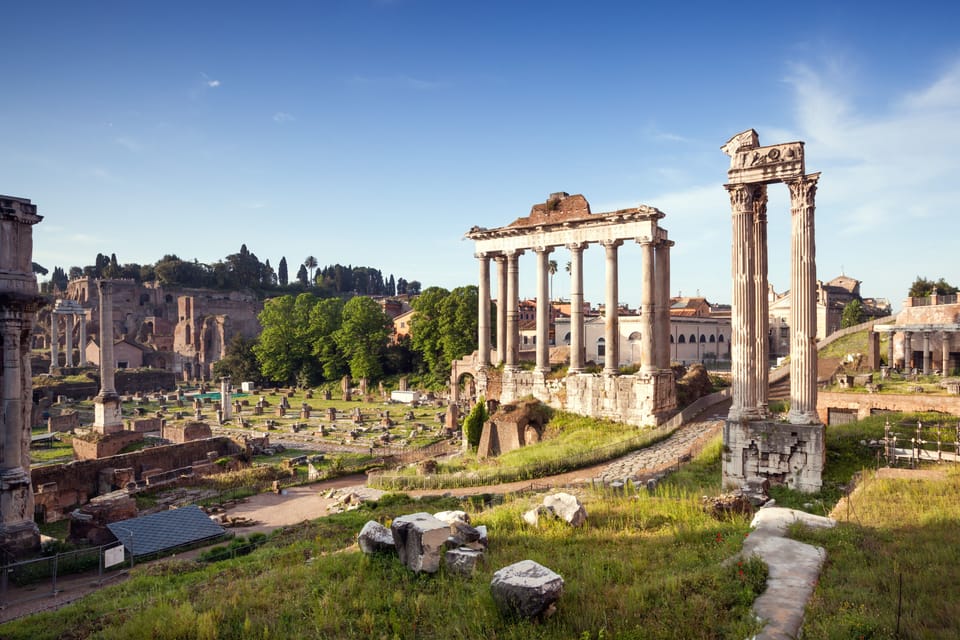
One of the strongest practical reasons to include the Capitoline Museums is the payoff at the top of the hill. You’re directed to enjoy some of the best views over Ancient Rome and its iconic landmarks.
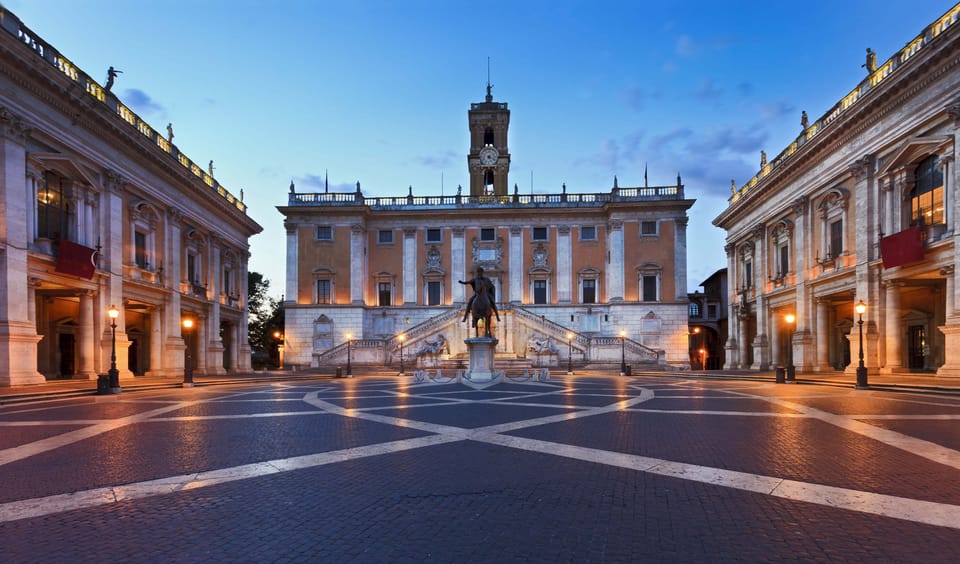
From this higher perspective, you get clear sightlines to the Colosseum, the Imperial Forum, the ruins of the Roman Forum, and Palatine Hill. This matters because it changes how the ruins feel. When you’re down among the stones, they can look chaotic. From the hill, you begin to understand the city layout and how everything connects.
If you only have limited time in Rome, these viewpoints are an efficient way to build spatial memory. You’ll walk away with a mental map you can use later when you’re walking around on your own.
The guide factor: Cynthia and Laura set the tone for a smoother visit
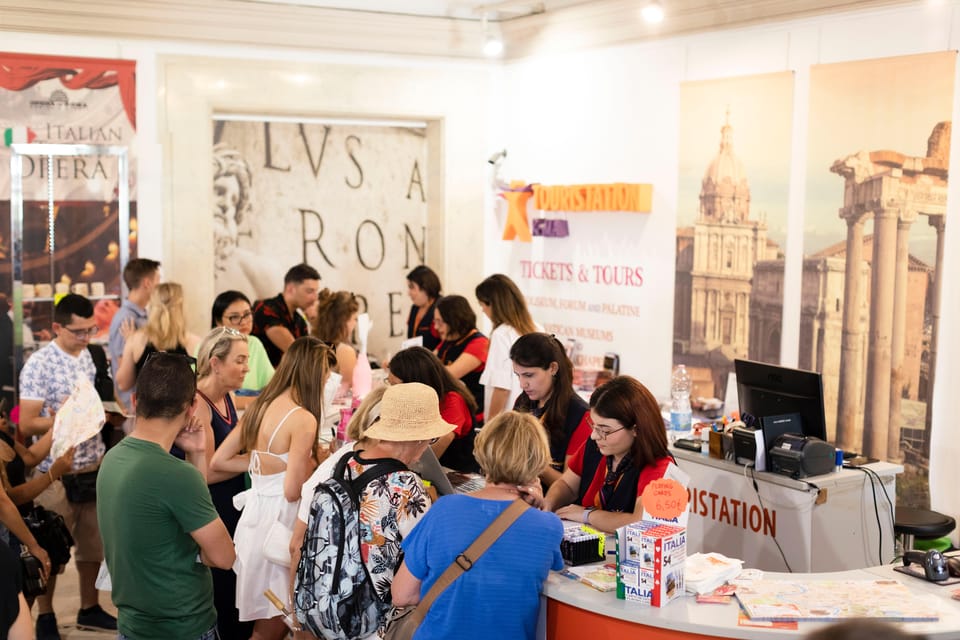
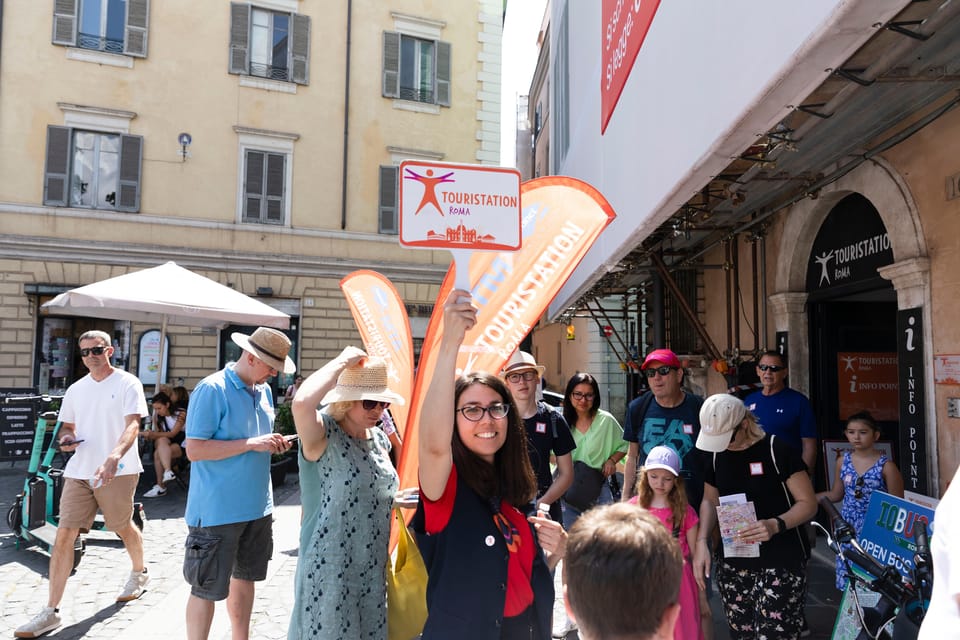
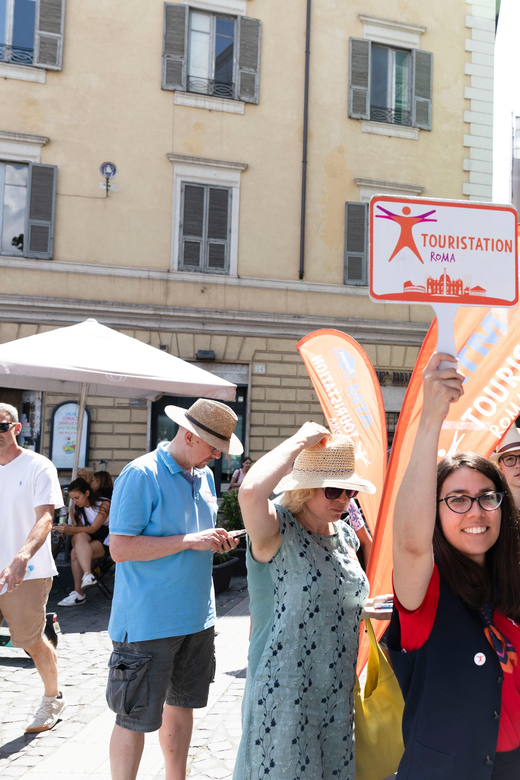
This experience includes a live tour guide in English and Spanish for the guided portion. The biggest difference between a good Forum visit and a frustrating one is whether the guide helps you keep your bearings.
Specific guide styles show up in the reported experiences. Cynthia is described as friendly and inclusive, taking time at each spot while still keeping the group moving. Laura is described as spectacular, with an amazing time from the tour experience. There’s also mention of a guide who answered questions well and brought in lesser-known aspects of Roman life and major characters.
For you, that’s a useful signal. If you’re the type who likes asking why something matters, these guides sound like they’ll respond instead of rushing past you.
Price and Logistics: what your $129 actually buys
The listed price is $129.14 per person. That’s not just a ticket price. You’re paying for:
- A professional guide for the Roman Forum and Colosseum guided segment
- Skip-the-line tickets for the Roman Forum and Palatine Hill, plus the Colosseum
- Skip-the-line ticket access for the Capitoline Museums
- A 25-minute multimedia video on Ancient Rome at the Touristation office
There’s also a note about ticket cost details for the Colosseum: the Colosseum ticket price is €16,00 and the reservation fee is €2,00. The difference is described as covering other ancillary services.
So is it worth it? In practice, it’s worth considering if:
- You value guide explanations enough to pay for them
- You want to avoid the worst of ticket-line timing
- You don’t want to research a multi-site plan and manage entry times yourself
If you’re a hardcore DIY traveler who already knows the Forum like a chapter book, you might question the markup. But if you’re building a first Rome day around big names and big ruins, paying for guidance and skip-the-line access can be the difference between a smooth visit and a stressful one.
What to expect on the ground: timing, walking, and practical tips
The experience says the time selected for booking refers to the Touristation Office timing, while the timeslot booked refers to the guided tour of the Roman Forum and Colosseum. That split is useful. It means you’ll likely spend a short window at the office (including the 25-minute multimedia video) and then head into the guided walk on the schedule you booked.
Plan for walking. The Forum ruins and pathways add up fast, and you’ll want comfortable shoes. Also, bring your ID: the experience lists a passport or ID card (including for children).
Food and drinks are not included. Rome is great for coffee and quick bites, but if you don’t build time for it, you may end up snacking on the run. I’d plan to either eat before you start or have a simple plan after.
Who this tour suits best
This works best for:
- First-timers who want the Forum and Colosseum explained in the right sequence
- People who appreciate a museum ticket but don’t need a full guided museum tour
- Anyone who wants viewpoints to connect the ruins to the modern city map
- History-minded travelers who like origin myths as well as monuments (she-wolf story, Caput Mundi theme)
If you strongly prefer a slow, guided walkthrough inside every museum room, you might feel the museum portion is more self-led than you want. In that case, consider adding extra museum time before or after this experience.
Should you book? My take
I’d book this if you want a well-organized Roman day that combines Forum + Colosseum context, then Capitoline Museums access, and finally views from Capitoline Hill. The skip-the-line setup and the guide-led walking portion are the key value drivers.
I’d skip or adjust your plan if you hate structured timing, expect a fully guided Capitoline Museums tour, or want food included. For most people doing a first serious Rome visit, this is a practical way to see the right things without wasting half your day in lines or getting lost in stone.
FAQ
How long is the Forum, Colosseum guided tour and Capitoline Museums ticket?
The total duration is 5 hours. The guided tour of the Roman Forum and Colosseum is described as a 2.5-hour walking tour.
What is included in the tour tickets?
It includes skip-the-line tickets for the Roman Forum and Palatine Hill, skip-the-line tickets for the Colosseum, and skip-the-line tickets for the Capitoline Museums. It also includes a professional guide for the Roman Forum and Colosseum.
Is the Capitoline Museums portion guided?
No. A guided tour for the Capitoline Museums is listed as not included. The experience provides tickets and support with booking the entrance ticket.
What languages are the live guided parts available in?
The live tour guide is available in English and Spanish.
Do I need to bring identification?
Yes. You should bring a passport or ID card (and for children, the same documentation).
Is food and drink included?
No. Food and drinks are not included.
Are there any accessibility or disability-related notes?
The information states free admission is available for disabled visitors with a certified disability, and if a companion is needed due to not being self-sufficient, the free ticket is extended to that companion.
Where does the tour start and end?
The meeting point may vary depending on the option booked. The activity ends back at the meeting point.