REVIEW · ROME
Rome: Castel Sant’Angelo Skip-the-Line Ticket & Audio Guide
Book on GetYourGuide →Operated by Doooing · Bookable on GetYourGuide
Castel Sant’Angelo turns Rome into a lookout map. I like this visit because the skip-the-line ticket saves you from the usual grind at the entrance, and the audio guide lets you set your own pace through the site. I love the payoff: you get Hadrian’s tomb, the papal-era corridors, and that sweeping terrace view over the Tiber.
One possible drawback: you’ll still need to climb stairs to reach the panoramic terrace, and the audio guide needs your own headphones.
In This Review
- Key moments I’d plan around
- Why Castel Sant’Angelo feels different from other Roman stops
- Skip-the-line tickets: what they’re really worth
- Your smartphone audio guide: the part that can make or break the day
- The walk-in plan: getting from the entrance to the real sights
- Hadrian’s tomb: where the story starts
- The papal corridors: the fortress mindset
- The Archangel Michael legend (and why it matters as you climb)
- Terrace views and Ponte Sant’Angelo photos: the payoff
- Timing your visit: how long you’ll need
- Price and value: $20 versus the official ticket
- Who this works best for (and who should rethink it)
- Quick practical checklist before you go
- Should you book this Castel Sant’Angelo skip-the-line ticket?
- FAQ
- Do I need to meet anyone for this experience?
- When will I receive my tickets?
- Is there a last entry time?
- Are headphones included with the audio guide?
- What languages are available for the smartphone audio guide?
- Is this ticket valid for more than one day?
- Is it suitable for wheelchair users or mobility-impaired visitors?
- What items are not allowed inside?
Key moments I’d plan around
- Timed entry that actually matters: you enter at your scheduled time, no drifting in later.
- Hadrian’s tomb + fortress layers: see the mausoleum and then the later papal corridors.
- Archangel Michael legend: the story tied to the plague of 590 helps the site make sense.
- Terrace views and photos: plan for sweeping Rome views and pictures of Ponte Sant’Angelo.
- Phone-based audio, not headset rental: you’ll download the app in advance and bring headphones.
- Jubilee-related changes: restoration work can shift access routes, so check your messages.
Why Castel Sant’Angelo feels different from other Roman stops
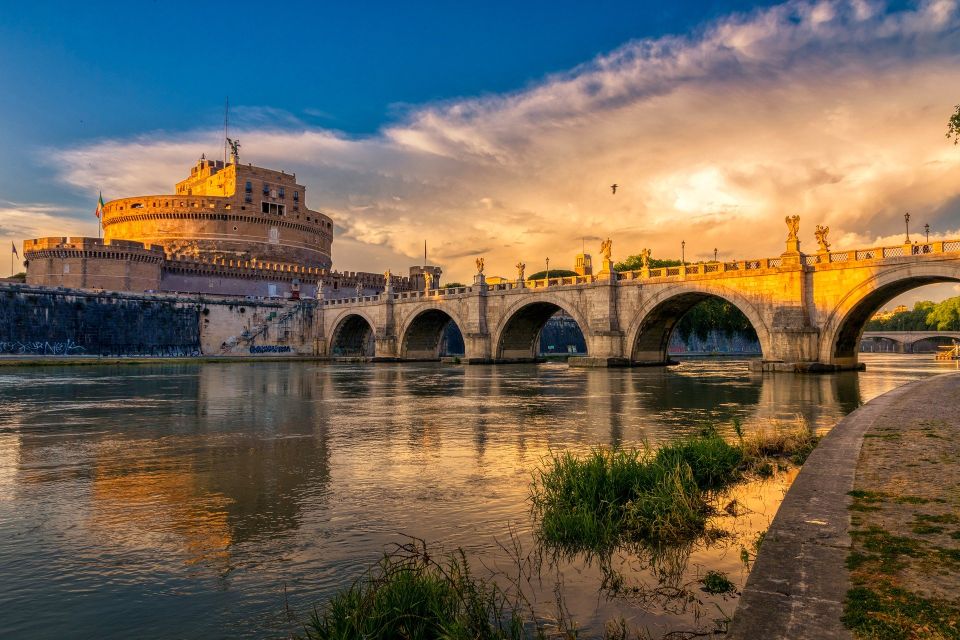
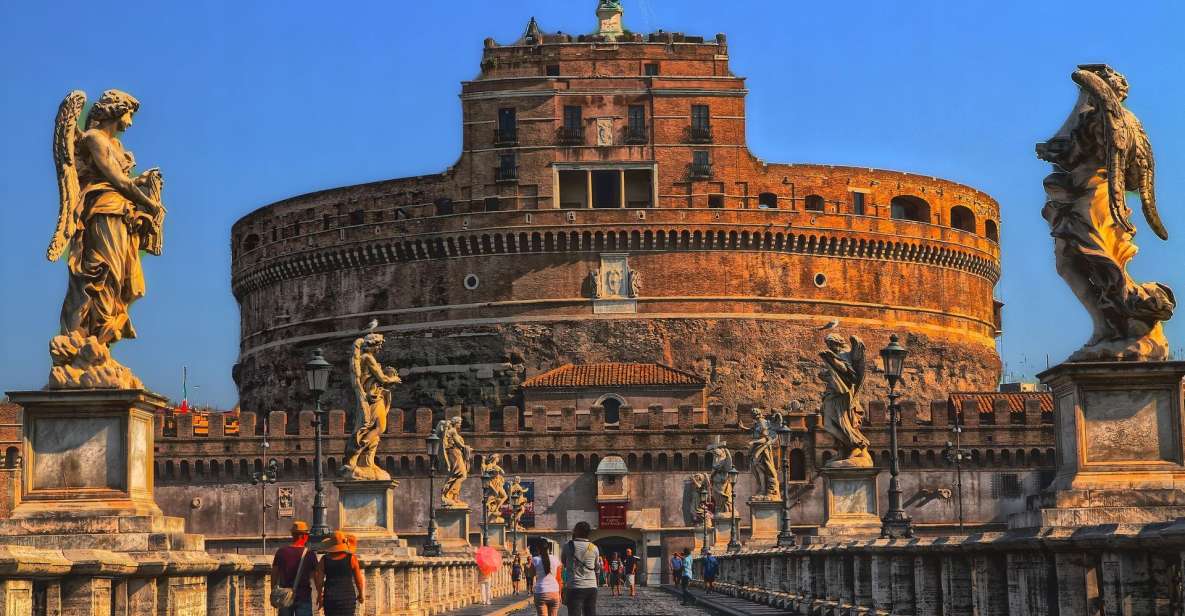
Castel Sant’Angelo is often described as a castle, but it works more like a timeline you can walk through. It started as the Mausoleum of Hadrian on the right bank of the Tiber, not far from Vatican City, and it later became a fortress. That mix is what makes the visit click.
With your ticket in hand, the big idea is simple: you get in fast, then you explore at your speed. Add the optional smartphone audio guide and suddenly you’re not just looking at stone—you’re following a storyline.
You’ll come across the key legend that gave the place its modern name: Archangel Michael appearing atop the mausoleum and sheathing his sword, signaling the end of the plague of 590. Even if you’re not a hardcore Rome-history person, that story gives you a mental map for where you are in the building.
You can also read our reviews of more tours and experiences in Rome



Skip-the-line tickets: what they’re really worth

The skip-the-line part isn’t magic. It just means you don’t spend your limited Rome time standing in a queue. On busy days, that can be the difference between “worth it” and “why am I waiting here?”
Your ticket is reserved, but it is also time-bound. You’ll need to enter at the scheduled time shown for your slot. Late arrivals may be denied access without a refund, so build in a little buffer for normal Rome chaos.
Also note the last entry is 6:30 PM. If you’re trying to squeeze it in late after other sights, you’ll want a plan that doesn’t depend on perfect timing.
Your smartphone audio guide: the part that can make or break the day
This experience offers an optional audio guide that runs on your smartphone. The content is available in multiple languages: English, Italian, French, Spanish, German, and Chinese. You’ll need to download the app before you start.
Practical matters you should take seriously:
- Bring charged phone power. If your battery dies, your audio dies.
- Bring headphones. Headphones are not included.
- You’ll need 100–150 MB of free space for the download.
- The guide is compatible with Android (version 5.0+) and iOS smartphones, but it is not compatible with certain older devices and Windows Phones.
There’s also a useful detail: even if audio is your main mode, the guide offers text. That means you can switch modes when you’re standing still, waiting for the view, or dealing with noise around you.
Why I think the audio guide is such good value here: Castel Sant’Angelo has layers—Roman, then fortress/medieval, then papal corridors. The audio helps connect what you’re seeing to why it matters, without forcing you into a group pace.
The walk-in plan: getting from the entrance to the real sights
You don’t need to meet anyone. Your reserved entry ticket is sent to you by email in the late afternoon of the day before your entry date. You should also watch for the ticket delivery around 24 hours before the activity on WhatsApp/email.
Once you arrive, you’ll use your scheduled time entry. Then it’s mostly a self-guided flow: follow the signs, move through the rooms and corridors, and stop when something catches your attention. The site is layered enough that rushing can make it feel confusing. This is a place where slowing down actually pays off.
Also keep in mind: if you have your heart set on the top terrace, you’ll be climbing stairs. Comfortable shoes are not optional.
Hadrian’s tomb: where the story starts
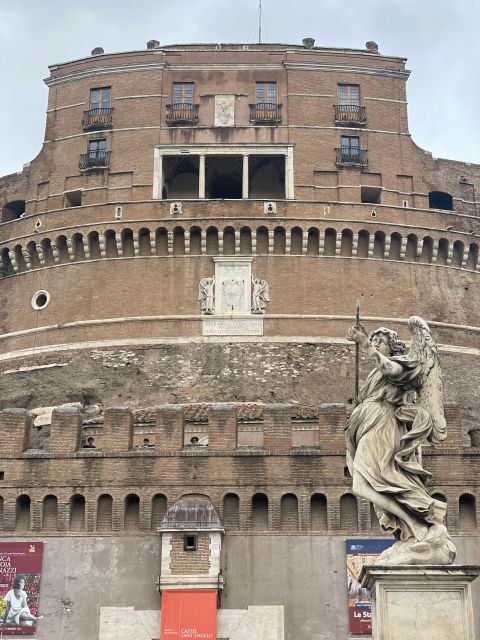
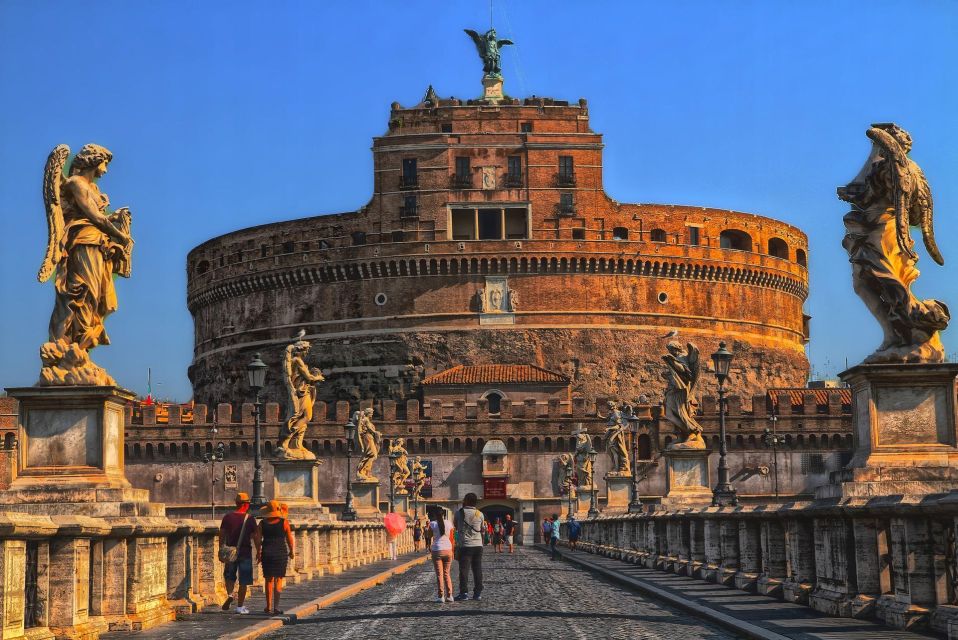
At Castel Sant’Angelo, the first big “wow” is the scale and presence of the Mausoleum of Hadrian. You’re stepping into a monument that started as a tomb—so the mood is different than a typical open-air ruin.
The audio guide framework is helpful here. It sets context so you understand you’re not just in a building. You’re inside a designed place for memory, power, and symbolism.
As you explore, look for the moments that make the Roman architecture feel intentional rather than random. The overall experience works best when you treat each section like a stop on a walkable timeline:
- start with what Hadrian’s complex represents
- then notice how later eras reused, modified, and repurposed the space
This is where the audio guide earns its keep. It doesn’t just list facts—it helps you connect spaces to meanings.
You can also read our reviews of more guided tours in Rome




The papal corridors: the fortress mindset
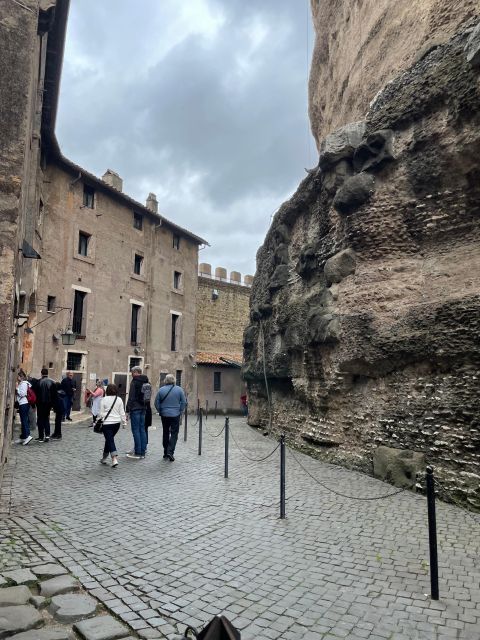
After the mausoleum side, the experience leans into the fortress nature of Castel Sant’Angelo, including the papal corridors. This is one of the most interesting shifts in the whole site: you start to feel how the space functioned defensively and strategically.
What I like about this part is the way it changes your perspective. In tomb rooms, you tend to look outward in your mind. In corridors, you start thinking about movement—how people traveled, how power operated, and how the building could shelter and protect.
If you’re the type who likes learning as you go, you’ll probably appreciate following the audio narration as you walk. But you can also do it hands-on: read the signage at your own rhythm, pause often, and treat the corridor sections as “understanding-by-walking.”
The Archangel Michael legend (and why it matters as you climb)
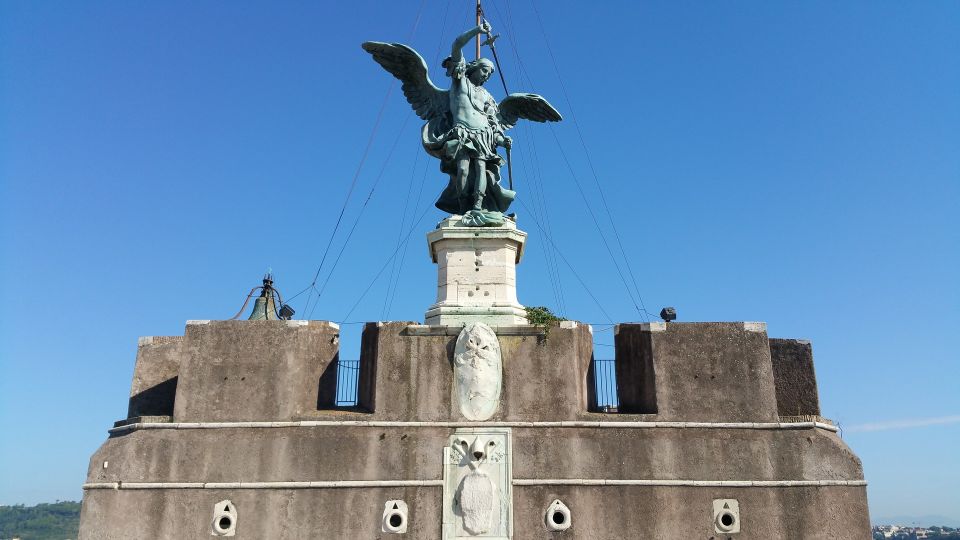
The name Castel Sant’Angelo is tied to an image that shows up in the legend: Archangel Michael appearing on top of the mausoleum and sheathing his sword, marking the end of the plague of 590.
Even if you’ve heard bits of the story before, this site gives the legend a concrete location. As you move upward, the narrative makes it easier to understand what you’re seeing and why the symbolism stuck.
If you’re visiting during a time when restoration affects access routes, this is where you’ll want flexibility. You might not be able to follow every path you expect, and the audio guide can still keep the story coherent even if your exact walking route changes.
Terrace views and Ponte Sant’Angelo photos: the payoff
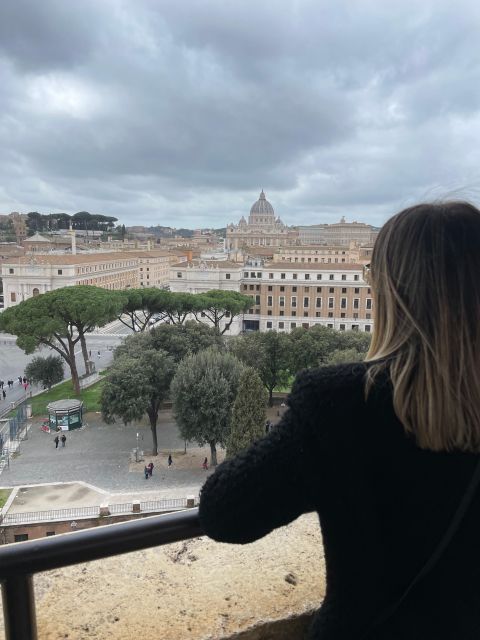
When you reach the terrace, you’re not just getting a view. You’re seeing Rome through the lens of height and proximity to the river.
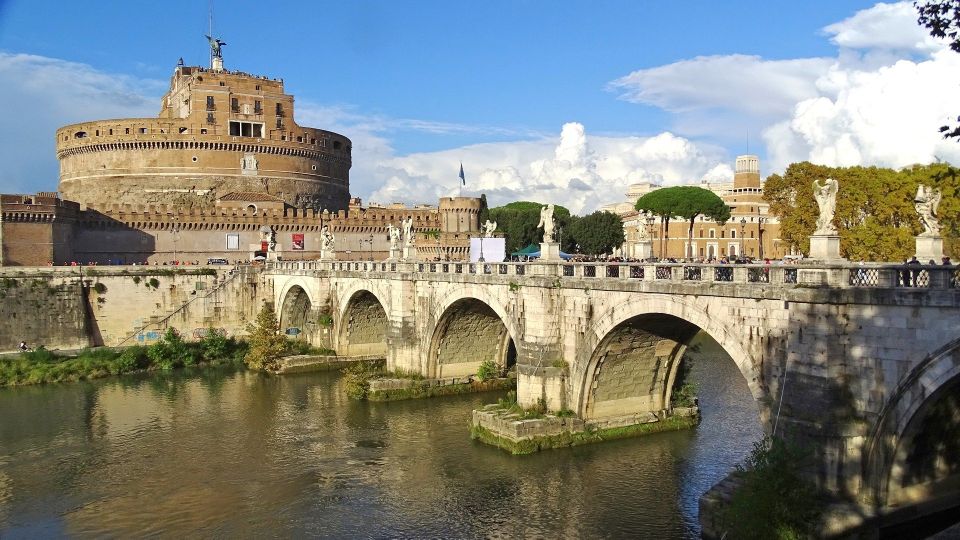
The terrace delivers sweeping panoramas across the land and over the River Tiber, and it’s the perfect spot to take photos of Ponte Sant’Angelo (also known as the Bridge of Angels). From above, the bridge looks more graphic, almost like a design drawing—especially when the light hits the stone and river surface.
Two practical photo tips:
- Bring a phone camera plan and check your battery before you commit to terrace time.
- Expect stairs. If you’re tired, pace yourself on the climb so you can actually enjoy the view when you arrive.
This is also where the visit tends to hit that “why didn’t I do this sooner” feeling. The building looks impressive from outside, but the terrace makes it unforgettable because you can see how the fortress relates to the city around it.
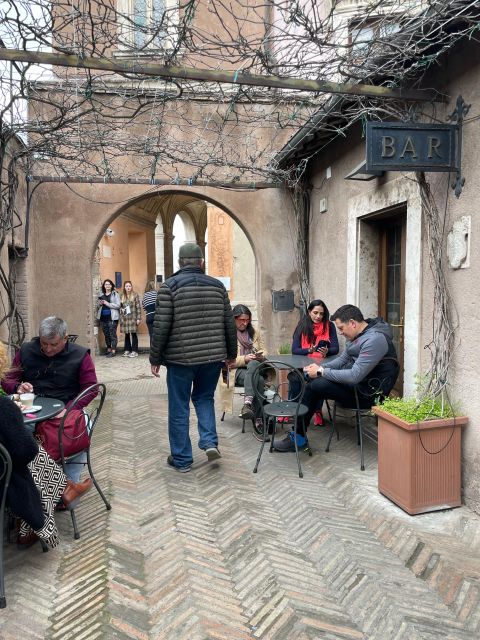
Some visitors also note there are places to grab something along the way, so if you want a coffee break with a view, you may find options during your walk.
Timing your visit: how long you’ll need
The ticket is valid for one day, and you’ll choose your start time based on availability. The experience isn’t presented as a strict guided tour with a fixed route length. In practice, you’ll spend more time if you:
- read signs
- listen to sections more carefully
- stop for photos at multiple levels
- want time on the terrace
A useful way to think about it is this: if you rush, you’ll feel like you only sampled. If you pace it, you can turn it into a satisfying half-day stop without feeling trapped.
Price and value: $20 versus the official ticket
The listed price is $20 per person, while the official ticket price is €16. On paper, the difference is small. In real life, it’s really about what you’re buying.
You’re not just purchasing entry. You’re also getting a reserved skip-the-line ticket and an optional smartphone audio guide. Skip-the-line access can save you a meaningful chunk of time, and the audio guide adds understanding without adding stress or needing to join a group.
The only extra cost you should expect is small but important: headphones. They’re required for the audio guide, and they’re not included. If you don’t already have a pair, factor that into your budget.
Who this works best for (and who should rethink it)
This is a strong choice if you want:
- self-paced exploring without waiting in line
- an app-based audio guide in multiple languages
- standout Rome views with photo opportunities
- a clear storyline tied to Hadrian, papal corridors, and the Archangel Michael legend
It’s less ideal if you:
- struggle with stairs (the terrace requires climbing)
- need wheelchair-friendly access (this activity is not suitable for wheelchair users)
- don’t like relying on a smartphone for your main information
And don’t forget the device specifics. If your phone is older or unsupported, you might want to plan a different approach.
Quick practical checklist before you go
Castel Sant’Angelo is worth it when you show up ready. Before you head out, make sure you have:
- your passport or ID card
- comfortable shoes
- a charged smartphone
- headphones
- the audio guide downloaded ahead of time (if you selected it)
Also keep an eye on your messages. During the Jubilee period, some monuments may be under restoration, and access routes can change. A quick check the day before can save you from surprises.
Should you book this Castel Sant’Angelo skip-the-line ticket?
Book it if you want the best mix of time savings and on-your-own pacing. The skip-the-line entry is the kind of upgrade that pays off most on busy days, and the audio guide helps you understand the tomb-to-fortress-to-legend journey without squeezing you into a group schedule.
Skip it or reconsider if you don’t want to use your phone for audio, you’re short on battery power, or stairs are a problem for you. In those cases, you’d probably feel the cost more than the benefit.
If you want a Rome stop that combines famous stories with real viewpoints, Castel Sant’Angelo is one of those rare sights where the effort leads directly to a “yes, I get it now” moment.
FAQ
Do I need to meet anyone for this experience?
No. You do not need to meet anyone. Your entrance tickets are sent by email in the late afternoon of the day before your entry date.
When will I receive my tickets?
You’ll receive the tickets by WhatsApp/email about 24 hours before the activity.
Is there a last entry time?
Yes. The last entry to Castel Sant’Angelo is at 6:30 PM.
Are headphones included with the audio guide?
No. Headphones are not included, and you’ll need to bring your own.
What languages are available for the smartphone audio guide?
The audio guide is available in English, Italian, French, Spanish, German, and Chinese.
Is this ticket valid for more than one day?
No. It’s valid for one day only. You’ll choose a start time based on availability.
Is it suitable for wheelchair users or mobility-impaired visitors?
No. This activity is not suitable for wheelchair users and people with mobility impairments.
What items are not allowed inside?
Pets, weapons or sharp objects, and luggage or large bags are not allowed.