REVIEW · ROME
Pantheon and Jewish Ghetto Tour
Book on GetYourGuide →Operated by QUO VADIS TOUR · Bookable on GetYourGuide
You can do two Rome classics in one smart loop. The Pantheon gives you ancient engineering and big-name tombs, then the Jewish Ghetto puts the city’s politics and faith in context, right on the street. I especially like how the tour uses skip-the-line access to keep your time focused, and I also like the guided storytelling that connects art, religion, and power instead of treating these stops like checkboxes. One thing to consider: this isn’t a fully flexible tour if your day is tight, since guided departures can be impacted by real-world issues like late guides or site timing.
You’ll also want to respect practical rules up front. The Pantheon has a strict dress code and can be subject to changes, including closures or event-related timing shifts, and the walking portion is not wheelchair-friendly. Overall, if you want a compact tour that actually explains what you’re seeing, this pairing works well.
In This Review
- Key Things You’ll Notice on This Pantheon + Ghetto Tour
- Why the Pantheon and the Jewish Ghetto Belong in One Walk
- Entering the Pantheon: Dome Power, Skip-the-Line, and Practical Timing
- Piazza della Minerva and Largo di Torre Argentina: Ancient Rome in Snippets
- Raphael’s Tomb and the Pantheon’s Royal Connections
- The Jewish Ghetto Streets: From Piazza Mattei to Portico of Octavia
- Group Size, Headsets, and the Walk That Adds Up
- Price and Value: Is $65 Worth It for Pantheon + Jewish Ghetto?
- Dress Code and Comfort Rules You Should Plan for
- Should You Book This Pantheon and Jewish Ghetto Tour?
- FAQ
- How long is the tour?
- What’s included in the $65 price?
- Do I need skip-the-line tickets for the Pantheon?
- What languages are the guides?
- What dress code rules do I need to follow?
- Is this tour wheelchair accessible?
- Where do I meet the guide?
Key Things You’ll Notice on This Pantheon + Ghetto Tour
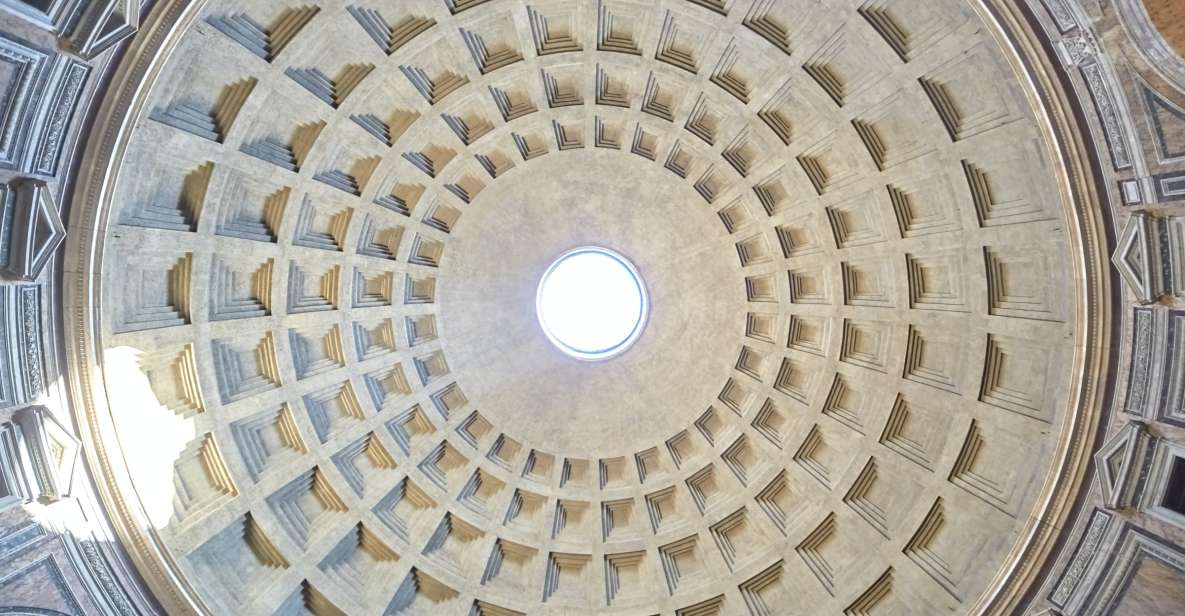
- Pantheon skip-the-line entry means less standing around for something you already came to see
- Two layers of meaning: ancient temple-to-church evolution, then Jewish community history in the ghetto streets
- Raphael’s tomb and royal burials turn the Pantheon into a serious art-and-power site
- Via del Portico d’Ottavia and Piazza Mattei help you feel how the ghetto lives as part of modern Rome
- Largo di Torre Argentina and nearby ruins give you quick “read the city” lessons in ancient remains
- Headsets help when you’re navigating crowds and need your guide’s voice to cut through
Why the Pantheon and the Jewish Ghetto Belong in One Walk
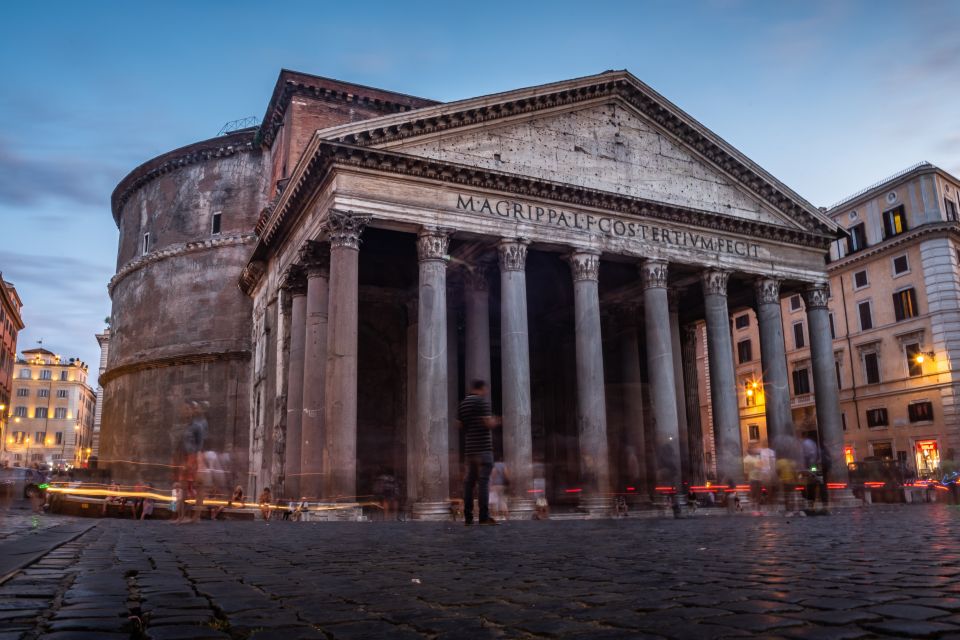
Pairing the Pantheon with the Jewish Ghetto sounds like a mash-up until you see the link: Rome repeatedly remade faith, law, and identity in the same spaces. The Pantheon starts as a Roman temple for all gods, then shifts into a Christian monument. The ghetto shows another kind of transformation, where community life is shaped by rules, walls, and politics.
On this tour, you get both angles without doing a long day of separate tours. You also get a guide who can point out what most people miss: how art and burial choices signal status, and how neighborhoods become historical documents. If you like history you can physically walk through, this combination is a great use of limited time.
One practical note: the tour is listed for 2 hours, but the walking time can be shown as about 3 hours depending on the schedule. Plan for a little flexibility so you don’t feel rushed.
You can also read our reviews of more tours and experiences in Rome.



Entering the Pantheon: Dome Power, Skip-the-Line, and Practical Timing
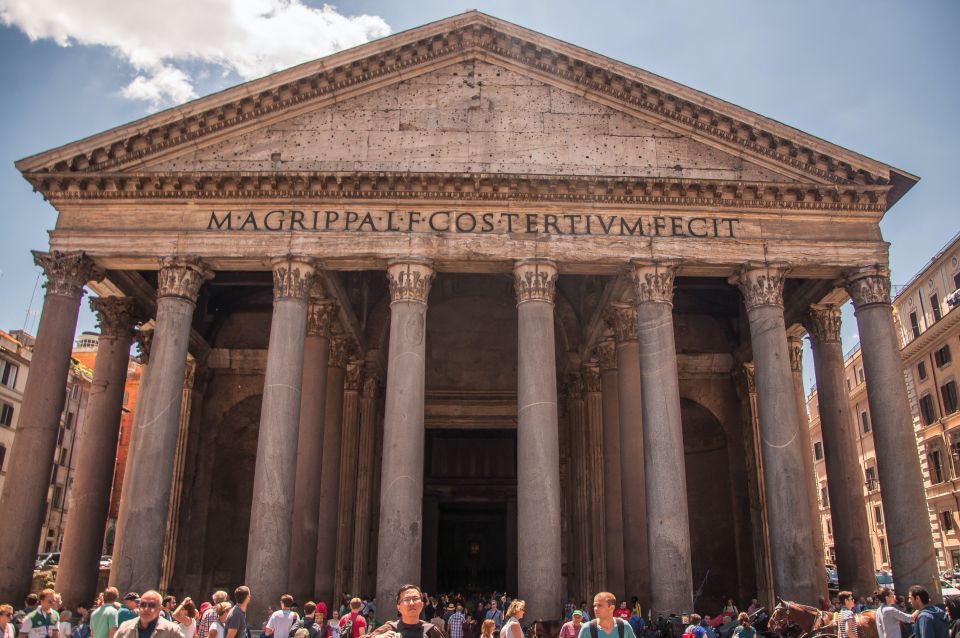
The Pantheon is one of those places where the guide’s job is half storytelling and half triage. Skip-the-line tickets help, because the Pantheon can attract serious crowds. Once you’re inside, the real wow-factor is obvious, but it helps to know what you’re looking at.
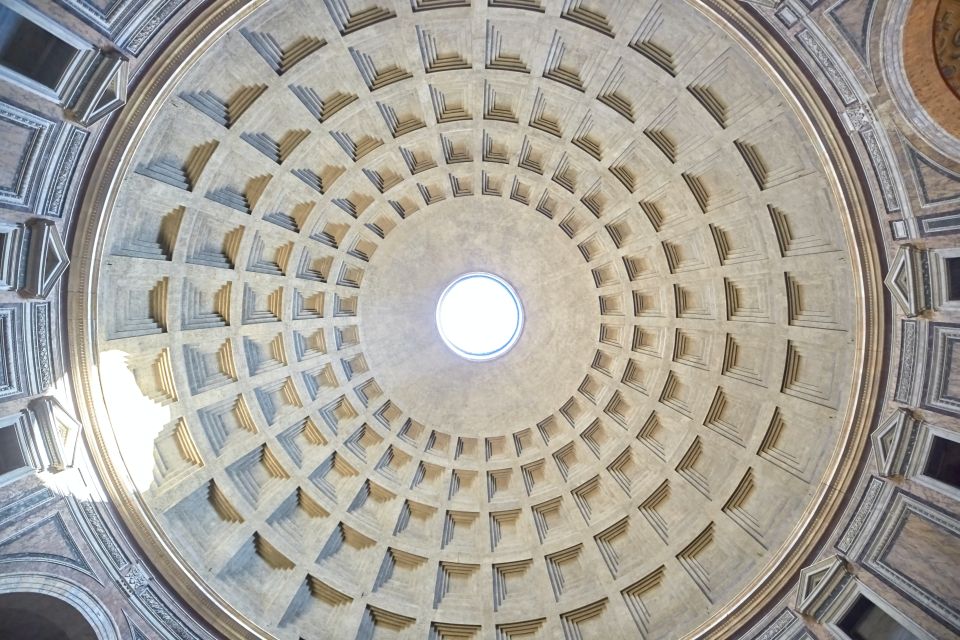
You’ll see the dome and the central oculus, the circular opening that brings natural light straight into the interior. That light isn’t just dramatic. It helps explain how the building feels balanced and intentional, even though it’s centuries old.
Your guide also covers what the Pantheon used to be. Originally, it was a temple honoring the gods. Today, it’s a major resting place for notable figures, which changes how you read the space. Instead of thinking only about architecture, you start noticing how religion and authority occupy the same walls.
One of the best “time-saving” wins on a tour like this is making the security process manageable. In one account, the guide handled the security line so well it was almost fun. In other words: you’ll get someone who knows how to keep the visit moving, not someone reading facts while everyone stands still.
Piazza della Minerva and Largo di Torre Argentina: Ancient Rome in Snippets
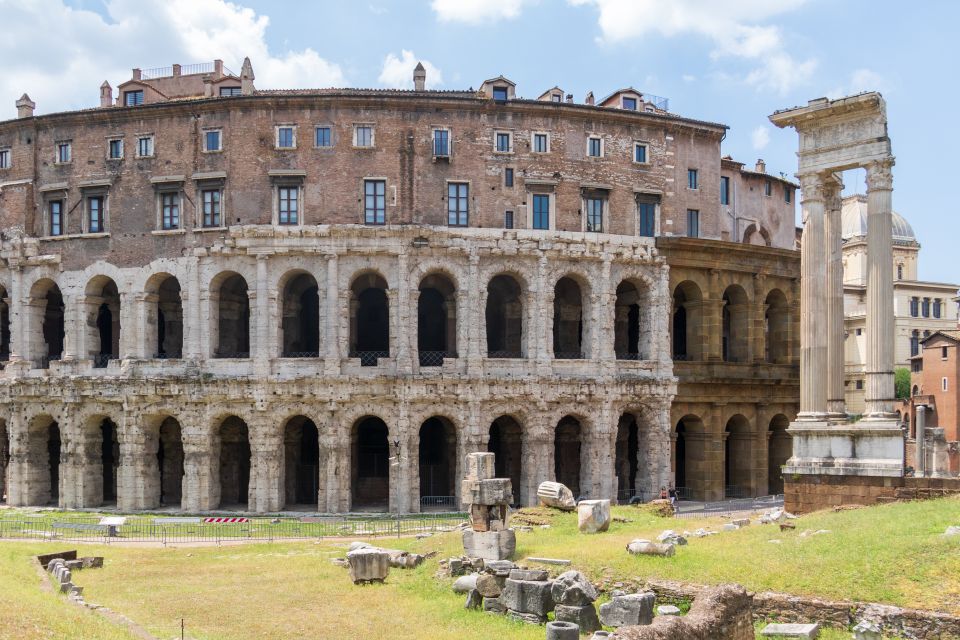
From the Pantheon area, you’ll pass through nearby public spaces where ancient Rome still peeks through the modern city. Two stops help: Piazza della Minerva and Largo di Torre Argentina.
These aren’t usually the first things people plan around, which is exactly why a guided route is valuable. You learn to notice the edges: where ruins sit in plain sight, how old foundations shaped later streets, and why these spots matter even if they don’t look like a single “big landmark.”
You also get a calmer way to learn. Instead of trying to read everything from a guidebook while dodging crowds, you get a thread. The guide ties the ruins to the larger story of Rome’s growth and repeated rebuilding.
The drawback here is simple: this is still Rome. Side streets and open squares can get crowded fast. If you’re sensitive to tight movement, wear shoes that handle uneven stone and expect to pause.
Raphael’s Tomb and the Pantheon’s Royal Connections
Here’s where the tour becomes more than architecture. The Pantheon is the final resting place for renowned people, including the painter Raphael and former Italian monarchs.
This matters because it changes your mindset while you’re looking around. You stop seeing the Pantheon as just a surviving Roman shell and start reading it as a layered monument—part art space, part political stage, part religious site.
If you care about how culture and power overlap, this is a strong moment. Burial choices weren’t random. They were statements about status, legacy, and who Rome wanted to remember. With a guide explaining that, you’re more likely to catch details you’d otherwise walk right past.
In the best-guided moments, the guide helps you connect the “why” to what you’re seeing. And when the guide is on form, even the waiting and entry steps feel smoother, since they keep the group oriented and moving.
The Jewish Ghetto Streets: From Piazza Mattei to Portico of Octavia
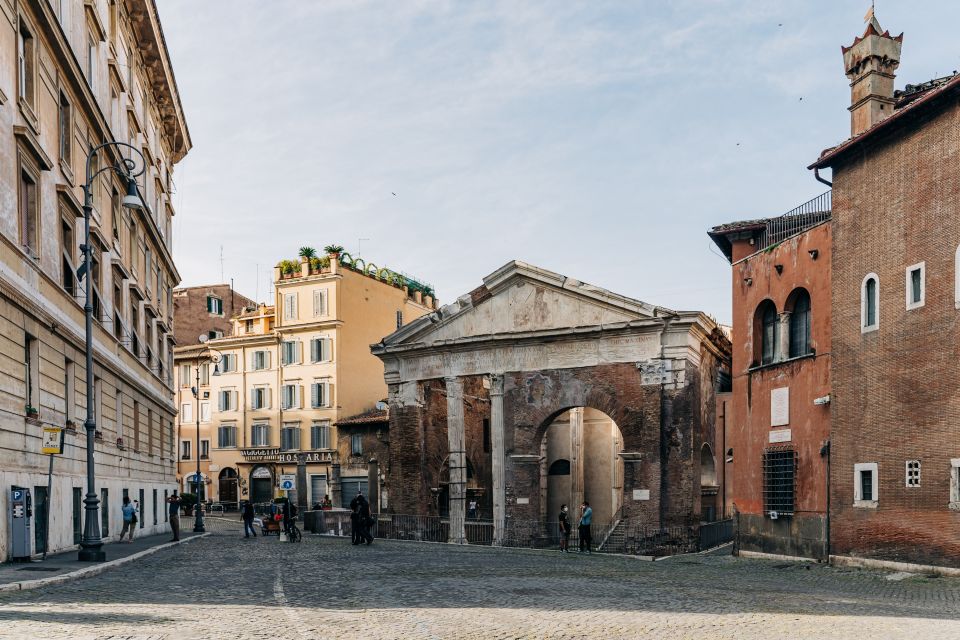
Then comes the shift in atmosphere. The route takes you through Piazza Mattei and along Via del Portico d’Ottavia, the heart of the historic Jewish Ghetto. You’ll feel the neighborhood as a living area, not a museum room.
What you’re really doing here is stepping into a different type of history. This isn’t about a single emperor’s building project. It’s about how a community endured and adapted within the rules of a dominant city. The tour frames the ghetto as connected to Rome’s religious and political life, so you understand why streets like these became meaningful.
The walk ends in front of the Portico of Octavia, a monument linked to the long-lasting cultural legacy of Rome’s Jewish community. Even if you’ve seen “historic Rome” before, this ending lands differently. It’s not just ancient foundations. It’s the reminder that the city’s identity was shaped by communities living inside constraints, then leaving cultural marks that outlasted those constraints.
If you love places with a sense of lived-in time, you’ll appreciate how the tour connects the street layout and the monuments. If you only want major photo-stops, you might feel the pace is more explanatory than scenic. Still, the point is understanding, and a good guide makes that understanding easier to hold.






Group Size, Headsets, and the Walk That Adds Up
This is a small-group tour, and that can matter a lot in Rome. With a smaller group, you’re less likely to get swallowed by the crowd in tight sections around major sites.
Headsets are included, which is a quiet win. The Pantheon can be noisy, and the ghetto streets can be busy too. Clear audio helps you follow the story without craning your neck or drifting away.
Time is the other thing to watch. The duration is listed at 2 hours, but the walking portion can show as 3 hours. That’s not a dealbreaker, but it affects what you should plan around. If you have dinner reservations, museum timed entry, or a strict train schedule, give yourself extra buffer.
Also, there’s a reality check on guide timing. Some accounts include frustrating issues like a guide not showing up, or running late, or scheduling mix-ups tied to a religious holiday. That doesn’t mean it will happen to you, but it’s a smart reason to choose a tour time that doesn’t place your day in a fragile position.
Price and Value: Is $65 Worth It for Pantheon + Jewish Ghetto?
At $65 per person for about two hours (sometimes closer to three), the value depends on what you want out of the experience.
You’re paying for three practical advantages:
- Skip-the-line tickets to the Pantheon (time you can’t always buy back)
- A live guide for both the Pantheon and the Jewish Ghetto
- Headsets so the explanations stay clear
You’re not paying for transport, because there’s no hotel pickup. You’re also not paying for food. So if you’re thinking of turning this into a full-day outing, you’ll need to plan your meals separately.
Where the price really makes sense is if you want meaning, not just access. With two major areas in one route, the guide’s job is to connect the dots. That’s harder to do alone if you don’t already know how the Pantheon’s role changed over time and how the ghetto fits into Rome’s religious-political history.
If you’re the type who enjoys learning while walking, $65 feels reasonable for two guided segments plus skip-the-line entry. If you’re only after quick photos, you’ll likely find it easier to DIY with online entry and a self-guided audio app.
Dress Code and Comfort Rules You Should Plan for
The Pantheon has strict access rules tied to clothing. You need suitable attire: hems cannot be above the knees, and both vests and sleeveless tops are not allowed for men and women. If you’re traveling with kids, bring their ID as required.
You’re also told not to wear shorts, short skirts, sleeveless shirts, and no weapons or sharp objects.
Comfort is a bigger issue than most people expect. This tour involves walking and is not suitable for wheelchair users or people with mobility impairments. Even if you can walk, wear comfortable shoes because Rome’s surfaces can be uneven and the group may need to stop and move quickly.
One simple prep tip: bring a layer you can adjust. It’s not listed as required, but having something that helps you stay within dress rules keeps you from scrambling on the spot.
Should You Book This Pantheon and Jewish Ghetto Tour?
If you have limited time in Rome and you want two iconic places connected by story, I’d say yes. The strongest reasons to book are the skip-the-line Pantheon entry, the headsets, and the fact that the tour explains why these sites matter beyond their appearance.
I’d be cautious if your schedule is extremely tight or you can’t risk delays. Some experiences include guide no-shows or late arrivals, and one account mentions a religious holiday affecting scheduling. For that reason, don’t book this as your only time window if you have a hard commitment right after.
Overall, this is a good fit for curious walkers who like history that ties together art, religion, and politics. If you want a compact, guided route that turns Rome into something you can actually understand while you’re there, this Pantheon + Jewish Ghetto pairing is worth your time.
FAQ
How long is the tour?
The duration is listed as 2 hours, though the route is also described as including a longer walking portion (about 3 hours).
What’s included in the $65 price?
You get skip-the-line tickets to the Pantheon, headsets, a guided tour of the Pantheon, and a guided tour of the Jewish Ghetto.
Do I need skip-the-line tickets for the Pantheon?
Yes. Skip-the-line tickets to the Pantheon are included.
What languages are the guides?
The live tour guide is offered in Spanish and English.
What dress code rules do I need to follow?
Shorts are not allowed. Hems must not be above the knees, and vests or sleeveless tops are not allowed for both men and women. Short skirts and sleeveless shirts are also not permitted.
Is this tour wheelchair accessible?
No. The tour is listed as not suitable for people with mobility impairments and wheelchair users.
Where do I meet the guide?
The meeting point may vary depending on the option you book. One listed option is Piazza della Rotonda, 4, and the start location options are different from the exact end point, which returns to Piazza della Rotonda, 4.