REVIEW · ROME
Renaissance Women of Caravaggio and the Borgia Family
Book on GetYourGuide →Operated by Storytelling Rome Tours & Walks · Bookable on GetYourGuide
Gossip, art, and power in Renaissance Rome. What makes this walk click is the storytelling focus on historical women and the way it links their lives to famous images by Caravaggio and Raphael. One thing to plan for: you’ll enter churches, so you’ll need to follow the strict dress rules.
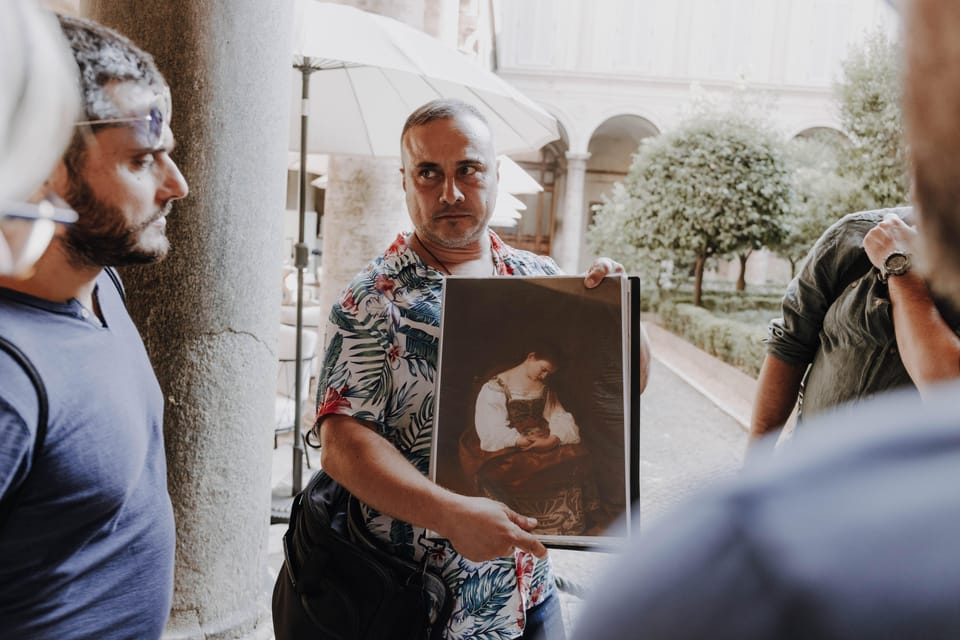
I love how the guide, Massimo, keeps the pace moving while making the women feel human, not like names in a textbook. You’ll get real scenes at real locations, from Piazza Venezia’s energy to church doors you’ll actually step through. If you want only dates and kings, this may feel too personality-driven for your taste.
In This Review
- Key highlights
- Why Renaissance courtesans are the most fun way to learn Rome
- Meeting at Trajan’s Column and getting oriented fast
- Piazza Venezia to Galleria Doria Pamphilj: where power hides in plain sight
- Santa Maria sopra Minerva: churches you enter, stories you carry in
- Sant’Agostino: when art-linked women meet the city’s texture
- Santa Maria della Pace and 16th-century homes: politics in everyday streets
- The Borgia family angle: scandal with context, not cheap shock
- How the guide tells it (and why that’s worth paying for)
- Timing, route length, and what to do with the rest of your afternoon
- Dress code and church entry: the one detail that can make or break it
- Price and value: what $44 buys you in Rome
- Who should book this tour
- Should you book the Renaissance Women of Caravaggio and the Borgia Family walk?
- FAQ
- Where is the meeting point?
- How long is the tour?
- What sites are included?
- Do we enter churches, and what should I wear?
- Is the tour in English?
- What is and isn’t included in the price?
Key highlights
- Seven Scarlet Ladies: Renaissance women who show up in major art and church spaces
- Caravaggio and Raphael connections: art models brought into the story with context
- Borgia family scandal: the tour leans into political intrigue, not neat summaries
- Church stops that matter: Santa Maria sopra Minerva, Sant’Agostino, and Santa Maria della Pace
- A guided walk built for stories: witty, a bit cheeky, and easy to follow in English
- A good end point: finish near Piazza Farnese for a drink or dinner at sunset
Why Renaissance courtesans are the most fun way to learn Rome
Renaissance Rome was obsessed with women, even when it tried to control them. This tour uses that tension as the engine, moving from place to place while telling you how these women navigated power when formal education was off-limits. You’re not just watching history; you’re hearing the human choices behind the art.
The best part is the marriage of art and biography. Instead of treating Caravaggio and Raphael like museum labels, you get the people-shaped stories that lie behind famous figures. And because the tour includes connections to the Borgia family, it keeps the plot moving with political pressure, reputation, and risk.
If you like your Rome walks to feel like a page-turner, this one has that vibe. It’s still grounded in real sites, real architecture, and real cultural friction. Just expect the tone to be lively, sometimes sassy, and always focused on the women at the center.
You can also read our reviews of more tours and experiences in Rome.



Meeting at Trajan’s Column and getting oriented fast
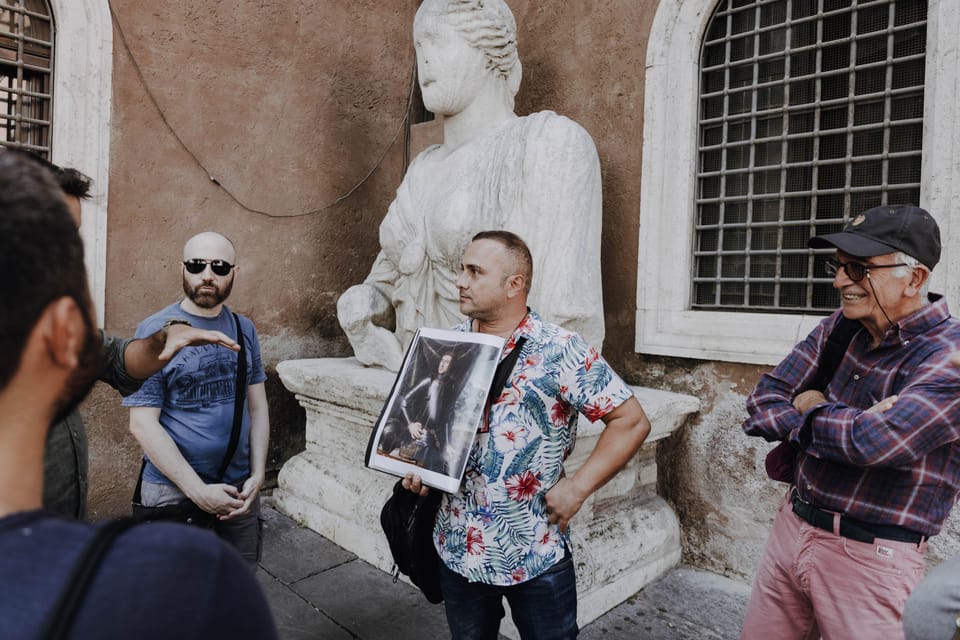
You meet by Trajan’s Column, a tall 90-foot monument beside Piazza Venezia. The guide stands near the column holding a Renaissance Scarlet Ladies Tour sign, so you can spot the group without guesswork.
This starting point is smart. Piazza Venezia is one of those zones where Rome’s layers pile up fast, and the walk begins with you getting your bearings in a lively, central area. From there, you’ll spend the next three hours moving through the city center with a clear through-line.
Practical note: arrive a few minutes early. In the center, crowds and crosswalk timing can eat into your buffer, and you’ll want to start smoothly.
Piazza Venezia to Galleria Doria Pamphilj: where power hides in plain sight
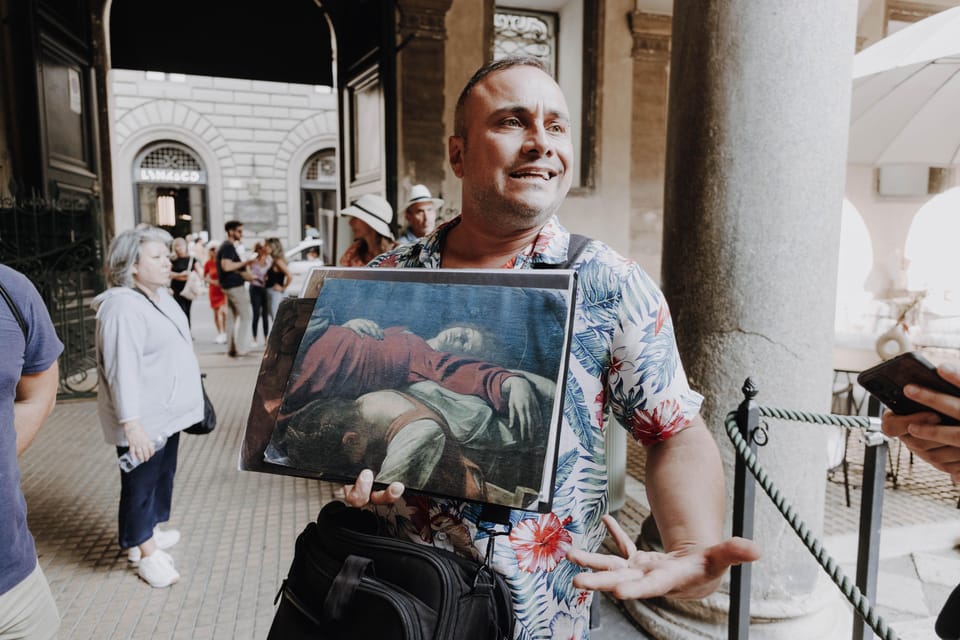
Early on, you walk past Galleria Doria Pamphilj. Even if you don’t go inside, it helps you understand how Renaissance families displayed status through collections, buildings, and patronage. The tour frames these spaces as more than pretty backdrops; they’re part of the social machinery that shaped who rose, who fell, and who got painted.
This is a great stretch for first-time visitors. You see the city center structure, you get the “who’s who” of the stories, and you’re not stuck in one single museum room. The walk format also helps the women in the tales feel present, because you’re moving through Rome instead of staring at a map.
Santa Maria sopra Minerva: churches you enter, stories you carry in
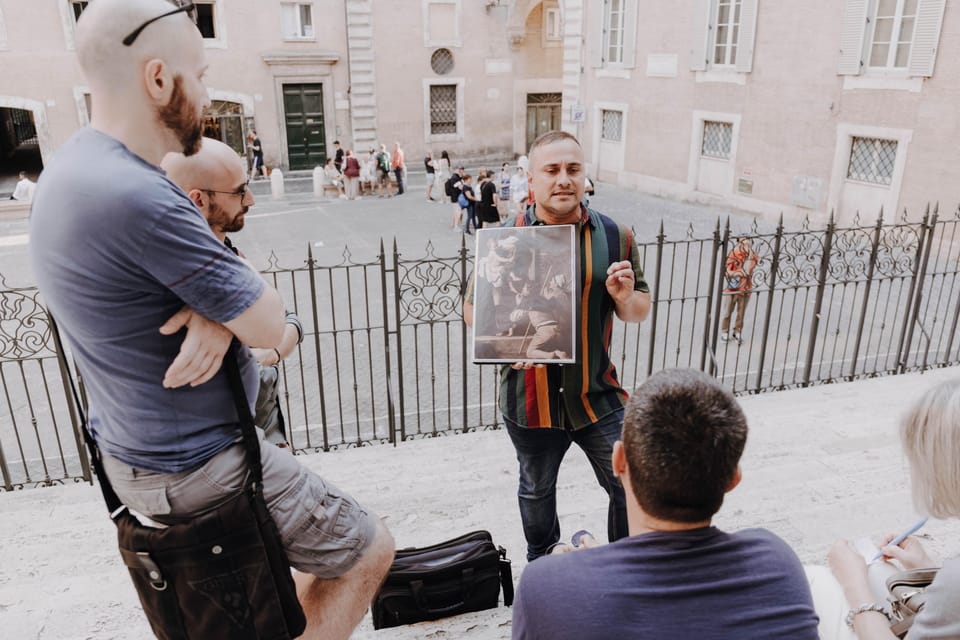
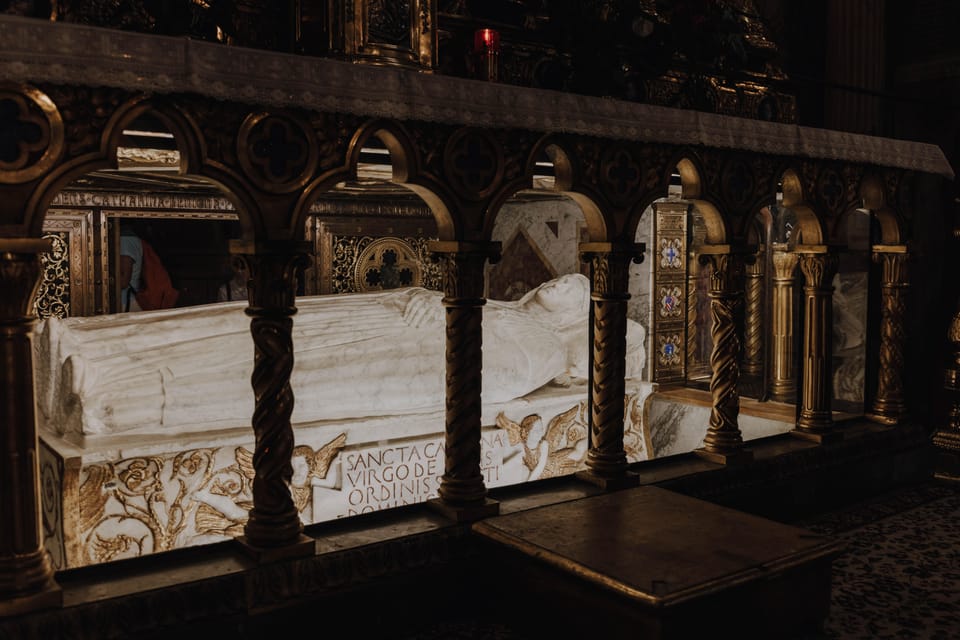
One of the highlights is that you visit Santa Maria sopra Minerva and actually enter churches on the route. That matters because the tone shifts: the tour doesn’t keep its gossip on the street. It brings the contradictions of the time right into religious spaces.
Dress code is the main thing to get right. Shoulders must be covered inside (including deltoids). Sleeveless shirts don’t work. Short skirts and anything too short won’t. Short pants can be okay only if the hem ends just above the knee.
I suggest carrying a light layer even in warmer months. It’s an easy fix if your outfit is borderline. And if a church refuses entry due to dress, it can affect your experience, because this tour is designed around these stops.
Sant’Agostino: when art-linked women meet the city’s texture
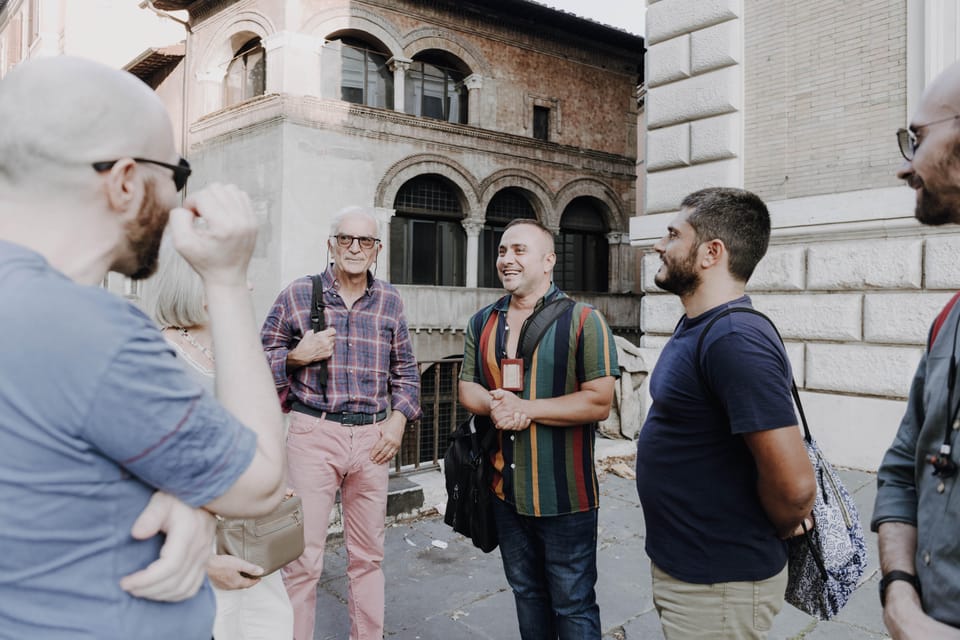
Next up is Sant’Agostino, another church stop where the tour connects the women to places that have kept their stories in the background for centuries. You’re hearing how Renaissance society treated women who didn’t fit tidy boxes, and that makes the church setting feel especially pointed.
This is also where the tour’s method really shines. It uses the physical location—columns, walls, and the way a church holds sound—to reinforce the story’s emotional weight. You’re not just learning facts; you’re getting the atmosphere that helped those women survive and influence a world built for men.
If you’re the type who enjoys hearing how daily life shaped art themes, you’ll appreciate this segment. Even when you’re not staring at a specific painting, you’re learning what kinds of images and reputations those paintings supported.



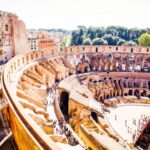


Santa Maria della Pace and 16th-century homes: politics in everyday streets

The route includes Santa Maria della Pace and also mentions visiting still-standing 16th-century homes. That combination is one of the reasons this feels different from a typical “point to landmark, move on” walk.
Homes make the stories feel more grounded. Courtesans weren’t just characters in a courtroom drama; they built relationships, navigated negotiations, and sometimes used their visibility as leverage. Seeing older residential architecture nearby helps you picture how private influence could become public consequence.
Meanwhile, another church stop keeps the contrast sharp: Rome could condemn a woman’s reputation and still memorialize her in art and sacred space. The tour leans into that contradiction rather than smoothing it away.
The Borgia family angle: scandal with context, not cheap shock
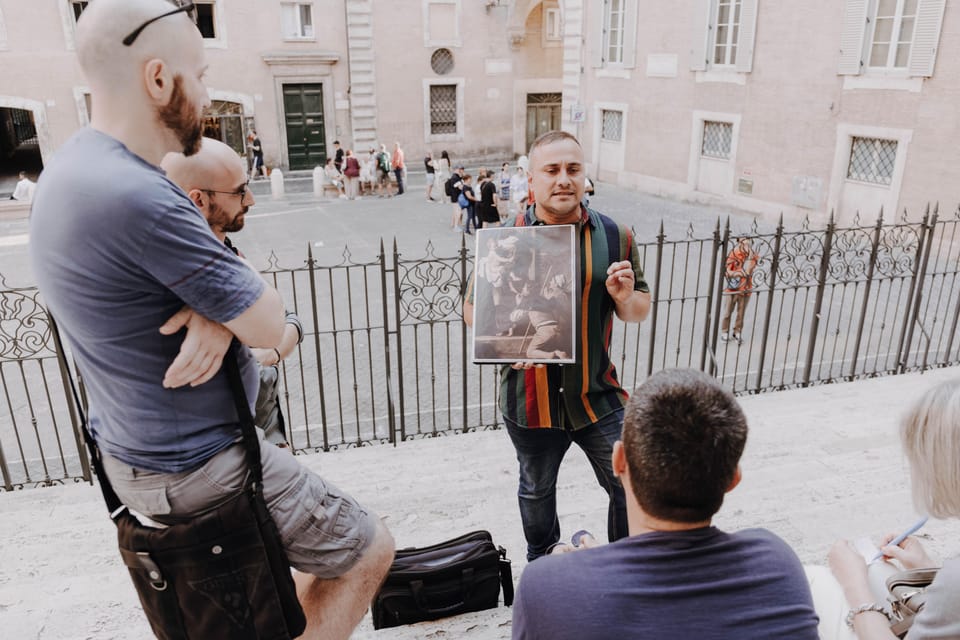
The tour explicitly centers the mistresses of the Borgia family. That doesn’t mean it’s only scandal-for-scandal’s-sake. It’s more like: scandal as a form of power.
Borgia connections naturally bring politics into the story. You hear how women could matter in a system that pretended not to need them, and how reputation worked like currency. The result is a tour that feels like gossip, but with enough background that you understand why the gossip landed the way it did.
A couple of review-based details give you a feel for the storytelling range. One guide-led highlight many people remember is the story of Julia Domna, a name that isn’t common for most Rome first-timers. Another story that stands out is Cleopatra, presented in a historical yet engaging way—no Hollywood treatment, just the human story.
How the guide tells it (and why that’s worth paying for)
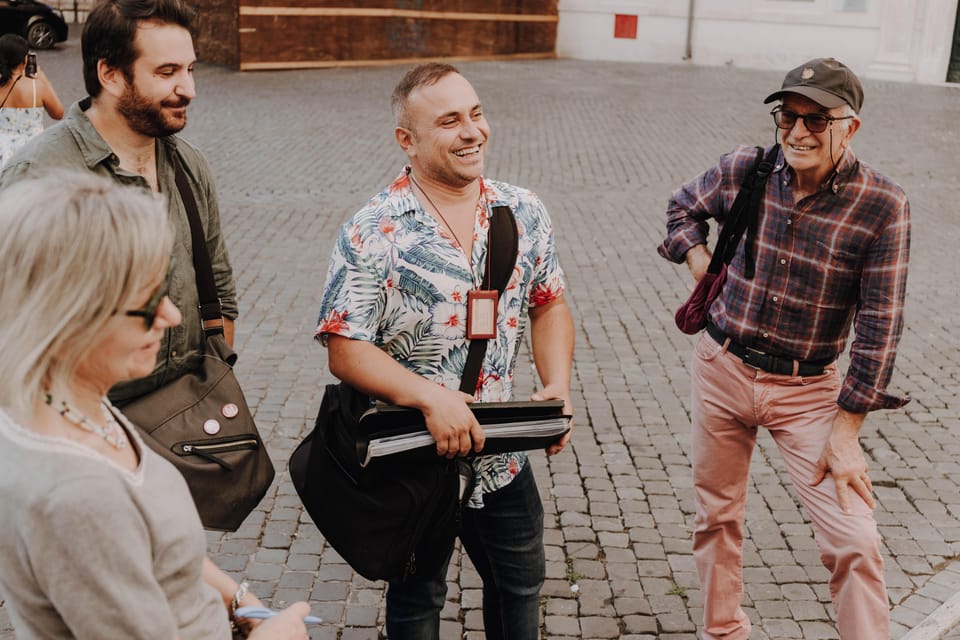
This experience isn’t just about which sites you visit. It’s about how the guide turns those sites into scenes.
Massimo’s storytelling style gets repeatedly praised for energy, humor, and the way he makes research feel alive. In practice, that means you’re not trudging through long pauses of dates and rulers. You’re getting a narrative thread that keeps you listening, even if you’re not chasing art history credentials.
You’ll also notice the tour has a strong “women-first” framing. It’s described as a storytelling tour entirely focused on historical women, and that focus changes what you pay attention to while walking. Instead of asking what a building was, you ask who moved through it—and what it cost them.
Timing, route length, and what to do with the rest of your afternoon
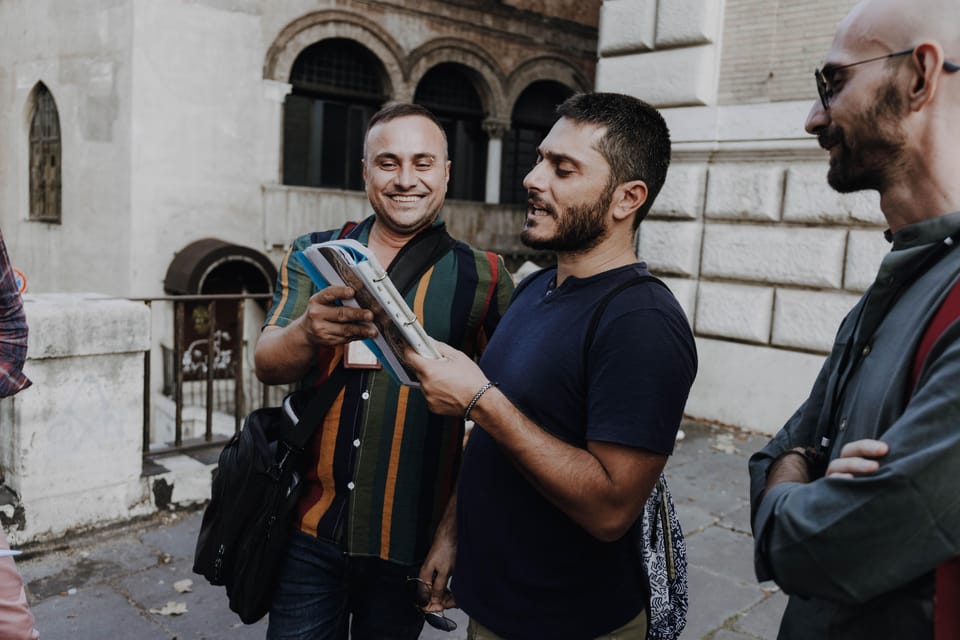
The total tour time is 3 hours, and it’s designed to cover multiple city-center sites without dragging. There’s also an option for a short break halfway through, and you can buy a snack or beverage along the way if you want.
The route includes starting around Piazza Venezia, passing key central landmarks, visiting churches in the historic core, and finishing downtown. The ending point is Piazza Farnese, described as a great place to stop for a glass of wine or dinner while you catch the sunset.
One review also highlights the Campo de’ Fiori area as a nice place for a final pause for a drink. If you’re planning dinner right after, that’s useful to know: you’ll likely have options nearby, and you’ll feel ready to sit down after the walking.
Dress code and church entry: the one detail that can make or break it
Because you enter churches, your outfit matters more than usual on this tour. The rules provided are straightforward:
- No short skirts and no sleeveless shirts
- Shoulders must be covered inside
- Deltoids count, so “tank top under a jacket” is still risky if shoulders show
- Short pants or skirts can work only if the hem ends just above the knee
- Churches may refuse entry if your clothes don’t fit the dress code
Don’t treat this as a “best effort.” Treat it as a planning step. Bring a thin cardigan, scarf, or shawl you can put on quickly. And if you’re traveling in summer heat, this is still the one place where convenience can’t beat rules.
Price and value: what $44 buys you in Rome
At $44 per person for 3 hours, the value comes from the combination: multiple stops, live guided storytelling, and a focused theme you won’t easily find elsewhere. You’re not paying for a general sightseeing circuit. You’re paying for a narrative that centers historical women, with strong ties to Caravaggio/Raphael themes and Borgia-era intrigue.
This is also good value if you like to learn without doing research homework. The tour gives context as you go, so you can connect the dots between art, reputation, and the spaces where the stories unfolded.
If your ideal Rome day is quiet wandering with guidebooks, you might prefer a self-guided route. But if you want your walk to feel like story time with real landmarks, this price-to-experience ratio makes sense.
Who should book this tour
Book it if:
- you like story-first tours, not lectures
- you enjoy art when it comes with people, conflict, and motive
- you’re interested in Renaissance society through a women-focused lens
- you want a Rome walk that mixes churches, palaces, and city-center texture
Pass or reconsider if:
- you hate a playful tone and want strict academic delivery only
- you’re not willing to adjust clothing for church dress rules
- you want a tour that stays purely outdoors
Should you book the Renaissance Women of Caravaggio and the Borgia Family walk?
If you’re choosing one “special” walking experience in Rome and you want something different from the usual ruins-and-church checklist, I think this is a smart pick. The big wins are the women-centered storytelling, the art connections that make Caravaggio and Raphael feel personal, and the guide energy from Massimo that keeps the 3 hours moving.
The only real watch-out is church dress code. If you handle that, you’ll get a tour that’s equal parts educational and genuinely fun.
FAQ
Where is the meeting point?
The tour meets by Trajan’s Column, adjacent to Piazza Venezia. The guide waits next to the column holding a Renaissance Scarlet Ladies Tour sign.
How long is the tour?
The tour lasts 3 hours.
What sites are included?
The route includes stops in Rome’s city center such as Galleria Doria Pamphilj, Santa Maria sopra Minerva, Sant’Agostino, Santa Maria della Pace, and it ends at Piazza Farnese. You also visit some still-standing 16th-century homes.
Do we enter churches, and what should I wear?
Yes, you enter churches. You need to follow an Italian church dress code: shoulders covered inside, no sleeveless shirts, and no short skirts. Short pants or skirts are okay only if the hem ends just above the knee. Churches may refuse entry if you’re dressed inappropriately.
Is the tour in English?
Yes, it’s a live English tour with a guide.
What is and isn’t included in the price?
The tour includes the guided storytelling and the walking experience. It does not include personal snacks or beverages you may want to buy during the walk.