REVIEW · ROME
Rome: Colosseum, Roman Forum, and Palatine Hill Tour
Book on GetYourGuide →Operated by TVR di Stefano Donghi · Bookable on GetYourGuide
One of Rome’s biggest sites is one walk away. A Colosseum visit here links the arena, the empire’s power center, and the hill where emperors lived. You’ll get either a guided tour with tickets (plus a headset system) or a self audio option with multilingual narration and 44 points of interest. The experience is built for time-crunched days and includes access to more than just the main building.
I especially like the headset setup when you choose the live guide. It helps you actually catch the stories while you’re moving through crowds. I also like that your Colosseum tickets come with a 24-hour window to get back into the Roman Forum and Palatine Hill, so you can return later at a steadier pace. One thing to consider: if you pick the self audio-guided option, the audio experience may feel harder to follow for some people, so you’ll want to be ready to pay close attention.
And yes, this is a lot of walking. Hills, stairs, and archaeological ground come with the territory—so plan comfortable shoes and a calm attitude toward time spent in Rome’s security checks.
In This Review
- Key takeaways before you go
- Colosseum, Forum, and Palatine Hill: why this combo works
- Entering the Colosseum: arena views and Roman entertainment stories
- Roman Forum: where the empire’s engine ran
- Palatine Hill: imperial homes plus panoramic payoff
- Guided tour vs self audio: choosing the right style
- Tickets, timing, and the 24-hour return to the Forum
- Meeting point and what to expect on arrival
- What’s included (and what you’ll need to bring)
- Price and value: is $54 a fair deal?
- Who this tour suits best (and who should skip it)
- Final call: should you book this Colosseum–Forum–Palatine tour?
- FAQ
- What is the duration of the Colosseum, Roman Forum, and Palatine Hill tour?
- Is this tour guided or self audio-guided?
- Does the price include tickets?
- Can I visit the Roman Forum and Palatine Hill after the Colosseum portion?
- What languages are available?
- How does the meeting point work?
- How long is the wait for security?
- What should I bring for the tour?
- Is the tour wheelchair accessible?
- Is the tour canceled if it rains?
Key takeaways before you go
- Two ways to do it: live licensed guide with headset system, or self-guided audio with multilingual narration
- 24-hour ticket bonus: after the Colosseum portion, you can access the Roman Forum and Palatine Hill again within 24 hours
- Arena stories included: gladiators, animal hunts, naval battles, and Roman entertainment themes come up in the commentary
- Practical timing: roughly 75 minutes at the Colosseum, then about 45 minutes each at the Forum and Palatine Hill (order can vary)
- Security is real: expect airport-style screening, with high-season waits up to 20–30 minutes
- Not wheelchair accessible: this is stairs-and-hills territory
Colosseum, Forum, and Palatine Hill: why this combo works
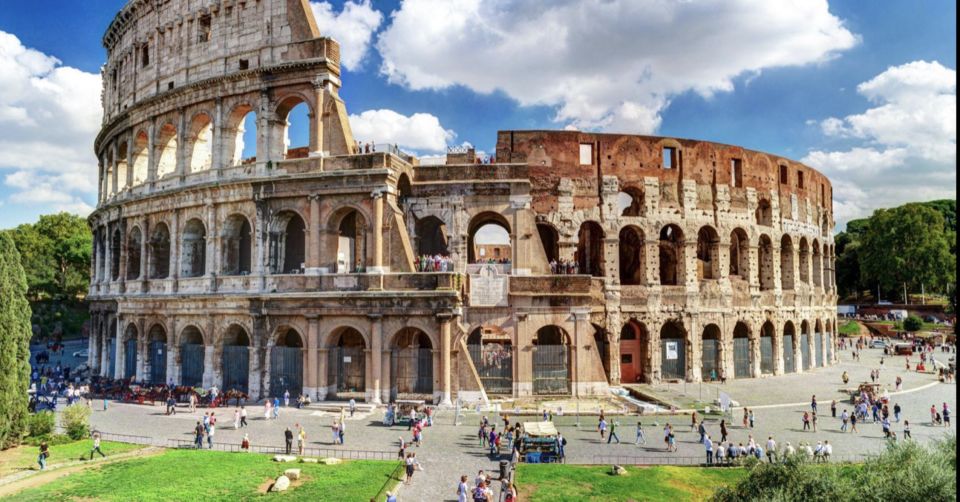
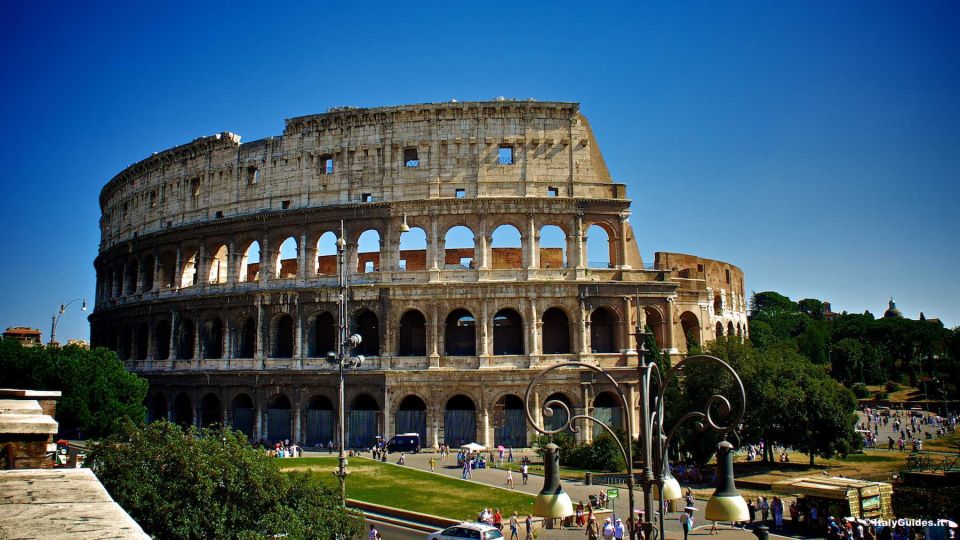
Rome has a habit of overwhelming you—big ruins, big crowds, big emotions. This tour’s strength is that it bundles the three locations that most people picture when they say Roman Empire. You’re not just staring at stone; you’re moving from the show-business of the Colosseum to the bureaucratic heart of the Roman state (the Roman Forum), then up to the imperial neighborhood on Palatine Hill.
The time window is also honest. At 2.5 to 3 hours, you can cover the essentials without turning your whole day into queue-and-wait. That’s valuable if you’re planning to see other neighborhoods or museums later. Even the “self audio” format is built around the same core circuit, so you’re not hunting around for context.
The other big “why it works” is that tickets are part of the deal. You’re not paying just for narration. You’re paying for a structured visit to an archaeological area that you’ll want to reference again when you’re looking at photos later.
You can also read our reviews of more tours and experiences in Rome.

Entering the Colosseum: arena views and Roman entertainment stories

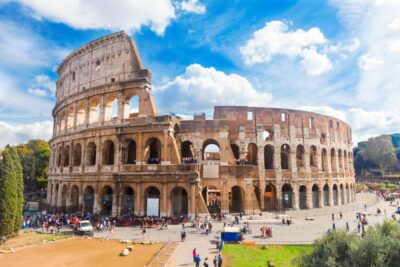
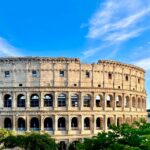
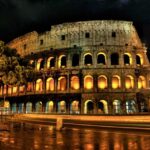
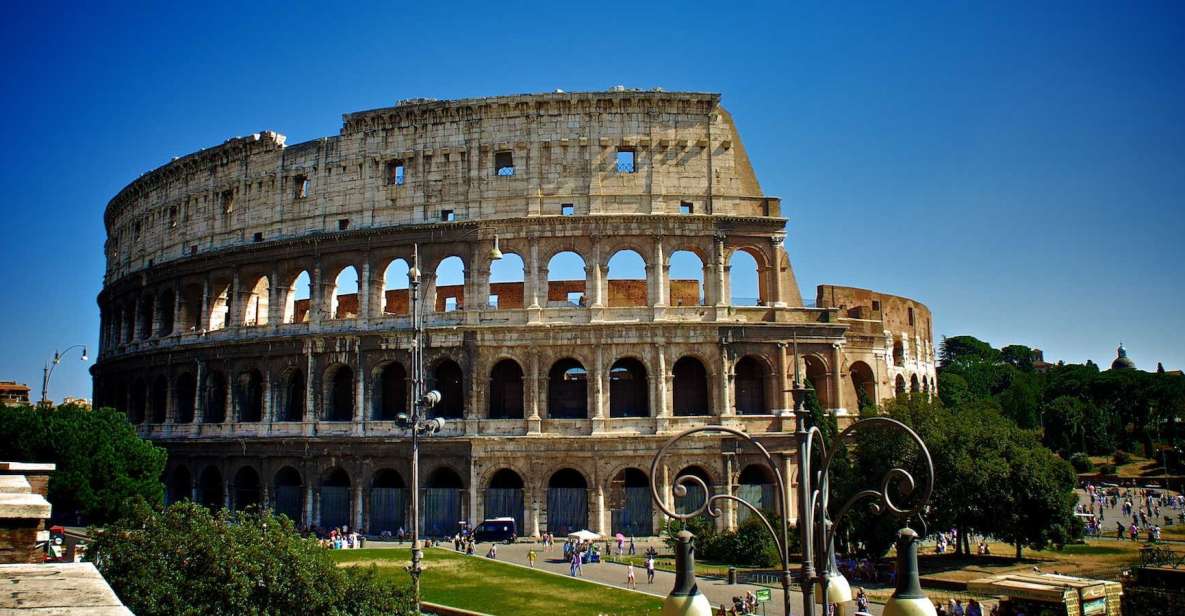
The Colosseum portion is usually the show-stopper. Expect a photo stop, then time inside for a structured visit, followed by walking. With the guided option, you’ll have a professional English-speaking, licensed guide plus a headset system, which is a big deal in a noisy, echoing space.
Here’s what you’ll likely get more than you would on a quick self-paced wander: context. The stories tend to focus on the human drama behind the ruins—gladiators, the crowd’s taste for violent entertainment, animal hunts, and even the more unusual spectacle themes like naval battles. Whether you love history or you just enjoy seeing how governments and entertainment systems work, these narratives help the stones “act” again in your mind.
You’ll also hear about the daring construction techniques Romans used. The Colosseum isn’t just a big oval; it’s engineering with a purpose—design choices that supported crowds, managed movement, and shaped the arena experience. If you’re the type who likes architecture, you’ll probably enjoy how often the tour touches on materials and structure instead of only battles and big names.
If you choose self audio, you’ll still get narration and directions with multilingual support. That includes English, Chinese, German, French, Italian, and Spanish. You also get 44 points of interest, which gives you a roadmap so you’re not wandering aimlessly and guessing what you’re looking at.
Roman Forum: where the empire’s engine ran

After the Colosseum, the vibe changes. The Roman Forum isn’t built for spectacle in the same way. It’s built for power. You’ll go from the arena’s audience energy into a maze of ruins where the Roman state’s day-to-day presence shows up in fragments.
Expect another photo stop, then time for guided narration (or audio points, depending on option). The Roman Forum is often described like Rome’s nerve center, and the commentary usually connects the ruins to that idea: the Senate’s role, the temples devoted to Roman gods, the House of the Vestals, triumphal arches, and even the altar connected with Julius Caesar’s cremation.
This is where the tour helps you read the space. Even if you’ve seen pictures online, it can feel like random stones until someone gives you the “what this place did” frame. With the guide headset system, that context lands faster because you’re not pausing to interpret everything yourself.
One practical note: you’re walking. Even when you’re not “climbing,” you’ll be stepping over uneven ground. If you’re coming in with tight scheduling, keep your pace steady so you don’t end up rushing your Forum time.
Palatine Hill: imperial homes plus panoramic payoff
Palatine Hill is where Rome’s story becomes more intimate. Instead of public politics or mass entertainment, you’re looking at the remains of the sumptuous palaces where emperors lived. The tour typically includes walking time with scenic views along the way, so it’s not only about ruins.
You’ll likely get a guided explanation of what the hill represented: elite residence, power proximity, and the way Roman rulers made their status visible in architecture and location. If you’re the kind of traveler who likes to understand how power shows up physically—where leaders built, where they looked out from, and how space reinforced authority—Palatine Hill is a great match.
This portion also tends to include more ups and downs. It’s not a marathon, but it’s not a flat stroll either. If you want the views, take the time to slow down in the right spots. You’ll get better photos, and you’ll feel the place more.
Guided tour vs self audio: choosing the right style
You effectively have two different experiences here:
Option 1: Guided tour (with guide + headset system).
This is the best fit if you want clear flow. A licensed guide can adjust to the crowd, answer quick questions, and steer you away from confusion. Live storytelling also tends to make the Colosseum feel less like a checklist and more like a narrative. You also keep control of how fast you move because you’re not interpreting audio prompts while trying to navigate crowds.
Option 2: Self audio-guided tour.
This works well if you like to set your own pace and you don’t want to coordinate your timing with a group. You download narration to your phone, and you get multilingual storytelling across English and several other languages. It’s also helpful if your group language needs don’t line up perfectly.
But here’s the consideration I think you should take seriously: one drawback that came through is that the self-guided audio experience may not be designed in the smoothest way for all listeners. So if you’re someone who gets frustrated when audio doesn’t guide you clearly, choose the live guide.
Also remember a key rule: with the self audio option, a tour guide is not included. That means you won’t have staff guiding you through the space once you’re inside.


Tickets, timing, and the 24-hour return to the Forum
This tour includes tickets for the Colosseum, Palatine Hill, and Roman Forum, and after the Colosseum portion you get a 24-hour ticket window to access the Roman Forum and Palatine Hill.
That part is genuinely useful. It changes the pressure. Instead of trying to do everything in one frantic pass, you can take your Colosseum time first—then either keep going immediately or return later when the light and crowds feel more manageable. Rome has a way of shifting from busy to bearable and back again during the day, so being flexible can help your photos and your energy.
Keep an eye on timing too. The activity runs about 2.5 to 3 hours, but the order of stops can vary, and high-season security can add waiting time. The good news is that the ticket structure supports you if you end up finishing one part faster or slower than expected.
Meeting point and what to expect on arrival
Meeting points can vary depending on the option booked. One listed starting location is Via Labicana, 96, Piazza di San Clemente. If you’re traveling with a tight schedule, double-check your confirmation for the exact meeting point so you don’t waste time trying to match signs.
Then comes the part that can throw people off: airport-style security. All visitors must pass through screening, and during high season the wait can be up to 20 to 30 minutes. That doesn’t mean the tour is poorly run—it’s just the reality of entering a major heritage site in Rome. Plan to show up with cushion time.
The tour operates rain or shine, so bring a practical approach. A light rain doesn’t ruin Rome, but wet stone and stairs can make everything slower, so shoes and pace matter even more.
What’s included (and what you’ll need to bring)
The included items make the guided option more comfortable than a typical “meet and go” sightseeing setup. Here’s what you can rely on:
- Headset system so you can hear the licensed guide clearly
- Professional, licensed guide for the guided option
- Tickets to Colosseum, Palatine Hill, and Roman Forum
- Guided timing around 2 to 3 hours
- For the self audio option: unlimited access to self-guided features during your stay, with multilingual narration in multiple languages
What’s not included is also important:
- Mobile device (for the audio download)
- Headphones (you need them for self audio, and they’re also useful for comfort)
- Food and drinks
- Transportation to/from the attractions
- Hotel pickup/drop-off
If you’re doing self audio, charge your phone beforehand and plan battery life. If you’re doing guided, bring your attention—headsets help, but you’ll still want to look up when the guide points out key structures.
What to bring:
- Comfortable shoes
- Passport or ID for children
- Charged smartphone
- Headphones (especially if using self audio)
Not allowed:
- Weapons or sharp objects
- Luggage or large bags
- Drones
- Pets (assistance dogs allowed)
- Selfie sticks
Price and value: is $54 a fair deal?
At $54 per person, this sits in the “reasonable but not cheap” zone—especially for a top-tier site like the Colosseum. The value hinges on which option you choose and what you personally want.
If you go with the guided version, the value feels stronger because you’re getting a licensed English-speaking guide and a headset system. You’re also paying for the structure: clear timing through three major stops, plus narration that explains what you’re actually seeing.
If you go self audio, the value can be more mixed. The cost is still for tickets and the audio experience, but the audio design and clarity can be a weak point for some listeners. In that case, if you’re paying $54 expecting a smooth “follow along like a movie” experience, you might feel disappointed. If you’re the independent type who enjoys decoding ruins at your own speed, it can still work well.
One practical tip: because this is a high-demand area with limited availability, I’d book in advance. Not because it’s fancy advice, but because slots disappear and last-minute choices sometimes feel pricier than you expected.
Who this tour suits best (and who should skip it)
This works best for people who want an efficient circuit through the Colosseum, Roman Forum, and Palatine Hill without spending your whole day figuring out what’s what.
Choose it if:
- You want a guided narrative with headset audio (especially for the Colosseum)
- You like structured time in archaeology areas, not open-ended wandering
- You’re okay with hills, stairs, and uneven surfaces
- You want the possibility to return within 24 hours to the Forum and Palatine Hill
Be cautious if:
- You have mobility impairments—this tour is not wheelchair accessible and isn’t suited for wheelchair users
- You hate waiting in lines for security screening
- You rely heavily on a super-polished audio interface and prefer human guidance
Final call: should you book this Colosseum–Forum–Palatine tour?
If your goal is a smart, high-impact Roman day, I think this is an easy yes—especially when you choose the guided tour with the headset system. The Colosseum becomes more understandable when someone explains the entertainment logic and the engineering choices, and the Forum and Palatine Hill fill in the rest of the empire story.
I’d steer you toward the guided option if you want the least stress and the clearest flow. If you want independence and you’re comfortable navigating and listening on your own, the self audio option can work—just go in with eyes open that the audio experience may not feel perfectly designed for every listener.
FAQ
What is the duration of the Colosseum, Roman Forum, and Palatine Hill tour?
The tour is listed as about 2.5 to 3 hours. The exact timing can vary depending on the option, including the self audio option.
Is this tour guided or self audio-guided?
You can choose either a group or private guided tour (with a licensed guide and headset system), or a self audio-guided tour where the tour guide is not included.
Does the price include tickets?
Yes. The included items cover Colosseum, Palatine Hill, and Roman Forum tickets.
Can I visit the Roman Forum and Palatine Hill after the Colosseum portion?
Yes. Your tickets are valid for 24 hours, which lets you access the Roman Forum and Palatine Hill after the Colosseum tour ends.
What languages are available?
For the guided tour, live guide languages include Chinese, English, French, German, Italian, and Spanish. For the self audio option, narration is available in Chinese, Italian, English, French, Spanish, and German.
How does the meeting point work?
The meeting point may vary depending on the option booked. One listed starting location is Via Labicana, 96, Piazza di San Clemente.
How long is the wait for security?
All visitors must pass through airport-style security. During high season, waiting time may be up to 20 to 30 minutes.
What should I bring for the tour?
Bring comfortable shoes, a charged smartphone (especially for audio), and headphones. Children may need a passport or ID card.
Is the tour wheelchair accessible?
No. This tour is not accessible for wheelchairs.
Is the tour canceled if it rains?
No. The tour operates rain or shine.
If you want, tell me your travel month and whether you prefer guided or self audio. I’ll help you pick the option that fits your pace and language needs.