REVIEW · ROME
Rome: Appian Way and Catacombs VIP Tour with Hotel Pickup
Book on GetYourGuide →Operated by Parisa in Rome · Bookable on GetYourGuide
History moves fast from your hotel. This 3-hour VIP-style outing links two of Rome’s most unforgettable walks: the Catacombs of St. Callixtus and the Via Appia Antica.
I really like two things about this tour. First, you get pickup in a Mercedes E-Class or a mini van, so you skip the “now how do I get there” puzzle. Second, you travel with a private English guide who gives you enough context to actually understand what you’re seeing, not just where to stand for a photo.
One thing to consider: the route is packed into a short time window. If you love lingering on the Appian Way itself, you may wish for a bit more walking time, and the overall pace can feel brisk down in the catacombs if your guide’s style runs shorter.
In This Review
- Key things to know before you go
- Hotel Pickup to the Catacombs: A Smooth Start in Rome
- Catacombs of St. Callixtus: Early Christian Art Underground
- Walking the Via Appia Antica: Cobblestones and Roman Strategy
- Villa di Massenzio: A Quick Stop With Big Atmosphere
- Church of Domine Quo Vadis: Short Visit, Good Story
- Porta San Sebastiano: Closing With an Ancient Roman Gate
- How Much You Really Get in 3 Hours
- Price and Value: Is $68 Worth It?
- Transport and the Human Touch (Constantin and the Guide Factor)
- Should You Book This Appian Way and Catacombs VIP Tour?
- FAQ
- How long is the tour?
- What’s the main route of the tour?
- Is the Catacombs entry ticket included?
- Is transportation included, and what vehicle is used?
- What language is the live guide?
- Is this tour wheelchair accessible?
- Is free cancellation available?
Key things to know before you go
- Hotel pickup in Rome saves you time and stress
- Private English guide means you can ask questions on the spot
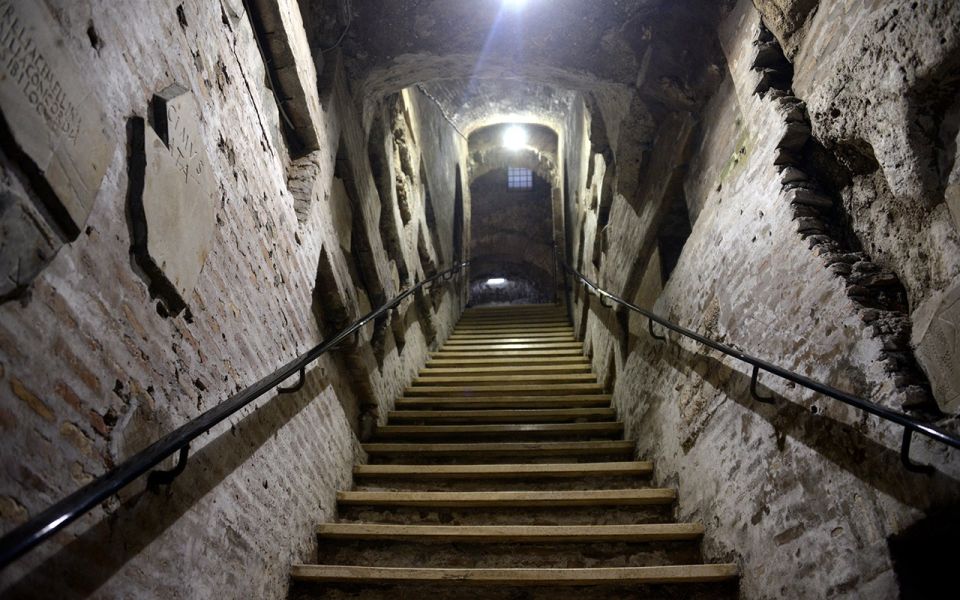
- Catacombs of St. Callixtus focus on Early Christian art and underground history
- Via Appia Antica walking on cobblestones tied to Roman strategy and poets
- Several photo-and-sight stops along the route, not just the big two
- Not wheelchair accessible (the tour is listed as unsuitable)
Hotel Pickup to the Catacombs: A Smooth Start in Rome
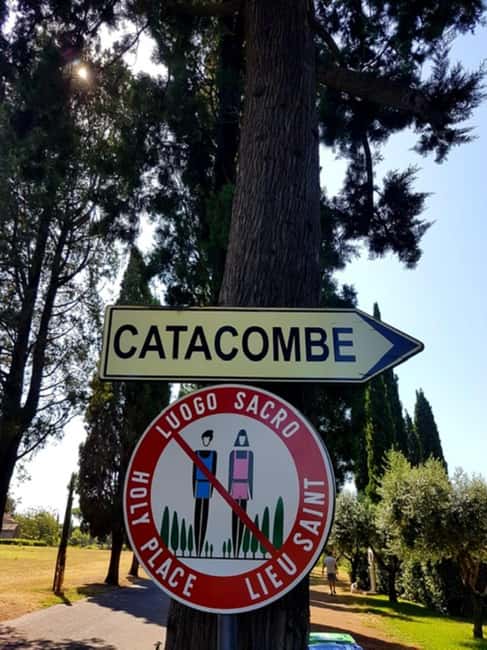
Rome can be loud, crowded, and confusing fast. This tour’s biggest practical win is simple: you’re picked up in Rome and driven to the first site. That matters because the Catacombs of St. Callixtus are not right in the middle of the “walk-everywhere” zone, and getting there on your own can eat up your energy.
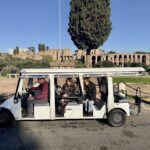
You’ll ride in a Mercedes E-Class or a mini van (depending on the group and availability). Once you’re on the road, you also get that “moving-view” bonus: scenic drive time is built in, with chances for quick photo stops before you commit to walking. The overall rhythm feels designed for travelers who want maximum value in a limited number of hours.
One note for planning: this experience is listed as not suitable for wheelchair users. If mobility is a concern, double-check with the operator before booking.
You can also read our reviews of more tours and experiences in Rome



Catacombs of St. Callixtus: Early Christian Art Underground
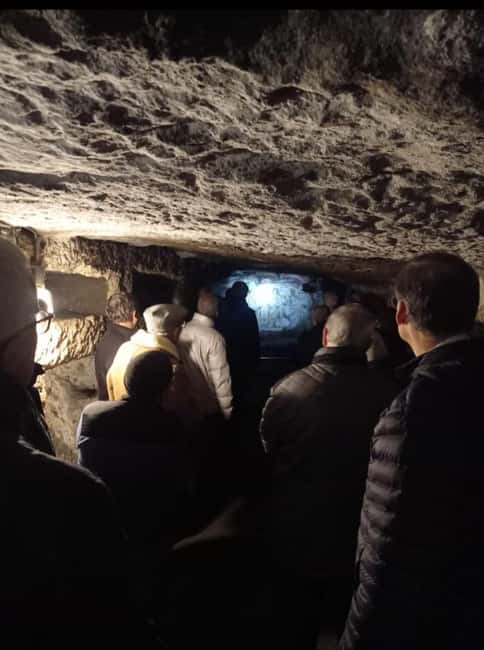
Your first major stop is the Catacombs of St. Callixtus, with about an hour on-site. This is not just a “walk through tunnels” visit. What you’re aiming to see is the layer of Early Christian imagery and material culture that survived in a sacred underground world.
The focus here is on the visual side of belief—frescoes and sculptures, plus remnants of gold glass medallions dating back to around 400 AD. That detail is the kind of thing a guide helps you connect. Without context, catacombs can feel like a cool maze. With a good guide, it becomes a timeline of how communities expressed faith, memory, and hope underground.
The tour format matters too. You’ll have guided time in the catacombs (including viewing areas and a guided component), which usually helps you avoid the common problem of staring at walls without understanding what you’re looking at. And if you’re the type who wants a clear storyline, a private guide gives you that thread: what you’re seeing, why it matters, and how it fits into Rome’s larger religious shift.
A fair caution: one review pointed out that the catacombs guiding component could be more quality-focused. That doesn’t mean the site is weak—it means the experience can depend on how the guide manages time and presentation once you’re underground. If you know you want a longer, slower-paced catacombs moment, keep that in mind when you’re judging whether 3 hours is enough.
Walking the Via Appia Antica: Cobblestones and Roman Strategy
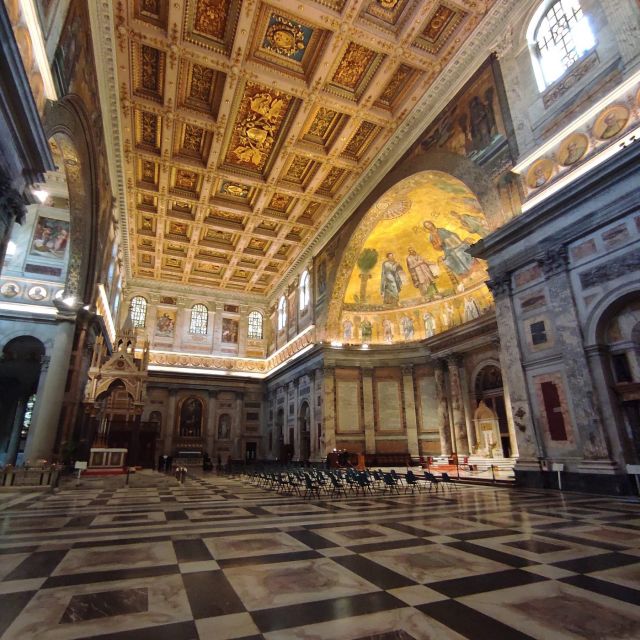
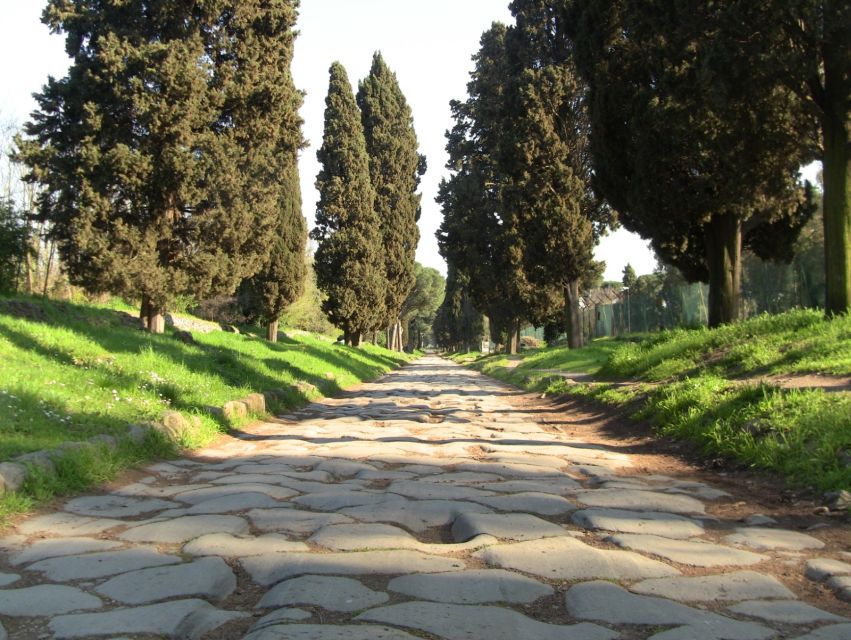
After the underground stop, the tour shifts gears to the sun, the open air, and the iconic Via Appia Antica (Appian Way). You’ll get around 30 minutes here, with photo stops and walking.
This road is famous for good reasons. It’s one of the earliest and most strategically vital roads from ancient Rome, linking Rome to the southeastern city of Brindisi. The point isn’t just romance and photos—this was infrastructure. It helped move people, goods, and power across a long distance. The tour also ties in literature: the poet Statius documented the Appian Way, which is a nice bridge between “ruins” and “people who wrote about them.”
What I love about this portion is the feeling of walking an actual corridor of time. The road is well-preserved, and the cobblestones create a real physical connection to the past. You don’t need a fancy simulator to get the effect. Your feet do the work.
Practical expectation-setting: 30 minutes on the Appian Way is great for photos and a meaningful walk, but it’s not a long countryside trek. One review specifically wished there were more time walking here. So if you’re the type who enjoys slow wandering—pausing for views, reading street-level details, and taking lots of photos—this may leave you wanting a second pass later.
Villa di Massenzio: A Quick Stop With Big Atmosphere
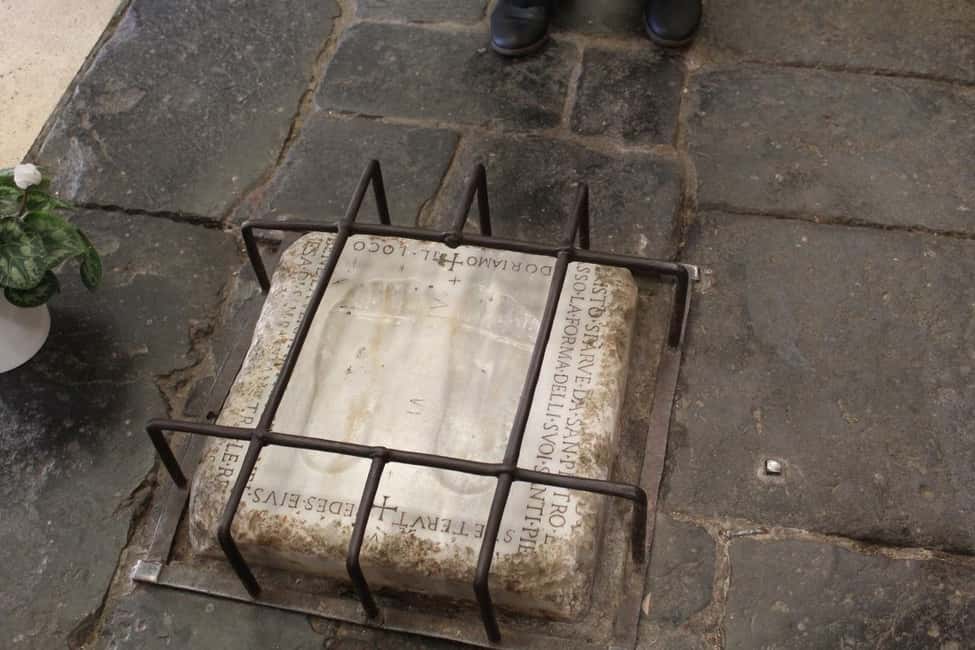
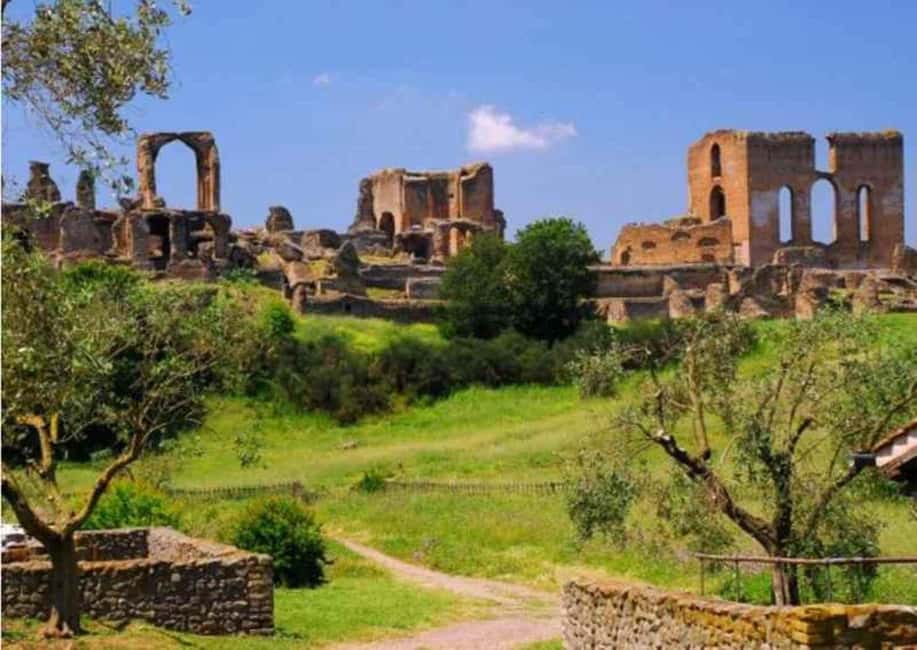
You’ll also make a photo-and-sight stop at Villa di Massenzio. You’ll spend about 25 minutes on this segment, mixing walking and scenic drive time.
This is the kind of stop that’s often overlooked if you only focus on the headline monuments. A villa complex like this helps you understand that the Appian Way wasn’t only a road. It was surrounded by estates, structures, and spaces tied to life in and around Rome. Even if you don’t go deep into architectural analysis, having a guide point out what to notice makes it easier to see the bigger picture.
The “value” here is context and variety. You’re not bouncing from one major ticket attraction to another without a breather. This stop adds texture: it’s part of that Appian Way story where landscape, buildings, and road all share one setting.
Drawback to note: because the whole tour is 3 hours, you don’t get a long, unhurried villa exploration. Plan to treat this as a meaningful glimpse, not a full “spend half a day here” experience.
Church of Domine Quo Vadis: Short Visit, Good Story
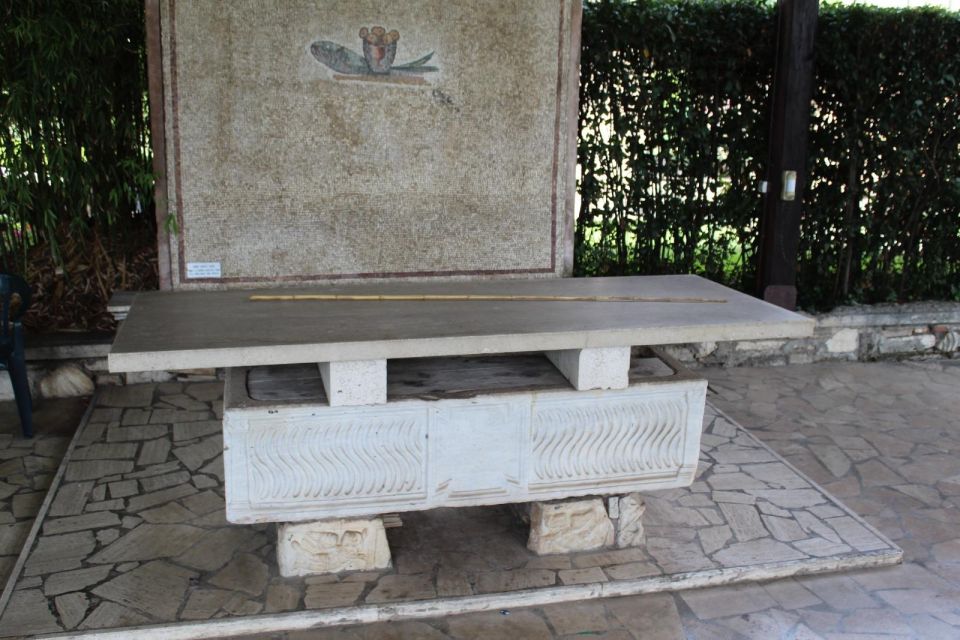
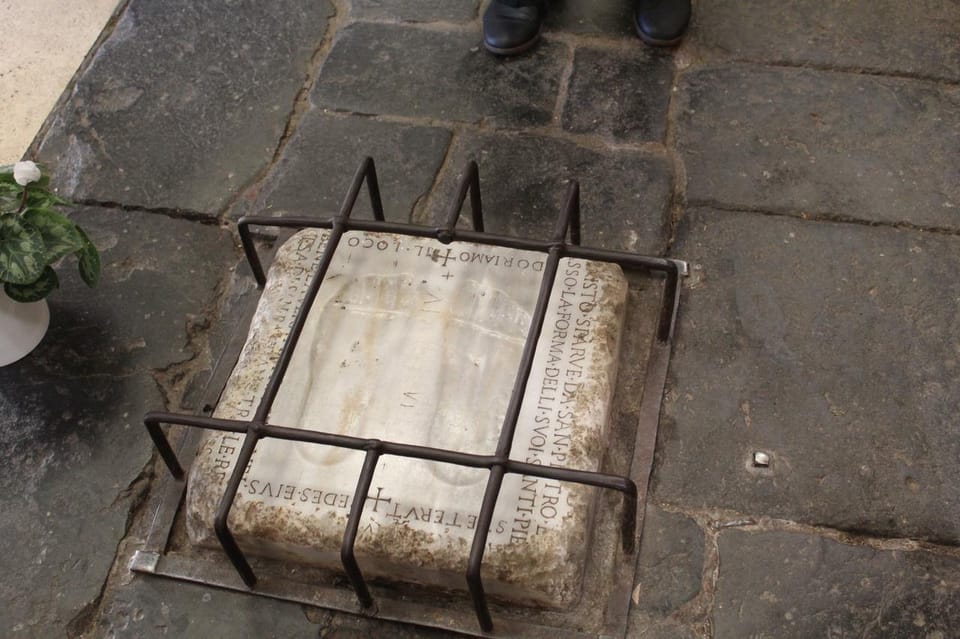
Another stop is the Church of Domine Quo Vadis, with about 15 minutes for photo and sightseeing. This is a quick hit, but it fits the tour well because it changes the tone—from ancient road and underground spaces to a site with religious storytelling.
Even with a brief visit, a guide can make a difference by giving you the reason the church is linked to the larger cultural narrative of Rome and faith. If you’re not religious, you can still appreciate it as part of how Rome layers meaning onto locations—especially along a route already packed with history.
The benefit of keeping this stop short is that you don’t rush the overall tour. You still have time to see more of the Appian Way area and end with the impressive gate.




Porta San Sebastiano: Closing With an Ancient Roman Gate
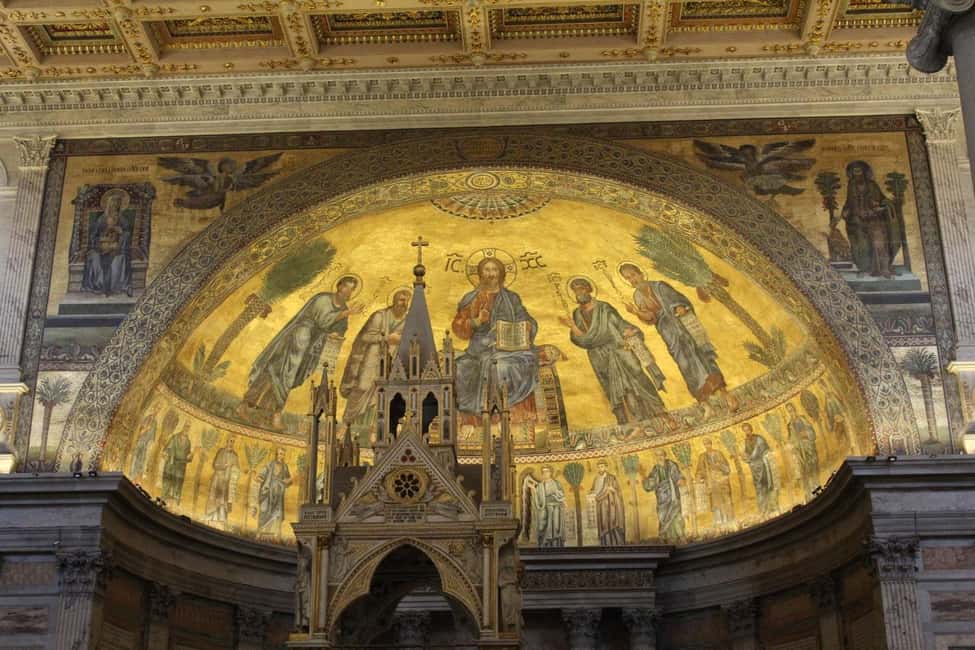
Your final major sight stop is Porta San Sebastiano, with about 20 minutes for photo and sightseeing. This matters because a gate like this gives you a strong visual endpoint. It brings you right back to the Roman idea of walls, control, and movement—exactly what the Appian Way was built for.
If you’ve been thinking about the road as a strategic corridor, the gate makes that concept tangible. You can stand and imagine the contrast: the road as a long path out of the city, and the gate as the urban boundary where movement becomes official and controlled.
The timing also helps. Ending here gives you one last “wow” moment before you head back to central Rome. And since the tour includes scenic drive time, you’re not left scrambling afterward to figure out transit.
How Much You Really Get in 3 Hours
A 3-hour tour is short by definition, but it can still feel satisfying if you know what to expect. Here’s the pacing logic built into this experience:
- About 1 hour in the catacombs (guided underground time plus viewing)
- About 30 minutes walking on the Via Appia Antica
- Several short stops for photos and quick sights along the route (Villa di Massenzio, Domine Quo Vadis, Porta San Sebastiano)
- Scenic drive time between them, with stops along the way
This structure is ideal for first-timers who want a strong overview without burning a full half-day. It’s also a good choice if your energy is limited that day and you still want “real Rome” beyond the center.
The downside is also clear: you’re moving through highlights, not soaking in them. If you want to read every sign, linger for long views, or spend extra time in the catacombs, you may feel time pressure.
Language is English, and the tour runs as a private group, which can help you adjust the pace slightly with questions. One of the standouts in the experience is that the guide and driver seem to keep everything running smoothly, with pickup handled and transport praised highly.
Price and Value: Is $68 Worth It?
At $68 per person, this tour sits in the “value if it matches your priorities” zone. Here’s why it can make sense.
You’re paying for three things bundled together:
- Entry ticket to the Catacombs of St. Callixtus
- Guided time with an English-speaking guide
- Private transportation from your pickup in Rome (Mercedes E-Class or mini van)
For many visitors, the hardest cost to quantify is time. Hotel pickup and private transport reduce the chance you’ll lose half your morning fighting transit logistics. And catacombs are a site where a guide can genuinely change your experience, because the meaning is not always obvious just by looking around.
Is it the best fit for everyone? Not if you want a long, slow walk or if you prefer to build your own route with unlimited time. But if you’re trying to pack the highlights of the Appian Way region into a tight schedule, this price can feel fair for what you get.
One small practical tip: if Appian Way walking is your top priority, decide in advance whether 30 minutes is enough. If not, you might plan a second, self-guided walk later.
Transport and the Human Touch (Constantin and the Guide Factor)
Good transport is underrated. Here, it’s part of the value story. The pickup process is part of the experience, and the rides are well-rated, with mention of a driver named Constantin who helped make the day flow.
The guide experience also comes through strongly in the feedback you’ll see for this tour: guides are described as warm, friendly, helpful, and confident at hitting every scheduled stop. That matters because this kind of day works only if someone manages time well—especially when you’re moving between underground sites, outdoor roads, and separate monuments.
In short: if you like being guided through a tight route with a real person explaining what you’re seeing, this tour is designed for that. If you prefer to wander independently with no structure, you may feel constrained.
Should You Book This Appian Way and Catacombs VIP Tour?
Book it if:
- You want hotel pickup and private transportation rather than figuring out transit
- You’re interested in Catacombs of St. Callixtus and want a guide who can connect the visuals to meaning
- You want an efficient 3-hour plan that hits the Appian Way plus key stops without a full-day commitment
- You’re traveling in a private group and appreciate a more direct guide experience in English
Consider passing or pairing with a longer plan if:
- You’re the type who wants more time walking the Appian Way than a half-hour
- You prefer a more relaxed pace in catacombs rather than a guided overview within a fixed time window
- Mobility needs are a factor (this tour is listed as not suitable for wheelchair users)
If your goal is “see the big things, understand what they mean, and get back without stress,” this is a solid choice.
FAQ
How long is the tour?
The experience lasts 3 hours.
What’s the main route of the tour?
It includes a pickup in Rome, a visit to the Catacombs of St. Callixtus, walking along the Via Appia Antica, stops at Villa di Massenzio, Church of Domine Quo Vadis, and Porta San Sebastiano, and then returning to Rome.
Is the Catacombs entry ticket included?
Yes. Entry to the Catacombs of St. Callixtus is included.
Is transportation included, and what vehicle is used?
Yes, private transportation is included, and pickup is done using a Mercedes E-Class or a mini van.
What language is the live guide?
The live tour guide is English.
Is this tour wheelchair accessible?
No, it is not suitable for wheelchair users.
Is free cancellation available?
Yes. You can cancel up to 24 hours in advance for a full refund.