REVIEW · ROME
Fettuccine, Ravioli and Tiramisu Pasta Making in Rome
Book on GetYourGuide →Operated by Eat and Walk Italy · Bookable on GetYourGuide
Rome smells like flour and espresso. This 3-hour workshop is a hands-on path to homemade fettuccine and ravioli from scratch, then a sweet finish with tiramisu in the heart of Rome. I like that it’s taught step-by-step, so you’re not just watching passively—you’re making the dishes yourself.
One thing to think about: the class is short, so you’ll work at a steady pace. If you want slow, leisurely cooking with lots of free time, this isn’t that kind of session.
You’ll still leave with a solid skill set and a full sit-down meal made from your own work.
In This Review
- Key things I’d bet on before you go
- What you’re really doing in this Rome pasta workshop
- Meeting point: Gusto Restaurant on Via Giuseppe Zanardelli 14
- Tiramisu first: ingredients, tools, and the payoff dessert
- Fettuccine and ravioli: from flour and eggs to real technique
- Fettuccine basics (and why it matters)
- Ravioli with a filling: shaping is the hard part
- How the wine, sauces, and tasting make the class feel worth it
- Price and value: why $82 can make sense in Rome
- Practical tips so you enjoy the pasta and not the stress
- Who should book this Rome class (and who might not)
- Should you book this Rome fettuccine, ravioli, and tiramisu class?
- FAQ
- How long is the pasta-making experience?
- Where do I meet the chef?
- What dishes will I make during the class?
- What sauce options are included with the fettuccine?
- Are drinks included in the price?
- Is the class taught in English?
- Is it suitable for kids, and can I bring pets?
Key things I’d bet on before you go
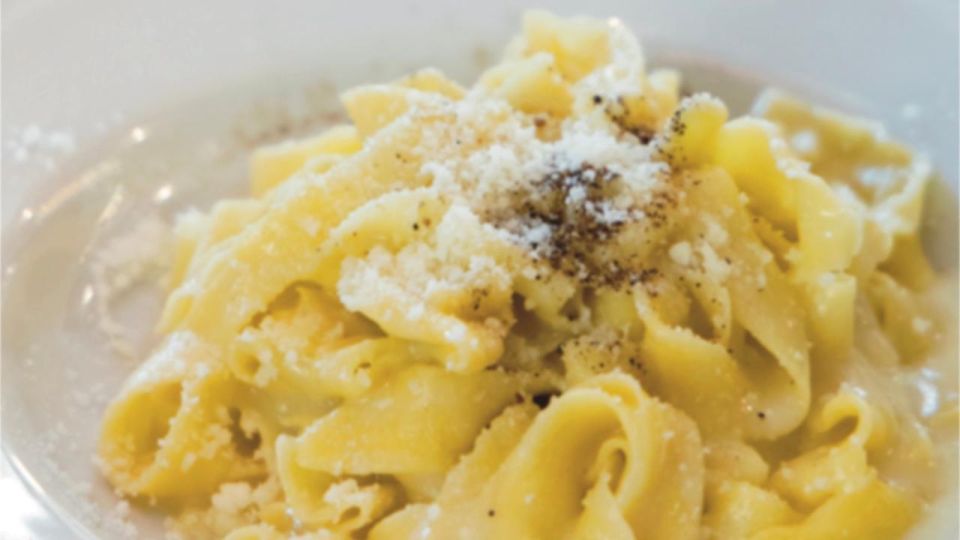
- Central Rome location at Gusto Restaurant (Via Giuseppe Zanardelli 14), easy to find and convenient
- Tiramisu is made first, so you start with the dessert momentum
- Two pasta formats from flour and eggs: fettuccine plus stuffed ravioli
- Sauce choices for your fettuccine: cacio e pepe, tomatoes and basil, or Amatriciana
- Wine plus a glass of limoncello or coffee after cooking, with water included
- English instruction and wheelchair accessibility, so you can follow along without guessing
What you’re really doing in this Rome pasta workshop
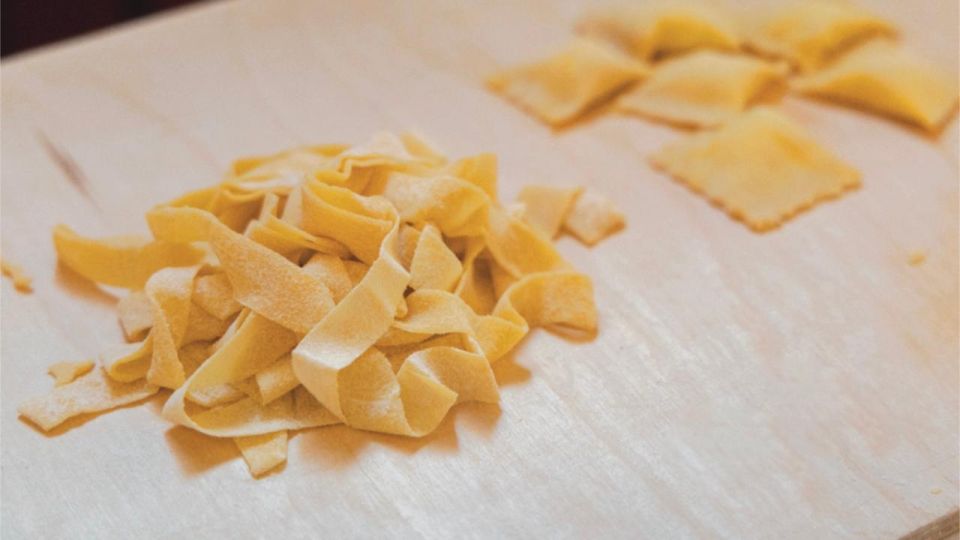
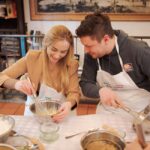
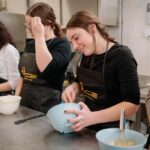
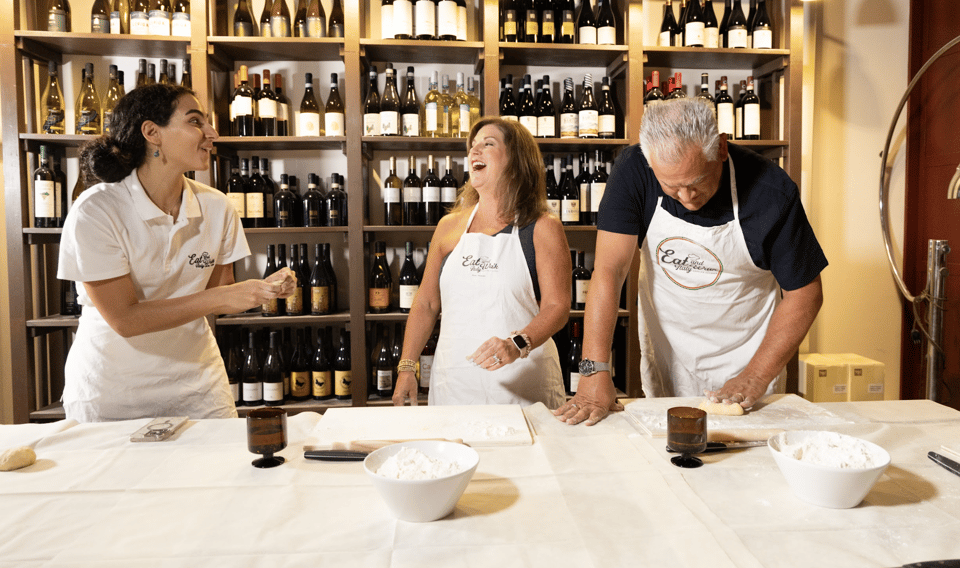
This isn’t a cooking show where you watch someone else work. It’s a small, guided practice where you learn the mechanics of Italian cooking: how egg and flour turn into dough, how filling becomes ravioli, and how tiramisu comes together in the right order.
The dishes matter, too. Fettuccine and ravioli are classic because they’re simple in ingredients but picky in technique. Tiramisu is similar: the flavor is familiar, but the texture depends on how you handle the components. The payoff is practical—by the end, you’re not just eating pasta. You’ve learned how to reproduce the process at home, with fewer mystery steps.
The time plan is also friendly to visitors. It’s only 3 hours, so you can fit it between sightseeing days without turning your schedule into a spreadsheet.
You can also read our reviews of more cooking classes in Rome


Meeting point: Gusto Restaurant on Via Giuseppe Zanardelli 14
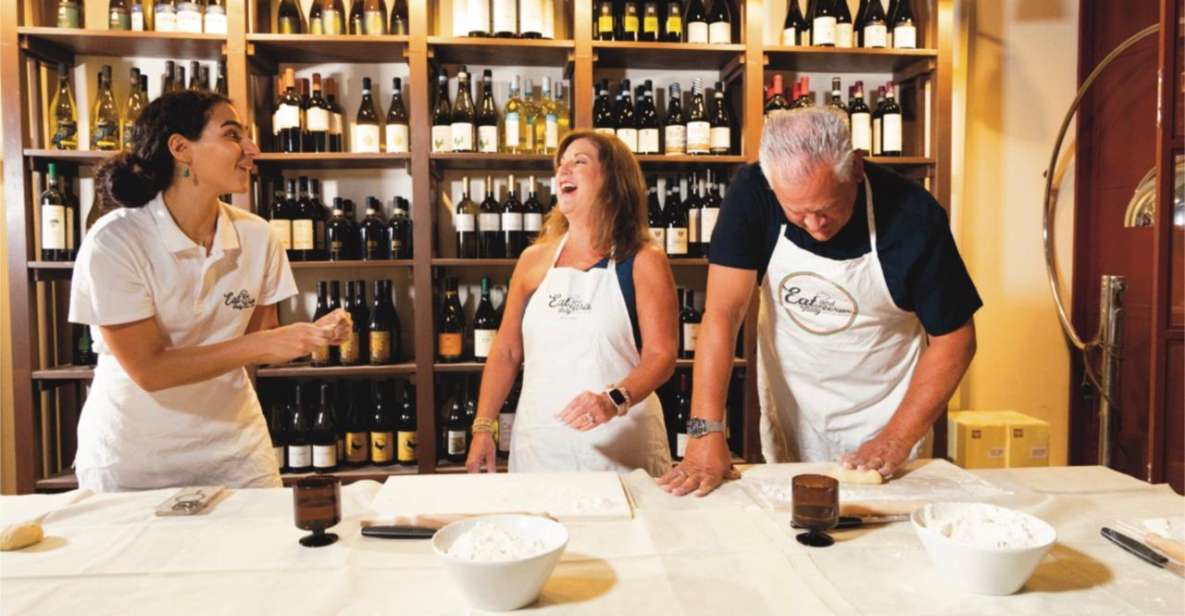
You meet your chef at Gusto Restaurant, Via Giuseppe Zanardelli 14. Arrive about 10 minutes early so you can settle in and get your bearings—this helps when you’re in a central Rome neighborhood where streets can be a little maze-like.
The class language is English, and the instructor is an English-speaking chef. The workshop is also listed as wheelchair accessible, which is a big deal in Rome where not every venue is.
No pets are allowed, and the format is best for people who can actively participate—especially because you’re making dough, shaping pasta, and assembling tiramisu.
If you’re planning your day, treat this like a focused block rather than a casual stroll stop. You’ll get the most value by arriving on time, then putting your phone away for the parts where you need clean hands and attention.
Tiramisu first: ingredients, tools, and the payoff dessert
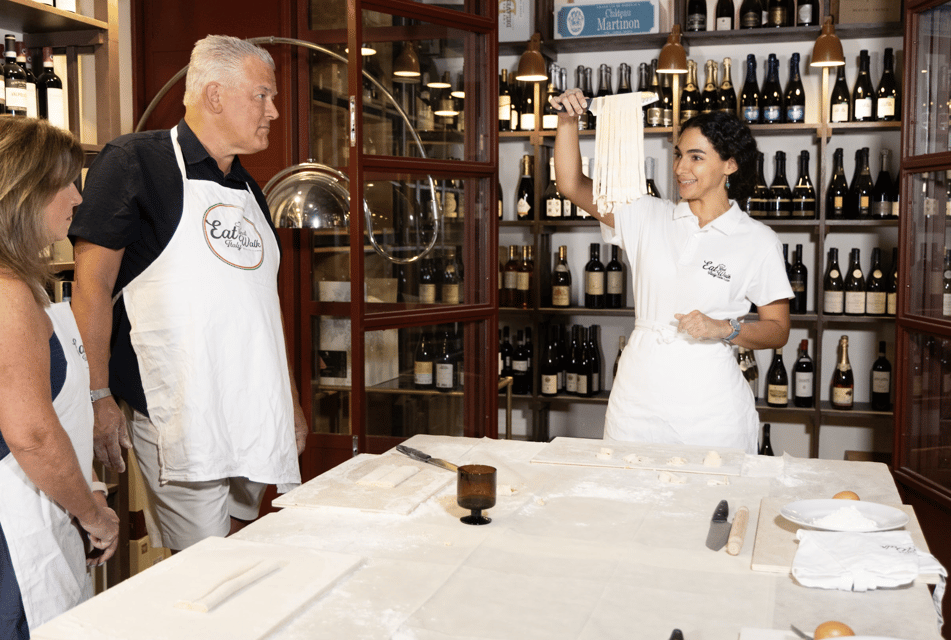
The workshop starts with tiramisu. That’s a smart move. It gets you into the rhythm immediately, and it also lets you see the dessert build before the kitchen gets busy with dough.
You’ll learn how to make tiramisu using the necessary ingredients and tools, with the chef guiding you through the process. While the exact method can vary by instructor, the key point is that you’re not just assembling something random. You’re making the core dessert steps from scratch.
What I like about starting here is the mindset shift. Pasta can feel technical—stretching dough, portioning filling, sealing shapes. Tiramisu feels rewarding quickly. You handle ingredients you already recognize, then you learn how technique affects the final texture and flavor.
You’ll also be able to taste what you make at the end of the class, once the pasta portion is finished and you sit down to eat together. That order matters because it means you’re not just cooking and leaving—you’re working toward the full meal.
Fettuccine and ravioli: from flour and eggs to real technique
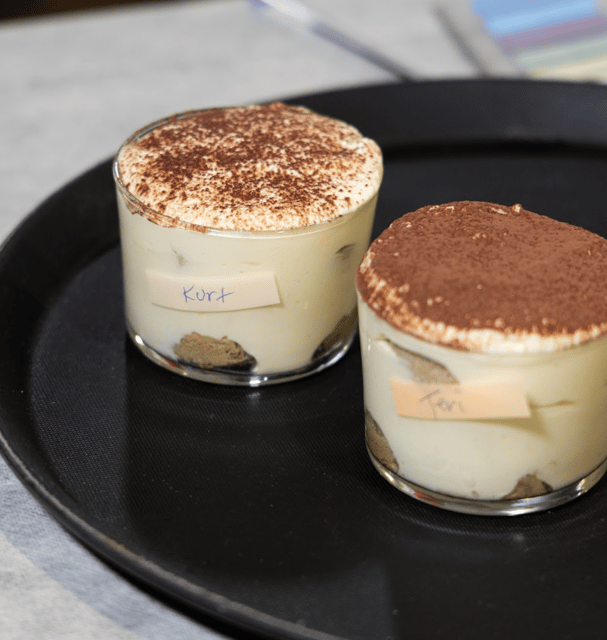
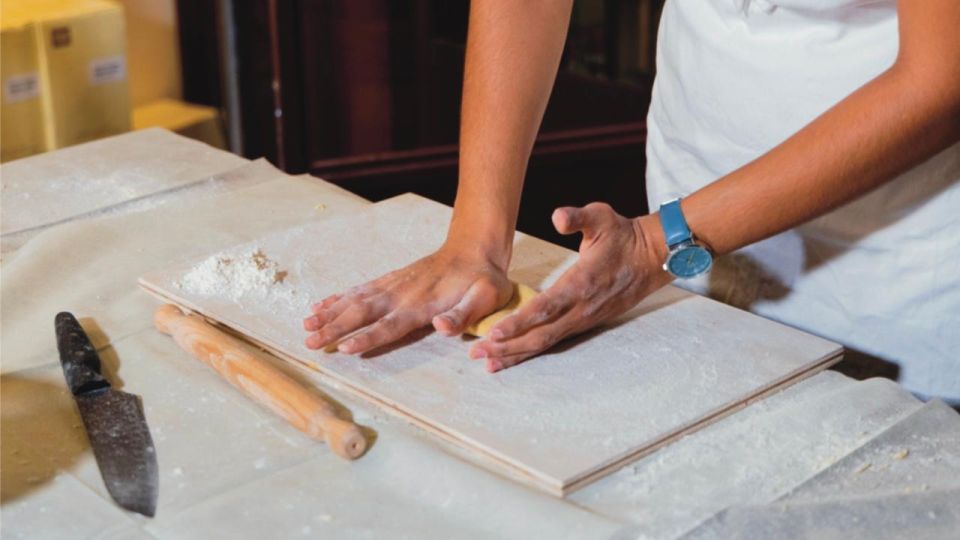
Next comes the pasta work: fettuccine and ravioli, made from scratch starting with flour and eggs. That’s where the class earns its reputation.
Fettuccine basics (and why it matters)
Fettuccine looks simple on a plate, but homemade pasta teaches you control. When you roll and cut, you’re building texture and thickness at the same time. In this class, you’ll learn the process needed to create your own fettuccine so it cooks the way Italian fresh pasta should.
You don’t need to be an expert baker to do well. The chef’s guidance is the point—think of it like learning how dough behaves in real time rather than reading about it.






Ravioli with a filling: shaping is the hard part
Ravioli are where beginners often get frustrated—because the challenge isn’t the filling. It’s portioning and sealing.
In your session, you learn to make stuffed ravioli as part of the workshop, again starting with flour and eggs. The goal isn’t perfection on the first try. It’s understanding how to handle dough, how to work with portions, and how to get ravioli sealed enough to hold together when cooked.
Then, later, your ravioli are served with butter and sage—a pairing that stays classic and makes your results easy to judge. If the pasta holds, you taste it. If it didn’t, you notice quickly.
How the wine, sauces, and tasting make the class feel worth it
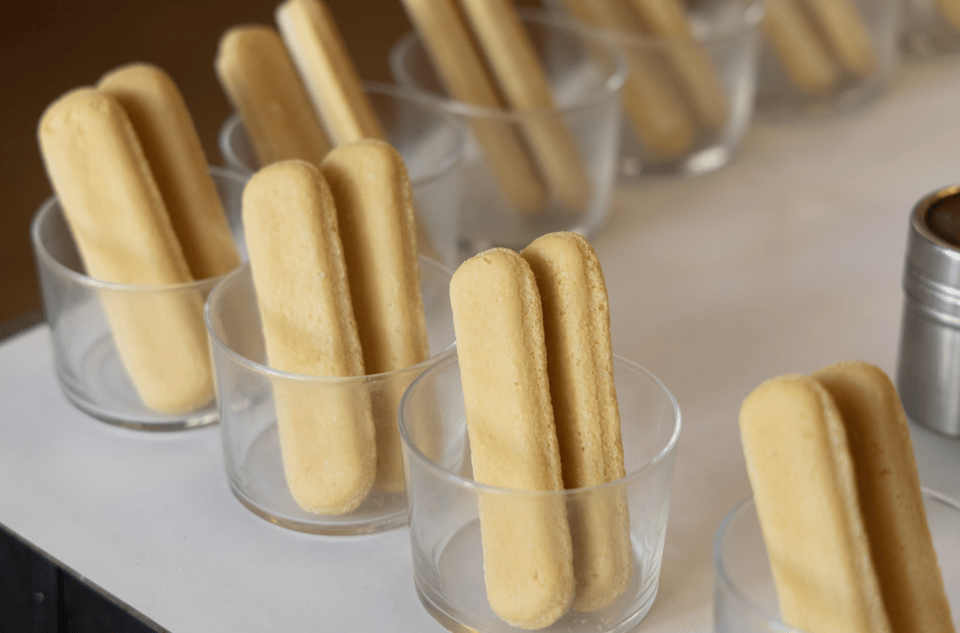
Once the cooking work is done, the class shifts into the part you actually came for: eating your own food like it’s the main event.
You’ll relax with a glass of wine and sample what you prepared. Non-alcoholic drinks are available too. Water is included throughout, which is a small detail but helps your whole experience—especially if you’re doing dough work that leaves you thirsty and slightly flour-dusted.
Here’s what you’ll eat:
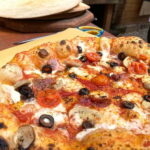
- Fettuccine with a sauce of your choice, with these options: cacio e pepe, tomatoes and basil, or Amatriciana
- Ravioli served with butter and sage
- Your own tiramisu, enjoyed together with your fellow participants at the end
The sauce choice is more than a menu perk. It’s a learning moment. Cacio e pepe teaches you the comfort side of cheese and pepper. Tomatoes and basil keeps things bright and familiar. Amatriciana leans deeper and more savory. You get to taste the different personalities of Roman and Lazio-style flavors.
Then there’s the extra finishing touch: your class includes a glass of limoncello or coffee. It’s a classic Italian way to round out the meal.
Alcoholic beverages aren’t included for participants under 18, so the experience stays family-friendly in the drink department.
Price and value: why $82 can make sense in Rome
At $82 per person for 3 hours, this class sits in the middle of the Rome cooking-class world. But the value comes from what’s included, not just the duration.
You’re getting:
- Fettuccine and ravioli ingredients and instruction through the full process
- Tiramisu ingredients and instruction
- A meal tasting that includes the sauce options and the ravioli sauce
- One glass of wine or non-alcoholic beverage
- A limoncello or coffee
- Water
- Alcohol not included for participants under 18
Then consider the real cost at home. If you try this solo later, you’ll pay for flour, eggs, specialty ingredients for sauces, and dessert components—plus the time to figure out the technique without a chef guiding you. Here, you’re buying coaching and ingredients together, and you also get to eat what you make right away.
One caution for value: you should plan on paying a tip if you want to, since gratuity is not included.
Practical tips so you enjoy the pasta and not the stress
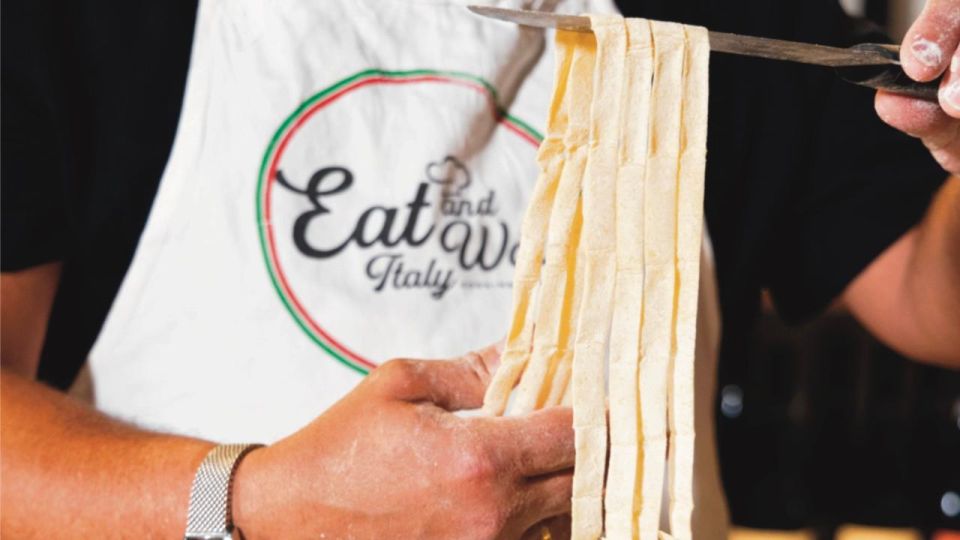
A few small moves will make the hands-on part smoother:
- Wear something you don’t mind getting flour on. Pasta dough is messy in the normal, expected way.
- Show up 10 minutes early at Via Giuseppe Zanardelli 14. It buys you calm time before you’re asked to wash up and start.
- If you know you like one fettuccine sauce best, think about it before class so you can choose quickly.
- Bring a bit of patience for ravioli. Shaping is the step that tests your focus the most.
Also, remember the workshop is listed as not suitable for children under 4. If you’re traveling with toddlers, you’ll want to choose a different style of activity.
Who should book this Rome class (and who might not)
This experience is ideal for you if:
- You want a hands-on Italian cooking class rather than a lecture
- You enjoy learning practical skills you can reuse
- You like Roman-flavored pasta options like cacio e pepe and Amatriciana
- You want a cozy, central setup that doesn’t eat your whole day
It may not be the best fit if:
- You prefer watching more than working
- You’re hoping for a long, slow class with lots of downtime
- You’re traveling with very young children who won’t tolerate active making
If you’re a solo traveler, it can still work well because the experience ends with a shared meal. If you’re a couple, it’s also a fun way to collaborate on dough and then split the satisfaction.
And if you’re booking with friends, the shared eating time is where the whole thing gels.
Should you book this Rome fettuccine, ravioli, and tiramisu class?
Yes, if you want a skills-and-meal combo that fits a tight Rome schedule. The reason to book is simple: you learn fettuccine and ravioli from flour and eggs, you make your own tiramisu, and you eat everything you produced in a central Roman setting.
The main tradeoff is pacing. This is not a slow, relaxed cooking morning. It’s a focused 3-hour block where you’ll work, learn, eat, and move on.
If you want a practical, classic Italian food experience that feels authentic and rewarding, this one is an easy recommendation.
FAQ
How long is the pasta-making experience?
The experience lasts 3 hours.
Where do I meet the chef?
Meet at Gusto Restaurant, Via Giuseppe Zanardelli 14 in Rome. Arrive 10 minutes before the class starts.
What dishes will I make during the class?
You’ll make homemade fettuccine, stuffed ravioli, and tiramisu from scratch.
What sauce options are included with the fettuccine?
You can choose from cacio e pepe, tomatoes and basil, or Amatriciana.
Are drinks included in the price?
Yes. You get a glass of wine or a non-alcoholic beverage, plus water. The experience also includes a glass of limoncello or coffee.
Is the class taught in English?
Yes. The instructor teaches in English.
Is it suitable for kids, and can I bring pets?
It’s not suitable for children under 4 years. Pets are not allowed.