REVIEW · ROME
Colosseum Arena, Forum & Palatine Hill Guided Tour
Book on GetYourGuide →Operated by Tours About · Bookable on GetYourGuide
Ancient Rome hits different from inside the arena. I love stepping onto the Colosseum arena floor—you get that spine-tingling sense of scale when you picture the crowd and the gladiators’ path. I also like how efficiently the tour moves through the Roman Forum and Palatine Hill in a tight 2.5-hour loop, so you leave with clear mental pictures, not just photos.
One thing to consider: the tour is not built for slow pacing or easy mobility. If you’re dealing with stairs or uneven ground, this one can be tough, and in bad weather the arena floor can be closed without a refund (the gladiators’ gate entry may still work, just not the floor access).
In This Review
- Key things I’d bet on before you go
- Where You Start at Via delle Terme di Tito 93 (and why it matters)
- Colosseum Arena Floor: the engineering, the drama, the view up
- The Roman Forum: politics, power, and the routes Romans walked
- Palatine Hill: imperial views over Rome’s old center
- How the tour stays smooth in a famously chaotic area
- What you should realistically expect during the 2.5 hours
- Value check: is $87.68 per person fair?
- Small rules that can affect your comfort
- Who this tour fits best
- Should you book this guided tour of the Colosseum, Forum & Palatine Hill?
- FAQ
- What does the tour include?
- Is the Underground included?
- How long is the tour?
- Are there skip-the-line benefits?
- What languages is the guide available in?
- Where do I meet the group?
- Where does the tour end?
- Is this tour suitable for wheelchair users or mobility impairments?
- What happens if the arena floor closes due to weather?
Key things I’d bet on before you go
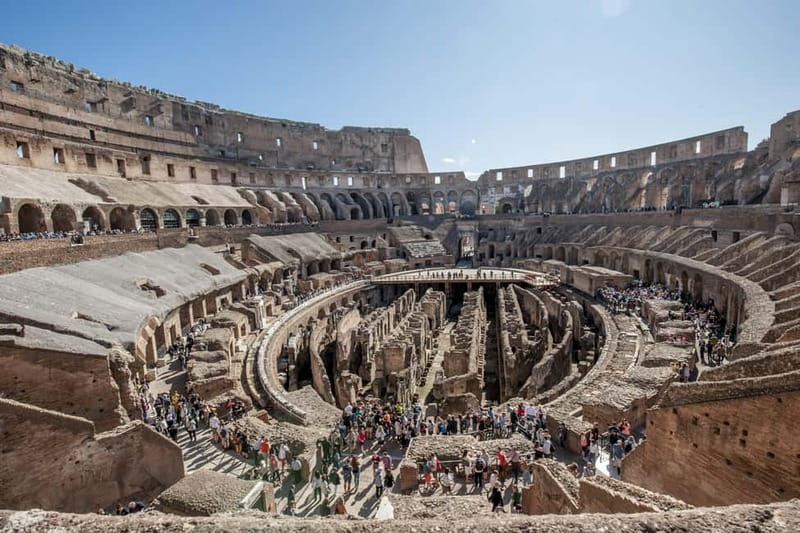
- Arena floor access so you can picture the action from ground level, not just the seats
- Group skip-the-line plus a headset, which matters when the sites are packed
- Forum highlights like the Arch of Titus and major political landmarks
- Palatine Hill viewpoints over the Forum and toward the Circus Maximus
- Guides with strong storytelling (names like Marco, Laura, Lorenzo, Gil, and Maria show up often in top feedback)
Where You Start at Via delle Terme di Tito 93 (and why it matters)
Your tour meets at Via delle Terme di Tito, 93, near the Colosseum area. Since you’re starting by the amphitheater, you avoid the classic Rome scramble of trying to coordinate your own routes across multiple ticket lines.
If you’re arriving by metro, the meeting instructions point you toward Colosseo metro station and then to the terrace above it. From there, the walk to the meeting spot is short and straightforward. The upside of this location: you get a head start on one of Rome’s biggest crowd magnets, and the first minutes feel more organized than most DIY attempts.
Also, bring a real ID. This experience uses airport-style security and requires full names for every participant. I’d treat that as part of the timeline, because it can affect when you actually step into the Colosseum area.
You can also read our reviews of more guided tours in Rome
Colosseum Arena Floor: the engineering, the drama, the view up
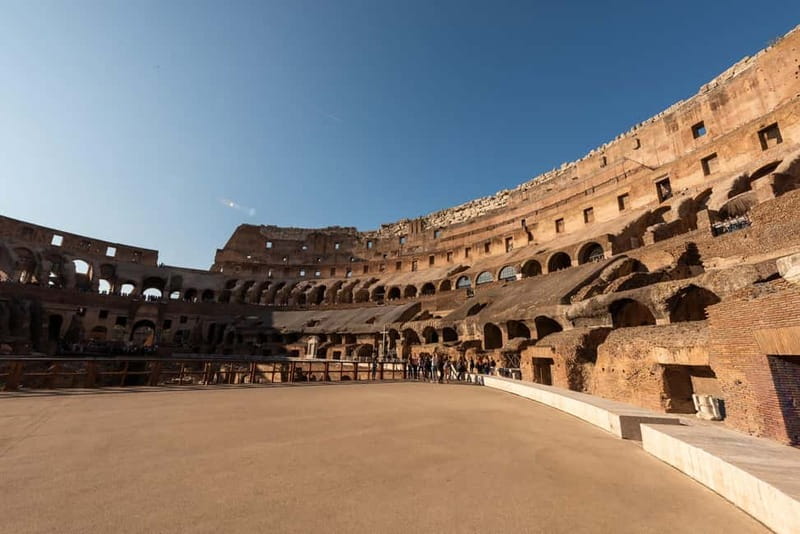
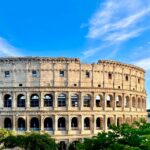
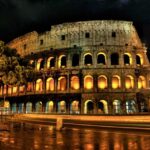
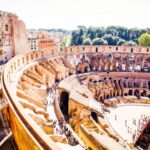
The Colosseum stop is where this tour becomes more than a checklist. You’ll spend about 1 hour on the arena floor with a guided walk, plus you’ll hear the stories tied to how the place worked—especially the engineering under your feet.
I love the way this experience helps you see the Colosseum in layers. From the seats, it looks like massive stone and arches. From the arena floor, you can better imagine the hidden system beneath: the practical structure that made spectacle possible, not just pretty ruins. That contrast is what makes the tour feel worth the extra cost compared with general entry.
You’ll also pass through key access points tied to the gladiators’ experience—one highlight calls out walking past the Gladiators’ Gate. Even if you never saw a single Roman event in real life (same), the symbolism hits. It’s the shift from tourist gaze to participant perspective.
Architecturally, focus is placed on the Colosseum’s lasting design. Expect discussion on the building’s role in Roman society and why it became such a powerful civic statement, not only a venue for fights. And because the area can be crowded, the headset helps you keep up without constantly craning your neck or losing the guide.
Practical drawback: this stop depends on weather. If conditions force the arena floor to close, you may still enter via the gladiators’ gate, but arena floor access can be prohibited, and refunds can’t be provided in those cases. If you’re traveling at a season with frequent rain or sudden heat, I’d plan for the possibility that your “must-see” moment might be limited.
The Roman Forum: politics, power, and the routes Romans walked
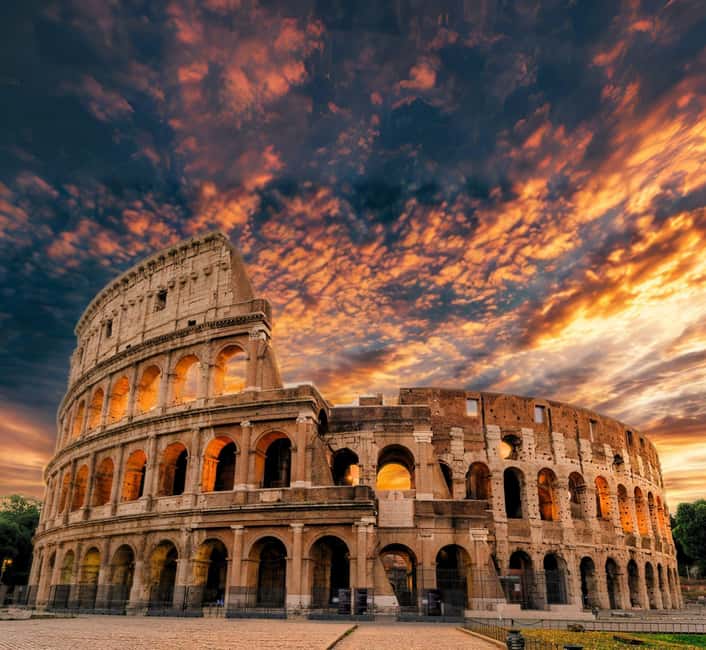
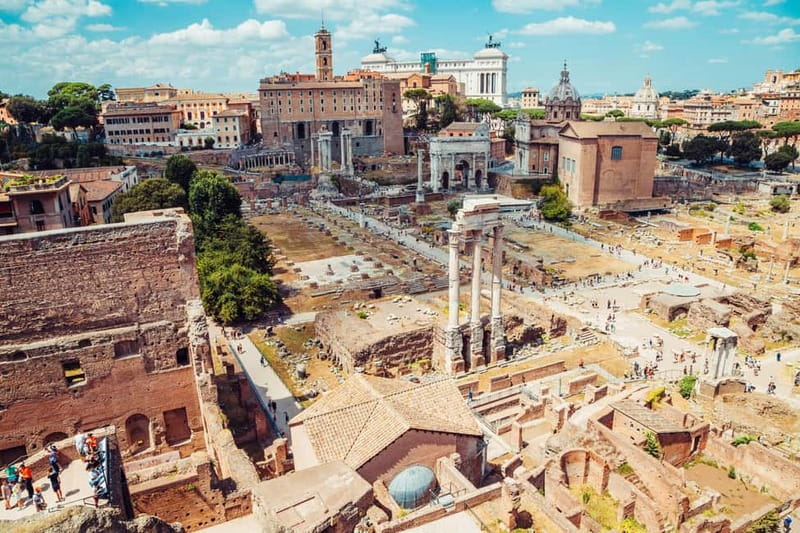
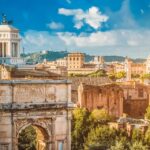
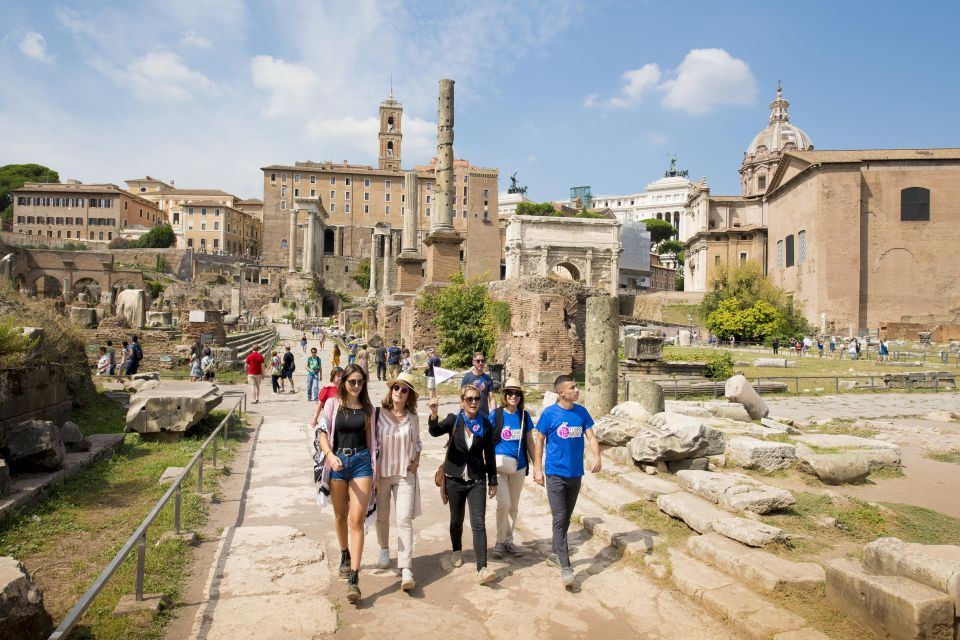
Next comes the Roman Forum for another 1 hour. This part is the heart of old Rome’s daily life: the space where politics, religion, commerce, and public arguments all met. It’s also where ruins can feel confusing if you wander without help—there are so many fragments that you forget what connects them.
With a guide, you’re pointed at key surviving landmarks, including:
- Senate House
- Temple of Saturn
- Arch of Titus
Those aren’t random monuments. The guide’s job here is to stitch them into a story: who used these spaces, what people came to do, and why the Romans kept shaping the city around power. When you learn what each building represented, the Forum starts to read like a map of authority—who spoke, who judged, who celebrated, and who showed off.
One of the strongest reasons to do this with a guide is that the Forum is active even when it’s quiet. People crowd around the same spots, and without context you can miss the significance of what you’re standing in front of. With the commentary leading you through the area, you get faster meaning, not just scenery.
Also note the pacing. Even with a solid itinerary, the Forum is one of the toughest places in Rome for crowd pressure. The tour’s group access and skip-the-line approach makes a difference because you spend less time stalled and more time walking with your eyes open.
Palatine Hill: imperial views over Rome’s old center
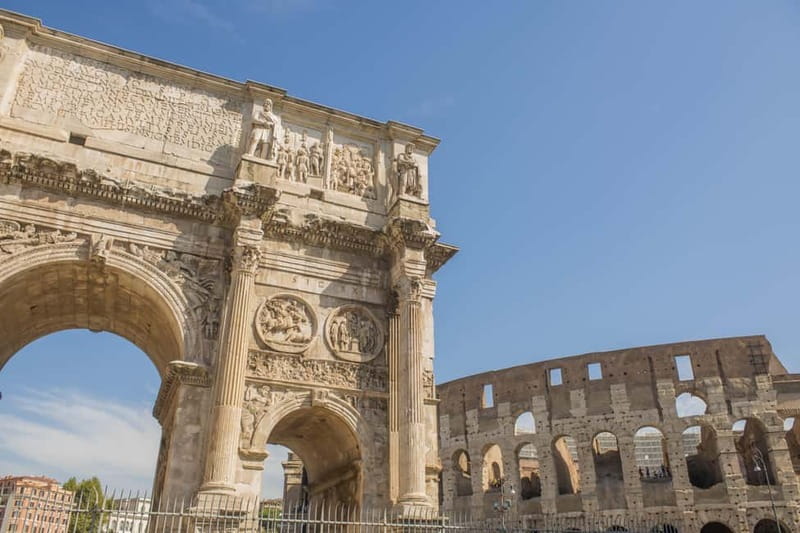
The last stop is Palatine Hill for about 1 hour. If you’ve ever heard that Palatine Hill was where Rome’s power lived, this is your confirmation. The hill connects the founding legends to the later imperial era, so your tour feels like it moves through time, not just space.
You’ll get some of the best outlook moments in the area, including views over the Forum and toward the Circus Maximus. Those lines of sight are a big part of why the hill matters. They show how rulers and elites could look down over the stage of Roman life.
The guided portion also focuses on what’s left of imperial palaces and gardens and highlights influential figures tied to the hill, including emperors and poets. Even if you don’t memorize names, you’ll leave with a stronger sense of what Palatine Hill represented: the place where politics turned into personal residence, and how emperors used landscape as status.
Photos help here, but I’d prioritize the mental image. Stand where the guide points you, listen to what the view used to mean, then snap your pictures. The best photos happen right after the point lands.
How the tour stays smooth in a famously chaotic area
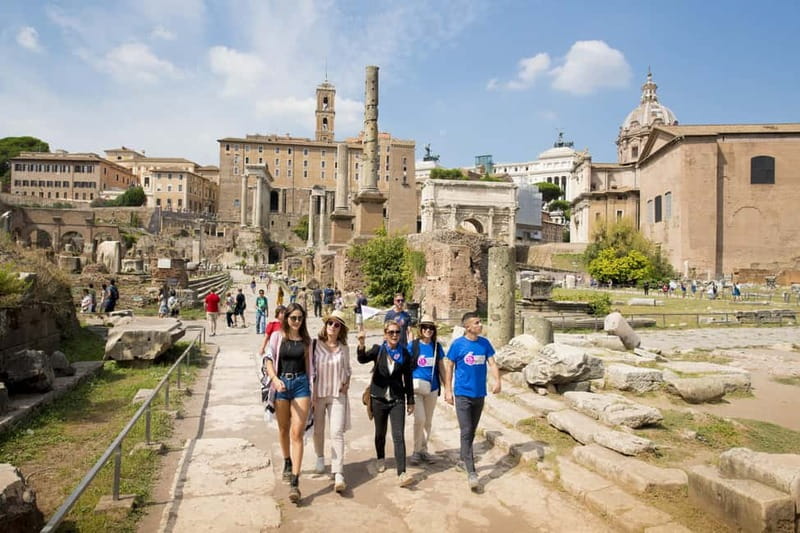
This experience is built around a simple reality: the Colosseum complex is crowded. That’s exactly why you want the structure.
A few details make the day run better:
- Skip-the ticket line so you spend less time in dead air at entrances
- Headset so you don’t lose the guide when groups slow down
- A compact flow: Colosseum arena floor → Roman Forum → Palatine Hill
- The order can change depending on Colosseum ticket availability, so you’re not choosing between the Forum and the hill on your own schedule
From reviews, one theme comes up again and again: guides who keep the pace moving while still covering the most important points. Guides such as Marco, Laura, Lorenzo, Ian, Irene, Amir, Nuncia, Gil, Maria, Claudia, and Sophia/Julia are mentioned in high ratings for storytelling and clarity, and you can feel the payoff when you don’t have to translate the ruins yourself.


What you should realistically expect during the 2.5 hours
You’re booked for about 2.5 hours total, split evenly across the three main areas. That’s enough time to feel the scale and absorb key sites, but not enough for a long, slow wander.
Here’s what your morning or afternoon rhythm will likely feel like:
- Security check and group organization before entering
- Arena floor time that feels short until you picture what you’re standing on
- Forum walking with stops at recognizable monuments
- Palatine Hill finishing with the best views and founding-to-empire context
If your travel style is “see everything,” you might want extra time on your own after the tour, especially on Palatine Hill where viewpoints can tempt you to linger.
Value check: is $87.68 per person fair?
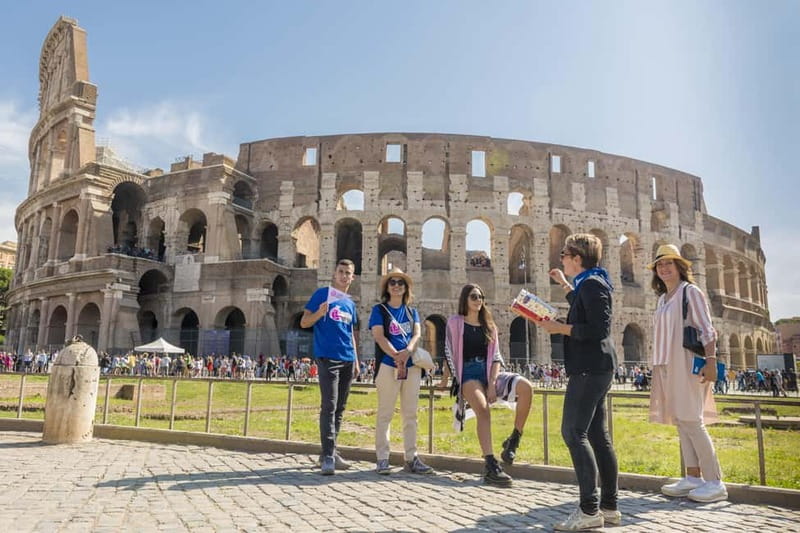
At $87.68 per person, this isn’t a budget add-on. It’s a mid-tier spend, which is normal for a guided experience that includes premium access.
Here’s why it can still be good value:
- You’re paying for guided entry into the Colosseum and arena floor, not just seats or exterior views
- You get Roman Forum and Palatine Hill entry bundled into the same time window
- Headsets reduce friction when the group is moving through crowds
- The skip-the-line element can easily offset part of the cost in wasted time and stress
You’re not paying for luxury extras. What’s not included is important: underground entrance, plus food/drink, plus hotel pickup/drop-off. If you were hoping for a full self-guided day with lots of free time, you might resent the structure. If you want maximum meaning per minute in Rome’s busiest archaeology zone, the price starts to make sense.
Small rules that can affect your comfort
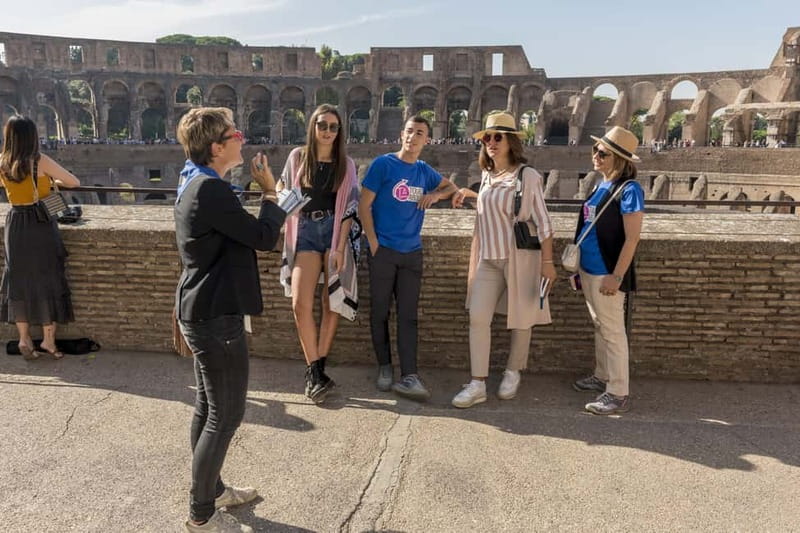
These constraints are worth knowing so you don’t arrive stressed:
- Not suitable for people with mobility impairments and wheelchair users
- No luggage or large bags
- No pets
- No weapons or sharp objects
- You’ll need passport or ID card
If you’re traveling with kids, it’s still straightforward, but you’ll want comfortable shoes and a realistic expectation that the terrain can be uneven.
Who this tour fits best
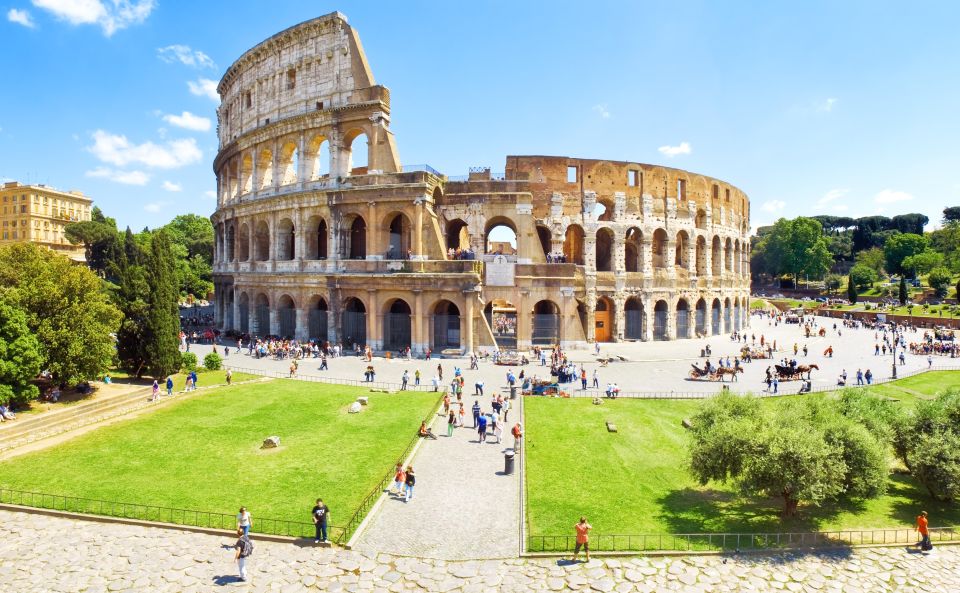
This guided loop works best if you want:
- A clear storyline from gladiators to emperors to city politics
- Arena floor access as a highlight, not an optional extra
- Less time stuck in queues and more time learning what you’re seeing
It’s especially satisfying for first-time Rome visitors who feel overwhelmed by the Colosseum-Forum-Palatine Triangle. And it’s also a strong option for repeat visitors who want a different perspective—standing on the arena floor can reset your understanding even if you’ve seen the exterior before.
Should you book this guided tour of the Colosseum, Forum & Palatine Hill?
Yes, if you care about context and you want the arena floor moment without the heavy legwork. The price looks fair when you factor in bundled sites, headset support, and skip-the-line efficiency.
I’d hesitate only if your priorities are mostly “wander and linger,” or if mobility issues make stairs and uneven ground a real concern. Also, if weather might derail arena access for you, be prepared for the possibility that your favorite part could be restricted on the day.
If you’re aiming to leave Rome with a mental map of how the empire staged power, this tour does that job fast and well.
FAQ
What does the tour include?
It includes a guided tour, entry to the Colosseum and arena floor, Palatine Hill, and the Roman Forum, plus a headset.
Is the Underground included?
No. Entrance to the Underground is not included.
How long is the tour?
The duration is about 2.5 hours.
Are there skip-the-line benefits?
Yes. The tour includes skip-the-ticket line.
What languages is the guide available in?
French, German, Spanish, English, Italian.
Where do I meet the group?
Meet at Via delle Terme di Tito, 93.
Where does the tour end?
The tour ends back at the meeting point.
Is this tour suitable for wheelchair users or mobility impairments?
No. It’s not suitable for wheelchair users or people with mobility impairments.
What happens if the arena floor closes due to weather?
In inclement weather, the arena floor may be closed off without notice. Entry through the gladiators’ gate isn’t affected, but arena floor access can be prohibited, and refunds can’t be provided in those instances.