REVIEW · ROME
Rome: “Chopin & Italian Friends” Piano Concert
Book on GetYourGuide →Operated by Opera da Camera di Roma · Bookable on GetYourGuide
Chopin in a church is a rare treat. This Chopin & Italian Friends concert pairs Fryderyk Chopin with famous Italian composers in solo-piano arrangements, and it’s exactly the kind of Rome cultural moment that feels close-up rather than distant. I especially love the way Chopin’s writing lands right next to Italian opera (Verdi, Mascagni, Puccini), and I also like that the performance happens in a church venue for memorable acoustics. One possible drawback: if you’re sensitive to outside street noise, that can be noticeable depending on the exact church and where you sit.
You’re looking at a focused, 1-hour programme rather than a long evening. The setlist moves through moody etudes and nocturne-like color, then swings toward grand gestures like the Ballade, and ends with a sharp, energetic finish in Chopin’s Scherzo. The host or greeter speaks English and Italian, and the concert runs from Monday to Saturday in a Waldensian church and on Sundays in a Methodist church.
Most days, the “where” is part of the point. You’ll get the rare chance to hear piano music in a church setting, with the sound carrying in a way you don’t get in regular halls. You can also book with free cancellation up to 24 hours in advance, and the experience is wheelchair accessible, so it’s easier to plan than many older-style classical events.
In This Review
- Key Things I Think You’ll Notice
- Why a Chopin-Focused Solo Recital in Rome Feels Special
- Church Acoustics: Waldensian and Methodist Venues
- The 60-Minute Programme: How Verdi to Chopin to Gershwin Plays Together
- Verdi’s Preludio da Traviata
- Chopin Etude op. 25 n. 1
- Chopin Fantaisie Impromptu op. 66
- Mascagni Intermezzo da Cavalleria
- Puccini Intermezzo da Manon Lescaut
- Chopin Prelude op. 28 n. 4
- G. Ponte Tarantella
- Chopin Ballade op. 23
- Puccini Foglio d’album
- Debussy Clair de lune
- Gershwin Rhapsody in blue
- Chopin Scherzo n. 2 op. 31 (final)
- Tickets for $35: Is It Good Value?
- What to Do Before You Go (So You Hear the Best Version)
- Who Should Book This Chopin & Italian Friends Concert?
- Should You Book It?
- FAQ
- What is the duration of the Rome Chopin & Italian Friends piano concert?
- Where does the concert take place?
- How much does it cost?
- What days is the concert performed in each church type?
- Is the concert in a church?
- What languages are available for the host or greeter?
- What is included in the ticket price?
- Is the venue wheelchair accessible and can I get a refund if plans change?
Key Things I Think You’ll Notice
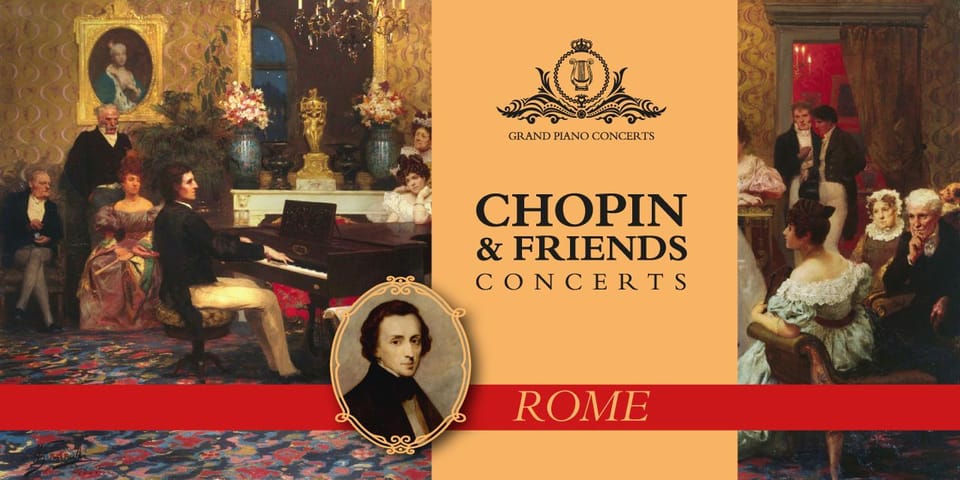
- Solo piano, big emotions: This is not chamber ensemble music—every effect comes from the pianist’s hands and touch.
- Chopin + Italian opera composers: You’ll hear Verdi, Mascagni, and Puccini woven into a single recital flow.
- Church acoustics: Waldensian and Methodist churches shape the sound in a very specific, memorable way.
- A varied modern stretch: Debussy and Gershwin appear alongside Chopin and Italian classics.
- Strict music-program lovers should plan for variability: One recent attendee noted the pianist didn’t play the full printed sequence.
Why a Chopin-Focused Solo Recital in Rome Feels Special
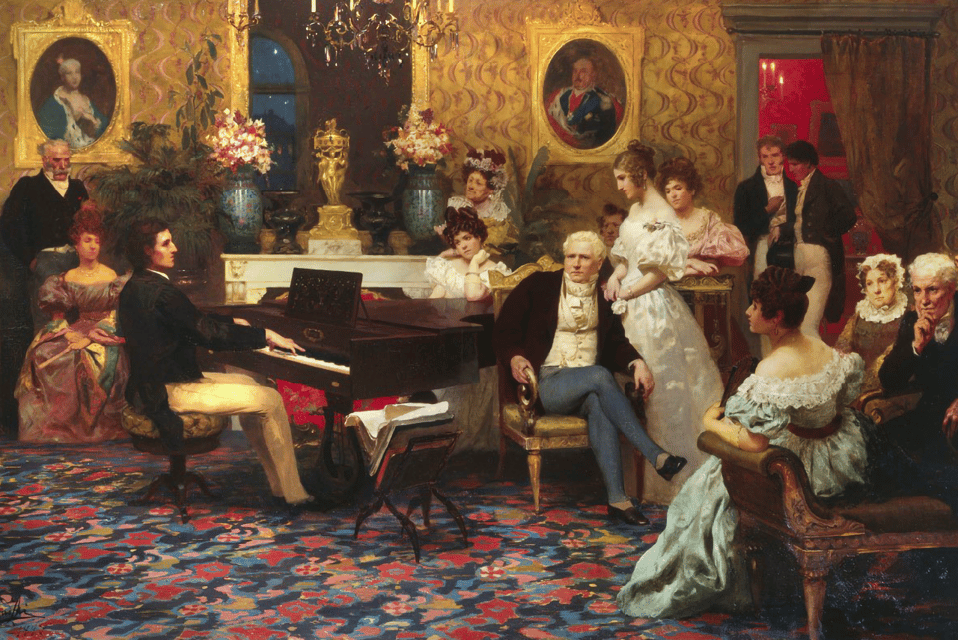
Chopin can be a little tricky for a first-time classical listener. The music is intimate, full of rubato (that elastic feel), and it asks you to listen closely. That’s exactly why a solo recital works so well here: the sound stays intimate and immediate, with no orchestral wall between you and the melody.
What makes this concert extra appealing is the framing. Instead of Chopin in a pure, single-composer bubble, you get Chopin plus Italian opera—not as a random mash-up, but as a curated musical conversation. Verdi’s dramatic lyricism, Mascagni’s theatrical intermezzo mood, and Puccini’s stage-like tenderness all share emotional territory with Chopin, even when the style is different.
And for you, that means less “work” in the listening. You’re not trying to switch gears from one world to another. You’re staying in the same emotional zone—melody, drama, tension, release—while the language changes from Polish romanticism to Italian operatic color.
The venue choice adds another layer. A church changes how the piano’s harmonics hang in the air. It’s not the dry, close-up sound you might expect in a small concert room. It can feel softer around the edges and more reverent in pacing, even if the music itself is dramatic.
You can also read our reviews of more tours and experiences in Rome

Church Acoustics: Waldensian and Methodist Venues
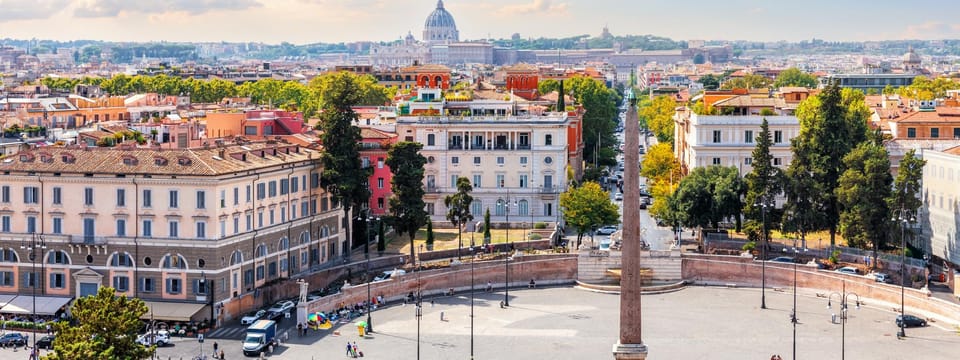
The performance takes place in different church spaces depending on the day:
- Monday to Saturday: at a Waldensian church
- Sunday: at a Methodist church
That schedule matters because the acoustics and the surrounding street environment can change from one church to another. In a church, the sound can travel in a way that makes quieter passages feel beautifully clear—and can also make outside noise more noticeable if the room has gaps near entrances or doors.
So here’s my practical advice: arrive early enough to pick your seat and settle. If you’re noise-sensitive, try to avoid sitting right by the doors or the most exposed edge of the seating area. It’s not about being paranoid—it’s about setting yourself up for the best listening conditions.
Another plus: this is, from a Rome sightseeing point of view, a memorable contrast. You’ll be surrounded by architecture that’s designed for reflection and speech, not for modern entertainment. When the piano starts, it feels like a genuine cultural swap: the church isn’t just a backdrop; it becomes part of the sound.
The 60-Minute Programme: How Verdi to Chopin to Gershwin Plays Together
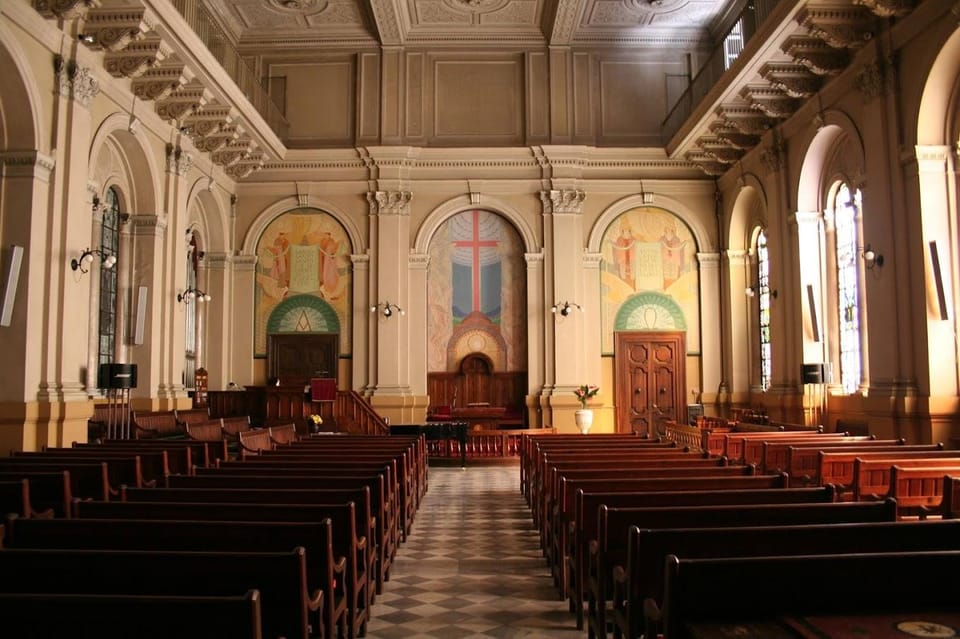
This is a one-hour recital, so the programme is built for momentum. It starts with Italian drama, moves into Chopin’s technique and emotion, returns to opera intermezzi, and then layers in French and American classics before landing back in Chopin.
Here’s what you’ll hear, in programme order:
Verdi’s Preludio da Traviata
It’s a strong opening choice because Verdi’s melodies are instantly recognizable in mood—leaning toward romance and drama right away. You get a stage-like feeling even with solo piano.
Chopin Etude op. 25 n. 1
An etude is not background music. It’s pure technique, and in a live setting it becomes performance art. This piece helps set expectations: you’re going to hear Chopin both as composer and as “sound engineer.”


Chopin Fantaisie Impromptu op. 66
This is the kind of Chopin that pulls people in quickly. It has that improvisatory sparkle, but it’s written with real structure. Expect emotional lift and fast-moving phrasing—great if you want the recital to feel alive, not academic.
Mascagni Intermezzo da Cavalleria
Mascagni brings a more theatrical tenderness. Intermezzi often feel like a pause in the storyline—something private inside public drama. In a church with solo piano, that contrast can be striking.
Puccini Intermezzo da Manon Lescaut
Puccini tends to sound lyrical and human, even when you hear it away from the stage. This piece keeps the “opera mood” going, so you stay in the same emotional lane while the musical accent shifts again.
Chopin Prelude op. 28 n. 4
Short prelude, big atmosphere. Chopin’s preludes are like emotional snapshots—small in duration, heavy in mood. This helps reset the pace so you don’t just ride the high energy.
G. Ponte Tarantella
A Tarantella is a dance form, and that usually means rhythmic lift. It breaks up the more reflective sections and adds a lively pulse before the heavier Chopin works.
Chopin Ballade op. 23
This is one of the major landmarks of the recital. A Ballade isn’t just “pretty music.” It’s narrative—tension, expansion, and dramatic turns. If you came for Chopin, this is the moment that often confirms why people get obsessed.
Puccini Foglio d’album
An album-page type of piece tends to feel more intimate and character-driven. It adds variety after the Ballade’s scale, giving you a breath before the programme widens further.
Debussy Clair de lune
Debussy offers a different palette of sound colors. Even on solo piano, Clair de lune can feel like soft light moving across the room. It’s a nice bridge: you’re still in romantic sound-world, but the harmony and phrasing have their own perfume.
Gershwin Rhapsody in blue
This is the “wait, we’re doing that here?” moment—in a good way. Gershwin brings American rhythm and swagger. In a church, it can sound both surprising and oddly logical: the piano becomes a translator between classical and popular language.
Chopin Scherzo n. 2 op. 31 (final)
The Scherzo gives you the closing energy. It’s fast, sharp, and satisfying after the mid-program variety. If you like a clean finish, this last piece does the job.
One important reality check: a strict-listener friend of mine (okay, not mine, but someone recently) pointed out that not every planned selection was always played. I can’t guarantee any individual evening’s exact execution, but if you’re counting on every single item, aim to enjoy the overall arc rather than treat the recital like a checklist.
Tickets for $35: Is It Good Value?
At $35 per person for one hour, you’re paying for three things that rarely show up together:
1) a live performer
2) a carefully chosen setlist
3) a unique location where piano in a church setting is the main event
In practical terms, it’s not long enough for you to drag your feet through your Rome day. You can slot it after sightseeing without losing an entire evening. And because it’s solo piano, you’re not waiting through lots of scene changes or instrumentation—your attention stays on the music.
The provider is Opera da Camera di Roma, which suggests this isn’t just a random recital; it’s part of a classical-culture machine that knows how to present concerts to the public. The overall rating of 4.2 based on 98 reviews backs up that most people leave satisfied.
That said, value depends on your listening style. If you come expecting silence and zero environmental interference, you may be less happy in a church that’s near street activity. If you came to hear a heartfelt performance in an unusual Rome setting, this price looks more reasonable fast.
What to Do Before You Go (So You Hear the Best Version)
Because the meeting point may vary depending on the option booked, I recommend you check your confirmation details closely and give yourself extra time to find the entrance. Churches are often in tight streets or have multiple doors, and you don’t want to arrive while the music is starting.
The host or greeter speaks English and Italian, which is useful if you have any last-minute questions. Still, keep expectations simple: you’re attending a short, focused concert. You’ll likely want to arrive early, settle, and let the programme begin without stress.
For your listening comfort:
- Bring your own “quiet mindset.” These are expressive pieces. If you keep checking your phone, you’ll miss the rubato and the little shifts in tone.
- If you’re noise-sensitive, position matters. Choose a seat away from doors and toward the main seating area when possible.
One more small strategic tip: because the programme mixes Chopin, Italian opera intermezzi, and later pieces like Debussy and Gershwin, it suits both classical devotees and curious newcomers. You don’t need to know every composer to enjoy the emotional thread.
Who Should Book This Chopin & Italian Friends Concert?
This is a great fit if:
- You love piano music and want an intimate recital rather than a big, formal concert hall experience.
- You enjoy Chopin but like the idea of hearing it in a bigger conversation with other composers.
- You like opera melodies and want the operatic mood without stage production.
- You’re in Rome for a short stay and want one high-impact cultural evening that won’t swallow your whole night.
It may be less ideal if:
- You’re extremely sensitive to street noise or interruptions. One recent attendee flagged that outside noise was terrible from their seat.
- You need the recital to follow the printed programme perfectly, every single night. Occasional deviations can happen in live performance.
If you’re deciding between multiple classical options in Rome, this one is distinctive because of the church venue and the programme style. It’s not just “Chopin played nicely.” It’s Chopin framed with Italian opera and then broadened with Debussy and Gershwin.
Should You Book It?
If you want something special that’s still practical—$35 for a full hour of live piano in a church is hard to beat. I’d book it if you’re open to a mix of styles and you care about atmosphere as much as the notes.
I wouldn’t book it if your top priority is total silence and perfect programme precision. But if you can handle a real-world setting and focus on the music, this concert is the kind of Rome evening that feels different from the usual sightseeing checklist.
FAQ
What is the duration of the Rome Chopin & Italian Friends piano concert?
It lasts 1 hour.
Where does the concert take place?
It takes place in Lazio, Italy, in a church venue.
How much does it cost?
The price is $35 per person.
What days is the concert performed in each church type?
From Monday to Saturday it is performed at a Waldensian Church, and on Sundays at a Methodist Church.
Is the concert in a church?
Yes. It is described as the only opportunity to enjoy a piano concert in a church.
What languages are available for the host or greeter?
The host or greeter speaks English and Italian.
What is included in the ticket price?
Your ticket includes the entrance for the piano concert.
Is the venue wheelchair accessible and can I get a refund if plans change?
Yes, it is wheelchair accessible, and there is free cancellation up to 24 hours in advance for a full refund.