REVIEW · ROME
Rome: Colosseum and Ancient Rome Small Group Guided Tour
Book on GetYourGuide →Operated by The Ultimate Italy · Bookable on GetYourGuide
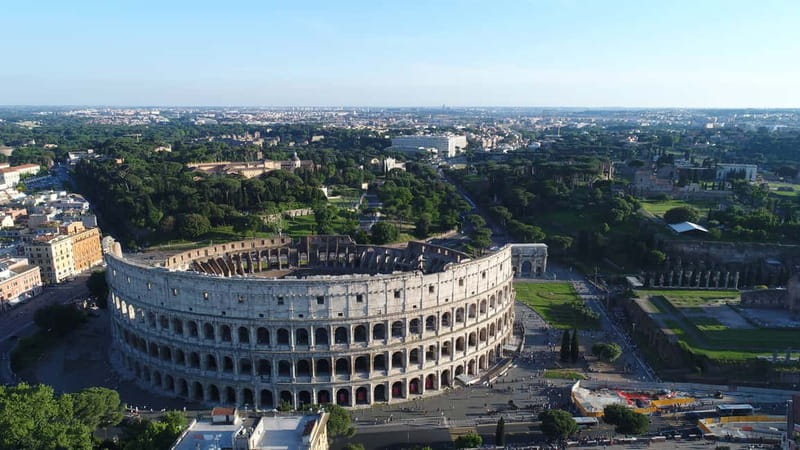
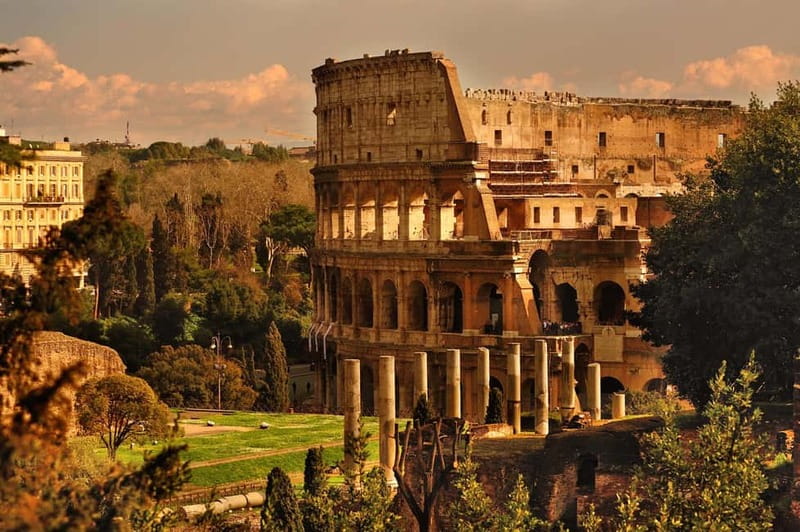
The Colosseum hits you fast. This small-group tour pairs expert guide storytelling with admission and headsets, so you can focus on what matters: the arena, the crowd, and the power games around it. You’ll see the UNESCO-listed Colosseum (dating back to 72 A.D.) and spend real time in the Roman Forum and Palatine Hill, where Rome’s daily politics played out.
I love that this isn’t just a monument walk-through. You’ll hear how Romans built the Colosseum, learn about gladiators and animal fights, and get context about the propaganda and the Emperor’s push for glory. One thing to plan for: there are mandatory security checks and strict timing, so arriving late can mean you can’t join.
In This Review
- Key highlights you’ll feel immediately
- Why this Colosseum + Forum tour works so well
- Getting to Via del Colosseo 31 (and not losing time)
- Entering the Colosseum: gladiators, animals, and Roman engineering
- The UNESCO context you’ll actually care about
- Roman Forum + Palatine Hill: where power lived
- Photo spots and pacing: how to avoid the sore-feet trap
- Small-group with headsets: why it changes the experience
- Price and value: what you’re really paying for
- Who should book this tour (and who might not love it)
- Quick reality check before you go
- Should you book the Rome Colosseum and Ancient Rome small group tour?
- FAQ
- Where is the meeting point for the tour?
- How long is the tour?
- Is admission included?
- Which languages are available for the live guide?
- What do I need to bring for entry?
- What should I wear or bring for comfort?
- What items are not allowed?
- Is pickup or drop-off included?
Key highlights you’ll feel immediately
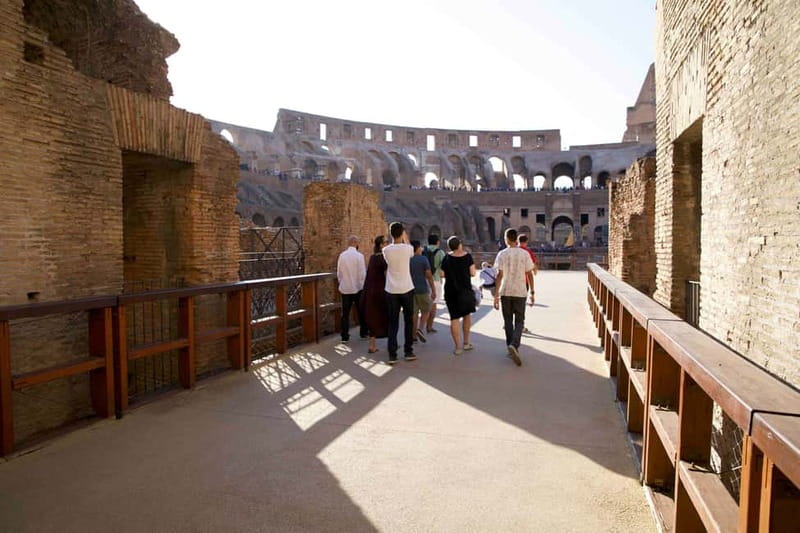
- Small-group feel with a professional guide who keeps the pace readable and the facts clear
- Colosseum + Roman Forum + Palatine Hill in one 2.5-hour outing
- Headsets included, so you can hear the guide even with crowds
- Gladiator prep areas and spectator seating, explained as stories of spectacle and control
- Best-picture guidance while you move through the Forum area and viewpoints
- Admission ticket included, plus all taxes and fees
Why this Colosseum + Forum tour works so well
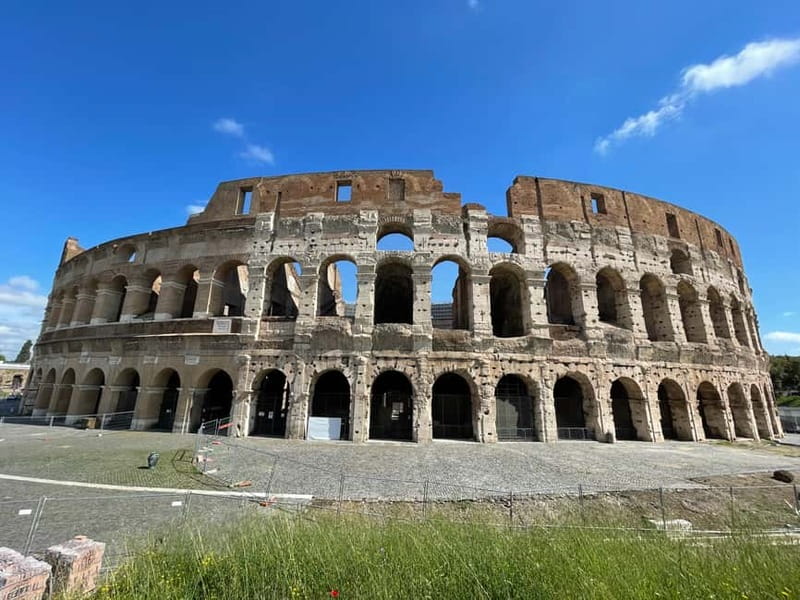
If you only have a short window in Rome, the big question is simple: will you spend your time learning, or just shuffling? This tour is built to do the learning part. In about 2.5 hours, you cover the Colosseum and then move into the Forum and Palatine Hill, so the day doesn’t feel like two separate trips.
What I like is the balance between spectacle and systems. The Colosseum is the drama—gladiators, fights, and the shock of what the Romans put on display. The Forum and Palatine Hill are the brain—the city’s political, economic, and religious center, where power shaped public life.
You’ll also get a guide who explains not just what you’re seeing, but why it mattered. The stories connect the building, the events, and the political motives behind them.
You can also read our reviews of more guided tours in Rome
Getting to Via del Colosseo 31 (and not losing time)
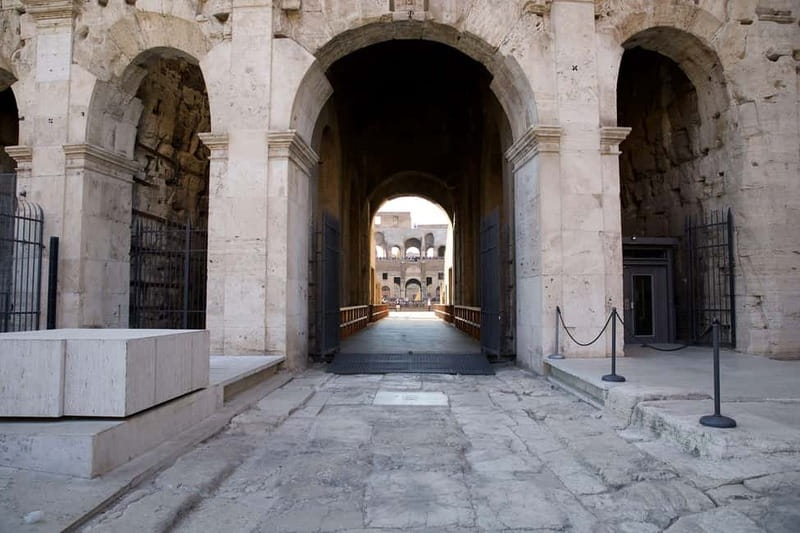
The meeting point is Via del Colosseo 31. Look for coordinators wearing The Ultimate Italy t-shirts, and meet at the level noted above the second floor of the Colosseum metro stop (blue line), behind Caffe Roma.
Timing matters here. You’re required to be at the meeting point for check-in at least 30 minutes before your departure time, and the tour runs with strict timing. Add in the mandatory security checks at entry points, and you’ll see why an early arrival isn’t optional—it’s how you protect your slot.
Also plan for the crowd-control reality. Even if you have your ticket, security waiting time can be considerable during peak times or seasons, and it’s not tied to the ticket line. If you’re the type who arrives when you’re already late, this is the tour that will punish that habit.
Entering the Colosseum: gladiators, animals, and Roman engineering
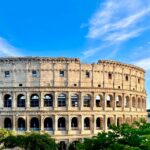
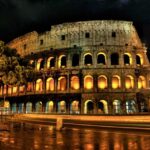
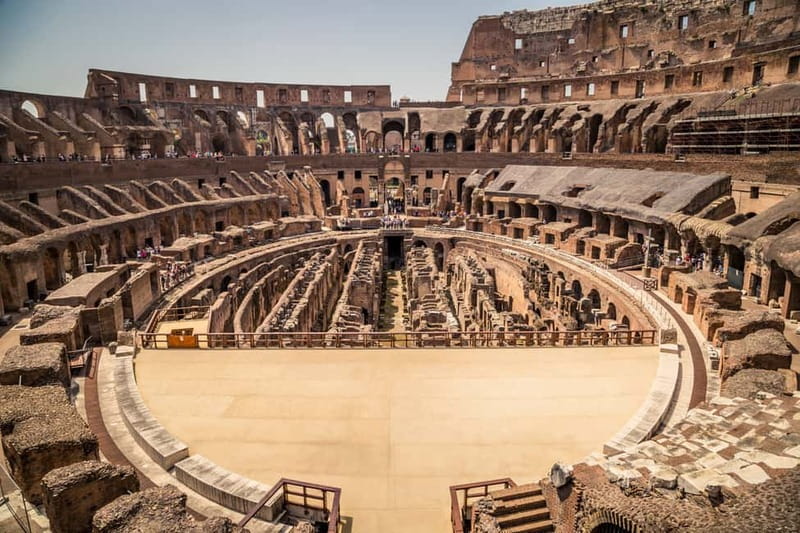
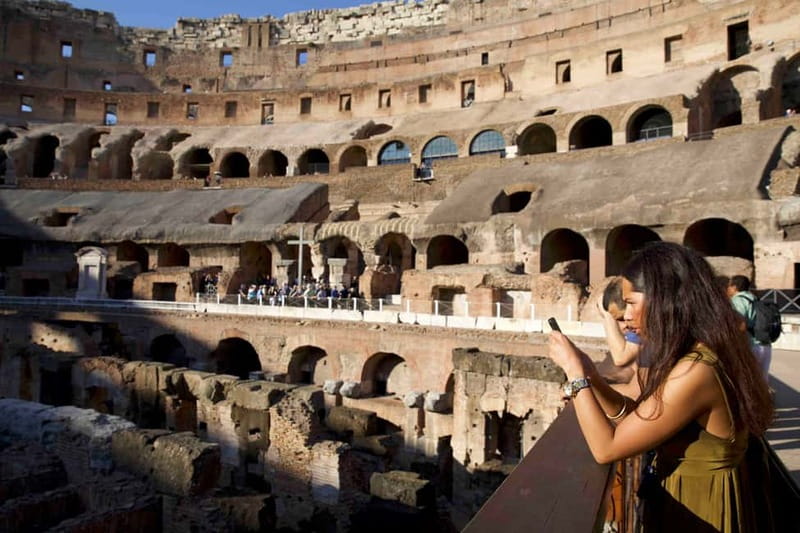
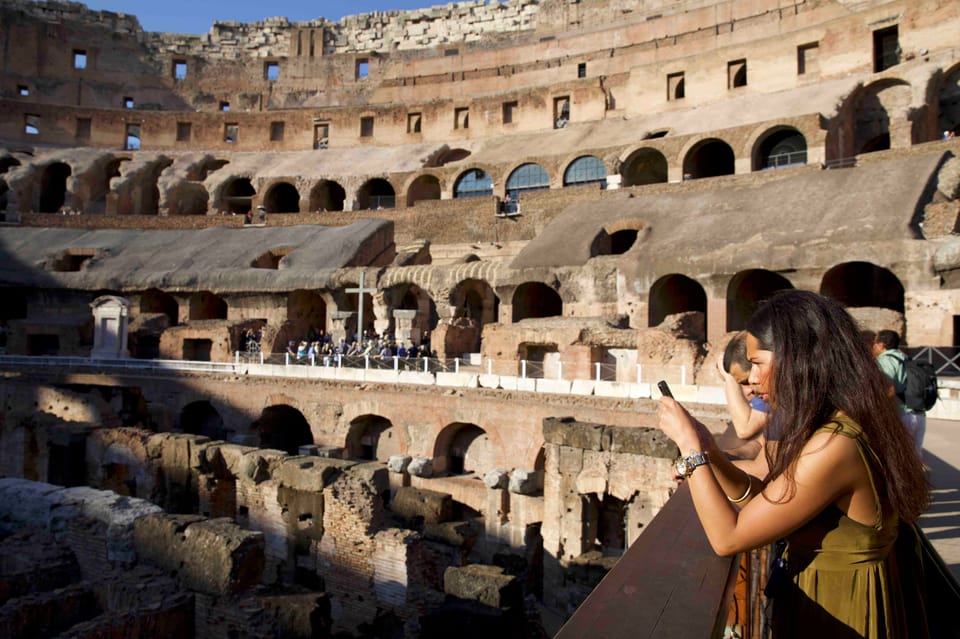
The first big stop is the Colosseum guided tour for about one hour. You’ll spend that time inside with your guide, not just looking from behind railings. The experience is built around the Colosseum as a machine for entertainment and messaging.
Expect the guide to walk you through the construction story—especially the Ancient Romans’ techniques that helped shape a stadium at this scale. You’ll also get the darker side of the spectacle explained in plain terms: bloody battles between gladiators and violent exotic animal fights.
Two details I think you’ll appreciate most:
- Where gladiators prepared, so the fights feel less like random violence and more like planned spectacle.
- The seats where spectators watched, which helps you picture the crowd energy and the built-in hierarchy of who had access.
And then there’s the propaganda angle. You’ll learn how the events weren’t only about sport or spectacle. They were tied to the Emperor’s desire for glory, using public games as a way to shape support and perception.
You should also know what to expect as practical reality. There are mandatory security checks at all entry points, and you’ll need an official ID for every participant to enter the monument. The name used in your booking must match the ID you bring.
The UNESCO context you’ll actually care about
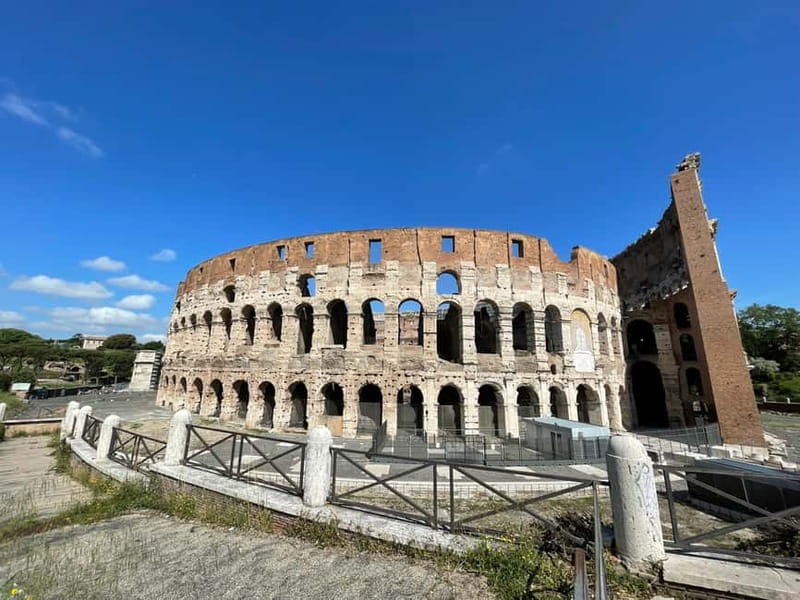
It’s easy to hear UNESCO and tune out. In this tour, UNESCO matters because it frames why the Colosseum still commands attention more than 2,000 years later.
This building isn’t just old—it’s engineered and designed to stage mass attention. When your guide ties what you see to how it was built, and then to how it was used for public events, UNESCO stops being a label and starts being a reason you’re standing in front of something historically unique.
The guide’s stories about construction technique, event structure, and political messaging help you see the Colosseum as a tool the Romans used, not just a relic.
Roman Forum + Palatine Hill: where power lived
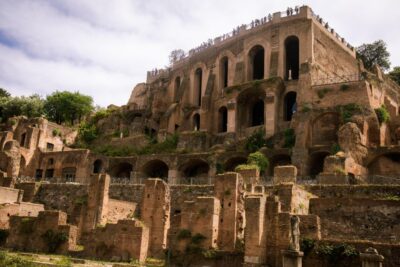
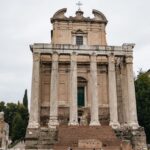
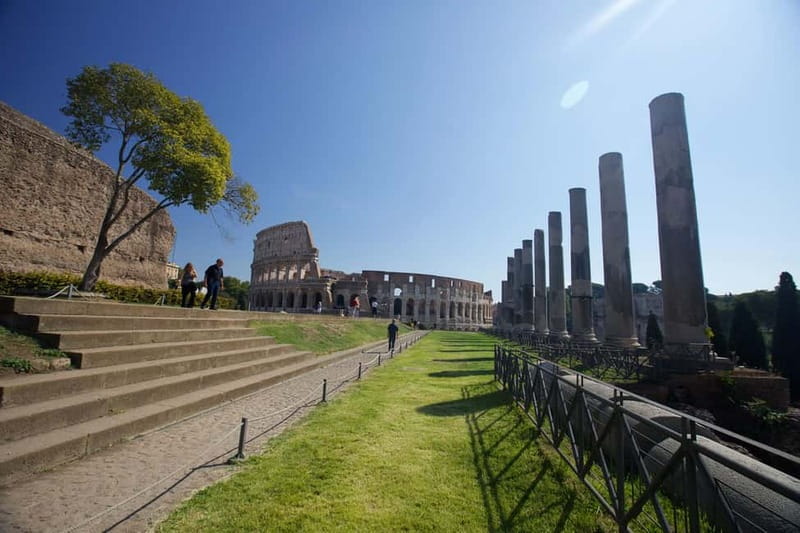
After the Colosseum, you move on foot for about 15 minutes to the Roman Forum area. You’ll then have another guided session of about one hour covering the Roman Forum and Palatine Hill within the archaeological park.
This part is where the tour gains momentum, because it shifts from the arena’s spectacle to the city’s command center. The Forum is described as downtown Rome’s political, economical, and religious hub. That’s a big claim, but it makes sense once you’re standing in the space and your guide explains what the Romans used it for day to day.
You’ll learn about Roman life and what Romans enjoyed most—useful context because it helps you interpret the ruins. Instead of just reading stones as leftovers, you start thinking like a Roman: politics, public business, rituals, and social status.
Your guide will also point out attractions that help you “see” the story, including an imperial palace representation and opportunities for views over the city. This is the time to slow down, ask questions, and let the place become more than an exterior view.


Photo spots and pacing: how to avoid the sore-feet trap
This is a walking-and-standing tour, but it’s managed. The itinerary includes two on-foot segments of about 15 minutes each, and then you’re in guided blocks at the Colosseum and in the Forum.
That structure matters because it protects you from the most common Colosseum mistake: spending too long on the wrong kind of looking—hands-on-phones, lost in crowd flow, no real context. With a guide and headsets, you can keep moving without missing the meaning.
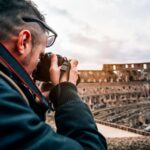
On top of that, you’ll get guidance for picture-taking. Your guide points out the best places to capture that perfect shot during the tour. The practical value is real: it saves you from wandering for angles while the group moves on.
Comfort helps here. Bring comfortable shoes, and expect that you’ll be standing in historic sites with uneven surfaces and dense crowds.
Small-group with headsets: why it changes the experience
One of the best tools in this tour is the included headset system. You get headsets so you can hear your guide clearly throughout, even when the noise and crowd movement would normally drown out explanations.
For a place like the Colosseum, that matters. There’s so much you can accidentally miss when you’re overwhelmed by scale. Hearing the guide clearly means you can match what you’re seeing to what you’re learning, instead of guessing.
The small-group size also tends to keep questions manageable and pacing more human. You’re not stuck listening to a lecture from the back of a crowd; the guide can keep things connected to what you’re walking past.
Price and value: what you’re really paying for
At $55.51 per person, you’re paying for more than entry. This price includes a professional guide, headsets, all taxes and fees, and a ticket for admission to the locations. It also covers both major stops: Colosseum and the Roman Forum/Palatine Hill portion.
Is it the cheapest option? It probably isn’t. But value isn’t only about low numbers. It’s about time, explanation quality, and avoiding wasted minutes in a place where you can easily get turned around.
If you plan to do the Colosseum and Forum on your own, you’d still need to arrange admission and sort out what to look at. Here, the guide organizes that for you into a tight 2.5-hour narrative—from construction, to games, to propaganda, to the political life that made it all possible.
Who should book this tour (and who might not love it)
This tour is a strong fit if:
- you want guided context fast, without spending a whole day on logistics
- you care about gladiators and public games, but also want the politics behind them
- you prefer an orderly pace with headsets so you can follow the story
You might want to think twice if:
- you need wheelchair access or have mobility concerns. This tour is not suitable for people with mobility impairments and it’s not suitable for wheelchair users.
- you don’t want to handle strict security rules and ID checks. You will need an official ID, and names must match your booking.
Also note what you can bring. Pets aren’t allowed, and luggage or large bags are not allowed. Backpacks aren’t allowed either.
Quick reality check before you go
Bring your passport or ID card, because you’ll need it for entrance. Comfortable shoes are a must. The tour runs rain or shine unless the monument is closed by officials for safety reasons, so plan for weather and be ready to stay flexible.
The tour ends back at the meeting point, so you’re not dealing with pickup or drop-off.
One more tip that saves headaches: when you book, make sure the names match the ID exactly. If there’s a mismatch, security staff can refuse entrance.
Should you book the Rome Colosseum and Ancient Rome small group tour?
I think it’s a good booking for most first-time visitors who want real guidance without committing to a longer day. You get the Colosseum’s core story—construction, gladiators, animal fights, and propaganda—then you shift into the Forum and Palatine Hill, where the larger Roman world becomes understandable.
Book it if you like structure, clear explanations, and a tight schedule that still gives you enough time to absorb what you’re seeing. Skip it if you’re not comfortable with security checks, strict timing, and the fact that backpacks and large bags aren’t allowed.
If you’re trying to make limited time feel meaningful, this tour is built for exactly that.
FAQ
Where is the meeting point for the tour?
Meet at Via del Colosseo 31. Look for coordinators wearing The Ultimate Italy t-shirts, behind Caffe Roma and above the second floor of the Colosseum metro stop (blue line).
How long is the tour?
The duration is 2.5 hours.
Is admission included?
Yes. A ticket for admission to the locations is included, along with all taxes and fees.
Which languages are available for the live guide?
The live guide is available in French, English, and Spanish.
What do I need to bring for entry?
Bring a passport or ID card. You’ll need an official ID for every participant when entering the monument, and your name must match your booking.
What should I wear or bring for comfort?
Wear comfortable shoes. The tour is not suitable for people with mobility impairments or wheelchair users.
What items are not allowed?
Pets are not allowed. Luggage or large bags and backpacks are not allowed, and unaccompanied minors aren’t allowed.
Is pickup or drop-off included?
No. Pickup or drop-off is not included, and the tour ends back at the meeting point.