REVIEW · ROME
Rome: Colosseum Arena Guided Tour with Roman Forum Option
Book on GetYourGuide →Operated by Touriks · Bookable on GetYourGuide
You get onto the arena floor. This Colosseum tour stands out because you go beyond the usual viewing areas and get a guided walk that explains what you’re seeing.
What I like most is the Arena floor access and how it’s paired with an optional Roman Forum and Palatine Hill upgrade for real context.
I also really like that the tour uses official guides and headsets, which matters at the Colosseum when noise and crowds can swallow a plain audio app. You’re not left guessing.
Still, one drawback to plan around: mandatory security checks plus strict rules on bags means you’ll want extra patience and smart packing.
In This Review
- Key highlights at a glance
- Colosseum Arena floor access: what makes this tour different
- Entering the Colosseum: meeting point and what to expect
- Arena floor guided hour: walking like you mean it
- Porta Libitinaria and the Colosseum’s engineering story
- Optional upgrade: Roman Forum walk and guided Palatine Hill
- Timing that tends to work: why late afternoon feels smarter
- Value and price: what you’re really paying for
- Guides: what to look for in a great session
- Practical tips so your visit runs smoothly
- Who should book this Colosseum Arena tour
- Should you book this Colosseum Arena Guided Tour?
- FAQ
- How long is the Colosseum Arena guided tour?
- What does the Arena floor access include?
- Do I need to bring a passport or ID?
- What languages are the live guides available in?
- Is this tour refundable?
- What items are not allowed at the monuments?
Key highlights at a glance
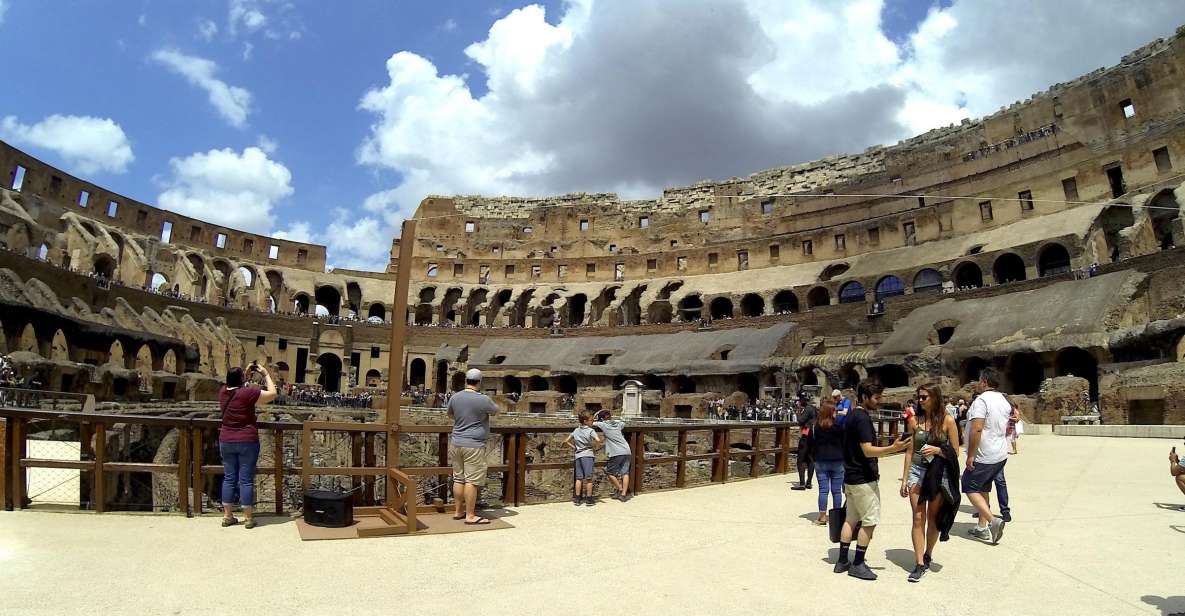
- Exclusive gladiator arena floor access that most standard tickets don’t include
- Official guide with headsets so the story stays clear even when the crowd surges
- Porta Libitinaria and Roman engineering explanations as you move through the monument
- Optional Roman Forum + Palatine Hill upgrade for the political backdrop behind the games
- Late-afternoon timing options that tend to feel more comfortable in the heat
- Tight site rules (ID required; no large bags; strict security) that shape your logistics
Colosseum Arena floor access: what makes this tour different
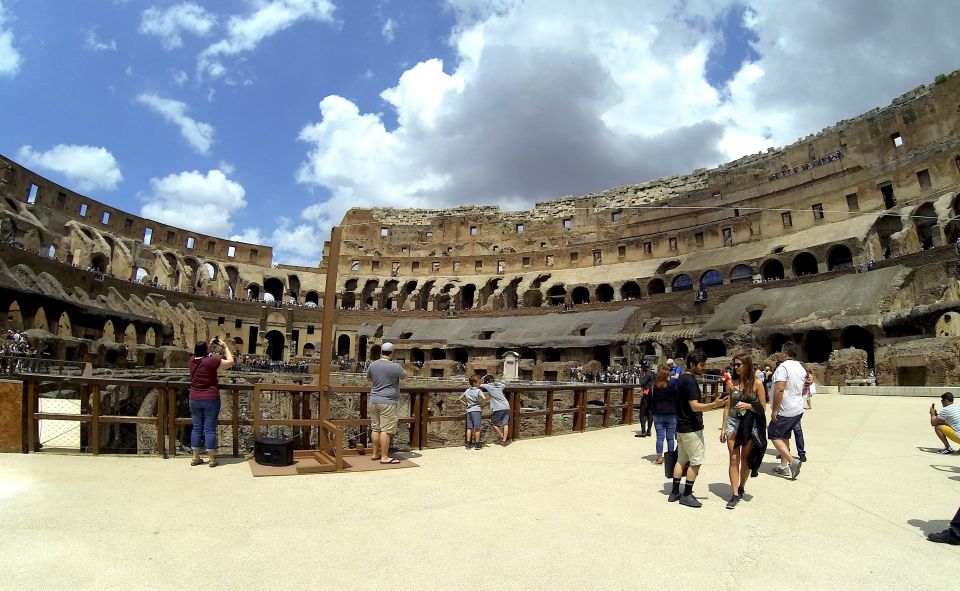
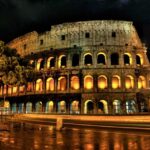
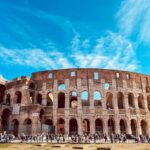
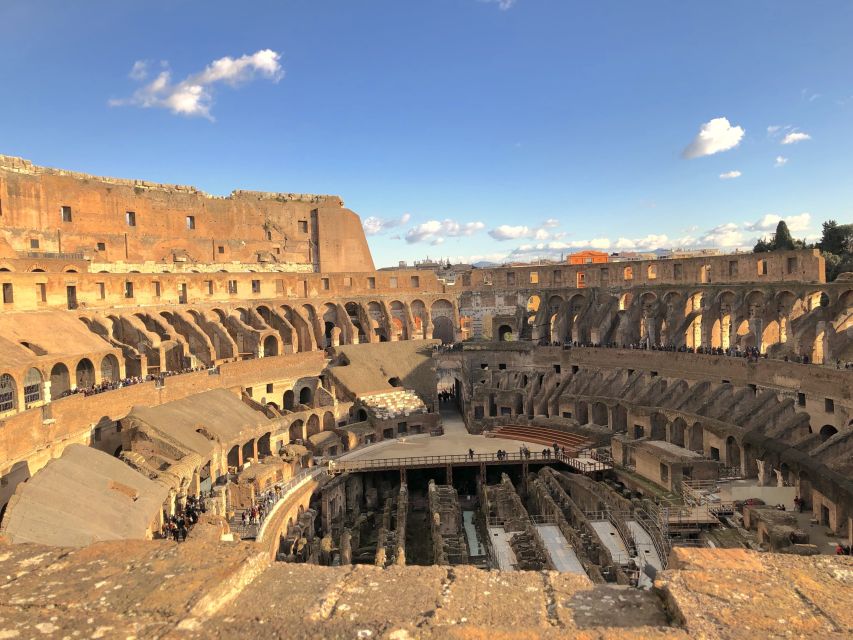
The Colosseum is famous for a reason, but the usual problem is simple: most visitors can only look at the stage from the seats. This tour flips your perspective. You’re guided onto the gladiators’ Arena floor, the place associated with the fights and preparations that powered the spectacle.
That change in viewpoint does something important for your brain. It helps you stop treating the Colosseum like a postcard. Instead, you start seeing it like a working machine—an arena designed for fast spectacle, controlled entry points, and crowd impact. And because there’s an expert guide telling the story as you walk, you’re not just staring up at architecture—you’re understanding the flow of an event.
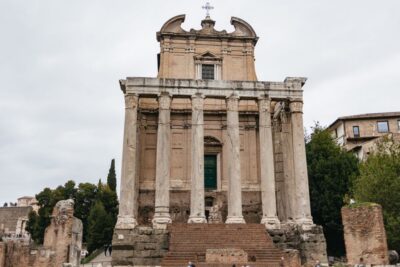
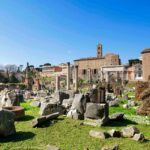
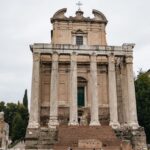
You also have the option to add the Roman Forum and Palatine Hill, which is where the “why” lives. The Colosseum shows the public performance. The Forum and Palatine Hill explain the political and social reasons that made those games so effective.
You can also read our reviews of more guided tours in Rome
Entering the Colosseum: meeting point and what to expect
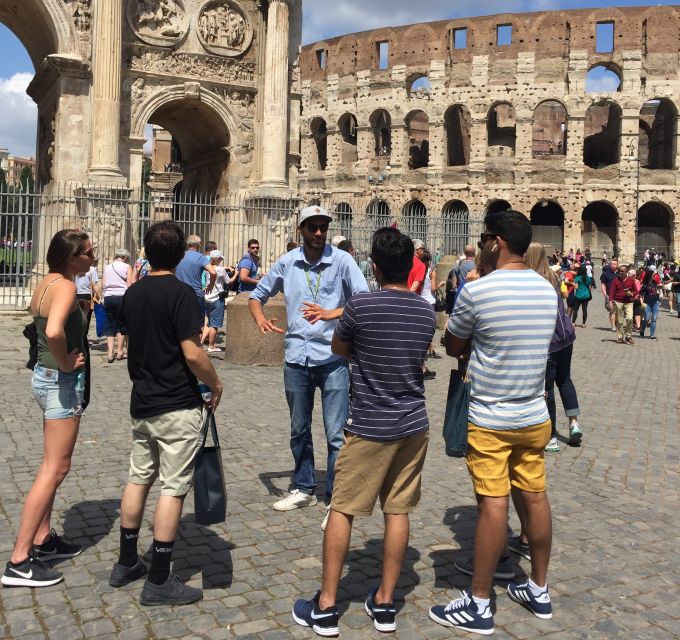
This tour starts near the Colosseum area, with the exact meeting point depending on the option booked. The consistent detail is that you’re meeting in the Piazza del Colosseo area (P.za del Colosseo, 21 is listed among the starting options).
Plan to arrive early. The guidance is clear: show up 30 minutes before the tour starts. That’s not overkill. The Colosseum has strict, mandatory security checks, and you should expect 5 to 30 minutes to clear them.
The tour also requires an important prep step: you must bring passport or ID card for each participant, and you’ll need it at security. If you’re traveling with kids or multiple adults, I’d treat this as a checklist task, not an afterthought.
What to wear: comfortable walking shoes. What to bring: only what you can carry easily through security and inside the site. That’s where this experience can feel smoother than DIY plans—your guide route is designed for getting you from check-in to the right interior spaces without wasting time.
Arena floor guided hour: walking like you mean it
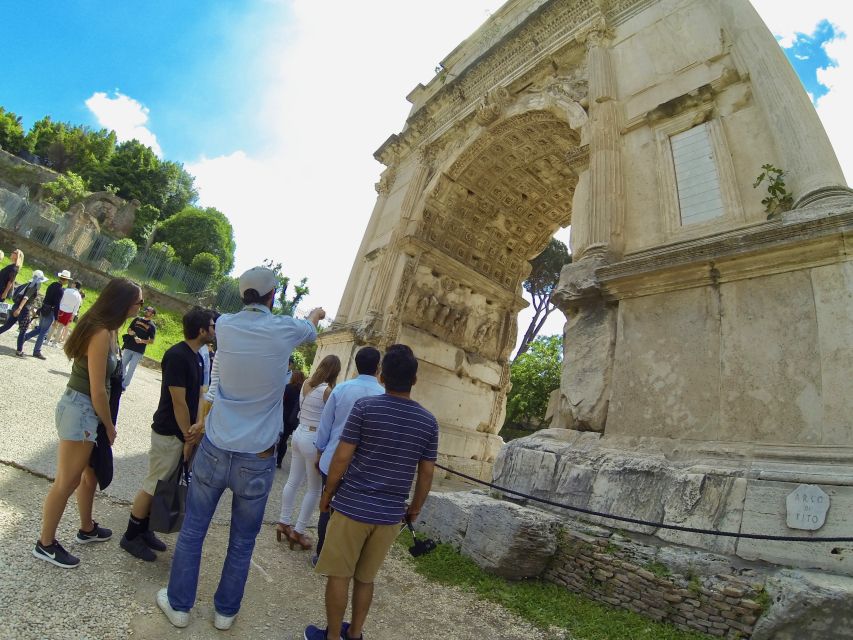
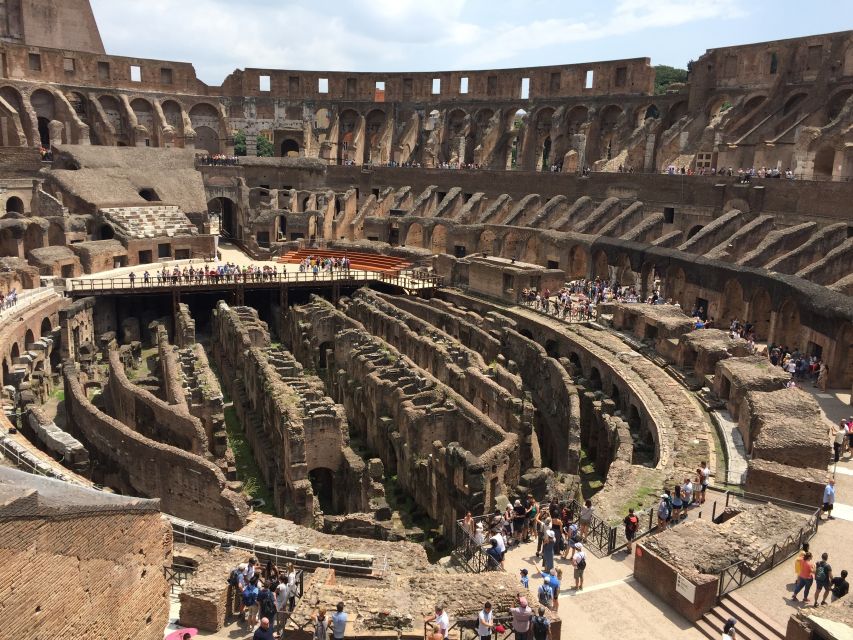
The core experience is a guided hour at the Colosseum’s Arena floor. This is the part most people are paying for, because it’s not available to regular ticket holders in the same way.
On the Arena floor, you’re positioned closer to where the action would have been staged, and your guide helps you “read” the space. Instead of seeing random corridors and walls, you start to connect features to the event: movement of people, entry points, and the way the arena was built to support the show.
You’ll also get specific storytelling moments tied to key locations in the Colosseum. The tour includes walking through Porta Libitinaria, a notoriously named entrance. Your guide uses it as a springboard for explaining how the games worked and what the surrounding spaces were for.
Another big focus is engineering and survival. The guide talks about innovative construction techniques and why the monument has lasted for centuries. That’s a subtle but valuable shift: you leave with a sense of why the Colosseum still stands, not just that it does.
Finally, the guide ties it to people and power. You’ll hear about emperors and gladiators’ battles, plus the political and social reasons the games mattered. It’s not only “who fought.” It’s also “who benefited.”
Porta Libitinaria and the Colosseum’s engineering story
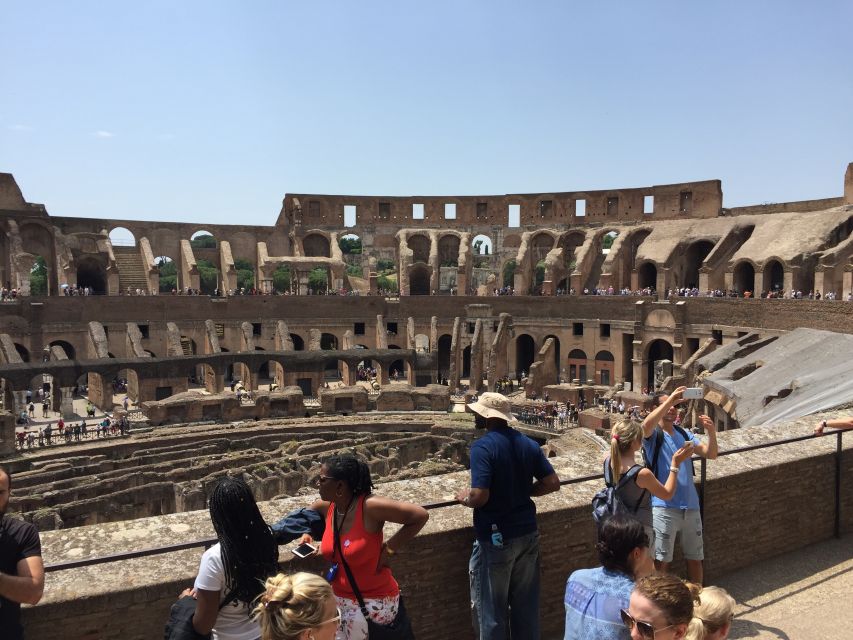
If you like history that connects structure to story, this is a highlight worth caring about. The Colosseum can feel like a big dramatic ruin, but the tour doesn’t treat it like a museum ceiling. You’re guided through a real sequence and your guide points out why certain parts matter.
Walking through Porta Libitinaria is one of those moments. The name alone grabs attention, but the tour uses it to give you a sense of how entrances and movement would have shaped the games. It helps you imagine how events unfolded without turning the story into guesswork.
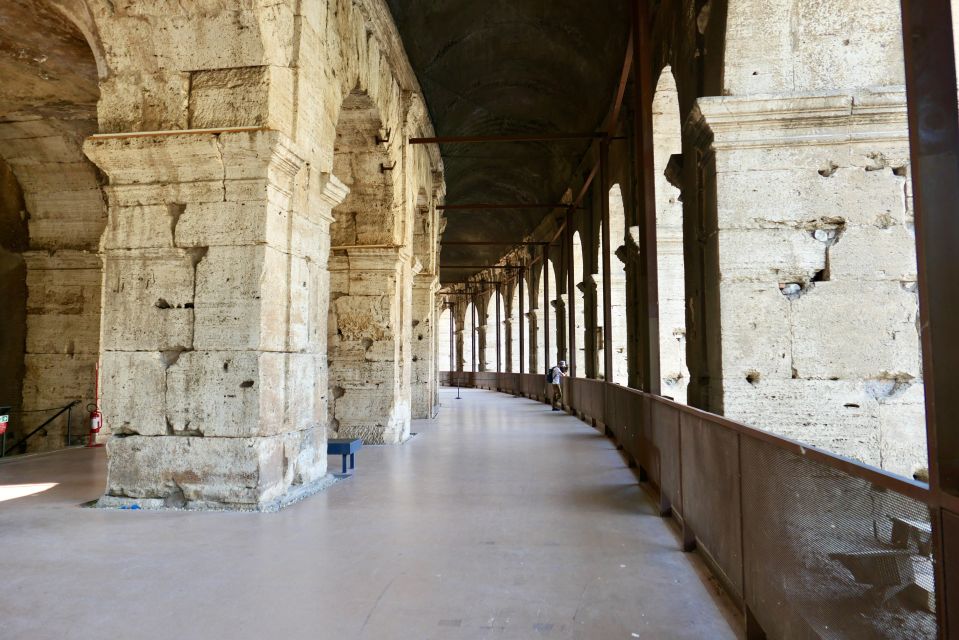
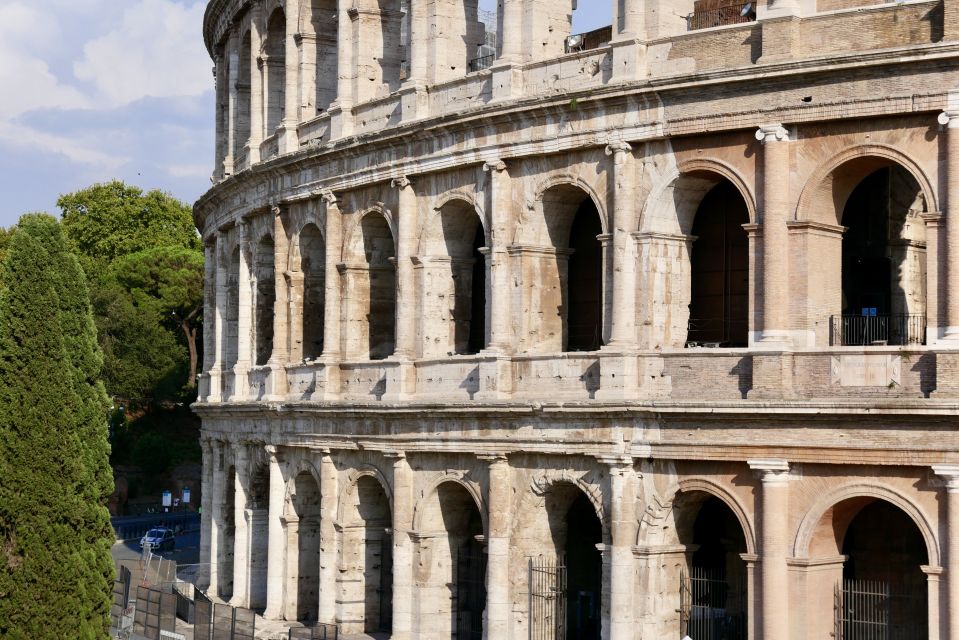
Then comes the engineering angle: your guide explains the building methods and what helped the Colosseum endure. When you hear this while you’re standing near the relevant structure, the explanations stick better. You understand what you’re looking at because you’ve already been trained on what to watch for—materials, scale, and how the monument was designed to handle stress over time.
Optional upgrade: Roman Forum walk and guided Palatine Hill
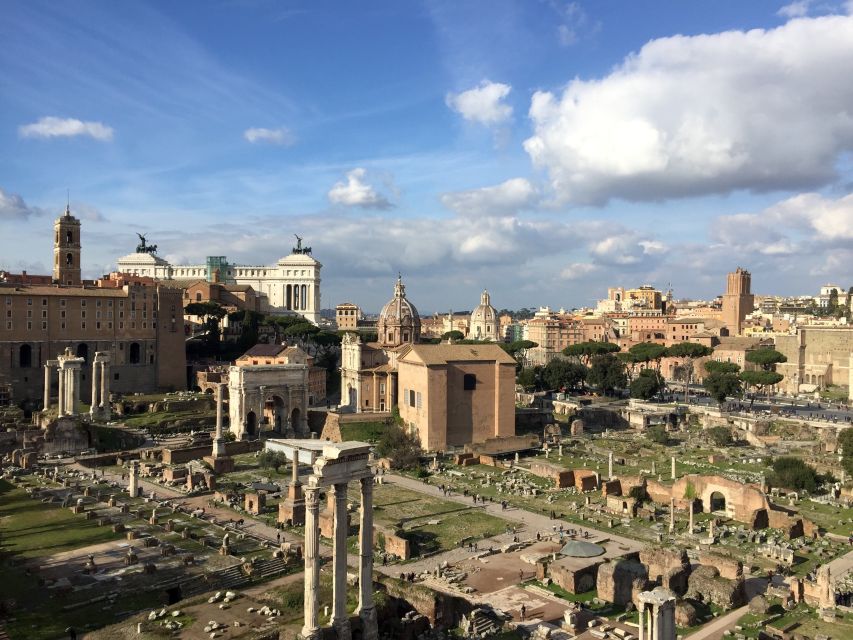
If the Arena floor is the “show,” the Roman Forum and Palatine Hill are the “why.” The upgraded option adds time and depth.
The schedule includes a walk (about 1 hour) through the Roman Forum, followed by an additional guided segment (about 1 hour) that continues through the broader area including Palatine Hill.
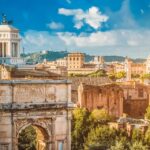
This is where you can go beyond the battles and connect the entertainment to politics. Your guide discusses the political and social reasons for the games, and you start to see the Forum as the nerve center of Roman public life. It’s one thing to hear that emperors used spectacle to gain support. It’s another to walk where decisions were shaped and where influence was displayed.
The upgrade also helps you avoid the “Colosseum hangover” problem. If you only do the Colosseum, you might leave feeling wowed but not fully anchored. Adding the Forum gives your Colosseum viewing a sharper frame—suddenly the arena is part of a bigger system, not a standalone monument.


Timing that tends to work: why late afternoon feels smarter
You’ll see different start times depending on availability, but one theme comes through: late afternoon / early evening can be a great slot. Some guides and time windows are described as excellent for comfort and pacing, and that makes sense.
Even when the Colosseum itself is open to visitors year-round, the real difference is your energy level. A shorter, timed route with a clear focus can feel easier than trying to cram Forum and Colosseum on your own in a single long day.
If you only have one day in Rome, this kind of focused plan is also a practical move. The experience is built for people who want a high-impact Colosseum visit without turning the day into a logistics puzzle.
Value and price: what you’re really paying for
The price listed is $105 per person, with a duration that can range from about 1 hour to up to 3 hours depending on whether you choose the Forum upgrade.
That’s not bargain-basement. But the value logic is pretty straightforward:
- You get an official guide
- You get headsets, which can make a noticeable difference in a crowded site
- You get Arena floor access, presented as exclusive relative to regular tickets
- Entrance fees and taxes are included
So the real question is: do you want the special access and guidance, or do you prefer doing it the cheapest way possible?
If your priority is the Arena floor, the “ticket price” comparison is less meaningful. Standard approaches often get you in, but not into that specific viewpoint. Here, you’re buying proximity to the gladiator perspective plus a guided explanation that keeps you oriented.
One more value note: the tour includes the Roman Forum and Palatine Hill only if you select the upgrade. If you’re the type who likes one anchor activity and then wants supporting context, the upgrade can be worth it. If your interest is mainly the Colosseum itself, the shorter version may feel like the sweet spot.
Guides: what to look for in a great session
The quality of a history guide can change everything at the Colosseum. The good news is you’ll have a live guide, and the tour lists multiple languages: English, German, French, Italian, Portuguese, Spanish.
In practice, some named guides have been praised for pacing and story delivery—Mario is one of the names you’ll see, and Boban is another. That’s a good sign. When a guide has a sense of timing and uses humor lightly, the Colosseum stops feeling like a lecture and starts feeling like a walkthrough of how the event would unfold.
Also, because the tour provides headsets, you can focus on the guide’s voice instead of trying to lip-read across the group. It’s a small thing that makes the experience feel easier.
Practical tips so your visit runs smoothly
Here’s how I’d set you up for a low-stress tour.
Arrive early. The meeting point varies, but the instruction to arrive 30 minutes early is the same. That buffer helps you absorb security timing.
Bring ID. You need passport or ID card for each participant. If you’re traveling as a couple or family, make sure everyone’s ID is ready, not buried in a bag.
Pack light. The tour notes that no luggage or large bags are allowed, and backpacks aren’t allowed. That means you’ll want a day bag small enough to handle easily.
Leave extras at home. Drones are forbidden. Knives are forbidden. Animals aren’t permitted.
Expect walking. The tour is not wheelchair or stroller accessible. Plan accordingly if mobility support is needed.
And one more smart move: wear comfortable shoes and treat this as a walking tour. Even if the time sounds short on paper, the Colosseum and Forum areas are not designed for slow strolling with frequent pauses.
Who should book this Colosseum Arena tour
This is a strong fit if:
- You want exclusive Arena floor access instead of just looking from the upper levels
- You like guided storytelling that explains the games, politics, and the building’s survival
- You’re on a tight schedule and want a structured route rather than a self-guided marathon
- You want a short Colosseum focus or, if you choose the upgrade, a total experience that adds Roman context with the Forum and Palatine Hill
It may feel less suitable if:
- You rely on wheelchair or stroller access
- You hate strict security and want a very casual, wander-as-you-like plan
- You’re hoping to bring large bags or backpacks through the site (the rules are firm)
Should you book this Colosseum Arena Guided Tour?
If your top goal is standing on the gladiators’ Arena floor, then yes—you should book. The experience is built around access and interpretation, not just sightseeing from the usual angles. Add the Forum upgrade if you want your Colosseum visit to connect to the political and social machine behind the spectacle.
If you’re trying to keep the day short and focused, the Colosseum-only hour can also be a smart choice. Either way, show up prepared for security, bring the required ID, pack light, and you’ll get the best version of what this tour is designed to deliver.
FAQ
How long is the Colosseum Arena guided tour?
The tour is listed as 1–3 hours depending on which option you choose. The Colosseum Arena floor guided part is about 1 hour, and the upgrade adds Roman Forum and Palatine Hill time.
What does the Arena floor access include?
You’ll take a guided tour of the Colosseum Arena floor with exclusive access described as not available to regular ticket owners. The tour also includes walking through Porta Libitinaria and hearing about the games and Roman engineering.
Do I need to bring a passport or ID?
Yes. It is mandatory to present a passport or ID card of each participant at the Colosseum security checks.
What languages are the live guides available in?
The live guide is available in English, German, French, Italian, Portuguese, and Spanish.
Is this tour refundable?
No. The activity is listed as non-refundable.
What items are not allowed at the monuments?
The tour notes no luggage or large bags, no drones, no knives, and no backpacks. It also states that animals are not permitted.