REVIEW · ROME
Rome: Colosseum, Roman Forum & Palatine Guided Tour
Book on GetYourGuide →Operated by Rome Tours - Explore & Enjoy Italy · Bookable on GetYourGuide
Rome’s biggest ruins make sense fast. This guided loop through the Colosseum, Roman Forum, and Palatine Hill turns scattered stones into a clear story, and it’s led by guides who know how to keep the group moving. I love that you get both the big sights and the viewpoint moments, especially the panoramas from Palatine Hill. I also love the human touch, like guides who stay patient and explain things in plain language, including fun names such as Riccardo, Julio, and Laura. One heads-up: this is not a light walk, and it’s not suitable for wheelchair users or people with mobility impairments.
Plan for about 2.5 to 3 hours, starting times that vary, and a mandatory security checkpoint before Colosseum entry. The tour is designed for people who want the payoff without spending your whole day figuring out where to go next.
In This Review
- Key things to know before you go
- A 2.5–3 hour loop that actually tells the story
- Entering the Colosseum means security first, not shortcuts
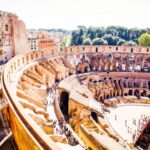
- Colosseum stop: where the big arena story comes alive
- Roman Forum: the political and economic center you can picture
- Palatine Hill: viewpoints plus the “elite above, everyone else below” contrast
- The people factor: guides you might hear named
- Price and value: what you’re really paying for
- Practical tips to make the 2.5–3 hours feel worth it
- Should you book this Colosseum, Forum, and Palatine tour?
- FAQ
- How long is the Rome: Colosseum, Roman Forum & Palatine guided tour?
- What’s included in the tour price?
- Do I skip the security check at the Colosseum?
- What languages are the guided tours offered in?
- What should I bring with me?
- What items are not allowed during the tour?
- Is the tour refundable if my plans change?
Key things to know before you go
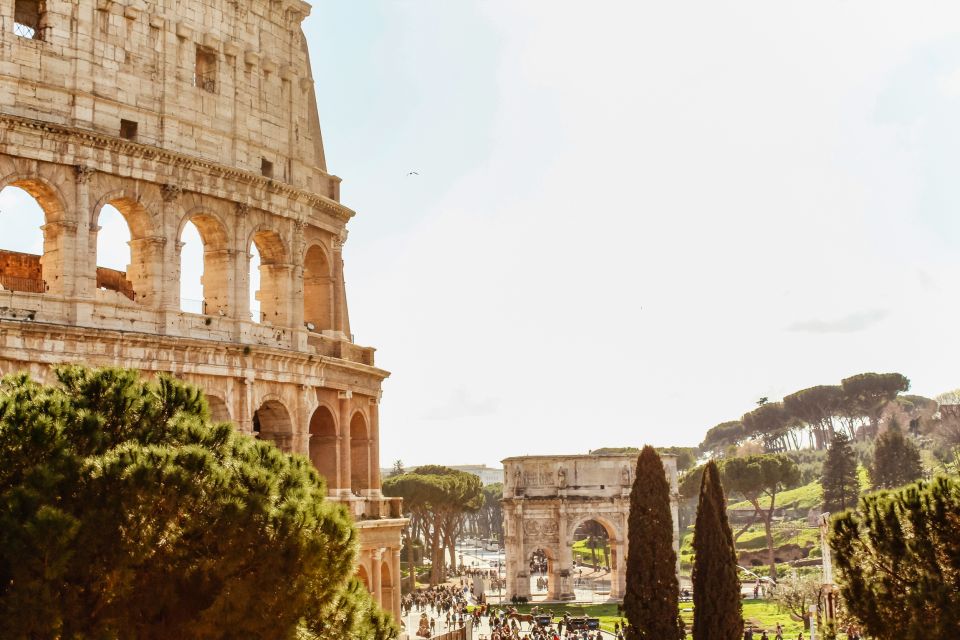
- Guided pacing across three sites: Colosseum (about 40 minutes), Forum (about 45 minutes), and Palatine Hill (about 30 minutes)
- Live English or Spanish guide: Guides like Riccardo, Julio, Rosaria, and Daniella are often highlighted for keeping it clear and fun
- Entry includes access, but you still must pass mandatory security checks
- Crowd management helps: Several guides are praised for helping groups move through busy areas smoothly
- Panoramas from Palatine Hill: You get the city views that make the ruins click in your head
- Small group or private options available for a more controlled experience
A 2.5–3 hour loop that actually tells the story
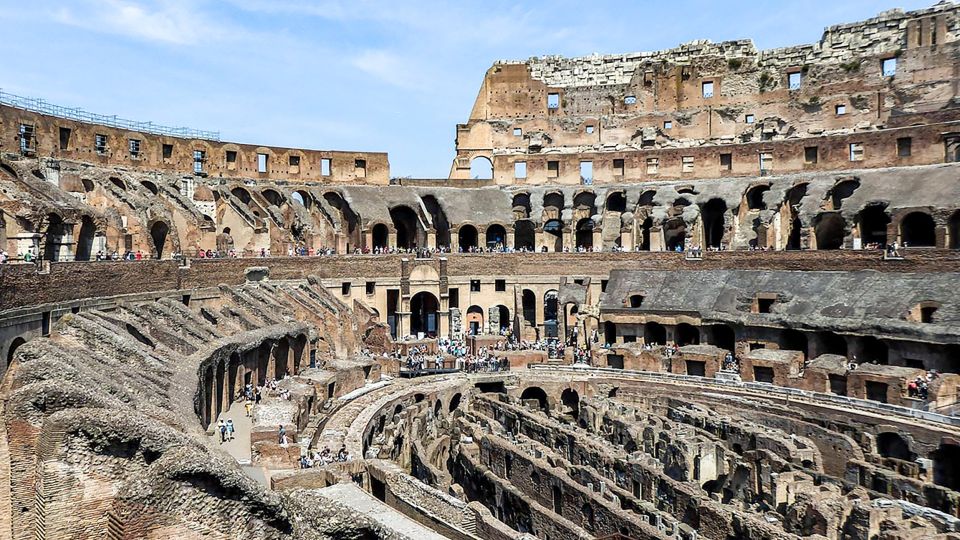
This tour is built around a tight, satisfying route through ancient Rome’s most recognizable spaces. In total you’re looking at roughly 2.5 hours on the ground with a guide, with the three stops broken into Colosseum, Roman Forum, and Palatine Hill. Starting times vary, so it’s worth checking what fits your day best, especially if you’re also juggling Vatican plans or a late dinner.
For me, the best part of a focused route like this is that you don’t have to constantly switch between maps, ticket lines, and figuring out what you’re looking at. You’re guided through the “why” behind the “what.” That matters here because the Colosseum, Forum, and Palatine Hill are part of the same power system—showing entertainment, politics, and wealth in one arc.
Also, the guide language options are practical: the tour runs in English and Spanish. If you’re traveling with someone who prefers one of those, you’re covered. And if you want a quieter experience, private or small groups are available, which usually means less time waiting for people to catch up.
You can also read our reviews of more guided tours in Rome
Entering the Colosseum means security first, not shortcuts
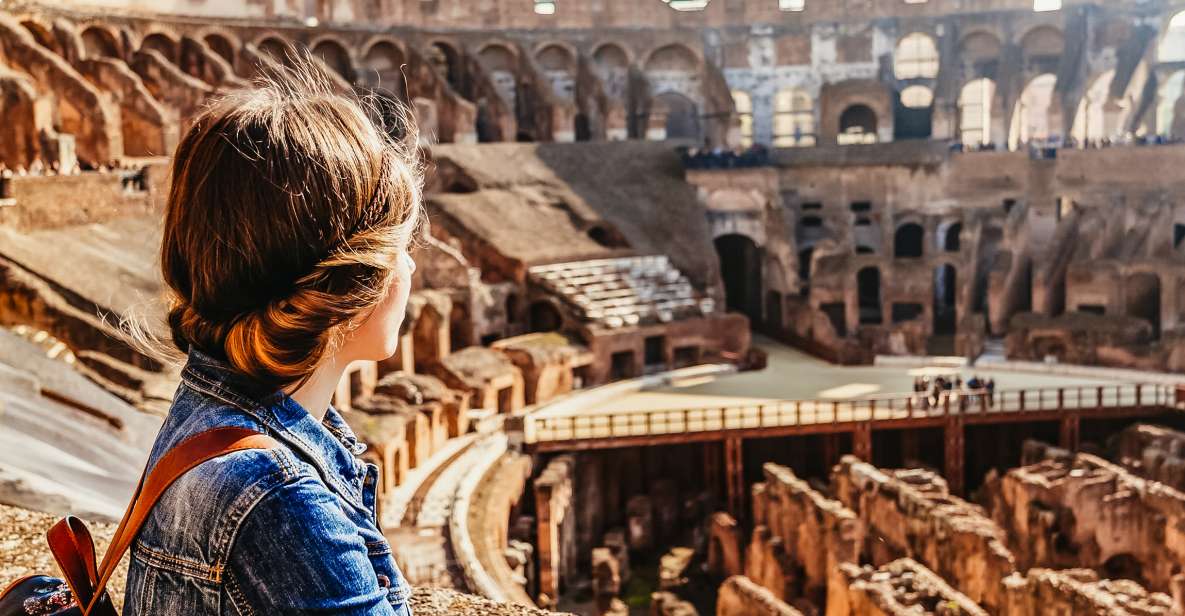
One of the few non-negotiables: all visitors must go through mandatory airport-style security checks before entering the Colosseum area. The tour includes Colosseum entry and access to the Forum and Palatine Hill, but it does not skip security. So you should arrive with the mindset that there will be a checkpoint.
What to bring is simple and important: bring an internationally accepted photo ID. A copy is accepted, and children need a passport or ID card (or a copy). This matters because the tour includes entry, and the staff can only let you in if you meet ID requirements.
The rules on what not to bring are also clear. No pets, no weapons or sharp objects, no drones, and no luggage or large bags. Baby strollers aren’t allowed either, and electric wheelchairs are not allowed. If you show up with something bulky, you’ll lose time trying to figure out storage that you didn’t plan for.
If you’re visiting during peak season, security and crowds can feel like the real activity. The upside: a good guide helps the group stay organized. Names mentioned for keeping things smooth include Julio, who was praised for getting past crowds while still being patient with the group, and Marcello V, who was repeatedly described as helpful and thoughtful.
Colosseum stop: where the big arena story comes alive
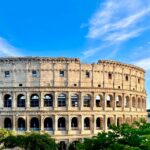
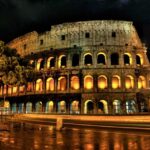
The Colosseum portion is timed at about 40 minutes with a guide. This is enough time to do more than snap photos. You’ll get the core framing—how the site worked and why it was such a powerful stage in Roman life. The tour also sets you up for what you’re looking at by tying the structure to the spectacle people came to see, including references to gladiator-era entertainment.
Here’s what makes a guided visit to the Colosseum worth it. Without context, it can feel like an impressive shell. With a guide, you start reading the building like a machine: how it’s laid out, why the design matters, and how the arena fit into the wider city. It’s the kind of explanation that helps your photos look like more than selfies with scenery.
There’s also a practical benefit. The Colosseum is busy, and you’ll spend less time guessing where your group should stand, where to look next, and how to keep moving. Many people highlight that guides manage group flow well, which matters when you’re facing bottlenecks.
If you like your tours with a bit of personality, you may appreciate the guides who are described as fun and entertaining, including Riccardo and others praised for making the material easy to follow.
Roman Forum: the political and economic center you can picture
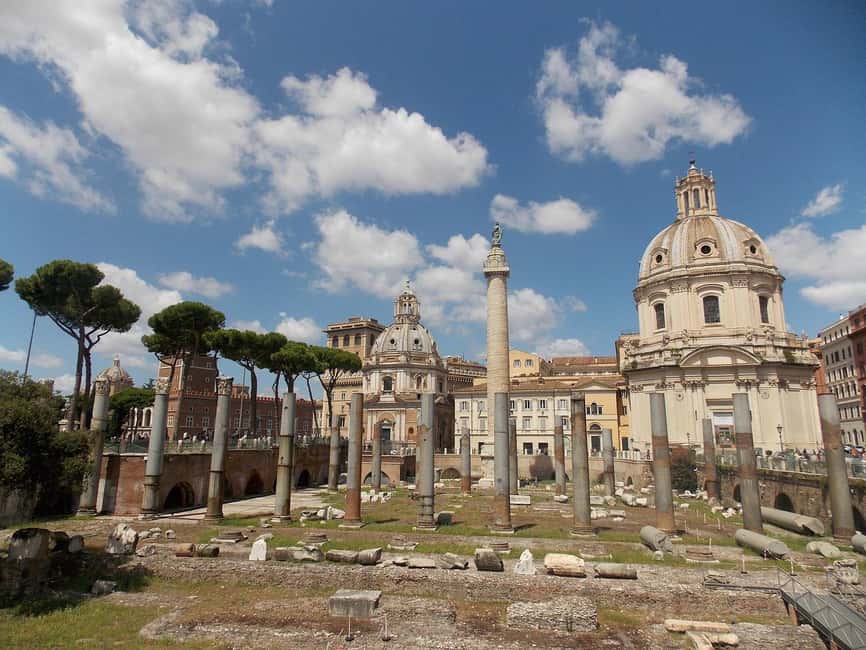
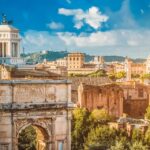
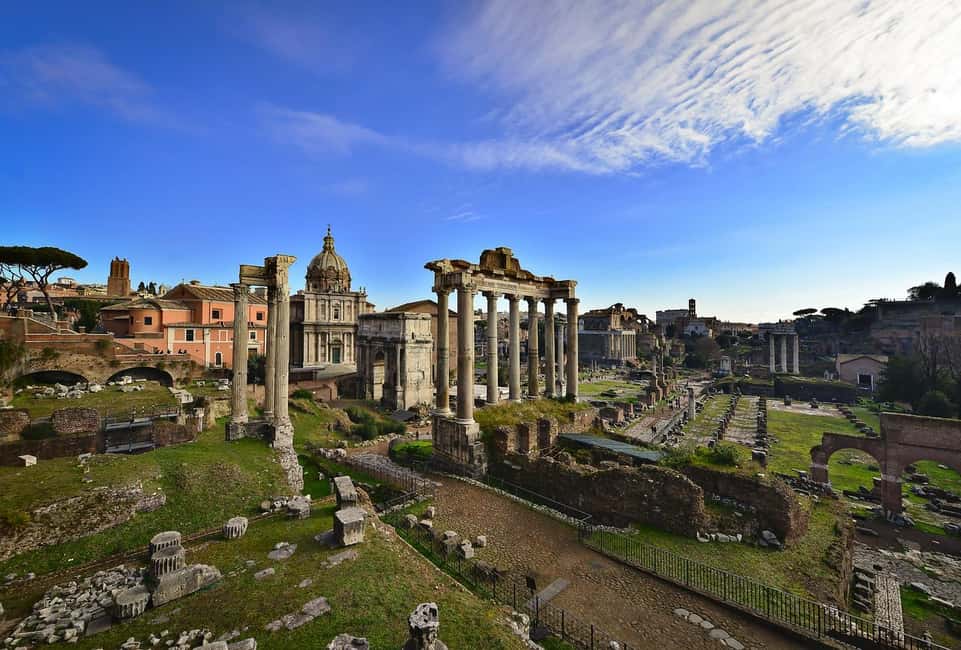
Next up is the Roman Forum, about 45 minutes with your guide. This is where Rome stops being a scenic ruin and becomes a functioning brain. The Forum is described as the political and economic center of the city, and that framing is the key. It’s not just where emperors posed. It’s where decisions happened, money moved, and power was displayed.
A guided tour helps you connect the dots between buildings you might otherwise treat as background. When a guide explains the purpose of key spaces, you start to see patterns: who would have been here, what this area meant in daily life, and why it stayed important even as dynasties changed.
This is also the stop where timing can feel tight because the Forum area draws attention from every direction. Having a guide means you’re not stuck wandering while the group waits. It also helps you avoid missing the best sight lines and the spots that make the history feel real.
If you care about getting the story in a clear order, the Forum is a great place for it. One thing I like about well-led tours here is that they keep your attention on a few major ideas, rather than trying to recite every detail at once. That balance shows up in the way guides were praised for explaining things in a way people could actually understand and remember.
Palatine Hill: viewpoints plus the “elite above, everyone else below” contrast
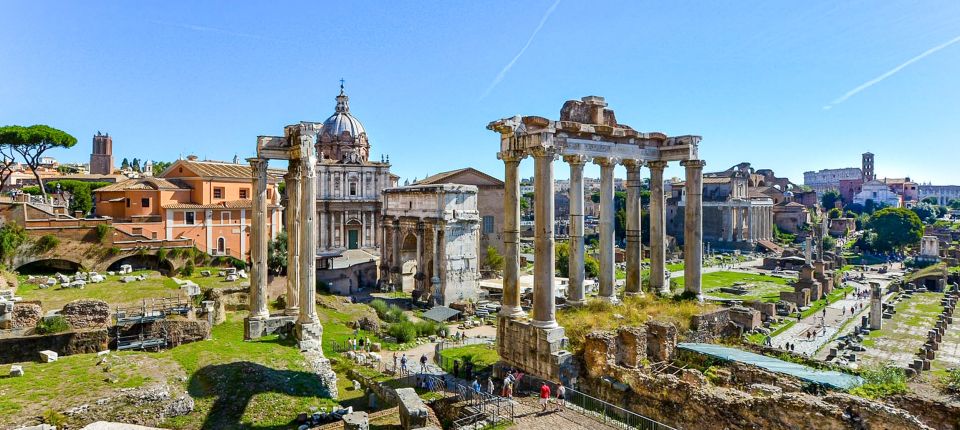
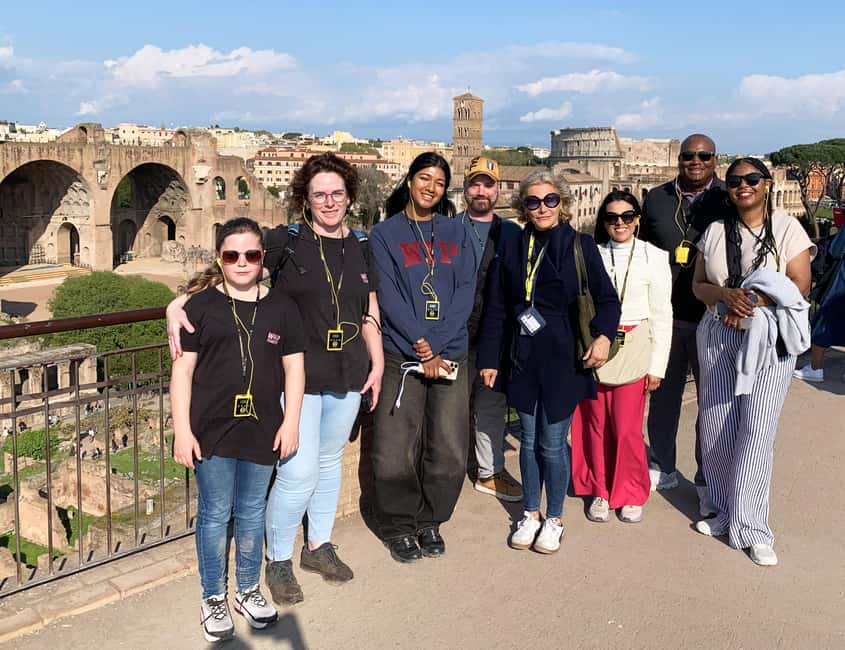
Palatine Hill gets about 30 minutes with a guide, and it’s often the stop that makes the whole trip feel cinematic. This is the high ground where emperors and nobles resided, and the tour makes that contrast clear by pointing out how Palatine Hill sat above the rest of the city—often described as the place for the upper class compared to the busier areas below.
The big value here is the combo of explanation and perspective. Standing on the hill changes how you think about the ruins because you’re seeing the scale of the city. Even if you’ve read about ancient Rome before, a viewpoint can be the missing piece that turns facts into a mental map.
You’ll also get panoramic views of the city from Palatine Hill and the Forum area. Those views aren’t just for Instagram. They’re for understanding why the Romans picked certain places for power. A guide helps you relate what you see around you to what you’re learning on the ground.
If you’re the type of traveler who likes a tour that offers both storytelling and scenery, Palatine Hill usually delivers. It’s also an easy stop to appreciate even if you’re not a hardcore archaeology person, because the outlook does a lot of the convincing for you.


The people factor: guides you might hear named
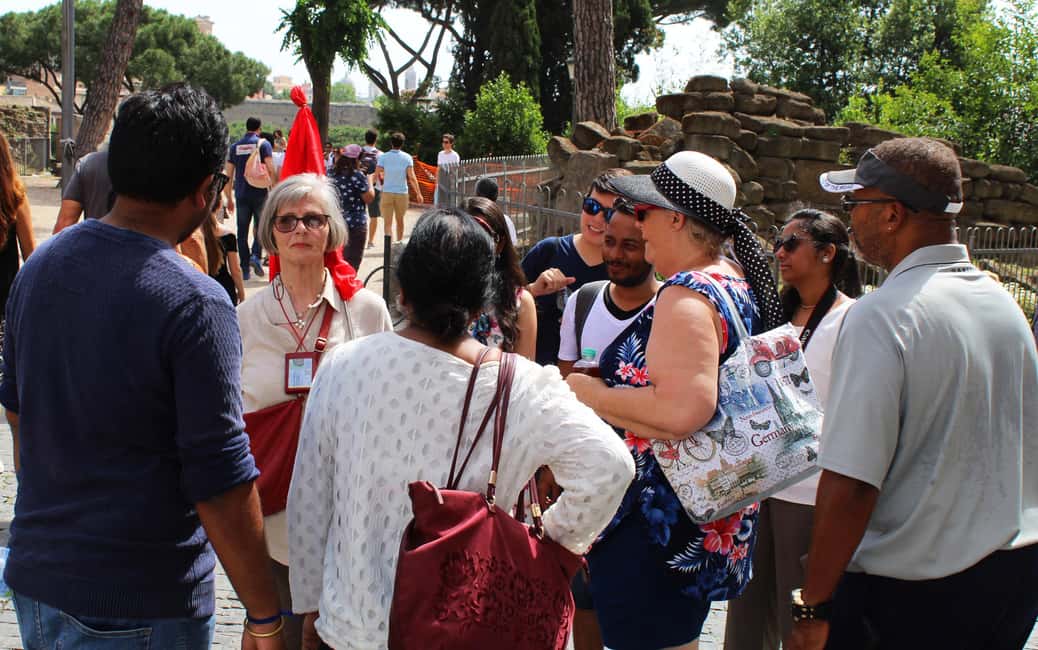
This tour can live or die on the guide, and the standout theme in the experience is how different guides bring the same sites to life.
- Riccardo is described as fun and interesting, with people recommending the tour because the guide made the time fly.
- Julio stands out for crowd navigation and patience, which is a big deal on busy days.
- Rosaria is praised for taking care of the group throughout both the Colosseum and the Forum area, with lots of attention to details and context.
- Laura is noted for explaining the area in a way that made its significance land.
- Gabriella is highlighted for enthusiasm and clear, energetic guiding.
- Daniella is mentioned for bringing history to life.
- Michaela received praise for giving detailed explanations efficiently.
- Esterfi is specifically credited with helpful coordination support when plans shifted.
The practical takeaway: you’re not just buying access to monuments. You’re buying guidance that helps you process what you’re seeing—plus crowd handling that can save you stress.
Price and value: what you’re really paying for
At $51.73 per person, the value comes from what’s included: Colosseum entry plus access to the Roman Forum and Palatine Hill, with a live guide to connect it all. The guide is part of the price, and here that matters because the area is confusing without help.
If you try to DIY this route, you’ll spend time coordinating ticket entry, navigating crowded walkways, and piecing together meaning. You might save a little money up front, but you can also lose the chance to get a clean, chronological explanation. Here, your time is protected by structure: you know roughly how long you’ll be at each stop and what the guide is aiming to show you.
Also, the format is flexible enough for different travel styles. Small groups and private options are available. If you get a great guide, that can turn a standard sightseeing outing into a trip you remember for the story, not just the photos.
One more value point: many people explicitly praise organization and smooth movement between areas. That’s not free in Rome. It’s usually what you’re paying for.
Practical tips to make the 2.5–3 hours feel worth it
A few simple prep steps can keep this tour from feeling like a sprint.
Wear comfortable shoes. The walkways and uneven ground add up fast, and the tour isn’t described as suitable for people with mobility impairments. If you’re someone who needs lots of breaks, plan ahead.
Keep your day light on heavy bags. Luggage and large bags aren’t allowed, and baby strollers are also not allowed. If you’re traveling with a lot of gear, aim to travel with only what fits easily for the security area.
Bring the ID you need. A photo ID is required, and a copy is accepted. For children, you’ll need a passport or ID card (or a copy). This is one of those “simple until it isn’t” details that can derail entry.
If you’re sensitive to noise or long lines, note that the Colosseum security checkpoint and crowd density are part of the experience. The upside is that guides are often praised for crowd navigation and keeping the group moving. Still, your comfort matters, especially if you have hearing needs, since the tour is not suitable for hearing-impaired people.
Finally, remember the tour ends back at the meeting point. That’s helpful for planning your next stop, like lunch or a planned museum entry.
Should you book this Colosseum, Forum, and Palatine tour?
I’d book it if you want your first (or repeat) visit to these sites to feel organized and understandable. This tour is a strong choice for people who:
- Have limited time in Rome and want the major highlights without getting lost
- Prefer a guide to connect the structure to the story
- Value crowd handling and smooth pacing, not just monument staring
- Travel in English or Spanish and want a live explanation throughout
I would skip it or reconsider if you:
- Need wheelchair access or have mobility limitations, since it’s not suitable for wheelchair users
- Need accommodations for hearing impairment, since it’s not suitable for hearing-impaired people
- Expect a no-security, no-wait experience, because mandatory security checks are required
If you’re on the fence, the decision is simple. This tour is paying for entry plus a guide-led path through three major zones, with the payoff being context and viewpoints in a tight timeframe. For most first-time Rome visitors, that combination is hard to beat. For people who need more physical flexibility, look for an alternative format that fits your needs better.
FAQ
How long is the Rome: Colosseum, Roman Forum & Palatine guided tour?
It runs about 2.5 to 3 hours total. You’ll need to check availability for the specific starting times.
What’s included in the tour price?
The tour includes Colosseum entry, access to the Roman Forum and Palatine Hill, and a live guide.
Do I skip the security check at the Colosseum?
No. All visitors must go through mandatory airport-style security checks before entering the Colosseum.
What languages are the guided tours offered in?
The live tour guide is available in Spanish and English.
What should I bring with me?
Wear comfortable shoes and bring an internationally accepted photo ID. A copy is accepted. Children need a passport or ID card (or a copy).
What items are not allowed during the tour?
Pets are not allowed. Weapons or sharp objects are not allowed. Baby strollers and luggage or large bags are not allowed. Drones are not allowed. Electric wheelchairs and non-folding wheelchairs are not allowed.
Is the tour refundable if my plans change?
No. This activity is non-refundable.