REVIEW · ROME
Rome: Palazzo Braschi Reserved Entrance Ticket
Book on GetYourGuide →Operated by TOURISTATION · Bookable on GetYourGuide
A quick museum stop, with Rome’s greatest hits stitched in. I like the combo of reserved entrance to Palazzo Braschi and an English audio route that takes you through Piazza Navona, the Pantheon (outside), and Trevi. The architecture alone is a treat, and the selfie-friendly stops make it an easy win for a short visit. The only real catch: it’s a tight, 1-hour loop, so if you want a long, slow museum day, this may feel a bit compressed.
Palazzo Braschi is the star, with an impressive collection of art, photographs, and statues inside a classic 18th-century building designed by Cosimo Morelli. You’ll also get strong visual payoff from the famous fountain squares. My one caution is simple: the museum experience may not suit everyone, since the collection and focus are different from the big-name art temples like the Vatican or major blockbuster museums.
In This Review
- Key things I’d plan around
- Palazzo Braschi Reserved Entrance: what “one hour” feels like
- Collecting your official ticket at Piazza Navona 25 (the one step people miss)
- Piazza Navona: fountains, Bernini, and why the square works in a short visit
- Pantheon from the outside: the fast way to see why it stayed
- Trevi Fountain coin toss: more than just the crowd scene
- Palazzo Braschi inside: Cosimo Morelli’s 18th-century architecture and photo-ready rooms
- The “finishing combo”: glass elevator views plus one museum option
- Price and value: is $37 fair for a reserved, timed route?
- Who this suits best (and who should look elsewhere)
- Book it, or pass: my decision guide
- FAQ
- FAQ
- How long is the Palazzo Braschi Reserved Entrance Ticket experience?
- Where do I pick up my official ticket?
- What’s included in the ticket price?
- Is there an option to include Risorgimento or the Capitoline Museums?
- Are temporary exhibitions included?
- Are pets or large bags allowed?
Key things I’d plan around
- Reserved entry at Palazzo Braschi keeps your time efficient when you’re in central Rome.
- Piazza Navona + Bernini’s Four Rivers gives you one of the most cinematic squares in the city.
- Pantheon outside only means you’ll see the iconic look fast, without getting stuck inside long queues.
- Trevi Fountain with an audio guide adds context to the coin toss and the stories tied to the water.
- A finishing option with the Panoramic Glass Elevator plus either the Risorgimento Museum or the Capitoline Museums (1734) adds real flexibility.
Palazzo Braschi Reserved Entrance: what “one hour” feels like
This experience is built for travelers who want quality Rome, not a full-day marathon. You get a reserved entrance ticket to the Museum of Rome at Palazzo Braschi, plus a city audio route that connects a few landmark stops along the way. Even if you’re not chasing every corner of the Eternal City, this setup works because it concentrates your time on the spots that visually define central Rome.
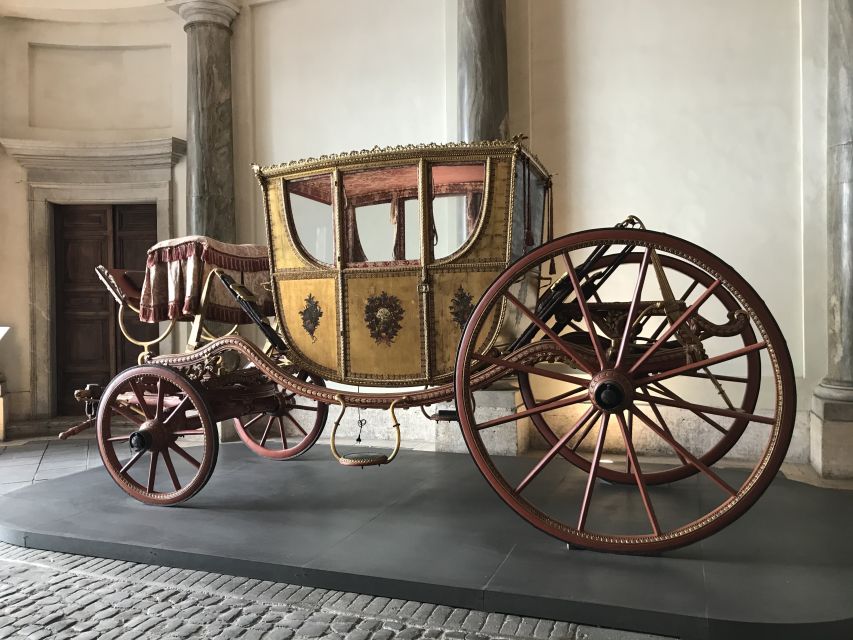
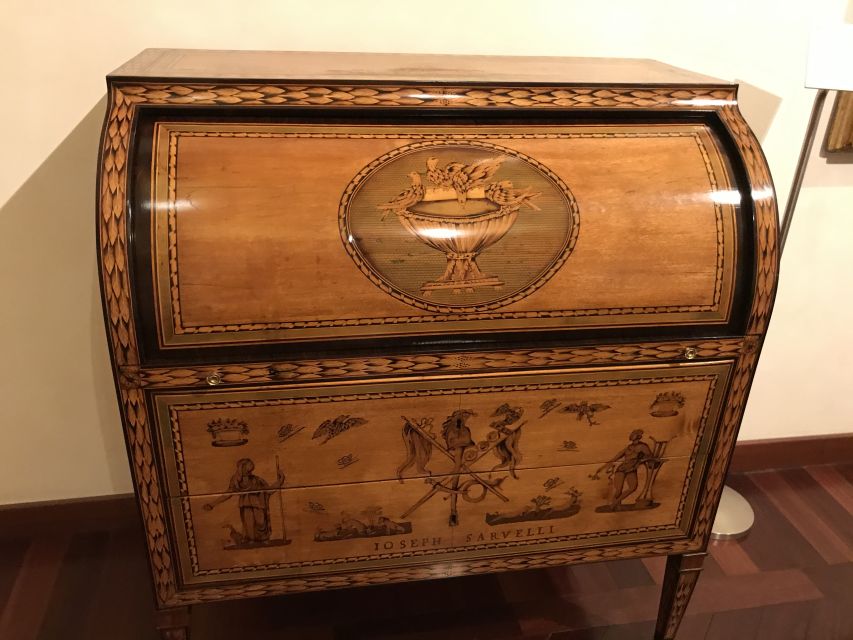
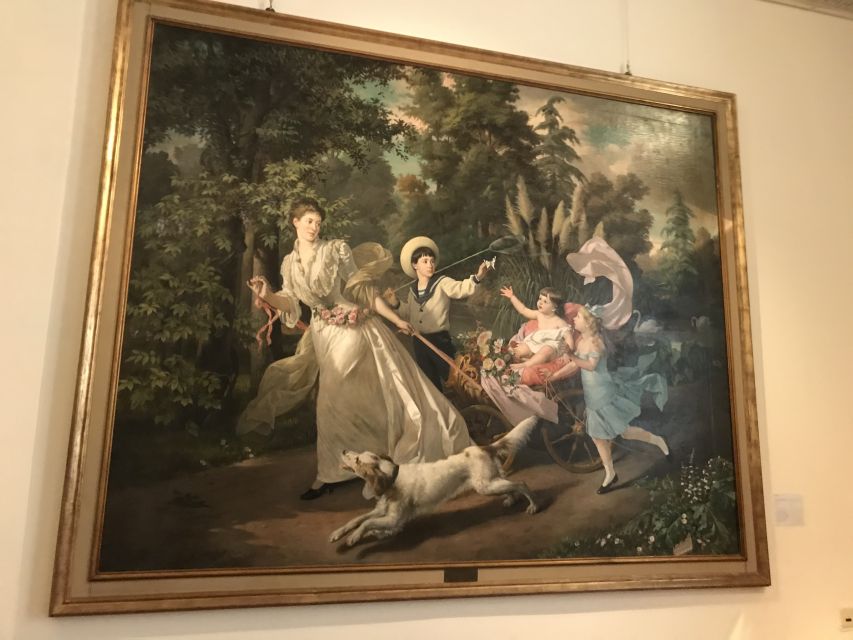
Inside Palazzo Braschi, you’re not looking at a single room. You’re touring an 18th-century setting with art, photographs, and statues, and it’s framed by the building’s own personality. The highlights specifically call out the 18th-century architecture by Cosimo Morelli, so you’re going in with the right expectations: this is about the whole “Rome in miniature” experience, not just one famous painting.
One thing to mentally prepare: a 1-hour duration means you’ll move quickly. That’s great if you like tight itineraries and clear payoff. But if you want slow reading, extended gallery time, and long stops for crowds, you may wish you had a longer museum block.
You can also read our reviews of more tours and experiences in Rome

Collecting your official ticket at Piazza Navona 25 (the one step people miss)
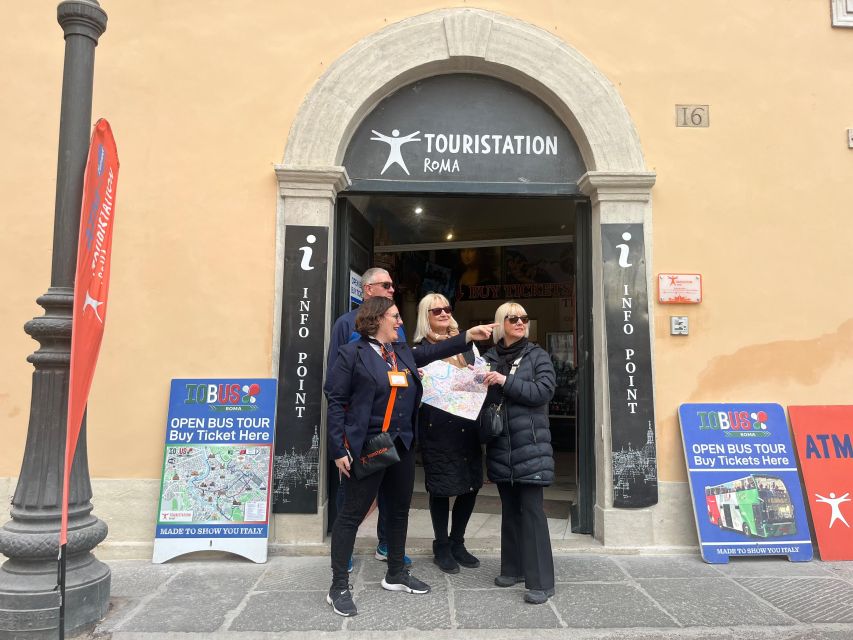
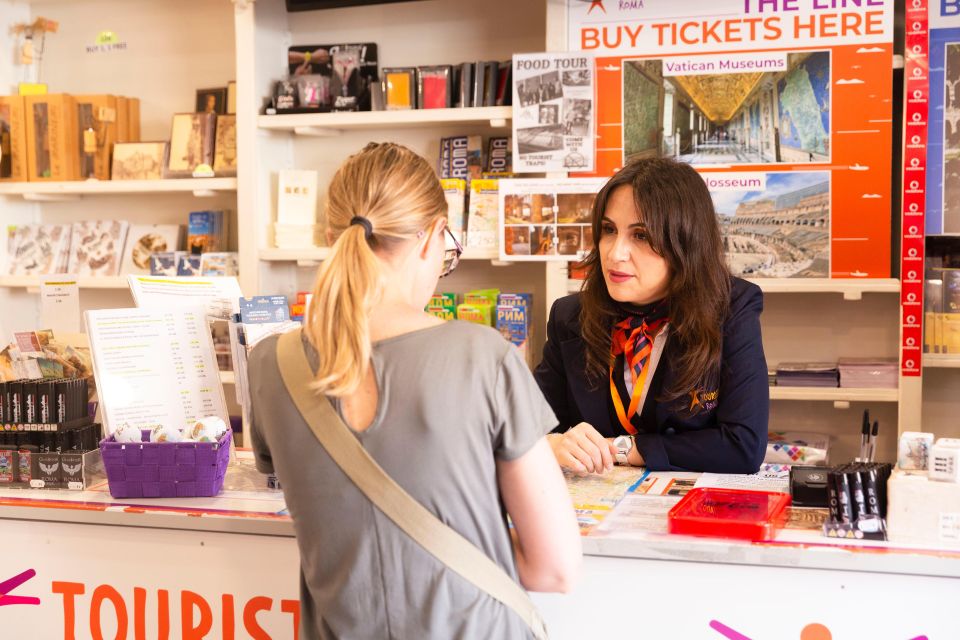
Your voucher is not the ticket. Before the museum part can happen, you collect your official entrance ticket at the Touristation Office at Piazza Navona 25. This is the sort of small step that can ruin the start of your day if you rush it.
I’d build in a short buffer to walk there calmly. Piazza Navona is a busy area, and your best move is to arrive ready to follow instructions immediately. Bring a government ID (passport or ID card), wear comfortable shoes, and keep your bag situation simple since large bags and luggage aren’t allowed.
Also, note that there’s no room for improvising here. The plan is timed and ticket-based, so you’ll have a smoother visit if you treat it like an appointment rather than a “sometime today” museum.
Piazza Navona: fountains, Bernini, and why the square works in a short visit
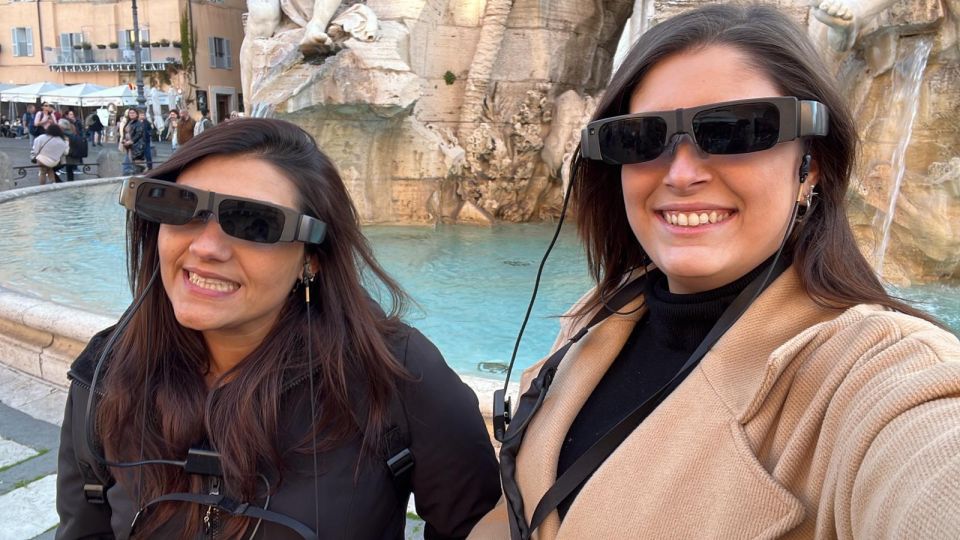
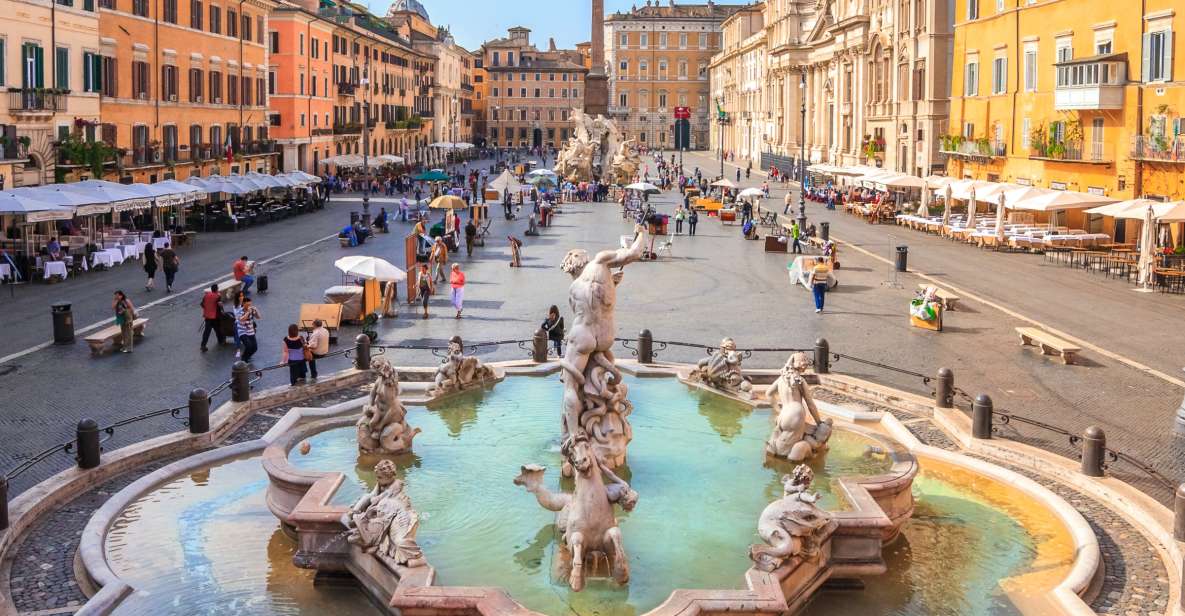
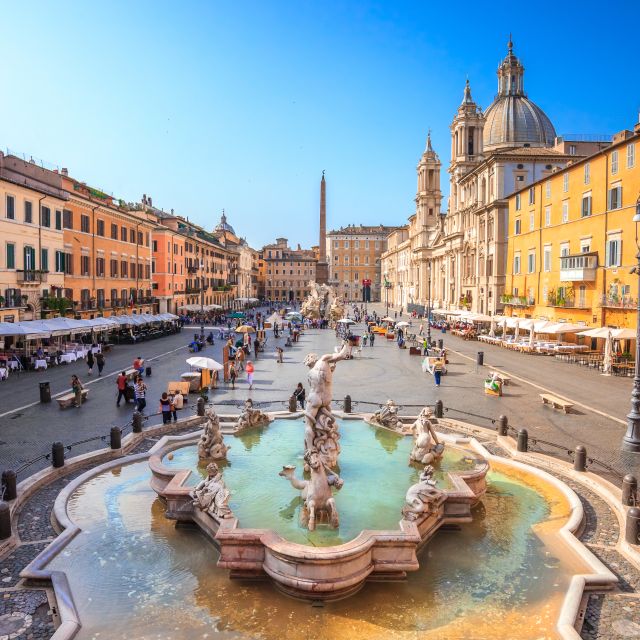
The audio route starts you in the right place: Piazza Navona, often considered one of Rome’s most beautiful squares, with fountains that make the whole space feel theatrical. This is the kind of setting that makes even a quick photo turn into something you’ll actually want to keep.
You’ll get specific attention to the famous Fountain of the Four Rivers by Bernini. It’s the sort of landmark where the story makes the stone feel less random. The guide also points out that you can pick up on the flow of Roman history here, which is helpful because Navona isn’t just a view. It’s a civic space with layers.
In a short 1-hour format, Piazza Navona is the perfect anchor. You get instant visual wow, plus a deeper reason to stand there for a minute or two instead of moving on instantly.
Practical tip: wear shoes you can stand in for a bit. This stop is photo-and-pause friendly, and if you rush, you’ll miss the best angles.
Pantheon from the outside: the fast way to see why it stayed
After Navona, the route brings you to the Pantheon area, with the focus on viewing it from the outside. You’re not meant to turn this into a long interior visit. Instead, you’ll learn what you’re looking at and why the building has lasted so well.
The highlights describe the Pantheon as a temple dedicated to all divinities and point out that it’s considered the most well-preserved ancient temple in the world. That’s a big claim, but it’s easy to believe once you pay attention to the look of the structure from outside: the massing, the proportions, and the way the dome dominates the scene.
You’ll also hear the famous story about Michelangelo, who supposedly described it as angelic rather than human in design. Whether you take the quote literally or as a sense of awe, it adds a useful lens. When you’re outside and moving quickly, you need a mental hook. This gives you one.
One drawback to know: outside-only means you’ll miss the interior experience. If you’re the type who wants the dome and open space to be the main event, you might want a longer Pantheon visit on a different day.
Trevi Fountain coin toss: more than just the crowd scene
The audio guide’s Trevi stop centers on the Trevi Fountain, described as the largest and best-known fountain in Rome. The classic coin toss is included in the narrative: toss a coin in to help ensure you’ll return to Rome one day.
What makes this more than a quick photo stop is that the guide promises secrets about the fountain and explains what’s going on beyond the obvious. With an audio format, this matters. You get the “why,” and that turns the fountain into something you can actually remember, instead of just something you photographed while walking.
If you’re planning around this, I’d treat Trevi as a pause point with purpose. Even if the area is busy, you can still take a minute to listen to the story segments. The sound makes the fountain feel less like a tourist checklist item and more like part of Rome’s living mythology.
If you’re traveling with a phone-first mindset, this is also a great place for selfies. You’ll have plenty of angles to work with, and the visual drama helps even casual photos look like you tried.

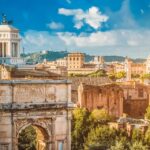
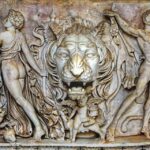
Palazzo Braschi inside: Cosimo Morelli’s 18th-century architecture and photo-ready rooms
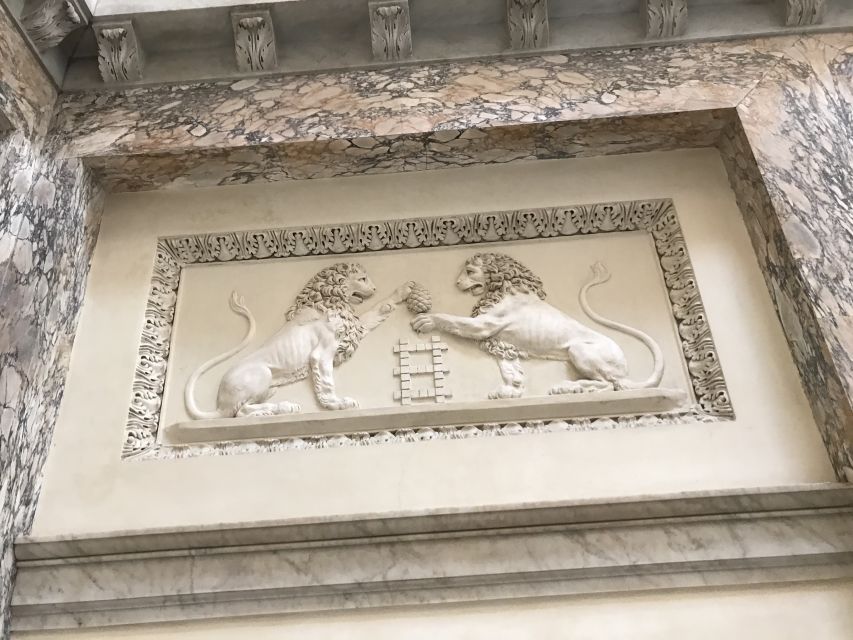
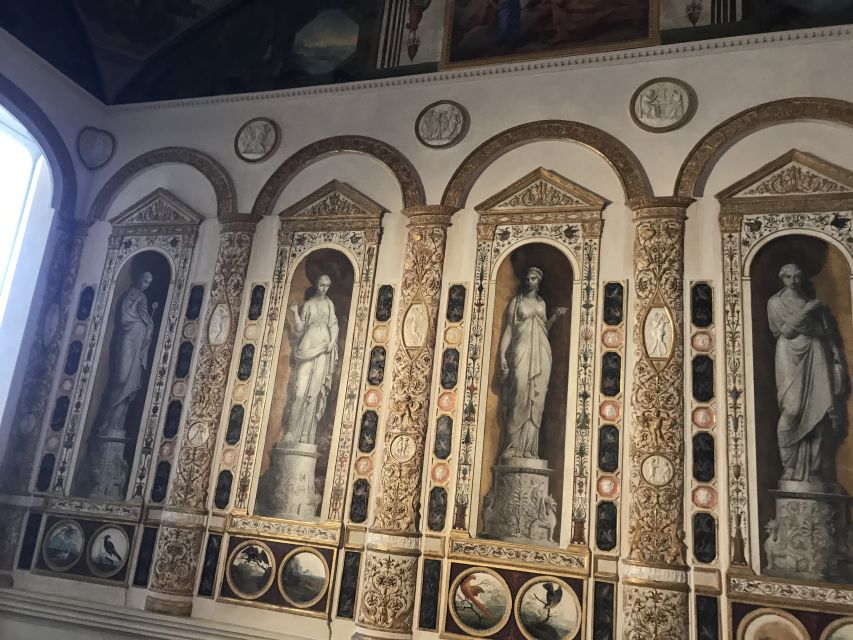
Once you’re in Palazzo Braschi, you’re exploring a museum inside an 18th-century framework. The highlights call out Cosimo Morelli’s architecture, and the building’s design is the kind of thing you notice even if you’re not an architecture specialist.
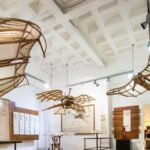
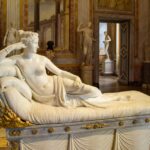
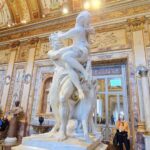
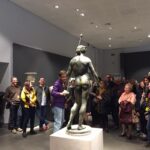
You’ll also see an impressive collection made up of art, photographs, and statues. That mix can be a real plus if you like variety, because it keeps the museum from feeling like one long theme. It’s also why the reserved ticket matters: you’re not gambling on timing. You’re assigned a slot, and you can focus on the viewing.
One review detail worth your attention: the entrance has a monumental staircase that surprises people. If you’re the type who cares about first impressions in a museum, this matters. It’s not a bland front door. It’s a moment.
What to keep in mind: this isn’t marketed as a huge “works that define Western civilization” museum. If your ideal day is filled with major masterpieces and long gallery wandering, you might find yourself wanting more. If your goal is a well-paced Rome hit with a distinct setting and a few museum-focused stops, Palazzo Braschi fits nicely.
The “finishing combo”: glass elevator views plus one museum option
The experience can continue with a finishing set that adds viewpoint and variety. You might include the Panoramic Glass Elevator, plus Palazzo Venezia and either the Risorgimento Museum or the Capitoline Museums.
Here’s why I like this choice: it lets you match the finish to your interests instead of forcing one style on everyone. If you want more national-story focus, the Risorgimento Museum option may feel right. If you want a museum tied to Rome’s longer public-life story, the Capitoline Museums are highlighted as the world’s first museum opened to the public in 1734.
Also, the Panoramic Glass Elevator adds a different kind of Rome memory. You’re not just collecting sculptures and architecture details at street level. You’re getting a view component, which can make a short tour feel more complete, even if your museum time stays limited.
One thing to confirm before you go (so you don’t waste time): this part depends on the option you choose. The experience is telling you to book the version that fits your preference.
Price and value: is $37 fair for a reserved, timed route?
At about $37 per person, the value here comes from structure. You’re paying for two kinds of convenience at once: a reserved entrance ticket to the museum and a pre-arranged audio route through major sites.
If you try to cobble together the same day on your own, you’re usually paying the hidden costs: searching for entry times, dealing with timing uncertainty, and losing momentum. This experience saves you from some of that by bundling the museum access with a guided walk that hits Piazza Navona, the Pantheon area (outside), and Trevi.
Is it the cheapest thing in Rome? Probably not. But for a central stop that combines a museum inside an 18th-century palace with landmark sightseeing you’d otherwise have to plan separately, it’s a reasonable trade, especially if you only have about an hour to spare.
The best “value moment” is the timing: reserved entry plus a route that’s already choreographed for fast wins. If you’re the type who wants to linger for hours, you won’t get full value from the short format. If you want targeted highlights and good storytelling in a manageable window, you’ll likely feel like the price matches the payoff.
Who this suits best (and who should look elsewhere)
This works well for:
- First-time visitors who want the classic central trio of Piazza Navona, Pantheon, and Trevi in one tight run
- People who like audio guidance and short interpretive moments instead of long guided lectures
- Travelers who want a museum experience without committing to a half-day
You might skip or pair it with a longer plan if:
- You want a deep museum session with lots of time to read and revisit rooms
- You’re mainly chasing the biggest mega-museums with massive galleries and famous names
One more note from the reality of any museum: taste is personal. Palazzo Braschi may delight you with its setting and mix of art, photographs, and statues. Or you might find it underwhelming if your definition of Rome culture is strictly tied to the most famous painting vaults.
Book it, or pass: my decision guide
I’d book this if you like your Rome day tidy and story-driven. The reserved ticket removes stress, and the audio route connects the landmarks so the walking feels purposeful rather than random. You’re also getting a museum setting that’s visually distinct, not just another “white walls, big room” experience.
I’d hesitate if you’re hoping for a long museum marathon. With only 1 hour, you’ll get a taste, not a full feast. And if you’re very picky about museum collections, it’s smart to weigh that Palazzo Braschi is smaller and more specific than Rome’s headline art destinations.
FAQ
FAQ
How long is the Palazzo Braschi Reserved Entrance Ticket experience?
The duration is listed as 1 hour, and starting times depend on availability.
Where do I pick up my official ticket?
Your voucher is not the entrance ticket. Collect the official entrance ticket at the Touristation Office in Piazza Navona 25.
What’s included in the ticket price?
Included are the Palazzo Braschi reserved entrance ticket and a City App Audioguide.
Is there an option to include Risorgimento or the Capitoline Museums?
Yes. The experience notes an option to finish with Palazzo Venezia and either the Risorgimento Museum or the Capitoline Museums.
Are temporary exhibitions included?
Temporary exhibitions are not included.
Are pets or large bags allowed?
Pets are not allowed. Weapons or sharp objects are not allowed, and luggage or large bags are not allowed.