REVIEW · ROME
Rome: Colosseum, Arena Floor & Ancient Rome Tour
Book on GetYourGuide →Operated by Rutas Romanas · Bookable on GetYourGuide
Rome hits hardest when you get close to the action. This tour bundles the Colosseum arena-floor access with the Palatine Hill viewpoints and the Roman Forum, all guided end-to-end. The payoff is practical too: you’re not just taking in ruins, you’re learning how the places fit together.
I also like how much guidance you get for the time—your guide steers you through big moments like the Gladiator’s Gate and explains what you’re seeing as you go. Plus, headsets help you hear the story even when the Colosseum gets loud and crowded.
The main thing to consider is physical effort and logistics. Expect security checks with possible queues and some stairways at the Forum and Palatine Hill; rain can also limit access to certain areas, so you may not see every exact viewpoint.
In This Review
- Key things that make this tour worth it
- Why this Colosseum-and-Forum combo works in 2.5 hours
- Getting to the Colosseum Metro meet point and handling security fast
- Entering the Colosseum: Gladiator’s Gate and the arena-floor walk
- Arena-floor perspective: how to look at the Colosseum like a pro
- Palatine Hill viewpoint and the Romulus-and-Remus story
- Roman Forum ruins: temples and government in one walk
- How the 2.5 hours feel: stairs, heat, and group pacing
- Value check: is the $81 price fair?
- Who this tour suits (and who might skip it)
- Should you book this Colosseum, Arena Floor & Ancient Rome tour?
- FAQ
- How long is the Rome: Colosseum, Arena Floor & Ancient Rome Tour?
- What is included in the tour ticket?
- Where do I meet the guide?
- Is food and drinks included?
- Do I need ID?
- Does the tour run in bad weather?
- What language is the tour guide?
Key things that make this tour worth it
- Arena-floor walk with gladiator-entrance access: you get the perspective most people never see
- Palatine Hill views: Rome’s postcard angles, explained as you look
- Roman Forum context: temples and government sites make sense when stitched into a story
- Headsets and radios: easier listening in a noisy, busy complex
- Guides with great storytelling: names like Aphrodite and Henry come up in feedback for keeping the group engaged
Why this Colosseum-and-Forum combo works in 2.5 hours
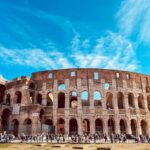
Rome has a lot of ruins, but this route has a clear rhythm. You start at the Colosseum, where you can understand the event scale. Then you move to the Palatine Hill, tied to Rome’s origin myths and the elite neighborhoods overlooking the city. Finally, you end at the Roman Forum, the political and religious hub where power played out day after day.
If you’ve only got a short stay, this is one of the more efficient ways to connect the dots. You’re not bouncing between random monuments; you’re walking through three linked layers of Roman life: spectacle, myth-and-status, then government and worship.
You can also read our reviews of more tours and experiences in Rome.

Getting to the Colosseum Metro meet point and handling security fast
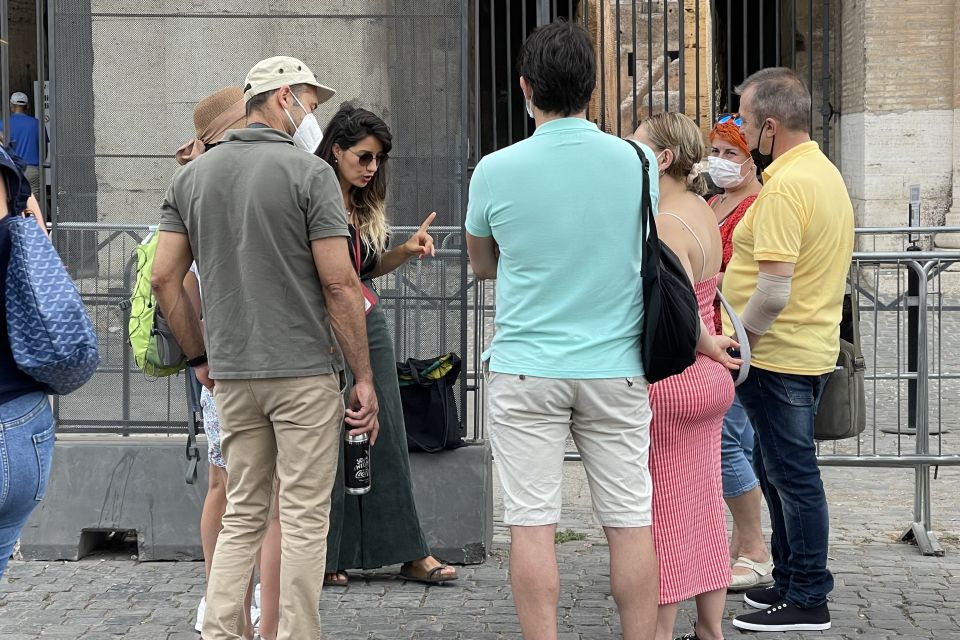
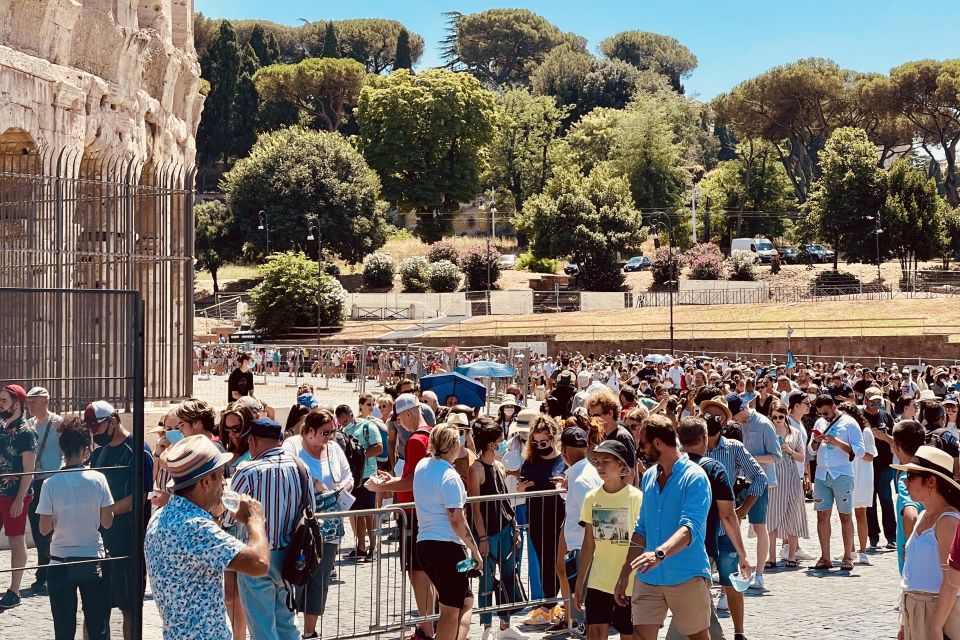
Meet your guide above the Colosseum Metro Station, in front of Caffe Roma. Your guide holds a sign with the activity provider’s name, so you can quickly spot the group.
Before you enter, all visitors must pass through a security check. On busy days, that line can add time, and the tour start might be delayed. This is the one part you can’t shortcut with good planning, so I’d treat the timing as flexible and focus on getting there a little early.
What I’d bring based on the rules: ID for children. Also plan to travel light—no luggage or large bags, and pets are not allowed. If you show up with a bunch of extras, you’ll pay for it in time and stress at the checks.
Entering the Colosseum: Gladiator’s Gate and the arena-floor walk
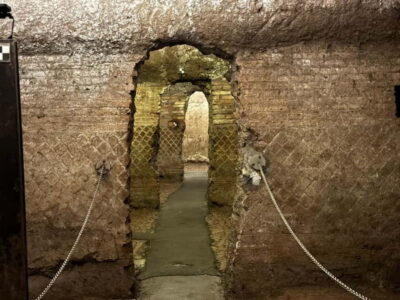
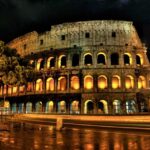
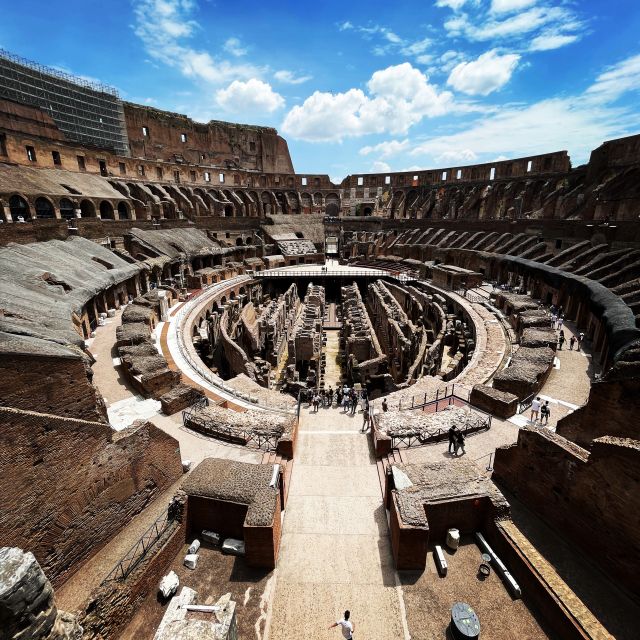
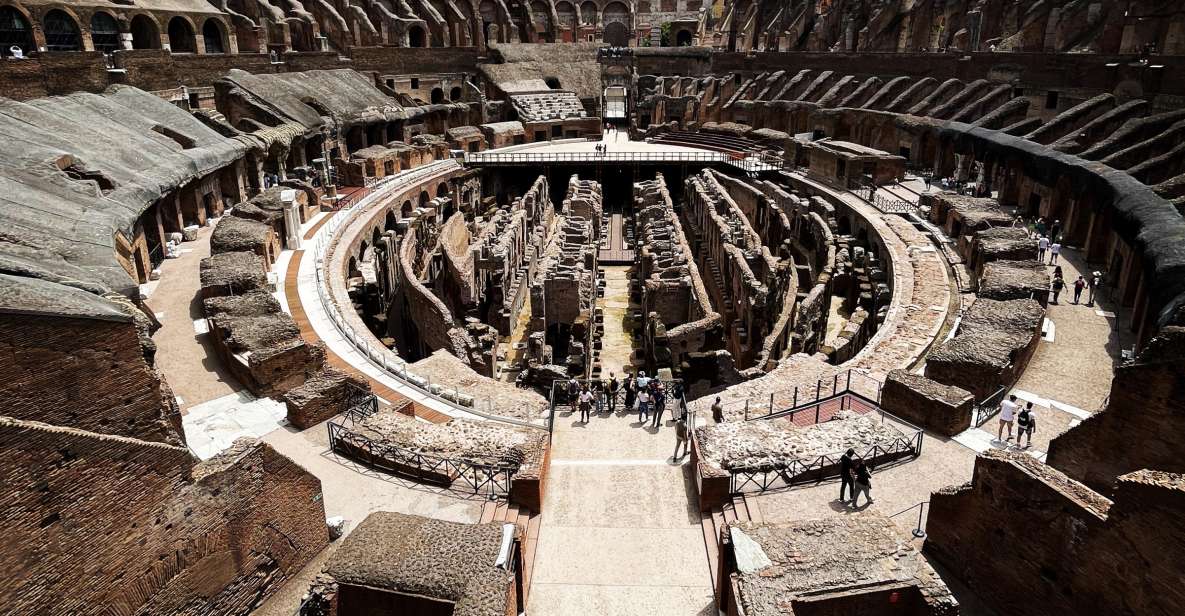
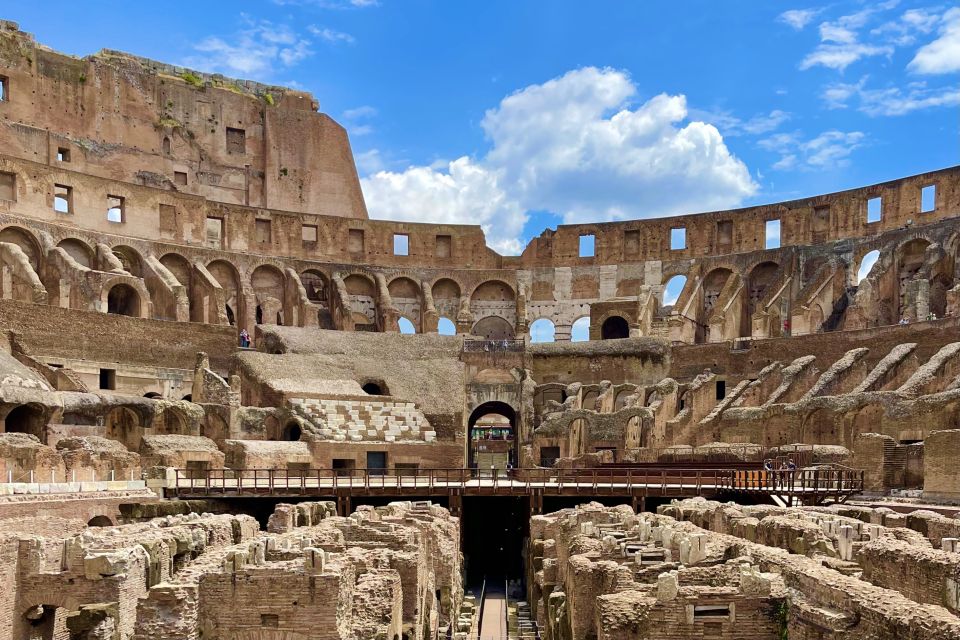
The headline is simple: you go where the action was. The tour takes you through the gladiator entrance, and then you walk onto the Colosseum arena floor. Standing on the same level where games once happened gives you a new kind of understanding—suddenly the building isn’t just walls and arches. It’s a machine designed for crowds, noise, and drama.
I love that the tour doesn’t treat this as a photo stop. Your guide explains what you’re seeing as you move: the gate, the flow of the arena, and the way the Colosseum turned spectators into part of the spectacle. If you’re the type who thinks in pictures, this is where the tour clicks.
One practical note: arena access can depend on site operations. If the arena floor is closed on a given day, you may not get that walk. The tour can still be excellent, but if arena-floor access is your top priority, keep your expectations flexible.
Arena-floor perspective: how to look at the Colosseum like a pro
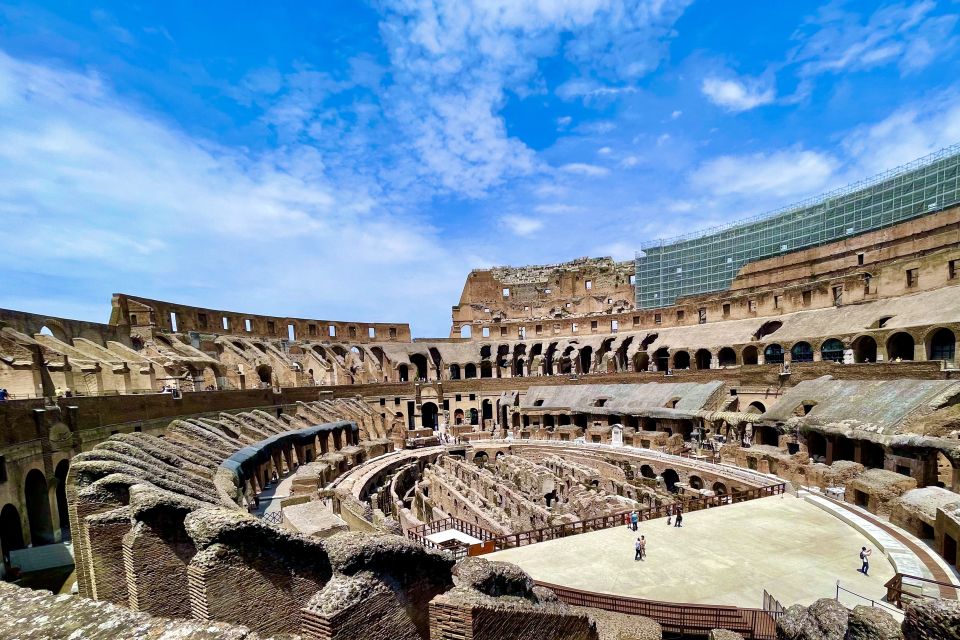
Once you’re on the floor, take 30 seconds to reset your eyes. The Colosseum is huge, but your brain needs anchors. Here are the anchors this kind of tour helps you find:
- The sense of height: you’ll see how the seating wraps the arena and why visibility mattered
- The perimeter feel: you can picture where people entered, gathered, and waited
- The crowd factor: your guide’s talk about audience energy helps you understand why the building was built this way
Guides also often shape the tour around key stories and set pieces. Names that show up in feedback include Aphrodite and Henry, and the praise is consistent: the best guides keep the group moving while still answering questions and pointing out details you’d miss on your own.
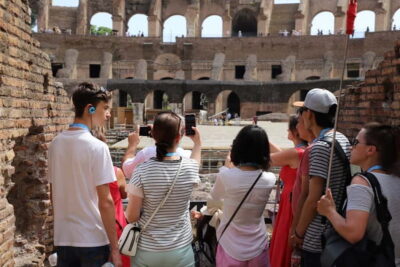
This is also where headsets earn their keep. The Colosseum can be noisy and windy, and radios make the narrative easier to follow without repeatedly turning into the crowd.
Palatine Hill viewpoint and the Romulus-and-Remus story
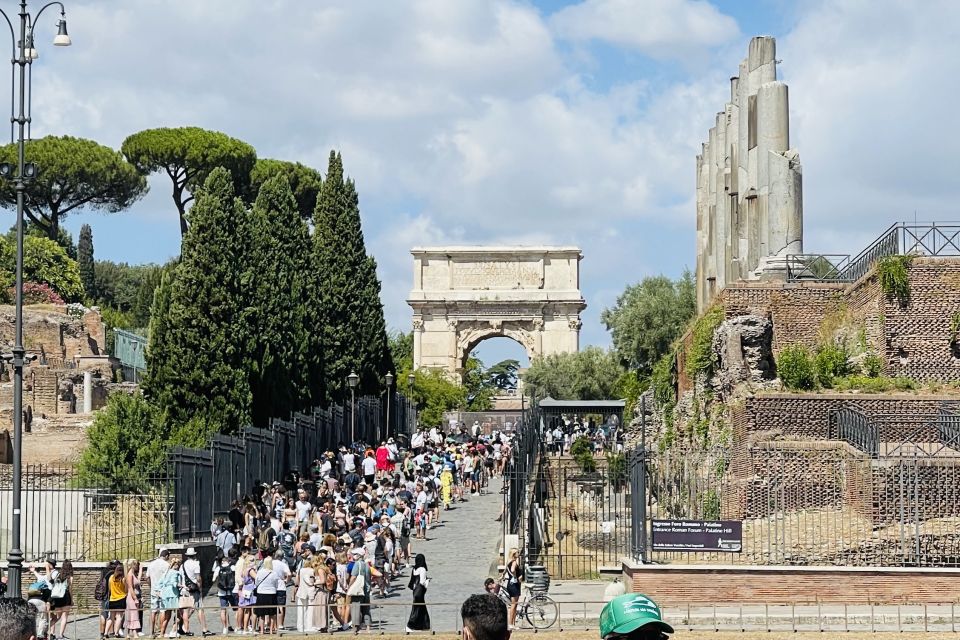
After the Colosseum, you climb to Palatine Hill. This is one of the best moves on the itinerary because Palatine gives you the big-picture relationship: the hill overlooks the Colosseum, so you get an instant visual link between empire power and Roman origins.
The tour includes time for the breathtaking views of the Colosseum from Palatine Hill. I recommend using that pause to look for lines and patterns—where the arena sits, how the city stretches around it, and how the hill’s elevation changes what you can see.
Your guide ties the view to story. You’ll hear about the legend of Romulus and Remus, the twin brothers connected to Rome’s founding. Even if you already know the basics, the guide’s way of connecting myth to place helps it land. Palatine isn’t just a hill with ruins; it’s a stage set for why Romans told origin stories tied to power and territory.


Roman Forum ruins: temples and government in one walk
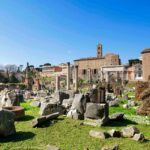
The final stretch is the Roman Forum, the ancient marketplace and the meeting ground for religion and politics. This is where a guided structure matters most. The Forum is spread out, with broken columns and fragments. If you wander without a map in your head, it’s easy to admire textures and miss the purpose.
In this tour, your guide points out the ruins of important religious and government buildings, then frames what each area meant for daily Roman life. The result is that the Forum stops feeling like random rocks and turns into a working system: courts, offices, worship spaces, and public life colliding in the same footprint.
You should also know weather matters. Some parts of the Forum and Palatine Hill might not be accessible in bad conditions. The tour runs rain or shine, but the exact route can adjust, so don’t treat the Forum as a guarantee of every single view.
Another itinerary detail: in some cases the tour may start inside the Colosseum and end at Palatine Hill and the Forum, while other times the order reverses. The core experience stays the same—you still see the Colosseum arena floor, Palatine Hill, and the Roman Forum—but your walking pattern might shift.
How the 2.5 hours feel: stairs, heat, and group pacing
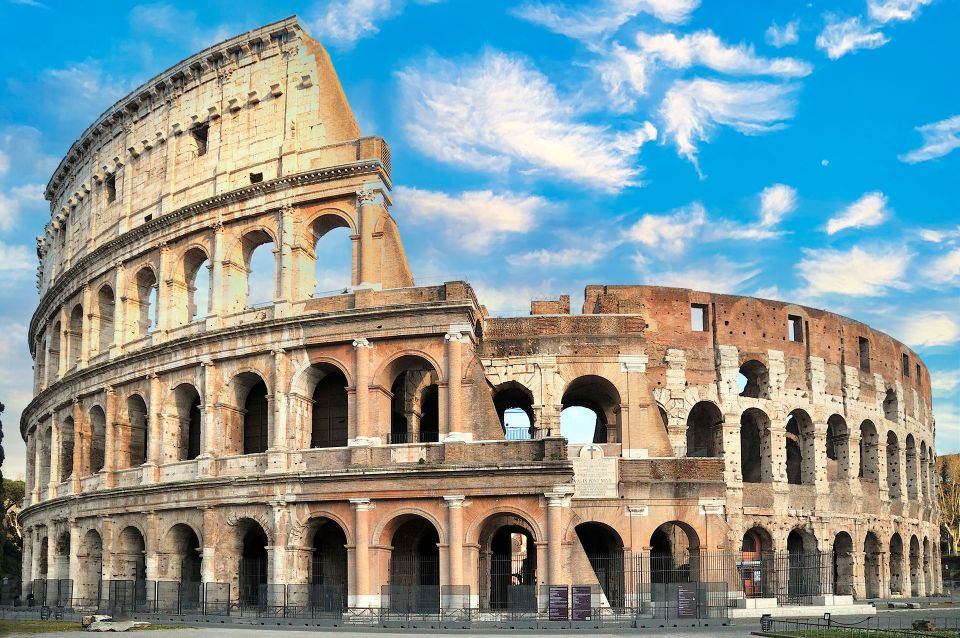
A 2.5-hour tour is long enough to feel full, but short enough that you’re not stuck in one place forever. Still, this one is more physical than a flat walking tour. Palatine Hill and the Forum involve stairways and uneven ground, and the pace is designed to cover big highlights without turning the day into a hike marathon.
This matters most in summer. Several guide comments focus on keeping energy up and managing heat. You’ll get the best experience if you show up ready to move: wear comfortable shoes, plan for sun, and take breaks when your guide offers photo moments or pauses.
Also watch the listening side. With headsets and radios included, you can focus on the story instead of craning your neck for every word. That makes a big difference when the group gets spread out and the crowd noise rises.
Value check: is the $81 price fair?
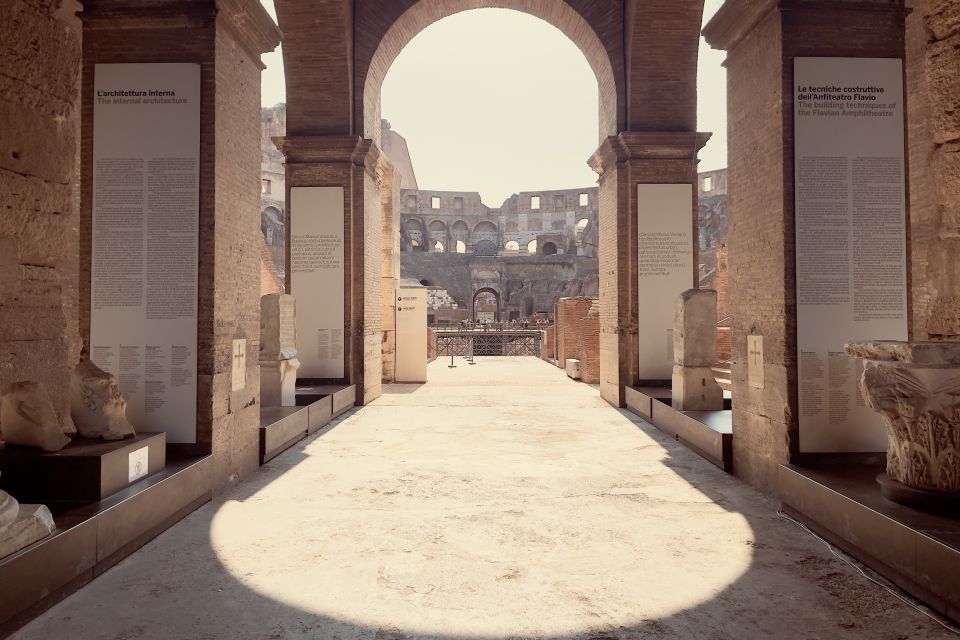
At $81 per person, you’re paying for three things at once: a guided narrative, arena-floor access, and coverage of Palatine Hill plus the Roman Forum. If you tried to piece this together yourself—tickets, timed entry, and a guide—you’d spend similar money and still risk doing more running around.
The arena floor is the big value driver. Most Colosseum visits don’t give you that literal change in perspective. Then Palatine and the Forum add context. Together, they turn the Colosseum visit from spectacle appreciation into a more complete picture of Roman life.
You also get headsets and radios, which is not a small extra in a place this crowded. Better audio means less frustration, and that’s part of value too.
Who this tour suits (and who might skip it)
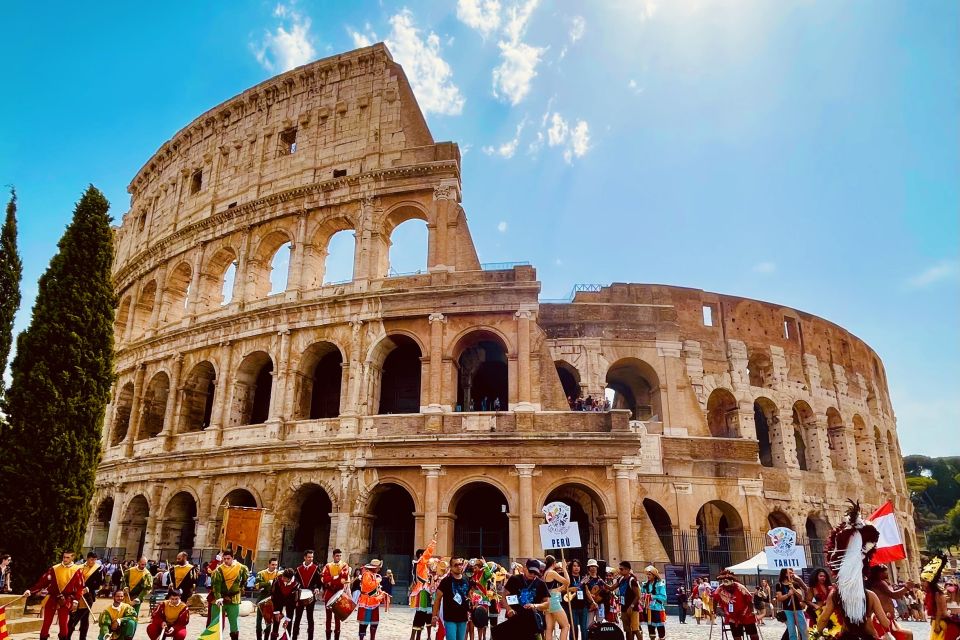
This tour fits best if you want structure. If you like learning as you move, want the origin stories tied to the views, and care about seeing the Colosseum arena floor, you’ll probably feel like you made the most of your time.
It’s also a good match for families with older kids, since guides are often praised for keeping groups engaged and adjusting their approach. That said, this one does involve walking and stairs, so it’s not ideal for everyone.
Based on the rules, it’s not suitable for wheelchair users, people with mobility impairments, and people over 95. If that’s you, you’ll likely be more comfortable choosing a different format that avoids heavy stair climbing and uneven routes.
Should you book this Colosseum, Arena Floor & Ancient Rome tour?
If your priority list includes arena-floor access plus a guided walkthrough that connects the Colosseum to Palatine Hill and the Roman Forum, I think this is a smart booking. The time is efficient, the included headsets make the story easy to follow, and the guide style is often where the experience turns from good to memorable.
I’d hesitate only if you’re sensitive to stairs or you’re traveling in conditions where parts of the Forum and Palatine may close. Also remember the security line: start times can shift on busy days, and that’s outside the operator’s control.
If you go in with flexible timing and comfortable shoes, you’ll come away with more than photos. You’ll understand what these spaces were built to do, and why Rome still feels so loud even in ruins.
FAQ
How long is the Rome: Colosseum, Arena Floor & Ancient Rome Tour?
It runs for 2.5 hours.
What is included in the tour ticket?
You get access to the Colosseum arena floor and regular areas, a guided tour of Palatine Hill and the Roman Forum with a professional guide, plus headsets and radios.
Where do I meet the guide?
Meet above the Colosseum Metro Station, in front of Caffe Roma. The guide will be holding a sign with the activity provider’s name.
Is food and drinks included?
No. Food and drinks are not included.
Do I need ID?
Bring a passport or ID card for children.
Does the tour run in bad weather?
Yes, it takes place rain or shine, though some areas of the Roman Forum and Palatine Hill might not be accessible during bad weather.
What language is the tour guide?
The live tour guide is in English.