REVIEW · ROME
Assisi & Orvieto Day Trip from Rome
Book on GetYourGuide →Operated by Green Line Tours · Bookable on GetYourGuide
Orvieto and Assisi feel like two different worlds. This day trip from Rome strings together Orvieto’s 14th-century Duomo views and a guided walk ending at St. Francis Basilica with frescoes in a single long day. Along the way, you also get countryside drives that explain why Umbria and nearby wine hills keep pulling people back.
The trade-off is time: it’s a full 12-hour pace, and the churches enforce a strict dress code, so plan your feet and your outfit early.
If you want a spiritual-and-scenic combo without renting a car, this trip makes it easy. I like how the day mixes guided moments (cathedral, Assisi streets, basilica) with enough time to breathe and look around—especially in Assisi. Still, the schedule can feel fast, and a few optional sights (like Orvieto’s deeper underground areas) may not fit once you’re inside and moving between stops.
In This Review
- Key Highlights (What You’ll Actually Notice)
- Leaving Rome: The Real Meaning of a 12-Hour Day Trip
- Orvieto’s Duomo: Gothic Power on a Hilltop
- Tuscany-Style Hills and Wine Country Names You’ll Hear All Day
- Lunch Included: Good Break Time, Budget for Drinks
- Driving by Lake Trasimeno: A Scenic Link to the Next Stop
- Assisi on Foot: Streets, Squares, and the Meaning Behind the Sights
- St. Francis Basilica: Frescoes You Can’t Unsee (and Photo Rules)
- Logistics That Actually Matter: Shoes, Clothing, and Walking Reality
- Price and Value: What You’re Really Paying For
- Who This Tour Fits Best (and Who Might Feel Frustrated)
- Should You Book This Assisi & Orvieto Day Trip?
- FAQ
- How long is the Assisi & Orvieto day trip from Rome?
- What is included in the price?
- Are drinks included with lunch?
- Where do I meet in Rome?
- Is hotel pickup and drop-off included?
- Is there a dress code?
- Is the tour refundable if plans change?
Key Highlights (What You’ll Actually Notice)
- Orvieto Cathedral (Gothic, 14th century): the kind of façade you keep walking around just to re-see from new angles.
- Assisi guided walking time: you get clear context for St. Francis and St. Clare, not just photo stops.
- St. Francis Basilica frescoes: painted across the 12th to 14th centuries, and the spiritual focus is strong.
- Countryside drive with wine-country flavor: olive groves, vineyards, and DOC names like Orvieto, Chianti, and Brunello di Montalcino.
- Traditional lunch included: a real sit-down break, though drinks cost extra.
- Live guides in multiple languages: English, French, and Spanish—one of the reasons the day stays coherent.
Leaving Rome: The Real Meaning of a 12-Hour Day Trip
This tour is built around one simple idea: you can’t “sample” Assisi and Orvieto in a few hours and do them justice. So you commit to a long day and let the bus do the hard part—getting you out of Rome and back without dealing with trains, transfers, or parking.
You’ll meet at the central GLT terminal at 32 Via Giovanni Amendola, about 10 minutes before departure. From there, the day runs like a loop: Rome out toward Umbria, Orvieto first, then countryside drives, lunch, Lake Trasimeno area, and finally Assisi before returning late evening (often around 7:30–8:00 pm).
What I like is the structure. You’re not just dropped in place with a map. You have local guidance plus a driver, which helps when you’re walking on uneven medieval streets. One note: reviews mention different guide and driver pairings (like Christina, Silvia, Elli; and drivers such as Nicola or Lucca), and the day tends to flow best when the guide keeps moving you through the “why” as you go.
The drawback? It’s still a whirlwind. Even when the itinerary is well planned, you’re packing in multiple historic zones and walking distances. If you’re the type who likes long, slow wandering on your own, you may feel a little tug toward what you can’t fully do.
You can also read our reviews of more tours and experiences in Rome
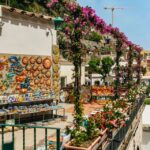
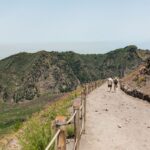
Orvieto’s Duomo: Gothic Power on a Hilltop
Orvieto is one of those towns where the views hit you early. You arrive and go straight to its skyline centerpiece: the cathedral in the town center, a 14th-century Gothic masterpiece. The cathedral doesn’t feel like a quick stop. Even if you’re standing there for a short guided segment, you’re already getting that “how is this even here?” feeling that only hill towns can deliver.
The practical thing to know: cathedral entry may cost extra. One review specifically mentioned an on-site ticket around €5 per person. So if you’re the type who plans around ticket costs, keep a little cash or card buffer ready.
Also, Orvieto is a maze city on purpose. Walkways, levels, and side streets can turn into lost time—in a good way if you have hours, but less fun if you’re on a timer. One review noted there wasn’t enough time to stroll through every area after stops elsewhere. If your must-do list includes Orvieto’s deeper underground Etruscan sites, you may need a separate, longer plan rather than counting on it during a day trip.
Still, the payoff is real. The Duomo area gives you:
- big architectural moments (especially from the outside)
- small-shop and market energy
- hilltop photo angles that look better than the postcards
Tuscany-Style Hills and Wine Country Names You’ll Hear All Day
After Orvieto, the drive shifts into that rolling Umbria/Tuscany-in-the-neighborhood feel: olive groves, vineyards, and long sightlines. The tour is aimed at giving you context for why this part of central Italy is tied to wine and local products, not just scenery.
You’ll hear about DOC wine names such as Orvieto, Chianti, and Brunello di Montalcino. You might not taste every label, but you’ll come away understanding that these names are more than branding—they’re tied to land and strict quality controls.
This section matters because it changes how you see the later stops. When you arrive in Assisi, you’re no longer thinking purely about religion and art. You’re also thinking about how people lived here: agriculture, seasons, and local crafts. That’s the kind of background that makes a day trip feel less like a drive-by and more like a coherent story.
One small heads-up: while these stops are part of the tour’s flow, you should not plan on them replacing free time. The bus keeps moving. If you’re hoping for a long wine-shop crawl, this isn’t that kind of day.
Lunch Included: Good Break Time, Budget for Drinks
Lunch is one of the most valuable parts of the day because it breaks up the driving. Instead of grabbing something quick, you sit down and eat traditional local dishes, and lunch is included.
A few reviews mention lunch at an agriturismo-style setting, and they describe the food as enjoyable. One review also called out that the lunch was a bit disappointing for them personally, so expectations vary. The consistent takeaway: it’s not a street-food carnival, and it’s not gourmet theater. It’s meant to keep you fueled for the walking and the basilica time.
What you should plan for: drinks aren’t included. One review noted that water wasn’t included, which is easy to overlook because the meal itself is included. If you like to sip during lunch (or want sparkling water), bring a card and don’t assume it’s bundled.
Driving by Lake Trasimeno: A Scenic Link to the Next Stop
In the afternoon, you’ll drive along the shores of Lake Trasimeno. This is the calm intermission between Orvieto’s hilltop intensity and Assisi’s steep, spiritual streets.
Why this matters: a lot of day tours cram history back-to-back. Here, the lake-and-road segment gives you a visual reset. Even if you don’t get off the bus, the change of scenery helps you arrive in Assisi feeling less rushed and more ready to walk.
Also, the timing here is why your free time can feel limited later. The bus schedule is a chain. If you’re counting on every minute for a separate stop, keep your expectations realistic.


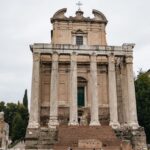
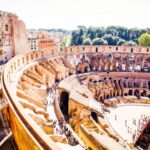
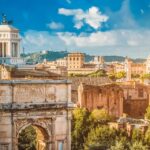
Assisi on Foot: Streets, Squares, and the Meaning Behind the Sights
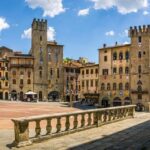
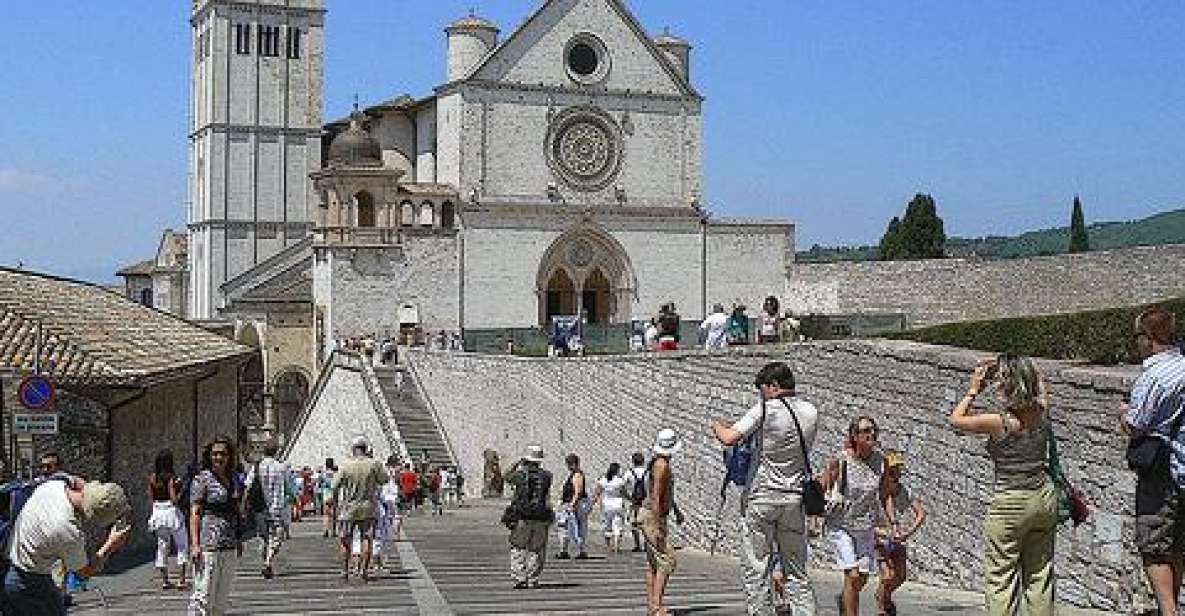
Assisi is built to slow you down. It’s at the foot of Mount Subasio, and it has that layered feel of medieval streets that rise up from you as you walk. The tour guides you through the key highlights, and they matter because they show how the Francis story became part of the city’s layout.
You’ll see:
- the Church of St. Clare
- St. Francis’ birthplace and his childhood home
- Townhall Square, plus nearby sites like the People’s Palace
- a Roman temple dedicated to Minerva
This isn’t just sightseeing. It helps you understand that Assisi didn’t grow in one era. It grew in layers—Roman presence, medieval devotion, and later history woven into the streets you’re standing on.
What I like in the guided portion is the way it connects locations. Reviews specifically mention guides like Christina as excellent, patient, and organized through the day. That’s not a small thing. When you’re in a dense town like Assisi, good guiding helps you not just see the places, but understand what to look for and why it’s placed there.
Free time is limited, but it’s enough to orient yourself and do a bit of wandering around the square areas. If you want long, independent exploring, this may not fully satisfy you. But as a first-time Assisi day, it’s a strong hit.
St. Francis Basilica: Frescoes You Can’t Unsee (and Photo Rules)
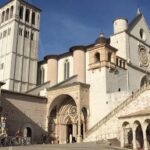
The biggest moment in Assisi is the visit to St. Francis’ Basilica, near the ancient city walls. The description emphasizes its magnificent frescoes painted between the 12th and 14th centuries, and that timing is part of what makes the basilica feel alive across eras.
This is where the day’s tone shifts. You’re not just walking a historic town. You’re stepping into one of Italy’s most famous religious-art spaces.
One practical point: photographs may be restricted inside the basilica. A review mentioned a prohibition on taking photos inside, and that’s the kind of rule you should assume could apply. If you’re a photographer, keep your phone away until you’re sure what’s allowed—signage and staff instructions can be strict in holy places.
If you’re trying to balance reverence with sightseeing speed, the basilica time is where you’ll feel the schedule most. You’ll want comfortable shoes and a mindset that you’re here to absorb, not to rush through.
Logistics That Actually Matter: Shoes, Clothing, and Walking Reality
This tour is not built for flip-flops and short sleeves. You’ll be in places of worship and selected museums, and the dress code is strictly enforced. That means:
- no shorts
- no sleeveless tops
- knees and shoulders must be covered for both men and women
You’re also asked to bring comfortable shoes and long pants. This matters because Assisi’s streets and stair-like paths are part of the experience. If your footwear is wrong, you’ll feel it by the time you reach the basilica or when you’re trying to re-orient on uneven ground.
Other common rules:
- pets aren’t allowed (assistance dogs are allowed)
- you shouldn’t plan on getting casual with alcohol; alcohol and drugs aren’t allowed, and alcoholic drinks in the vehicle aren’t allowed
The tour is also noted as not suitable for people with mobility impairments, so if walking is a challenge for you, this may not be the right day trip. It’s not only the distance; it’s the surfaces and the pacing between stops.
Price and Value: What You’re Really Paying For
At $174.46 per person (with a 12-hour day), this is a higher-than-budget day trip. But it’s not just paying for transportation.
You’re getting:
- round-trip bus logistics from Rome
- local guides (live, in English/French/Spanish)
- lunch included
- guided walking in Orvieto/Assisi highlights, plus interpretation so the sites make sense
When you compare it to a do-it-yourself plan, the cost is easier to justify. Assisi and Orvieto are far enough from Rome that a DIY day often turns into complicated schedules and multiple transfers. Here, the bus and guides compress the planning into one clean decision.
Where value can shift for you:
- If you’re okay with the day being structured and you want the guided context, it’s a strong value.
- If you only want unstructured time, the fixed schedule might feel expensive because you can’t stretch it.
- If you’re a big-ticket-ticket museum or church spender, note that some entry costs are not included (Orvieto Cathedral was mentioned as an example), so your final spend may creep upward.
Who This Tour Fits Best (and Who Might Feel Frustrated)
I think this tour is perfect if you want:
- a first-time Assisi visit with clear guidance
- a one-day Orvieto hit with the cathedral as the centerpiece
- a countryside drive that explains Umbria beyond city streets
- a tour day that includes lunch so you don’t spend the whole afternoon searching for food
It may not be ideal if:
- you hate schedules and want hours of free roaming
- you’re hoping to do every possible extra site in Orvieto (especially underground areas)
- you need mobility-friendly access and a slower pace
One more “real talk” point: some reviews mention the day can run later than expected, with waiting tied to drop-offs and group logistics. Even if the tour ends back at the meeting point, it’s still a full day. If you have dinner reservations you care about, don’t book them too close to return time.
Should You Book This Assisi & Orvieto Day Trip?
Book it if you want a guided, high-impact day that takes you out of Rome and into two of central Italy’s most memorable hill towns. The combination of Orvieto’s Duomo and Assisi’s Francis sites, plus a real lunch break, makes this a practical way to see a lot without turning your day into a puzzle.
Skip it (or plan a different style trip) if your ideal day is long and unhurried, if you want to do underground or extra add-ons you might have to pay for, or if you can’t comfortably handle walking and steep medieval streets.
If you do book, my advice is simple: pack smart clothes for churches, wear your best walking shoes, and treat this as a guided highlights day. You’ll leave with strong memories—and with a much clearer picture of why these towns matter.
FAQ
How long is the Assisi & Orvieto day trip from Rome?
The duration is listed as 12 hours.
What is included in the price?
The tour includes transportation, a live tour guide, and lunch.
Are drinks included with lunch?
No. Drinks are not included, so you may want to budget for water or other beverages.
Where do I meet in Rome?
You meet at 32 Via Giovanni Amendola (GLT terminal), about 10 minutes before departure.
Is hotel pickup and drop-off included?
No. Hotel pickup and drop-off are not included.
Is there a dress code?
Yes. There’s a strict dress code for places of worship and selected museums: no shorts and no sleeveless tops. Knees and shoulders must be covered.
Is the tour refundable if plans change?
You can get a full refund if you cancel up to 24 hours in advance.