REVIEW · ROME
Rome: City walking tour. the beauty.
Book on GetYourGuide →Operated by Happy walks · Bookable on GetYourGuide
Rome’s beauty feels close here. This 4-hour walking tour strings together major sights—Vatican City, Piazza Navona, the Pantheon, the Spanish Steps, Trevi Fountain, and the Colosseum—on foot, with a guide who keeps the story clear and the stops moving. I especially loved the small group of up to 10, which makes it easy to ask questions and hear details, and I liked how the guide (Felice, on many departures) shared history with a local, candid touch. One consideration: you’re on your feet for a solid half-day, so if long walks tire you fast, plan your pace with care.
The route also makes smart use of Rome’s “show up and stare” moments: photo stops timed for the best views, plus guided time inside standout spaces like St. Peter’s Square and the Pantheon. And if you want more at the end, the option to add the Vatican Museums and Sistine Chapel is built into the experience.
In This Review
- Key highlights I’d plan around
- Starting with St. Peter’s Square, ending at the Colosseum
- Vatican City: St. Peter’s Square + St. Peter’s Basilica time
- Piazza Navona: a quick stop that still feels like a show
- Bernini’s Fountain of the Four Rivers: the photo you came for
- The Pantheon: dome views and ancient Roman origins
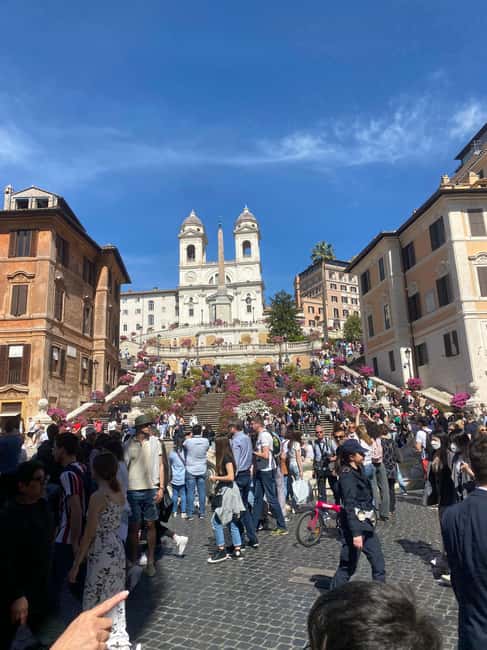
- Spanish Steps: the meeting point with the city views
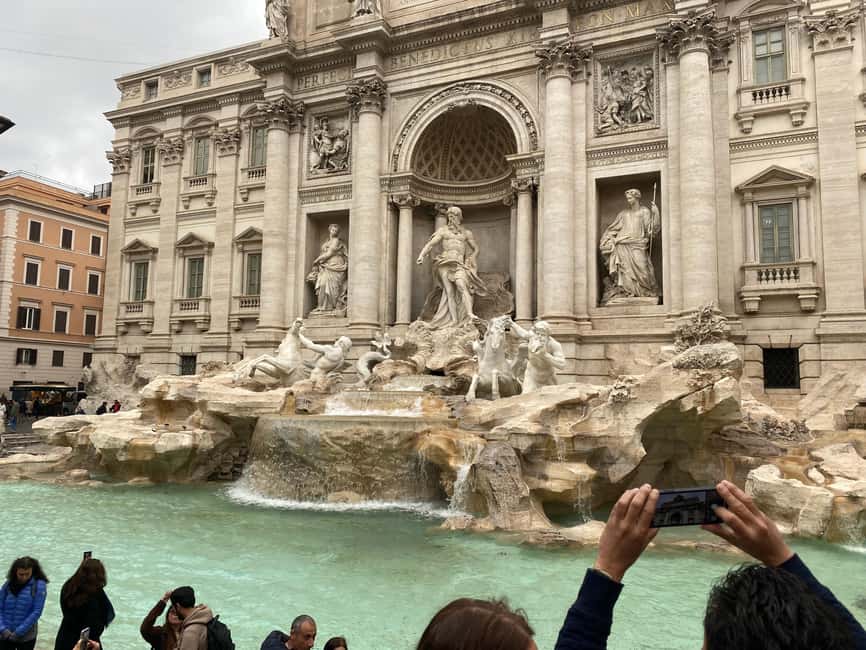
- Trevi Fountain: toss the coin, then listen to what makes it special
- Colosseum: the big finale with guided time
- The guide factor: Felice’s on-time, candid style
- Languages, pacing, and group size: why this matters in Rome
- Optional add-on: Vatican Museums and Sistine Chapel
- Who should book this Rome walk (and who might not)
- Should you book this Rome city walking tour?
- FAQ
- How long is the Rome city walking tour?
- Where does the tour start?
- What are the main sights included?
- Does the tour include the Vatican Museums and Sistine Chapel?
- How big is the group?
- Is the tour wheelchair accessible?
Key highlights I’d plan around
- Small group size (up to 10) means less waiting and more back-and-forth with your guide
- Felice-style guidance focuses on clear history plus practical city insight
- Vatican City + Rome classics in one loop saves time when you only have a day or two
- Pantheon and Trevi Fountain stop times give you enough room to see first, then listen
- Easy-to-picture photo stops keep the walk fun even when crowds swell
- Finale at the Colosseum closes the day with the most iconic setting
Starting with St. Peter’s Square, ending at the Colosseum
You meet at the beginning of St. Peter’s Square, near Piazza Papa Pio XII (the tour lists Piazza Papa Pio XII, 1 and coordinates around 41.9025, 12.45839). Expect a walking route that works like a straight shot through Rome’s center—grab your bearings fast, then let the guide pace you.
The structure is simple: you start in the Vatican area, then you move through the city’s best-known squares and monuments in a steady flow. The tour runs for 4 hours total, so it’s designed to hit a lot without turning into a marathon. It also ends at the Colosseum, which is a nice way to close: you finish where your “Rome postcard dreams” usually start.
A quick note on group feel: with up to 10 people, this isn’t a cattle-car tour. You’ll still be near crowds at the big-name stops, but you’re not stuck behind a large bus group that never stops moving.
You can also read our reviews of more walking tours in Rome
Vatican City: St. Peter’s Square + St. Peter’s Basilica time
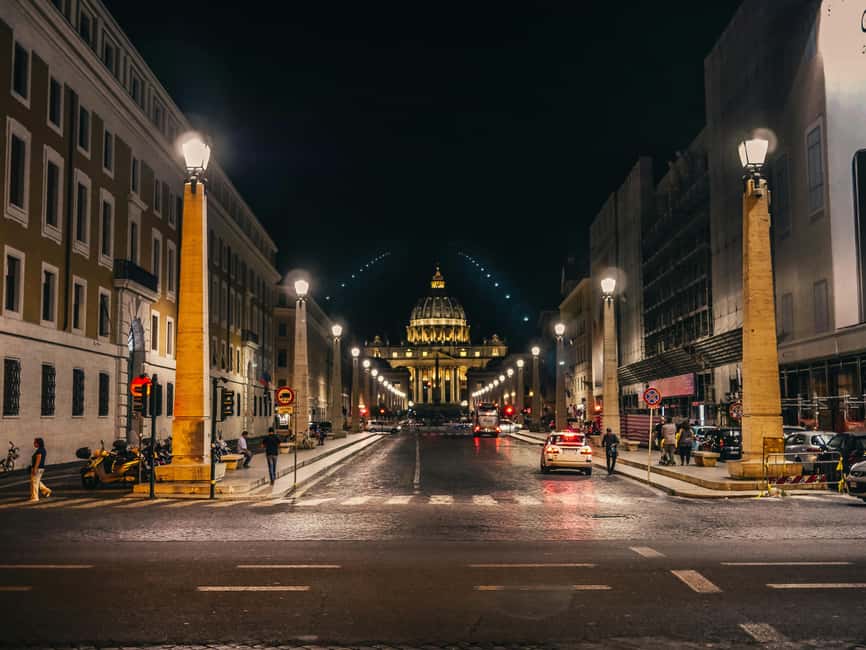
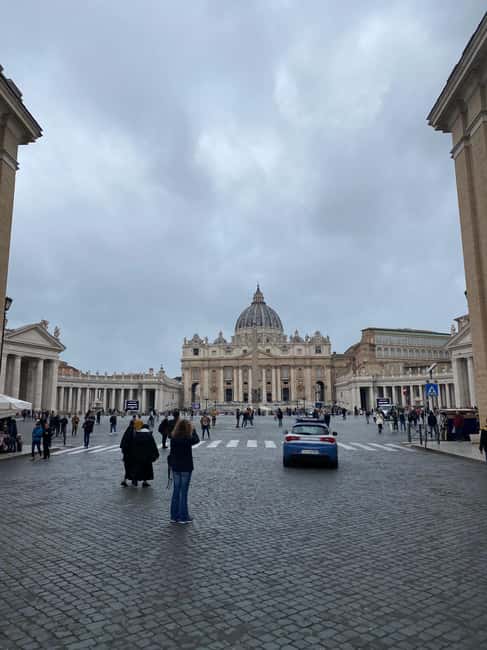
Your first big moment is the Vatican side. The tour includes a photo stop and guided time (about 30 minutes) in Vatican City area, built around St. Peter’s Square and a visit to St. Peter’s Basilica.
Why this works well for a walking tour: the square and basilica area are the kind of places where standing still for a bit matters. Even if you’ve seen photos, you need real-world time to notice scale—both the open space of the square and the sense of gravity around the basilica. Your guide’s job here is to help you connect what you’re looking at with the story of why the Vatican is a cultural anchor in Rome.
If you’re the type who likes to know what you’re staring at (and not just snap photos and move on), this early stop sets the tone. Plus, it’s an easier start time than trying to reverse-engineer the route later in the day.
Piazza Navona: a quick stop that still feels like a show
Next up is Piazza Navona, with about 20 minutes for photo stop and guided tour. Piazza Navona is one of those Rome squares where the energy is part of the attraction: open space, street life, and the kind of architecture that draws you to the center without you realizing it.
This is the kind of stop where you’ll appreciate the guide’s pacing. Instead of rushing through, you get time to look around and connect the square’s layout to its landmarks. And because it’s a square, it’s also a good place to regroup—rest your legs for a few minutes while still feeling like you’re moving through the heart of Rome.
Bernini’s Fountain of the Four Rivers: the photo you came for
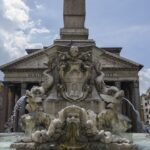
Then you hit the Fountain of the Four Rivers area. The time here is photo stop plus visit and guided tour (about 15 minutes), with Bernini’s fountain specifically called out.
If you like Baroque art and sculpture, this is one of those moments where the details reward close attention—without requiring a long time commitment. Fifteen minutes sounds short on paper, but in practice it’s enough for the classic view and the guided pointers that help you look past the obvious.
One practical tip for this stop: expect people. This fountain is famous, and that means the best photo spots can get crowded fast. Use the guided time to understand what you’re seeing first, then you’ll know where to stand for your own pictures.
The Pantheon: dome views and ancient Roman origins
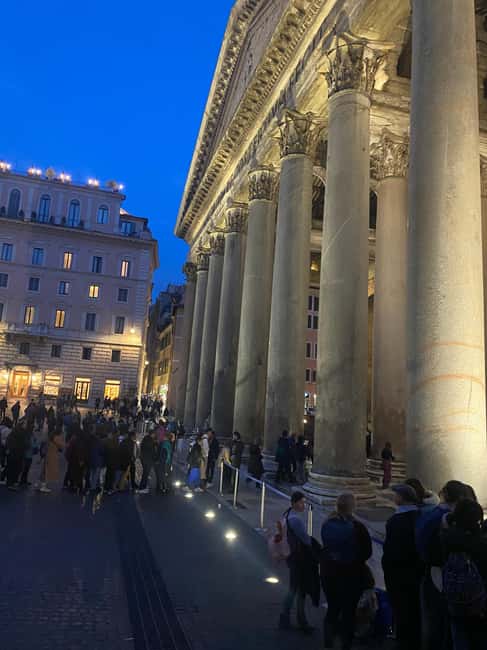
Your next major architectural hit is the Pantheon, with photo stop and visit plus guided time (about 15 minutes).
The Pantheon is built for instant impact. Even if you’re tired, the dome and the feeling of stepping into a Roman monument usually cuts through fatigue. Your guide’s focus here is less about repeating facts and more about giving you a framework: how the dome works visually, and the idea that the structure ties back to ancient Roman temple origins.
What I like about how this tour handles the Pantheon: it doesn’t pretend you’ll do everything. You get enough time for your first real look, then a short guided explanation that makes the space feel less random and more meaningful.
You can also read our reviews of more city tours in Rome


Spanish Steps: the meeting point with the city views
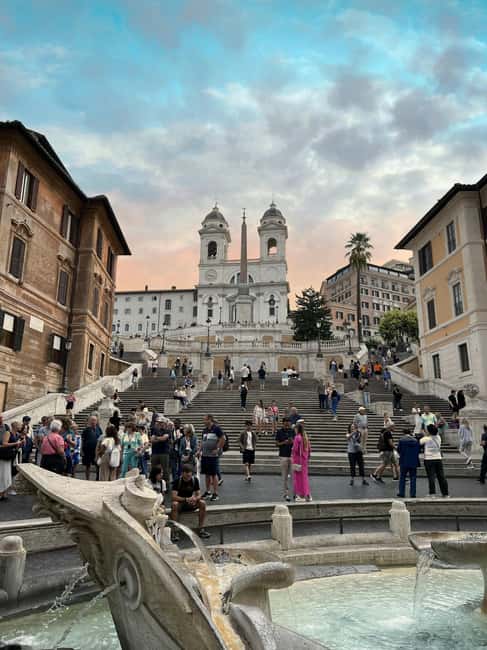
After the Pantheon, you reach the Spanish Steps with about 20 minutes for photo stop and guided tour.
The Spanish Steps are famous for a reason, but the tour’s value is that you’re not just waiting in the crowd. You get a guided visit that helps you understand why this is a natural meeting place and why the views from here matter. The tour description also points out the sweeping views idea, which is exactly what makes the steps feel like more than just a landmark.
Practical expectation: the Spanish Steps area can be busy, so treat the guided portion as your anchor. Once you get the view in your head, you can relax into the photo time and people-watching without feeling like you missed something important.
Trevi Fountain: toss the coin, then listen to what makes it special
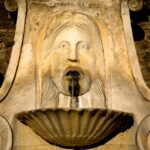
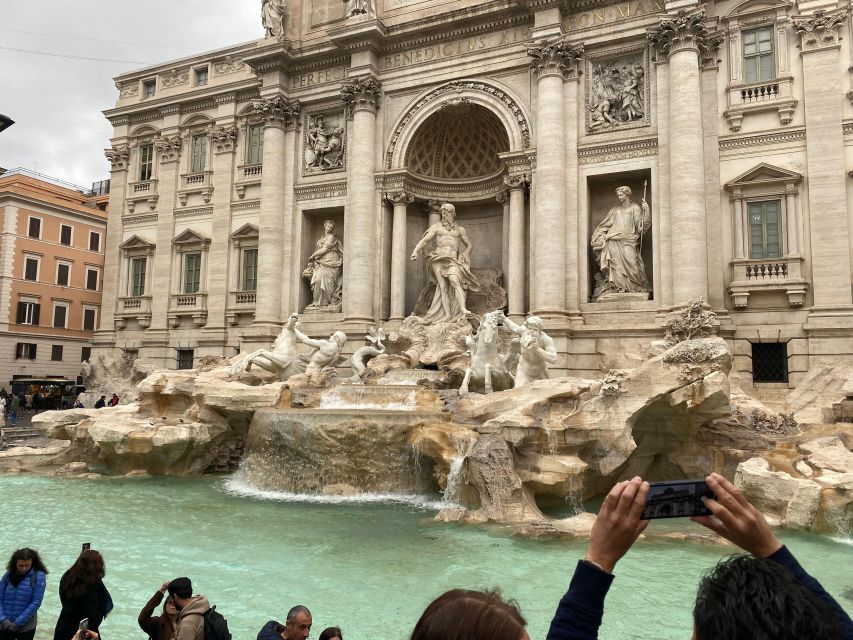
Then comes the crowd magnet: Trevi Fountain, with about 20 minutes for photo stop and guided visit.
You’ll do the classic tradition of tossing a coin into the water for good luck—and yes, that’s part of the fun of being at Trevi. But the tour’s real payoff is how it frames the experience: Trevi is described as Rome’s largest Baroque fountain, and your guide helps connect the fountain’s beauty to the wider Roman story.
If you care about atmosphere, Trevi is also one of the best places to feel Rome’s “everybody’s here” energy. The tour keeps you moving so you don’t get stuck in one spot for too long, yet you still get enough time to enjoy the view and understand what you’re looking at.
Colosseum: the big finale with guided time
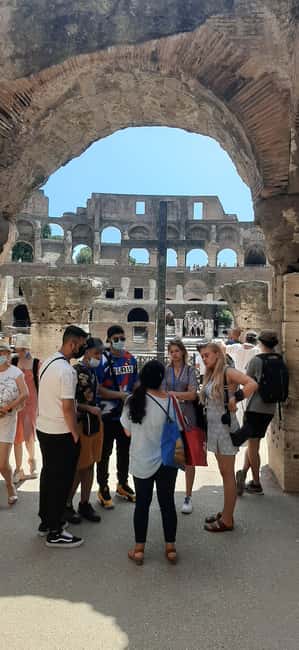
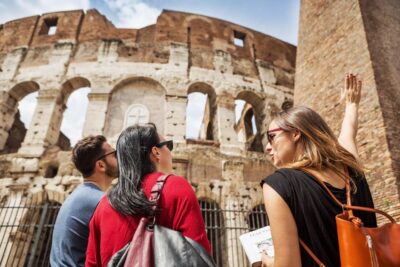
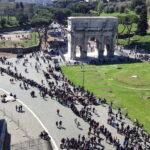
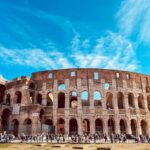
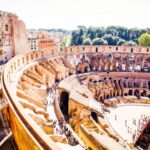
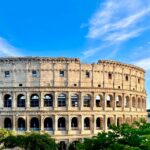
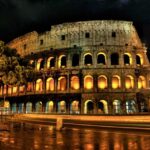
You end at the Colosseum, finishing with photo stop and visit plus guided tour (about 30 minutes). For many people, the Colosseum is the headline. For this tour, it’s the payoff.
This is where the guide’s style matters most. The Colosseum can become just a background in your photos if you don’t have context. Here, you’re given the kind of narrative that turns the sight into something you can picture in your mind: an ancient amphitheater and the grandeur that makes it such an enduring symbol.
The Colosseum also benefits from being the final stop. By the time you arrive, you’ve already trained your eyes on Rome’s major landmarks—Vatican City, squares, and architecture—so the Colosseum lands with full impact instead of being your first overload.
The guide factor: Felice’s on-time, candid style
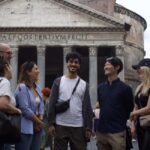
One thing that comes through strongly is how the guide shows up and how the tour “feels” in real time. Many departures are led by Felice, and the guide gets praise for being on time, for knowing the best places to stand and look, and for being candid and knowledgeable in the most useful way: not just facts, but context you can carry with you.
What I think you’ll enjoy most about this style is the blend of big landmarks and smaller, practical insights. The tour description emphasizes guide insights into Rome’s history, culture, and architecture, and the reviews add that Felice is great with recommendations—especially food. If you want a local perspective (and not just a generic list of tourist restaurants), this tour is set up for that.
Also, the guide being patient and smiling matters more than people think on a walking tour. In a city like Rome—where crowds, side streets, and getting oriented can get chaotic—calm energy helps the day feel smooth.
Languages, pacing, and group size: why this matters in Rome
This experience offers live guidance in English, Italian, Arabic, and French, and it’s described as wheelchair accessible. It’s also a small-group format limited to 10 participants.
Here’s why those details matter to you:
- Multiple languages mean you won’t feel stuck if your group includes mixed language comfort levels.
- Wheelchair access is a real factor when you’re walking through busy areas and crossing from one landmark zone to another.
- Small-group size keeps the experience personal, especially when your guide is explaining what you’re looking at.
And pacing is the quiet star here. With 4 hours total and guided segments of roughly 15–30 minutes at the major stops, you get enough time for the key moments without losing the whole day to logistics.
Optional add-on: Vatican Museums and Sistine Chapel
The tour includes an optional choice to visit the Vatican Museums and Sistine Chapel.
That’s a meaningful flexibility point. If you’re a serious art-and-history person, you might want more than just St. Peter’s Square and basilica. If you’d rather keep the walk focused on the wider Roman classics, you can skip the add-on and stay on the main route plan.
Just remember: adding museum time usually changes your energy level. If you’re planning this, I’d treat it as your “one big internal option,” not something you stack with extra plans later the same evening.
Who should book this Rome walk (and who might not)
I’d say this tour fits best if you want:
- A tight, iconic route in a half-day
- A guide-led experience across major landmarks (not just exterior photo stops)
- A small group where you can actually hear explanations
- An ending at the Colosseum so your last hour feels like a grand finish
You might reconsider if:
- You know you don’t handle long walks well, even at a casual pace
- You’d rather spend the entire day on one site (like going deep inside museums), because this tour is built for breadth in 4 hours
Should you book this Rome city walking tour?
If you want the easiest way to hit Rome’s biggest sights without turning your day into a checklist of random photos, this one makes sense. The combination of small-group size, strong guiding (often Felice), and a route that connects the Vatican area to the Colosseum creates a day that feels like real sightseeing, not frantic sightseeing.
I’d book it if your schedule is tight and you still want meaning at each stop—Vatican City, Piazza Navona with Bernini’s Four Rivers Fountain, the Pantheon, the Spanish Steps, Trevi Fountain, and then the Colosseum. I’d only skip it if your top priority is slow travel and long time inside museums, since the format is designed to cover a lot on foot in a limited window.
FAQ
How long is the Rome city walking tour?
The duration is 4 hours.
Where does the tour start?
You meet at the beginning of St. Peter’s Square, near Piazza Papa Pio XII, 1 (meeting point coordinates are provided).
What are the main sights included?
The tour includes St. Peter’s Square and St. Peter’s Basilica, Piazza Navona (including Bernini’s Fountain of the Four Rivers), the Pantheon, the Spanish Steps, Trevi Fountain, and the Colosseum.
Does the tour include the Vatican Museums and Sistine Chapel?
There is an optional choice to visit the Vatican Museums and Sistine Chapel.
How big is the group?
It’s a small group limited to 10 participants.
Is the tour wheelchair accessible?
Yes, the experience is wheelchair accessible.